Buy a classic Porsche 911
From the original air-cooled 2.0-litre car to the water-cooled generations, the Porsche 911 has retained its rear-mounted flat-six and two-door sports car layout. Coupé, Targa and Cabriolet versions offer distinct ways to enjoy it.
Search results
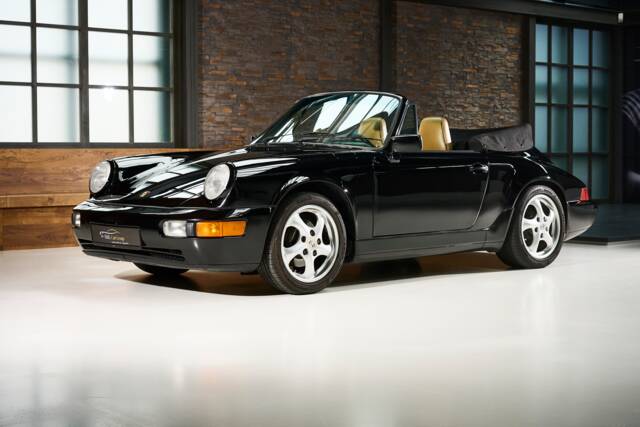
1990 | Porsche 911 Carrera 2
Porsche 964 Carrera 2 Cabriolet with Tiptronic, US delivery, 3.6-liter flat-six engine and Californian history
Current bid

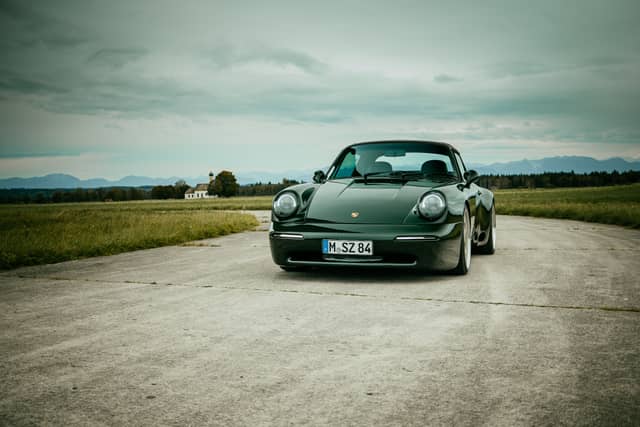
1994 | Porsche 911 Carrera 2 Reimagined by Strosek
Strosek MEGA30 Cabrio (964) Limited 04/30 (VAT deductible)
Sealed Auction
Auctions ending soon

Loading…
Loading…
Loading…
Loading…


1985 | Porsche 911 Carrera 3.2
German vehicle 2nd hand



Newsletter
The best Porsche listings, straight to your inbox
Get hand-picked Porsche listings, plus the best of cars, motorbikes, and auctions on Classic Trader — all in one place.


2010 | Porsche 911 Carrera 4S
Cabrio 3.8 Carrera 4S



2007 | Porsche 911 Turbo
3.6 Turbo


1990 | Porsche 911 Carrera 4
1990 Porsche 911 964 Carrera 4 '90



1997 | Porsche 911 Carrera S
Porsche 993 Carrera S - Werks-Turbo Look - Modelljahr 1997


2017 | Porsche 911 Carrera S
991.2 911 Carrera S
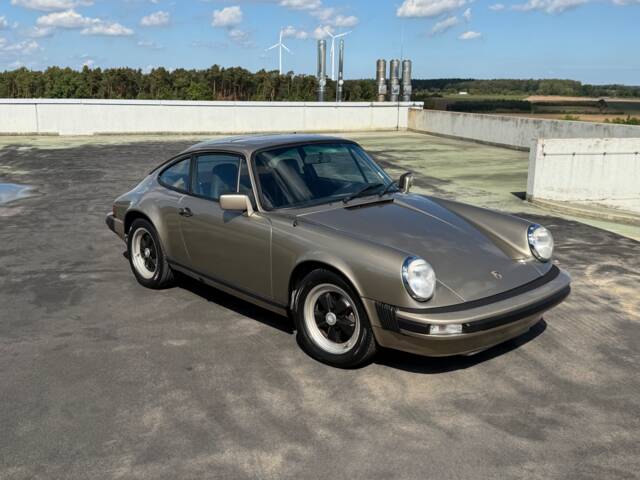
1978 | Porsche 911 SC 3.0
Coupe *Finanzierung möglich*Teilrestauriert*Note2*Top Zustand*


1979 | Porsche 911 SC-L 3.1
Porsche 911


1970 | Porsche 911 2.2 T
Orange Tangerine - Moteur refait - Garantie

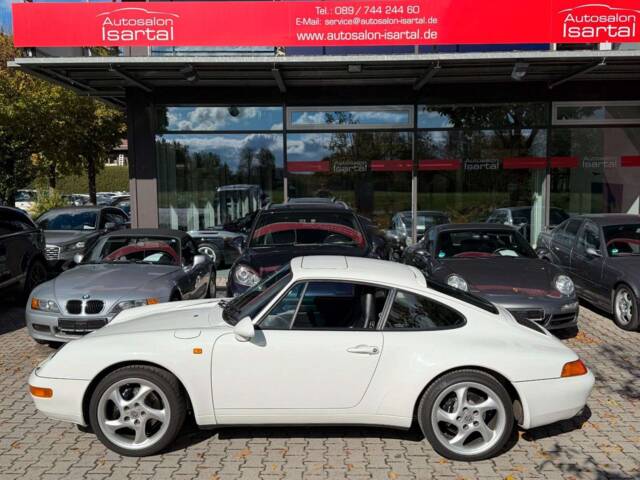
1993 | Porsche 911 Carrera
Porsche 993
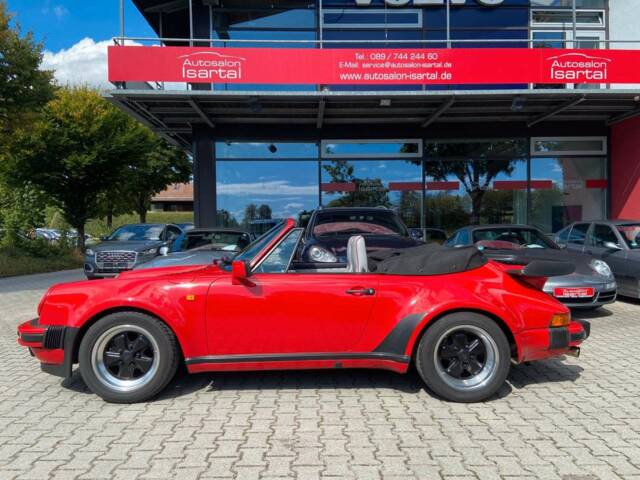
1987 | Porsche 911 Turbo 3.3
Porsche 911
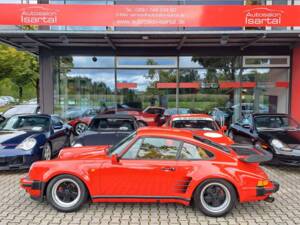
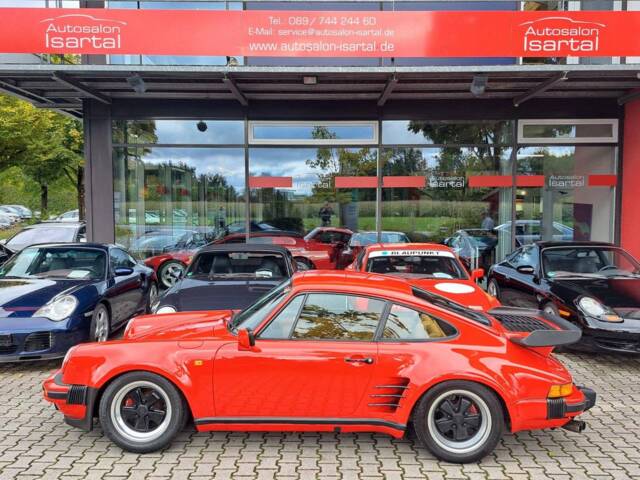
1989 | Porsche 911 Turbo 3.3
Porsche 930
Porsche 911 Classic Cars: Prices & Market Values
The history of the Porsche 911
Porsche presented the successor to the 356 at the Frankfurt Motor Show in September 1963. Initially called the 901, it was renamed 911 following a trademark objection from Peugeot. Sales began in 1964.
Ferdinand Alexander Porsche’s design gave the new car larger windows and more luggage space than the 356, while its 2.0-litre, air-cooled flat-six produced 130 PS. The 911 also introduced a monocoque body and rack-and-pinion steering.
Porsche 911 generations
- Original 911: Early cars progressed from 2.0 to 2.4 litres, with T, fuel-injected E and more powerful S versions.
- G-series, 1974–1989: Recognisable by its impact bumpers, this generation included the SC, Carrera 3.2 and Turbo. A full Cabriolet arrived in the early 1980s.
- 964: Introduced in 1988, the 964 brought coil-spring suspension, ABS and power steering. The Carrera 4 added four-wheel drive.
- 993: Introduced in 1993, the 993 was the final air-cooled generation. It featured a multi-link rear suspension and more integrated bumpers.
- 996: The first water-cooled 911 brought a new body and interior, with Carrera, Turbo, GT2 and GT3 models.
- 997, 991 and 992: Later generations continued with water-cooled flat-six engines, adding technology such as PDK and, on suitable versions, electronically controlled suspension.
What makes the Porsche 911 distinctive?
The 911 combines a rear-mounted flat-six with a two-door body and, in most versions, 2+2 seating. Early cars use air cooling and torsion-bar suspension; the 964 adopted coil springs, while the 996 marked the move to water cooling.
The range has included naturally aspirated and turbocharged engines, rear- and four-wheel drive, and manual, semi-automatic and automatic transmissions. The Targa offers open-air driving beneath a fixed roll bar, while the Cabriolet has a fully convertible roof.
Porsche 911 technical data
Special Porsche 911 models
- Carrera RS 2.7: Introduced in 1972 for racing homologation, the RS used a 2,687 cc engine producing 210 PS and weighed 975 kg.
- 911 Turbo: Introduced in 1974, the turbocharged 911 gained wider bodywork and a distinctive rear spoiler.
- Speedster: A roadster-style 911 offered during the G-series era.
- Turbo-Look: The M491 option gave a naturally aspirated Carrera the Turbo’s wide body and running gear.
Porsche 911 checks before buying
Check the body carefully for corrosion: Porsche introduced galvanised body panels in 1975 to combat rust, so the age and construction of a 911 matter when assessing its bodywork. Establish which generation and engine a car has, especially when comparing an air-cooled 993 with a water-cooled 996.
For originality, check the engine and gearbox numbers, the original colour and the car’s documentation. On a Turbo-Look Carrera, distinguish the M491 package from a turbocharged 930: the wide body alone does not identify the engine.
Engine, transmission and driving
Early 911s pair an air-cooled flat-six with torsion-bar suspension and rack-and-pinion steering. The 964 changed to coil springs and offered four-wheel drive in the Carrera 4; the 993 followed with multi-link rear suspension. From the 996 onwards, the flat-six became water-cooled.
Transmission choice is another defining difference. Early cars were offered with manual gearboxes or Sportomatic, while later 911s gained Tiptronic and PDK dual-clutch transmissions.
Porsche 911 design and equipment
Ferdinand Alexander Porsche’s original design established the 911’s sloping nose and round headlamps. The G-series added prominent impact bumpers with black bellows, while the 993 incorporated its bumpers more smoothly into the body. Fuchs alloy wheels became a distinguishing feature of the early 911 S.
Inside, classic 911s have five instruments with a central rev counter. Depending on the car, equipment can include a sunroof, sports seats or air conditioning; later 911s offered features such as navigation, Sport Chrono and PASM adaptive suspension. Porsche also offered special-order exterior colours through Paint to Sample.
The Porsche 911 in motorsport
The 911 competed on the Monte Carlo Rally in 1965, soon after its launch. Porsche later developed the Carrera RS 2.7 for racing homologation and built a four-wheel-drive 911 for the Dakar Rally. The model has also raced in dedicated championships, including the Porsche Supercup and Carrera Cup.
Choosing a classic Porsche 911
An early 911 offers the original air-cooled formula, while a G-series adds impact-bumper styling and later options such as the Cabriolet. The 964 and 993 retain air cooling with newer chassis technology; the 996 begins the water-cooled era. Engine, body style, transmission, originality and condition are key distinctions when choosing between them.
FAQs
Why are classic Porsche 911s so popular?
The classic Porsche 911 is highly sought after due to its unique design and rich motorsport heritage. Its outstanding performance and driving dynamics offer a genuine driving experience. Additionally, it holds iconic status, boasts high value stability, and offers impressive potential for appreciation, making it attractive as an investment option.
How can I find spare parts for classic Porsche 911 cars?
Spare parts for classic Porsche 911 cars are generally easy to find, both through specialized Porsche dealers and via classic car clubs and forums dedicated to Porsche enthusiasts. However, parts for rare models like the Carrera RS 2.7 can be more expensive and harder to source.
What should be considered when buying a classic Porsche 911?
When purchasing a classic Porsche 911, it’s important to pay special attention to the condition of the bodywork (rust), originality (Matching Numbers), and maintenance history. Comprehensive documentation and a solid technical condition are crucial for preserving its value. Researching the market value and price trends of the specific model is also vital. Additionally, the availability of spare parts for the particular model year can significantly affect future maintenance costs.