
1967
Mercedes-Benz 250 SL
Fine roadster in mint condition
Understand the British cars, motorcycles and buyer checks that define the decade. Read the buying guide.
Fine roadster in mint condition
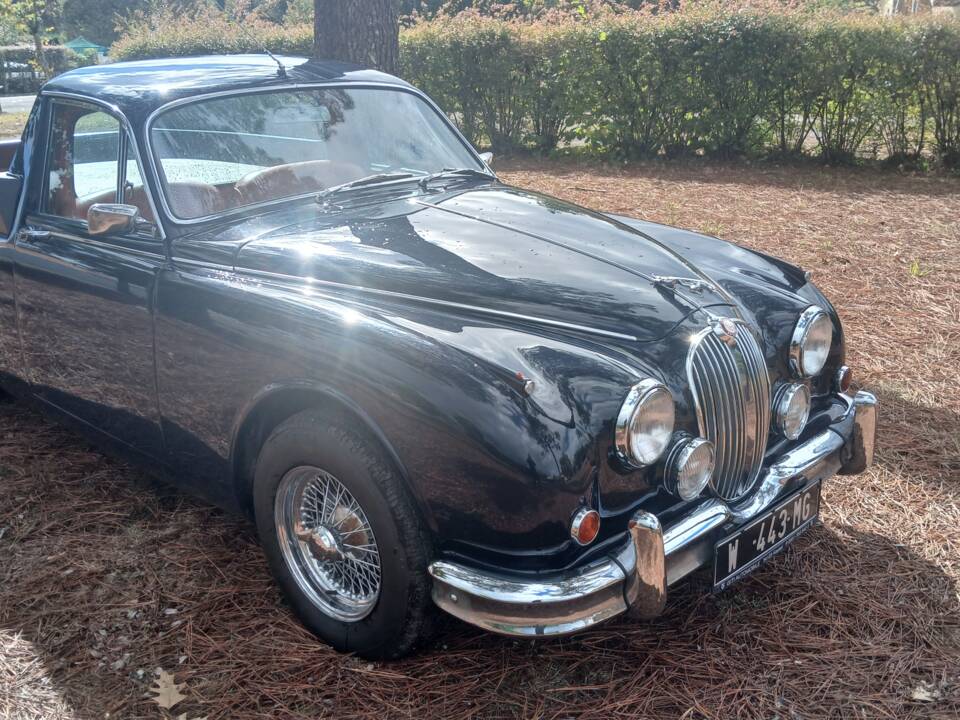
Jaguar Mk II 3.8 Pick-up « Utility » – Keiselt – 1961

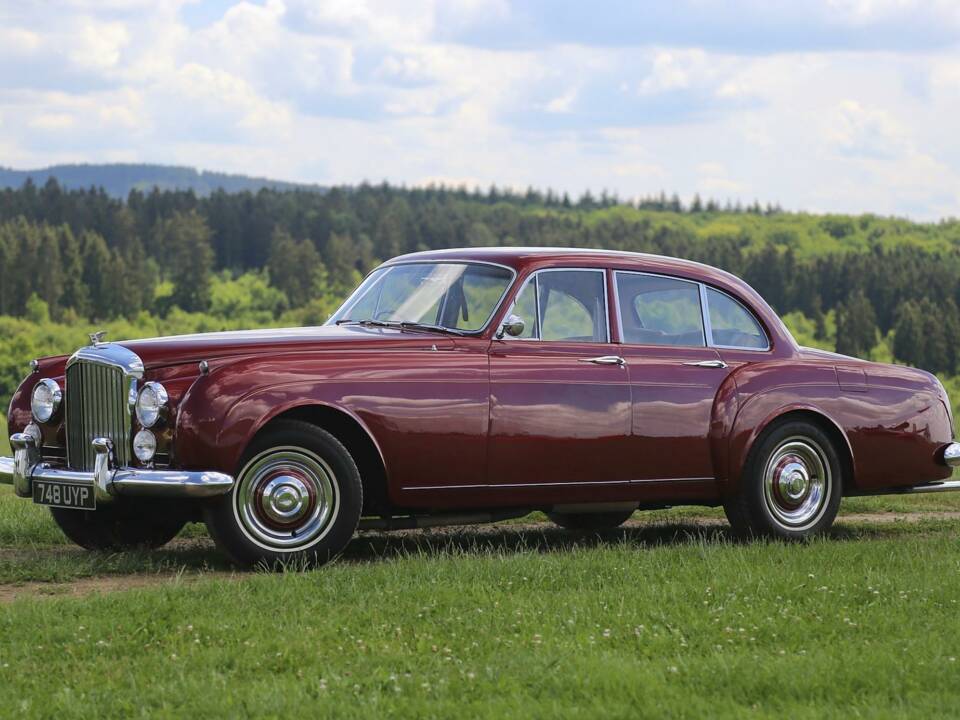
Flying Spur

The most beautiful and best convertible of its time


Standard Steel Saloon

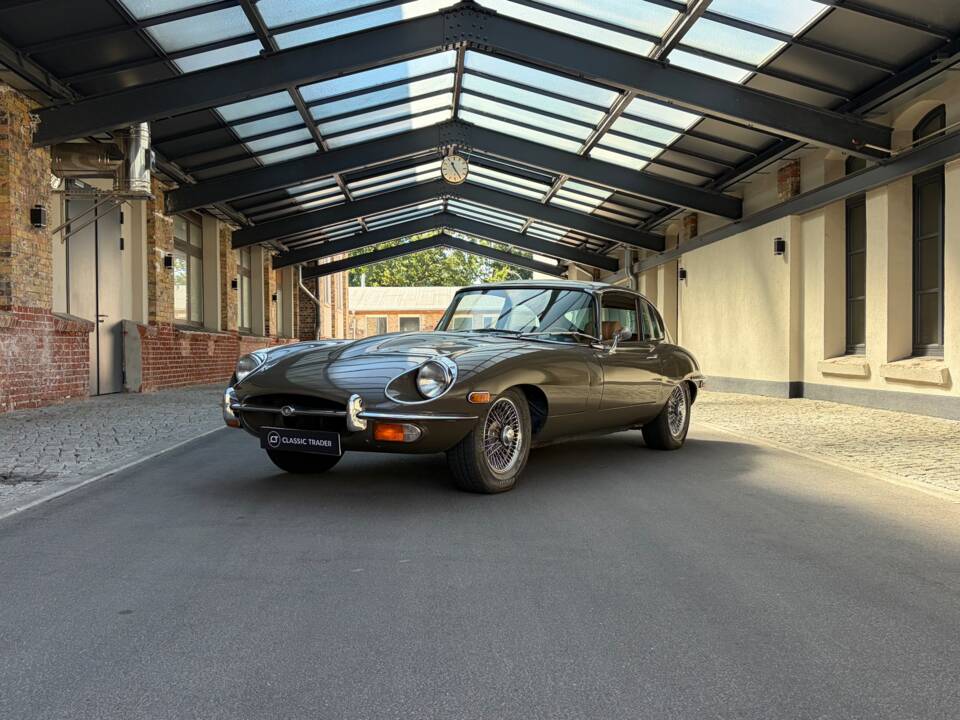
US E-Type Series II 2+2 with honest patina, documented history since 2005 and rebuilt 4.2-litre engine

Ford Mustang Cabrio| Gerestaureerd | Zeer goede staat | 1967


...very rare...

VNB5

RESTORED !!!

VBA !! IMPRESSIVE RESTORATION !!

VERY RARE !!!

IMPRESSIVE RESTORATION !!


1967 BMW R60/2 Classic Racer '67

Heinkel Tourist 103A-1 .


R 60 mit Beiwagen - Restauriert

R 69S mit Steib Beiwagen Restauriert - mehrfach

745cc Matchless G15CS
The 1960s British vehicle buyer saw transport become more individual, more international and more visible in popular culture. A small car could be a practical family purchase, a first car or a competition-inspired statement. A motorcycle could serve a commuter, a tourer or a rider attracted by club life and speed. That mixture matters when buying now: the same badge may describe a plain, heavily used saloon, a carefully specified performance version or a later car carrying period-style changes.
British roads, seaside trips, club events and motor sport helped make a car’s handling and appearance part of its appeal. The decade’s advertising often simplified complicated model ranges into memorable identities. Do not let that identity substitute for evidence. A 1960s vehicle is a particular chassis, body, engine and market specification, not merely a colour, badge or story attached to it.
For a buyer, the useful question is how the vehicle was used and maintained. Look for signs of regular road use, competition preparation, long storage and repeated restoration. A converted saloon may be enjoyable but should be described as converted. A rebuilt motorcycle may have excellent mechanical work but still need its frame number, engine type and replacement components recorded. Period accessories can be valuable to the narrative while being irrelevant to structural safety.
The decade also rewards restraint. Flashy trim can hide corrosion, and a period-looking engine bay can contain incompatible wiring or an unknown cooling system. Set a brief for the car or bike before viewing: original road car, sympathetic driver, competition replica or documented restoration. That decision determines which changes are acceptable and which evidence you need.
The United Kingdom was both a manufacturing base and a market for imported vehicles. British Motor Corporation products, Jaguars and Triumph motorcycles were sold alongside cars and bikes from Europe, North America and Japan. Model names, engines, lighting, instruments, emissions equipment, trim and safety details could vary by destination. A catalogue description from one country is not proof of a British-market specification.
Ask for the first registration details, chassis or frame number, old logbooks, import documents, invoices and photographs of earlier work. For an imported vehicle, establish when it arrived, how its identity was checked and whether the present registration accurately reflects its history. Compare the advertised model year with the build date and the date the particular market received that version. A car described as a 1960s model may have been built earlier, registered later or substantially updated.
UK ownership also brings practical questions beyond historical authenticity. Consult the current GOV.UK guidance on vehicle registration, importing vehicles, historic vehicles and MOT requirements. Do not treat an online summary or an age label as a legal decision. Historic eligibility can be conditional, while roadworthiness, insurance, declared modifications and local clean-air or traffic-zone rules remain separate matters.
Before agreeing to buy, ask an insurer about the proposed use, storage, mileage limits and modifications. Check that the registration details, number plates and identity marks agree with the documents and the physical vehicle. Imported motorcycles may need particular attention to lighting and instrumentation; imported cars may have different steering position or lighting arrangements. Resolve those questions before transport or registration, not after a deposit has been paid.
The BMC Mini launched on 26 August 1959 as the Austin Seven and Morris Mini-Minor. Its transverse engine and front-wheel drive were present at launch and created an unusually efficient cabin for the external size; the Mini was not the first front-wheel-drive car. That distinction is important when describing its engineering: its achievement was a compact, coherent packaging solution that proved influential and usable, rather than a claim of absolute priority.
In the 1960s the Mini range acquired different engines, trim levels and purposes. The Cooper arrived in 1961, the Cooper S in 1963, and an automatic option in 1965. Verify which combination belongs to the vehicle in front of you. A Cooper S badge, a larger-looking brake arrangement, a tuned engine or a replica interior does not establish identity. Compare the body shell, subframes, engine number, instruments, wheels, seats and period paperwork with a marque specialist’s reference for the market and model year.
Small British cars beyond the Mini can be appealing precisely because they were built as ordinary transport. Buyers should assess them as complete systems, not as charming shells. Check the front and rear subframes, sills, floor panels, inner wings, bulkhead, door pillars and suspension pick-up points. Inspect beneath carpets and sound deadening, behind wings and around drain paths. Fresh underseal can conceal old repairs; request photographs before the finish was applied and use a magnet or paint inspection only as supporting evidence.
On a Mini, examine the condition and alignment of the subframes, the front suspension, steering rack, driveshafts, cooling and electrical earths. Confirm that an upgraded engine, disc conversion, alternator, brake servo or gearbox is correctly installed and documented. Such changes may make a car easier to use, but they change the inspection and insurance conversation. Test the clutch, synchromesh, brakes, steering and temperature behaviour from cold to fully warm. A quiet idle in a warm workshop proves little.
Compact cars often carry more owner modifications than prestigious grand tourers. Look for non-standard wheels, wiring, seats, roll bars and instrument panels, then ask whether the original parts accompany the sale. Decide whether reversibility matters to you. The right purchase is not automatically the most standard example; it is the one whose structure, specification and repair history are honestly understood.
The Jaguar E-type Series 1 was unveiled at Geneva on 15 March 1961. At launch it used a 3.8-litre straight-six, independent rear suspension and disc brakes. Contemporary publicity associated suitable specifications and conditions with a 150 mph claim; that period claim should not be repeated as a universal performance promise for every surviving car. Engine condition, gearing, tyres, bodywork and road conditions all affect what a particular car can do.
The E-type’s appeal lies in the interaction of its structure, suspension, steering and body design. It is also a demanding inspection subject. Check the front frames, sills, floors, bulkhead, boot floor, rear suspension mounting areas, jacking points and evidence of accident repair. Inspect the bonnet fit, door gaps and shut lines without assuming that a beautiful paint finish means the shell is sound. On the mechanical side, check cooling, oil pressure, carburettors or other fitted induction, gearbox, differential, brakes and the independent rear suspension.
Sports-car names travelled widely during the decade. British models competed for attention with European and American cars, and an imported example may have a different engine, instruments, lighting, bumpers or trim from a UK car. Confirm the exact derivative using factory records where available, but also use physical evidence: casting marks, body numbers, component dates and old photographs. Specialist opinion is particularly useful when a claimed high-performance version would require a different shell or running gear.
Engineering changes should be judged by fit and disclosure rather than fashion. Electronic ignition, improved cooling, alternators, radial tyres, modern seals or upgraded brakes may support regular driving. They can also introduce poor wiring, altered geometry or an insurance issue. Ask who designed and fitted each change, what parts were removed, and whether the work can be inspected and reversed. A specialist should assess compatibility instead of promising that any popular upgrade is safe or available.
Triumph, BSA, Norton and other British manufacturers supplied motorcycles for commuting, touring, club riding and competition. Their 1960s ranges changed by year and market, so a model name alone is not enough to establish the engine, gearbox, brakes or electrical arrangement. A Bonneville T120 began in 1959 and was developed and varied through the 1960s; check the year-specific and market-specific details rather than assigning every T120 the same equipment.
For a British twin, inspect the frame for distortion, cracks and poorly executed repairs, especially around headstock, oil tank mounts, footrest brackets and swinging-arm pivots. Check wheel alignment, spoke condition, rims, hubs, steering bearings and fork stanchions. Examine crankcases for damage or welding, then test oil pressure or other appropriate mechanical evidence with a specialist. Gear selection, clutch action and primary-drive noise deserve a ride or a controlled workshop test, not a promise based on a blipped throttle.
The electrical system is a major part of a usable motorcycle. Trace the loom rather than judging it by visible insulation. Check charging output, switches, earths, fuse arrangements, battery security and whether a modern regulator or ignition has been fitted correctly. Inspect fuel taps, tanks, carburettors and hoses for leaks and contamination. Confirm brake operation and tyre age as well as tread. A motorcycle can look complete and still be unsafe to ride.
Originality has several layers: frame and engine identity, major cycle parts, paint and plating, fasteners, controls and accessories. Establish which components are period, which are later replacements and which are reproductions. Ask for receipts, photographs and specialist reports. If a T120 has been converted for touring or a standard machine has been made into a café racer, judge the workmanship and documentation on their own terms rather than paying for an unproven factory specification.
Japanese manufacturers became increasingly visible in Britain during the 1960s, but their arrival was not an instant replacement of British motorcycles. Availability, dealer networks, rider preferences and the strengths of established British machines overlapped. A buyer should therefore examine how a particular motorcycle entered the UK and how it was used, rather than applying a simple national or generational story.
Honda’s CB750 was launched in 1969. UK pre-production examples were shown at Brighton in April 1969. The machine used a 736 cc SOHC inline-four, electric start and a front hydraulic disc. Those are useful identification and inspection clues; they are not a basis for calling it the first, world’s first or an absolute “superbike”. Confirm the exact year and market equipment, including exhausts, instruments, switches, indicators and braking components.
On a CB750, inspect the frame and steering head for repairs, the engine cases for impact or leaks, the cam and valve-train area, carburettors, four-into-four exhaust system, charging circuit and starter system. Check that the four carburettors balance, the engine starts from cold and oil pressure or other appropriate mechanical tests are satisfactory. Test the front disc, calliper, master cylinder, forks, wheels and tyres. Replacement exhausts, ignition, wheels and instruments may be sensible, but disclose them and verify their compatibility.
Japanese motorcycles can have excellent visual completeness while hiding corrosion in fasteners, connectors, tanks, silencers or frame tubes. Look inside the tank, behind side panels and under the seat. Compare casting marks, frame and engine numbers, paint details and component dates with a model-year reference. Parts supply is not a guarantee: ask a specialist to identify exactly what is missing and whether a proposed replacement is correct for the market. Price and availability should be established for the individual machine, not assumed from its reputation.
The decade illustrates why “introduced” and “adopted” must be kept separate. The Mini introduced a particular front-drive, transverse-engine package to its buyers at launch, but front-wheel drive itself pre-dated it. The E-type introduced a striking combination of design and established engineering to a wider audience, not every feature as a new invention. Honda’s CB750 introduced its particular four-cylinder, electric-start and disc-brake package in 1969, while related technologies had different histories and adoption rates.
Do not turn one specification into a universal description of the era. Some 1960s cars had front disc brakes; others did not. Some motorcycles had electric starting, while others retained different starting and electrical arrangements. Automatic transmissions, independent suspension, alternators, radial tyres and improved safety equipment appeared across differing models and markets at different times. For a purchase, the relevant question is what was fitted to this vehicle when it was built, what has changed, and whether the present arrangement works properly.
Adoption also depended on use. A commuter valued dependable starting and weather protection differently from a weekend sports-car driver. A family buyer might choose space and serviceability; a club rider might accept vibration or maintenance for character. Imports expanded choice without erasing local practice overnight. Read period tests and advertisements as evidence of expectations, then verify the individual car or bike with physical inspection and documents.
When restoration changes a system, record the before and after. Note engine rebuild dimensions, brake conversions, wiring alterations, suspension parts, paint, plating and replacement panels. Ask whether the work was carried out to a known method and whether a future owner can maintain it. A knowledgeable marque or model specialist can identify details that a general inspection misses, but the specialist should inspect the actual vehicle and state the limits of the opinion.
Begin with the identity file. Collect the registration document, chassis or frame and engine numbers, import evidence where relevant, factory or club records, old MOT certificates where they exist, invoices, photographs and restoration notes. Compare dates and descriptions instead of accepting a neat narrative. A gap in the history is not automatically a defect, but an unexplained replacement shell, frame, engine or major body section must be reflected in the description and your decision.
Inspect the structure before commissioning cosmetic work. For cars, use a lift where possible and examine sills, floors, subframes, inner wings, bulkheads, door pillars, suspension mounts, boot floors and previous welding. Probe suspicious areas carefully and look for distortion, incompatible metal thickness, trapped moisture and fresh coating. For bikes, check the frame, headstock, swinging arm, forks, wheels, hubs, brake mounts and engine cases. A straight-looking frame is not proof of correct alignment; measure it when the history suggests an accident or competition use.
Then test systems in a logical order. A car should be seen cold, started without preparation and driven once oil and coolant are at normal temperature. Check oil pressure indication, temperature stability, charging, clutch, gearbox, steering, braking, differential noise, lights, wipers and heater. On a motorcycle, check cold starting, idle, throttle return, clutch, gearbox, brakes, steering, charging, lighting and the behaviour of the engine under load. Do not accept a seller’s claim that a fault is “only a carburettor” without diagnosis.
Use a model-year and market checklist for originality. Record body panels, trim, instruments, wheels, engine, gearbox, axle or final drive, brakes, suspension, exhaust and electrical equipment. Separate factory options, period accessories, later upgrades and incorrect substitutes. Ask a marque club, recognised restorer or model specialist to review photographs before a deposit, then arrange an independent inspection. Specialist checks should cover repair quality and mechanical health, not simply whether the vehicle resembles a catalogue image.
Finally, make the legal and ownership checks separately from the historical ones. Confirm the current GOV.UK position on registration, importation, historic status and MOT, and ask an insurer to accept the exact use and modifications. Confirm roadworthiness yourself and account for local traffic or emissions zones. Make the sale conditional on matching identity, clear disclosure of replacement major components and satisfactory inspection. The best 1960s classic to buy is the one whose structure, systems, history and intended use you can explain without guesswork.
Start with identity and provenance, then inspect the structure before paint, trim or accessories. Check floors, sills, inner wings, suspension mounts, bulkheads and repairs from underneath and inside the car.
It can be, but assess visibility, controls, lighting, insurance and the import and registration history. Confirm the specification and paperwork for the exact market rather than assuming a UK-market equivalent.
The BMC Mini launched on 26 August 1959 as the Austin Seven and Morris Mini-Minor, using a transverse engine and front-wheel drive to package four occupants in a small footprint.
The Jaguar E-type Series 1 was unveiled at Geneva on 15 March 1961. Its launch specification used a 3.8-litre straight-six, independent rear suspension and disc brakes.
Check frame alignment and repairs, steering and wheel bearings, forks, brakes, crankcases, gearbox operation, charging, wiring, fuel system and cold-start behaviour. Match engine and frame identities to the documents.
Use current GOV.UK guidance for registration, imports, historic vehicle status and MOT requirements. Eligibility is conditional; roadworthiness, insurance, modifications, disclosure and local-zone rules are separate checks.
Join 100,000+ subscribers getting hand-picked listings
Receive hand-picked collections of the most interesting cars, motorbikes, and auction listings on Classic Trader — straight to your inbox.