
1949
Veritas SP90 Spohn
BMW-Veritas SP90 Spohn Roadster, 1 von 1
Understand wartime supply, post-war change and the evidence behind a 1940s vehicle. Read the buyer guide.
BMW-Veritas SP90 Spohn Roadster, 1 von 1

Overig Delahaye 135 M Worblaufen

Rare Bentley in original condition

SIMCA 6

Healey Silverstone


45 Jahre im Familienbesitz


Oldtimer Tempo A 200


Freestone and Webb Razor Edge

6C 2500 SS Pininfarina Cabriolet
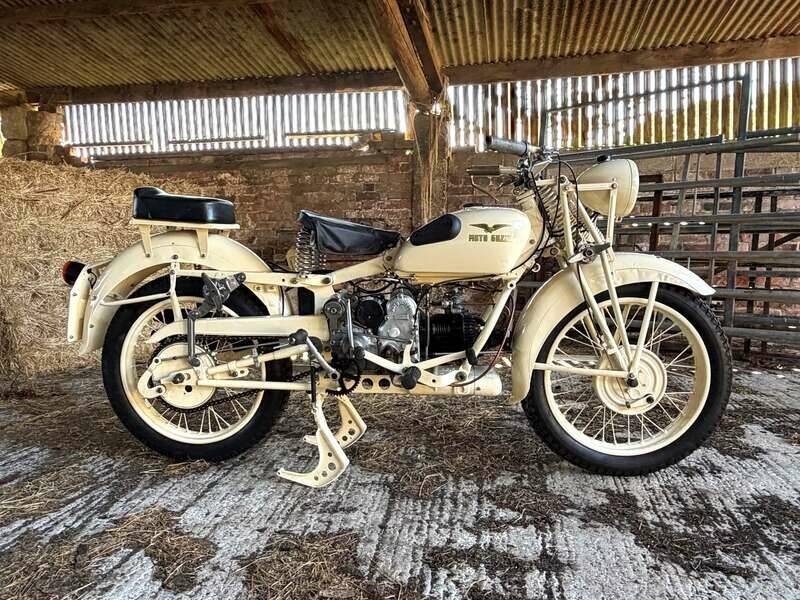
1945 Moto Guzzi Alce 500cc

SERIE-SPORT !!
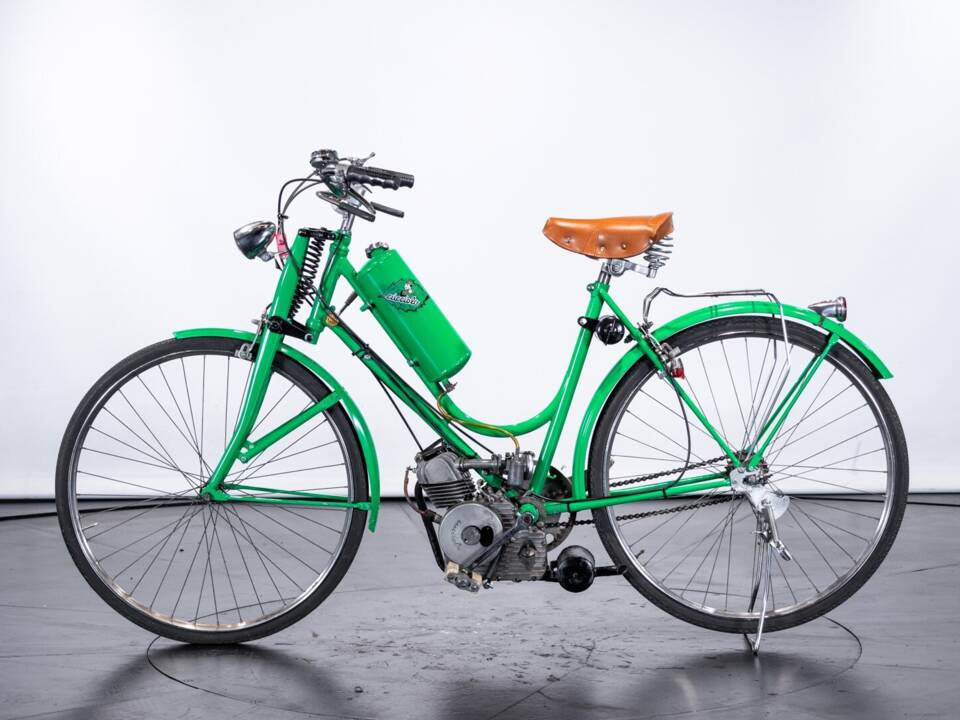
Ducati CUCCIOLO
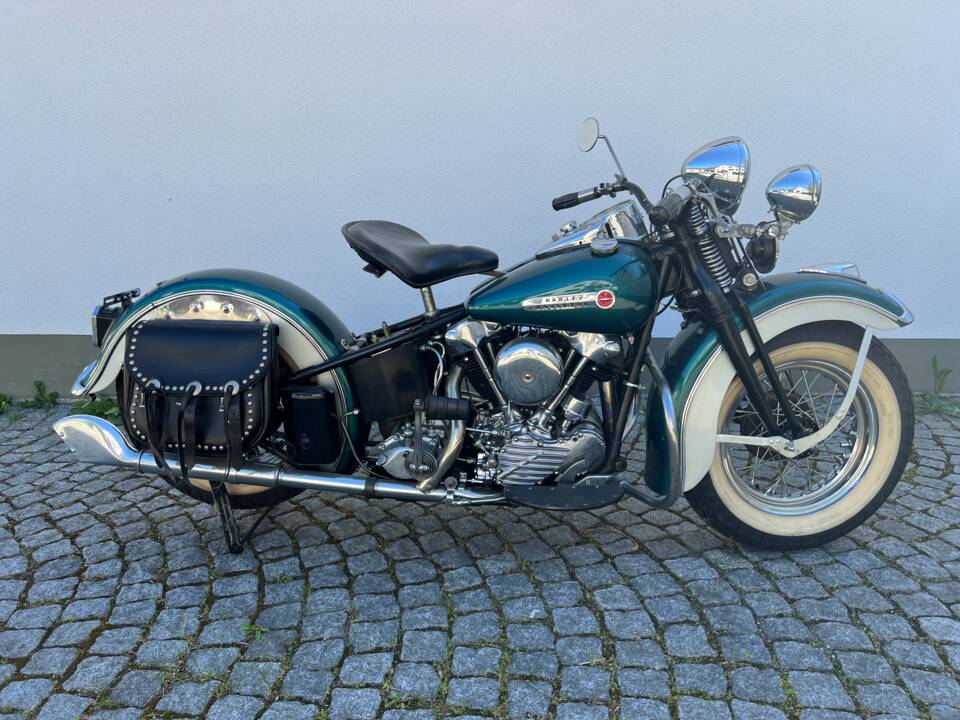
A true HD classic
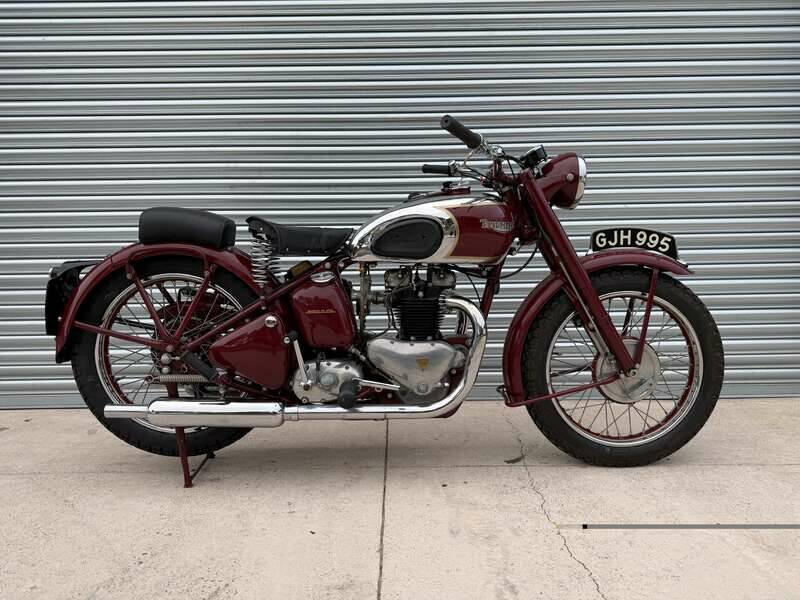
1946 Triumph 5T Speed Twin 498cc
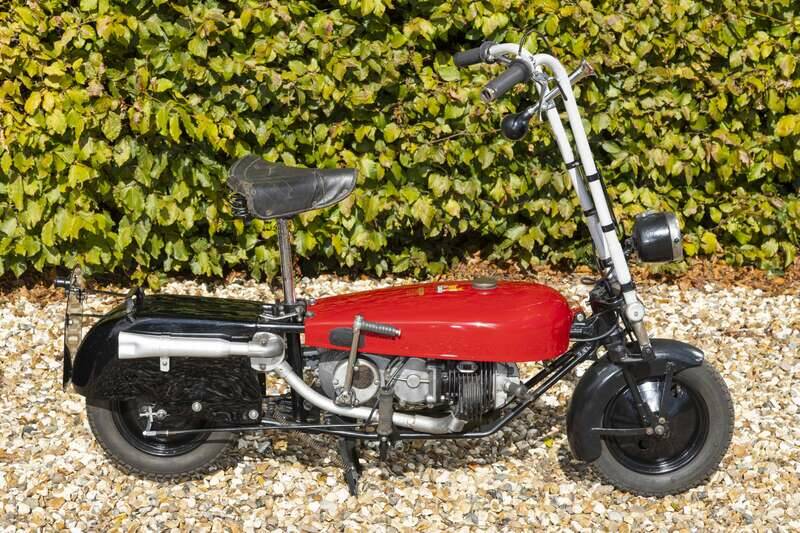
1949 Brockhouse Corgi Mk2 98cc


INNOCENTI Lambretta Modell B 125cm³

Moto Guzzi “Guzzino” Motoleggera 65 Tipo A – 1949

V11T
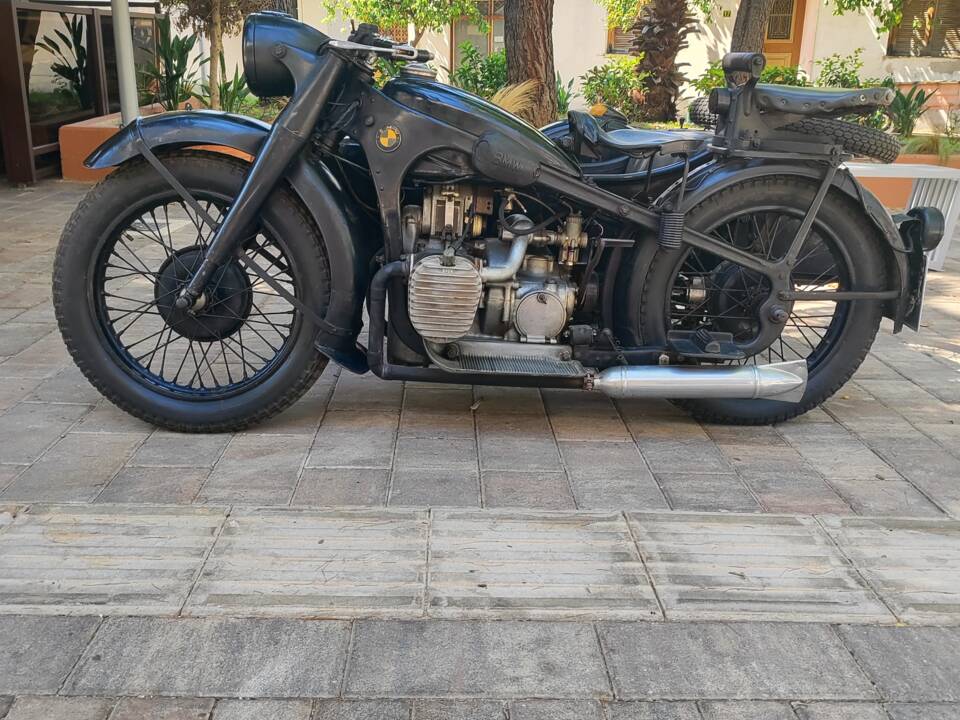
BMW R12 WITH ORIGINAL SIDECAR
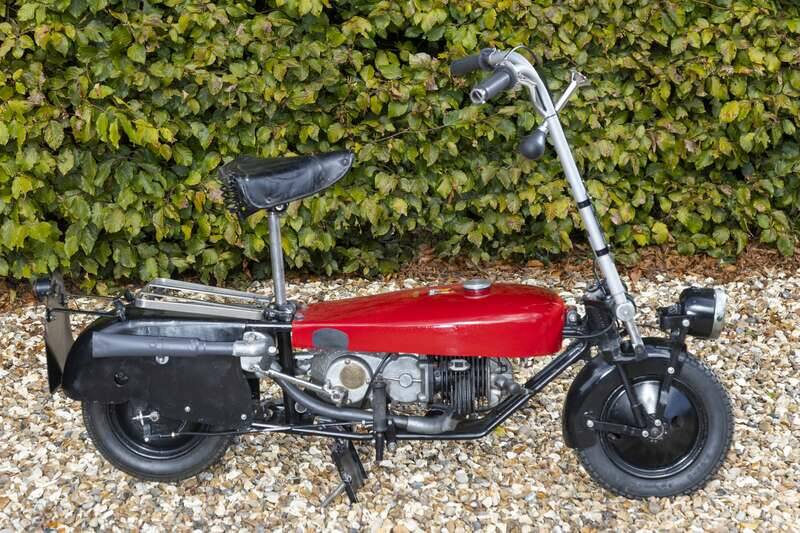
1949 Brockhouse Corgi Mk2 98cc
The 1940s are not one consistent vehicle period. Civilian supply was restricted during the war, so a car or motorcycle made in those years may reflect rationing, allocation and the practical need to keep existing transport operating. A surviving vehicle may also have been stored, repaired repeatedly or rebuilt after service. Treat the year on a registration document as a starting point, not a complete description of the car in front of you.
After 1945, manufacturers worked in a country still dealing with material and industrial pressure. Steel was important to recovery and exports were a significant consideration for some British makers. That does not mean every post-war vehicle had the same specification or that every part was export-driven. Check the build record, body details, trim, instruments and engine against the particular chassis number. A replacement wing, dashboard or seat can reflect decades of use rather than the original factory configuration.
This helps explain the appeal of the decade. Owners can find utility machines shaped by military persistence beside new family cars and small sports cars intended for a changing market. The same badge may represent an immediate pre-war design carried through wartime, a 1940s introduction, or a later revision. In an advert, words such as “1940s model” need careful interpretation: ask whether they describe design, production, registration or the date of a restoration.
For UK use, the setting matters as much as the story. Damp storage can damage enclosed sections while old roads, traffic and modern junctions expose weaknesses in lighting, braking and visibility. A sound buying decision starts by defining use: short local events, occasional touring, display, or a restoration that may not yet be road-ready. Do not let an evocative wartime narrative substitute for an inspection.
British manufacturers were rebuilding domestic output in a difficult post-war environment. Export pressure and steel availability influenced what could be made and where it was sent, but these pressures varied by maker and vehicle. A UK-market example should therefore be compared with contemporary documentation, not with a broad assumption about “post-war austerity”. Body fittings, paint, trim and replacement panels may have changed during a vehicle's life and across markets.
The MG TC, introduced in 1945, evolved from the TB rather than appearing as an entirely unrelated design. Its compact sports-car format is part of the post-war story and its export association makes provenance and specification particularly worth checking. Inspect the ash frame and body structure, chassis identity, engine number, steering and brake arrangements. Confirm which features belong to the car's build and which arrived during later maintenance or conversion.
The Austin A40 Devon is associated with post-war styling and with 1947, but an individual car's actual build date must be verified. Ask for factory or registration evidence and distinguish an A40 Devon from a later Austin that has acquired similar trim. A Morris Oxford MO was launched in 1948. Its family-car role makes corrosion, repairs and practical usability central questions, rather than treating an unmodified appearance as proof of originality.
The Jaguar XK120 was introduced at the Earls Court show in 1948. Its public debut and the date of a particular production car are separate facts. Check the chassis, engine and body identity together, and investigate any replacement aluminium or steel panels, altered instruments and non-standard running gear. The model's engineering interest should encourage a detailed inspection, not a presumption that a famous name guarantees condition.
Export history can complicate a UK purchase. A vehicle may have been brought back, re-registered or converted, leaving gaps between factory records and current paperwork. Request a coherent chain of documents and record discrepancies in writing. If a seller cannot explain a number, plate, body change or long gap in history, treat that uncertainty as a matter to resolve before agreeing the scope of work or the price.
Research the car as an assembly of dated parts. A 1940s chassis may carry a later engine; a body may have been replaced after accident or corrosion; and a sports car may have received upgrades for modern traffic. None of these facts alone decides whether it is a good purchase, but each changes the description, budget and originality assessment.
The MG TC is a useful example of continuity. Introduced in 1945 and developed from the TB, it should be checked by exact numbers and period details rather than by a generic “TC look”. Look at timber sections, body mounting, wings, floor, steering joints and brake components. Ask whether the current engine is the recorded unit and whether later electrical or hydraulic changes are documented. A tidy paint finish can conceal movement in the body or repairs to the frame.
The Austin A40 Devon belongs to the post-war family-car transition. Because 1947 is an association rather than evidence for every individual build, verify the build date and identify the correct body, trim and mechanical specification. Examine sills, floor edges, suspension mounting areas, inner wings, door structure and boot floor. Check cooling hoses, radiator repairs, wiring insulation and fuel lines; long storage can create faults even when the body presents well.
The Morris Oxford MO, launched in 1948, offers another route into British post-war ownership. Its saloon construction and family use call for an inspection of door alignment, floor repairs, window surrounds, boot structure and water entry. Confirm that replacement panels and trim suit the MO rather than a later Oxford. Test controls only after checking that the car is safe to operate, and obtain a written report where the vehicle is unfinished or recently recommissioned.
The Jaguar XK120's Earls Court introduction in 1948 is an important date, but not a shortcut to identity. Check chassis and engine evidence, body numbers where available, panel material and the history of any restoration. Inspect the front and rear structure, steering, braking, cooling and electrical systems. A car assembled from period components can be historically interesting while still requiring its exact composition to be described honestly.
Across these cars, technologies need context. Hydraulic braking, independent or revised suspension arrangements, overhead-valve engines, improved electrical equipment and more integrated post-war bodies did not arrive everywhere at once. Identify what the individual manufacturer adopted, when it was fitted and whether the current part is a later update. Avoid calling a repair an original feature simply because it is now common on the model.
Two-wheelers show the decade's mixture of persistence and change especially clearly. A documented Norton 16H military example can illustrate wartime service, but that example is evidence of military use, not a claim about when the 16H was launched. Check its service record, frame and engine marks, military fittings and every civilian alteration. Paint, blackout equipment or pannier brackets can be reproduced, so photographs and records matter more than appearance.
A 1948 Triumph 5T should be separated from the earlier introduction of the Speed Twin in 1938. The 1948 motorcycle belongs to a later point in that design's continuing story. Verify frame and engine identity, gearbox and cycle parts, and ask which components were replaced after service. Inspect the frame for distortion and repairs, the fork and steering bearings for play, and the wheel rims and spokes for safe condition.
The Norton Model 7 was shown at Earls Court in 1948. Do not describe a 1948 Model 7 as having a swinging-arm rear suspension: that update arrived only from 1953. This distinction is valuable when viewing a modified machine. Establish whether the rear frame is the specification appropriate to the year and whether a later swinging-arm conversion has been made. Check the paperwork and retain evidence of the conversion rather than presenting it as factory equipment.
The Triumph 6T Thunderbird dates from 1949 and was associated with a 650cc engine, export focus and a nacelle. Those identifiers still require checking against the individual machine. Inspect the nacelle, wiring, instruments, frame, engine and gearbox, and ask whether the motorcycle was later converted or rebuilt from parts. A model description should state material deviations, especially if the machine combines several donor motorcycles.
The BMW R24 was produced from 1948 to 1950 and developed from the R23. Its four-speed gearbox is a useful identification point, not proof that an otherwise uncertain machine is an R24. Match frame and engine numbers to records and inspect the crankcase, gearbox, controls, wheels and fuel tank. Imported history may include changes to lighting, registration marks or controls, so document each alteration.
The BSA Bantam D1 was introduced in 1949. Its engine and gearbox design derived from DKW designs acquired as war reparations, then reworked to imperial dimensions for the BSA application. That history gives collectors a specific identity question rather than a reason to treat every Bantam as an original D1: check the engine and frame numbers, the date evidence and the specification of the major cycle parts. A later Bantam or a modified machine may retain the familiar outline while carrying a different engine, frame or equipment, so record those distinctions clearly when assessing its historical character.
The Triumph 3TW belongs in a technology discussion with caution. Its alternator context helps explain the post-war electrical transition, but the 3TW never entered service. It must not be offered as a normal 1940s production motorcycle. More generally, distinguish a feature introduced on a prototype from one adopted in production, and a military fitting from civilian equipment. On every motorcycle inspect frame and fork alignment, steering stops, brakes, tyres, chain, fuel tank, carburettor, wiring and charging system. Sidecars require their own frame, attachment, brake and alignment assessment.
The decade rewards close reading of engineering. Makers carried proven pre-war layouts into the recovery years while introducing or adopting revised bodies, suspension, braking and electrical systems at different rates. A part that looks familiar may belong to a later variant. Obtain a workshop manual, parts book or marque specialist's reference for the exact model and year before ordering components.
On a car, structural condition comes first. Raise it safely and inspect chassis rails, cross-members, floors, sills, bulkheads, suspension mounts and body attachment points. Look for fresh coating over corrosion, uneven seams, drilled repairs and welding that has not been recorded. Check steering boxes, linkages, kingpins, wheel bearings and springs for wear. Brake pipes, cylinders, drums, hoses and handbrake operation need examination; a successful static pedal test is not a road test.
Fuel and cooling systems deserve equal attention after long storage. Inspect the tank for internal corrosion, the lines for unsuitable replacements, the carburettor for leaks, and the radiator and water pump for repair or blockage. Examine the wiring loom, earths, switches, fuses and charging equipment. Start-up claims do not establish safe running. Ask for cold-start evidence and an independent inspection, and never drive an unregistered or unsafe vehicle on the road merely to confirm its condition.
Motorcycle checks are similarly physical. Sight the frame and forks, feel for bearing play, inspect wheel and spoke condition, and test brakes only after confirming that the machine is safe to move. Look for cracks around mounts and headstock, damaged threads, oil leaks and non-matching fasteners. A sidecar changes load and steering behaviour, so its attachment points, wheel alignment and braking arrangement must be assessed as a combination.
Period correctness and safe function can coexist, but they should be described separately. A hidden modern fuse, renewed brake lining or carefully documented electrical conversion may be sensible; it is not automatically an original feature. Ask the restorer to list every deviation, retain removed parts where practical and photograph inaccessible work before closure. This creates a more useful record for the next owner than an unqualified claim of “fully original”.
Start with the numbers. Record chassis or frame number, engine number, gearbox number where relevant, body or plate references and registration mark without relying on a seller's transcription. Photograph the marks in place, note their condition and compare them with the V5C, invoices, factory records, dating letters, old photographs and previous registration documents. Do not grind, restamp or clean a number aggressively. If a mark is obscured or appears altered, pause the purchase and seek appropriate specialist or authority advice.
A military record can support a story but cannot prove that the current engine, frame, body and fittings were together in service. Ask for unit or service information, then test it against physical evidence and the timeline of civilian ownership. For an imported vehicle, establish when and how it entered the UK and whether the current identity was assigned later. For a conversion, ask what was changed, by whom, when and with which donor parts.
Wartime and post-war replacement parts are normal subjects for investigation. A replacement panel, engine, wheel, fork, seat, wiring loom or instrument may be correct for a repair while not being original to the vehicle. Build a component schedule with three columns: verified original, period replacement or modification, and unknown. This prevents assumptions from spreading through the advert, valuation and restoration plan.
Commission an inspection suited to the vehicle. For cars, require coverage of structure, steering, suspension, brakes, fuel, electrics, cooling, tyres and drivetrain. For motorcycles, add frame alignment, fork, wheels, chain, gearbox, charging and controls; for sidecars, require attachment and alignment checks. A general visual appraisal may not include these items. Define whether the specialist is assessing safety, originality, mechanical function, restoration quality or all four.
Make the sale conditional on documents and inspection findings where possible. Confirm what is included, whether loose parts are present, and whether the seller's description distinguishes a runner from a roadworthy vehicle. Check storage history and evidence of recent recommissioning. Budget for transport rather than assuming a newly started vehicle can be driven home. Never treat a V5C as proof of ownership or mechanical condition; it is one document in the identity and history file.
Create a parts audit before dismantling. List missing, damaged, substituted and uncertain components, then map each to the exact model, build period and side of the vehicle. Variant compatibility matters: a later suspension, gearbox, carburettor, lamp, brake component or body panel may fit while changing the specification. Ask suppliers and specialists to state whether a part is original, reproduced, modified or merely compatible. Do not assume that a catalogue heading covers every 1940s revision.
Photograph assemblies before removal and label fasteners, shims, spacers and wiring. Retain old parts until the replacement has been checked. Measure worn components and keep a record of machining, welding and metal replacement. This is particularly important where a restoration has removed evidence of an earlier repair. A clean shell or frame is a better basis for assessment when its hidden work is documented rather than described only as “restored”.
Scope specialist work in writing. A quotation should identify inspection, disassembly, metalwork, paint, engine, gearbox, brake, electrical and trim work, along with assumptions about missing parts and corrosion discovered later. Ask how changes will be approved and what photographs or measurements will be supplied. No specialist can guarantee that every required part is available, and an apparently simple job may uncover structural or identity questions. Allow time for research and inspection, not only workshop hours.
Preservation may be preferable to cosmetic replacement where original fabric and evidence survive. Conversely, unsafe brakes, damaged steering, weak frame sections, leaking fuel systems and defective wiring need competent attention regardless of appearance. Record safety work separately from historical reconstruction. If a conversion is retained, label it in the file and explain how it affects operation, servicing and future parts selection.
Storage is part of restoration. Keep the vehicle dry, ventilated and supported correctly, isolate fuel risks, protect exposed metal and maintain a written recommissioning routine. Before each road use check fluids, tyres, controls, lights, brakes, steering and fasteners. A car or motorcycle that has been static for years needs a staged return to service, even when the engine turns and the paint is bright.
UK registration and use are separate from historical interest. Historic vehicle tax classes, MOT exemptions, registration changes and V765 procedures have conditions that depend on the vehicle, its date and the evidence available. Rules and forms can change, so consult current GOV.UK guidance before relying on an exemption or applying for a registration route. Do not interchange Great Britain and Northern Ireland requirements: confirm the rules for the vehicle's actual jurisdiction.
An historic classification does not remove the need for a legally registered vehicle, suitable insurance and a roadworthy machine. An MOT exemption, where applicable, is not a guarantee that brakes, lights, steering, tyres, structure or other equipment are safe. Keep inspection records and disclose modifications to the insurer. Check number plates, lighting, emissions and other requirements against current official guidance rather than an owner's recollection.
Imported cars and motorcycles may need additional evidence before registration or a change to the recorded identity. Keep purchase documents, customs or import records where relevant, dating evidence, photographs and correspondence together. If a V765 application is being considered, follow the current GOV.UK process and do not imply that submitting evidence guarantees approval. A specialist club letter or marque record can support research, but it does not replace the official decision.
Plan ownership around use and maintenance. A 1940s car may need slower, more deliberate journeys and regular checks; a motorcycle may have limited weather protection and different braking expectations; a sidecar needs practice in its altered handling. Choose secure dry storage, arrange recovery cover appropriate to the vehicle and make sure anyone driving it understands its controls. The best purchase is not necessarily the most untouched example, but the one whose identity, repairs, parts and intended use can be explained honestly.
Before completion, retain a signed bill of sale, the correct registration documents, inspection report, photographs of numbers, keys, manuals, invoices and a schedule of known modifications. Recheck that the vehicle description matches the evidence. That modest discipline protects the history of a wartime survivor, a post-war family car, a British sports car or a motorcycle from the decade while giving the next owner a sound basis for responsible UK use.
Establish the chassis or frame identity, engine identity, registration history, ownership history and the extent of replacement or conversion work. Have its structure, steering, brakes, fuel system, electrics and cooling checked before committing.
No. A military record can support provenance, but it does not prove that every major component remains with the vehicle. Match records and physical numbers, and document later repairs, substitutions and civilian conversions.
MG TC, Austin A40 Devon, Morris Oxford MO and Jaguar XK120 are distinct research subjects. Confirm the actual build date and specification of the individual car rather than relying on a model name alone.
Compare the documented Norton 16H military example, 1948 Triumph 5T, Norton Model 7, Triumph 6T Thunderbird and BMW R24. Their dates, layouts and later updates are not interchangeable.
It can alter originality, even where the repair improves safety or reliability. Record what was replaced, establish compatibility with the exact variant and keep removed parts and invoices where possible.
Historic tax, MOT and V765 options are conditional and can change. Check current GOV.UK guidance for the vehicle's jurisdiction, and remember that registration, insurance and roadworthiness duties still apply.
Join 100,000+ subscribers getting hand-picked listings
Receive hand-picked collections of the most interesting cars, motorbikes, and auction listings on Classic Trader — straight to your inbox.