
1999
Mercedes-Benz 1524 AF
1524/4x2 DL 23-12 Drehleiter Feuerwehr
A practical guide to buying a 1990s classic in the UK. Read the buyer guide.
1524/4x2 DL 23-12 Drehleiter Feuerwehr

Strosek MEGA30 Cabrio (964) Limited 04/30 (VAT deductible)

SK 1222 AF 4x4 Doka, TLF16/25

Wartburg 1.3

814 D TLF 8/6 4x2, DOKA, Feuerwehr
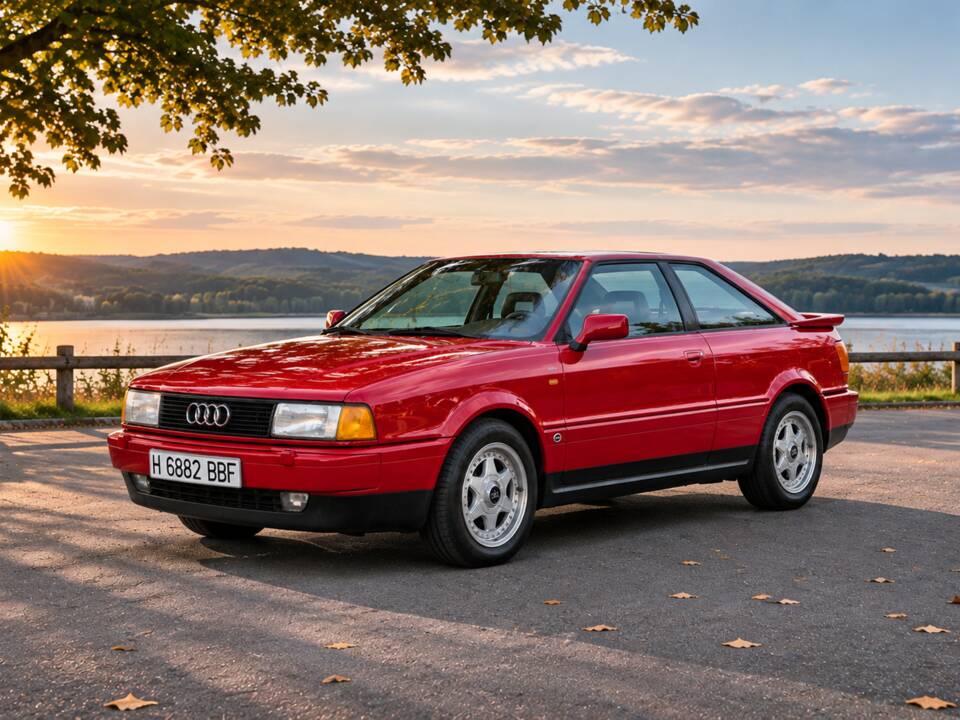
1991 Audi Coupe Quattro 2.3E 20V (170 HP) — One Owner, 88k Miles, US-Spec, Mint Condition

Virage Volante 5.3, wide body

S 600 Coupe / CL 600 Coupe / 600 SEC C140
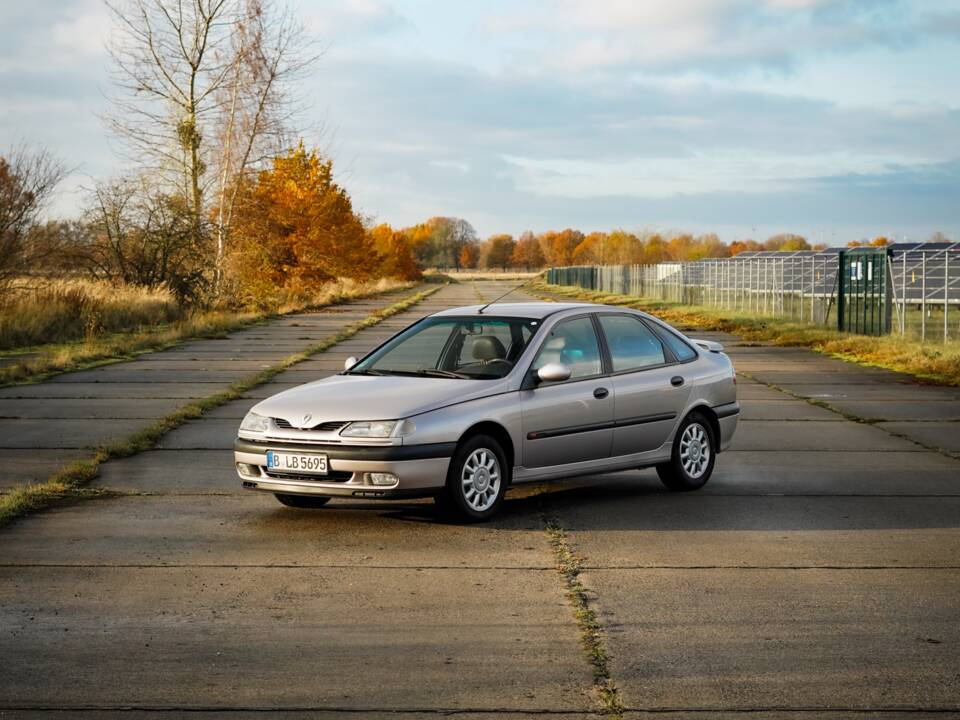
Special edition "Baccara"
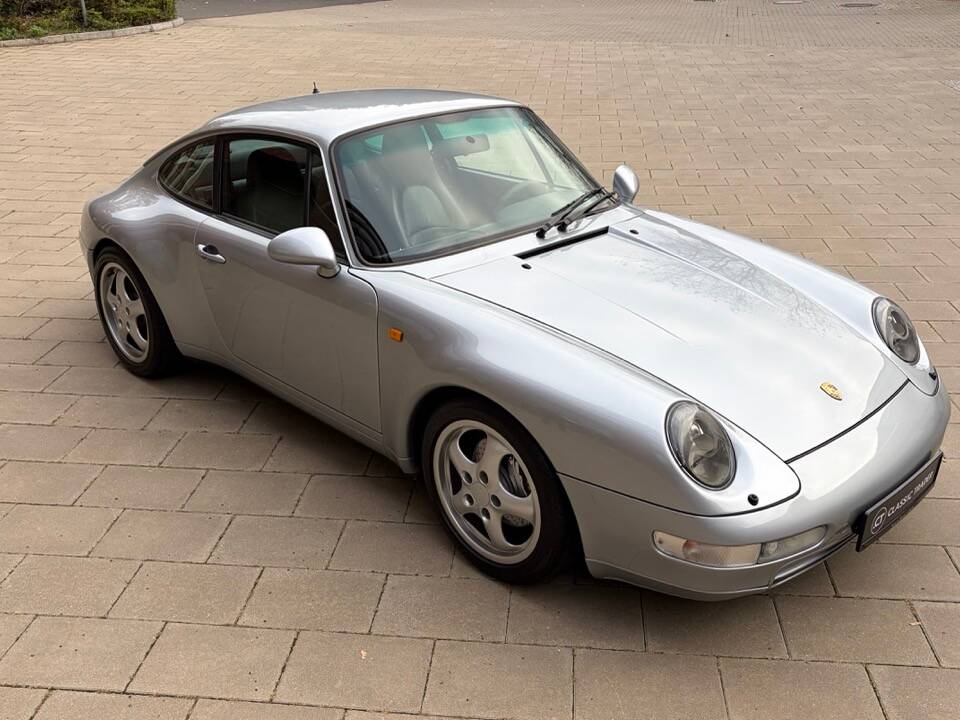
Porsche 993 Carrera 4 in Polar Silver/Cedar Green, Matching Numbers & Colors, over €35,000 invested, CT Inspection Report Grade 1.75

Porsche Boxster 2.5 Cabriolet 1998 Triple Black

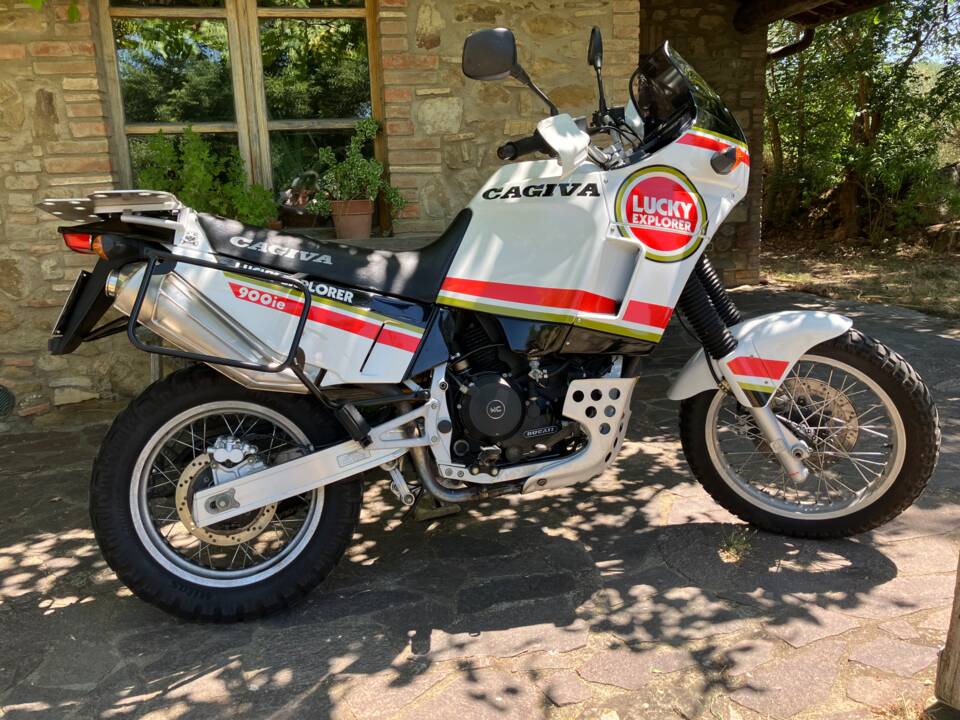
Elefant 900 ie

Completely original
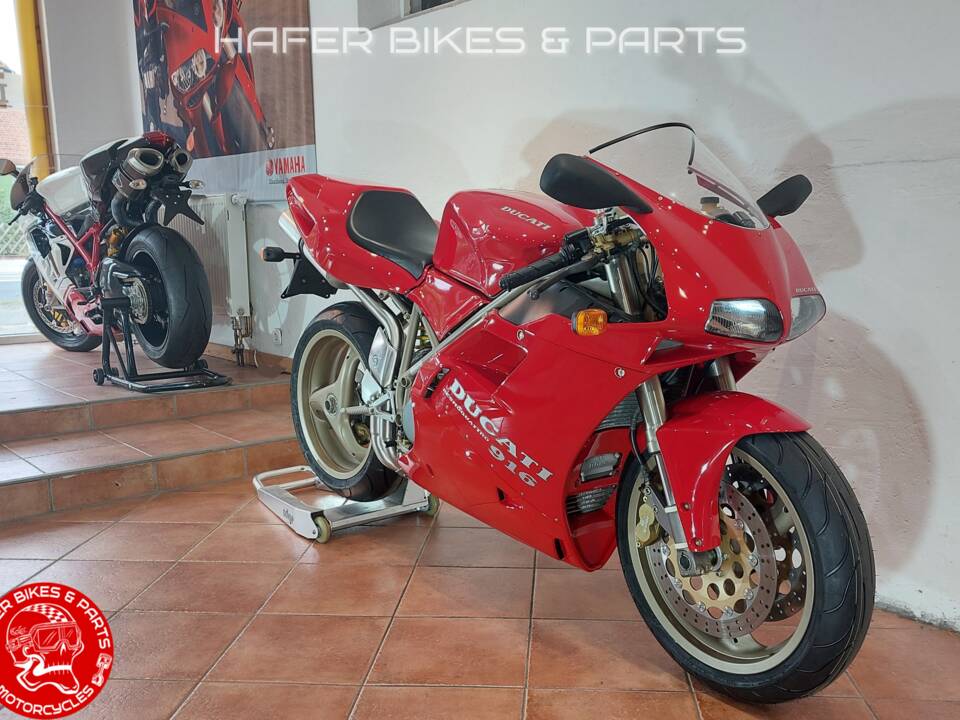
916 S Monoposto 1997 2nd hand only 13.523km collector's bike

Simson SR 50

Ducati 851 Superbike SP2 with Only 285 km!!! Delivery mileage, Number 53 of 380, collectors item, stunning bike in new condition

Road King "Sleeper"

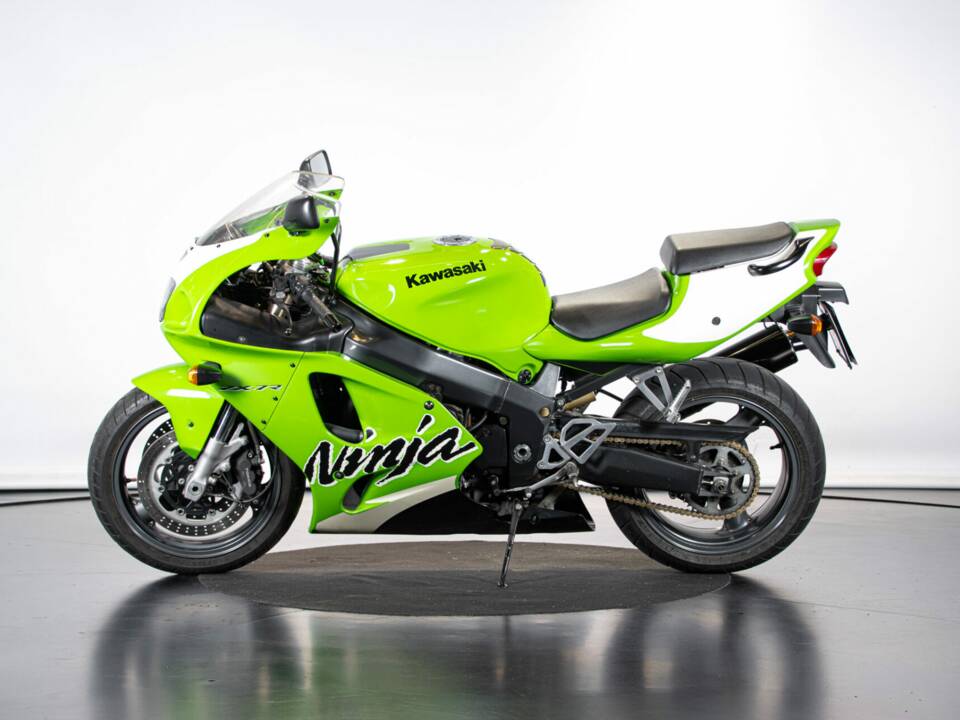
Kawasaki ZX-7R NINJA

MZ Skorpion 660 sport


376 UNITS MADE !!!
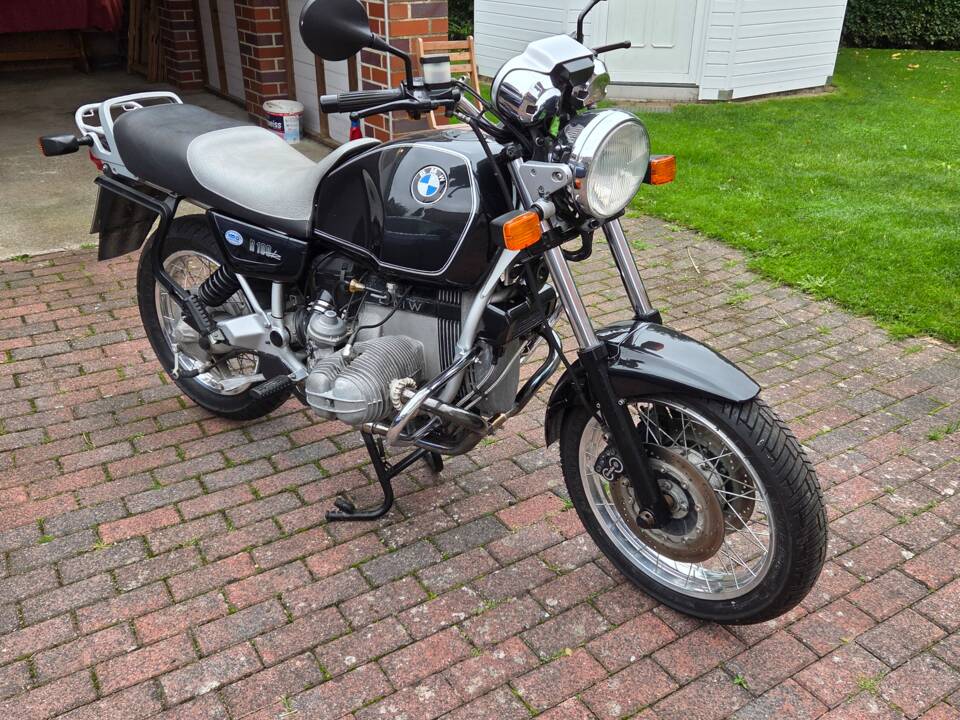
HU 8/2028
The 1990s sit at an important boundary in the history of road vehicles. Manufacturers still produced relatively direct, mechanically legible cars and motorcycles, yet electronic control, improved crash protection, more effective braking systems and stricter emissions equipment were moving rapidly into ordinary showrooms. That mixture is why two vehicles carrying the same badge can have different diagnostic connectors, restraint systems, engine management, catalytic equipment, wiring and service requirements.
For a UK buyer, the decade is a date range, not a technical specification. A vehicle registered in 1990 may have been designed in the late 1980s, while a 1999 model may depend on several control modules and sensors. A low odometer reading, an original-looking interior or a long MOT record cannot by itself establish condition. Assess the particular chassis, its market, its documented repairs and the way it has been used.
Cars and motorcycles from this period can be enjoyable historic designs without being museum pieces. They may be used on modern roads, but age affects rubber, sealants, plastics, electrical connectors, tyres, brake fluid, belts and fuel-system materials even when mileage is modest. Treat preservation, maintenance and safe operation as connected tasks rather than assuming that an apparently modern driving position removes classic-vehicle risks.
The Mazda MX-5 NA was unveiled in 1989 and became a defining small roadster of the period. UK cars include 1.6 and 1.8-litre versions, but specification changed with model year and market. Do not assume that every NA has universal ABS or airbags: verify the equipment on the individual car, including whether later safety hardware or a replacement steering wheel has altered the original configuration. Inspect the sills, wheel arches, floor, drain paths and roof area carefully, because corrosion repair can be hidden beneath trim and underseal.
The BMW E36 M3 arrived in 1992. Early cars used the 3.0-litre engine, followed later by the Evolution version with 3.2 litres. Identification should include the build information, engine number where available, body shell and factory specification, not simply an M3 badge or a claimed conversion. Examine rear structure, jacking points, cooling components, suspension mounting areas, differential mounting, wiring and evidence of track use. A car assembled from ordinary E36 parts may look convincing while lacking the identity and specification of a genuine M3.
The Subaru Impreza was introduced in 1992, with important differences between UK, Japanese-market and STI cars. Turbocharger, intercooler, drivetrain, braking, suspension, body, emissions and interior details can vary, and imported examples may have incomplete or translated records. Confirm the chassis number, import paperwork, model code and current registration details. Look for corrosion, repaired crash structure, altered wiring, non-standard engine management and mismatched four-wheel-drive components before accepting a seller's description.
The McLaren F1 was produced from 1992 to 1998. Its carbon-fibre monocoque and central driving seat are defining features, but it is not a normal ownership proposition. The inspection must involve appropriate factory or specialist knowledge, controlled handling and complete provenance. Carbon structure, unique systems, correct materials and documented custody cannot be assessed by a generic used-car inspection. Its unusual status is a reason for more rigorous identity and engineering evidence, not a shortcut around it.
The Honda FireBlade, also known as the CBR900RR, appeared in 1992 with an 893cc engine. Displacement, bodywork, instruments, brakes, carburation and other details vary across revisions and markets. A motorcycle may have been crashed, raced, used for track days or rebuilt from several machines. Check the frame and headstock, steering stops, swingarm, fork alignment, wheels, fasteners, wiring and cooling system. Confirm the engine and frame numbers and do not treat a later fairing or paint scheme as proof of an early specification.
The Ducati 916 arrived in 1994 with a V-twin engine, trellis frame and single-sided swingarm. These features make identity and correct replacement parts particularly important. Inspect the frame, swingarm bearings, belt service evidence, cooling, charging system, clutch, brakes, fork, rear suspension and fairing mounts. Check for race conversions, unfinished electrical work and corrosion around fasteners. The model's visual signature is easy to reproduce; its documented specification and sound structure are not.
Start with the vehicle itself. Record the VIN or chassis number, registration mark, engine number, body number where relevant, model code, colour, drivetrain layout and visible factory labels. Compare those details with the V5C, invoices, service book, import certificate, dating evidence and any manufacturer build record. A V5C is important registration evidence, but it is not a guarantee of ownership history, originality, mileage or mechanical condition.
Inspect stamped identities for disturbed metal, fresh paint, inconsistent fonts, uneven rivets, missing labels and signs that a panel or frame has been replaced. On a car, compare the VIN location and labels with known factory locations for that model. On a motorcycle, inspect the headstock and frame carefully and establish whether an engine replacement has been declared. Do not polish, repaint or remove evidence before an expert has examined a suspicious mark.
Imported vehicles require an additional paper trail. Establish the date and country of first registration, route into the UK, declared model, conversion work and previous registration numbers. Japanese-market and UK cars can share a badge while differing in lights, speedometer, emissions controls, immobiliser, wiring and safety equipment. An import may be entirely legitimate, but the buyer should be able to explain its identity and specification to an insurer, tester and future custodian.
Look for a coherent timeline: purchase dates, service entries, MOT mileage, tyre dates, repair invoices, ownership changes, photographs and declared modifications should broadly agree. Gaps are not proof of wrongdoing, but unexplained contradictions deserve a pause. Search for duplicated invoices, implausible mileage jumps, recent cosmetic work over old damage and claims that a replacement shell or frame has somehow retained an original identity without supporting documents.
View the vehicle in daylight, dry and clean enough to see panel reflections. Uneven gaps, different fastener finishes, overspray, paint edges inside apertures, ripples in reflections and sealant that differs from adjacent factory work can indicate repair. Use a paint-depth meter only as a screening aid: readings vary by panel, paint system and filler, and a normal reading cannot establish that a structural repair was done correctly.
Lift carpets, inspect the boot floor, remove accessible trim without damaging it and look behind wheel-arch liners where appropriate. Check sills, floors, subframes, suspension pick-up points, bulkheads, chassis rails, jacking points, brake pipes, fuel lines and battery trays. Probe only where safe and permitted; a lift inspection by a competent specialist is more informative than a quick look over the bonnet. Fresh underseal can conceal corrosion, so ask when and why it was applied and seek photographs before the coating.
For an MX-5 NA, give particular attention to sills, drain holes, rear arches and floors. For an E36 M3, inspect the rear structure, jacking points and mounting areas. For an Impreza, assess underbody corrosion, previous impact repair and modified drivetrain mounts. These are prompts, not exemptions from examining the entire shell. Check doors, bonnet, boot, glass, seals and drainage as well as the visible outer panels.
On a motorcycle, inspect the headstock, frame welds, subframe, swingarm, fork legs, wheel rims and steering stops. Look for fresh paint, grinding, cracked brackets, bent levers and mismatched fasteners. Align the wheels and bars and confirm that the controls move freely without cables or hoses being stretched. Corrosion inside a tank, around the battery, beneath the seat or at earth points may not appear during a short ride.
Request a cold start and arrive early enough to establish that the engine was not warmed before inspection. Observe starting behaviour, idle stability, warning lamps, exhaust smoke, unusual noises and fluid leaks. A warm engine that starts perfectly says little about cold enrichment, battery health, compression or intermittent faults. Check the oil and coolant condition without treating colour alone as a diagnosis; contamination, pressure loss and overheating need proper testing.
Inspect hoses, belts, pulleys, tensioners, water pumps, radiators, fans, thermostats, expansion tanks and heater operation. Ask for dated evidence of timing-belt or chain-related work where the engine uses it, and confirm which components were replaced together. Perished rubber and brittle plastic can fail after a long period of storage. Verify that cooling fans cut in, the temperature remains stable and no coolant smell follows a road test.
Manual and automatic transmissions need separate checks. Select every gear when cold and warm, assess clutch take-up, listen for bearing noise and check for judder or baulking. On four-wheel-drive cars, inspect propshafts, differentials, transfer components, driveshafts and matching tyres. A tyre mismatch can create drivetrain stress even when the car appears to drive normally. On the Impreza in particular, establish the exact drivetrain specification and investigate modifications rather than relying on a claimed STI lineage.
Motorcycles should be checked for clutch drag, gearbox selection, final-drive wear and, where fitted, chain and sprocket condition. Examine the engine cases for damage, oil leaks and thread repairs. Check cooling fans, radiator fins, hoses and the charging system under load. On the FireBlade and 916, an engine that sounds clean at idle still needs an inspection for track use, crash damage, overheating and neglected scheduled maintenance.
Inspect dampers for leaks, springs for damage, bushes for cracking, ball joints for play and wheel bearings for roughness. Check steering alignment, steering rack or headstock bearings, power assistance and the condition of mounting points. A road test should identify pulling, vibration, knocking, brake judder and instability, but it cannot replace a lift inspection. Have a specialist assess any car that cannot be driven legally or safely.
Measure or visually assess discs, pads, drums, shoes, hoses, pipes and callipers. Confirm that the handbrake or parking brake holds and that the brake pedal remains firm. ABS may be fitted, absent or retrofitted depending on the individual vehicle; verify warning-lamp operation and the actual system rather than assuming that the decade provides it. A disabled lamp or altered instrument cluster can hide a fault.
Motorcycle checks include fork seals and straightness, steering-head bearings, swingarm and linkage play, disc thickness, calliper condition, hoses, master cylinders and wheel alignment. Inspect tyres for age, cracking, repairs, unsuitable sizes and a profile that does not match the intended use. Tyre condition matters even when tread remains, and a long-stored vehicle may need careful recommissioning before any meaningful road test.
The 1990s brought increasingly sophisticated ECUs, immobilisers, sensors and body-control functions, but diagnostic support is not uniform. Some vehicles provide useful OBD data; others use an earlier proprietary connector, limited fault memory or no meaningful scan capability for a particular subsystem. Identify the connector and system before paying for a scan, and record fault codes rather than accepting a verbal claim that the car is “clear”.
Use diagnostics as one layer of evidence. A scan may show stored, pending or live faults, readiness status, sensor values and communication problems, but it cannot certify a shell, airbag, wiring repair, compression, gearbox, catalytic converter or mileage. Codes may result from a disconnected battery, a replaced component or a modification. Clear codes immediately before viewing is a warning sign, especially if monitors have not completed their checks.
Test battery voltage, charging output, earth connections, fuses, relays, lights, instruments, switches, heater, wipers, washers, electric windows, central locking, alarm, immobiliser and air-conditioning. Inspect connectors for water ingress and disturbed insulation. Check that every warning lamp illuminates at key-on and then behaves correctly after starting. An absent lamp, a non-standard LED or an instrument swap should prompt further investigation.
Confirm restraint equipment from the vehicle, not the brochure. Airbags, pretensioners, ABS and traction control became increasingly common but were not universal. Check for correct steering-wheel and dashboard fit, intact airbag covers, warning-lamp behaviour and evidence of deployment. Do not dismantle pyrotechnic systems without the correct procedure. On motorcycles, examine the wiring for alarm, heated-grip, lighting and charging modifications that may overload an old harness.
Interiors reveal use but do not prove mileage. Compare seat bolsters, pedals, steering wheel, gear knob, switch legends, door rubbers, carpets and luggage areas with the claimed history. Excessive wear beside a low reading needs explanation; a replacement interior can make a high-mileage vehicle look fresh. Record missing trim, cracked plastics, damp carpets, mould, odours and evidence of water entering through seals or blocked drains.
Inspect fluid reservoirs, brake fluid, clutch fluid, power-steering fluid, coolant and washer system. Look for staining around master cylinders, callipers, racks, pumps and hoses. Service stickers and handwritten notes are useful only when dates, mileage, parts and vehicle identity line up with invoices. Ask whether fluids were changed after storage and whether the vehicle was recommissioned after standing.
Check keys, remotes, immobiliser fobs, alarm instructions, wheel-lock keys, radio codes and any security cards. Missing keys can affect practical use and may complicate ownership transfer or electrical diagnosis. Establish whether the alarm or immobiliser is original, professionally installed or bypassed. Photograph the vehicle and its documents at inspection, subject to permission, so later claims about condition can be compared with contemporaneous evidence.
List every modification: wheels, suspension, exhaust, intake, turbocharger, engine management, brakes, roll protection, seats, harnesses, lighting, bodywork, audio, alarm and motorcycle accessories. Ask who fitted it, why, when and whether the original parts remain. Seek engineering notes, alignment data, calibration records and declarations to the insurer. A tidy installation is not automatically safe or legal, and a standard-looking vehicle may still contain undocumented changes.
Check that replacement panels, glass, lamps, exhausts, brake parts, belts, hoses and electrical modules are suitable for the exact year and market. Parts catalogues can list superseded numbers, while an imported model may use a different connector or calibration. Confirm availability and technical support before buying, without confusing availability with proof that a particular part is correct. Keep removed original parts and receipts where possible; they help future diagnosis and identity.
Specialist support should match the vehicle. A general garage may be able to service fluids and brakes, while carbon-fibre structure, unusual electronic systems, imported drivetrains or model-specific frame inspection need appropriate expertise. Ask a proposed inspector what they can actually test, what they cannot test and what evidence they will provide. Avoid any report that presents a brief visual check or generic scan as a complete mechanical certification.
Check the official MOT record for the registration and compare dates, mileages, advisories and failures with the seller's timeline. For vehicles in Great Britain, online MOT history generally begins in 2005; Northern Ireland records generally begin in 2017. These records are useful but incomplete, especially for earlier years, periods abroad, vehicles that were off the road and work completed without an MOT. Obtain earlier invoices, inspection reports and photographs where they matter.
A 1990s vehicle is not automatically a historic vehicle or exempt from modern legal obligations. Confirm its MOT status, tax status, insurance requirements, construction and use compliance, declared modifications and registration details. A vehicle may be roadworthy yet fail a particular local access rule, or carry an MOT while needing immediate maintenance. The buyer remains responsible for checking current official requirements before use.
E10 petrol became the standard petrol grade in Great Britain in September 2021 and in Northern Ireland in November 2022. Compatibility depends on the exact engine, fuel lines, seals, carburettors, fuel pump and manufacturer guidance. Check the official compatibility information and the handbook, and document any approved fuel or storage procedure. Do not assume that all cars or motorcycles from the same decade share the same tolerance.
Clean-air rules are location-specific. For London ULEZ, use the official checker with the exact registration number rather than inferring eligibility from age, engine size, badge or a seller's statement. Other cities may apply different schemes or dates. Confirm the position immediately before a planned journey because boundaries, operating hours and requirements can change.
Before travelling, ask for the registration, VIN or chassis number, engine details, current photographs, cold-start confirmation, known faults, modification list and available records. Verify the identity independently where possible. Arrange to see the vehicle in daylight, with the engine cold and on a suitable surface. Do not allow urgency, a freshly detailed engine bay or a claimed deposit to replace inspection.
At the viewing, begin with documents and identity, then inspect structure, corrosion, fluids, engine, transmission, suspension, brakes, electrical systems, interior and accessories. Photograph discrepancies and write down warning lights, tyre markings, panel gaps, fluid levels and readings. Test the keys and equipment. If the vehicle is a motorcycle, keep it upright and stable while checking steering, suspension and controls; do not accept a risky road test without suitable licence, insurance and conditions.
Commission an independent inspection that states its scope and limitations. Ask for a lift, paint and corrosion assessment, cold-start observation, road test where lawful, electronic scan where supported, and checks of the model-specific failure points. For an imported or modified vehicle, add identity and specification verification. For the F1 or another carbon-monocoque specialist vehicle, use a suitably authorised specialist rather than a generic inspection.
After inspection, reconcile the report with the documents and the seller's statements. Resolve identity, safety, structural, cooling, braking and electrical concerns before proceeding. Preserve the signed invoice, inspection report, photographs, diagnostic printout, keys and all correspondence. A complete file supports safe future maintenance and makes the vehicle's history more intelligible than a brief description or a single mileage figure.
Plan a baseline assessment after purchase even when the seller supplies a recent service receipt. Confirm fluids, filters, belts or chains, hoses, tyres, brakes, battery, charging, cooling and all safety warning systems. Replace age-sensitive items according to condition and manufacturer guidance, not merely because the odometer is low. Inspect again after the first period of use, when leaks and heat-related faults may become visible.
Store the vehicle dry and ventilated, protect it from standing water and keep drains clear. Move it carefully during long storage, maintain the battery using suitable equipment and avoid starting an engine briefly without bringing its systems fully to operating condition. Motorcycles need particular attention to fuel, tyres, chain, battery and tank corrosion. Cars need attention to damp carpets, door drains, underbody moisture and rodents in wiring.
Keep the handbook, wiring diagrams, factory labels, parts references, service invoices and photographs together. Record work by date, mileage and vehicle identity. This makes diagnostics more reliable when a fault appears and prevents later owners from having to guess which market specification, control unit, engine or frame is present. The best buying decision is therefore not based on a decade label alone, but on a traceable vehicle that can be inspected, maintained and used lawfully in the UK.
No. A 1990s vehicle is not automatically exempt from modern legal requirements simply because of its age; check the rules applying to its registration and use.
No. Airbags, ABS, traction control and electronic engine management became increasingly common, but equipment varies by year, market, trim and motorcycle model.
Ask for the V5C, invoices, service book, inspection reports, repair evidence, recall work and documentation for imported or modified vehicles. Match every record to the vehicle identity.
No. A scan can reveal stored or live electronic faults where the vehicle supports it, but it cannot prove structural condition, accurate mileage, compression, gearbox wear or the quality of previous repairs.
UK, Japanese-market and other export specifications can differ in lighting, emissions equipment, instruments, safety equipment, wiring and identification. Verify the exact specification and registration record rather than relying on a model name.
No. Great Britain online MOT history generally reaches back to 2005, and Northern Ireland records generally reach back to 2017. Earlier use, repairs and mileage need independent evidence.
No. In Great Britain E10 became the standard petrol grade in September 2021 and in Northern Ireland in November 2022; check the manufacturer guidance for the exact engine, fuel system and any approved alternative.
Do not infer eligibility from the decade or model name. Use the official checker with the exact registration number, and confirm the relevant rules before travelling.
Join 100,000+ subscribers getting hand-picked listings
Receive hand-picked collections of the most interesting cars, motorbikes, and auction listings on Classic Trader — straight to your inbox.