
1986
Mercedes-Benz 300 SE
300 SE Limouisne W126, mehrfach vorhanden!
A practical UK guide to buying 1980s cars and motorcycles. Read the buyer guide.
300 SE Limouisne W126, mehrfach vorhanden!

Ver neat 12 cylinder out of long term family ownership

Early BMW 323i E30 with rebuilt M20B23, extensively documented work and RECARO Classic LX seats

Citroen Lomax | Concoursstaat | Gerestaureerd | 1983

75-16 A 4x4 Doka, LF 8


Former state limousine


XJS V12 Cabriolet, 5.3L
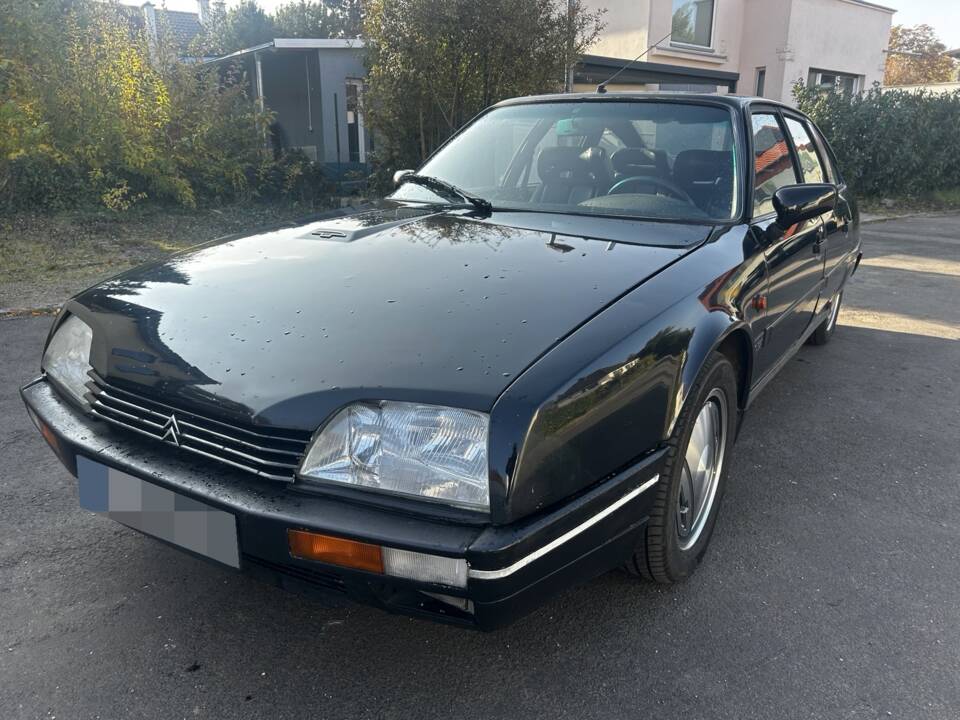
1989 Citroën CX 25 GTi Turbo 2 in black with leather upholstery, 168 hp, recent investments at CX-Basis and a 2022 vehicle appraisal awarding it a condition rating of 2

2025-11-24 15:52:40 | Bimota YB4
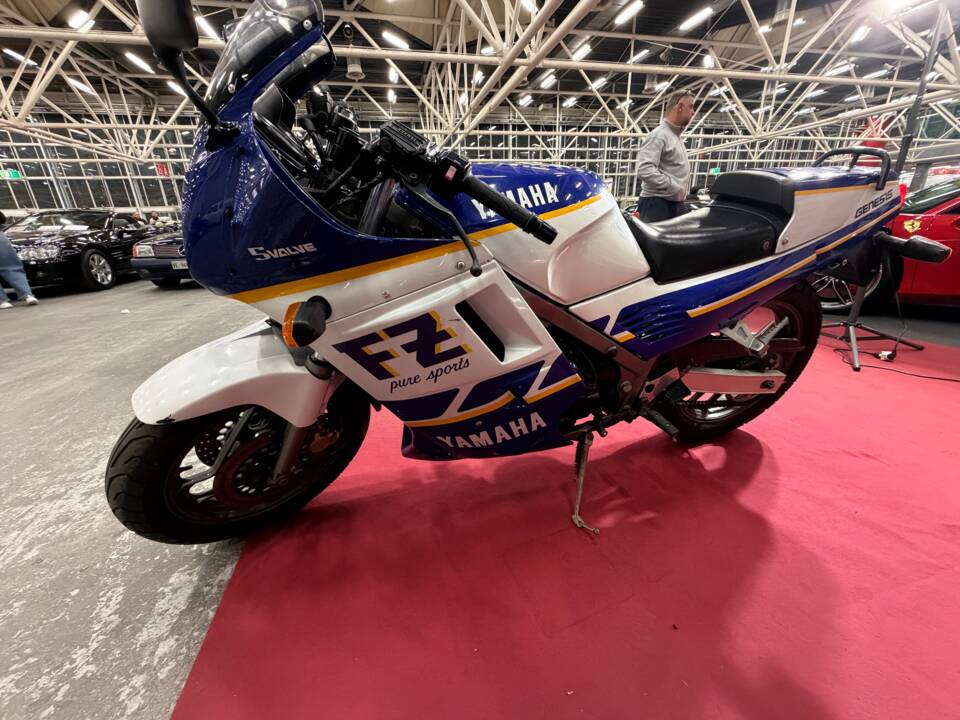
Preserved motorcycle, single owner, registered with the FMI Historic Register.


Simson SR50 4 Gang Nr. 62722


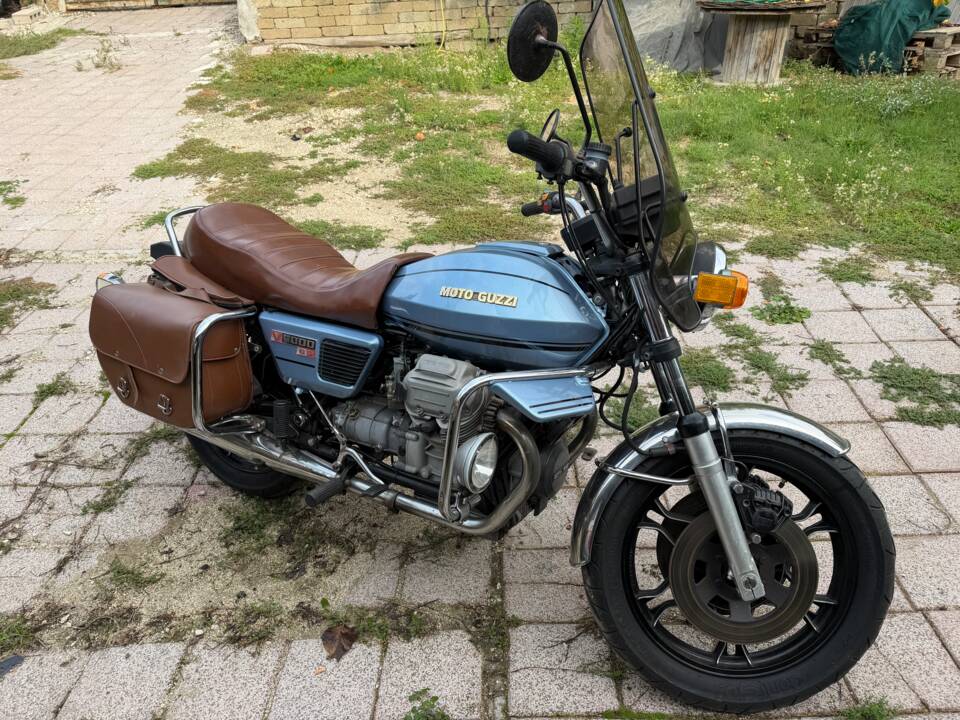
Rare original powder-blue paintwork, preserved condition, original panniers and classic V-twin engineering

Softail Custom


MZ ETZ 250 VoPo | Volkspolizei - Polizeifahrschule


The 1980s were not a single mechanical era. A basic supermini could still use familiar carburettors and drum brakes while a premium saloon offered electronic control, anti-lock braking or an optional airbag. Manufacturers adopted each feature by market, trim and production run, and a brochure's headline technology does not tell you whether a particular UK car has it. Buy the individual vehicle, not a decade label.
For a UK buyer, identity is part of condition. Read the V5C, inspect the stamped chassis or frame number, compare the engine number where it is recorded, and reconcile the seller's story with invoices and old MOT history. A private plate can obscure the car's age. The registration on or after the August 1983 UK prefix change is useful context, not proof of build date. A Q registration means the registering authority could not establish age or identity in the usual way; it is not a guarantee of a kit, nor a guarantee of a sound car.
Values reward rarity, specification and sympathetic maintenance, but an expensive restoration can still hide structural or electrical work. A cheap, running car with an honest file is often a better first purchase than a cosmetically perfect example with no history. Leave a reserve for tyres, seals, cooling hoses, brake hydraulics, fuel systems and specialist labour: age affects rubber and wiring even when mileage is low.
The Mini Metro arrived in October 1980 as a new British supermini. Describe it accurately: “Mini Metro” identifies the launch model and does not make every early Austin Metro a launch car. Check sills, floor edges, inner wings, suspension mounting areas, door bottoms and the boot floor for corrosion. Hydragas suspension needs correct ride height and sound displacers; a sagging corner, harsh ride or leaking system deserves a specialist assessment. Cooling, carburettor wear and brittle interior plastics are less glamorous but equally relevant to usability.
The Triumph Acclaim reached the UK on 7 October 1981. It was assembled at Cowley and was a Honda Ballade derivative for 1981–84, so do not describe it as an unrelated British design or assume every Honda part is a direct fit. Look for sill and arch corrosion, cooling-system neglect, gearbox noise and evidence of regular oil changes. The car's appeal is its unusual place in British manufacturing and its dependable running when maintained, not an excuse to overlook rust or scarce trim.
The Austin Maestro appeared in March 1983. Selected versions had a digital dashboard and a selected voice warning system; those features were not universal. Test every display segment, warning message, voice prompt, switch and heater function with the engine cold and hot. Check the dashboard has not been replaced by a different trim's unit. On any Maestro, inspect front suspension, bulkhead, seams, floor and tailgate, then confirm that cooling, carburettor or injection equipment matches the specification claimed.
The Montego followed in 1984. Selected cars used electronic instrumentation, while many did not. Treat an intermittent display as a fault, not period character: check connectors, printed circuits, earths, sensors and charging voltage before buying. Corrosion around the windscreens, sills, rear arches and suspension pick-up points is more serious than faded plastics. A strong history of belts, fluids, cooling-system work and gearbox maintenance should outweigh an impressive list of optional equipment.
Ford's Sierra arrived in the UK in 1982 with rear-wheel drive and aerodynamic hatchback styling. The shape is not evidence of front-wheel drive, and trim names alone do not establish an XR, Ghia or performance specification. Inspect chassis legs, inner wings, sills, floor pans and rear suspension mounts for corrosion or repairs. Check the propshaft, differential, steering rack, cooling system and five-speed gearbox. On a modified car, look for coherent suspension geometry, brake upgrades, tyre load ratings and an insurer's written acceptance rather than a pile of claimed horsepower.
The Peugeot 205 GTI was sold in the UK from 1984, with the 1.9 arriving in 1986. Confirm engine size, dashboard, seats, trim, axle and gearbox against the chassis and period evidence: conversions are common. Front-end accident repair, inner-wing seams, rear beam wear, torsion-bar condition and corrosion beneath plastic arches deserve careful inspection. A lively test drive should include cold starting, straight braking, steering self-centering, synchro operation and throttle response. A new shell or replacement engine is not automatically bad, but it must be documented.
The UK Escort RS Turbo appeared in 1984. It is a high-risk category for replicas and modifications, so request build records, photographs, invoices, engine and turbo details, and evidence that changes were declared to the insurer. Inspect the shell for seam repairs, accident distortion and corrosion, then check turbo oil smoke, boost behaviour, fuelling, cooling and gearbox noise. Do not infer factory provenance from decals, a body kit or a registration number. If originality matters, establish the original specification before assessing value.
The Audi quattro of 1980 popularised permanent all-wheel drive in a performance road car; it did not invent four-wheel drive. Check the centre and axle differentials, propshafts, CV joints, driveshaft boots and matching tyres. A transmission whine, binding on full lock or uneven tyre wear needs diagnosis. Turbo cooling, injection, boost control and rust around glass, jacking points and floor seams can turn a desirable car into a major project. Confirm left- or right-hand-drive conversion quality and parts provenance on imported cars.
The Mercedes-Benz W126 began in 1979 and continued through the decade. A driver airbag became an option in 1981, and ABS varied with market, year and specification. Verify equipment from the car and its records rather than assuming it from age. Inspect jacking points, subframes, arches, boot and screen surrounds; test climate control, windows, seat motors, warning lamps and the central locking system. On six- and eight-cylinder cars, budget for timing-chain or guide work where applicable, leaks, suspension spheres, fuel-system service and a transmission that engages cleanly.
The Rover 800 arrived in 1986 and has a Honda relationship, but it is not identical to every Honda model or component. Identify the engine, gearbox and market specification before ordering parts. Check structural corrosion, cooling, automatic transmission behaviour, electrical accessories and dashboard warning lights. A specialist who understands the precise derivative can save money; a generic assumption about Honda interchangeability can do the opposite.
View a car dry, in daylight and preferably before it has been warmed up. Start by checking panel gaps, paint texture, overspray, glass markings and welds. Use a magnet carefully where appropriate, but do not treat it as a substitute for lifting carpets and inspecting seams. Examine sills from both sides, floor pans, jacking points, inner wings, bulkheads, suspension towers, subframes, boot wells, screen apertures and areas behind trim. Fresh underseal can conceal repairs. A proper ramp inspection with photographs is cheap beside a shell repair.
Check that doors, bonnet, tailgate and sunroof open without lifting or binding. Test lights, washers, wipers, heater fan, demister, gauges, clock, central locking, electric windows and every warning lamp. A warning light that goes out is not proof that its system works: confirm the lamp illuminates during the bulb check where designed. Measure charging voltage, inspect battery placement and look for non-factory joins, alarm wiring and damp around fuse boxes. Replaceable relays are not a diagnosis for a low-voltage or water-ingress problem.
On a cold start, note smoke, rattles, oil pressure behaviour, idle quality and coolant circulation. Inspect hoses, radiator, expansion tank, fan operation and signs of combustion gas. During a road test, check clutch take-up, synchros, steering play, wheel bearing noise, brake pull, ABS operation if fitted, suspension knocks and temperature stability. Turbo cars need evidence of oil changes, correct boost control and a healthy cooling system. Four-wheel-drive cars need matching tyres and transmission checks; a quiet motorway test does not reveal every binding or differential fault.
Ask for V5C, invoices, service book, old MOT records, keys, manuals and correspondence for major work. Use the VIN and registration to run an appropriate history or finance check, but reconcile results with the metal. MOT history can reveal mileage patterns and advisories, not guarantee roadworthiness or originality. Obtain a written quote for defects and agree whether the sale includes all documents and parts. UK road legality, MOT status, insurance terms and emissions requirements remain the keeper's responsibility; a historic-looking vehicle is not exempt from every current requirement.
Suzuki's GSX-R750 arrived in 1985 with an oil-cooled engine and SACS (Suzuki Advanced Cooling System), plus an alloy frame. It is not a water-cooled bike, and later updates should not be passed off as launch specification. Check oil cooling lines and unions, cam-chain noise, carburettors, gearbox selection, frame repairs and the fairing's mounting points. The light chassis makes evidence of a crash especially important: inspect headstock, swingarm pivot, fork alignment, wheels and brake discs on a stand.
The Honda VFR750F appeared in 1986 with gear-driven camshafts and an alloy frame. Confirm the engine and frame generation because later VFR parts and appearance are often mixed. Listen for top-end noise, check cooling fans and hoses, examine cam-drive evidence, and test the charging system under load. Inspect the frame for cracks or refinishing, forks for straightness and pitting, and the linked history of wheels, tyres, chain and sprockets. A clean fairing does not prove an undamaged chassis.
Honda's RC30 was a 1987/88 homologation special. Its rarity and racing connection make provenance, matching numbers, correct components and careful storage more important than a loud exhaust or replica paint. Check the gear-driven cam system, cooling, brakes, fork and shock service, wheels, fasteners and bodywork. Ask for specialist inspection and insurance valuation; do not dismantle an original machine merely to chase a claimed specification.
Yamaha's FZ750 of 1985 used a five-valve-per-cylinder head. Verify the model and market before assuming every FZ has identical equipment. Check cam-chain tension, oil pressure, carburettor condition, charging, cooling and second-gear engagement. Kawasaki's GPZ900R arrived in 1984 with a liquid-cooled 16-valve engine; inspect its cooling system, cam-chain area, gearbox, frame and common age-related electrical faults. Both reward a cold-start test and a record of valve-clearance and fluid maintenance.
The Honda CBR600F arrived in 1987 and became a practical sports-bike reference point. Examine its frame and fairing for crash repairs, test the charging system, inspect carburettor response and ensure suspension and brakes have not been neglected. BMW's K100 appeared in 1983 with a shaft drive; ABS was a later option rather than a universal feature. Check shaft splines, final drive, clutch operation, cooling, fuel tank, instrument cluster and, where fitted, ABS warning behaviour. Shaft drive reduces chain work, not inspection work.
The Honda CX650 Turbo of 1983 is a niche, complex choice. Confirm turbo plumbing, lubrication, fuelling, cooling, electronics and unobtainable-looking trim before committing to restoration. Yamaha's RD350YPVS of 1983 brings two-stroke power-valve maintenance into the conversation: check cylinders, powervalve operation, crank seals, oil injection, exhausts and gearbox. Smoke and noise need an expert interpretation, and a modified or de-restricted example must be honestly described and insured.
Put the motorcycle on level ground and compare wheel alignment, bar position, fork height and footrest symmetry. Look beneath the paint at headstock welds, frame tubes, engine mounts, swingarm pivot and subframe. Dents, ripples, mismatched fasteners and fresh powder coat may indicate a crash or corrosion repair. Aluminium frames became increasingly common on race-replica motorcycles, but aluminium is not immune to cracks, gouges or poor welding. A specialist should assess questionable repairs.
Check fork stanchions for pitting in the seal travel, sliders for damage, steering-head bearings for a notch, swingarm bearings for play and wheels for run-out. Examine brake discs for thickness and pulsing, calipers for seized pistons, hoses for age and pads for contamination. Tyres need correct sizes, load ratings, date awareness and even wear. On a shaft-drive bike inspect universal joints and final-drive seals; on a chain bike inspect sprocket teeth, alignment and tight spots.
Test the battery after rest and with the engine running, then measure charging at several speeds. Inspect the loom near the headstock, under the seat and around the exhaust for chafing or heat damage. Every indicator, horn, brake switch, headlamp, neutral lamp and instrument should work. EFI, turbocharging, ABS and electronic ignition existed before or during this decade in selected motorcycles, but their presence varies. Confirm the exact system before budgeting for diagnosis and never bypass a warning lamp to make a sale.
Ride only with appropriate licence, insurance and permission. A brief, progressive test should reveal clutch drag, false neutrals, gearbox jumping, fuelling hesitation, smoke, overheating, wobble and brake judder. Do not use a seller's warm engine as evidence of an easy cold start. Ask how long it was stored and whether fuel was drained. Carburettor corrosion, blocked tank filters, perished fuel lines and seized calipers commonly follow neglect, while a low-mileage machine may need more seals and tyres than a regularly used one.
Electronic fuel injection, turbocharging, ABS, airbags and all-wheel or four-wheel drive did not suddenly begin in 1980. They predate the decade or appear in selected applications, and adoption was uneven. A 1980s badge is therefore not a reliable safety or equipment specification. Record the chassis number, production date, market and trim, then verify manuals, wiring diagrams and factory evidence. If a seller says “first ever”, treat that as a marketing claim requiring qualification.
Selected cars used digital dashboards or voice warnings, and selected motorcycles used sophisticated ignition, fuelling or anti-lock systems. Segment failure can come from the display, its supply, an earth, a sensor or a circuit board. Scan tools may not support an early ECU, so keep a specialist's oscilloscope, wiring diagram or period test procedure in mind. Do not replace a complete dashboard or ECU until power, grounds, connectors, sensors and charging have been tested. Keep removed original parts with the car where possible.
Safety equipment needs the same caution. A W126 driver airbag option from 1981 is not evidence that every W126 has one; ABS varies too. Check the presence and condition of sensors, tone rings, hydraulic units, warning lamps and airbag components without probing pyrotechnic circuits. Do not treat an old airbag as a modern safety guarantee. On a modified car, document brake, tyre, suspension and restraint changes, notify the insurer, and use an engineer when a structural or powertrain change warrants one.
Period electronics can be repaired, but corrosion and previous amateur work multiply faults. Look for water trails at windscreens and boot seals, green terminals, overheated fuse holders, speaker and alarm additions, and wiring twisted together without strain relief. Preserve the loom's routing and labels. A battery isolator may hide a drain rather than cure it. Establish a baseline by checking battery condition, earth straps and alternator output before interpreting intermittent symptoms.
Grey imports can offer an unusual trim or a motorcycle never officially sold in Britain, but the purchase is a compliance project as well as a mechanical one. Match the frame or VIN to foreign title, export or auction documents and the seller's invoice. Confirm the DVLA record and NOVA position, and establish whether VAT, duty, type approval or an MSVA inspection applies. Requirements depend on age, origin and route into the UK; ask DVLA, HMRC or an approved test provider rather than relying on a forum post.
Check headlamp beam direction, rear fog lamp, indicators, mirrors, speedometer units, emissions equipment and noise. Japan-market motorcycles may have different lighting, tyres, gearing or speed display; a US car may need lighting and bumper changes. Obtain an insurer's written confirmation before altering or importing. Parts that look interchangeable may differ in connectors, gearing, ECU calibration or homologation. Keep all customs, test, translation and registration evidence with the vehicle.
An age-related registration still requires a vehicle that is correctly identified. Prefix plates introduced in August 1983 describe registration periods, not necessarily manufacture. Dating evidence may include a heritage certificate, factory build sheet, chassis records or a marque specialist's report. A Q plate means age or identity was not established in the normal way, so establish what evidence exists, whether the specification is legal, and how insurers and future buyers treat it. Never remove, restamp or substitute identity marks; seek formal advice if they are damaged or questionable.
Before completion, agree the exact registration, chassis or frame number, engine, gearbox, included spares and outstanding work in writing. Check theft, finance and insurance history through suitable services, then commission an independent inspection when the price or rarity justifies it. A roadworthy test is not a valuation, authenticity report or guarantee of future reliability. Obtain a quote for immediate safety work and a second budget for likely age-related work. If the numbers only work at optimistic resale value, walk away.
Prioritise a sound shell or frame, coherent identity, working brakes and a cooling system that holds temperature. Cosmetics can wait; corrosion in a suspension mount, a cracked motorcycle frame or an undocumented identity repair cannot. For performance cars and homologation bikes, originality may be worth paying for, but only after confirming provenance. For a daily-use classic, sympathetic upgrades such as modern seals, discreet relays or improved cooling can be sensible when documented and reversible. They do not make an inaccurate description acceptable.
Plan servicing around time as well as mileage. Replace aged belts, hoses, tyres, brake fluid, fuel lines and battery components where inspection warrants it. Change fluids with the correct specification, free seized adjusters before riding hard, and set carburettors or injection only after ignition, compression and air leaks are understood. Store a vehicle dry with ventilation, stable fuel practice and a maintenance log. Exercise seals and brakes, but do not turn a short run into a substitute for a proper service.
Use marque specialists selectively: a Metro Hydragas expert, an early electronic-dashboard technician, a quattro driveline specialist, a 205 shell inspector, an RS Turbo provenance expert or a motorcycle frame and charging-system specialist may identify problems a general garage misses. Ask what was tested, what remains uncertain and what parts were used. Keep invoices, photographs, removed components and a clear modification list. This helps the next owner and can protect an agreed insurance value.
The best 1980s purchase is a documented machine that fits its owner's skills, storage and driving plans. A Sierra can be more rewarding than a rare quattro if it is structurally honest; a standard CBR600F can be more usable than a neglected RC30; an Acclaim can be more instructive than a cosmetically restored car with an unknown shell. Inspect patiently, qualify every technology claim, and let evidence—not nostalgia, a registration prefix or a glossy conversion—set the price.
A well-documented Sierra, Metro, Maestro or Acclaim can be easier to understand than a rare performance model, but condition and parts support matter more than the badge.
No. The Mini Metro was launched in October 1980; check the exact model, build records and registration rather than calling every early Austin Metro a launch car.
Confirm identity, DVLA records, NOVA and VAT evidence where relevant, type approval or an MSVA route, lighting and speedometer compliance, parts availability and insurance before paying.
No. UK prefix registration changes began in August 1983, but a registration date is not a build date; use factory, chassis and dating evidence.
No. It indicates that the vehicle's age or identity could not be established to the registration authority's satisfaction; inspect it closely and understand its paperwork and resale implications.
No. The 1980 quattro popularised permanent four-wheel drive in modern performance road cars; four-wheel drive and earlier systems predate it.
No. A driver airbag became an option in 1981 and ABS availability varied by market, year and specification; verify the car's original equipment and operation.
No. Treat modifications as claims requiring invoices, photographs, engineering details and legal disclosure; preserve evidence of the original specification.
Join 100,000+ subscribers getting hand-picked listings
Receive hand-picked collections of the most interesting cars, motorbikes, and auction listings on Classic Trader — straight to your inbox.