- Car
- Porsche
- Porsche 911
- Porsche "G-Modell" (80 offers)
Porsche 911 G-Modell classic cars for sale
The Porsche 911 G-Modell, produced from 1973/74 to 1989, stands as the technical evolution of the 911. With its air-cooled flat-six in the rear, galvanised body from 1976, and distinctive impact bumpers, this 911 model line offers a broad spectrum—from the early 2.7-litre Carrera to the sought-after 3.2 Carrera, including rare special editions and wide Turbo-look variants.
Search results
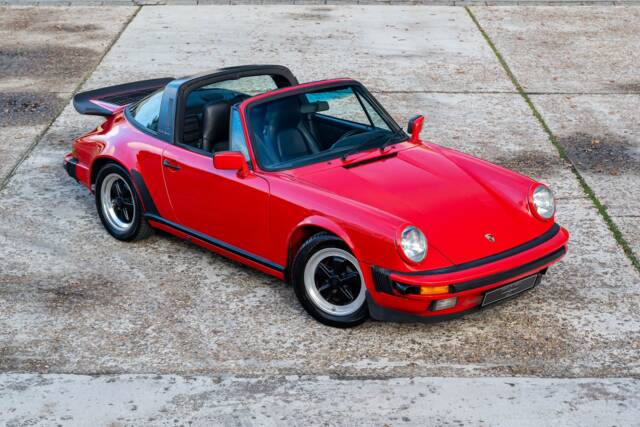
1987 | Porsche 911 Carrera 3.2
Matching numbers! - Desirable G50 five speed manual gearbox - Factory spoiler package, confirmed by Porsche certificate

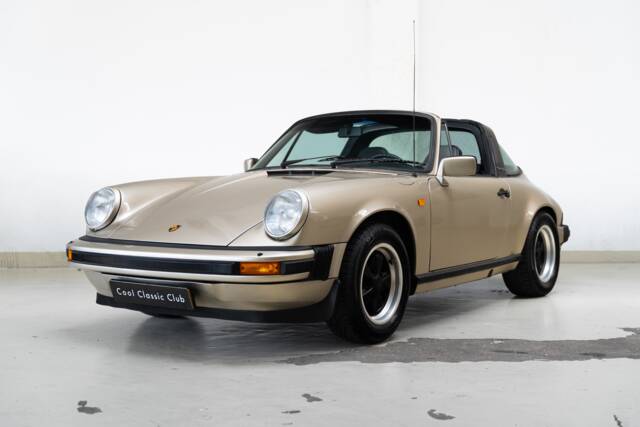

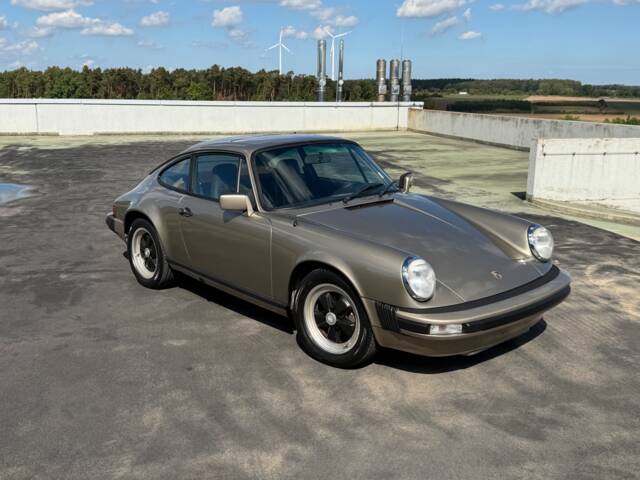
1978 | Porsche 911 SC 3.0
Coupe *Teilrestauriert*Note2*Top Zustand*


Newsletter
The best Porsche listings, straight to your inbox
Get hand-picked Porsche listings, plus the best of cars, motorbikes, and auctions on Classic Trader — all in one place.
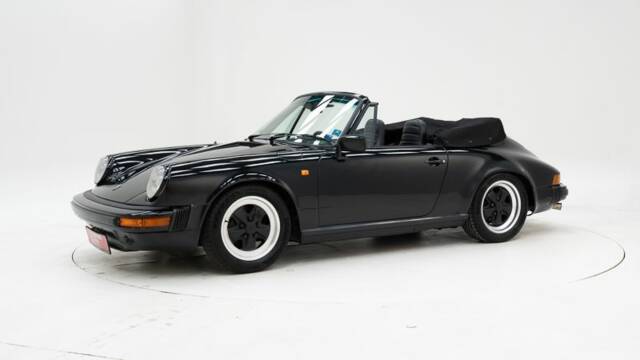
1983 | Porsche 911 SC 3.0
1983 Porsche 911 3.0 SC '83
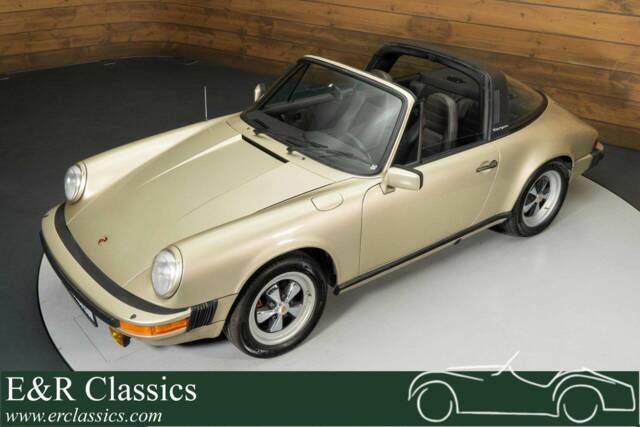
1983 | Porsche 911 SC 3.0
Porsche 911
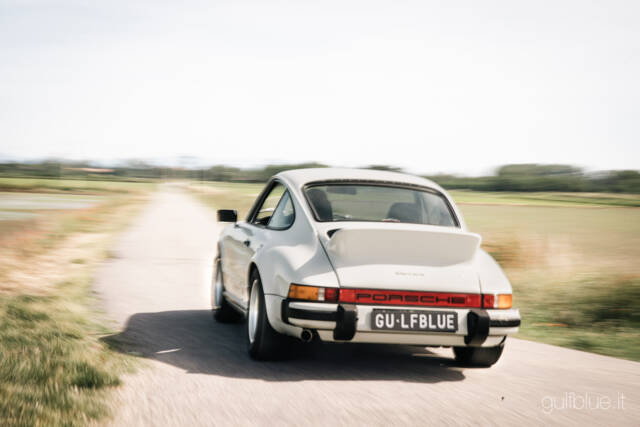
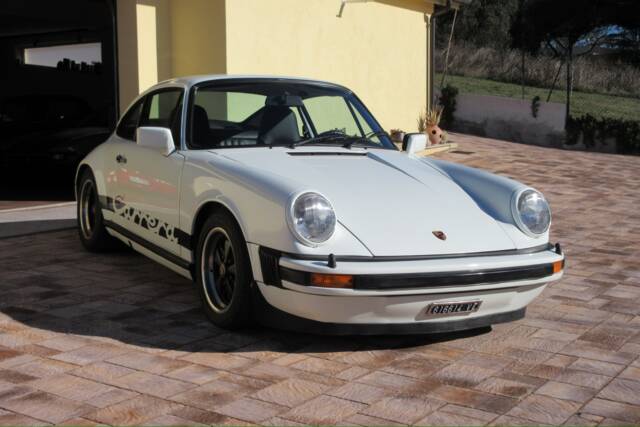
1974 | Porsche 911 Carrera 2.7
Matching numbers, delivered new in Italy, preservative restoration at Porsche Classic Centre
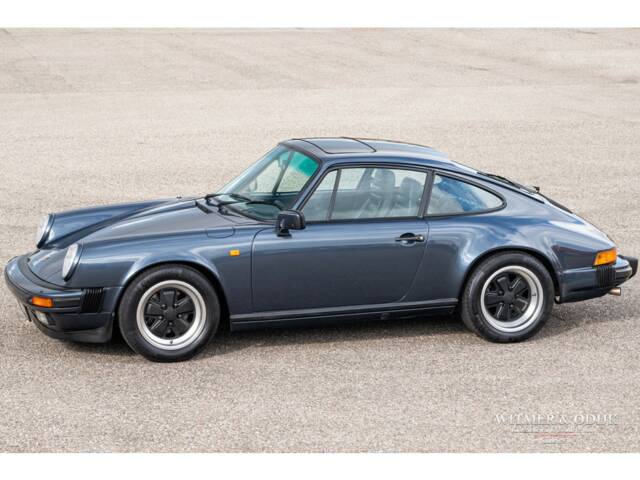
1982 | Porsche 911 SC 3.0
3.0 SC Coupé
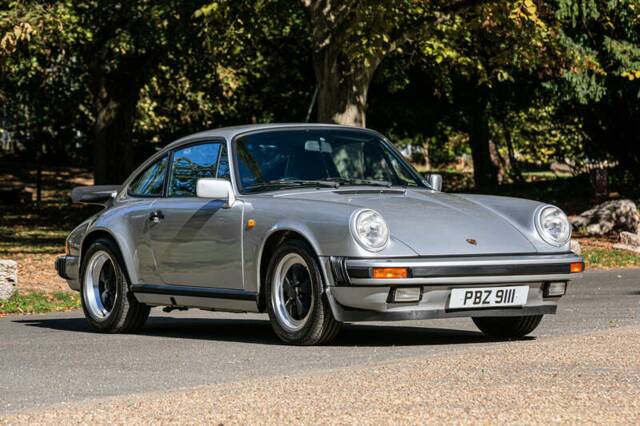
1989 | Porsche 911 Carrera 3.2
1989 Porsche 911 3.2 Carrera Sport (G50) Coupé

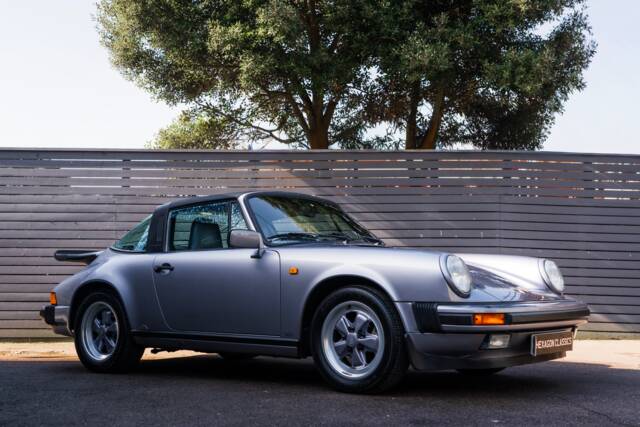
1988 | Porsche 911 Carrera 3.2 (WTL)
1 OF JUST 10 JUBILEE EDITION TARGAS PRODUCED FOR THE UK
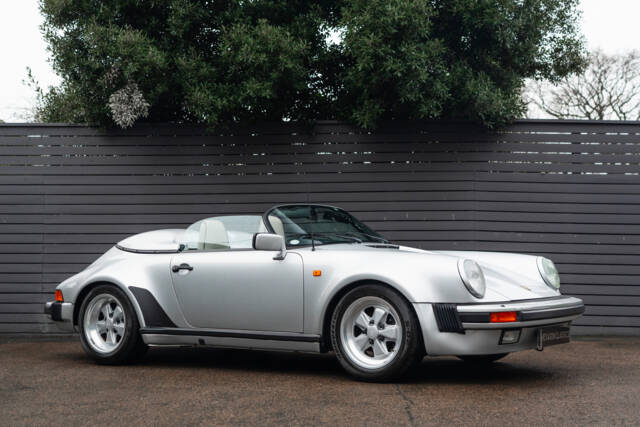
1989 | Porsche 911 Speedster 3.2
LONG TERM OWNERSHIP CIRCA 34 YEARS
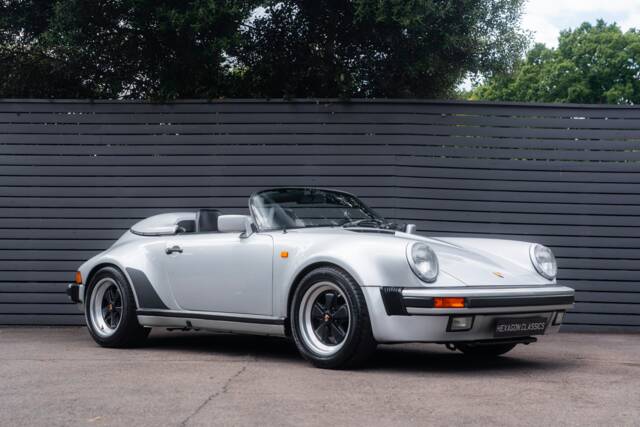
1989 | Porsche 911 Speedster 3.2
LOW MILEAGE
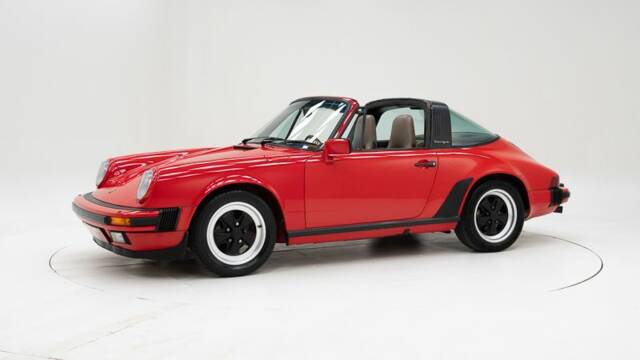
1986 | Porsche 911 Carrera 3.2
1986 Porsche 911 3.2 Targa '86
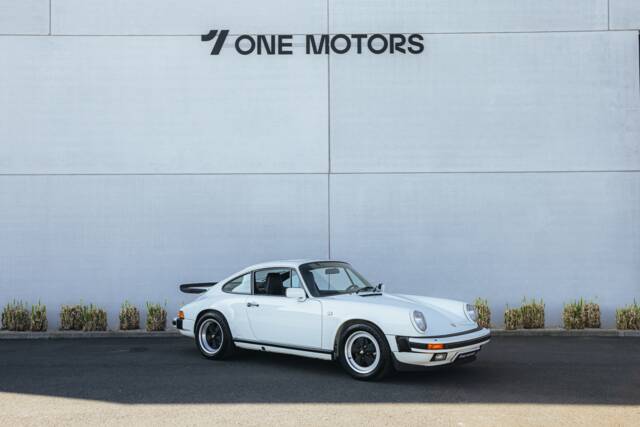
1989 | Porsche 911 Carrera 3.2
G50 / C22 Original Belgian Car / First owner
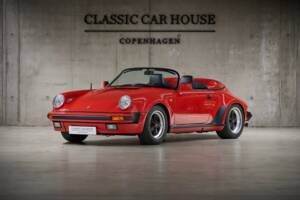
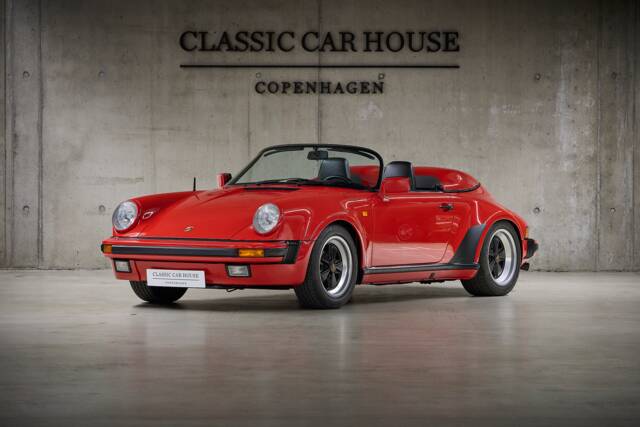
1989 | Porsche 911 Speedster 3.2
One of only 2103 units

Porsche 911 "G-Modell" Classic Cars: Prices & Market Values
History of the Porsche 911 G-Modell
The G-Modell replaced the 911 F-series from the 1973/1974 model year. Changes were driven by stricter safety regulations, especially in the USA: the G-Modell was the first production 911 featuring reinforced bumpers with bellows (impact bumpers) both front and rear. From model year 1976, the 911 body was fully galvanised, setting new standards for corrosion resistance among sports cars. As the mainstay of Porsche production until 1989, the G-Modell paved the way for legendary performance variants and delivered remarkable longevity for daily and motorsport use alike.
Model History
The 911 G-Modell is the direct successor of the F-series and precedes the 964 generation. Built between 1973/74 and 1989, it brought technical and safety updates, such as the impact bumper and improved chassis, while keeping the rear-engine concept. Major engines included the 2.7 S (1974–77), Carrera 3.0 (1976/77, rare), SC 3.0 (1978–83), and the 3.2 Carrera (1984–89). Notable is the expansion of body choices: Coupe, Targa (with removable roof section), and Cabriolet introduced from 1983. Special versions like the Speedster or Clubsport are highly regarded due to their rarity and motorsport heritage. The G-Modell remained rear-wheel drive throughout its lifecycle, with all-wheel drive reserved for later 911 generations.
Highlights and Distinctive Features
The G-Modell introduced landmark features: fully galvanised bodywork from 1976, greatly reducing corrosion, and distinctive impact bumpers. Models span from the 2.7 S (ca. 150–165 hp) and 2.7 Carrera MFI (ca. 210 hp, very rare), through the 3.0 SC and 3.2 Carrera (231 hp in Europe, 207 hp with cat/US), to track-focussed versions such as Clubsport or limited-issue Anniversary models. Flexible specification included iconic Fuchs wheels, sport seats, air-con (rare), and Targa/Cabriolet bodies.
Technical Data of the Porsche 911 G-Modell
Special Editions and Collectible Models
Notable special editions build the appeal of the G-Modell:
- Carrera 2.7 RS and MFI: Near-race versions with mechanical fuel injection.
- Carrera 3.0 RS: Focused on performance, sought after for both rarity and motorsport connection.
- 911 Speedster (1989): Approx. 2,100 units, mostly Turbo-bodied and with a unique low windscreen – the ultimate G-Modell cabrio.
- WTL (M491 Turbo-Look): Turbo-style bodywork without turbocharging, but featuring the Turbo's brakes and suspension; available as Coupe, Targa, and Cabriolet.
- ClubSport (M637): Factory lightweight with absent rear seat, air-con and luxury items deleted.
- Anniversary editions: Notably the 250,000th 911 (Diamond Blue, 1987/88, limited to 875 units across all styles).
- Many of these are favoured for their rarity, documented build numbers, and unique specifications.
Weak Spots and Common Issues
Regular maintenance is vital to retain the G-Modell’s reliability. Common points to inspect include proper service records, rust (especially in pre-1976 bodies and poorly repaired areas despite galvanisation), chain tensioners and camshaft wear on early engines, oil leaks, worn chassis bushings, and integrity of impact bumpers. Matching numbers and original features significantly increase value, while modifications can impact collectability depending on execution and documentation.
Engine, Transmission and Handling
Traditional rear-engine dynamics, air-cooled soundtrack and manual gearbox define the 911 G-Modell’s driving experience. Power output spans from the 2.7 S at 150–165 hp, over the 180–204 hp 3.0 SC, to the 207–231 hp 3.2 Carrera. Acceleration and road handling improved throughout production: the introduction of the G50 gearbox in 1987 aided shifting precision and clutch feel. Braking and suspension systems were uprated, particularly on WTL and Clubsport variants. Even early G-Modell cars stand up to ambitious driving if well maintained. - 2.7 Carrera MFI (Euro version, last with mechanical injection): ca. 210 hp, light and high-revving, especially valued in historic motorsport.
- 911 SC (3.0): Balanced daily usability (180–204 hp), robust engine, high production numbers for parts support.
- 3.2 Carrera (1984–89): Most advanced; up to 231 hp, digital injection, G50 gearbox (from 1987). Widest model variety (Coupe/Targa/Cabrio), widest availability of extras.
Interior, Comfort and Exterior Design
Classic 911 elements dominate: pronounced round headlights, sloping tail, and Fuchs alloys. Interior configuration is typically 2+2, with Recaro-style sport seats and iconic five-dial instruments, tachometer directly ahead. High-quality leather or fabric upholstery, optional electric windows, sunroof, heated mirrors, and rear-window defrost were gradually standardised. Optional equipment included colour-keyed interior trims, audio upgrades, air conditioning (rare), and alarm systems.
Design highlights feature the Targa’s removable roof section and signature brushed steel rollover bar, Cabriolet’s canvas top (manual to 1987, then electric), and the ‘Whale Tail’ or ‘Tea-Tray’ spoilers for improved aerodynamics. Anniversary colours such as Diamond Blue and rare shades like Oak Green or Minerva Blue heighten exclusivity. Factory and aftermarket accessories are catalogued under detailed M-codes for each car.
Other Noteworthy Features
The G-Modell’s adaptability is evident: large range of aftermarket and factory-approved modifications, from ‘restomods’ and ‘outlaws’ to Safari-style and rally conversions. Cars with complete provenance—original paperwork, matching numbers, specification confirmed by option codes—have extra appeal. Its strong global following is backed by wide parts supply and restoration expertise, making long-term running and enjoyment viable.
Summary
Produced from 1973 to 1989, the Porsche 911 G-Modell stands out for its blend of classic rear-engine architecture, technical advancement (impact bumpers, galvanised body, evolution of engines), driving involvement, and breadth of variants. With a broad spectrum of models and special editions, the G-Modell appeals to enthusiasts valuing originality, historical clarity, and unique driving experience. Its dominance in supply and demand statistics underlines its special status within the classic Porsche community.