
1935
Choose a 1930s vehicle by its identity, construction and support needs, not by appearance alone. Start with UK buying and identity checks.

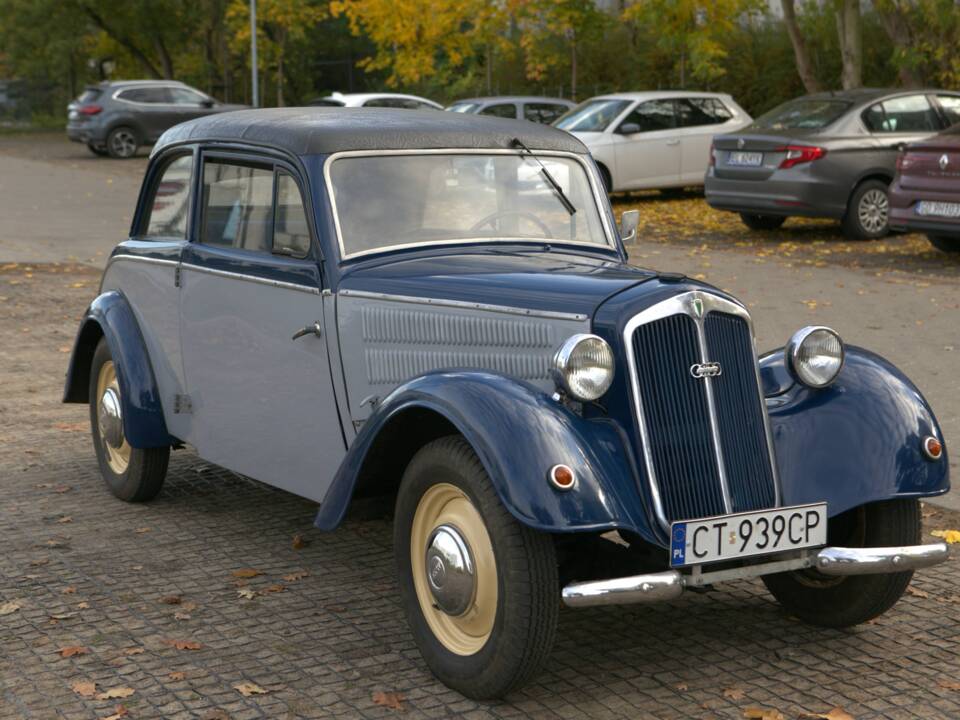
DKW F8 ready to hit the road

328 Roadster Special Recreation


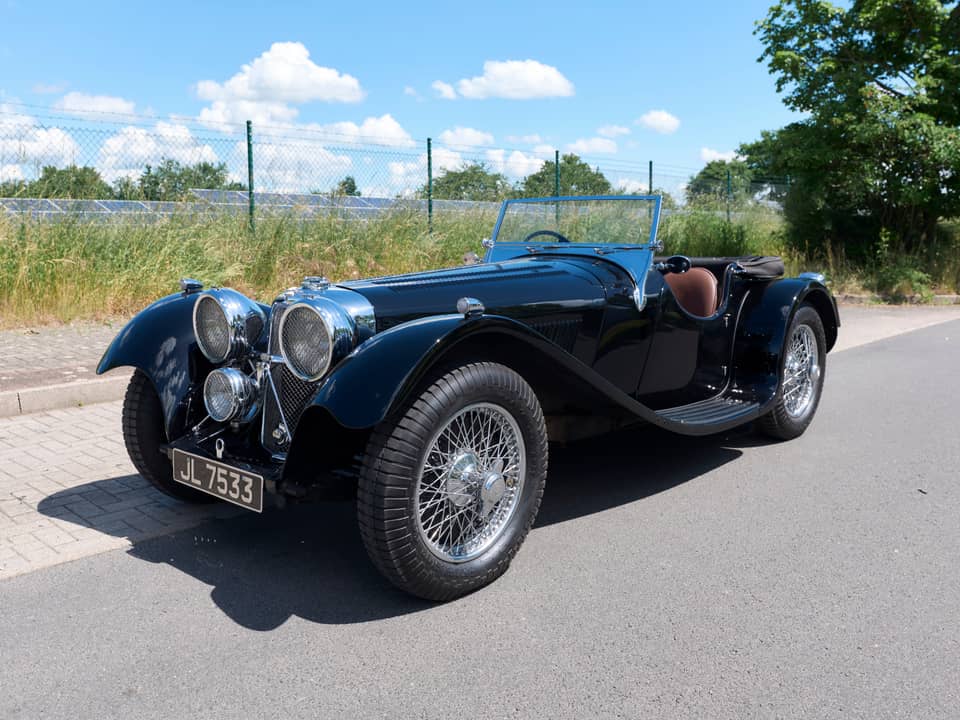
Rare Jaguar SS 100 2.5 L with Matching Numbers, Extensive Documentation and High-Quality Restoration

Oldtimer Packard Six | Gerestaureerd| Zeer goede staat| Two-tone| 1

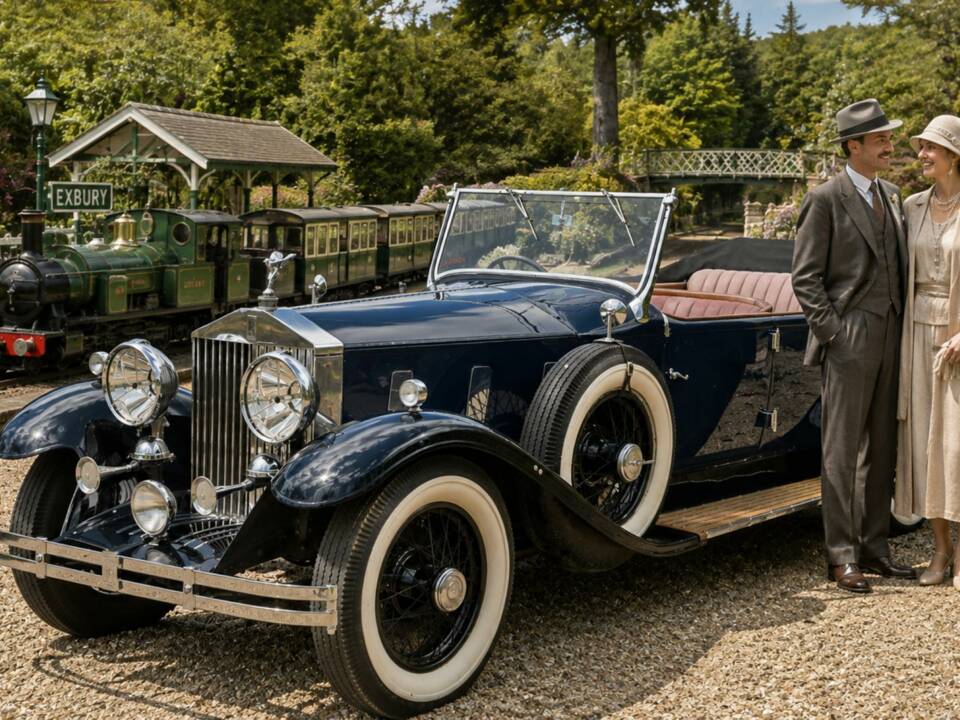
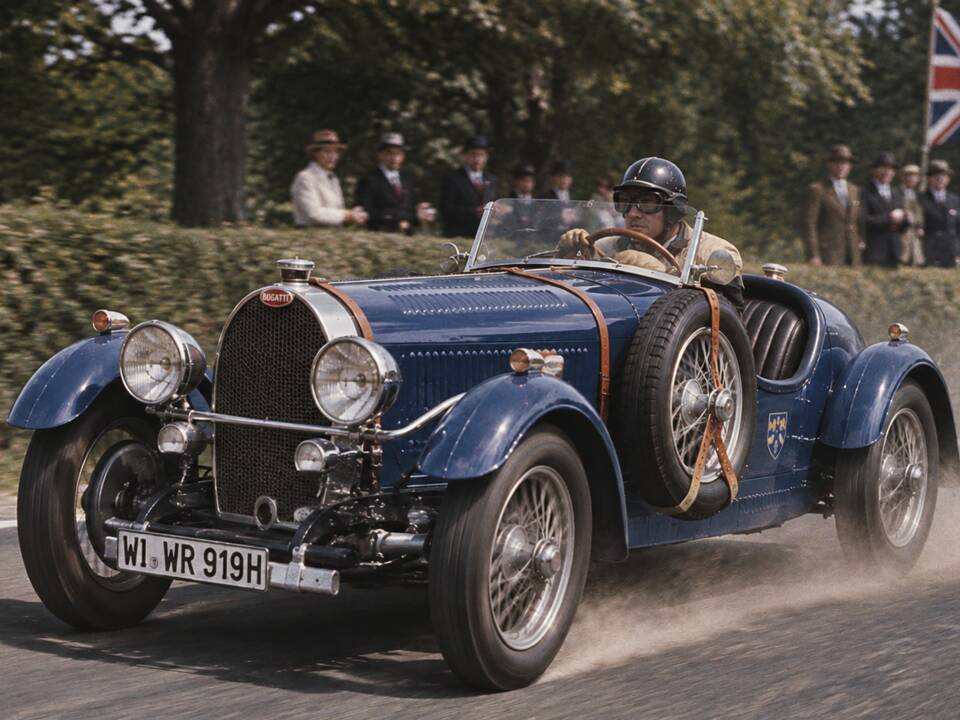
1934 Bugatti Type 57 Grand Sport Torpedo – Van-Vooren history

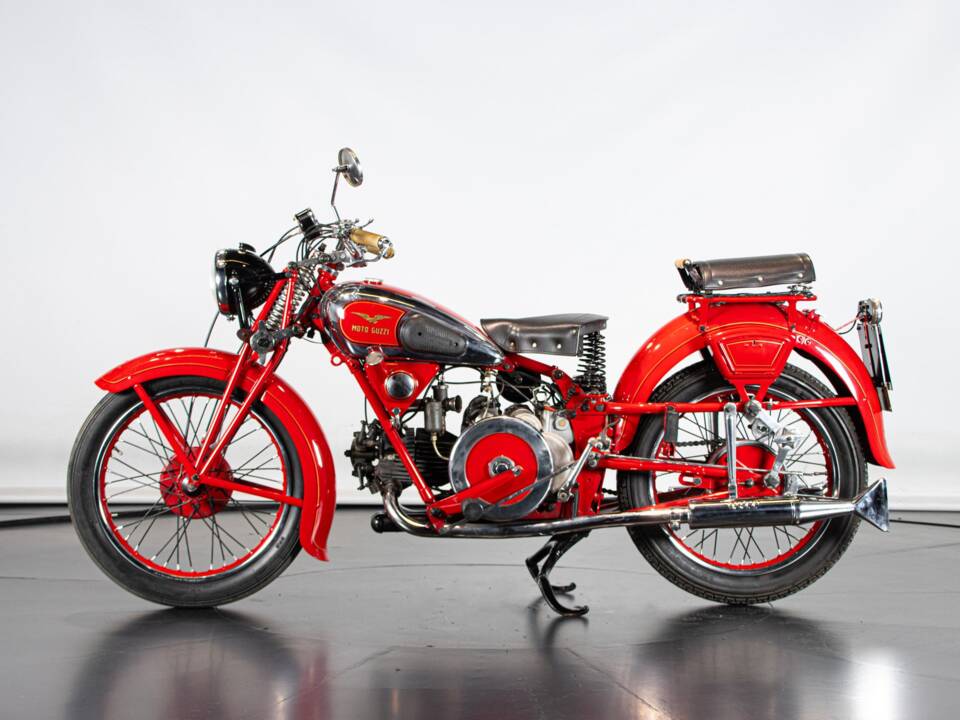
Moto Guzzi GTW 500
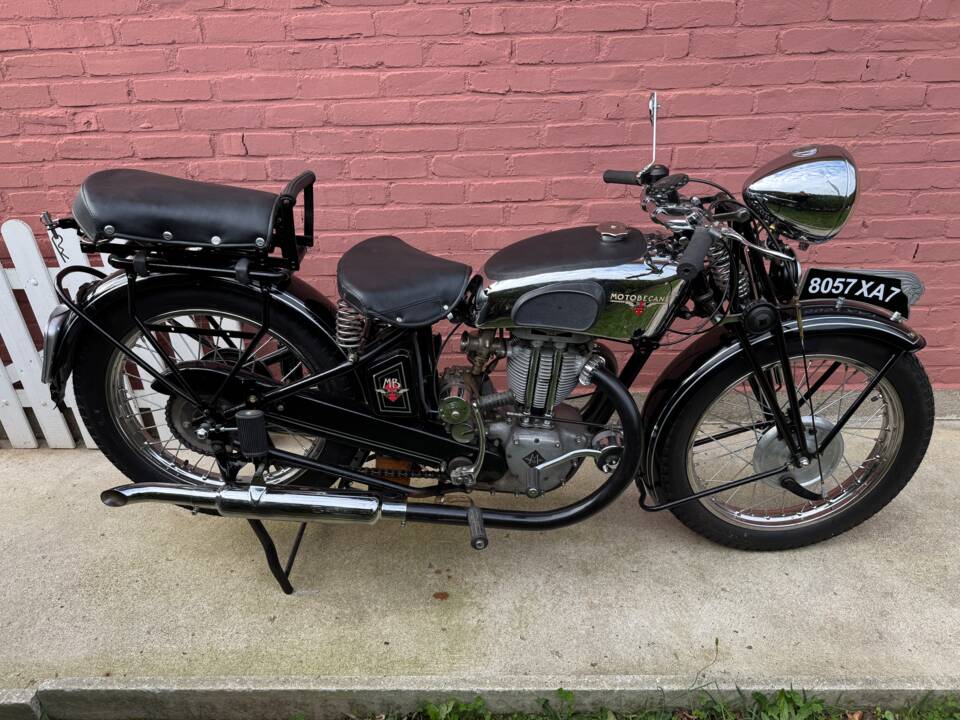
Type R 44 C

976cc V-Twin. Matching numbers. Older restoration.

Quick - Restauriert

600 J.A.P. Motor fahrbereit / 600 J.A.P. engine driveable

Rare - British - Pre-war
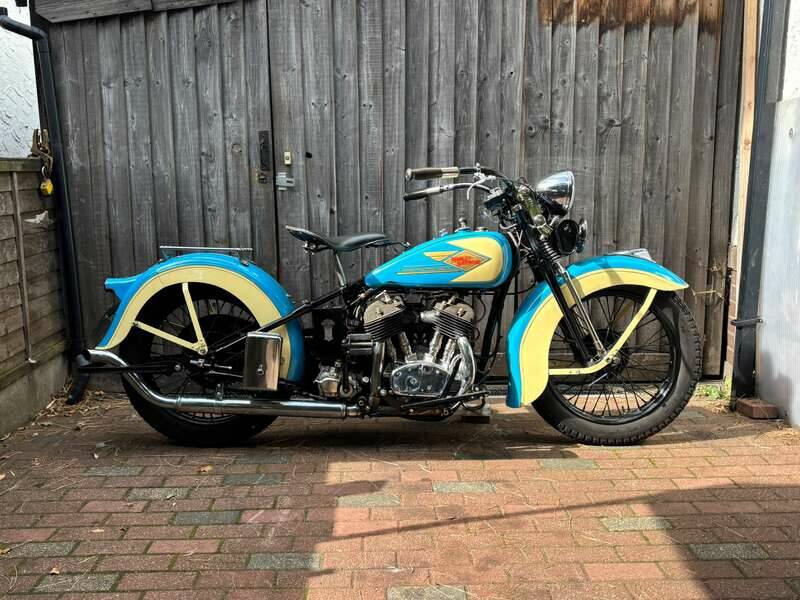
1934 Harley-Davidson VLD 'Big Twin' 1,200cc
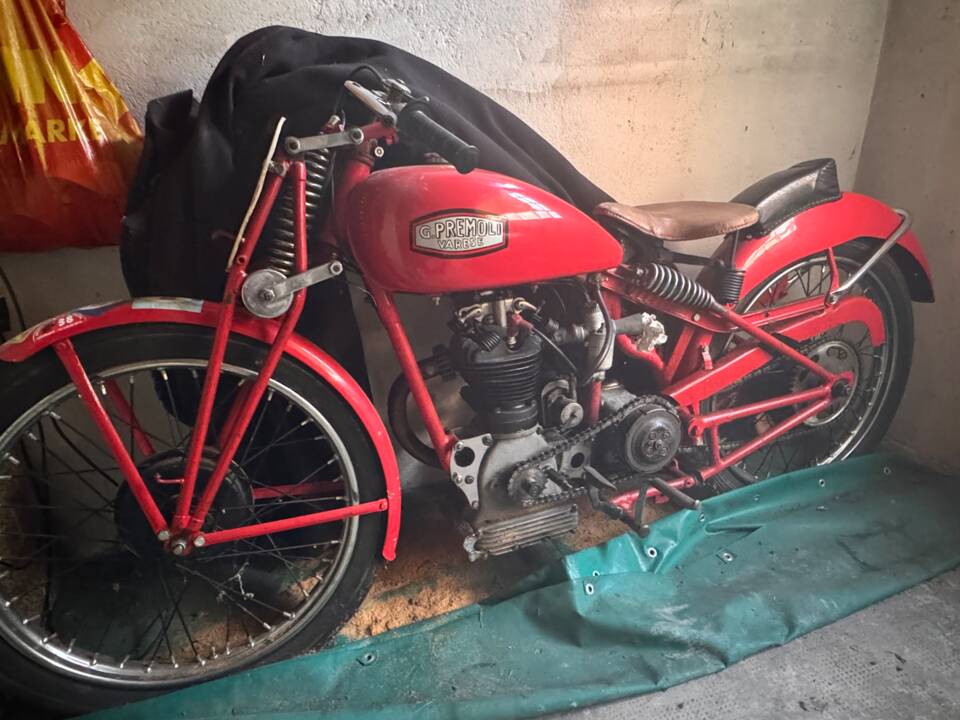
A rare piece of Italian motorcycling history, for those seeking authenticity beyond the name already written in the books.
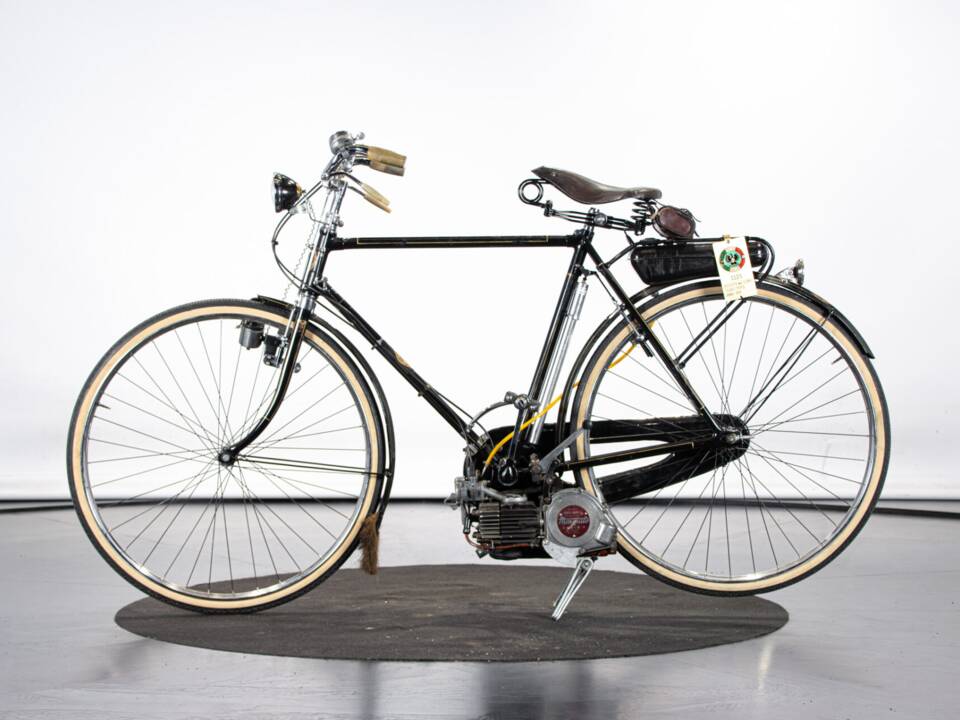
Bianchi BIANCHI mod. CESARE
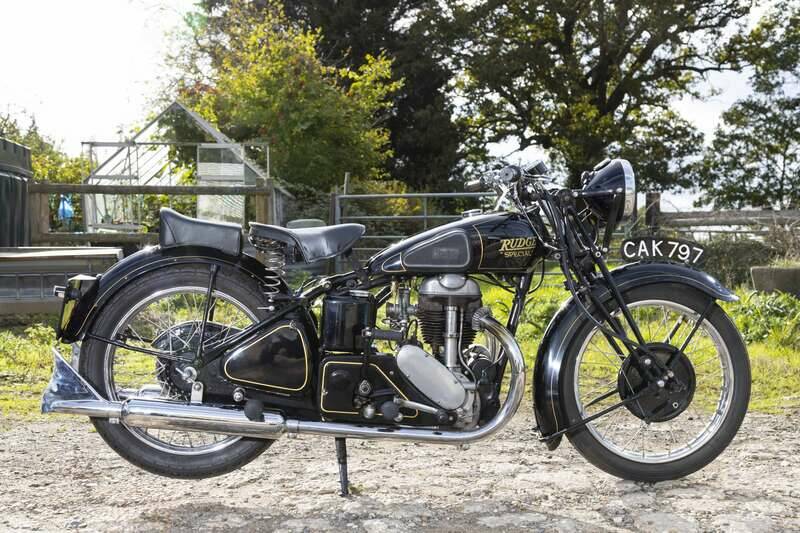
1938 Rudge Sports Special 498cc
Buying a 1930s vehicle means buying a particular set of compromises. A small family car, a sporting two-seater and a motorcycle could all use mechanically operated brakes and a conventional electrical system, yet differ greatly in access, controls and repair methods. Start with the kind of use you can support: local runs, club events, occasional touring or a static collection. That decision affects body condition, weather equipment, gearing, cooling margins and the availability of people who understand the machine.
In Britain, motoring was becoming more structured rather than simply faster. The road rules and testing milestones of the decade matter to a buyer because period controls and current road use are not the same thing; see the dedicated road-rules section. A car may retain its original instruments while still needing to meet present-day roadworthiness and insurance requirements.
The decade also brought a practical change in what a buyer expected to see in a car. A modest saloon could be a useful everyday purchase, while a sporting model demanded closer attention to maintenance and the condition of its specialised components. There was no single 1930s specification: side-valve and overhead-valve engines coexisted, as did mechanical and differing electrical arrangements. Conventional gearboxes sat alongside pre-selector systems. Treat each advert as a description to verify, not as evidence that every contemporary vehicle shared the same equipment.
For a UK buyer, the useful cultural question is not whether a vehicle looks like an imagined decade. Ask who built the chassis, which body is fitted now, how it was maintained, and whether its controls and safety equipment correspond with the claimed year. Period photographs can show a car's body and trim without proving that the present engine, frame or gearbox is original. A clear folder of invoices and inspection notes is more useful than a broad description such as “fully restored”.
The Great Britain regulatory timeline helps date the equipment you are inspecting. The Highway Code was issued in 1931. The Road Traffic Act 1934 introduced a 30 mph limit in built-up areas. Voluntary driving tests began on 16 March 1935, followed by compulsory tests on 1 June 1935 for drivers and riders who started on or after 1 April 1934. Speedometers and safety glass in windscreens were required from 1 January 1937. Northern Ireland had separate arrangements. Confirm which items belong to the particular construction date and whether later replacement parts have been fitted correctly.
Do not infer legal status from a tax disc, an old MOT certificate or an owner's recollection. Historic MOT and tax arrangements can change and may depend on the vehicle's recorded classification and use. Check current UK requirements with the relevant official sources before purchase or a change of keeper. Roadworthiness and insurance still apply even where a vehicle is exempt from a particular test or tax charge. The buyer remains responsible for tyres, lights, brakes, steering, glazing, number plates and safe operation.
Ask the seller for the registration details, V5C, MOT history where available, insurance history if offered, and any declaration associated with historic status. Compare dates in those records with chassis and engine marks. A registration document can support identity but cannot by itself prove that a replacement body, engine or frame is legitimate. If the car has been off the road, establish how it will be transported, recommissioned and insured before arranging a test drive.
The same caution applies to motorcycles. Their lighting, braking, registration and insurance requirements should be checked as current obligations, not reconstructed from a period photograph. A sidecar changes handling and may alter the inspection you need. Do not assume that a machine is safe because it starts, or that an old test document confirms the condition of its tyres, wheels, forks or frame today.
The Austin Seven Ruby is a compact saloon to assess as a complete small car, not as a generic “Seven”. Confirm the production year and exact specification, then inspect the chassis, body mounting points, doors, floor, wings and timber or metal repairs. A tidy exterior can conceal alterations around the lower body and structural joints. Check that the dashboard, instruments, controls, lamps and glazing are appropriate to the car being offered. Compare the engine and gearbox markings with the paperwork and ask which components were rebuilt or exchanged.
On a viewing, inspect the side-valve engine cold. Look for oil leaks, coolant staining, insecure hoses, damaged fasteners and signs that the car has been prepared only for display. Check the radiator and its surrounding structure, then examine the mechanical brakes, rods, pivots and drums for wear or binding. Steering free play, spring mounts and wheel alignment deserve a hands-on inspection. A short drive should be gradual and should not replace an examination on a lift.
The Morris Eight Series II belongs to the 1937–38 part of this guide. It used hydraulic drum brakes, so verify that the offered car is a Series II and not a car described loosely by family name or confused with the Series E announced in October 1938. Inspect the body seams, floor, sills, wings, bulkhead and chassis attachments, looking for repairs that interrupt drainage or hide corrosion. Check door fit and timber where used, because movement in the body can be mistaken for a simple adjustment. Record the condition of trim and instruments before dismantling anything.
Test the cooling system for pressure loss and evidence of overheating, and inspect wiring for brittle insulation, improvised joins and poorly protected additions. Confirm hydraulic brake operation, fluid condition, leaks and adjustment, then check the gearbox for noise, jumping out of gear and difficult selection when warm. The engine should be inspected for cold-start behaviour, smoke, oil pressure evidence and correct response under load. Ask for maintenance records that identify work rather than merely labelling the vehicle “restored”.
The MG PA is a sporting car whose compact layout makes access and originality particularly important. Verify chassis and engine identity, body type and the relationship between the present body and the car's records. Inspect the chassis rails, suspension pick-up points, steering, braking hardware and the area around previous accident repairs. On an open car, inspect weather seals, floor sections and the condition of the body structure beneath paint. A period-looking finish does not prove that the body or its fittings are correctly matched.
Before a drive, check cold starting, oil pressure indications, cooling, clutch action and gearbox selection. Examine the engine for non-period changes and ask whether the carburation, ignition, wiring or braking system has been modified. Sporting use in the past should not be assumed, and no claimed competition history should be accepted without documentation. Treat invoices, photographs taken during restoration and specialist inspection notes as separate evidence, then reconcile discrepancies before agreeing a price or deposit.
The supported Riley is specifically the 1934 Riley Falcon with a 1,496cc twin-cam engine and pre-selector gearbox. Those details are identity checks, not decoration in an advert. Match the chassis and engine numbers with the V5C and factory or marque documentation, and establish whether the body and gearbox belong with that car. Learn the pre-selector control sequence before driving: incorrect assumptions about a conventional manual gearbox can cause damage or create an unsafe test.
Inspect the twin-cam engine for oil leaks, cooling problems, poor starting and evidence of neglected adjustment. Check the pre-selector mechanism, selector cables or linkages, clutch operation and final drive while the car is stationary and on the road. A documented 1934 Riley fuel-residue case is a reason to inspect stored fuel systems carefully; it is not evidence of a model-wide issue. Examine the tank, lines, filters and carburettor for residue, corrosion, contamination and unsuitable replacement materials. Do not turn one documented case into a blanket claim about every Falcon.
Across all four cars, originality must be described component by component. An engine rebuild, replacement body panel, rewired loom or upgraded brake lining can be sensible, but it should be recorded. Ask what work was done, by whom, when and with which parts. Where identity is uncertain, pause the transaction and obtain a marque specialist's written assessment.
The Triumph Speed Twin is covered from 1937 and should be verified as the 498cc parallel-twin model. Check frame and engine numbers against the V5C, invoices and marque records, including the relationship between the numbers and any replacement crankcases. Inspect the frame around steering, suspension and engine mounts, and look for distortion, cracks, poor welds and corrosion beneath paint. A polished tank or fresh finish can hide an incomplete mechanical rebuild.
Examine forks for straightness, leaks and smooth movement; check wheel rims, spokes, hubs, bearings and tyre dates; and inspect both brakes for operation and security. Test the magneto and other electrics, including the charging and lighting circuits, rather than assuming that a spark proves a reliable ignition system. Look inside the fuel tank for corrosion and repairs, assess the taps and lines, and verify that the controls return freely. If a sidecar is fitted, inspect its frame, mounting points, wheel and brake arrangement as a separate engineering system.
A cold start should be observed without excessive priming or unexplained external fuel. Listen for mechanical noise, assess oil leaks and confirm that the engine responds cleanly when warm. Check clutch action, gear selection and chain condition before riding. Ask for the service and rebuild record, but use it to guide inspection rather than to excuse missing evidence. Any modern wiring, ignition or brake component should be identified, secured and documented.
This guide includes a Brough Superior 11.50 Special only as a 1936 machine whose exact designation, frame, engine and factory record can be verified. Request the original factory record or a credible record extract, then compare it with the frame and engine marks, registration documents and restoration invoices. If the numbers do not align, commission specialist research before treating the motorcycle as the stated model. Call it a Brough Superior 11.50 Special Combination only when the documented machine has that sidecar configuration.
Inspect the frame, forks, wheel assemblies, hubs, brakes, steering head, magneto, wiring, tank and controls. Look for repairs, replaced castings, damaged threads, incompatible fasteners and corrosion beneath plating. Check any sidecar structure and mounts independently. Do not accept claimed race history or provenance without documentary proof, and do not let a famous name substitute for a mechanical inspection. A motorcycle that cannot be safely started, stopped and steered needs a written recommissioning plan before use.
Both motorcycles require a realistic storage and maintenance plan. Fuel systems, magnetos, batteries, cables, tyres and brake linings deteriorate when a machine stands. Record what is original, what is rebuilt and what is a later replacement. Specialist inspection is especially valuable where frame alignment, magneto work, wheel building or unobtainable fasteners are involved. Ride only after the basic systems have been checked and the insurance and registration position is clear.
The decade is best understood as a period of coexistence rather than a single technical standard. Side-valve engines remained alongside overhead-valve and twin-cam designs. The Morris Eight Series II demonstrates hydraulic drum brakes appearing on a mainstream small car while mechanical systems remained; neither arrangement was universal. Conventional gearboxes were available alongside the Riley Falcon's pre-selector arrangement, a model-specific advanced option rather than a universal feature. The Triumph Speed Twin introduced its 498cc parallel-twin configuration in 1937, but older motorcycle systems continued alongside it. Electrical systems also differed: inspect the actual dynamo, starter, battery, ignition and lighting layout rather than assuming a universal 1930s circuit.
That variation changes the buying process. A side-valve engine may need a different approach to valve access and cooling inspection from an overhead-valve unit. A twin-cam engine demands evidence of correct lubrication and adjustment. A pre-selector gearbox needs its own control procedure and linkage inspection. Mechanical brakes need attention to rods, pivots, cables where fitted, drums, shoes and adjustment, not just a check that the pedal feels firm.
From 1 January 1937, speedometers and safety glass in windscreens became Great Britain requirements. Check that equipment on each survivor against its date and documentation, while remembering that replacements may have been fitted during restoration; these requirements coexisted with older systems rather than making every decade vehicle identical. Do not describe later safety or convenience equipment as factory technology for the decade. Trace additions such as extra lamps, modern switches, electronic ignition, alternators or non-period instruments, and decide whether they are reversible, safe and properly documented.
For a pre-purchase test, begin with controls at rest. Turn the steering through its range, operate the brake and clutch, select gears without forcing the mechanism, and check that the throttle returns. Observe the cold start, charging indication, oil pressure evidence and coolant temperature. During a short road test, listen for driveline noise, check straight-line braking in a safe location and note changes as the engine warms. Stop immediately if steering, braking, fuel or electrical behaviour is unsafe.
Identity comes before aesthetics. Photograph every chassis and engine mark, dashboard plate, casting number and registration document. Compare them with the V5C, factory record, marque register, old invoices, restoration photographs and inspection reports. Ask the seller to explain every mismatch in writing. A replacement engine may be legitimate; an unexplained identity can still make registration, insurance, parts ordering and future sale difficult.
Check the body or frame as a structure. For cars, inspect chassis rails, cross-members, floor, sills, bulkhead, body mounts, timber, door pillars and evidence of accident repair. Look behind carpets, under wings and around drain points. For motorcycles, inspect frame tubes, steering head, forks, engine mounts, wheel alignment and sidecar attachments. Fresh paint, plating or underseal should be treated as a prompt for closer examination, not as proof of sound metal.
Then work through steering, brakes, suspension, wheels, tyres, cooling, fuel, wiring, engine and gearbox. Look for leaks, overheating evidence, insecure repairs, brittle insulation, damaged threads and missing guards. Confirm that the engine starts cold and that the gearbox behaves when warm. On the Riley, give the pre-selector mechanism its own inspection. On both motorcycles, include magneto, tank, wheels and forks. Commission a lift inspection or motorcycle specialist report where access is limited.
Separate condition from originality. List each major component as original, period replacement, later replacement, rebuilt, modified or unknown. Request receipts for machining, body and timber work, electrical rewiring, wheel building and brake rebuilding. Check that claimed work is visible in the component and that the invoices identify the vehicle. A seller's description is useful evidence only when it can be tested against records and the vehicle itself.
Before committing, prepare a first-year work list and identify who can do each task. Include safe transport, recommissioning, fluids, fuel-system cleaning, tyres, brakes, wiring and any structural repair. Confirm that parts can be sourced for the exact model and that the parts are compatible with its year and specification. If identity remains uncertain, do not order expensive model-specific components or dismantle the vehicle until the issue is resolved.
Parts planning starts with an inventory. Photograph the car or motorcycle before removal, label fasteners and record the position and condition of each assembly. Separate reusable parts from repairable, replacement and unknown items. For a Ruby, Morris 8, MG PA or Riley Falcon, confirm model, year and specification before buying body, engine, gearbox, brake or trim parts. For a Speed Twin or Brough Superior, verify frame and engine identity before ordering components that depend on a particular variant.
Create a supplier and skills list, not just a shopping list. Specialist work may include chassis or frame alignment, timber repair, coachbuilding, machining, magneto rebuilding, wheel building, radiator repair, gearbox adjustment and rewiring. Ask a prospective restorer what measurements and tolerances they will record. A component that fits visually may still be incorrect in material, geometry or control operation. Keep removed parts and document changes so future maintenance is possible.
Restoration should preserve safe, serviceable construction while making alterations visible. Repair corrosion properly instead of covering it with filler or underseal. Inspect the reverse of bodywork, the inside of tanks and the underside of frames. Test wiring for protection and continuity. Rebuild brakes and steering with the correct clearances, then check alignment and operation under controlled conditions. Cooling repairs should be pressure-tested, and fuel systems should be cleaned and inspected before fuel is stored.
Do not confuse a cosmetic recommission with a complete restoration. A running engine does not establish sound crankshaft, camshaft, oiling or cooling condition. A bright chassis does not establish correct geometry. A fresh loom does not establish correct charging or ignition. Keep a dated log of tests, measurements and replaced parts. That record supports safe ownership, informs insurers and helps the next specialist understand what has been done.
Plan ownership around use and support. Secure dry storage with ventilation, make space for safe lifting and keep fuel, battery and cleaning arrangements appropriate to the vehicle. A 1930s car needs regular inspection of fluids, cooling, brakes, steering, tyres, glazing and lights. A motorcycle also needs attention to chains, cables, forks, wheel spokes, magneto or ignition, tank and sidecar mounts. Short, gentle recommissioning runs reveal problems that a stationary start cannot.
Keep the identity file with the vehicle: V5C, photographs of marks, factory or club records, invoices, wiring diagrams, restoration notes, MOT and tax evidence, insurance documents and a current maintenance log. Check historic MOT and tax rules when circumstances change. Roadworthiness and insurance remain the owner's responsibility. Tell the insurer about modifications, replacement bodies, sidecars, agreed value requirements and intended use.
Choose a specialist before an emergency. A garage that understands modern servicing may not have the equipment or method for mechanical brakes, pre-selector controls, magnetos, timber structures or early electrics. Agree how inspection findings will be reported and retain old parts where practical. Join a relevant UK marque or model network for technical references, but verify advice against the exact vehicle and its records.
The best purchase is one whose identity, structure, controls and support needs are understood. An honest car or motorcycle with a clear work list can be assessed; an attractive vehicle with unknown numbers, hidden repairs and no parts plan cannot. Compare the evidence, arrange a specialist inspection, confirm current legal and insurance requirements, and only then decide whether the machine fits the way you intend to own it.
The covered cars are the Austin Seven Ruby from 1934–39, Morris Eight Series II from 1937–38, the mid-1930s MG PA, and the 1934 Riley Falcon with its 1,496cc twin-cam engine and pre-selector gearbox.
Match chassis and engine identities with the V5C, invoices, photographs and marque records, and establish whether the body, major mechanical parts or frame have been replaced.
See the dedicated UK road-rules section for the Great Britain chronology. Check current historic MOT and tax treatment rather than relying on age alone.
This guide covers the Triumph Speed Twin from 1937, with its 498cc parallel-twin engine, and a Brough Superior 11.50 Special from 1936 only when its exact designation, frame, engine and factory record can be verified.
Historic MOT and tax arrangements must be checked against current UK rules and the vehicle's declared status. Roadworthiness, insurance and any applicable testing or registration obligations still apply.
Confirm exact model compatibility before ordering, audit the parts already present, and identify specialist machining, electrical, body and trim skills. A parts inventory should precede dismantling.
Join 100,000+ subscribers getting hand-picked listings
Receive hand-picked collections of the most interesting cars, motorbikes, and auction listings on Classic Trader — straight to your inbox.