
1954
Assess post-war engineering, British motorcycles and the evidence behind each restoration. Start with the buying checklist.

Powerful roadster in rare S-version
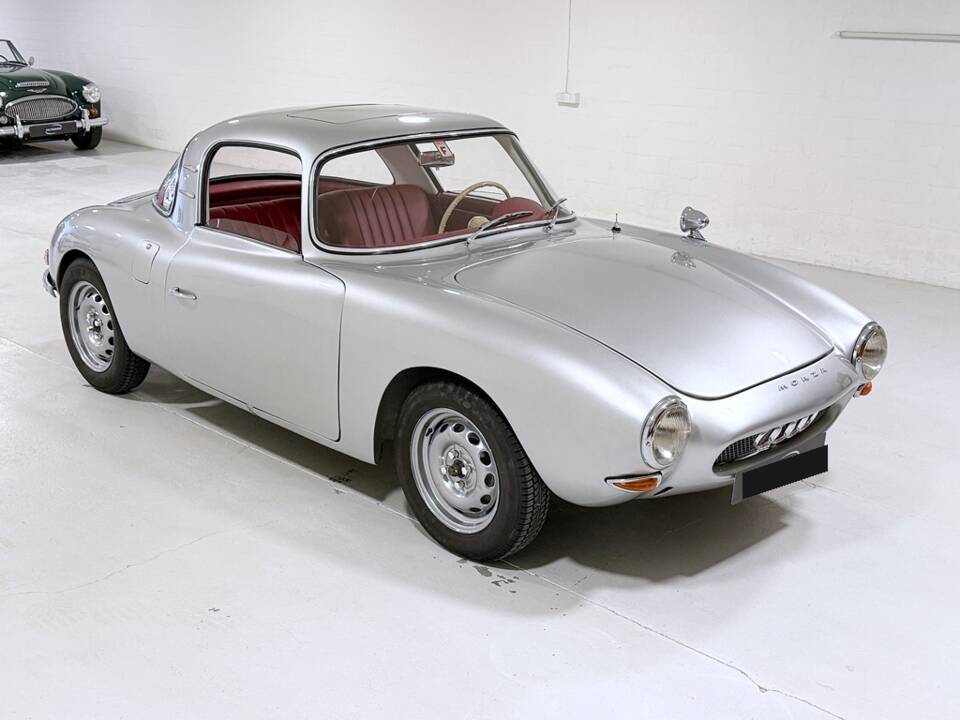
Former personal car of Robert Schenk, the last of only 41 Schenk-built Monzas, unique Auto Union 1000 SP chassis with a factory steel sliding sunroof


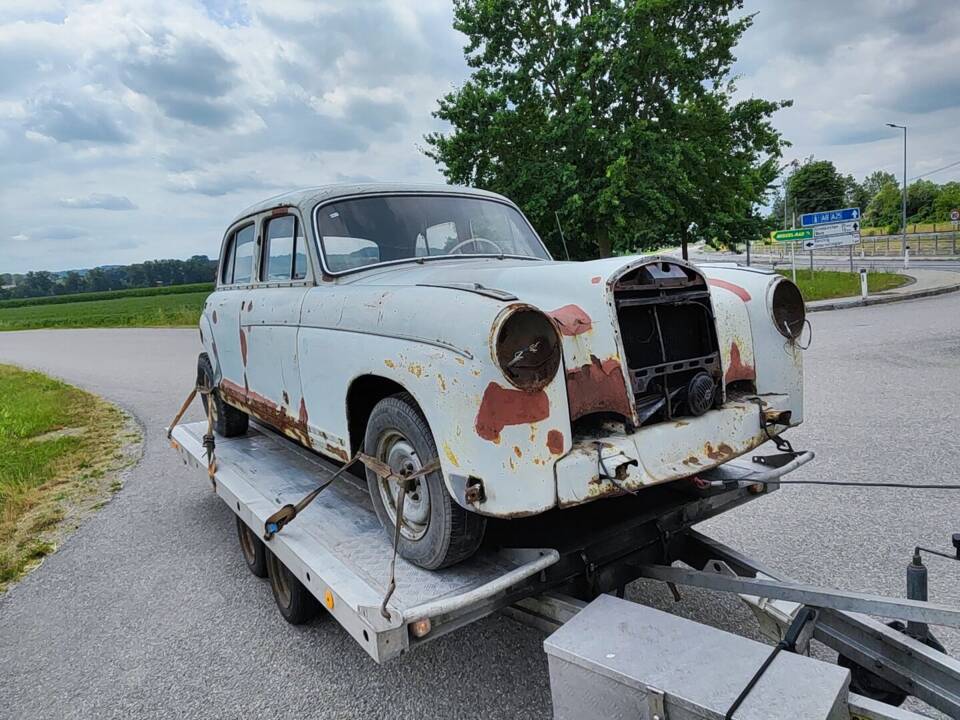
Unrestored 1958 Mercedes-Benz 220 S Ponton with data card, delivery note and documented Matching Numbers


1955 Bentley S1 Continental Drophead Coupe by Park Ward.


MG TD | Uitvoerig gerestaureerd | Concoursstaat | 1952

MG TD | Gerestaureerd | Onderhoudshistorie aanwezig | 19
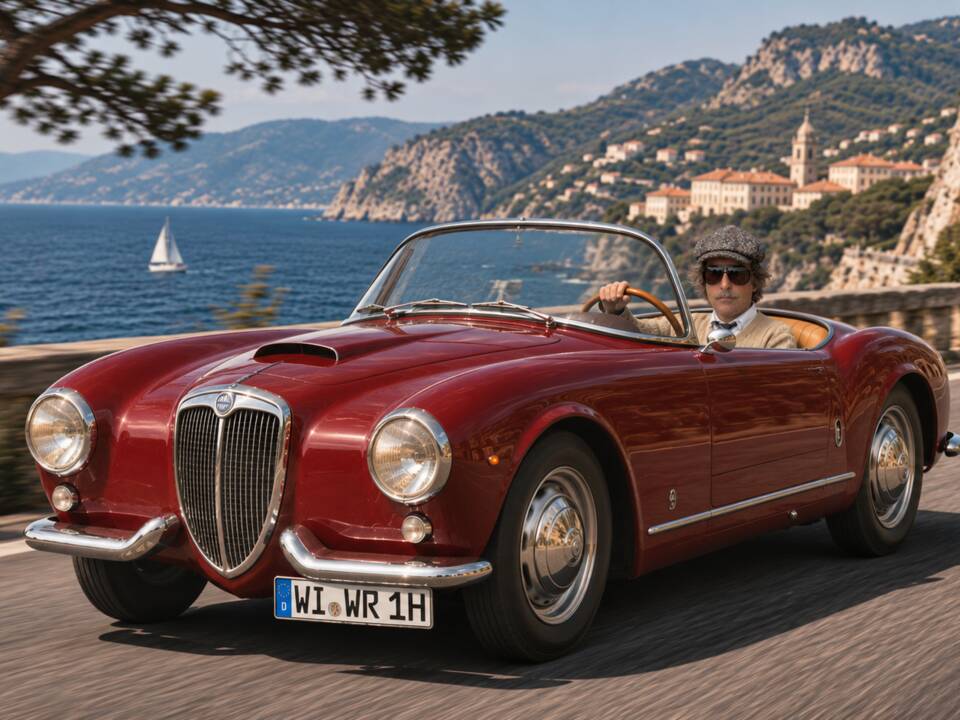
1955 Lancia Aurelia B24 Spider America – B24 V6, documented provenance, original details, and comprehensive vehicle file


251 OSB Max -Restauriert

VNB1T

INNOCENTI Lambretta Modell D 125cm³

SUPERALCE 500

DKW RT 250 H – Classic Motorcycle from the 1950s

BMW R51/3 500cc 30 km since restoration by Marque specialist, matching Numbers, original Dutch, Excellent condition!

DKW RT 125/2 – Classic from 1953

150 VBA !!!

RT 350 S

Maico M250S in legeruitvoering

PRISTINE !!
The 1950s began with Britain still adapting to post-war shortages and ended with a more mobile, technically ambitious public. Cars and motorcycles were not simply leisure objects: they carried workers, families and exports, while club runs, trials, racing and touring gave owners ways to use them beyond commuting. That mixture helps explain why a 1950s classic can be both an expressive collector vehicle and an unusually demanding piece of transport history.
British manufacturers worked under strong export pressure. Overseas sales brought in valuable currency, so a car or motorcycle described today as a British classic may have been built for another market, supplied with a different instrument layout, lighting arrangement or trim specification, and imported into Britain much later. A right-hand-drive cockpit is a useful clue, not proof of home-market delivery. Ask for factory, dealer, registration and import evidence rather than inferring provenance from the steering wheel.
The period also rewarded compact engineering. Body construction, power units and braking systems were evolving, but adoption was uneven. A technology could be announced on an expensive or specialist model while most ordinary vehicles continued with familiar arrangements. This is important when reading a sales description: “1950s” does not mean every example has the same electrical polarity, gearbox, brake layout, suspension or factory finish.
For a buyer, the decade’s context is practical. Many survivors have lived through several uses, climates and repairs. A car that spent decades in damp storage may have hidden corrosion; a motorcycle that was rebuilt for competition may carry altered gearing, wheels or an engine assembled from different years. Period atmosphere is valuable, but it should not obscure the job of identifying the vehicle and testing its present condition.
The decade introduced or publicised engineering that would later become more familiar, without making it universal. Disc brakes, fuel injection, independent suspension, improved automatic systems and more effective electrical equipment appeared in different forms and at different times. When assessing a particular car, establish whether the feature was original to that model, optional, a later replacement or simply a modern conversion.
Braking is a good example. A period car may have drums, while a high-performance model introduced disc brakes or used them at one axle. Drum condition, lining material, adjustment and hydraulic cylinders can matter as much as the headline specification. Test for a firm, even pedal and investigate pull, judder, leaks and contamination. Do not assume that a later disc conversion is automatically better: its geometry, balance, wheels and documentation need checking.
Fuel systems also demand precision. Carburettors may be original, period alternatives or modern replacements; mechanical fuel injection has different maintenance and starting requirements. Trace fuel lines, tanks, pumps and filters, and look for unsafe hose, poor routing or a tank repair hidden beneath fresh coating. An engine that starts for an advert may still have weak oil pressure, overheating, worn bearings or poor mixture control.
The same distinction applies to electrical work. A replacement alternator, negative-earth conversion, electronic ignition or modern fuse box can improve usability, but it changes the car’s history and may have been fitted badly. Follow every cable, check earthing and fusing, and ask whether the original components are included. On a motorcycle, inspect the loom beneath the tank and seat, the charging output, switchgear, cut-outs and battery restraint before a long ride.
Independent suspension, hydraulic systems and tubular frames make inspection less visible, not less important. Look for leaks, damaged pipes, distorted brackets, cracked welds and corrosion inside enclosed sections. A sophisticated system requires the right fluid, tools and knowledge; confirm that a specialist can service the exact arrangement rather than relying on a generic description of “hydraulics”.
The Jaguar XK120 was introduced in 1948 and production began late that year, making it a key early post-war performance car rather than a model first created in the 1950s. Its 3.4-litre twin-cam engine, flowing body and strong period reputation explain its appeal, but a buyer should separate launch-era specification from the condition of a surviving example. The often-repeated 120 mph figure came from period tests of particular configurations and conditions; it is not a guarantee for an unrestored or modified car today.
Approximately 240 early XK120s used aluminium panels over ash framing. Later pressed-steel bodywork retained aluminium doors, bonnet and boot lid. The Fixed Head Coupé arrived in 1951 and the Drop Head Coupé in 1953. These distinctions affect structure, trim, glass, weather equipment, documentation and the parts needed for a correct restoration. Confirm the body style and construction from the chassis history, not only from a seller’s wording or a replacement body.
Inspect the chassis and body carefully. Check sills, floors, outriggers, bulkheads, inner wings, door posts, boot floor and suspension mounting areas for corrosion, distortion and patching. Aluminium and steel repairs require different skills, and a visually tidy seam can conceal thin metal or a change from the original construction. Examine panel gaps with the doors open and shut, look for stress around hinges and catches, and compare both sides for evidence of accident repair.
The XK engine bay deserves a cold start and a proper mechanical inspection. Verify engine and gearbox numbers, compression, oil pressure and cooling behaviour; inspect the radiator, water pump, hoses, fan arrangement and exhaust clearances. Check the twin-cam head for leaks and poor repairs, and establish whether the carburettors, ignition and charging system are period-correct or upgraded. A test drive should include clutch take-up, gearbox selection, steering play, brake balance and temperature stability, not just acceleration.
Export and home-market specification must be verified. Instruments, lighting, bumpers, wheels, trim and paperwork may reflect delivery to a different country, while a later conversion can blur the story. Ask for the chassis number, factory or heritage record, old registration documents, restoration photographs and invoices. The right example is one whose identity and structural work can be explained, whether or not every component remains original.
The Mercedes-Benz 300 SL Gullwing was produced from 1954 to 1957. Its tubular space frame and direct petrol injection were central to its engineering identity, but they also make an apparently complete car a specialist inspection. View the frame where possible, looking for corrosion, accident distortion, repaired tubes and inaccessible damage. Doors, hinges and body alignment should be checked without treating the dramatic gullwing opening as evidence of originality.
Confirm the engine, injection equipment, chassis identity and gearbox against authoritative records. Starting, idle quality and throttle response can reveal problems, but they do not replace checks of fuel pressure, pumps, lines, injectors, cooling and lubrication. A modified or substituted system can be usable, yet it should be described accurately and supported by competent work. The space frame and its mounting points deserve independent attention before cosmetic evaluation.
The Citroën DS 19 was revealed in 1955. Its hydropneumatic suspension and interconnected hydraulic systems, together with front disc brakes, were unusual introductions for a mass-market family car, but the presence and detail of each feature depend on year and variant. Do not transfer later DS assumptions to an early example. Establish the exact model, hydraulic arrangement, braking equipment and engine specification from its identification and period references.
On a DS, inspect hydraulic pipes, unions, spheres, pump operation, suspension height, steering and brake behaviour. Look for leaks and poor replacement pipework, and ask what fluid the system contains and when it was last serviced. The body structure is equally important: floors, sills, inner wings, roof edges, boot area and suspension load points can be expensive to repair. A car that rises correctly can still have weakened metal or unsafe hydraulics.
These European examples illustrate a useful rule for buyers. Novelty is not the same as universal adoption, and a technically advanced model is not automatically a better purchase. Parts access, specialist capability, correct tools and complete documentation should be assessed alongside driving appeal. A seller should identify the year and variant precisely, especially where later components have been fitted to keep an older vehicle in use.
The BSA Gold Star was a postwar range from 1948. The DBD34 version arrived in 1956, and Gold Star production ended in 1963, so a 1950s advert needs its exact year and specification checked rather than treating every Gold Star as a DBD34. Confirm the frame and engine numbers, gearbox, carburettor, brakes, tank, mudguards and instrument arrangement against marque records. A competition-inspired appearance may conceal a later engine or a mixture of parts.
Inspect the Gold Star’s frame for cracks, distortion and repairs around the headstock, swinging-arm mounts and engine plates. Check wheel rims, spokes, hubs and brake operation, then examine fork stanchions, bushes and seals. The engine needs a cold start, oil-pressure evidence where applicable, a look for crankcase and primary leaks, and a careful listen for timing, big-end and valve-train noise. Ask whether a rebuild was measured and documented, not merely painted.
Norton’s Dominator Model 7 dates from 1949. The Featherbed Model 88 was developed in 1951 and sold in Great Britain from 1953; the Model 99 belongs to 1955/56. These are related but distinct references. Do not conflate a Model 7, a Featherbed Model 88 and a Model 99 because a tank, frame or engine has been changed. Obtain the factory record and inspect stamped numbers for alteration, re-stamping or an unexplained mismatch with the registration paperwork.
On a Featherbed Model 88 or Model 99, study the frame, headstock, engine plates, rear loop and stand mounts for fatigue or amateur welding. A Model 7 needs its own frame and mounting details checked against its factory record rather than being assessed as a Featherbed conversion. On any Dominator, check the gearbox, clutch, primary chaincase, magneto or replacement ignition, charging system and oil-return behaviour. The wheels and brakes need more than a visual clean: verify bearing play, rim condition, spoke tension, lining contact and tyre age. On a road test, assess weave, steering effort, clutch drag, gear selection and stopping stability in a controlled setting.
Both marques have extensive specialist knowledge, but availability varies by exact model and condition. List missing instruments, badges, exhausts, controls, mudguards and fasteners before agreeing to buy. A bike with a strong frame and traceable numbers may be a more sensible restoration base than one with bright chrome and an uncertain identity. Preserve receipts for machining, wheel building, magneto work and plating so the next inspection can distinguish maintained originality from recent decoration.
The Triumph Bonneville T120 was announced in late 1958 for 1959. It used a 649cc twin-carburettor parallel twin, but announcement, model year, build date and first registration are not interchangeable. A listing calling a motorcycle a “1958 Bonneville” needs especially careful checking: ask for the frame and engine numbers, factory information, registration history and evidence of the exact T120 specification.
Inspect the frame, headstock, rear loop and engine mounting points for cracks, distortion and repairs. Check the twin carburettors for correct bodies, slides and linkage, and examine the inlet rubbers, air filters and fuel taps for safe fitting. The engine should be assessed cold for starting behaviour, oil leaks, smoke, rumbling, valve noise and charging performance. Test clutch operation, gearbox selection and primary drive after confirming that the controls are correctly adjusted.
Originality on a Bonneville is specific rather than decorative. Tanks, badges, silencers, mudguards, instruments, hubs, brakes, forks and handlebars may have been replaced during ordinary use or later customising. Record every non-standard part and ask whether removed components come with the bike. Modern electronic ignition, a converted charging system or upgraded brakes can be sensible, but their wiring, mounting and compatibility must be inspected and declared.
The same roadworthiness questions apply as on a car: tyre age and size, wheel bearings, spokes, brake linings, cables, steering-head bearings, fork seals, fuel hose and battery security. A short ride cannot prove reliability. Arrange a workshop inspection, verify oil and filter history, and budget time for a staged recommissioning if the motorcycle has been standing. The name has strong recognition; the individual machine still needs evidence.
A UK buyer should treat identity as a chain of evidence. Start with the frame or chassis number and compare it with the V5C, registration marks, factory or marque records, invoices and any import or re-registration documents. Check that the stamped characters have the correct style and location, that plates have not been disturbed, and that the engine number is recorded separately where the model’s history expects it. A replacement engine is not automatically a problem, but it must be declared and documented.
Right-hand drive, a British registration number or an English handbook can support a story without proving original UK delivery. Export pressure meant that British products were built for overseas customers, and vehicles have since crossed borders in both directions. Confirm the destination and specification through records. Look closely at headlamps, speedometer units, indicators, bumpers, number-plate mounts, emissions equipment where relevant, wiring and weather protection; these details can reveal later conversion or regional difference.
Paperwork should describe work, not merely assert it. Look for dated photographs before paint, invoices for panels and machining, measurements from a frame check, brake and suspension parts, wheel rebuilding, electrical diagrams and evidence of corrosion treatment. For an imported car or motorcycle, establish how it entered the UK and whether the registration trail is complete. If an identity depends on a certificate, read what the certificate actually verifies and what it does not.
Originality has several layers: body or frame, engine, running gear, trim, finish and use history. A sympathetic repair can preserve a vehicle better than a cosmetic reconstruction, while a correct-looking replacement may hide weakened metal. Note the date and source of every significant component. For rare systems, ask a recognised specialist to inspect before purchase and obtain a written report with photographs rather than relying on a verbal assurance.
Begin with a dry inspection in good light and allow time to see the underside. On a car, examine sills, floors, inner and outer wings, bulkheads, chassis rails, jacking points, suspension mounts, boot floor, windscreen surround and door posts. Use a magnet or paint-depth method appropriately, but do not let a tool replace tapping, lifting carpets and viewing the reverse of repairs. Fresh underseal can conceal corrosion; ask to see the metal before coating and inspect drain holes, seams and water traps.
On a motorcycle, inspect the headstock, top and bottom frame rails, engine plates, swinging-arm pivot, rear loop, stand mounts and battery tray. Check for rippled tubes, weld beads unlike the surrounding frame, drilled number plates and mismatched fasteners. Measure or compare wheel and frame alignment, examine fork stanchions and yokes, and confirm that the wheels, tyres and brakes suit the exact model. Surface rust is not the same risk as section loss inside a tube.
Systems testing should be methodical. Confirm cold-start behaviour, oil pressure or warning-light operation, charging voltage, coolant temperature, fuel shut-off, clutch action, gearbox selection and brake balance. Look for hydraulic leaks, fuel seepage, brittle hoses, unsafe wiring and loose battery mounts. Have the seller disclose when the vehicle was last driven and serviced. A warm engine, jump-start and brief route can hide faults; arrange a cold inspection and independent test where possible.
Parts support is model-specific. Before buying, call a marque specialist about body sections, trim, glass, instruments, suspension bushes, brake hydraulics, ignition parts and engine machining. Ask which parts are reproduced, which are exchange items, and which must be repaired or fabricated. Check whether a proposed upgrade is reversible and whether it affects wheels, geometry, brake balance, cooling or electrical safety. Budget for storage, weather protection, specialist transport and recommissioning without assuming that a complete-looking vehicle needs no work.
Restoration quality is found in the unseen work. Lift carpets, inspect door bottoms, remove selected access panels, view welds from both sides and compare paint edges with photographs. Check that cavities were cleaned before protection, drain paths remain open and dissimilar metals have been isolated where necessary. Review engine measurements, torque records, brake tests and alignment data. If the seller cannot explain a major repair, have the relevant area examined before making a decision.
For current UK registration, tax and MOT matters, use GOV.UK guidance at the time of purchase because rules and exemptions can change. Confirm the vehicle’s recorded status and any applicable historic-vehicle process; do not infer entitlement from age alone. MOT exemption, where applicable, does not remove the need for a safe vehicle, suitable maintenance, valid insurance and responsible use. Check the V5C details, arrange insurance before driving, and make sure any transport or test-drive plan is legal.
Finally, write down what you know and what remains uncertain. Separate verified factory specification from seller description, restoration claim from invoice, and a road test from a structural inspection. A 1950s car or motorcycle earns confidence through consistent numbers, sound metal, functioning systems and a support plan. Choose the machine whose unanswered questions you can investigate, rather than the one whose presentation discourages investigation.
Construction, braking, steering, electrical systems and corrosion protection can all require period-specific knowledge. Inspect the individual vehicle rather than assuming that its decade tells you its condition.
No. Export and home-market cars can differ in specification and documentation, and right-hand drive alone does not prove UK delivery. Check the chassis record, heritage paperwork and period documents.
Establish the condition of the load-bearing structure before judging paint or trim. Sills, floors, inner wings, suspension pick-up points, bulkheads and old repairs should be inspected from above and below.
Match the frame and engine numbers to marque records and the registration documents, then verify the exact model, year and specification. Similar-looking BSA, Norton and Triumph variants are not interchangeable.
Many have accessible mechanical systems, but age, scarce trim, specialist machining and previous modifications can make maintenance demanding. Confirm parts sources and a suitable specialist before buying.
Check tyres, hoses, fluids, brakes, steering, fuel lines, battery security and wiring, then carry out a controlled shakedown. A roadworthy inspection does not replace servicing, insurance or safe judgement.
Check the current guidance on GOV.UK for historic-vehicle registration, vehicle tax and MOT exemption before relying on an exemption. The vehicle must still be roadworthy and properly insured.
Not necessarily. Sound structure, accurate identity, honest records and competent systems work matter more than fresh paint. Ask what was replaced, how it was repaired and which parts are now non-standard.
Join 100,000+ subscribers getting hand-picked listings
Receive hand-picked collections of the most interesting cars, motorbikes, and auction listings on Classic Trader — straight to your inbox.