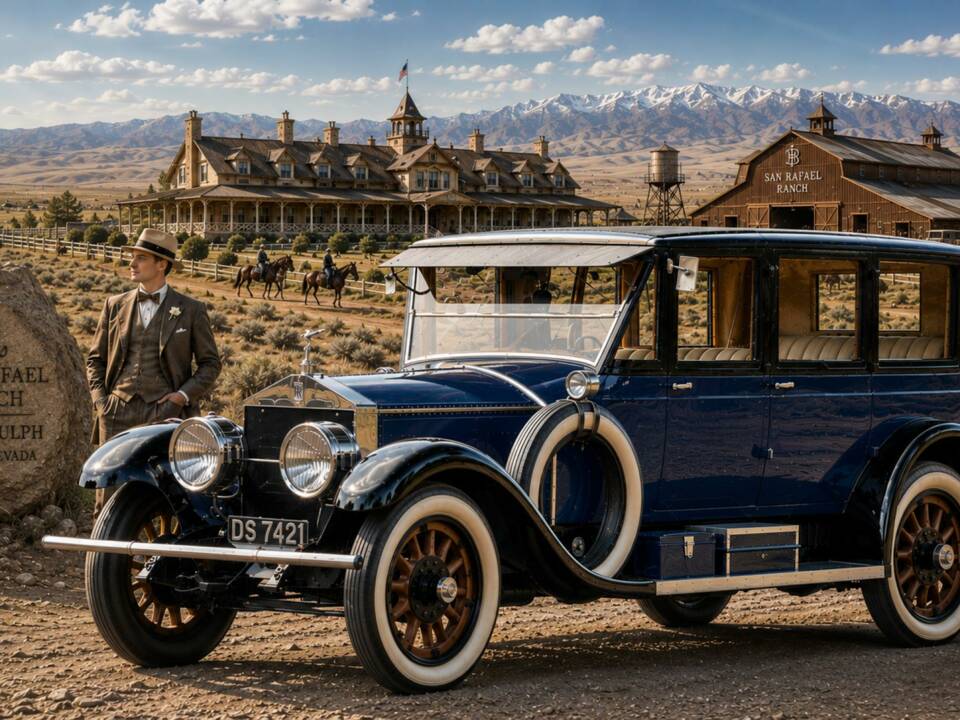
1921
Rolls-Royce 40/50 HP Silver Ghost
Pickwick Limousine RHD -
Explore the machines and ownership clues that matter when choosing a 1920s classic in Britain. Start with the buying checks.
Pickwick Limousine RHD -


Model A Pickup
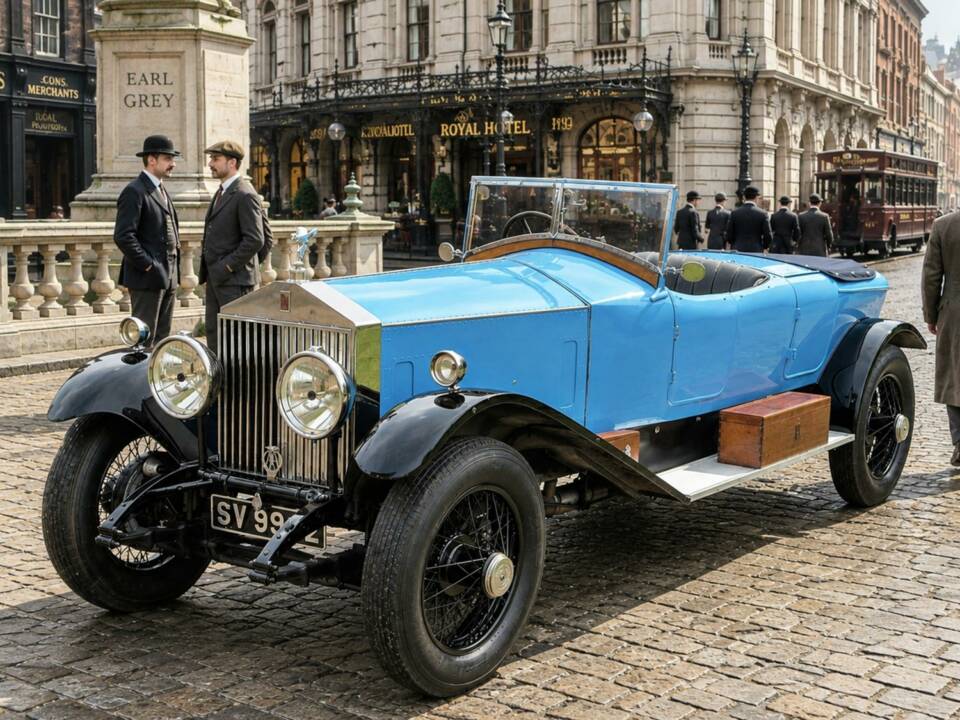

Arthur Mulliner enclosed drive limousine


Silver Ghost Limousine

1924 AMILCAR C4 SPORT 6CV 3 SEATER
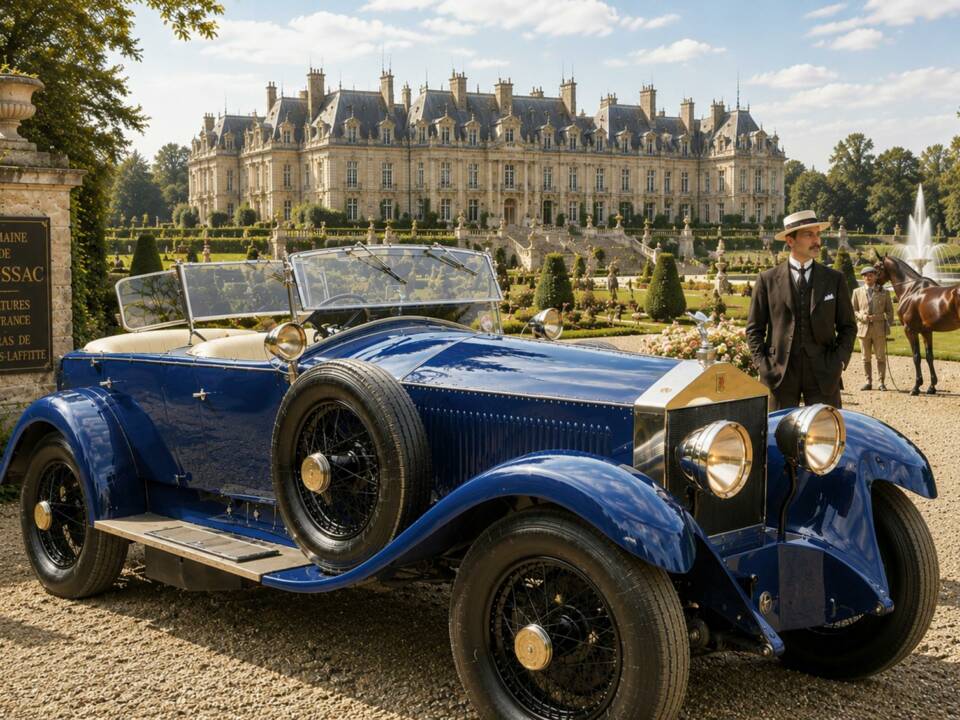


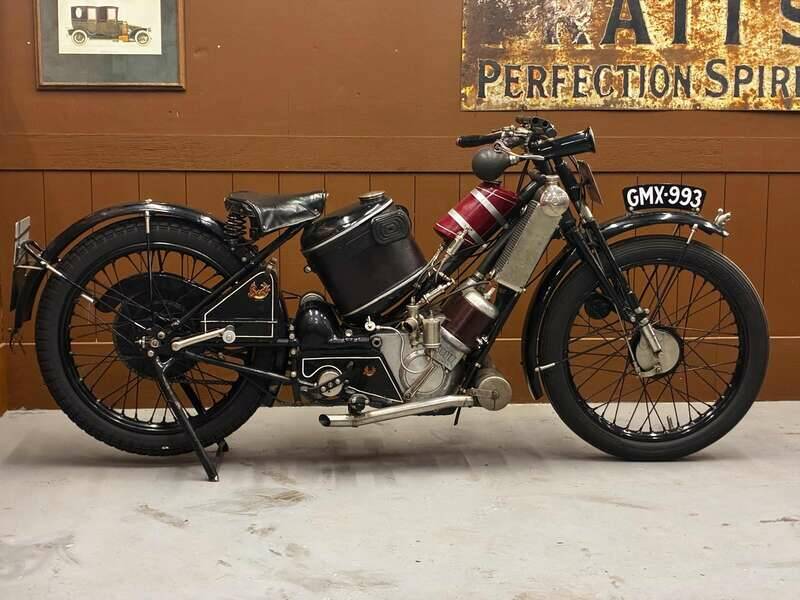
1924 Scott Flying Squirrel 596cc

Jap, England - Schweden 1928
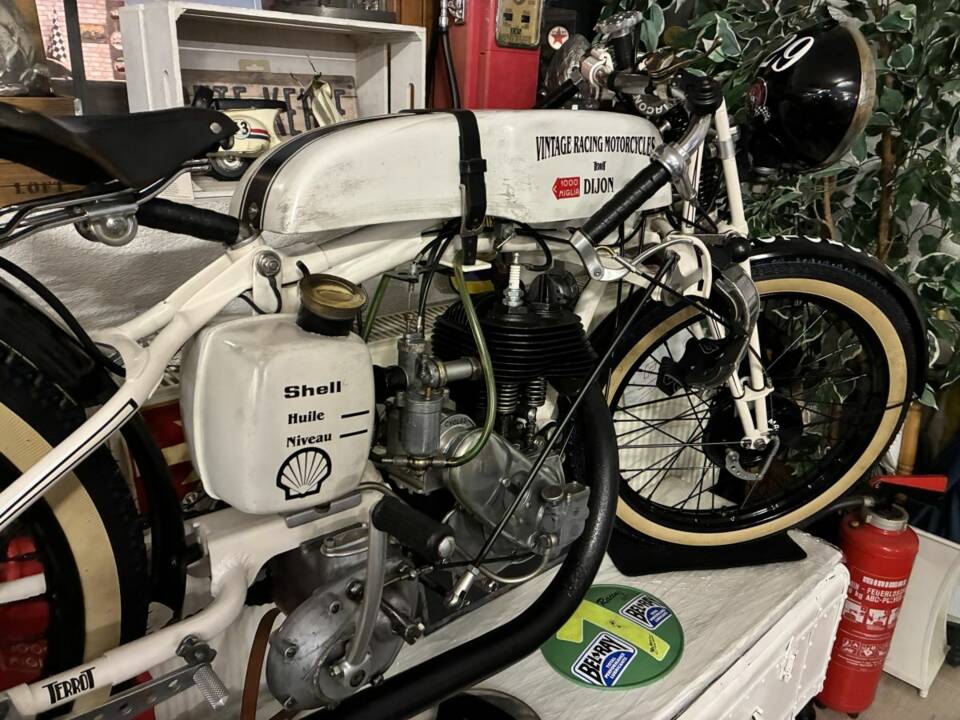
DIJON Terrot 250 PU BOARD -Tracker RACING MACHINE Yr. 1929

Oldtimer race motor

1929 Indian Scout 101 '29

1928 Terrot HT '28
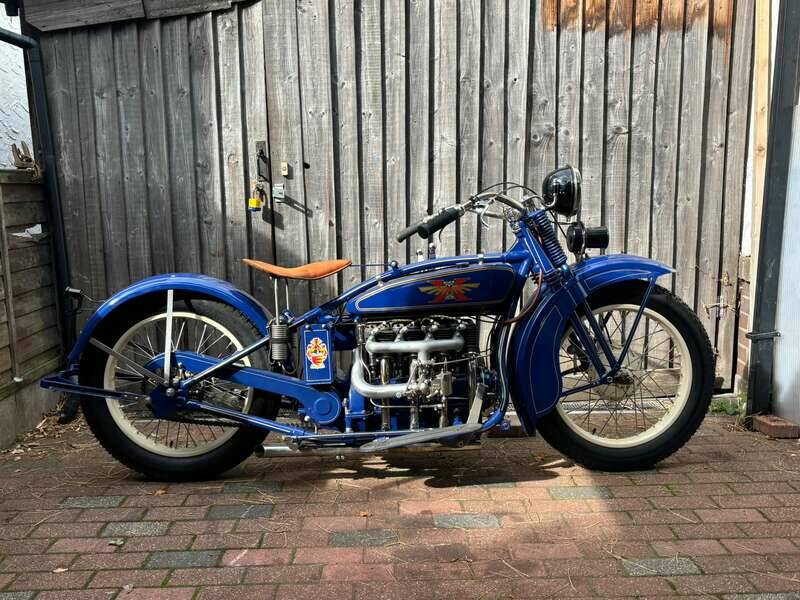
1928 Henderson De Luxe Four 1,200cc
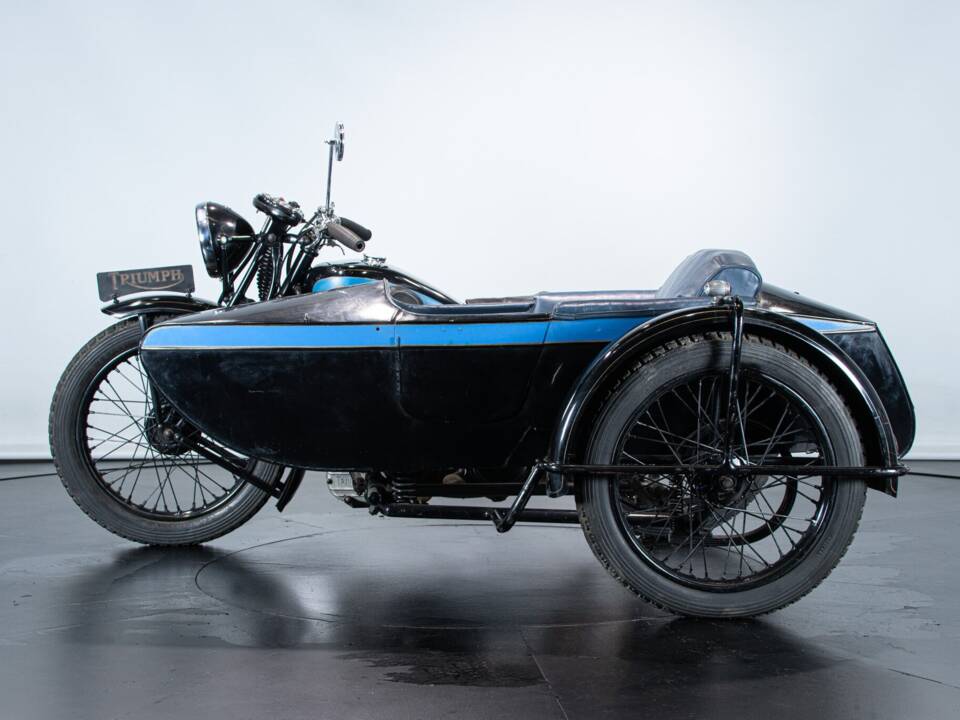
Triumph CSD 550 SIDECAR
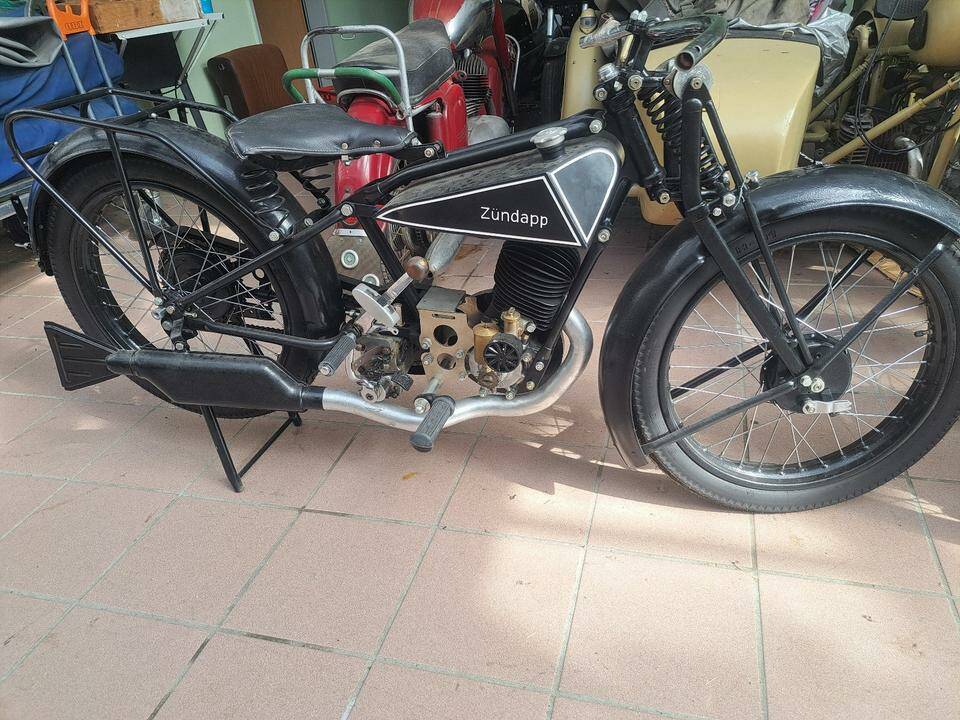
Zündapp Z 200
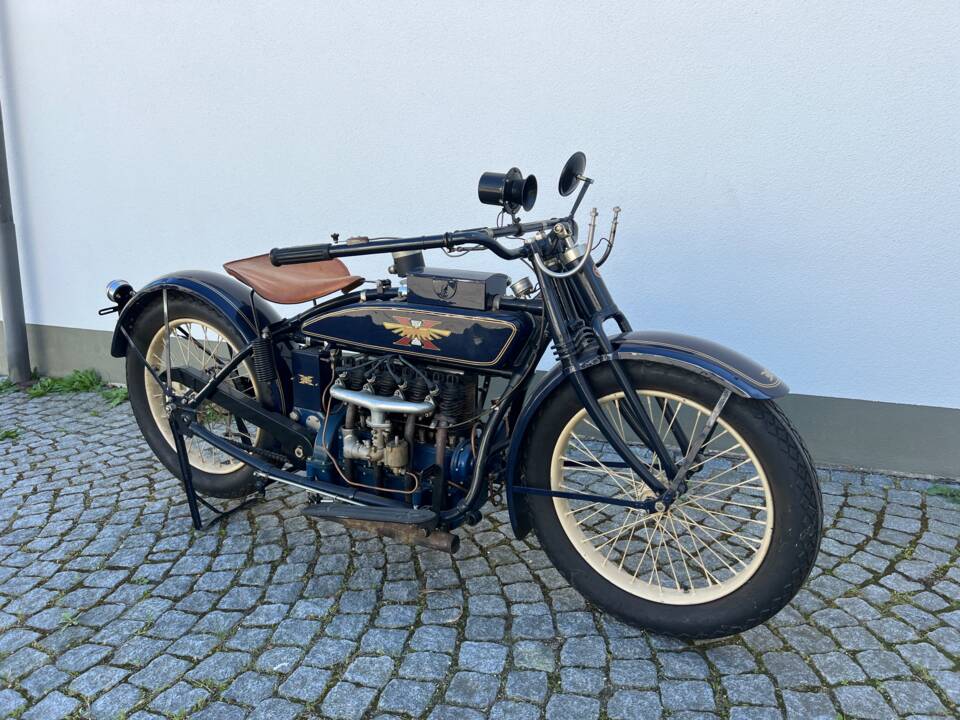
Henderson Model K "De Luxe Four" – ca. 1919/1920
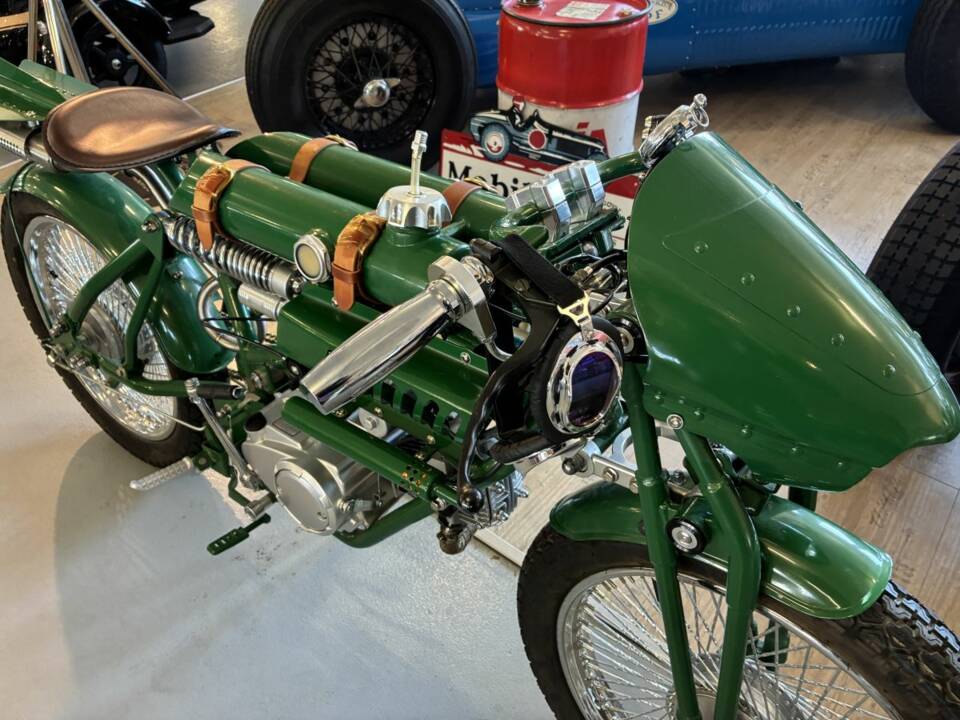
Rocket motorcycle 125ccm one-off unique new build !

ONE OF THE FIRST MOTO GUZZI EVEN BUILT !!!!
Buying a vehicle from the 1920s means buying into a mechanical world that was becoming more accessible without becoming modern. A narrow body, exposed running gear, hand controls and a deliberate starting routine may be entirely correct for the date. They are also facts that determine whether an owner will enjoy local runs, club events or a long touring day. Begin with your intended use, not with a romantic description in an advert. A car that is engaging on quiet lanes may be tiring in contemporary traffic; a light motorcycle may be rewarding alone and unsuitable once a passenger or sidecar is involved.
British buyers will encounter both volume-produced transport and expensive, individually specified machines. The Austin Seven was produced from 1922 to 1939 and is an important reference point for small-car motoring. Morris Oxford and Morris Cowley represented a more mainstream family-car choice. “Bullnose” generally describes the curved radiator treatment associated with early-1920s Morris cars; it is a period styling term, not a guarantee of a particular chassis, body or date. A Calcott 11.9 hp from 1923 demonstrates the range of smaller British makers and deserves model-specific research rather than assumptions based on its age alone.
At the other end of the market, the Bentley 3 Litre, made from 1921 to 1929, was a premium sporting and endurance car rather than a typical family car. Its reputation can tempt a buyer to overlook the individual history of the example offered. A replacement body, reconstructed chassis or modernised running gear should be described and documented, not hidden behind a famous name. The same discipline applies to an import: its arrival in Britain, subsequent registration and manufacturing date are separate pieces of information.
Period ownership was local and practical. A driver expected to understand lubrication points, starting procedure, tyre condition and the sound of a developing fault. Many cars used a separate chassis, and timber body structure could be as important as the engine when assessing a purchase. Weather, storage and previous repairs leave evidence in floors, bulkheads, frame members and fasteners. Walk around the vehicle in daylight, ask for a genuinely cold inspection and leave time to read the paperwork before treating a polished presentation as evidence of care.
The useful question is not which 1920s car is most famous, but which construction and specification suit your proposed ownership. An Austin Seven may be compact and approachable, yet its small dimensions do not make an unrestored example automatically easy. Check that the chassis is straight, that the body sits correctly, and that the steering and braking systems have not been disguised by paint. On a Morris Oxford or Cowley, establish the exact series and body style before ordering parts or comparing an advert with a club reference. Similar names can cover changes made within a production run.
A saloon, tourer and coachbuilt special can offer very different experiences. Closed saloons became more common as manufacturing and body production developed, but an enclosed body does not make a car silent, warm or weatherproof by modern standards. Look beneath carpets and trim for damp timber, hurried patching and changes to the floor. Open cars need equally close attention to hood frames, side screens, weather equipment and the points where bodywork meets the chassis. Ask whether the body is period, a faithful replacement, a later rebody or a one-off construction.
The Bentley 3 Litre illustrates why specification and identity must stay together. Its sporting reputation may be relevant to the model, but it does not authenticate a particular car or prove that every major component is original. Rebody and reconstruction claims require evidence: invoices, photographs, chassis history, specialist reports and a transparent account of what was replaced. Do not infer competition history from a suggestive nameplate or an old-looking finish. A prospective buyer should be able to say exactly what survives, what has been renewed and what has been altered for present use.
Driving equipment also varied. Four-wheel brakes spread during the decade, while electric lighting and starting became increasingly attractive, especially on cars, but neither feature should be presumed from a registration year. Balloon tyres, improved carburation and ignition, overhead-valve durability and more consistent components were part of an evolving engineering landscape. They were not a single package fitted to every model. Confirm the actual car’s controls, braking layout, charging arrangement, tyre size and starting method, then assess whether you can operate them confidently.
Do not evaluate a small car solely by its running video. Listen for cold-start rattles, observe oil pressure and temperature behaviour, and ask how the gearbox selects each ratio. Check for steering play and brake pull at low speed in a suitable private setting. An apparently usable vehicle can still need a careful electrical, cooling or axle overhaul. Conversely, an honest older restoration with clear maintenance records may be a better ownership proposition than fresh paint over uncertain timber and chassis repairs.
The decade’s motorcycle market was broad. British names a buyer may encounter include BSA, Royal Enfield, Douglas, AJS, Matchless, Velocette, Levis, Sunbeam and New Imperial. These names are starting points for research, not evidence that a machine has a particular specification. Record the frame and engine markings, identify the model and year through an appropriate marque source, and compare the equipment with period illustrations. A motorcycle can retain a genuine frame while carrying a replacement engine, tank, wheels or controls.
A Brough Superior SS100 is a valid performance-era example, but its status makes careful description especially important. Distinguish a period original from a restored machine, a replica and a continuation. Never attach Lawrence provenance unless documentary proof supports it. A famous association, an evocative registration or a previous owner’s recollection is not enough. Ask for a chain of ownership, contemporary photographs and specialist evidence, and make sure the advertised identity belongs to the machine being inspected.
The museum-backed Rudge-Whitworth 1928 Ulster Grand Prix machine is useful as a competition reference, not as a typical road-bike template. Racing equipment, tuning and history can differ radically from a touring motorcycle. Do not assume that a road example should carry race features, or that a racing description increases the value of an ordinary machine without records. The same caution applies to a sidecar: inspect the frame attachment points, alignment and body structure as a system, rather than treating the chair as an accessory that can be added casually.
Begin a motorcycle inspection with the frame and forks. Look for bends, dents, cracks, brazed repairs and mismatched finishes. Spin each wheel, check rim condition and spoke tension, and determine whether hubs and bearings have been serviced. Brakes of this age may be modest even when correctly adjusted; check linings, drums, cables, levers and their mounts. Examine the tank internally for corrosion or coating failure. A clean exterior cannot show what stale fuel has done inside.
Magneto condition deserves a proper test, not a claim that the bike “has spark”. Establish whether the magneto is original, rebuilt or substituted, and inspect the wiring, switches, dynamo if fitted, battery arrangement and earth connections. Select every gearbox ratio with the engine and oil at an appropriate temperature. Check clutch take-up and final drive, then inspect oil leaks and breather arrangements. A cold start, compression assessment and specialist ride are sensible before a deposit is committed. Wear a buyer’s helmet and use only a safe, lawful route.
The 1920s were a period of refinement and wider adoption, not a clean boundary between obsolete and modern engineering. Four-wheel brakes became an important development on cars, but their presence, operation and adjustment depended on the design. Electric lighting and starting spread, particularly in cars, while some motorcycles retained simpler arrangements. Closed saloons, balloon tyres, overhead-valve reliability, improved carburettor and ignition control, and increasing component standardisation all influenced ownership. None should be presented as universal decade equipment.
Separate chassis construction remained common. It can make the relationship between frame, body and running gear easier to understand, but it also creates more places for poor repairs and misalignment to hide. Measure and inspect rather than relying on the apparent straightness of a door or wing. Check chassis sections for thinning, drilled additions, crushed members and welding that changes the original load path. Confirm that body mounts are sound and that timber has not been packed into position to conceal movement.
Power delivery rewards sympathy. Carburation and ignition need correct adjustment; a reluctant engine is not automatically a major failure, but repeated hard starting can point to several faults at once. Cooling systems deserve examination for blocked passages, tired hoses, repaired radiators and incorrect pressure arrangements. Inspect the fan, water pump where fitted, belt, thermostat arrangement and temperature indication. Confirm that the lubrication system is understood and that oil contamination has not been normalised as “character”.
Transmission and axle noises should be interpreted under load and overrun. Unsynchronised gearboxes require technique, and a test that only selects a gear in a workshop proves little. Check the clutch, selector mechanism, propeller shaft, universal joints and axle casing. Look for oil level, metal in drained lubricant where an inspection permits it, and evidence of long-standing leaks. A specialist can distinguish an acceptable vintage whine from a repair bill concealed by a short test drive.
Electrical upgrades need honest labelling. A discreet replacement loom, electronic regulation or alternative lamp may improve usability, but it changes the machine’s specification and can affect authenticity. Modern equipment should be recorded, fused appropriately and installed so that it does not damage original fabric. Do not describe later hydraulic brakes, disc brakes, electronic fuel injection or other modern systems as normal 1920s technology. If a vehicle has been converted, say so plainly and assess the engineering independently of the sales language.
Terms used in adverts have practical consequences. An original vehicle retains a meaningful amount of its period identity and fabric. A restored vehicle has been repaired or renewed, possibly extensively, with the stated aim of returning it to a chosen appearance or specification. A rebuilt vehicle has had substantial mechanical or structural work and may include many replacement components. A reconstruction is assembled from surviving material and documented or reproduced elements; a replica is made to represent another vehicle or design without being that original machine. A rebodied car has a different body from the one associated with its earlier history. These categories can overlap, so ask the seller to describe the exact work.
Do not treat “matching numbers” as a complete answer. It may refer only to an engine and chassis pairing, while the body, axle, gearbox, instruments and frame fittings have separate histories. Record every visible number and casting mark without cleaning away evidence. Compare them with factory or club information, invoices and old photographs. A stamped mark can be altered, unreadable or incorrectly interpreted. A specialist report should explain the limits of its conclusion rather than offering certainty from one number.
Photographs are particularly useful when they show the vehicle before restoration. Look for changes in wheel type, radiator, lamps, wings, dashboard, seating, body shape and registration marks. Ask whether the photographs depict this chassis or merely a similar model. Restoration albums should include corrosion removal, timber replacement, chassis repairs and hidden wiring, not just final paint. Invoices should be tied to dates and components. A large folder is not automatically a reliable history; coherent evidence is what matters.
Use the same standard for a motorcycle. A period frame with a later engine can be an interesting and usable machine, but it should not be described as an untouched original. Reproduced tanks, silencers, mudguards and control cables may be sensible, especially where safety or reliability is concerned. List them. A buyer can then decide whether the priority is surviving authenticity, accurate presentation, dependable touring or a combination. Concealed modifications create both valuation uncertainty and future maintenance confusion.
The registration document is only one part of this investigation. A V5C records the keeper and vehicle details held by the Driver and Vehicle Licensing Agency; by itself it does not prove provenance, originality or the date every component was made. First registration is not the same as manufacture date. An imported car may have been built earlier, registered later elsewhere and entered the UK decades after that. Keep copies of supporting documents and ensure that the seller’s identity and the vehicle identity align before money changes hands.
Arrange an inspection when the engine is cold and the vehicle is accessible from underneath. Bring the advert, a torch, a notebook and a list of questions. Ask the owner not to warm the engine before arrival. Check that the chassis or frame markings are present and readable, then compare them with the V5C and supplied history without assuming either source is infallible. A specialist inspection is worthwhile when the purchase depends on coachwork, a rare engine or a claimed competition connection.
For a car, examine the chassis rails, cross-members, spring mounts, steering box mounts and body supports. Look for corrosion, distortion, fresh underseal, non-period welding and repairs that interrupt the original structure. Test doors, bonnet and boot alignment, but remember that a neat shut line can be adjusted while the frame remains wrong. Inspect timber body members with particular care: probe only where appropriate and look for softness, staining, fasteners pulled through wood and damp trapped behind trim. Check floors, bulkheads, wings and running boards for replacement sections and unsafe attachment.
Inspect steering for excessive free play, worn joints, loose mounts and a wheel that does not return predictably. Examine brake rods, cables, drums, shoes, linings and pedal mounts. Confirm that the car’s actual braking system matches its described specification. Check the radiator, hoses, fan, pump, thermostat arrangement, cylinder head and signs of repeated overheating. Inspect wiring for brittle insulation, unfused additions, poor earthing and routing near heat. Start the engine cold, observe smoke and noises, and assess clutch, gearbox, propeller shaft and axle under gentle load. Do not accept a short run as proof that all faults are absent.
For a motorcycle, assess frame alignment and steering-head bearings, then inspect forks, yokes, wheels, spokes, rims, hubs and tyres. Check brake drums, shoes, cables, levers and mounts. Inspect the magneto, dynamo or battery system, switches, loom and ignition timing. Examine the tank inside, the fuel tap, carburettor and oil lines. Test clutch, gearbox selection, chain, sprockets and final drive. A sidecar needs a separate look at its chassis, attachment brackets, alignment, wheel and body floor. Ask how the machine was stored, when it last ran properly and which parts were rebuilt rather than merely cleaned.
An incomplete project is not automatically a bargain. Make a missing-parts list before agreeing a figure: instruments, lamps, wheels, carburettor, magneto, radiator fittings, trim, fasteners, body timber, tank or sidecar hardware can each alter the work substantially. Mark which items are present but unusable. Then ask a specialist to scope machining, casting, welding, timber work, body finishing, magneto rebuilding and electrical work. Parts availability varies by model and by the quality of reproduction; never assume a catalogue search guarantees a correct or safe replacement.
Write down all intended modifications and include them in the handover record. Note reproduced components, non-period brakes or electrics, altered gearing, replacement bodywork and any parts retained by the seller. A clear scope prevents an owner from later mistaking a restoration decision for factory specification. It also helps an insurer understand the vehicle. If the seller resists a cold inspection, declines to identify repairs or makes a dramatic provenance claim without evidence, pause the purchase rather than filling the gaps with optimism.
Owning a 1920s machine is a relationship with inspection intervals. Establish a baseline immediately after purchase: fluids, filters or strainers, grease points, ignition timing, valve adjustment, fasteners, tyre pressures, wheel bearings, brake adjustment and charging performance. Use a written schedule suited to the actual model. A previous owner’s statement that it was “serviced” is not a substitute for knowing what was done, with which materials and at what date.
Learn the lubrication chart and preserve it with the car or motorcycle records. Vintage systems may have separate points for steering, suspension, hubs, control linkages and chassis components. Over-lubrication can be as unhelpful as neglect, particularly where lubricant can reach brake linings or a clutch. Check for leaks after a run and distinguish an active fault from old residue. Keep the engine, gearbox and axle fluids correct for the design and obtain specialist guidance before substituting a modern product that may affect seals or shared components.
Cooling and starting routines should be repeatable. Inspect coolant level, hoses, belts, radiator airflow and temperature behaviour rather than waiting for a roadside failure. Let the engine reach its normal operating condition during maintenance checks, but avoid unnecessary idling. For magneto ignition, know the correct control positions and starting method. For electric starting, check battery security, cable size, earth paths and charging. A replacement battery or regulator should not be allowed to overload an original loom.
Brakes, tyres and steering are safety-critical. Vintage braking distances and grip are not comparable with a modern car, even after an excellent rebuild. Check tyre age and condition, wheel security, drum surfaces, linings, rods and cables before every substantial outing. Verify that steering fasteners and split pins are present and correctly secured. Never add a later braking system casually; any conversion requires sound design, suitable mounting and proper documentation. Roadworthiness remains the owner’s responsibility regardless of tax or test status.
Storage influences preservation. Keep the vehicle dry, ventilated and protected from condensation, with timber and fabric allowed to breathe. Avoid leaving fuel, water or battery connections unattended for long periods. Support a motorcycle appropriately and prevent a sidecar from imposing unintended loads. Exercise the machine only when it can reach a useful operating condition and inspect it afterwards. Record faults, repairs, reproduced parts and adjustments in a log. That record will help the next specialist and make future originality questions easier to answer.
The Roads Act 1920 reorganised registration through local authorities acting as agents of the Minister. That historical framework helps explain why surviving records can be local, incomplete or inconsistent. It does not make an old document proof of every fact about a vehicle. Gather the current V5C, previous registration evidence where available, import and dating documents, invoices, photographs, club or marque correspondence and any chassis or engine report. Keep the originals secure and give a buyer legible copies when appropriate.
First registration is not manufacture date. Ask what the date means in each document: construction, dispatch, first registration in another country, importation or first registration in the UK. Resolve discrepancies before purchase and ensure the vehicle’s identity is described accurately in the transaction. A V5C alone does not establish provenance or originality. If a claimed date or model affects the decision, obtain independent supporting evidence and record uncertainty rather than converting an estimate into a fact.
Historic tax eligibility and MOT eligibility are separate matters. Current rules, exemptions and declaration requirements can change, so check the latest official guidance for the exact vehicle and its use. Neither status makes a mechanically defective vehicle acceptable for the road. Roadworthiness, suitable insurance, correct registration details and responsible operation still apply. Tell the insurer about reconstruction, rebody work, replicas, non-period equipment and significant modifications, and retain valuation or engineering reports when requested.
Before collection, write a signed description of the vehicle and its included parts. Include chassis or frame and engine numbers, body identity, known replacement components, keys, tools, spare wheels, sidecar equipment and outstanding faults. Check that the seller has the legal right to sell it and that any finance, export, import or registration issue is addressed. If the machine is unregistered, imported or assembled from parts, establish the route to lawful UK registration before assuming it can be used immediately.
Finally, plan the first journey as a test, not a victory lap. Carry basic tools appropriate to the machine, identification and breakdown arrangements, and choose a route that allows a safe stop. Recheck fasteners, fluids, tyres, brakes and lights before departure. The best 1920s purchase is not necessarily the most glamorous or the most untouched: it is the vehicle whose identity, condition, intended use and future work are understood well enough for ownership to remain enjoyable.
A well-supported, complete Austin Seven, Morris Oxford or Morris Cowley can offer a clearer starting point than an incomplete specialist car, but condition and documentation matter more than the badge.
Compare chassis, engine and frame markings with period photographs, invoices, marque records and the car or motorcycle itself. Treat a V5C as a registration record, not proof of originality or provenance.
They spread and were refined during the decade, but equipment varied by model and year. Confirm the actual specification rather than assuming every 1920s vehicle has four-wheel braking.
It can be, provided it is roadworthy, correctly registered, insured and operated within current UK requirements. Historic tax and MOT eligibility are separate questions and rules should be checked before use.
Start with frame alignment, forks, wheels, brakes, magneto and other electrics, gearbox, tank and any sidecar attachment. A cold-start inspection by a suitable specialist can reveal more than bright paint.
No. An original retains meaningful period identity, while a restored, rebuilt, reconstructed, rebodied or replica machine describes a different level of surviving fabric and replacement work. The seller should state that distinction clearly.
Join 100,000+ subscribers getting hand-picked listings
Receive hand-picked collections of the most interesting cars, motorbikes, and auction listings on Classic Trader — straight to your inbox.