Starts in 6 days, 01:34:40
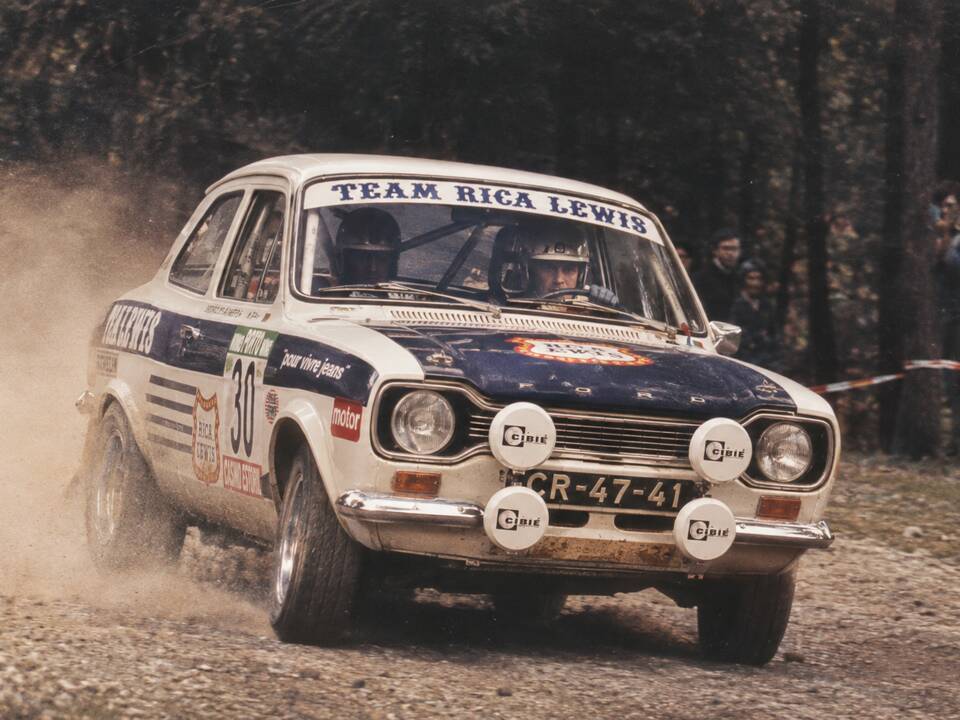
1974
Ford Escort RS 2000
140 hp. One championship. And a story that no replica can tell.
- Estimate
- €95,000 - €110,000
Buy a 1970s classic with evidence, not nostalgia. Read the UK buyer guide.
140 hp. One championship. And a story that no replica can tell.


Memminger Feine-Cabrios, komplett restauriert, mit Garantie

280 SE Cabrio Hochkühler Automatik Behr Klimaanlage Bauj.1968

DS 23 Palas Cabrio

Langversion (Pullman)

Volkswagen Kever Cabriolet
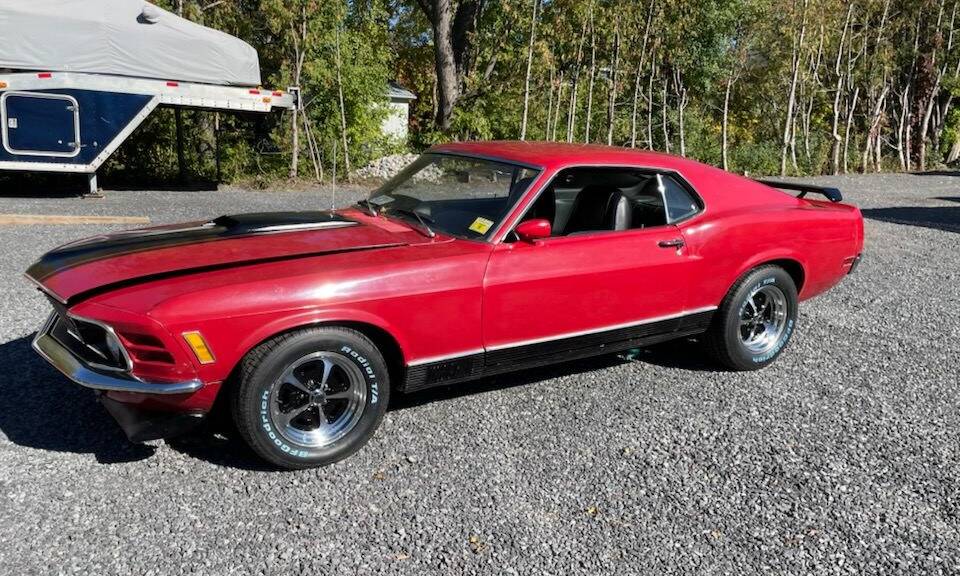
1970 Ford Mustang Mach 1 Fastback with 351 Windsor V8, three-speed automatic transmission, numerous technical upgrades and Marti Report

Healey Fiesta

LAK 1924 4x4 TLF, Feuerwehr
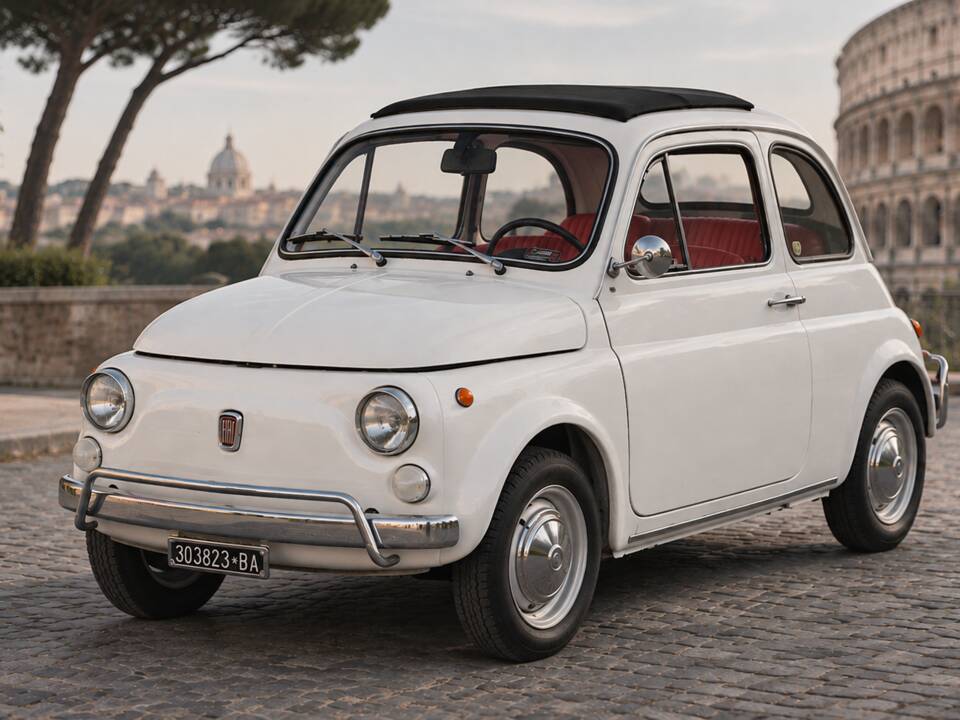
1971 Fiat 500 L, white bodywork, red leather interior, 18 CV twin-cylinder engine and all the charm of the Italian Dolce Vita.

"Pagoda" in pristine technical condition

VETERAN *** Sammler Zustand *** K2 *** Komplett Restauration *** Eintausch & Finanzierung möglich ***

Honda CB750 K2 Four Restored by a previous owner, Candy Gold color scheme, Various improvements have been made by last owner, Highly sought after by collectors,

Perfectly restored

CB750 Four - Restauriert


Wettbewerbsmaschine Rallye Paris Dakar

Honda CB 750 Four Only 13.000 Km original from new, original condition, stunning!


Schöner restaurierter Zustand

Honda CB750 K2 Four Extensive restoration, Finished in Candy Ruby Red, A top-notch enthusiast motorcycle, From a dedicated collection, To collect or to ride,


Münch 4 TTS
The 1970s were not a single engineering style. They were a decade of fuel anxiety, changing safety expectations, inflation, industrial disruption and increasingly international choices. In Great Britain, British Leyland remained a major presence, but showrooms also filled with imported Japanese, German, Italian and American cars and motorcycles. A buyer should therefore identify the market and specification of a particular vehicle before attaching a broad “1970s” label to it.
The period is especially interesting because familiar layouts became normal rather than novel. Front-wheel drive, transverse engines, practical hatchbacks and five-speed gearboxes spread through the family-car market. Performance cars experimented with turbocharging and sharper aerodynamics, while large luxury and off-road vehicles offered very different answers to changing roads and fuel prices. On two wheels, the four-cylinder superbike became a credible everyday machine and large-capacity touring motorcycles gained a following.
A UK registration is useful evidence, not proof of an untouched British car. Cars and bikes were imported new or used, converted, rebuilt and re-registered. A model's brochure, chassis-number range, handbook, casting dates and period road tests can help establish what was supplied in a given market. Keep claims appropriately conditional when evidence is incomplete: “as presented,” “later replacement,” and “appears to retain” are more honest than an absolute originality claim.
The decade's important reference points include the Range Rover from 1970, initially a practical utility vehicle with permanent four-wheel drive, coil springs and a V8; the 1973 Triumph Dolomite Sprint, notable for an early four-valves-per-cylinder production engine without needing a claim that it was the first ever; and the UK Golf Mk1 from 1974, with front-wheel drive, a transverse engine and a hatchback body. Ford's Fiesta arrived in 1976. These examples show how varied the decade was rather than defining a hierarchy of desirable purchases.
The first Range Rover's combination of permanent four-wheel drive and coil-sprung suspension was a serious technical proposition as well as a new kind of comfortable all-terrain vehicle. Inspecting one today means understanding both identities. Chassis and body corrosion, water ingress, tired drivetrain components and evidence of hard off-road use can matter more than a glossy cabin. Check the transfer case, differentials, propshafts, steering and suspension under load, and establish whether the current specification reflects a careful restoration or years of utility work.
The Dolomite Sprint's 16-valve, four-valves-per-cylinder engine is a useful marker of the era's engineering ambition. Look for a cold start, stable temperature, oil pressure, camshaft and timing-chain condition, and evidence that overheating has not damaged the aluminium cylinder head. The car's body seams, sills, floors, inner wings and suspension mounting areas deserve a lift inspection. A Sprint with a replacement engine is not automatically a bad car; the essential questions are whether the identity is clear, the work is recorded and the installation is safe and usable.
The Golf Mk1 brought a compact front-wheel-drive, transverse-engine hatchback format that made enormous sense in British daily use. It was not invented in 1974, and individual cars may have different engines, trim and assembly-market details. Check front chassis legs, inner wings, bulkhead, floor edges, windscreen surrounds, tailgate aperture and scuttle drains. On a modified example, assess wiring, cooling, driveshaft alignment, braking and tyre clearance rather than valuing a conversion solely by its claimed power.
Ford's Fiesta of 1976 represents the small-car response to the same pressures. Its compact front-drive package and economical proportions made it significant, but surviving cars have often endured urban use, poor repairs and long storage. Look closely at sills, floor seams, suspension pick-up points, front wings, door bottoms, windscreen channels and boot floors. Correct trim and brightwork can be harder to source than generic mechanical service parts, so photograph every missing item before agreeing a price.
The Lotus Esprit, introduced in 1976, brought a mid-engined, wedge-shaped sports car to the decade. Early cars need careful inspection of the backbone chassis, fibreglass body, bonded screens, suspension pick-ups, cooling pipes and engine access. Do not infer later turbo equipment or performance from an early Esprit's appearance. Confirm the exact series, engine, gearbox and factory specification from the chassis number and records; a later conversion should be described as such.
The MGB spans 1962 to 1980 and is consequently not a purely 1970s design. Later cars can be recognised in part by their rubber bumpers, introduced in the context of North American regulations from 1974; that detail should not be used to describe every MGB or to assume that a chrome-bumper conversion is factory specification. Check sills, castle rails, spring hangers, crossmembers, doors, wings, boot floor and the structural areas around the suspension. Parts support is broad, but poor previous repairs are common and a complete shell is valuable.
Honda's CB750 arrived in 1969 and was a carryover into the 1970s, not a model first introduced in the decade. Its transverse four-cylinder engine, electric starting and disc-brake specification helped set expectations for usable high-performance motorcycles. On a candidate, check cam-chain and top-end noise, oil leaks, carburettor balance, charging, starter operation and the condition of the four-into-four exhaust. Frame alignment and a straight fork matter more than a claimed low mileage after a crash or long period of neglect.
The Kawasaki Z1 of 1972 used a 903cc double-overhead-camshaft inline four. Originality questions often concern exhausts, wheels, paint, instruments, carburettors and engine cases. Match the frame and engine numbers to the correct range and look for damaged threads, repaired crankcases, non-standard brackets and altered wiring. A sympathetic restoration can be a better road bike than a brittle museum replica, but modifications should be listed, documented and reflected in the insurance valuation.
BMW's R90S arrived in 1973 with a 898cc opposed-twin boxer engine and a sport-touring character. Inspect the crankcase, cylinder bases, valve gear, gearbox selection, shaft drive, final drive and wheel bearings. The fairing, instruments and distinctive paint are expensive to replace correctly. Check for corrosion behind the fairing and around battery and subframe areas, and verify whether luggage, exhausts or engine work are period-correct or later additions.
Honda's Gold Wing GL1000 appeared in 1975 with a 999cc flat-four engine. Its touring equipment and weight make a static inspection insufficient: test steering, clutch, shaft drive, cooling fan, charging and brakes carefully. Look for cracked plastics, seized fasteners, corrosion beneath covers, stale fuel in the carburettors and evidence of electrical accessories spliced into the loom. A stripped or converted GL1000 may be enjoyable, but it is not automatically equivalent to a complete original touring machine.
Yamaha's XT500 arrived in 1976 as a simple, air-cooled single-cylinder trail bike. It did not have an electric start, so a cold kick-start demonstration matters. Check compression and kickback, decompressor operation, oil circulation, frame tubes, steering head, swinging-arm pivot and wheel rims. Mud trapped behind guards and around the engine can conceal rust; a shiny tank cannot compensate for a bent frame or worn suspension.
Suzuki's GS750 was another 1976 inline-four milestone. Keep it distinct from later GSX models when assessing parts, specification and value. Inspect cam-chain noise, carburettors, oil leaks, charging voltage, gearbox selection and the condition of the frame and exhaust. Confirm whether a machine has later forks, wheels, brakes or an engine swap, then assess the complete package on safety and documentation rather than on a model name alone.
Disc brakes, electronic ignition, electronic fuel injection and radial tyres became increasingly present during the decade, but none should be treated as universal 1970s equipment. Drum brakes remained common, points ignition was still fitted, carburettors were widespread and cross-ply tyres could be correct for a particular model. Establish what the car or motorcycle had when new, what its market required and what has since been changed.
A listing that says “electronic ignition” may mean a discreet points-replacement module, a complete distributor or a modern programmable system. Ask for the brand, installation photographs and a reversible original part where possible. EFI can improve starting and consistency, but an undocumented conversion may complicate diagnosis and insurance. Radial tyres may improve road behaviour, yet their size, load rating, age and clearance must suit the wheels and chassis; four old tyres are not made safe by a fashionable tread pattern.
Do not import later assumptions into a UK 1970s description. Catalytic converters and ABS were not typical universal equipment for this market and period. Front seat-belt wearing in Great Britain became a later legal requirement in 1983; the presence, type and legal use of belts on an individual historic vehicle still need checking against the applicable rules. Safety upgrades can be sensible, but record them as upgrades, retain compatible mounting strength and avoid presenting later equipment as factory history.
The same care applies to transmissions and engines. A five-speed gearbox, alternator, electric fan, electronic ignition, modern master cylinder or unleaded-cylinder-head work may make a vehicle easier to use. It may also alter originality, value or eligibility for a club register. Ask what was changed, when, by whom and with which parts. A well-engineered modification has a paper trail, sound installation and a clear benefit; a collection of anonymous changes usually has none of those advantages.
Start with the identity. Record the registration, chassis or frame number, engine number, gearbox number where available, build date, first registration, import history and current keeper details. Compare stamped numbers with plates, logbook entries, invoices and marque-register data. Do not grind, restamp or “correct” a number casually: altered identification can create serious legal, insurance and ownership problems. Photograph numbers before cleaning them, and have a marque specialist interpret an unusual font, plate or location.
Read the file in date order. A good history shows ownership changes, servicing, storage, accidents, bodywork, engine rebuilding and parts fitted. MOT records, tax history, registration documents, import papers, auction descriptions, workshop invoices and photographs each answer different questions. A thick folder can still contain little useful evidence, while a modest set of invoices can establish a coherent story. Verify claims with the vehicle: a receipt for a shell repair does not prove that every adjoining panel is sound today.
Inspect in daylight with the engine cold. Check panel gaps, paint edges, overspray, sealant texture, ripples and mismatched fasteners. Lift carpets and mats, remove accessible trim, inspect inside wings and use a magnet only as a supplementary aid on steel. Look under fresh underseal and behind removable liners. Probe carefully, never damage a fragile original finish, and arrange a lift inspection for any car whose structure matters to safety or geometry.
On a car, prioritise sills, floors, jacking points, chassis rails, inner and outer wings, bulkhead, scuttle, windscreen surrounds, door bottoms, boot floor, subframes, spring seats and suspension turrets. Pay attention to water traps around lamps, battery trays, heater boxes, screen seals and rubber bumpers. A localised outer-panel bubble is a cosmetic negotiation; corrosion in a suspension mount, seat-belt anchorage, steering box mount or load-bearing rail is a structural decision. Ask exactly how repairs were made, including whether sections were butt-welded, overlapped, plated or filled.
On a motorcycle, inspect the headstock and down tubes, steering stops, top and bottom frame rails, engine mounts, swinging-arm pivot, rear subframe, battery tray and exhaust brackets. Check fork stanchions for pitting in the seal travel, wheel rims for dents, spokes for looseness, tyres for age and brakes for seized pistons. Look beneath the tank, seat and side panels for damp corrosion. Crash damage can appear as mismatched levers, bent stops, uneven wheel alignment or a handlebar that is straight while the fork is not.
For cars, insist on a cold start where practical. Watch oil pressure, temperature, charging voltage, exhaust smoke and idle quality. Listen for bearing, tappet, timing-chain and differential noises, then test clutch take-up, gearbox synchro, steering play, braking balance, suspension response and drivetrain vibration. Confirm that the cooling fan cuts in and that the engine recovers after a fully warm road test. On an older four-wheel-drive system, test low range and driveline engagement only with suitable advice and a safe surface.
For motorcycles, a cold engine exposes enrichment and compression problems that a seller can hide by warming it first. Check oil level and contamination, starting effort, exhaust smoke, throttle response and charging at different speeds. Select every gear, test clutch drag, inspect steering-head notchiness and listen for wheel, cam-chain, primary-drive and final-drive noise. Keep both hands available on the road test and do not ride an unfamiliar machine without appropriate licence, clothing and insurance.
Numbers deserve more than a visual glance. A matching-number claim should identify which components match and to which factory range. On cars, an engine number may have been replaced without changing the shell; on motorcycles, a frame may have been repaired or a replacement engine fitted. Confirm stamped locations from a reliable marque source, not a seller's memory. If numbers are obscured by paint or corrosion, have a competent specialist document them without aggressive cleaning.
Ask for receipts for major work: shell repair, cylinder head, crankshaft, gearbox, differential, clutch, brake conversion, wiring, tyres and paint. Check dates, mileage and supplier names, but remember that invoices can describe parts rather than workmanship. A compression test, leak-down test, cooling-system pressure test or charging test can be useful when interpreted with the model's known tolerances. Tests supplement inspection; they do not certify hidden corrosion, accident geometry or future reliability.
Parts supply follows popularity, not necessarily engineering quality. Service items for an MGB, Golf Mk1, Fiesta or common Japanese motorcycle may be easy to find, while correct trim, body panels, instruments, original wheels and model-specific carburettors can consume time and money. Range Rover drivetrain parts and specialist support are available, but rusted structures and poor conversions remain costly. Before purchase, make a list of every missing or damaged item, then price genuine, reproduction, used and upgraded alternatives.
Restoration scope should be measured against the finished car or bike, not against the first visible defect. Paint can hide seams, filler and distortion; a motorcycle's fresh tank can distract from a corroded frame. Obtain an independent estimate that separates strip-down, metalwork, mechanical rebuilding, paint, trim, wiring, assembly and testing. If the estimate exceeds the value of a finished example, the project may still be worthwhile for personal reasons, but it is not a bargain simply because the purchase price is low.
Preserve evidence while restoring. Photograph stamped numbers, labels, wiring routes, fasteners, factory spot welds, colours and removed parts. Bag and label hardware, retain date-coded components where safe, and document every substitution. If originality matters, reversible upgrades and stored original parts protect future choices. If usability matters more, disclose modern brakes, tyres, ignition, fuel systems, cooling and lighting clearly. The strongest history file explains decisions instead of claiming that a rebuilt vehicle is untouched.
In Great Britain, check registration, import status, taxation, insurance, roadworthiness and any historic-vehicle rules that apply at the time of use. Historic legal treatment can depend on age, registration category and the precise rule in force; it is not a blanket promise attached to the phrase “1970s classic”. Ask the insurer about agreed value, modifications, mileage, storage, commuting and salvage. Check that the vehicle's identity and recorded changes are acceptable before committing to a policy.
Parts and labour are only part of ownership. Budget for secure dry storage, battery care, fuel stabilisation, fluid changes, corrosion prevention and periodic recommissioning after standing. Keep a log of cold starts, temperatures, charging readings, tyre dates and faults. A 1970s vehicle can be dependable when maintained, but it rewards observation: a new vibration, rising temperature or wet carpet is a prompt to investigate, not a character trait to ignore.
Choose the vehicle that matches the intended use. A lightly modified MGB may suit local touring, a Golf Mk1 or Fiesta may fit ordinary roads and parking, a Range Rover may need realistic space and drivetrain expertise, and a GL1000 may be a poor choice if the rider wants a light solo bike. A Dolomite Sprint, Esprit, Z1 or R90S can deliver a distinctive experience, but scarcity of correct trim and specialist work should be part of the decision. No model is a substitute for condition.
Compare three things separately: structural health, mechanical completeness and historical originality. A sound shell with a replacement engine may be a better buy than a matching-numbers car requiring extensive welding. A complete Z1 with later exhausts may be more usable than a neglected “original” example. A correctly documented conversion can be valuable to its owner, but its price should not quietly include the premium of a factory specification it no longer has.
Walk away when identity cannot be established, structural repairs are inaccessible, the seller refuses a cold inspection, numbers appear altered without explanation, or the budget cannot cover basic recommissioning. Conversely, do not reject a vehicle for every non-original screw. Period maintenance, sympathetic upgrades and honest wear are part of many surviving British-market classics. The distinction is between known, safe and documented change and an unknown collection of risks.
Preservation begins with accurate language. Record the model year separately from first registration, the country of assembly separately from the current location, and the factory specification separately from the present vehicle. Explain uncertainty and retain contradictory documents rather than discarding them. That discipline helps buyers, insurers, clubs and future owners understand what they are looking at.
The best 1970s purchase is not necessarily the rarest or fastest. It is the car or motorcycle with a traceable identity, honest condition, inspectable structure, workable parts plan and an owner prepared to maintain it. Treat period technology as context, corrosion as a cost, records as evidence and modifications as part of the specification. That approach leaves room for the decade's real variety without turning a sales story into a specification claim.
Running costs depend on condition, use and parts supply. Budget for sorting cooling, fuel, brakes, tyres and electrical connections before treating a purchase price as the whole cost.
There is no universal answer. A complete, documented, usable car or motorcycle with local parts support is usually a safer first purchase than a rarer project, whatever its badge.
Compare its identification numbers, engine and gearbox details, trim, wheels, colours and equipment with period records and photographs. Separate factory specification from documented period or later changes.
Rust in sills, floors, suspension mounts, inner wings, subframes, chassis rails and seat-belt or jacking points can affect safety and geometry. Fresh underseal can conceal repairs, so inspect from above and below.
Inspect the frame, steering head, swinging-arm pivot, forks, wheels, brakes and engine cases for corrosion, impact damage or wear. Confirm cold starting, charging output, oil pressure where applicable, carburettor condition and a clear paper trail.
Historic status depends on the vehicle's qualifying age, registration and current UK rules, which can change. Check the official position and insurer requirements rather than assuming every 1970s vehicle has the same exemption.
Service parts and reproduction panels exist for many popular models, while trim, correct instruments and model-specific injection or four-wheel-drive parts can be difficult. Price a realistic repair before buying a non-running example.
Join 100,000+ subscribers getting hand-picked listings
Receive hand-picked collections of the most interesting cars, motorbikes, and auction listings on Classic Trader — straight to your inbox.