
2003
Mercedes-Benz E 320 T
E 320 T Avantgarde Kombi S211
Use records, identity checks and a careful inspection to assess a 2000s vehicle. Read the UK buyer guide.
E 320 T Avantgarde Kombi S211

Gallardo GT3, LP 520, by Reiter Engineering


Smart ForTwo 450 Brabus Cabrio 1st Edition

420 L CDI Limousine BKA Ausstattung

57 - Deutsches Fahrzeug

SLK 320 Roadster, mehrfach VORHANDEN!

SL 350 Roadster R230
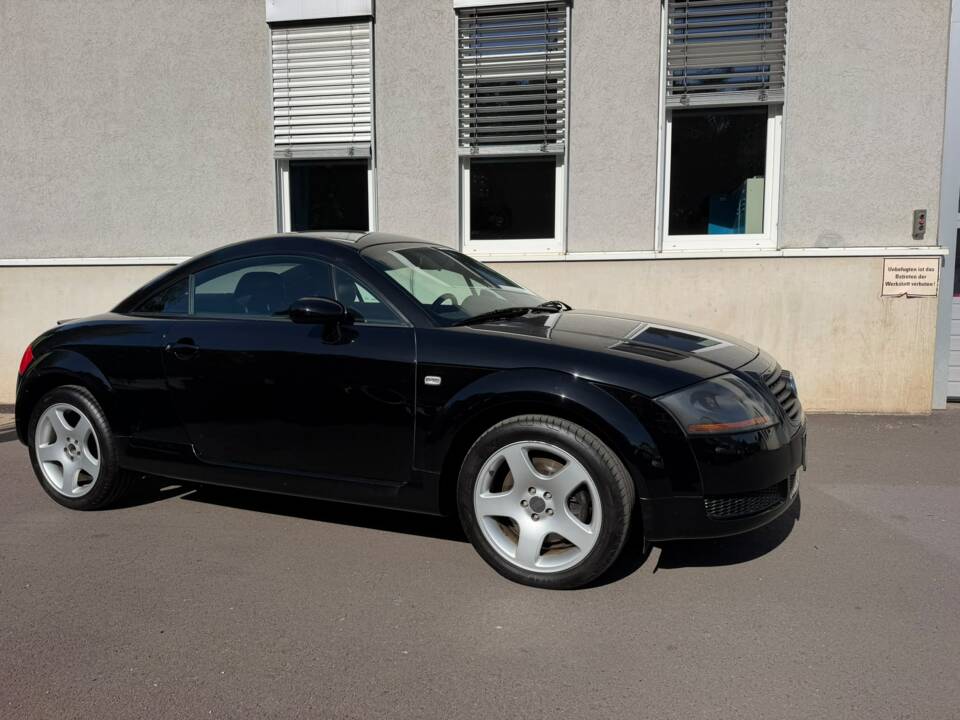
First-generation Audi TT with the powerful 180-hp version

Volkswagen Golf Cabriolet 1.8 Trendline .


MG TF 1.8 TF 135
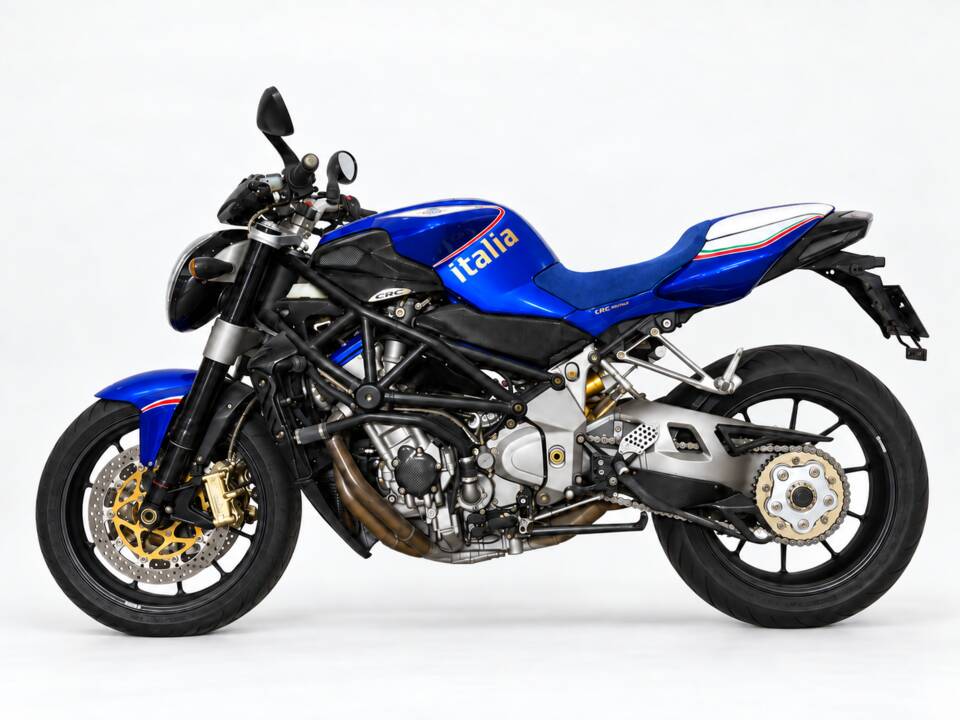
Brutale 910 R Italia

2006 MV Agusta F4 1000S Corse Biposto No. 1/300 998cc

Moto Guzzi Breva 750 i.e.

Harley-Davidson Dyna Super Glide

Sport 1000 Monoposto

F4 1000 S - R312 Bodykit
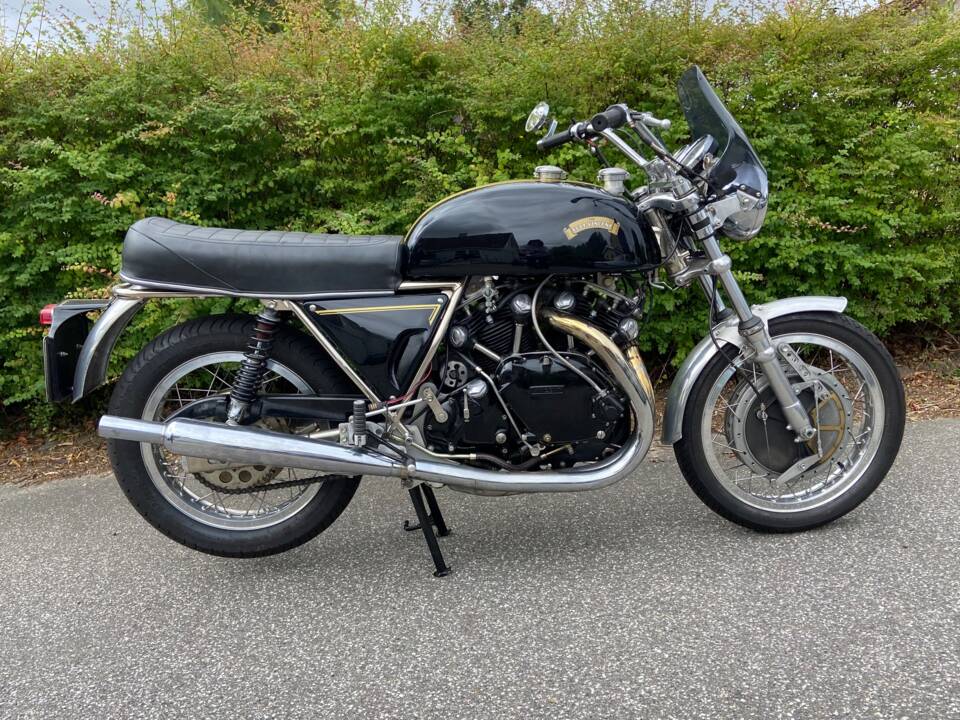
The first 1200cc Egli-Vincent produced by John Mossey # 0101. Just 3365km since new

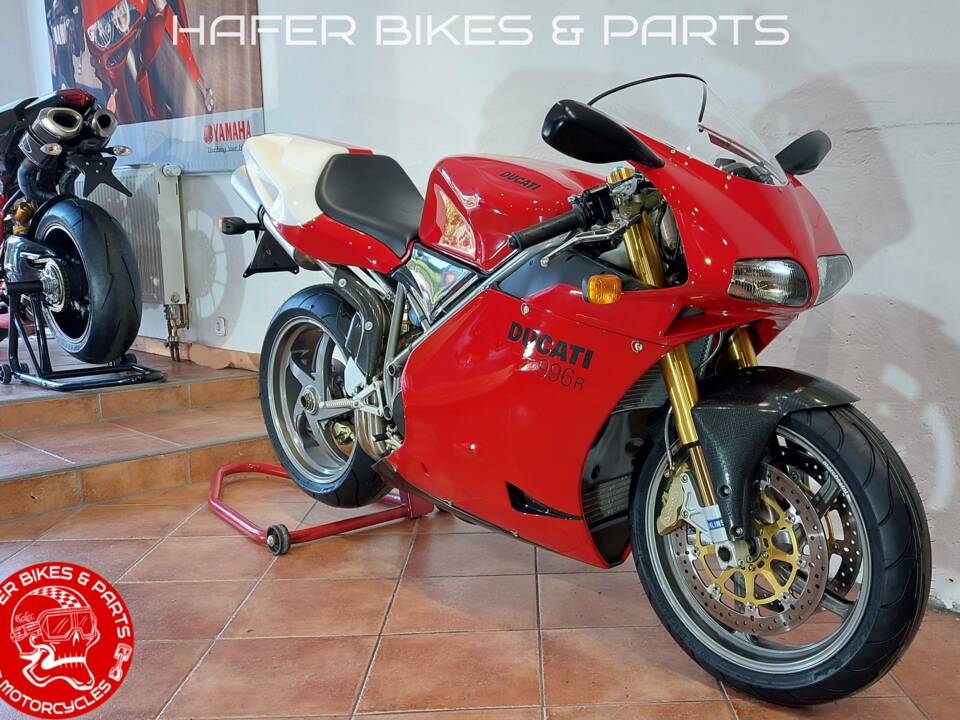
996R Nr.429/500St erst 4.360km 1.Hand Sammlerstück

2003 Benelli Tornado Tre LE900 899cc
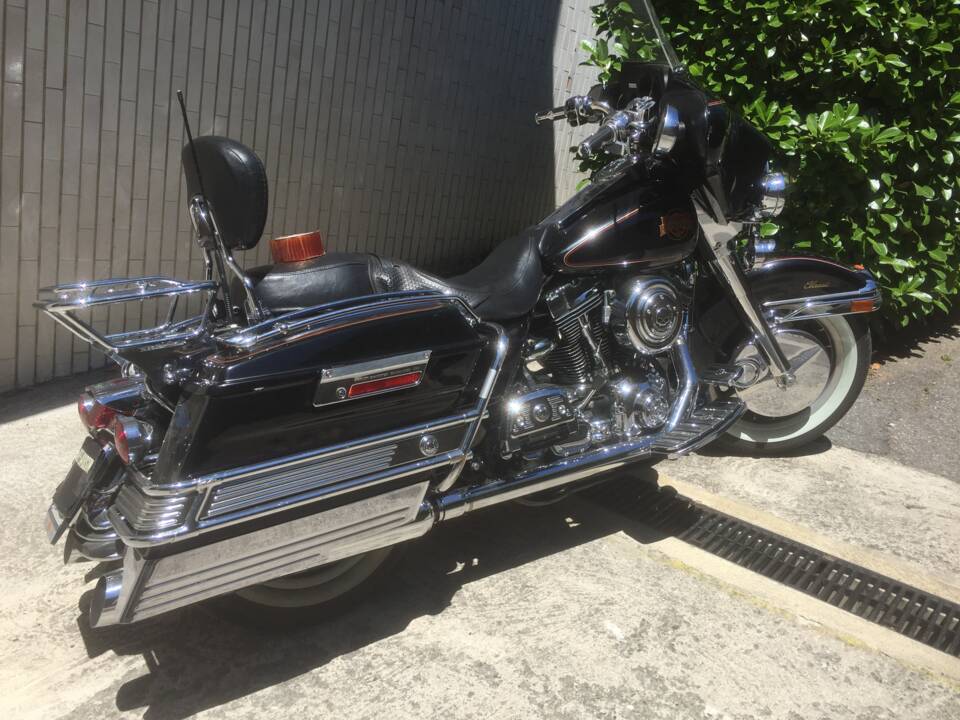
Original U.S.A.

This guide covers cars and motorcycles made, sold or developed across the 2000–09 period. It does not describe the vehicles as historic. Instead, it treats them as used vehicles whose identity, specification, legal status and maintenance evidence need careful checking before a purchase. A model may sit across two decades: the Ford Focus Mk1 entered UK production in 1998 and its first generation ran through 2004, while the Mazda MX-5 NB ran from 1998 to 2005. Those dates are useful context, not a substitute for the date and specification of the particular vehicle.
The same distinction matters when comparing a brochure, a registration document and a seller's advert. A late example can have a different engine management system, trim, brake arrangement, gearbox, emissions equipment or wiring loom from an early example with the same badge. Identify the build date, first registration date, market, body style, engine and transmission before applying a model description. Imported vehicles can have a different specification from UK-supplied examples, and a registration year alone may not establish when the vehicle was built.
Start with the VIN on the vehicle and compare it with the V5C, invoices, inspection reports and any manufacturer or marque record. Check the VIN in more than one visible location where the design provides for it, looking for disturbed fasteners, inconsistent fonts, damaged labels or fresh coating around an identifier. Do not alter, clean aggressively or remove an identifier during an inspection. An engine number may support an assessment, but it is not a replacement for confirming the vehicle VIN and its recorded identity.
Ask for the complete V5C, not a photograph alone, and check keeper dates, make, model, colour, engine capacity, fuel type and registration marks against the vehicle. A V5C is not proof of title or proof that every component is factory fitted. Confirm the seller's authority to sell and obtain a written receipt that identifies the registration and VIN. For an import, request the customs and NOVA trail, original export or registration papers where available, UK registration evidence and any translation or inspection paperwork. Missing import records can leave the vehicle's history difficult to establish.
Review MOT history for mileage readings, advisories, test locations and gaps. Tax status and SORN history provide useful chronology, but neither establishes mechanical condition. A vehicle that is SORN must not be used or kept on a public road. Arrange viewing, testing and transport in a lawful place, and confirm the insurance position before any road use. Tax, insurance and MOT requirements apply according to the vehicle's current legal circumstances; do not infer an exemption from its age or appearance.
Inspect the car cold if possible. Compare panel gaps, paint texture, sealant, glass markings and fastener condition, then look underneath for corrosion, impact repairs, leaks, bent suspension components and non-standard brackets. Pay particular attention to jacking points, sills, subframes, floor seams, suspension pick-up points, brake pipes, fuel lines and areas hidden by underseal. A clean underside can be original, repaired or recently coated; ask what was done and seek dated photographs before treating it as evidence of condition.
Check doors, bonnet, boot, windows, locks, lights, wipers, heating, air conditioning, warning lamps, instruments, seat belts, airbags and the security system. Test each switch and note intermittent operation rather than accepting a verbal explanation. Verify that keys, remotes, immobiliser components, handbook, locking-wheel-nut key and radio or alarm codes are present when expected. A diagnostic scan may identify a module fault or an erased code, but diagnostics are not proof of condition, provenance or originality. Record scan results with the date, tool and vehicle voltage.
On a test drive, establish that the engine starts from cold, reaches temperature, idles consistently and responds without unexplained smoke or noises. Check clutch take-up, gear selection, differential noise, steering alignment, braking balance, vibration and suspension response at appropriate speeds and on a lawful route. Do not use a short drive to hide a temperature, charging or transmission problem. Arrange an independent inspection when the seller will not permit a cold start, lift inspection or proper road test.
The Ford Focus Mk1 is a useful UK reference point. Its 1998 UK production start and 2004 end of first-generation production mean that an early car can be relevant to a 2000s search without being a 2000–09 design. Confirm whether a car is an early, facelift or performance derivative, then match engine, gearbox, suspension and body parts to that version. Inspect front and rear subframes, sills, arches, tailgate areas, wiring and evidence of previous body repairs. On performance derivatives, establish whether brakes, seats, wheels, turbocharger or software remain to the intended specification.
The BMW E46 was produced from 1998 to 2006 in several body styles and variants. A 3 Series saloon, Touring, coupé, convertible and M3 should not be assessed from the same checklist. Record the engine family, gearbox, differential, body style, factory options and market. Examine rear axle carrier mounting areas, cooling-system components, suspension mounting points, corrosion and accident repairs. For an M3 or other altered car, ask for exact engine, differential, brake and calibration details rather than relying on badges, trim or a claimed conversion.
The Honda S2000 began in 1999 and continued through 2009. Early F20C specification, later changes, market differences, hardtop fittings and alterations to the intake, exhaust or engine management all affect what should be present. Match the engine number and ECU information with records, check oil pressure evidence where appropriate, and inspect the differential, clutch, cooling system, suspension and underside for impact or track-related repairs. A high-revving engine's ability to start and drive does not establish its internal condition, service history or originality.
Motorcycle model years can change within a short production run. The first-generation Yamaha YZF-R1 spans 1998–03, with later changes to its frame, engine management, bodywork, braking and equipment. Establish the exact year and market before ordering parts or comparing a wiring diagram. Check the frame and headstock for damage or repair, fork alignment, wheel bearings, steering-head bearings, brake discs, calipers, chain and sprockets. Look for track-use evidence such as altered safety wiring, drilled fasteners, replacement bodywork, race controls or removed road equipment.
The Honda CBR600F name covers multiple generations, so the badge does not identify one engine, chassis or fairing arrangement. Photograph the frame number, compare the engine and carburettor or injection layout with the correct parts catalogue, and check that the fairing mounts, controls, instruments, exhaust and emissions equipment match the stated year. Examine tyres for age and damage, inspect fork seals and swing-arm bearings, and verify that the charging system and cooling fan operate. Repainted fairings and pattern panels are not automatically wrong, but they should be recorded with their source and fitment.
The modern Hinckley-built Triumph Bonneville restarted production in 2001. Carburettor and fuel-injected versions differ in equipment, wiring, calibration, controls and emissions hardware; a later-looking tank or exhaust cannot establish which specification is installed. Match the VIN to Triumph records where available, check the correct instruments and intake parts, and document any conversion. Inspect frame, wheels, spokes, steering, brakes, oil leaks and electrical connectors, with special attention to work that may have altered the charging or fuel systems.
Use precise language. “Original” should mean that the relevant components and finishes are supported by evidence, not simply that a vehicle looks standard. “Rebuilt” should identify which systems were dismantled, measured, replaced or refinished. “Restomod” should identify the modern equipment added and the older equipment removed. A repaired accident car can be well documented without being original, and a standard-looking car can contain undocumented replacement parts.
Create a component schedule for any non-standard vehicle: engine, ECU, injectors or carburettors, gearbox, differential, brakes, suspension, wheels, tyres, exhaust, lights, seats, belts, roll protection, audio, alarm and body panels. Record manufacturer, exact part number or code, software version, date fitted and installer. Request photographs taken before reassembly, machining or paint, plus invoices and alignment or calibration reports. For a motorcycle include forks, rear shock, clip-ons, rearsets, braided lines, quickshifter, fairings and road equipment. This makes a future inspection specific instead of dependent on claims.
Confirm that modifications meet construction and use requirements and are suitable for the stated road use. Tell the insurer about every material modification before cover is arranged; a declared modification is not automatically accepted by an insurer. Ask whether changes have been entered in the V5C or other relevant records and retain certificates where applicable. Check noise, lighting, tyre, number-plate, seat-belt and emissions implications. Do not assume that a part sold for competition or track use is legal on a UK public road.
A parts invoice is most useful when it identifies the exact component and vehicle application. Ask whether a replacement is new, used, refurbished, pattern or salvaged, and whether the old part was retained. Compare casting marks, connector shapes, sensor positions, brake dimensions and software identifiers with the correct parts information. For electronics, record module numbers and coding status; for engines, record the block, head, intake, ECU and calibration rather than treating an engine-family name as sufficient.
Marque specialists can help interpret a build sheet, recall, option code or known model change, but a specialist opinion should be tied to observable evidence. A scan, compression test, paint-depth reading or MOT result is one item in an assessment. None independently proves the absence of hidden damage, an unrecorded repair, correct mileage, factory originality or future performance. Commission a written inspection that separates observed facts, test results and assumptions, and keep the inspector's photographs with the purchase file.
Check tax before using the vehicle and arrange insurance that covers the intended driver, vehicle and modifications. Check MOT status and the test requirements that apply to the vehicle. A historic-looking appearance, a date in an advert or a long period off the road does not itself remove a current legal obligation. If the vehicle is SORN, keep it off the public road until the status and lawful use are arranged. A private driveway or workshop is not a reason to ride or drive a SORN vehicle on the road.
Urban clean-air and ULEZ access is based on current registration-linked data and the rules of the relevant authority. Do not infer access from engine size, model reputation, a catalytic converter or the 2000s label. Check the registration through the current official checker before a viewing trip and check again if the registration, engine, fuel system or authority rules change. An imported vehicle may need its details corrected or additional evidence before an automated check reflects its specification.
Before agreeing terms, write down the exact vehicle identity, advertised specification, included parts, known defects and documents supplied. Photograph the VIN, odometer, engine bay, underside, tyres, panels and any modification. Compare the agreed details with the V5C and the receipt, and record whether the vehicle is taxed, insured, MOT-tested or SORN at the time of handover. Do not accept a promise that missing records, keys or parts will follow unless it is written and dated.
Keep the inspection, scan report, MOT history, tax and SORN checks, import and NOVA records, invoices, parts codes and insurance correspondence together. If the evidence conflicts, pause and resolve the conflict with the keeper, manufacturer, specialist or relevant authority. The most useful description of a 2000s vehicle is its verified identity and present specification: model family and build date are only the starting point.
Some relevant generations began in 1998 and continued into the 2000s, so the guide uses the model's production span rather than calling every 1998 vehicle a 2000s vehicle. A buyer should identify the exact year, generation and market specification.
Request the VIN, V5C, MOT history, tax and SORN history, invoices, import and NOVA records where relevant, and insurance or modification documentation where available. Compare every identifier and date rather than relying on a seller's description.
No. An MOT records the result of specified checks at a particular time and is not a condition report, originality certificate or proof of mechanical condition.
No. Diagnostics can reveal stored faults and live data, but they do not prove factory specification, correct parts, accident history or the absence of intermittent faults.
Record each modification, its exact part or calibration code, fitting date and supporting invoice. Confirm that it is legal for road use, declared to the insurer and reflected in the vehicle's records where applicable.
No. A SORN declaration means the vehicle is not being used or kept on a public road; arrange a lawful location and appropriate cover for inspection or transport.
Access depends on the current registration-based emissions rules and the authority operating the zone, not simply on the decade in which the vehicle was made. Check the registration before travelling and recheck the applicable authority's current guidance.
A rebuild repairs or replaces components, while a restomod intentionally combines an older vehicle with newer or altered equipment. Ask for a component list, exact codes, photographs and invoices so the present specification is clear.
Join 100,000+ subscribers getting hand-picked listings
Receive hand-picked collections of the most interesting cars, motorbikes, and auction listings on Classic Trader — straight to your inbox.