Search results


2007 | Porsche 911 Turbo
Very low mileage



2015 | Porsche 911 Carrera
BLACK EDITION

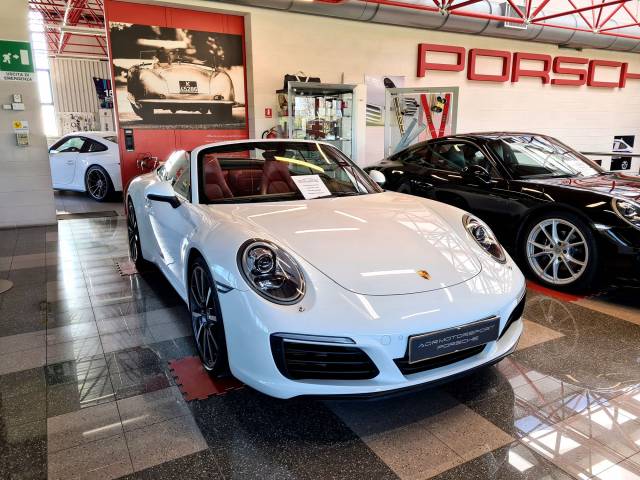
2016 | Porsche 911 Carrera
Rare combination colours

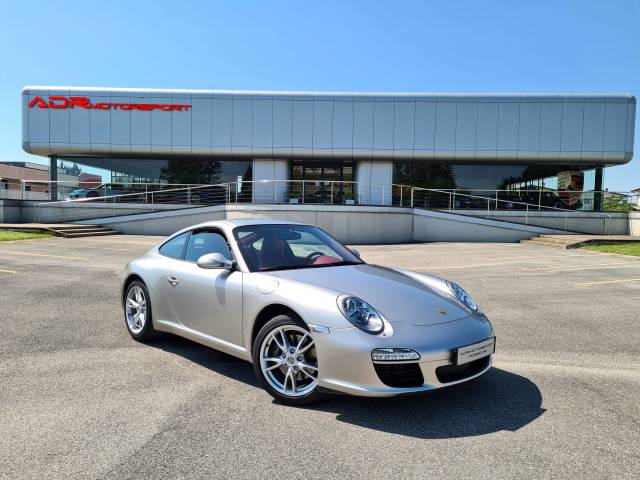
Newsletter
The best Porsche listings, straight to your inbox
Get hand-picked Porsche listings, plus the best of cars, motorbikes, and auctions on Classic Trader — all in one place.

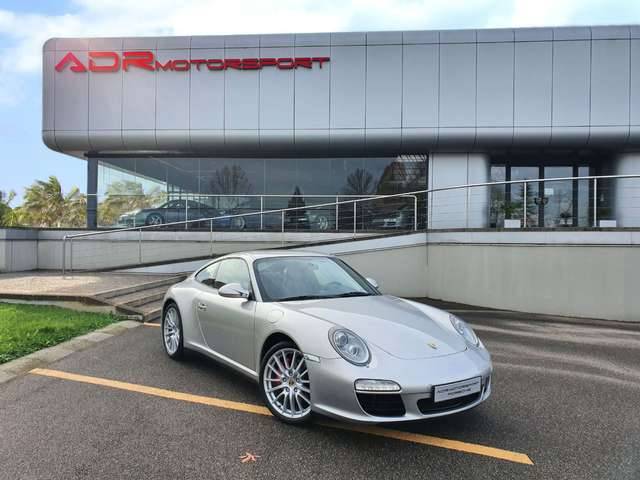
2008 | Porsche 911 Carrera 4S
Porsche Doppelkupplung PDK * MKII

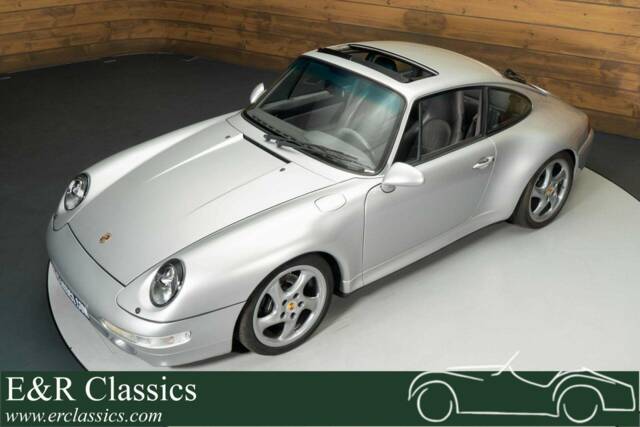
1998 | Porsche 911 Carrera S
Porsche


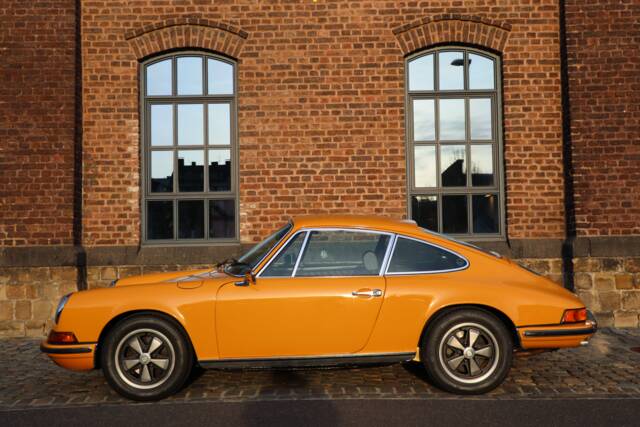
1969 | Porsche 911 2.0 T
Original model with Matching Numbers


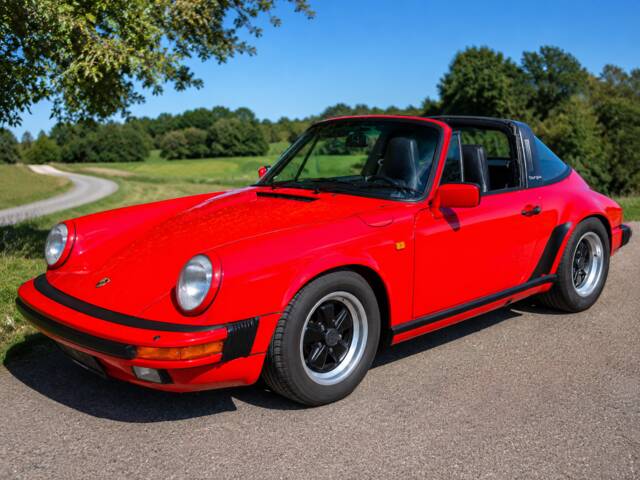
1986 | Porsche 911 Carrera 3.2
Porsche 911 Carrera 3.2 Targa – G50 – Matching Numbers – Indian Red – approx. 80,000 km

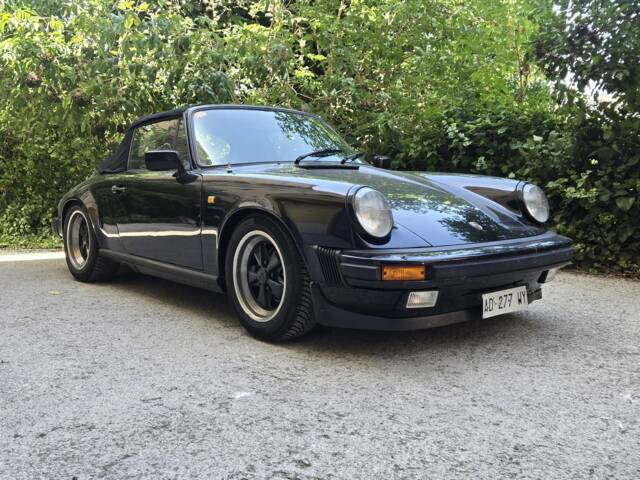

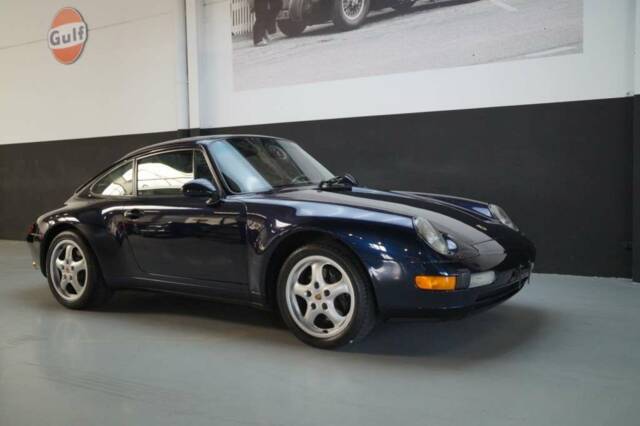
1995 | Porsche 911 Carrera
Porsche 993


1994 | Porsche 911 Carrera
Porsche 993
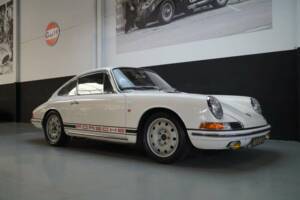
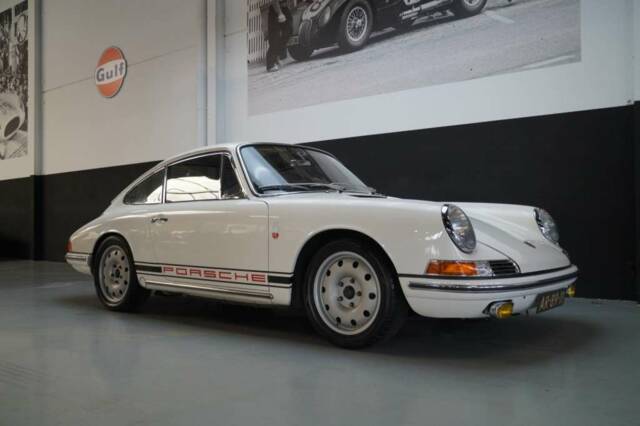
1965 | Porsche 911 2.0
Porsche 911
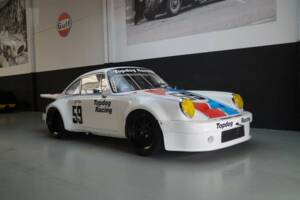
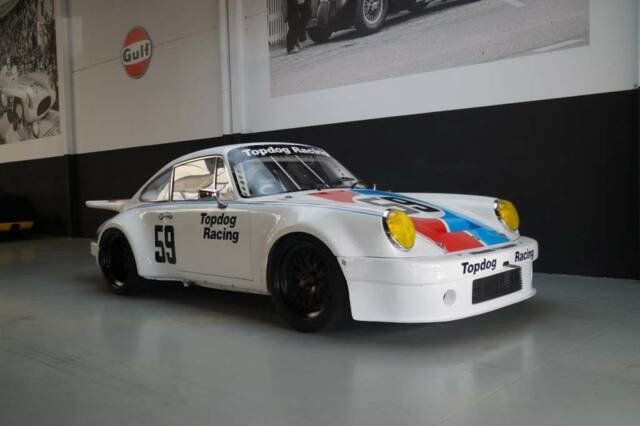
1977 | Porsche 911 GT3 RSR
Porsche 911

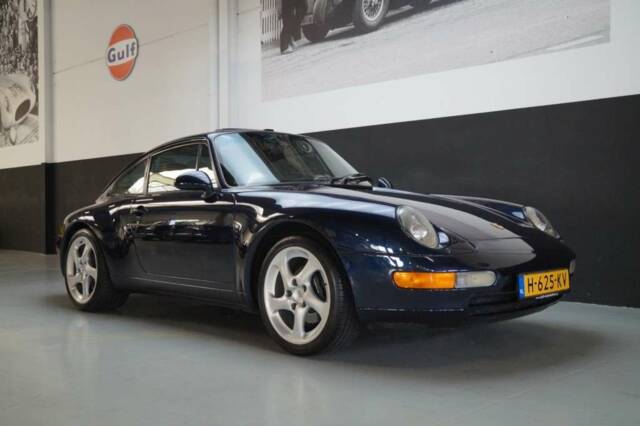
1995 | Porsche 911 Carrera
Porsche 993


1999 | Porsche 911 Carrera
Porsche 996
FAQs on Classic Porsche 911s
Why are classic Porsche 911s so popular?
The classic Porsche 911 is highly sought after due to its unique design and rich motorsport heritage. Its outstanding performance and driving dynamics offer a genuine driving experience. Additionally, it holds iconic status, boasts high value stability, and offers impressive potential for appreciation, making it attractive as an investment option.
How can I find spare parts for classic Porsche 911 cars?
Spare parts for classic Porsche 911 cars are generally easy to find, both through specialized Porsche dealers and via classic car clubs and forums dedicated to Porsche enthusiasts. However, parts for rare models like the Carrera RS 2.7 can be more expensive and harder to source.
What should be considered when buying a classic Porsche 911?
When purchasing a classic Porsche 911, it’s important to pay special attention to the condition of the bodywork (rust), originality (Matching Numbers), and maintenance history. Comprehensive documentation and a solid technical condition are crucial for preserving its value. Researching the market value and price trends of the specific model is also vital. Additionally, the availability of spare parts for the particular model year can significantly affect future maintenance costs.