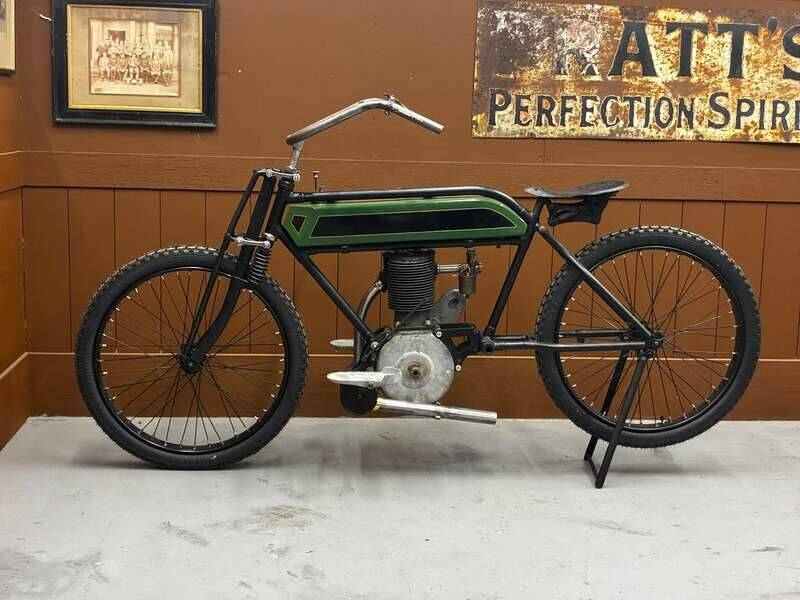
1910
Assess cars and motorcycles built before 1920 from a UK buyer's perspective, then use the UK buyer guide before contacting a seller.

BUICK 1909 MODEL 10


Benz Patent-Motorwagen Nr. 1 Replika – Nachbau des ersten Automobils der Welt

1913 Ford T Touring Brass '13

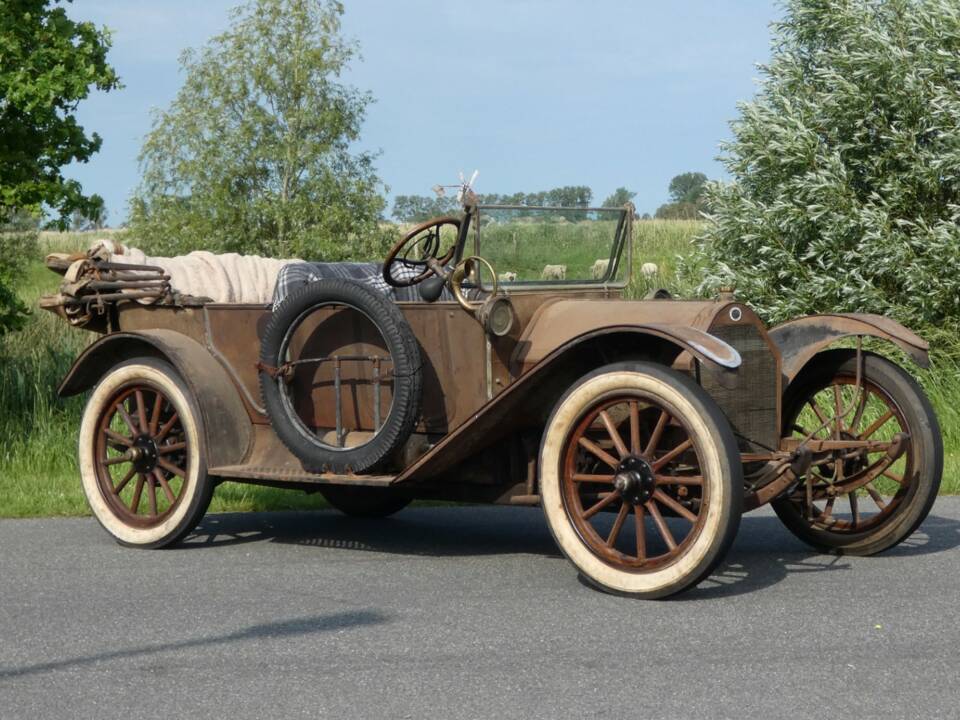
Very rare car in unique original condition.

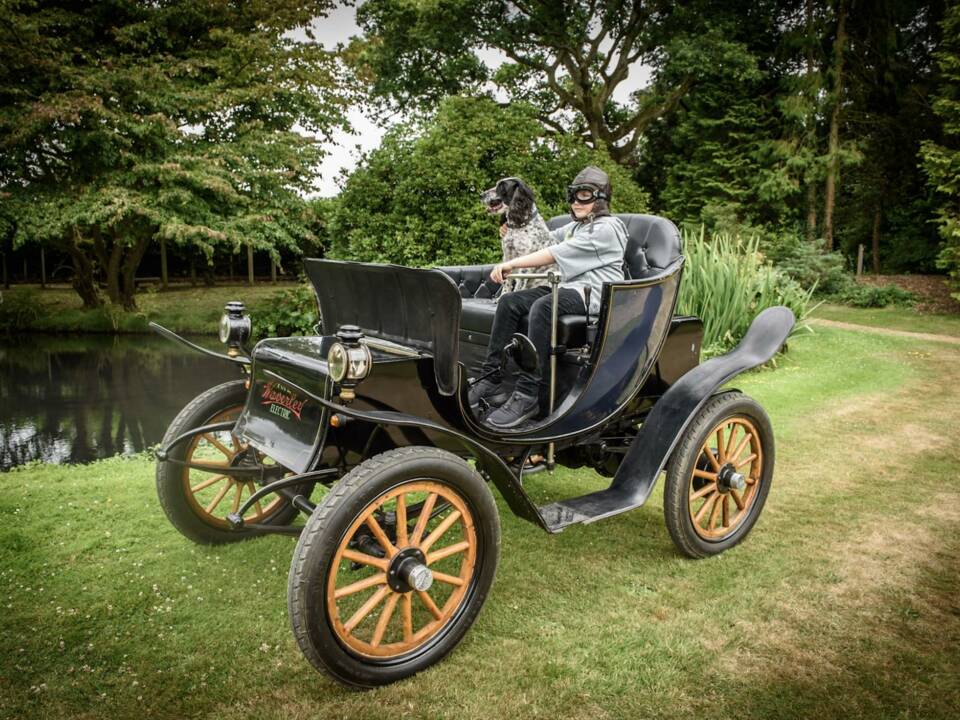
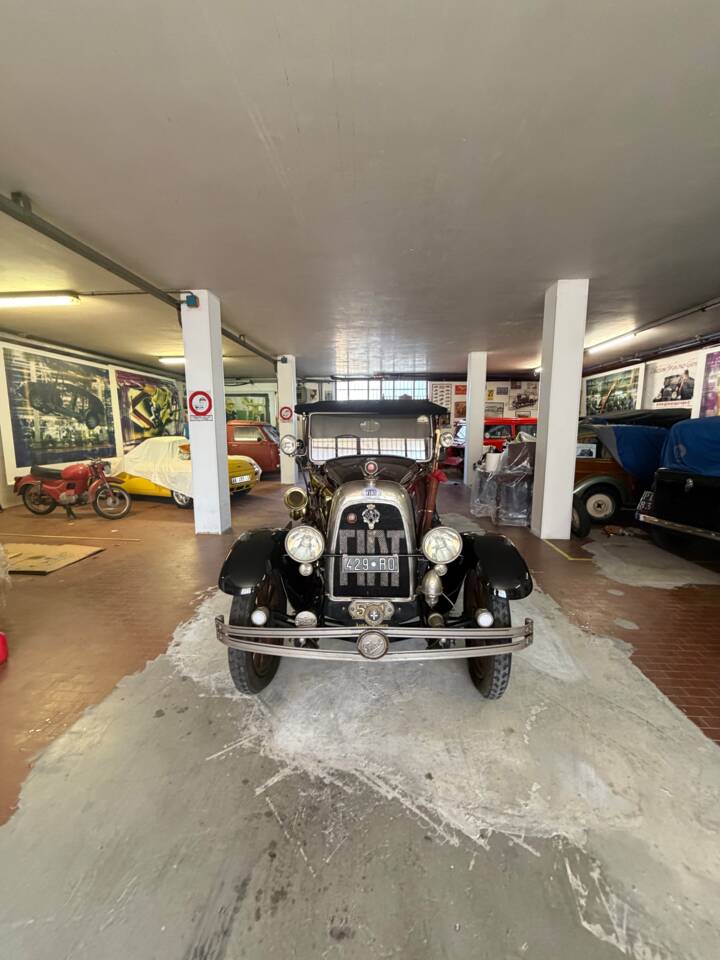
Professional concours restoration

PACKARD Twin Six Phaéton Cabriolet

A brass era speedster (runabout)
For a UK buyer, “pre-1920” is a useful search boundary rather than one uniform specification. The Veteran Car Club and the National Motor Museum use a distinction in which a veteran car was built up to and including 31 December 1904. Edwardian cars cover 1905–18, while the vintage period begins in 1919. Those labels help organise a catalogue, but they do not tell you whether a particular car is complete, original, safe to drive or suitable for your experience.
Motorcycles have a different familiar boundary. A Pioneer motorcycle dates from before 1905, whereas a Veteran motorcycle dates from 1905–15. A listing may use “veteran” loosely for any early machine, so ask which classification the seller means and which date the evidence supports. A surviving frame, an older replacement engine and later coachwork can give one vehicle several relevant dates.
This page is therefore a buying guide, not a promise that every early-looking machine has the same collector status. Compare the advertised classification with the chassis or frame identity, the engine, the body and the registration record. A car built in 1919 should not be presented as an Edwardian car merely because its design resembles an earlier one; equally, a later component does not automatically erase the date of the surviving chassis. The useful question is what is being offered, how it is documented and what work it needs.
Early motoring was a period of competing solutions. Steam, electric and petrol vehicles coexisted, and makers tried different answers to starting, transmission, braking, lighting and body construction. The result is engaging for an informed owner, but it makes modern assumptions unreliable. A quiet electric control, a familiar pedal arrangement or a dashboard that resembles a later car should not be assumed to operate in a later-car fashion.
In Britain, the Motor Car Act 1903 made local registration and licensing compulsory. That requirement created useful documentary trails, but a first-registration date is not proof of the date of manufacture. A car could be imported, rebuilt, re-bodied or registered after a period in storage. Check records held by the National Archives where relevant, then compare them with the seller's invoices, photographs, club dating material and the present numbers.
The setting also matters. Early vehicles were bought and operated in a road environment with limited signage, variable surfaces and fewer standardised controls. Owners developed routes, touring habits and club knowledge around the practical limits of their machines. For today's purchaser, that heritage is best approached through a careful handover: learn the starting sequence, braking response, gear selection, lubrication points and steering behaviour before planning a public-road journey.
The car market before 1920 ranges from experimental-looking veteran machinery to increasingly recognisable touring cars. A Wolseley 7.5 H.P. from 1902–03 is a useful example of the small early British car category. A 1904 Siddeley two-seater illustrates how a compact body and period running gear can demand a very different inspection from a later family car. These examples should be treated as identification prompts, not as a guarantee that every car carrying the name retains its original specification.
The 1905 Rolls-Royce 10 hp is another precise point of reference: its arrangement included rear-wheel drive, a three-speed gearbox, a propeller shaft and a live rear axle. When considering one of these early cars, establish whether the advertised chassis still carries those features and whether later work has altered them. A Crossley 40 hp from around 1909 represents a larger and more substantial touring proposition, while the Morris Oxford, introduced in 1913, shows how the period moved towards a more familiar production car. Confirm the year and identity of the actual car, rather than transferring facts about a model family to one surviving example.
Coachwork is central to an early car's value and usability. It may have been built by a separate coachbuilder, changed during the car's life or reconstructed around an older chassis. Look for a body number, maker's plate, period photographs and invoices describing the work. Ask which panels, seats, instruments and lamps are original, which are period replacements and which are modern reproductions. “Original body” can mean an old body on a different chassis, so request a plain description of what has been retained.
Car controls and maintenance also affect the buying decision. A prospective owner should see a cold start where practical, observe oil pressure or lubrication evidence appropriate to the design, and test selection of every available ratio on private ground with permission. Inspect steering play, brake linkage, wheel bearings, cooling passages and the condition of the fuel system. A polished bonnet can hide a tired chassis; conversely, sympathetic repairs may be more useful than untouched deterioration. Have an independent veteran specialist report what is sound, what is repaired and what requires immediate attention.
Early motorcycles occupy a broad space between powered bicycles and fully equipped road machines. Before 1905, Pioneer examples may have simple frames, exposed mechanical parts and controls that reward patient instruction. Veteran motorcycles from 1905–15 can look more conventional while still using period braking, ignition, lubrication and transmission arrangements. Treat the classification as a date guide, not as a description of ease of use.
Triumph, Norton, Ariel, Matchless, Douglas, BSA and Royal Enfield were active marques before 1920. The name on a tank is only a starting point: ask for the frame identity, engine identity, dating evidence and the history of any replacement parts. Do not infer an exact model year from a badge, paint scheme or a later tank. A recognised marque can still contain a mixture of period components, reproduction fittings and modern safety changes.
Documented catalogue and model examples give a more useful comparison than a marque name alone. The 1914 Triumph Model A is described as a 499cc air-cooled four-stroke single with belt drive. Triumph's Model H was developed during the First World War and used a 550cc engine with a Sturmey-Archer three-speed countershaft gearbox and hand change; production continued to 1923, so a pre-1920 listing needs its own date evidence. The 1913 Douglas Model R is associated with a 2¾hp horizontally opposed twin, two-speed chain-and-belt transmission, foot clutch and kick-start. A 1914 BSA Model H appears in the sales catalogue with a 557cc engine and three-speed chain drive, while Norton's Big Four chain-drive Model No. 1 was listed in its 1916 range. These specifications identify documented examples, not a licence to attribute every surviving motorcycle bearing one of those names to the same model or equipment.
On a viewing, examine frame tubes, joints, fork blades, steering bearings, wheel rims, spokes, tyres and brake operation. Check chains for wear and alignment, and look closely at brass tanks for repairs, distortion or leakage. Ask to see a cold start and to understand the magneto's condition; a motorcycle that starts once for a photograph is not necessarily ready for a tour. Confirm that the controls return correctly and that the rider can operate them without an unsafe reach or interference.
Motorcycle practicality is unusually dependent on the rider. A machine may have no weather protection, limited lighting and a transmission that requires deliberate timing. Arrange a proper lesson from someone familiar with the type, and use private ground for an initial test. Establish how the seller stores, lubricates and transports it. A documented, mechanically coherent machine may be a better first purchase than a visually impressive project whose frame, engine and controls come from unrelated sources.
Lighting was not laid out in one universal way. Depending on the vehicle and its date, lamps could use oil, candle or acetylene, with later electrical arrangements appearing in the period. Inspect the actual lamp bodies, burners, generators, wiring, switches and mounts. If a listing says “fully lit”, ask what that means, whether the equipment is period or modern, and whether it has been tested. Never use an unfamiliar historical lighting system on the road without understanding its operation and current safety implications.
Starting technology also developed in stages. Earlier experiments and patents preceded practical production systems. The 1912 Cadillac Model 30 was an influential practical production electric starter, but it should not be described as the first starter experiment or as evidence that electric starting was universal by 1912. On a car or motorcycle, identify whether starting is by hand, crank, kick, external assistance or a later conversion, and inspect the conversion's mounting, wiring and protection.
Petrol engines brought their own vocabulary of adjustment: magneto ignition, manual controls, lubrication routines, cooling systems and fuel delivery all vary. Steam and electric vehicles require different checks and should not be judged by petrol-car assumptions. Record what the seller demonstrates, including warm-up, charging or pressure behaviour where applicable, and have a specialist confirm that the demonstration is appropriate for that vehicle.
Modern modifications can improve usability but alter the specification and may complicate future work. Examples include discreet electrical rewiring, upgraded brakes, alternative ignition, modern tyres, hidden charging equipment or a replacement starter. Ask for a dated list, photographs before the work and receipts where available. A modification that is not disclosed can affect an originality assessment and can leave the next owner unaware of a changed operating procedure.
Start with identity, not a story. Photograph every chassis, engine and frame number, including the surrounding casting or plate, and compare the characters with the V5C or other registration documents. Ask the seller to distinguish manufacture, dispatch, body and first-registration dates. The Motor Car Act 1903 makes early UK registration records significant, but the first UK registration still does not prove when the vehicle was built.
For an imported vehicle, request customs or import paperwork, dating certificates, restoration invoices and any earlier photographs. A club dating document can be valuable context, while the Science Museum collections and the National Motor Museum can provide useful reference points for understanding period technology and terminology. The National Archives may help with historical records. None of these sources replaces an inspection of the vehicle offered: evidence about a model is not evidence that every component on this car or motorcycle belongs to it.
Read restoration descriptions critically. Ask when the chassis, timber or frame was repaired; whether the engine was rebuilt; and whether the body was retained, reconstructed or replaced. Seek photographs showing the work before paint and upholstery covered joints. For a motorcycle, include tank, mudguards, wheels, controls and exhaust in the same inventory. For a car, list the body, lamps, instruments, axle, gearbox and wheels. Agree which documents and loose parts are included in the sale and record them at collection.
Inspect structure before cosmetics. On a car, examine chassis rails, cross-members, suspension mounts and the timber or ash structure supporting the body. Probe suspicious repairs carefully and look for corrosion hidden by fresh paint, filler or underseal. On a motorcycle, inspect frame tubes and joints for distortion, cracks, brazing and poorly aligned repairs. Lift carpets or removable trim with permission and compare the underside with the advertised restoration account.
Check the running gear methodically. Inspect rims, spokes, wheel bearings, steering pivots and tyres; old-looking tyres and modern tyres each need their own age and condition evidence. Examine chains, sprockets and exposed shafts on motorcycles, and brake rods, drums, shoes and linkages on cars. Look for leaks around brass tanks, fuel lines, cooling components and lubrication points. Ask what fluid is used and when the system was last serviced, without assuming a generic modern service schedule applies.
Numbers and operation deserve separate attention. Confirm that the engine starts from cold, that the magneto or other ignition system functions, and that cooling remains controlled during a suitable stationary or private-ground demonstration. Test lights, horn, charging equipment and instruments individually. Note every modern modification, including wiring, brakes, ignition, tyres, starter and fasteners. A specialist's written report should separate safety-critical defects, mechanical wear, cosmetic work and historical uncertainty.
Before buying a project, inventory every missing component, from lamps and instruments to brackets, fasteners, controls and engine parts. Contact the relevant marque club and specialist suppliers to identify documented reproductions alongside original parts; a component may be interchangeable with another period application, but confirm dimensions, material and operating effect rather than assuming it fits. Fabrication can be appropriate for an undocumented or unobtainable item only when a specialist can document the pattern and ensure that the result is suitable for safe use without disguising it as original.
Before making an offer, write down the vehicle's identity and the exact specification being sold. Compare the chassis or frame and engine numbers with the paperwork, then reconcile the manufacture, dispatch, body and first-registration dates. Ask for a written list of coachwork, rebodies, timber or frame repairs, replacement mechanical units and modern modifications. If the answers change between the advert, viewing and documents, pause the purchase until the discrepancy is explained.
Arrange an inspection by a person experienced with the relevant veteran, Edwardian or Pioneer/Veteran motorcycle type. A general modern-car inspection may miss ash joints, magneto faults, period steering wear, chain alignment or the implications of a non-standard control. Request photographs of hidden areas and a cold-start demonstration. For a remote purchase, ask for a walk-around video that includes numbers, underside, running gear and every known defect; do not treat a video as a substitute for an independent inspection.
Plan ownership beyond collection. Confirm how the vehicle will be transported, stored in a dry and ventilated place, lubricated and protected from condensation. Obtain insurance before road use and establish the legal registration position with GOV.UK and DVLA. Roads Act 1920 changes began in 1921, so do not project later road arrangements backwards when interpreting an early document. Historic tax and MOT treatment must be checked and applied separately; roadworthiness and insurance remain required.
Finally, buy for the machine you can responsibly operate, not merely for the date on its paperwork. Early cars and motorcycles can require a slower route, a trained driver or rider, careful weather and lighting decisions, and a relationship with a specialist. Compare a complete, honestly described example with a project only after listing structural work, missing equipment and safe commissioning. The best listing is the one whose identity, history, condition and alterations are clear enough for you to make an informed UK ownership decision.
In the classifications used by the Veteran Car Club and the National Motor Museum, UK veteran cars run through 31 December 1904, Edwardian cars cover 1905 to 1918, and the vintage period begins in 1919. Confirm the classification of a particular vehicle with the relevant club or museum.
Compare chassis, engine or frame numbers with the paperwork and ask separately for manufacture, dispatch, body and first-registration dates. Request a clear account of coachwork, rebodies, repairs and modern modifications rather than relying on a single age claim.
A Pioneer motorcycle predates 1905 and a Veteran motorcycle dates from 1905 to 1915 in the commonly used UK classification. Triumph, Norton, Ariel, Matchless, Douglas, BSA and Royal Enfield were active marques before 1920, but the exact date of an individual machine needs evidence.
Road use depends on the individual vehicle, its roadworthiness, insurance, registration and the driver's preparation. Check the current position with GOV.UK and DVLA, and do not treat historic tax or MOT treatment as a substitute for inspection or insurance.
Many cars combine a metal chassis with timber or ash body structure, exposed running gear and period electrical or ignition equipment. A specialist should inspect hidden joints, repairs, corrosion, wheel and steering wear, cooling, magneto operation and any non-period replacement before purchase.
No. Oil, candle and acetylene lighting all occurred, and petrol, steam and electric propulsion coexisted. Electric starting developed through earlier experiments and patents; the 1912 Cadillac Model 30 was an influential practical production example, not the beginning of every starter system.
Join 100,000+ subscribers getting hand-picked listings
Receive hand-picked collections of the most interesting cars, motorbikes, and auction listings on Classic Trader — straight to your inbox.