- Car
- Rolls-Royce (187 offers)
Buy classic Rolls-Royce
Rolls-Royce has defined British luxury for generations, from the Silver Cloud to the Corniche and Silver Shadow. For buyers, the appeal is as much about provenance and craftsmanship as it is about quiet, effortless presence.
Search results
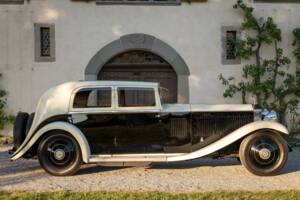
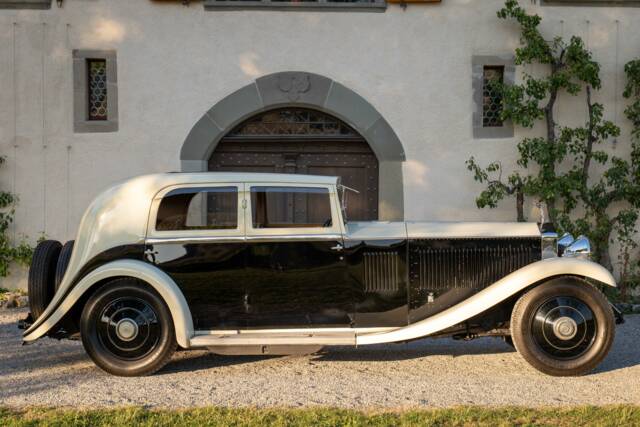
1931 | Rolls-Royce Phantom II Continental
Sports Saloon by Barker - Ausgestellt auf der Olympia Motor Show 1931 • Erstauslieferung an Sir John Moores • Ehemals im Besitz von Diana Dors


Auctions ending soon

Loading…
Loading…
Loading…
Loading…

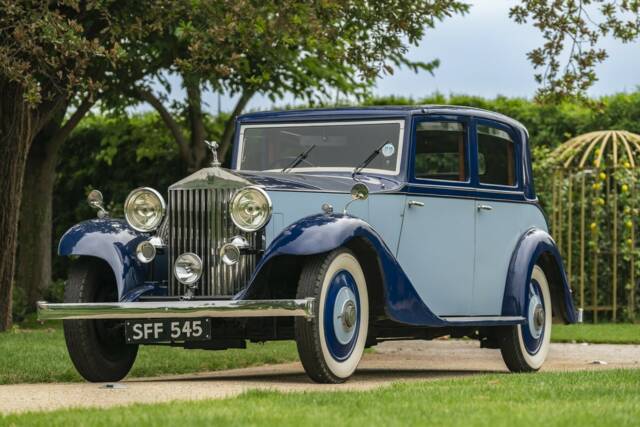
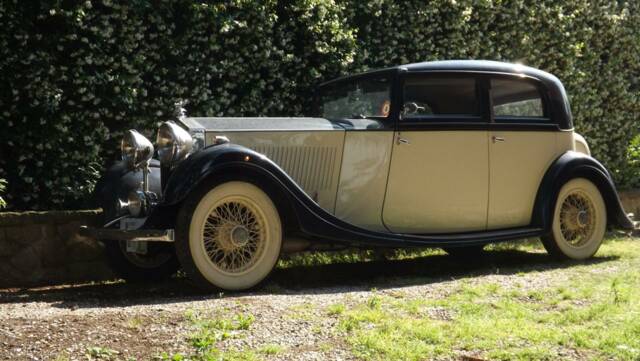
1933 | Rolls-Royce 20/25 HP
Rolls-Royce SALOON 20/25 CARROZZERIA HOOPER & CO. Ltd.
Newsletter
The best Rolls-Royce listings, straight to your inbox
Get hand-picked Rolls-Royce listings, plus the best of cars, motorbikes, and auctions on Classic Trader — all in one place.
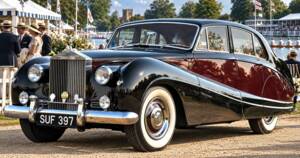
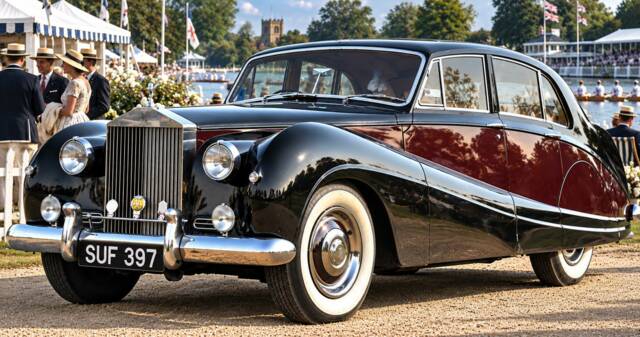
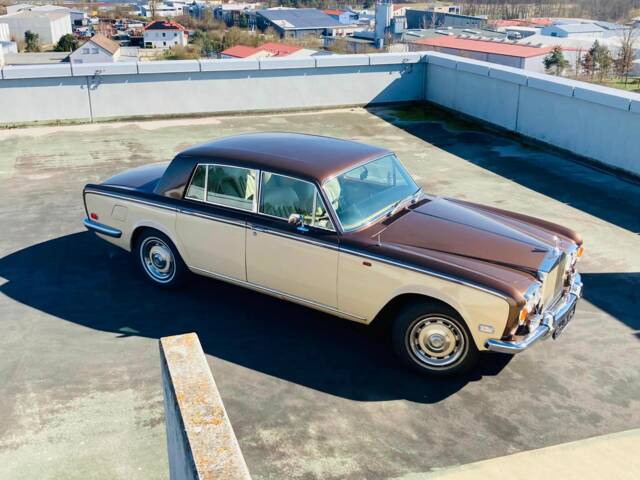
1974 | Rolls-Royce Silver Shadow I
**Leasing/Finanzierung**Schöner Zustand**H Zulassung**Top Historie**

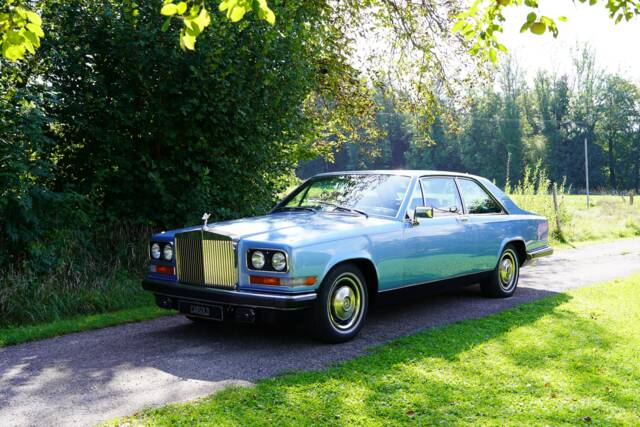
1981 | Rolls-Royce Camargue
Originalrechnungen über 125.000 € seit 2018
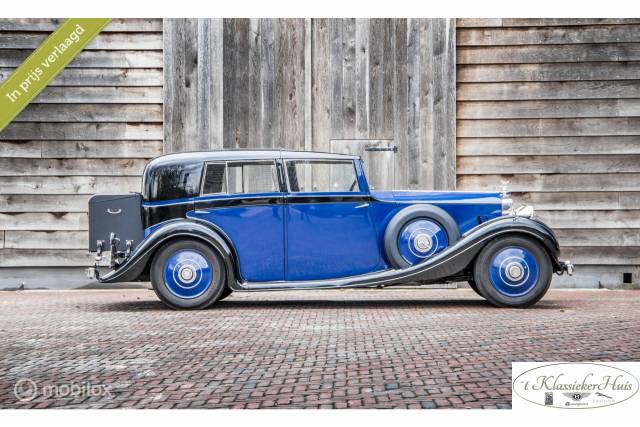
1937 | Rolls-Royce 25/30 HP
Rolls-Royce 25/30 Sedanca de Ville by Gurney Nutting

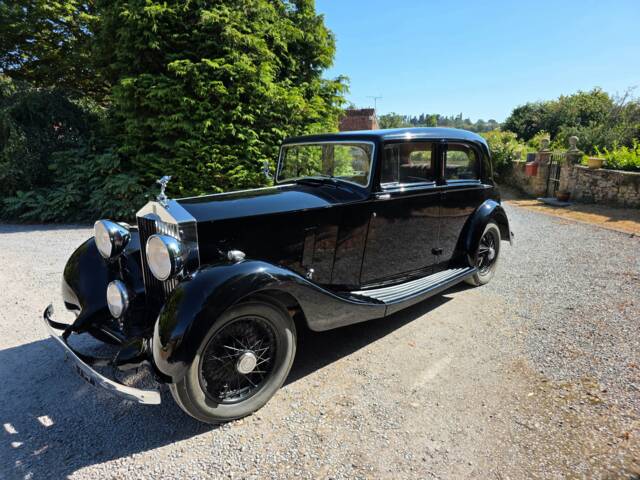
1936 | Rolls-Royce 20/25 HP
Park Ward
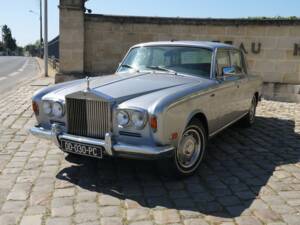
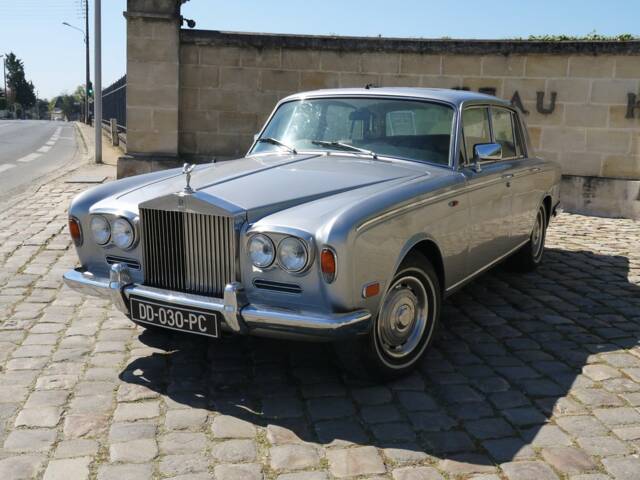
1972 | Rolls-Royce Silver Shadow I
Rolls-Royce Silver Shadow I | 1972 | Route 66 Auctions - For sale by auction. Estimate 11400 EUR
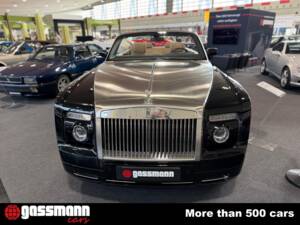
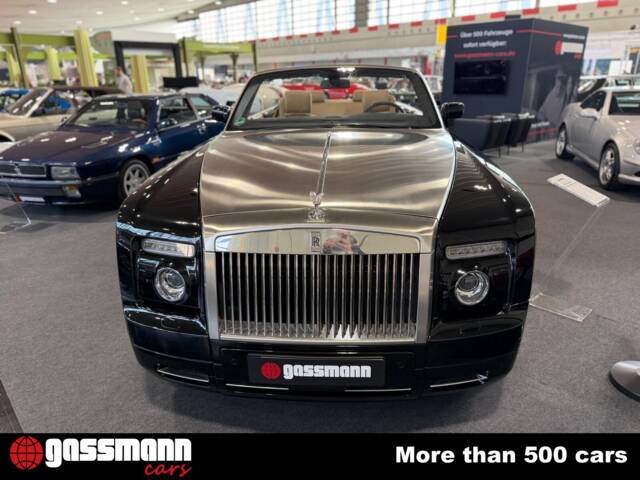
2008 | Rolls-Royce Phantom DHC
Phantom Drophead Coupe Cabrio
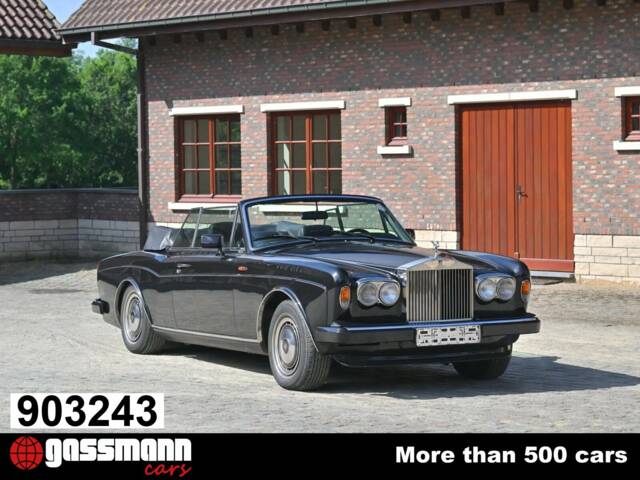
1990 | Rolls-Royce Corniche III
Corniche III Drophead Coupe ( Cabrio ) by
History & Heritage
Rolls-Royce is one of the names that shaped the idea of the British luxury car. Founded in 1904 by Charles Rolls and Henry Royce, the marque built its reputation on engineering discipline, refinement and the belief that a car should do its work almost invisibly. That attitude still defines the classics buyers seek today: a Rolls-Royce is rarely bought for drama, but for the feeling that every detail has been considered.
For collectors, the story begins with the 40/50 hp Silver Ghost, the car that made the brand famous for silence, durability and cross-country composure. In the inter-war years, the Phantom series elevated the marque into the highest tier of prestige motoring, with coachbuilt bodies and an audience that included heads of state, industrialists and film stars. These pre-war cars remain important, but they are often specialist purchases: expensive to restore, highly individual in specification and usually reserved for serious collectors with space, patience and a strong relationship with marque experts.
After the Second World War, Rolls-Royce entered a new phase with the Silver Dawn and then the Silver Cloud range. The Silver Cloud I, II and III kept the traditional separate-chassis feel longer than many rivals, which is a big part of their charm. They are large, formal and beautifully made, and they still look right outside a country house hotel, at a concours lawn or arriving at a wedding. The Silver Cloud also represents the last great era when coachbuilders such as Mulliner Park Ward, James Young and Hooper could still create truly individual bodies for wealthy customers.
The decisive shift came in 1965 with the Silver Shadow. It was a cleaner, more modern car, with monocoque construction, fully independent suspension and a layout designed to make Rolls-Royce ownership a little more usable in the modern world. It became the most successful Rolls-Royce ever built and laid the foundation for later derivatives such as the Corniche, Camargue, Silver Shadow II, Silver Spirit, Silver Spur and Flying Spur names that are still well known among collectors.
For the UK market, that history matters because so many surviving cars are still right-hand drive and were delivered new here. Britain remains the spiritual home of the classic Rolls-Royce, with a deep club scene, a strong specialist repair network and plenty of enthusiasts who know the difference between originality, correct restoration and a car that merely looks presentable from ten paces.
Highlights & Features
What makes a classic Rolls-Royce special is not just its badge. It is the way the whole car is built around calmness: soft control weights, deep insulation, rich materials and a drivetrain that never asks to be rushed. These are cars that deliver effortless authority rather than sporting theatre.
The Silver Ghost established the engineering reputation. The Silver Cloud added real grace and old-world formality. The Silver Shadow then introduced a more contemporary shape without losing the sense of occasion. For many buyers, the open Corniche is the most desirable expression of the formula: same basic mechanical sophistication, but with the extra appeal of top-down motoring on a dry summer evening.
Several features recur across the classic era. The Spirit of Ecstasy remains the most recognisable bonnet mascot in British motoring. The upright grille, generous chrome and long bonnet give even the later cars a stately appearance. Inside, the best examples combine Connolly leather, polished walnut, deep carpets and a level of trim finish that still feels special decades later.
The engineering is equally important. The Silver Shadow brought self-levelling suspension, disc brakes and a V8 tuned for smoothness rather than aggression. Later cars benefited from ongoing development, with improved steering and revised equipment levels. Buyers often overlook how usable these cars are when properly sorted: a good Rolls-Royce can cover distance with remarkable serenity, provided the suspension, hydraulics and cooling systems are in proper order.
The brand also offers a wide spread of collector appeal. A pre-war Phantom is a museum-grade object. A Silver Cloud is a gentleman’s express. A Silver Shadow is the practical classic Rolls-Royce. A Corniche is the glamour choice. A Silver Spirit or Silver Spur can still represent a relatively accessible route into the marque without sacrificing the core experience.
Technical Data
The figures show why Rolls-Royce is such an interesting classic-car make: some models are genuinely rare, while others were built in sufficient numbers to create a broad market. In practice, condition, history and originality matter far more than headline production figures.
Market Overview & Buying Tips
The UK is one of the strongest markets for classic Rolls-Royce. That is partly because the cars were built here, partly because right-hand-drive cars were the norm, and partly because the British club and specialist scene remains exceptionally active. Buyers can find cars through marque dealers, independent Rolls-Royce specialists, online marketplaces and major auction houses such as H&H Classics, Bonhams and Silverstone Auctions.
Price bands in the UK remain wide, which makes inspection and provenance critical. A project-grade Silver Shadow can still appear in the low five figures, but properly sorted cars and especially open Corniche models move into much higher territory. Pre-war Phantoms and special coachbuilt cars sit in another league entirely.
Typical UK market positioning:
- Silver Shadow / Shadow II: often the entry point. Drivers’ cars in usable condition commonly sit around £8,000–£20,000, while very good, well-documented examples can reach £25,000–£40,000+ depending on specification and history.
- Silver Cloud: usually stronger money because of elegance and coachbuilt appeal. Expect broadly £30,000–£80,000+, with the best cars well above that.
- Corniche: the desirable open-car choice. Good cars are frequently £40,000–£70,000, with exceptional or late examples pushing into six figures.
- Silver Spirit / Spur: still comparatively accessible, often £7,000–£18,000 for sensible cars, though the best low-mileage examples and special editions can exceed that.
- Pre-war Phantom and coachbuilt cars: values depend heavily on body style, authenticity and restoration quality; top examples are often auction-only territory.
Recent UK auction results underline the spread. H&H and Bonhams have both sold usable Shadows in the lower price brackets, while fine Corniche convertibles and carefully restored Silver Clouds can bring much stronger money. Silverstone sales regularly show that the best cars do not come cheaply: originality, ownership history and cosmetic presentation can add serious premium, especially for British-market right-hand-drive cars with known provenance.
For UK buyers, three practical points stand out. First, right-hand drive matters: it is the most natural configuration for British roads, and it often helps with resale. Second, parts support is good thanks to the club scene and specialists, but labour is not cheap, so a flawed car can become expensive quickly. Third, many cars have had long lives, so documentation is vital. A thick file of old MOTs, invoices and specialist reports is worth real money.
The RREC (Rolls-Royce Enthusiasts’ Club) is especially useful in Britain, not only for technical knowledge but also for model registers, advice and access to the community. The club network is one of the biggest advantages of buying a classic Rolls-Royce in the UK: it helps separate a promising car from a dangerous bargain.
What to check before you buy
- Hydraulics and suspension: Shadow-era cars use complex systems that must sit correctly and work evenly. Look for leaks, uneven ride height and slow or noisy operation.
- Rust: although these cars are not tiny economy cars, corrosion still matters. Check sills, wheelarches, floors, boot area, jacking points and hidden repairs.
- Cooling and engine condition: V8 cars should be smooth, quiet and free from overheating history. A cloudy coolant system or poor idle can mean expense.
- Automatic gearbox: the transmission should shift cleanly and without hesitation. Slur and smoothness are good; slippage is not.
- Interior and electricals: wood, leather and switchgear are expensive to restore correctly. Poor trim is not just cosmetic on a Rolls-Royce; it changes the whole ownership experience.
- History file: specialist invoices, old registration details, ownership continuity and any evidence of long-term maintenance are major plus points.
If you are buying from abroad or comparing imports, remember that many UK cars are already right-hand drive and therefore easier to live with here than left-hand-drive continental examples. That alone can affect desirability and price.
Driving Feel
A classic Rolls-Royce does not try to entertain in the modern sense. It isolates, softens and settles. The steering is light rather than sharp, the cabin is hushed, and the car seems to gather itself rather than lunge forward. The best examples make even ordinary journeys feel dignified.
The Silver Cloud feels the most ceremonial. It has the stance and manners of an old-world grand touring saloon, and its size and formality create a sense of occasion every time you open the door. It is not a car for rushing. It is a car for arriving.
The Silver Shadow is more modern in feel, and for many drivers it is the sweet spot. It still delivers that unmistakable Rolls-Royce calm, but with a more usable chassis and a slightly less imposing driving experience than the earlier cars. On a smooth A-road or motorway, a good Shadow feels almost improbable: fast enough to keep up, quiet enough to feel removed from the outside world, and relaxed enough to make long-distance travel genuinely easy.
The Corniche adds another layer. Roof down, the cabin becomes part of the landscape, but the basic character remains the same: composure first, glamour second. It is one of the great open classics because it never feels frantic. Even at low speeds it feels special.
Silver Spirit and Silver Spur models are often underestimated. In good order they are supple, broad-shouldered and deeply comfortable, with a more contemporary seating position and a slightly easier parts ecosystem than some earlier models. They are not sports saloons, but they are excellent real-world classics if you want useability without sacrificing the badge.
What unites them all is the sense that the car has been engineered to reduce effort. That is the Rolls-Royce promise, and when the car is correctly maintained, it still delivers it brilliantly.
Design & Coachwork
The design of a classic Rolls-Royce is defined by restraint. These cars do not need sharp creases or aggressive stance to command respect. Their power comes from proportion, chrome detailing and the confidence of a shape that does not chase fashion.
The pre-war cars are the most formal. Their tall grilles, long bonnets and bespoke bodies were created for owners who expected individuality. Many surviving Phantom and Silver Ghost chassis are effectively rolling works of coachbuilding art, and that is part of their fascination. No two are quite the same, and that makes them wonderful, but also complicated to buy.
The Silver Cloud is arguably the purest expression of traditional Rolls-Royce elegance. It still has the upright presence of the earlier era, but it is slightly cleaner and more restrained. On a good day, with polished chrome and deep paint, it looks exactly as a British luxury saloon should.
The Silver Shadow changed the language. It is lower, more modern and more compact in visual effect, yet it retained the unmistakable Rolls-Royce identity. The shape works especially well in dark colours such as deep blue, green, burgundy and black, paired with a pale leather interior. These are cars that reward correct colour combinations and punish cheap-looking restorations.
Coachwork remains central to the brand story. Rolls-Royce was never just about one body style; it was about giving customers the best possible version of the car they wanted. That tradition is still reflected in the collector market, where coupés, convertibles and long-wheelbase saloons all appeal to different buyers. A Corniche is glamorous, a Cloud coupé is aristocratic, a Phantom is historic theatre, and a Shadow saloon is the consummate British luxury classic.
Other
Rolls-Royce has always lived beyond the road. It appears in films, state occasions, television drama and popular culture as a shorthand for status and formality. That visibility helps keep the classics desirable, but the real strength of the marque is how deeply it is embedded in British motoring culture.
The UK club scene is unusually strong. The RREC is the obvious starting point for many owners, and there are also specialist forums, local sections and independent workshops that know these cars intimately. For a buyer, that ecosystem matters as much as the car itself. A good Rolls-Royce is not difficult to enjoy when you have the right people around it.
Auction houses also play a big role in the UK market. H&H, Bonhams and Silverstone regularly bring Rolls-Royce models to market, from usable Shadows to more serious Silver Clouds and occasional coachbuilt rarities. The best auctions show a consistent pattern: well-presented, well-documented cars sell strongly; tired examples can look cheap but rarely stay that way once recommissioning begins.
Special interest models are worth noting too. The Camargue remains one of the most unusual post-war Rolls-Royces, and later limited or coachbuilt derivatives often attract attention from collectors who want something outside the mainstream Silver Shadow/Corniche path. For many buyers, though, the main attraction is still the same: a car that blends British craftsmanship, long-distance comfort and an unmistakable social presence.
Summary
Classic Rolls-Royce ownership in the UK offers broad choice, strong specialist support and a market that still rewards knowledge. The Silver Shadow is the most accessible entry point, the Silver Cloud is the elegant traditionalist’s choice, the Corniche is the glamorous open-top classic, and the pre-war Phantom and Silver Ghost cars sit at the top end of the collector ladder.
For buyers, the priorities are simple: buy the best car you can afford, insist on documentation, and never underestimate the cost of correct restoration. A cheap Rolls-Royce can become expensive very quickly, but a well-sorted one is one of the most satisfying British classics to own and use.
On the right-hand side of the road, there are few classic cars that feel more at home in Britain.