- Motorcycle
- Piaggio (61 offers)
Buy Piaggio Motorcycles
From the post-war ruins of Pontedera to the neon-lit streets of modern London, Piaggio has defined urban mobility for over 80 years. Discover the heritage of the world's most famous scooter brand and find your perfect classic Vespa or modern commuter.
Search results

Newsletter
The best Piaggio listings, straight to your inbox
Get hand-picked Piaggio listings, plus the best of cars, motorbikes, and auctions on Classic Trader — all in one place.
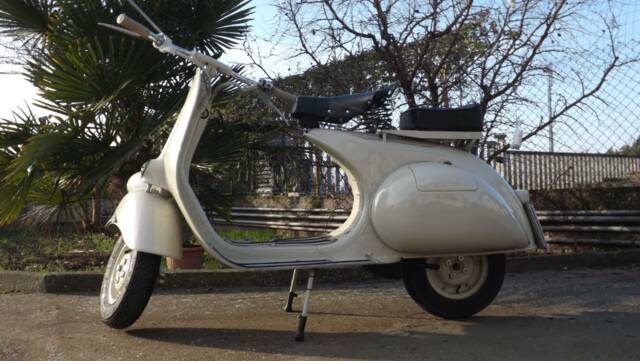
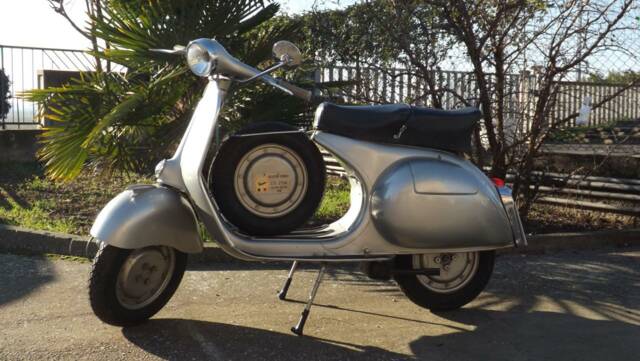
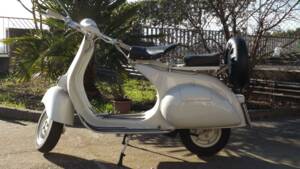
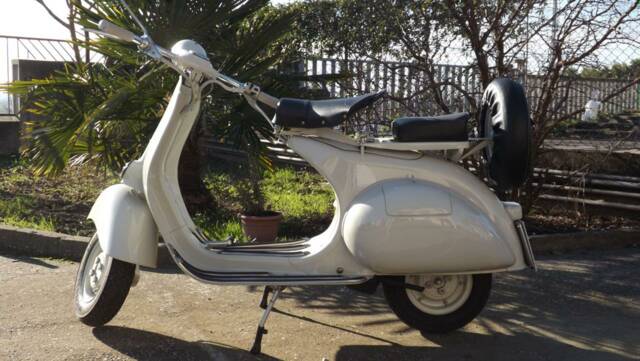
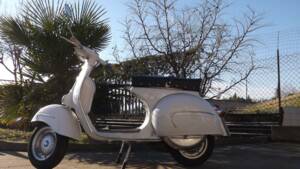
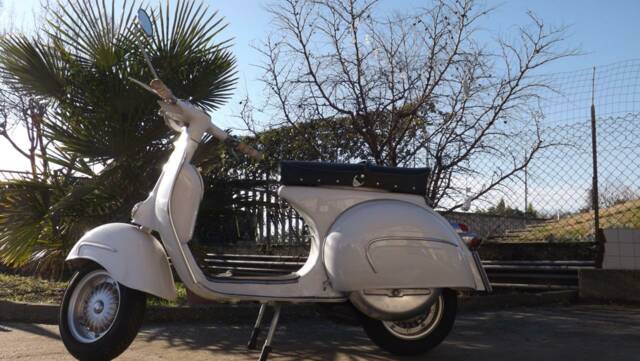
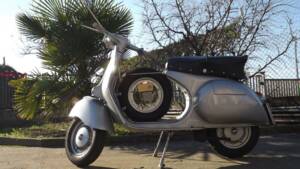
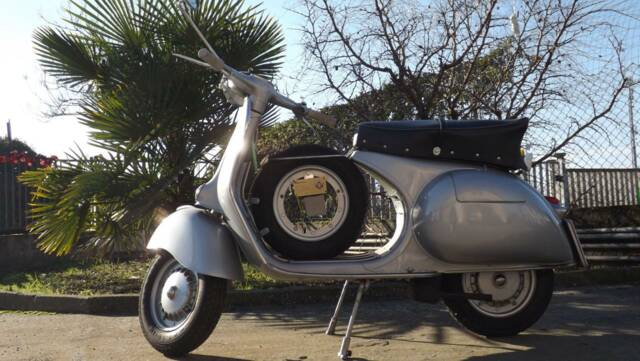
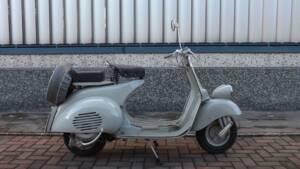
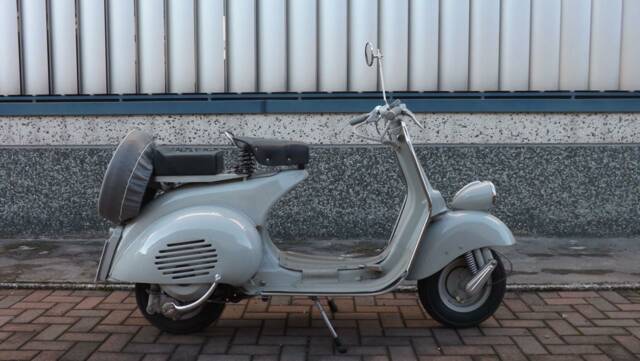
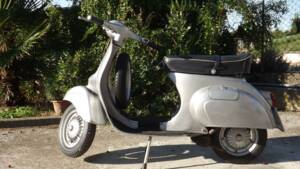
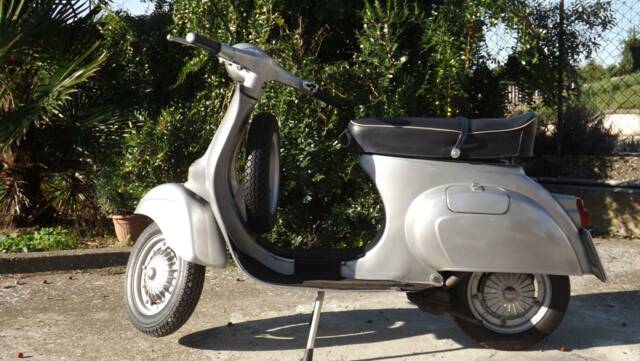
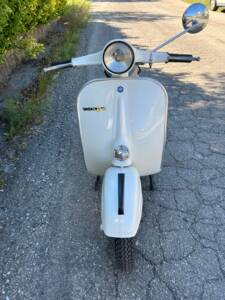
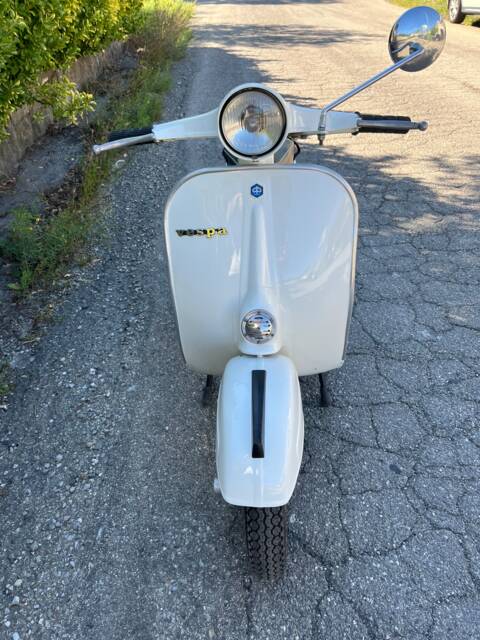
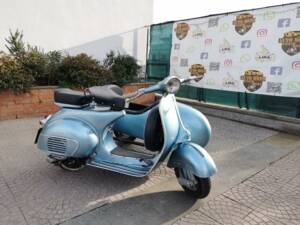
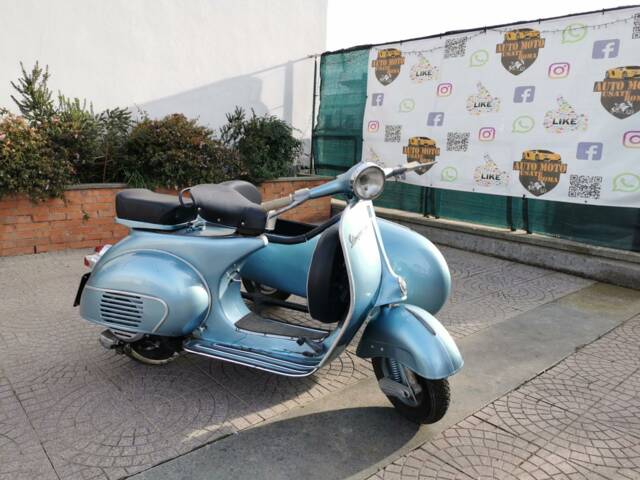
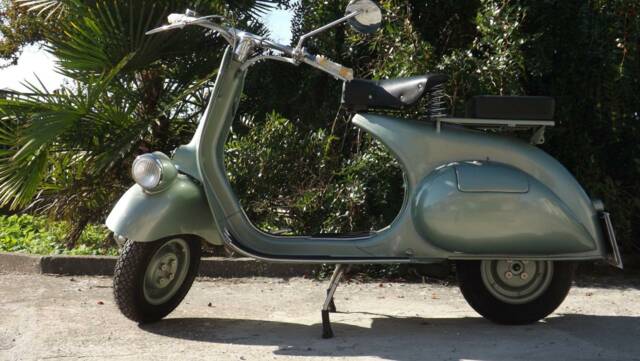
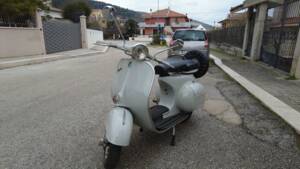
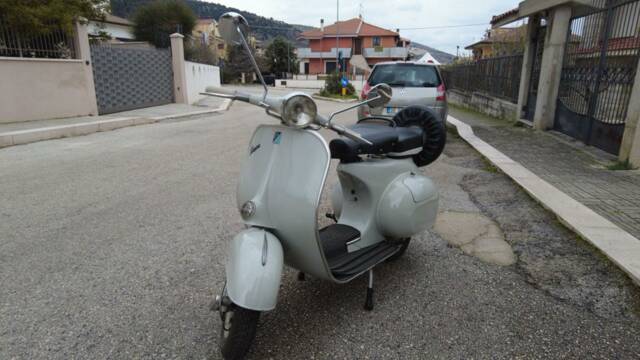
1961 | Piaggio Vespa 150
* OMOLOGATA SIDECAR- 6 Cv * RATE AUTO MOTO SCOOTER
The pressed-steel monocoque of the Vespa remains one of the most enduring design icons in industrial history. For over three-quarters of a century, these scooters have rolled out of the Pontedera factory—some as humble tools for post-war reconstruction, others as high-value collector pieces fetching five-figure sums at British auctions. Today, the Piaggio Group encompasses seven distinct brands, including Aprilia, Moto Guzzi, and Derbi, yet the heart of the empire remains the motor scooter. In the United Kingdom, this heritage is inextricably linked to the Mod movement, the legendary Brighton rallies, and a unique chapter of domestic production in Bristol.
History & Heritage
The story of Piaggio began long before the first scooter took flight. Rinaldo Piaggio founded the company in 1884 in Sestri Ponente, near Genoa, initially focusing on luxury ship outfitting. The business rapidly expanded into rail carriages, engines, and eventually aviation. During the First World War, Piaggio produced seaplanes, and by the Second World War, the factories were churning out bombers and fighter aircraft. However, this military success made the plants in Pontedera and Biella prime targets for Allied bombing. By 1943, the production lines lay in ruins.
Enrico Piaggio, Rinaldo’s son, faced a monumental challenge: how to reinvent an aviation giant in a country forbidden from building aircraft and desperate for affordable transport. The first attempt in 1945 was the MP5 "Paperino" (Duckling), a prototype with a central tunnel that Enrico found ugly and impractical. He turned to Corradino d'Ascanio, an aeronautical engineer who famously loathed motorcycles. D'Ascanio viewed traditional bikes as dirty, unreliable, and difficult to mount.
D'Ascanio’s solution was revolutionary. He applied aircraft principles to two wheels: a stressed-skin monocoque chassis (eliminating the oily chain and heavy frame), aircraft-style front hub suspension for easy wheel changes, and a step-through design that allowed riders to wear suits or skirts without difficulty. When Enrico Piaggio saw the MP6 prototype in 1946, he exclaimed, "Sembra una vespa!" (It looks like a wasp!). The name stuck, and a legend was born.
The Vespa 98 launched in April 1946, featuring a 98cc two-stroke engine producing 3.2 bhp and a top speed of 37 mph (60 km/h). It was exactly what Italy—and soon the world—needed. By 1948, the Vespa 125 arrived, and international expansion began. In the UK, this took a unique turn. In 1951, Douglas of Bristol began manufacturing Vespas under licence. These "Douglas Vespas" are now highly prized by British collectors for their domestic heritage and subtle differences from their Italian cousins.
The 1950s saw the Vespa become a global cultural phenomenon, aided by Hollywood. Audrey Hepburn and Gregory Peck’s ride through Rome in "Roman Holiday" (1953) provided the kind of marketing Piaggio could never have bought. By the 1960s, the range expanded to include the Vespa 150 GS (Gran Sport), the first "sporting" scooter, and the Vespa 50, designed to bypass new licensing laws.
In Britain, the 1960s cemented the Vespa’s status as a subcultural icon. The Mod movement adopted the scooter as its primary mode of transport. Unlike the "Rockers" on their oily British twins, Mods valued the clean, stylish lines of the Vespa and Lambretta. The bank holiday runs to Brighton, Margate, and Southend became legendary, immortalised in the film "Quadrophenia" (1979). To a British Mod, a Vespa wasn't just a scooter; it was a canvas for dozens of mirrors, spotlights, and chrome accessories.
The 1970s and 80s brought the Vespa Rally 200, the first 200cc model, and the Vespa PX series (1977), which would remain in production for an incredible 40 years. While Piaggio experimented with plastic-bodied scooters like the Sfera, Zip, and Hexagon in the 1990s, the classic metal-bodied Vespa remained the brand's soul. Today, Piaggio leads the European market with a 30% share, balancing cutting-edge technology in the GTS 300 with the timeless silhouette that Corradino d'Ascanio sketched in 1945.
Highlights & Key Models
Piaggio’s strength lies in its ability to cater to both the utilitarian commuter and the passionate collector. While the modern range is dominated by reliable four-stroke automatics, the vintage market focuses on the "geared" two-stroke models that defined the 20th century.
The Vespa 150 GS (1955–1961) is widely considered the "Holy Grail" of post-war scooters. It was the first Vespa to reach 60 mph (100 km/h) and featured 10-inch wheels for improved stability. Its distinctive "star" hubs and elegant leg-shield shape make it unmistakable. In the UK market, a well-restored GS 150 can fetch between £3,500 and £6,500, while exceptionally rare original-paint examples have been known to exceed £10,000 at specialist auctions.
The Vespa Rally 200 (1972–1979) represents the pinnacle of the classic touring Vespa. With its 12.5 bhp engine and electronic ignition (on later models), it was the first scooter truly capable of long-distance motorway travel. Its robust nature and iconic "Rally" stripes make it a favourite for those who actually want to ride their classics to events like the Isle of Wight Scooter Rally. Prices in the UK typically range from £2,500 to £5,000 depending on condition and provenance.
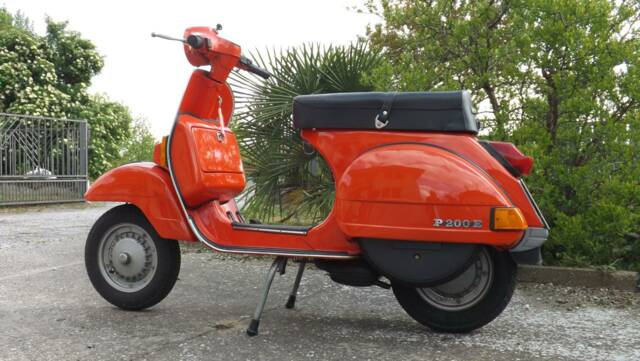
The Vespa PX 200 is the workhorse of the enthusiast world. Produced from 1977 until 2017 (with a brief hiatus), it is the most common geared Vespa on British roads. Its disc-brake evolution in the late 90s made it a viable daily commuter. Early "P200E" models are sought after for their classic look, while the later "PX200 Disc" models are prized for their reliability. Expect to pay between £2,000 and £4,500 for a clean UK-registered example.
For those without a full motorcycle licence, the Piaggio Ciao (1967–2006) moped offers a charming entry point. With its pedal-assist and simple variator transmission, it was a staple of European teenage life for decades. While less common in the UK than in Italy, they have a dedicated following. A tidy Ciao can be found for £400 to £1,200, making it one of the most affordable ways to own a piece of Piaggio history.
The modern Vespa GTS 300 (since 2005) has successfully transitioned the brand into the 21st century. Combining the classic steel body with a powerful liquid-cooled engine, ABS, and traction control, it is the best-selling large-capacity scooter in the UK. Used prices for early models start around £3,500, while nearly new examples can reach £7,000.
Technical Data
Engine Philosophy: Classic Piaggio scooters are defined by their single-cylinder two-stroke engines. These units are simple, lightweight, and produce a characteristic "ring-ding-ding" exhaust note. Lubrication is via "pre-mix" (adding 2% oil to the petrol) or "autolube" on later models. Modern Piaggio engines (i-get and HPE units) are four-stroke with fuel injection, designed for low emissions and high fuel economy.
Market Overview & Buying Tips
The UK market for Piaggio and Vespa is one of the most active in the world, driven by a deep-seated love for the Mod subculture and a practical need for urban transport. When buying a classic Piaggio, the most important factor is originality vs. restoration quality.
Vespa GS 150 & Early Classics: These are high-end collector items. In the UK, be wary of "Vietnamese Restorations"—scooters imported from South East Asia that often look stunning but may have "cut and shut" frames or poor mechanical work. Always check the frame number against the Vespa Serial Number Search to ensure the model matches the paperwork. A genuine UK-market Douglas Vespa will often carry a premium over an Italian import. Look for rust in the "tunnel" (the central part of the frame) and under the floorboards. Repairing a rotted monocoque is a specialist job that can cost £2,000–£4,000 for a professional weld and respray.
Vespa Rally & PX Series: These are the "riders' classics". The PX 200 is particularly popular because parts are incredibly cheap and available from UK specialists like VE (UK) or SIP. When inspecting a PX, check the steering head bearings for play and ensure the gears don't "jump" under load—a sign of a worn selector cross (a £20 part but a £200 labour job). The oil pump on autolube models can fail; many UK owners choose to bypass it and use pre-mix for peace of mind. Prices for a good PX 200 have stabilised around £3,000, making them a solid investment that you can actually use.
Piaggio Ciao & Mopeds: These are often bought as "pit bikes" or for nostalgic fun. The main issue is fuel tank corrosion, as the tank is integrated into the frame. If the inside is rusty, it will constantly clog the tiny carburettor. A professional tank sealing kit costs about £40. Check that the pedals work and the variator belt isn't frayed.
Modern GTS 300: Buying a used GTS is more like buying a modern car. Check the service history—the drive belt needs changing every 9,000 miles, and the valve clearances should be checked. Look for signs of winter salt damage on the exhaust and lower engine casings, as Piaggio’s finish can be sensitive to the British climate. Ensure the immobiliser master key (the brown one) is included; without it, you cannot program new keys, which can lead to a £500 bill for a new ECU and lock set.
Parts & Support: The UK has an excellent infrastructure for Piaggio owners. Specialists like Scooter Center, SIP, and VE (UK) offer next-day delivery on almost every nut and bolt. There is also a thriving scene of local "scooter shops" in almost every major British city, from London to Glasgow, who understand the nuances of these machines.
Riding Experience
Riding a classic Vespa is an exercise in sensory immersion. It does not feel like a modern motorcycle; it feels like a piece of kinetic art. The hand-shifted gears (operated by twisting the left handlebar) require a rhythmic coordination that becomes second nature after a few miles. The small wheels (8 or 10 inches) make the steering incredibly light and "zippy," perfect for carving through London traffic, but they can feel nervous on rutted country lanes.
The Vespa 150 GS offers a surprisingly visceral experience. At 60 mph, the thin steel body vibrates with the frequency of the engine, and the wind protection from the leg-shields is minimal. It’s an adrenaline-filled ride that demands your full attention. In contrast, the Rally 200 is a much more composed machine. Its larger engine has enough torque to pull away from lights with authority, and it sits comfortably at 55-60 mph all day.
The Vespa PX is perhaps the most "honest" ride. It’s noisy, it smokes a little, and the brakes (on non-disc models) require a firm squeeze. But there is a profound satisfaction in clicking through the four gears and feeling the mechanical connection between your hand and the rear wheel. It’s a machine that rewards smooth inputs and a relaxed riding style.
The Piaggio Ciao is at the other end of the spectrum. With only 1 bhp, it’s a slow, meditative experience. You don't "race" a Ciao; you potter. It’s perfect for a sunny Sunday ride to a village pub, where the journey is more important than the destination. The lack of gears makes it incredibly easy to ride, though you may need to "help" it with the pedals on steeper British hills.
Modern GTS 300 riders enjoy a completely different world. The CVT transmission provides seamless acceleration, and the liquid-cooled engine is quiet and refined. It’s a "twist-and-go" experience that allows you to focus entirely on the road. With its 12-inch wheels and disc brakes, it handles more like a traditional motorcycle, offering stability and confidence that the vintage models can't match.
Design & The Mod Culture
The design of the Vespa is a masterclass in form following function. Corradino d'Ascanio didn't set out to create a fashion icon; he set out to solve the problems of the 1940s commuter. The monocoque chassis was a weight-saving measure from aircraft design, but it resulted in a clean, enclosed look that protected the rider from road grime. The front swing-arm was inspired by aircraft landing gear, allowing for a quick wheel change if you suffered a puncture on the war-torn roads of Europe.
In Britain, this design became the foundation for one of the most significant youth subcultures in history. The Mods of the 1960s took the clean Italian lines and added their own flamboyant twist. A "Mod Vespa" is often adorned with an array of chrome mirrors (sometimes 20 or more), Lucas or Miller spotlights, and whip aerials with fox tails. This wasn't just about vanity; it was a way for working-class youths to express their individuality and "cool" in a grey, post-war Britain.
The film "Quadrophenia" (1979), based on The Who’s rock opera, immortalised this look. The protagonist Jimmy’s Vespa GS 160 (actually a modified GS 150 for the film) became the blueprint for generations of scooterists. Even today, at the Brighton Mod Weekender, you will see thousands of Vespas and Lambrettas parked along Madeira Drive, each one a unique expression of its owner's personality.
Piaggio has leaned into this heritage with models like the Vespa Sei Giorni, which pays tribute to the 1951 "Six Days" racing Vespas, and the Vespa 946, a hand-finished masterpiece that costs over £10,000 and features a futuristic interpretation of d'Ascanio’s original lines. For the British rider, the choice of accessories—from a simple Cuppini rack to a full Mod-style mirror array—is a vital part of the ownership experience.
Other Piaggio Ventures
While the Vespa is the star, Piaggio’s influence extends further. The Ape (Italian for "Bee"), the three-wheeled light commercial vehicle based on Vespa mechanicals, has been a fixture of Italian life since 1948. In the UK, vintage Apes have found a second life as mobile coffee bars and prosecco vans, their quirky charm making them a hit at weddings and festivals. A restored "Ape Calessino" (the passenger version) is a rare and desirable collector's item.
Piaggio also produced the Gilera brand, known for its sporting scooters like the Runner, which dominated the "boy racer" scene in the UK during the late 90s and early 2000s. The Piaggio MP3, the world’s first tilting three-wheeled scooter, revolutionised urban commuting by providing motorcycle-like leaning with the stability of three wheels—a popular choice for London professionals who want to ride on a car licence (depending on the model's track width).
The Museo Piaggio in Pontedera is the ultimate pilgrimage site for any fan. It houses over 250 vehicles, including the "Vespa Alpha" (a fictional flying Vespa from a 1960s film) and the Vespa TAP, a military version equipped with a 75mm recoilless rifle used by French paratroopers.
Summary
Piaggio is more than just a manufacturer; it is a cultural touchstone. Whether it’s the nostalgic ring of a two-stroke PX 200 on a Brighton seafront or the silent efficiency of a modern Vespa Elettrica, the brand continues to define what it means to move through the world with style.
For the British collector, a Piaggio offers a unique blend of Italian flair and domestic history. From the Douglas-built classics of the 50s to the Mod-inspired customs of the 70s, there is a model for every budget and every level of mechanical skill. Buying a Piaggio isn't just about purchasing a scooter; it's about joining a global community of enthusiasts who value design, heritage, and the simple joy of the open road.
Find your perfect Piaggio on Classic Trader today—from the iconic Vespa 150 GS to the modern GTS 300, and every Ciao and Rally in between. The spirit of the "Wasp" is waiting for you.