- Motorcycle
- BSA (4 offers)
Buy BSA Motorcycle
From the industrial heart of Birmingham to the podiums of the Isle of Man TT, BSA defined British motorcycling for decades. Discover the legacy of the "Goldie", the robust M20, and the versatile Bantam as you explore the market for a classic BSA.
Search results
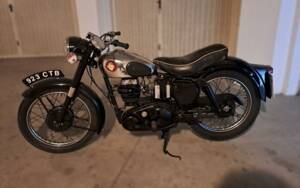
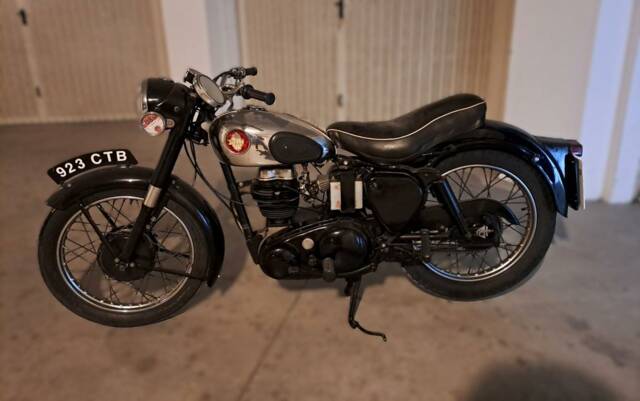

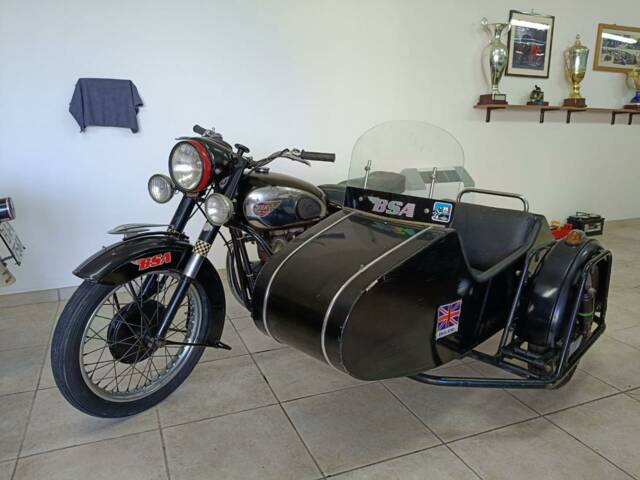
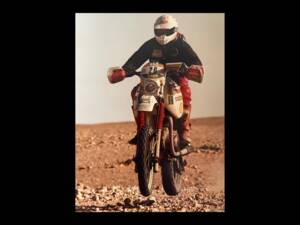
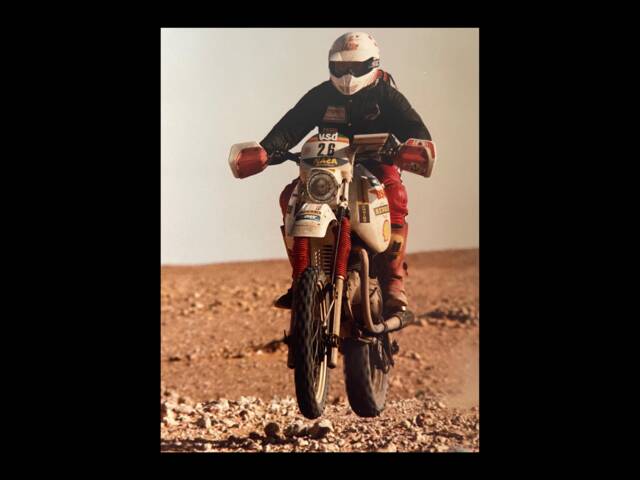
1972 | BSA A 65 Lightning II
Wettbewerbsmaschine Rallye Paris Dakar

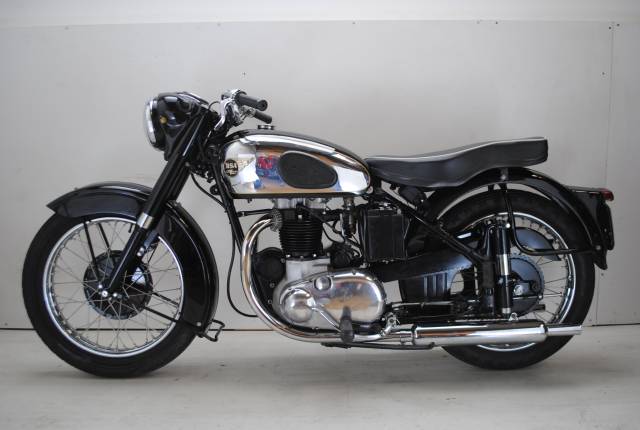
1953 | BSA A 10 Golden Flash
BSA A10 Golden Flash

Newsletter
The best BSA listings, straight to your inbox
Get hand-picked BSA listings, plus the best of cars, motorbikes, and auctions on Classic Trader — all in one place.
BSA listing references from Classic Trader
Below you will find listings related to your search that are no longer available on Classic Trader. Use this information to gain insight into availability, value trends, and current pricing for a "BSA" to make a more informed purchasing decision.
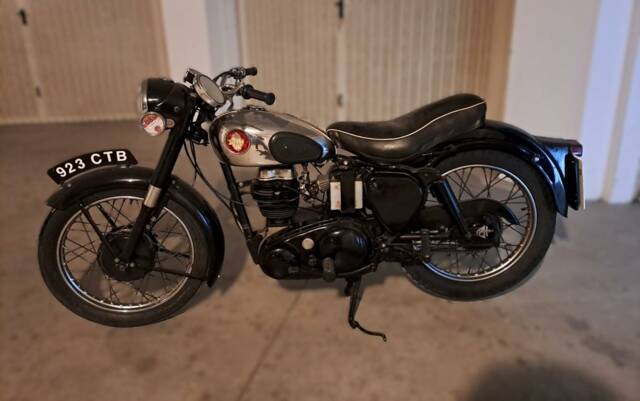
1957 | BSA C 11, C 12
-
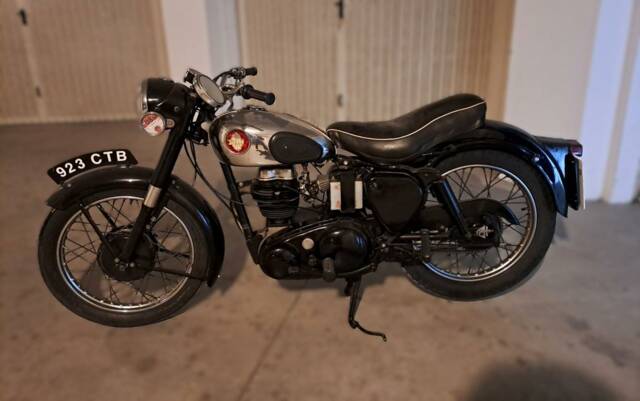
1957 | BSA C 11, C 12
-
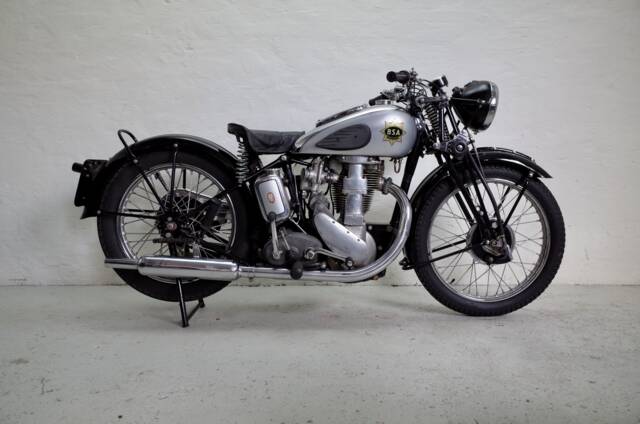
1938 | BSA M 24 Gold Star
Matching numbers and very correct specification including magnesium gearbox

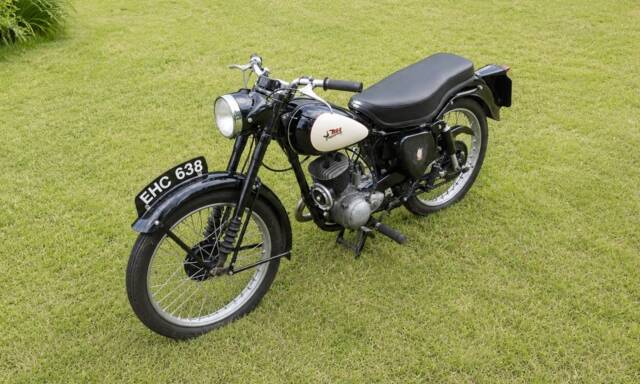
1957 | BSA Bantam Major D3

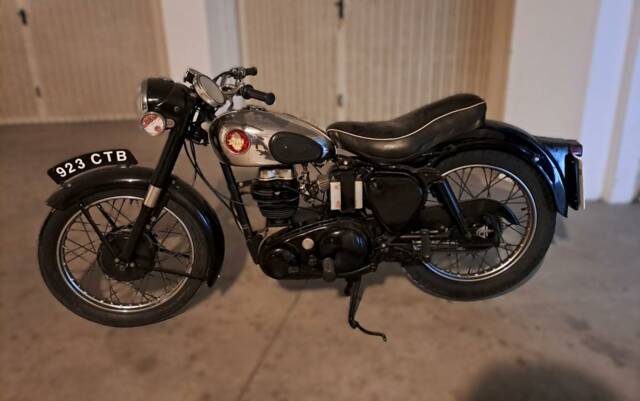
1957 | BSA C 11, C 12
-
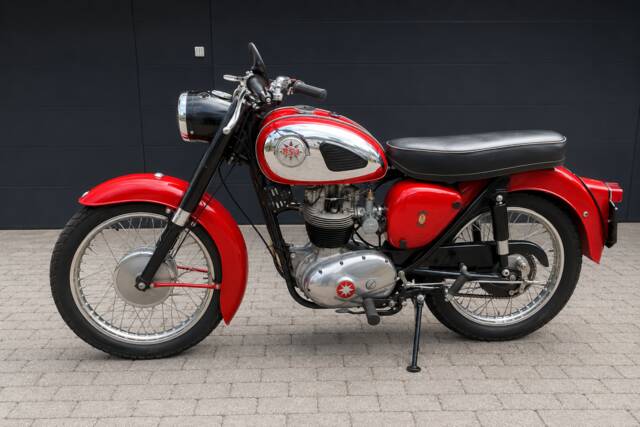
1963 | BSA B 40
BSA B40 Star – British Motorcycle Heritage with Soul
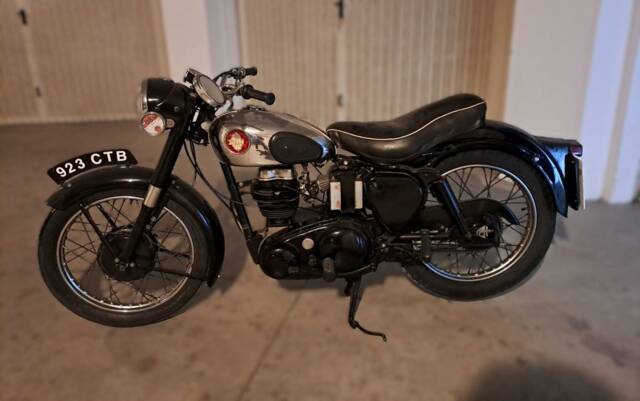
1957 | BSA C 11, C 12
-
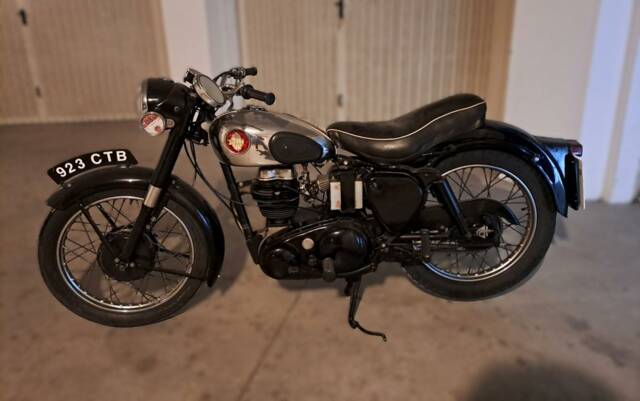
1957 | BSA C 11, C 12
-
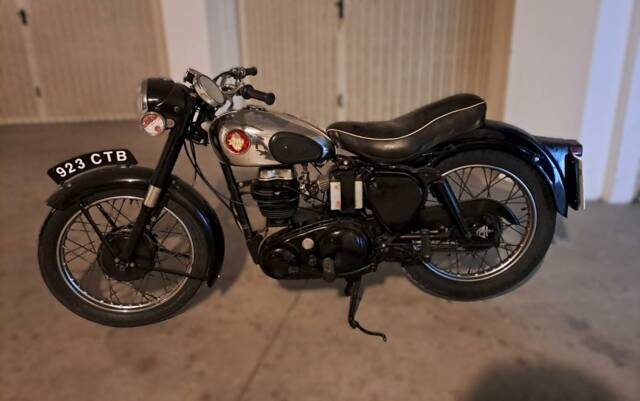
1957 | BSA C 11, C 12
-
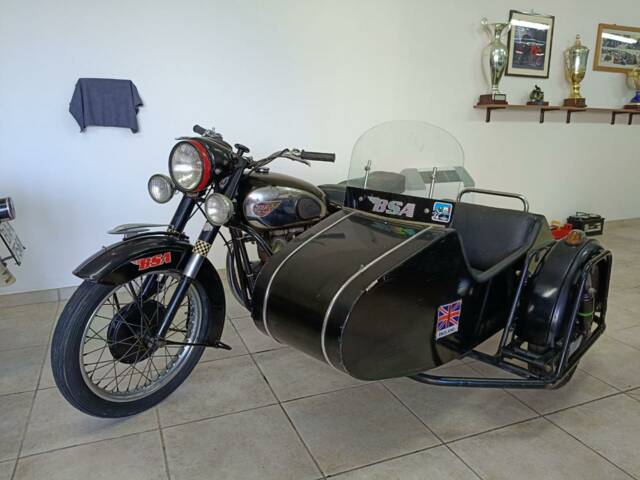
1965 | BSA A 10 Golden Flash
-
History & Heritage
The story of the Birmingham Small Arms Company (BSA) is inextricably linked with the industrial rise and eventual decline of the British manufacturing heartland. Founded in 1861 by a group of fourteen gunsmiths in Birmingham’s Gun Quarter, the company was initially established to supply weapons for the Crimean War and subsequent conflicts. However, as the demand for firearms fluctuated, BSA demonstrated a remarkable ability to pivot, first into bicycle components in the 1880s and eventually into the world of motorised transport.
The first BSA motorcycle appeared in 1910, featuring a 3.5 hp engine. It was an immediate success, and by the eve of the First World War, BSA had established itself as a serious contender in the burgeoning motorcycle market. The Great War saw the company return to its roots as a major arms manufacturer, but it also produced thousands of motorcycles for the front lines, proving the durability and reliability of their designs under the most grueling conditions.
The interwar years were a period of rapid expansion and innovation. BSA introduced the M-series, a range of robust single-cylinder machines that would become the backbone of the company’s lineup. The M20, in particular, became a symbol of durability. Originally designed as a sidecar hauler, its simple, side-valve 500cc engine was so reliable that it was adopted by the British Army. During the Second World War, BSA produced over 126,000 M20 motorcycles, making it the most widely used motorcycle of the conflict. These machines served on every front, from the deserts of North Africa to the hedgerows of Normandy, earning a reputation for being "unstoppable."
Post-1945, BSA entered its "Golden Era." In 1951, the company acquired Triumph Motorcycles, making the BSA Group the largest motorcycle manufacturer in the world. The Small Heath factory in Birmingham became a hive of activity, producing a vast array of models to suit every pocket and purpose. This was the time of the A7 and A10 Golden Flash parallel twins, machines that offered smooth power and elegant styling for the post-war commuter and tourer.
However, the jewel in the BSA crown was undoubtedly the Gold Star. Developed from the pre-war Empire Star, the Gold Star (particularly the DBD34 version) became the ultimate "café racer" before the term was even widely used. It dominated the Clubmans TT at the Isle of Man for eight consecutive years, a feat that remains unparalleled. For many British motorcyclists of the 1950s, owning a "Goldie" was the ultimate ambition.
The 1960s brought new challenges. While the A65 range (Lightning, Thunderbolt, Spitfire) introduced unit-construction engines and modern styling, the British motorcycle industry began to struggle against the rising tide of Japanese imports. Brands like Honda, Yamaha, and Suzuki offered machines that were more reliable, leaked less oil, and featured modern conveniences like electric starts. BSA, hampered by aging production facilities and management issues, struggled to compete.
Despite successes in motocross with the B44 Victor—which won the 500cc World Championship in 1964 and 1965 with Jeff Smith—the company’s financial health declined. A disastrous merger with Norton-Villiers in the early 1970s failed to save the brand, and motorcycle production at Small Heath finally ceased in 1972. Today, the BSA name lives on through the passion of collectors and a recent revival under new ownership, but the original Birmingham-built machines remain the true icons of a vanished age of British engineering.
Highlights & Key Models
When looking to buy a BSA motorcycle, several models stand out as essential for any serious collector or enthusiast. Each represents a different facet of the brand’s diverse history.
The BSA Gold Star (DBD34)
The Gold Star is arguably the most famous British single-cylinder motorcycle ever built. The DBD34, produced between 1956 and 1963, is the pinnacle of the range. Its 499cc OHV engine was capable of over 40 hp, an incredible figure for the time. Each engine was bench-tested, and the machine could be ordered in various specifications, from a mild touring setup to a full-blown racing trim with a GP carburettor and close-ratio gearbox. Its distinctive "twitter" on the overrun and its ability to "do the ton" (100 mph) made it a fixture of the British bypasses.
The BSA A10 Golden Flash & Super Rocket
The A10 series represented BSA’s answer to the parallel twin craze started by the Triumph Speed Twin. The Golden Flash, with its 646cc engine, was a superb all-rounder, known for its reliability and handsome looks (often finished in a striking beige or "gold" paint scheme). The Super Rocket was the sportier sibling, featuring a high-compression head and a racing camshaft, offering performance that could rival almost anything on the road in the late 1950s.
The BSA Bantam
No history of BSA is complete without the Bantam. Based on the German DKW RT 125 (received as war reparations), the Bantam was the bike that put post-war Britain on wheels. Produced in various capacities from 125cc (D1) to 175cc (D14/4), it was simple, affordable, and incredibly popular. It was used by the GPO for telegram deliveries, by learners, and by commuters. Today, it is one of the most accessible entries into the world of classic British motorcycling.
The BSA A65 Lightning & Thunderbolt
The A65 range moved BSA into the era of unit construction, where the engine and gearbox were housed in a single casing. The Lightning was the high-performance twin, famously featured in the James Bond film Thunderball. With its twin carburettors and 110 mph top speed, it was a formidable machine. The Thunderbolt was the single-carburettor version, designed for more relaxed touring and reliability.
The BSA M20
The M20 is the quintessential military motorcycle. Its 496cc side-valve engine is low-revving and produces modest power, but it is virtually indestructible. For collectors interested in military history or those who want a rugged, dependable machine for sidecar use, the M20 is an excellent choice. Its simplicity makes it a favourite for those who enjoy "spanner-turning" at home.
The BSA B44 Victor
The B44 Victor brought BSA’s off-road success to the street. Derived from the world-championship-winning motocross bikes, the Victor Special was a "street scrambler" with a 441cc single-cylinder engine. It was light, punchy, and had a distinctive look with its polished aluminium tank. It remains a popular choice for those who want a classic bike with a bit of "dirt" in its DNA.
Technical Data
The following table provides a comparison of the key technical specifications for the most popular BSA models found on the classic market today.
Technical Notes:
- Compression Ratios: The Gold Star was famous for its variable compression ratios, which could be adjusted using different pistons and gaskets to suit the fuel quality available.
- Electrical Systems: Early models used 6-volt Lucas electrics with magneto ignition. Later A65 models transitioned to 12-volt systems with alternators and Zener diode regulators.
- Frame Types: BSA used various frame designs, including rigid, plunger (rear suspension via vertical springs), and eventually full swinging-arm designs which significantly improved handling.
Market Overview & Buying Tips
The market for BSA motorcycles in the UK is vibrant, supported by a dedicated network of owners' clubs, specialists, and auction houses. Prices have remained relatively stable over the last few years, with the most desirable models continuing to command a premium.
Current Price Ranges (GBP)
- BSA Gold Star (DBD34): This is the blue-chip investment of the BSA world. A genuine, well-documented DBD34 in "Concours" condition can fetch between £18,000 and £25,000. Good, usable examples typically sit in the £12,000 to £16,000 bracket. Be wary of "bitsa" bikes (made from various parts) which are worth significantly less.
- BSA A10 Golden Flash / Super Rocket: These are excellent value for money. A nice Golden Flash can be found for £5,000 to £8,000, while the more desirable Super Rocket might reach £9,000 to £12,000. The rare Rocket Gold Star (an A10 engine in a Gold Star frame) is a different story, often exceeding £20,000.
- BSA A65 Lightning / Thunderbolt: These are the most accessible of the big twins. A decent Thunderbolt can be had for £4,000 to £6,000, with Lightnings fetching £6,000 to £9,000. Late "Oil-in-Frame" models (1971-72) are often cheaper due to their controversial styling and perceived quality issues.
- BSA Bantam: The perfect entry-level classic. D1 and D3 models in good condition range from £2,000 to £3,500. The later, more powerful D14/4 and B175 models can reach £4,000.
- BSA M20: Military versions with good provenance are popular. Expect to pay £5,000 to £9,000 for a well-restored example. Civilian versions are slightly less, often around £4,000 to £6,000.
Buyer Profiles
- The Collector: Focuses on the Gold Star or Rocket Gold Star. Originality and matching numbers (engine and frame) are paramount.
- The Weekend Rider: Often chooses an A10 or A65. These bikes are capable of keeping up with modern traffic and are comfortable for longer rides.
- The Beginner: The Bantam is the go-to choice. It’s easy to work on, parts are cheap, and it’s not intimidating to ride.
- The Historian: Drawn to the M20 and its wartime service. Often seen at vintage rallies and military reenactments.
Common Issues & Inspection Points
When inspecting a classic BSA, keep the following in mind:
- Oil Leaks: While some "marking of territory" is expected from a British classic, excessive leaks from the primary chaincase or the crankcase join can indicate warped faces or poor previous repairs.
- Sludge Trap: On the A7/A10 and A65 engines, the crankshaft has an internal sludge trap. If this hasn't been cleaned during a rebuild, it can lead to oil starvation and catastrophic engine failure. Ask for proof of engine work.
- Magneto Health: Many BSAs use Lucas magnetos. These can become weak over time, making the bike difficult to start when hot. A professional rebuild is expensive (approx. £300-£500).
- Frame Integrity: Check for cracks around the engine mounts and the rear subframe, especially on the B44 Victor and other singles that may have been used off-road.
- Originality: BSA was notorious for using up old parts on new models. However, for high-value bikes like the Gold Star, ensure the components (carburettor, gearbox, tank) are correct for the year.
Parts Availability
One of the best reasons to buy a BSA in the UK is the excellent parts availability. Companies like Draganfly Motorcycles (Suffolk), Burton Bike Bits, and Amal Carburettors provide almost everything you need to keep a BSA on the road. There is also a thriving second-hand market at autojumbles like the one at Kempton Park or Stafford.
Performance & Riding Experience
Riding a BSA is a visceral experience that connects you directly to the road and the machine. Unlike modern bikes, a BSA requires your full attention and a certain "mechanical sympathy."
The Single-Cylinder Thump
Riding a Gold Star or a B44 Victor is all about the "thump." The power delivery is rhythmic and punchy. On a Gold Star, the experience is dominated by the noise—the mechanical clatter of the valves and the deep roar from the megaphone exhaust. It’s a bike that likes to be ridden hard; at low speeds, the GP carburettor can be temperamental, but once you hit the open road, the machine transforms into a focused, agile racer.
The Parallel Twin Smoothness
The A10 and A65 twins offer a different character. They are smoother and more relaxed. An A10 Golden Flash is a wonderful touring machine; it has enough torque to pull a sidecar or carry a passenger with ease. The vibration, while present, is more of a "characterful hum" than the bone-shaking rattle of some competitors. At 50-60 mph, these bikes are in their element, loping along the British B-roads with a timeless grace.
The Bantam's Simplicity
Riding a Bantam is a lesson in "less is more." With only a few horsepower on tap, you have to plan your momentum. It’s light, flickable, and surprisingly fun in an urban environment. The smell of two-stroke oil and the "ring-ding-ding" of the exhaust are pure nostalgia for anyone who grew up in 1950s or 60s Britain.
Handling and Braking
Handling on most BSAs is predictable and stable, thanks to the well-engineered frames. However, the brakes are a product of their time. The single-leading-shoe drum brakes found on earlier models require a firm hand and plenty of anticipation. The later twin-leading-shoe brakes (introduced on the A65 in 1969) are a significant improvement but still fall far short of modern disc brakes. Riding a BSA means learning to use the engine's compression for braking and always leaving a generous gap to the vehicle in front.
Design & British Style
BSA motorcycles are the epitome of British industrial design. They reflect a philosophy where form follows function, but with a distinctively British sense of proportion and elegance.
The Evolution of the BSA Look
In the pre-war and early post-war years, BSAs were utilitarian. The M20 and early A7s featured black frames, chrome tanks with painted panels, and a lot of exposed mechanical parts. As the 1950s progressed, the designs became more "glamorous." The Golden Flash introduced the famous gold/beige paintwork, while the Gold Star perfected the "silver and chrome" look that would define the café racer aesthetic.
The 1960s saw a move towards more integrated designs. The A65 "Power Unit" engine was a clean, modern-looking casting that hid many of the external oil lines and wires of the earlier "pre-unit" engines. Styling became more colourful, with bright reds, blues, and even flamboyant "flaked" paint schemes for the US export market.
Iconic Design Elements
- The Piled Arms Logo: The famous "three rifles" logo of the Birmingham Small Arms Company is one of the most recognised emblems in motorcycling, a constant reminder of the company's heritage.
- The Gold Star Tank: The chrome-sided tank with the red and gold star badge is a masterpiece of 1950s design. It managed to look both expensive and purposeful.
- The "Pear-Shaped" Timing Cover: A signature feature of the A65 engine, its smooth, rounded shape was a major departure from the angular designs of the past.
Target Audience and Philosophy
BSA designed bikes for the "everyman." Whether you were a doctor needing a reliable A10 for house calls, a young lad wanting a Bantam for his first job, or a racer looking for glory at the TT, BSA had a machine for you. This "broad church" approach meant that BSA designs were rarely radical, but they were always sensible, well-proportioned, and "right."
Racing, Culture & Heritage
BSA’s impact on British culture goes far beyond the machines themselves. The brand was a part of the fabric of British life for over half a century.
Dominance at the Isle of Man
The Isle of Man TT was the ultimate proving ground for British motorcycles. BSA’s success in the Clubmans TT is the stuff of history. Between 1949 and 1956, the Gold Star was the bike to beat. In 1954, for example, BSA took the first 11 places in the Junior Clubmans TT. This dominance wasn't just about speed; it was about the fact that a privateer could buy a bike from a local dealer and win the most demanding race in the world.
Motocross and the Victor
In the 1960s, BSA turned its attention to the dirt. The B44 Victor was developed through the efforts of Jeff Smith, who won back-to-back 500cc World Motocross Championships in 1964 and 1965. These victories proved that British singles could still beat the world, even as the multi-cylinder Japanese bikes were beginning to dominate the tarmac. The Victor became a symbol of British grit and off-road prowess.
BSA in Pop Culture
The BSA A65 Lightning gained international fame in the 1965 James Bond film Thunderball. Driven by the villainous Fiona Volpe, the bike was equipped with rocket launchers, but even without the gadgets, its sleek lines and twin-carb engine captured the imagination of a global audience.
In the UK, BSA was the choice of the "Rockers"—the leather-clad youth who frequented transport cafés like the Ace Cafe in London. While Triumphs and Nortons were also popular, a "Goldie" was the ultimate status symbol in the Rocker hierarchy. Conversely, the BSA Bantam was often the first bike for many who would later become "Mods," providing the affordable transport that allowed them to participate in the burgeoning youth culture of the 1960s.
The Police and the AA
For decades, the "silent service" of BSA motorcycles kept Britain moving. The M20 and later the A10 were the standard mounts for many UK police forces. The Automobile Association (AA) also used BSA sidecar outfits for their patrolmen, their bright yellow liveries a welcome sight for stranded motorists on the newly built motorways.
Summary
Buying a BSA motorcycle is more than just a financial transaction; it is an entry into a storied chapter of British history. From the industrial prowess of Birmingham’s Small Heath to the high-speed drama of the Isle of Man, BSA represents the peak of the British motorcycle industry.
Whether you are drawn to the renowned performance of the Gold Star, the rugged reliability of the M20, or the nostalgic charm of the Bantam, there is a BSA to suit every taste and budget. The UK market offers unparalleled support for these machines, ensuring that they can be enjoyed on the road for many years to come.
While they require more maintenance than a modern machine, the rewards are immense. The sound of a BSA twin on a summer evening, the pride of owning a piece of Birmingham’s heritage, and the camaraderie of the classic bike community make BSA ownership a truly special experience. As you browse the listings on Classic Trader, remember that you aren't just looking at a motorcycle—you are looking at an icon of the British road.