- Car
- MG (222 offers)
Buy MG classic cars
MG made British sporting motoring accessible, from pre-war competition machines to open two-seaters and brisk family saloons. Find a properly documented classic MG on Classic Trader and choose a car with the character, condition and history to be used.
Search results
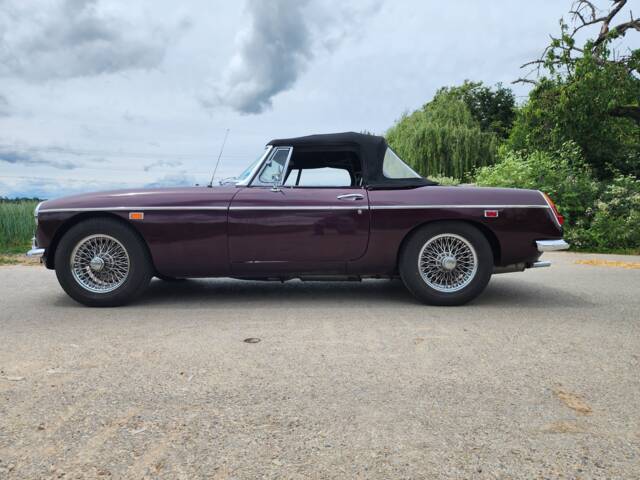
1969 | MG MGB
1969 MG MGB Roadster – US Import, Classic Analytics Condition Grade 3 and Extensive Documentation
Current bid

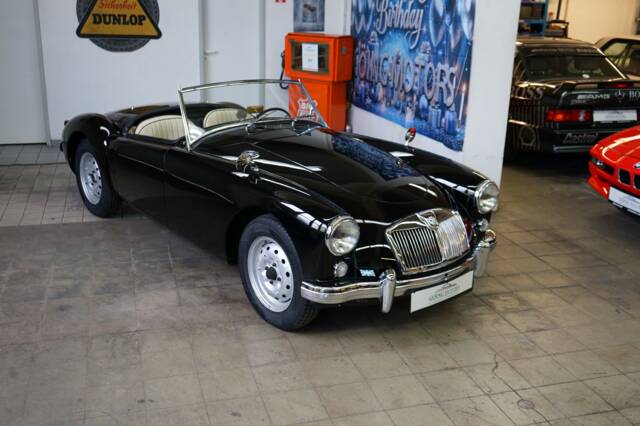
1959 | MG MGA 1500
MG A in great condition
Auctions ending soon

Loading…
Loading…
Loading…
Loading…


1958 | MG MGA 1500
MG MG A 1500

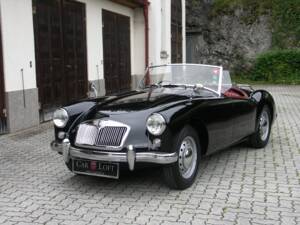
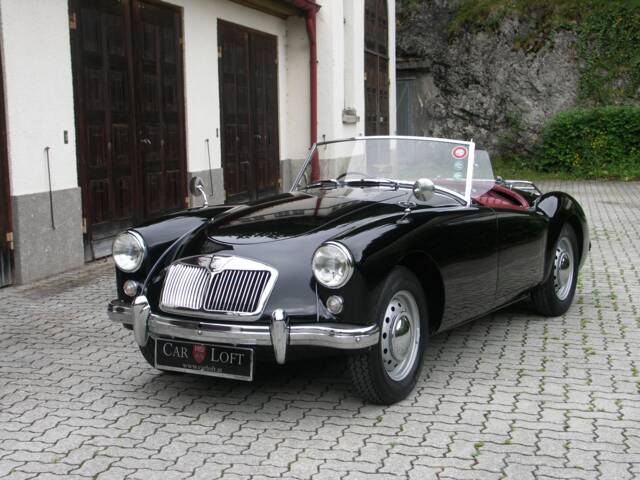
1956 | MG MGA 1500
MG A Roadster in hervorragendem Zustand!

Newsletter
The best MG listings, straight to your inbox
Get hand-picked MG listings, plus the best of cars, motorbikes, and auctions on Classic Trader — all in one place.
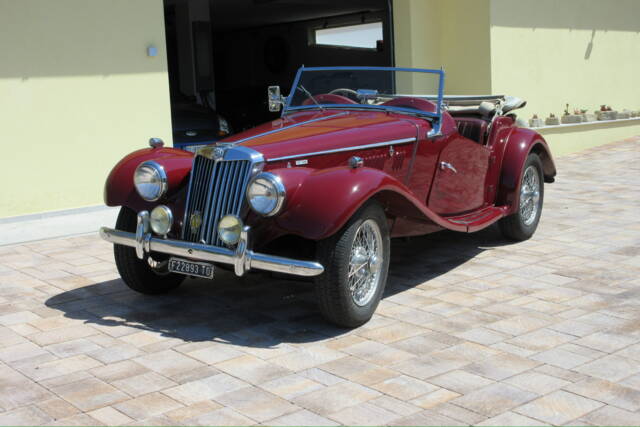
1954 | MG TF 1500
Matching Numbers Complete restoration ASI Mille Miglia eligible

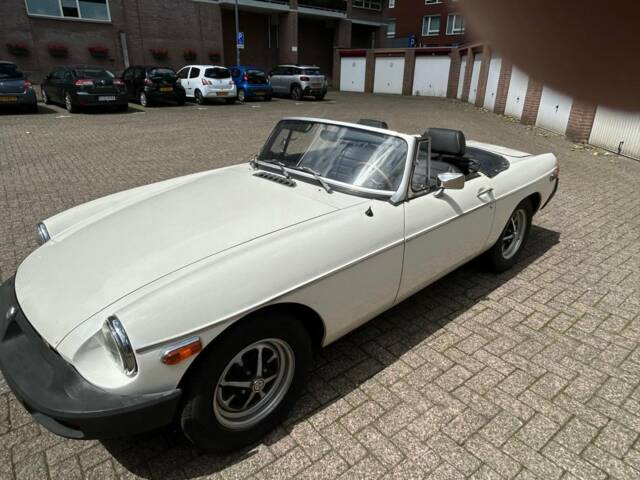
1979 | MG MGB
MG MGB Cabriolet | 1979 | Route 66 Auctions - For sale by auction. Estimate 4800 EUR
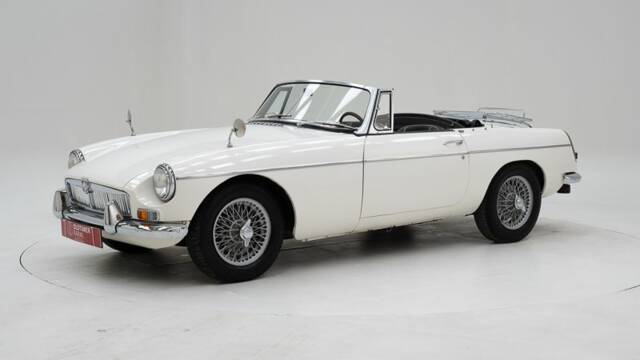
1967 | MG MGB
1967 MG B '67

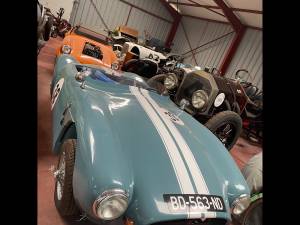
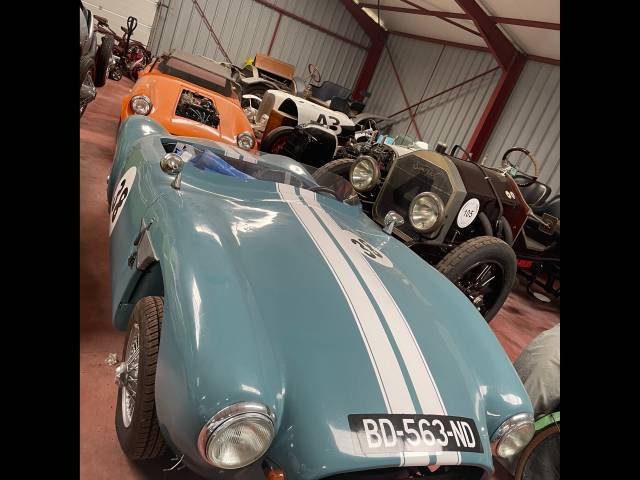
1980 | MG MGB
MG barquette style Le Mans

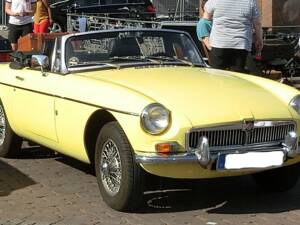
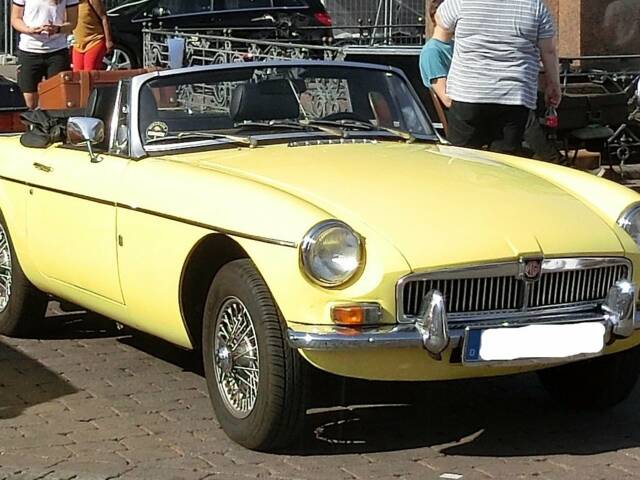
1975 | MG MGB
MG MGB | 1975 | Route 66 Auctions - For sale by auction. Estimate 7200 EUR
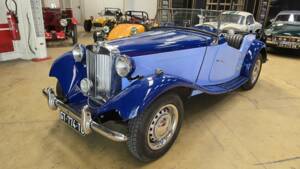
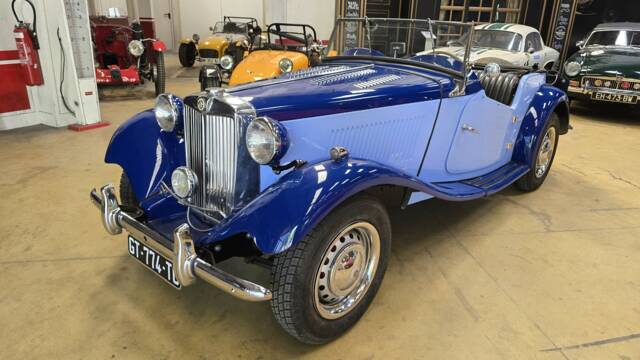
1952 | MG TD
MG TD
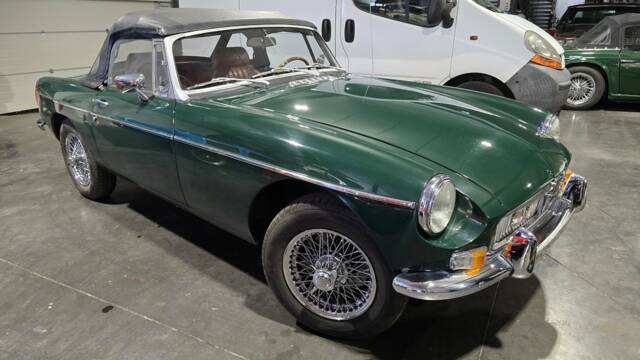
1979 | MG MGB
MG B ROADSTER
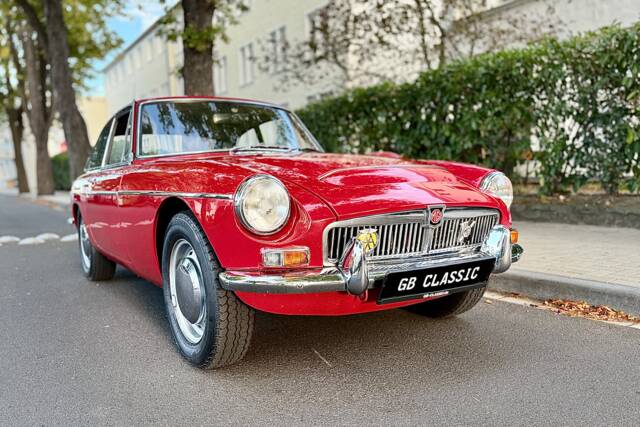
1968 | MG MGC GT
Overdrive
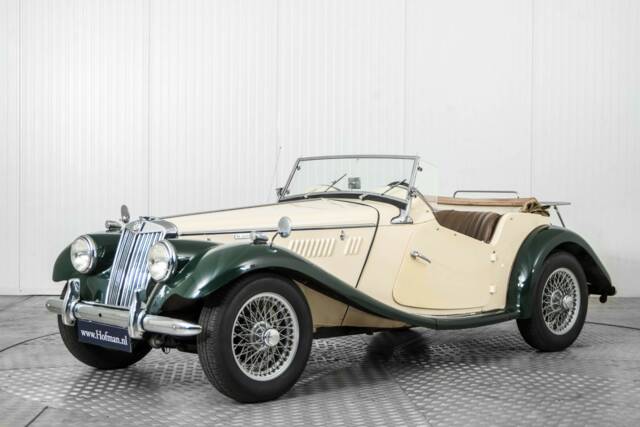
1954 | MG TF
MG TF
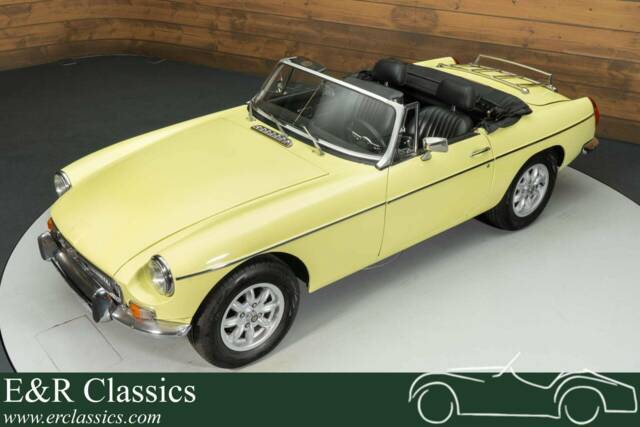
1977 | MG MGB
MG MGB
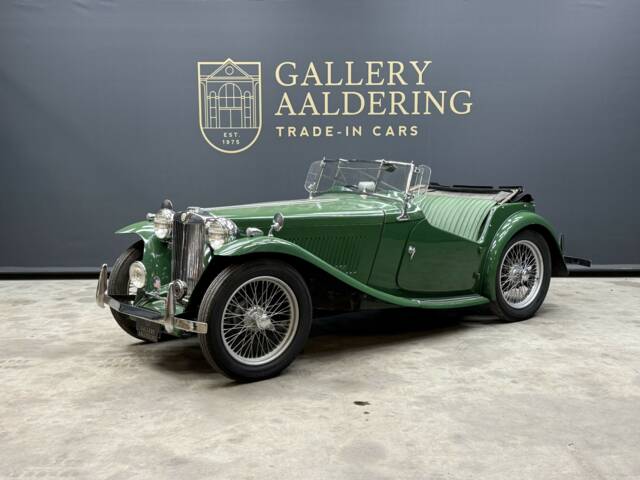
1948 | MG TC
MG TC Roadster "The full BRG experience" "The full BRG experience" - British Racing Green remains the color of choice for open-top British sports cars,A great and manageable project for the winter, According to the "Black plate" dated '63 it had been in California for a long time,"An MG TC is still one of our favorites—it just has the right dimensions",
History and heritage
The MG story begins not with a stand-alone car maker but with Morris Garages in Oxford. William Morris’s retail and service business gave its initials to the octagonal badge, while its energetic general manager, Cecil Kimber, saw an opportunity in making ordinary Morris mechanicals lighter, lower and more sporting. Specials were being sold by the mid-1920s; the marque and its octagon were registered in 1924. The 14/28 Super Sports is generally regarded as the first production MG, and the separate M.G. Car Company was incorporated in 1930.
Kimber’s formula was unusually democratic. A buyer did not need a six-cylinder Bentley or an Italian exotic to own a car that looked purposeful, responded eagerly and could be raced on Sunday. Early M-types, J-types and the six-cylinder Magnettes established that character in trials, hill climbs and international racing. The small M-type Midget of 1928 was crucial: compact, light and relatively affordable, it sold in numbers and introduced many owners to competition. The K3 Magnette subsequently brought works success at the Mille Miglia and in the Tourist Trophy, proof that a modest British concern could compete far beyond its scale.
Abingdon-on-Thames became the marque’s spiritual home after production moved there in 1929. The factory’s mix of practical engineering, competition department ingenuity and close links with owners’ clubs matters to a buyer today. It explains why so many different MGs share useful mechanical ideas, why specialist knowledge remains unusually deep in Britain, and why an MG is often a car to maintain rather than merely store.
The Second World War stopped car production. In 1945 the factory resumed with the TC, a traditional separate-chassis two-seater with cycle wings, a folding screen and a 1,250cc XPAG engine. It was not officially offered in the United States, but servicemen and private importers took it across the Atlantic. That export appetite shaped every later Abingdon sports car. The TD of 1950 adopted independent front suspension and rack-and-pinion steering, and the TF of 1953 gave the familiar upright form a more integrated nose before a decisive change of direction.
That change was the low, enveloping MGA of 1955. Its shape had roots in EX182 Le Mans development cars and made the old T-series look instantly pre-war. It was followed in 1962 by the MGB, a modern monocoque roadster conceived for international volume. Together with the smaller Midget, it made MG a familiar sight on British roads, at club events and in export markets. The B also became the marque’s highest-volume sports car: approximately 513,000 were built in roadster and GT form between 1962 and 1980.
MG was never only a maker of open cars. The 1930s Magnettes offered sophisticated sporting saloons; post-war ZA and ZB Magnettes combined a B-series engine with a spacious, wood-trimmed body; and the Farina Magnettes of 1959–68 offered a more formal family-car interpretation. The 1967 MGC, with its 2,912cc C-series six, was a fast long-distance alternative. In the 1990s the RV8 returned the badge to a V8 roadster, built in limited numbers at British Motor Heritage at Witney before the mid-engined F arrived.
Corporate history was less tidy. MG entered BMC in 1952, then British Motor Holdings and British Leyland. Abingdon closed in 1980, ending conventional MG production there. Later Rover Group and MG Rover periods brought the Maestro, Montego, Z cars and the F/TF. Following MG Rover’s 2005 collapse, Nanjing Automobile acquired the MG assets; Nanjing became part of SAIC Motor in 2007. MG is therefore currently a marque owned by SAIC Motor. That present-day ownership should not be confused with the independent Abingdon company that built the classics, but it has kept the badge active in the UK market.
Why classic MGs matter
A classic MG is appealing because it delivers a clear mechanical conversation. Most popular post-war examples use simple overhead-valve engines, SU carburettors, manual gearboxes and modest dimensions. The driver sits close to the windscreen, hears the induction note and feels load transfer at speeds that remain sensible on a B-road. The recipe is not universal: a pre-war Midget is an intimate vintage machine, a Magnette can carry four adults, and an RV8 is a torque-rich tourer. The common thread is an emphasis on accessible, involving motoring rather than isolation.
Several qualities separate a strong MG purchase from a merely shiny one:
- Provenance is usable evidence. A Heritage Certificate, original buff log book, factory build date, matching chassis and engine numbers, old MOTs and dated restoration photographs help establish what is being offered. A V5C alone is not a restoration record.
- Body integrity comes first. MG values are sensitive to corrosion repair quality. New paint, fresh underseal and smart panel gaps can conceal structural work; invoices, photographs and inspection of the underside are worth far more.
- The club network is a practical asset. The MG Car Club, MG Owners’ Club, registers and marque specialists support technical advice, concours knowledge and parts supply. This is particularly valuable for first-time owners who intend to drive rather than outsource every job.
- Period specification usually protects liquidity. Sensible safety or usability upgrades can suit a touring car, but a car advertised as original should retain the correct engine family, body structure and character. A modified car needs equally good documentation of the conversion.
The marquee examples are deliberately different. A TA or TC offers pre-war theatre and hands-on touring; the streamlined 1950s roadster has a lighter, airier feel; the B is easy to live with and has enormous support; a ZB Magnette gives a four-door route into the same club culture; and an RV8 offers a modernised expression of the open MG. Looking across those types is more useful than assuming every octagon-badged car delivers the same experience.
MG’s competition reputation is not an afterthought. The EX-series endurance cars, record attempts at Bonneville and John Thornley’s competition-minded Abingdon culture fed back into what owners bought. The famous “Safety Fast!” motto captures the contrast: these were not luxury cars, but cars intended to be driven briskly and competently. On a good example, the appeal is still immediate.
Technical data: representative MGs
The figures below are representative factory specifications. Export versions, optional axle ratios, competition derivatives and later modifications can alter a particular car; check the chassis plate, Heritage evidence and build record rather than relying on a badge alone.
Pre-war cars demand a more exact approach to numbers. MG changed specifications frequently, and period catalogues may quote RAC horsepower rather than the later brake-horsepower convention. Conversely, a 1970s car may have lower quoted output because of emissions equipment, not because it is necessarily less enjoyable. For any advertised high-performance variant, establish whether it is a genuine factory specification, a period conversion or a later recreation.
Market overview and buying tips
The UK is the natural place to assess a classic MG. It has the largest pool of right-hand-drive home-market cars, experienced restorers, active registers and a mature supply of service items, trim and body repair panels. It also has damp roads, winter salt and decades of enthusiastic home repairs. Condition and evidence outweigh odometer mileage on almost every classic MG.
Recent auction results show the breadth of the market rather than one universal price. At Historics in March 2025, a usable 1960 MGA Roadster sold for £13,000. At H&H’s July 2024 sale, a no-reserve 1959 MGA fitted with a later 1,800cc engine and automatic transmission made £9,900 including premium; its non-standard drivetrain and recommissioning need are important context, not a benchmark for an original car. At Bonhams Goodwood in September 2024, a documented, UK-delivered 1959 Twin Cam with period rally history achieved £34,500 including premium. It demonstrates the premium attached to rarity, competition history and a convincing file.
More everyday MG evidence is equally useful. Anglia Car Auctions recorded £7,020 including premium for a 1974 chrome-bumper MGB Roadster in April 2025, while H&H sold a particularly original, 19,000-mile 1974 MG Midget 1275 for £8,719 including premium that same month. A 1955 Magnette ZA, extensively restored and modified with an 1,800cc engine and five-speed gearbox, sold through Evoke Classics for £14,484 in May 2025; an honest 1957 ZB Magnette sold at Anglia for £5,940 including premium in November 2025. These are completed sales, not asking prices, and they underline why specification, history, originality and presentation must accompany every price comparison.
As a practical rule, set aside a reserve after purchase. A low-priced car with corroded sills, poor door fit, hidden chassis repairs, tired cooling or an undocumented engine swap can cost more than a sound, dearer example. A professional pre-purchase inspection by an MG specialist is sensible, especially for a first classic or an imported car.
What to inspect across the marque
Start with identity. Compare the chassis number on the car, V5C, Heritage Certificate and invoices. On an imported car, confirm that the foreign title, customs paperwork and chassis number agree exactly. Look for the correct body style, engine family and period fittings; this is especially important where a desirable version can be imitated with trim, wheels or a later engine.
Then inspect structure on a lift. On separate-chassis cars, examine every rail, crossmember, spring hanger, front suspension mounting and body-to-frame fixing. Fresh black coating is not proof of sound metal. On monocoques, inspect sills from inner to outer structure, castle rails, floor edges, A-posts, B-posts, battery boxes, boot floor, rear spring mounts and front valance areas. Check that doors shut without being lifted, that panel gaps are consistent and that jacking points have not been used to disguise weakness. Water leaks from hoods and windscreen seals can quietly damage floors and trim.
Mechanical checks should be calm and methodical. A cold engine should start without excessive smoke or alarming knocks. Look for stable oil pressure once warm, clean coolant, no persistent overheating in traffic and no emulsified oil. SU carburettors can be set up beautifully, but rough running may also conceal worn spindles, ignition faults or weak compression. The B-series is robust when serviced, while scarce or specialist powerplants deserve marque-specific advice before money changes hands. Test clutch take-up, synchro operation, overdrive engagement where fitted, axle noise on overrun, steering play, brakes and handbrake operation. Original drum systems can be entirely serviceable when correctly maintained; modern road use simply demands realistic following distances.
Do not dismiss modifications automatically. Alternators, electronic ignition, improved cooling, radial tyres, brake upgrades and five-speed conversions can make a touring car more relaxed. They can also affect historic status, insurance, resale and originality. Ask who performed the work, why, whether original parts accompany the car, and whether it was declared to the insurer. An altered chassis, body, axle or engine installation may be relevant to the UK Vehicle of Historic Interest declaration, so obtain informed advice rather than accepting “MOT exempt” as a condition report.
UK registration, tax and importing
For a UK-registered car, use the DVLA vehicle enquiry service and the MOT history as useful starting checks, then match them to the physical vehicle and documents. A car may be eligible for the historic vehicle tax class from 1 April once it is more than 40 years old under the rolling rule. As at the 2026/27 cycle, a vehicle built before 1 January 1986 can be exempt from vehicle tax; it must still be taxed, insured and registered. Eligibility is not automatic proof of roadworthiness.
An MOT exemption normally applies only when the vehicle is more than 40 years old and has not had substantial changes during the previous 30 years. The owner remains responsible for keeping it roadworthy. For that reason, many careful owners voluntarily obtain an annual MOT: it gives an independent brake, suspension and corrosion check, and a useful record for the next buyer. A Q-registered vehicle, kit conversion or car with major recent structural change needs particular care; do not make a VHI declaration unless it is true.
If importing an MG permanently into Great Britain, tell HMRC through NOVA within 14 days, settle any VAT and duty due, and wait for NOVA to be processed before seeking DVLA registration. DVLA requires the appropriate application, evidence of age, original foreign registration document where available, identity/approval evidence as applicable, the registration fee and vehicle tax. A recognised owners’ club or manufacturer heritage record may help establish a manufacture date if original overseas documentation is incomplete. Import charges depend on the car’s origin, value and eligibility; a qualifying collector’s vehicle can attract a reduced 5% import VAT rate, but buyers should verify their own transaction with HMRC or a customs professional before bidding. Never treat an auctioneer’s general note as a substitute for a confirmed customs calculation.
The driving feel
At modest speed, an MG can make a familiar route feel like an event. The early cars ask for participation: a tall, thin-rimmed wheel, upright seating, a long gear lever and exposed weather gear make even a short run tactile. A TC is not a motorway commuter; it is a sunny-morning machine whose steering, brakes and narrow tyres reward anticipation. Its charm comes from using the controls properly rather than trying to drive it like a modern hatchback.
The post-war sporting cars bring a lower seating position and greater confidence. The 1950s roadster feels light on its feet, with the windscreen low enough that the scenery seems to arrive faster than the speedometer suggests. The B has a broader, more planted gait and, in overdrive form, makes an easy cross-country companion. A well-sorted GT adds weather protection and useful luggage space without losing the directness that made the open car popular.
The saloons offer a different pleasure. A Magnette’s wood, leather and upright glasshouse suggest an English club room, yet the B-series engine and rack-and-pinion steering make it more alert than the appearance promises. An RV8, meanwhile, changes the soundtrack entirely: torque arrives early, the five-speed gearbox gives it long legs and the car suits a brisk continental tour. There is no single “MG feel”; there is a family resemblance in honest controls, modest size and a willingness to involve its driver.
For any test drive, let the car fully warm through. Check that it tracks straight, that it does not pull under braking, that temperature remains stable at idle and that the gearbox behaves consistently after a few miles. Listen with the hood up and down. A classic MG need not be silent, but it should not require excuses.
Design and coachwork
MG design evolved from purposeful coachbuilt tradition to clean international modernity. The earliest cars show separate wings, upright radiators and exposed spare wheels because that was the language of sporting motoring in the 1920s and 1930s. Their charm lies in proportion and function: narrow bodies, low seating and wheels pushed towards the corners. They look ready for a trial before the engine is started.
The T-series retained that visual vocabulary after the war, deliberately selling a romantic British roadster image to export customers. The MGA replaced it with a smooth, low envelope body influenced by racing aerodynamics; its lack of decorative clutter remains one reason it photographs so well. The MGB’s monocoque structure allowed a simple waistline, low scuttle and practical cockpit. Pininfarina’s GT roofline gave the closed car an elegant, genuinely useful profile rather than the appearance of an afterthought.
Saloons are worth viewing on their own terms. The ZA/ZB’s restrained three-box body and separate grille mix post-war formality with sporting intent. The later Farina bodies were shared with other BMC products, but MG details, twin-carburettor performance and interior trim created their own character. The RV8 consciously quoted the old roadster in its grille and stance while adopting broader arches, modern lighting and a V8-sized appetite for open-road touring.
Original colours, hood material, wheel type, badges and interior trim contribute materially to credibility. A repaint in an attractive non-original colour is not inherently wrong, yet a buyer should establish whether the price assumes concours originality or simply a well-finished usable restoration. Close photographs of shut lines, underside, hood frame and interior wear tell more than a glossy three-quarter image.
Competition, community and ownership
MG’s owner community is part of the ownership proposition. Local natter nights, registers, track days, touring events and spares days make it easier to learn a car’s quirks and find a specialist. The factory itself encouraged this relationship: John Thornley was involved with the MG Car Club before becoming MG’s general manager, and Abingdon competition activity was unusually connected to enthusiastic private owners.
The marque’s motorsport record spans pre-war racing, rallies, record attempts and club competition. The K3 Magnette’s 1933 Mille Miglia class success, the EX endurance cars at Le Mans and later Sebring and Bonneville efforts all reinforce the same point: MG did not need maximum horsepower to be credible. It relied on low weight, preparation and determined drivers. A car with genuine period competition history, FIA papers or old photographs deserves specialist verification, but it can be a compelling route into historic events.
Ownership is at its best when expectations fit the car. Keep a battery conditioner on a garaged vehicle, use ethanol-aware fuel-system components where appropriate, exercise brakes and hydraulics, and remedy small leaks before they become corrosion. Drive it regularly enough to identify changes, but avoid using a salt-season roadster as disposable transport. Thorough records of servicing, parts, photographs and mileage will improve both enjoyment and future saleability.
Summary
A classic MG is not one car but a long-running British idea: light, sociable, mechanically direct and enjoyable at real-road speeds. From an early Midget or TC to a sporting saloon, 1950s roadster, practical GT or V8 tourer, there is an MG for very different kinds of owner.
Buy the soundest, best-documented example your budget permits. Prioritise structure, identity, a credible history file and a careful inspection over fresh paint or a tempting headline price; then understand the DVLA, historic-tax and NOVA position before committing. Find classic MG offers on Classic Trader and choose the octagon-badged car that you will want to maintain, drive and share with the club community.