- Motorcycle
- Moto Guzzi (40 offers)
Buy Moto Guzzi Motorcycle
For over a century, Moto Guzzi has crafted motorcycles in Mandello del Lario that blend Italian soul with engineering defiance. From the iconic transverse V-twin to the legendary Le Mans, find a machine that offers more than just a ride.
Search results
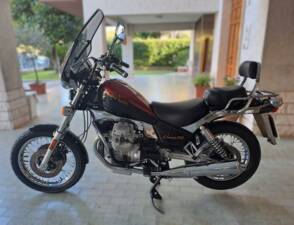
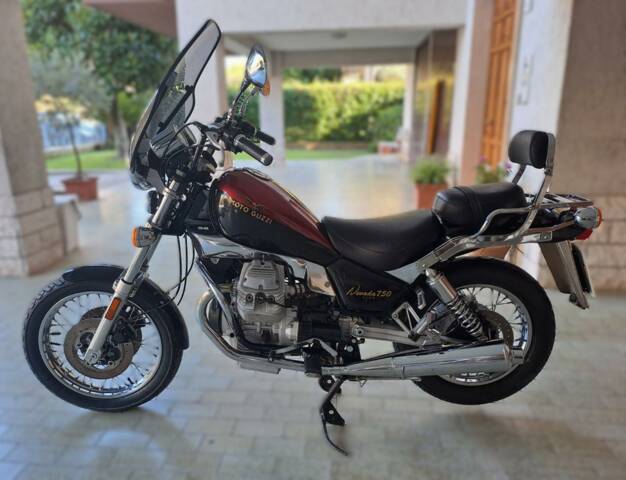

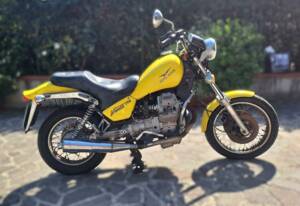
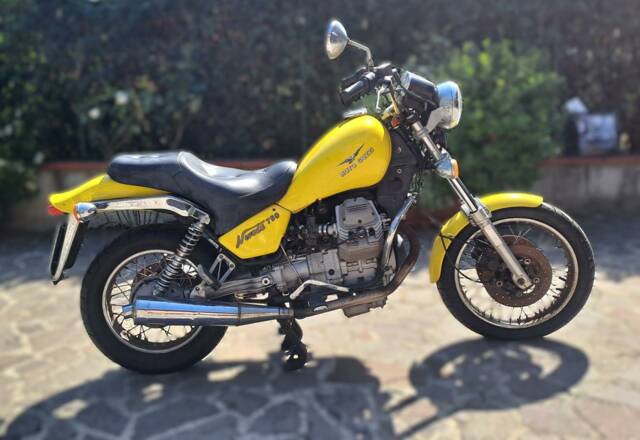
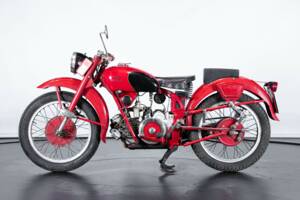
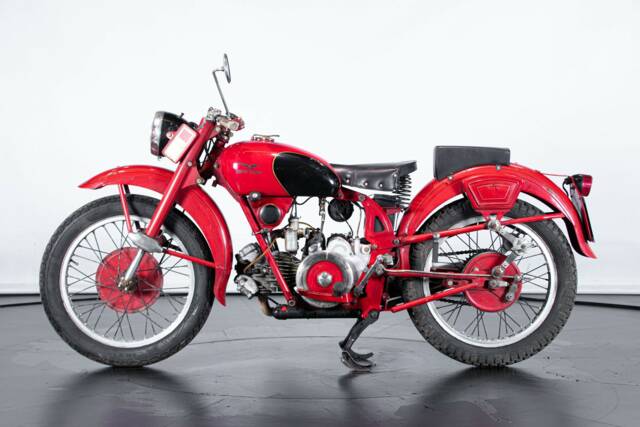
1950 | Moto Guzzi 250 SS
Moto Guzzi AIRONE SPORT 250
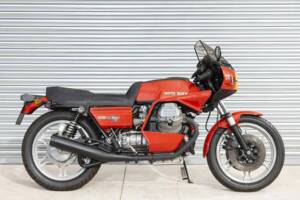
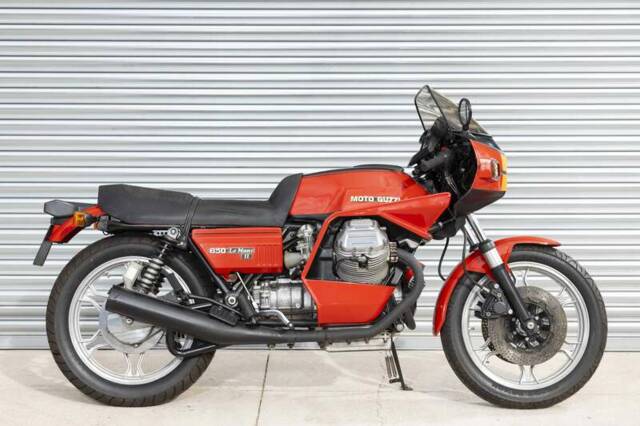
1980 | Moto Guzzi 850 LeMans II
1980 Moto Guzzi Le Mans II 844cc

Newsletter
The best Moto Guzzi listings, straight to your inbox
Get hand-picked Moto Guzzi listings, plus the best of cars, motorbikes, and auctions on Classic Trader — all in one place.
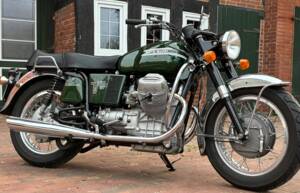
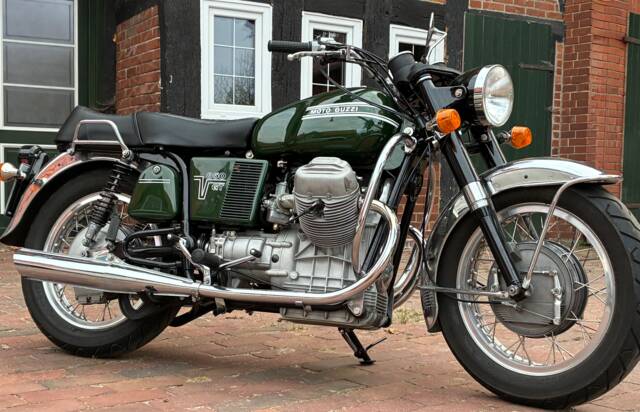
1974 | Moto Guzzi 850 GT
rebuilt

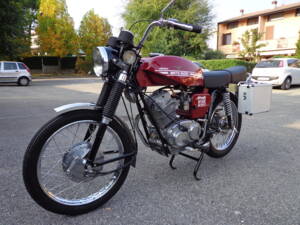
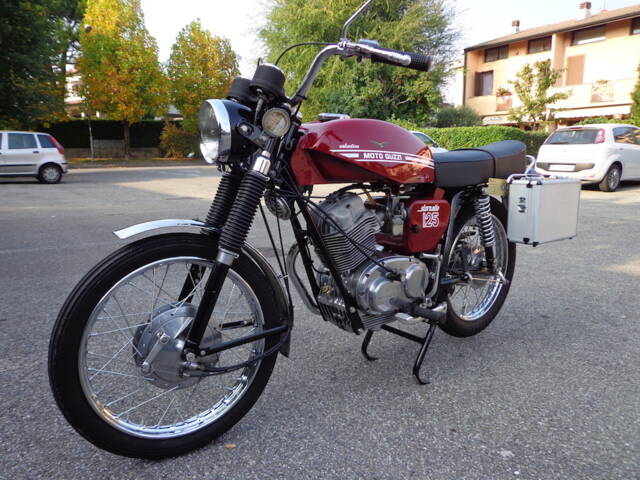
1961 | Moto Guzzi Stornello 125
RESTORED LIKE NEW !!
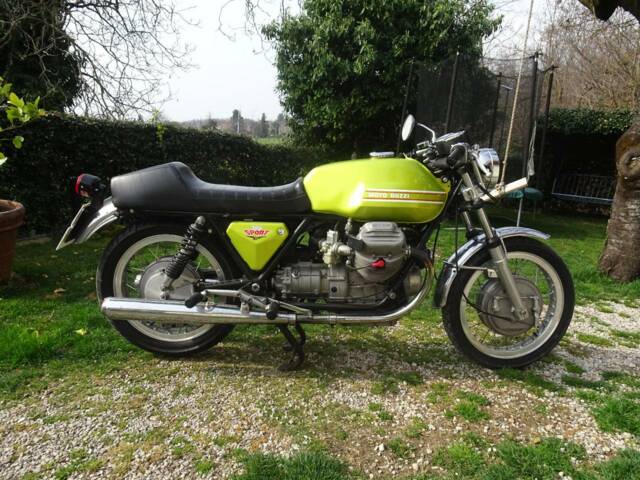
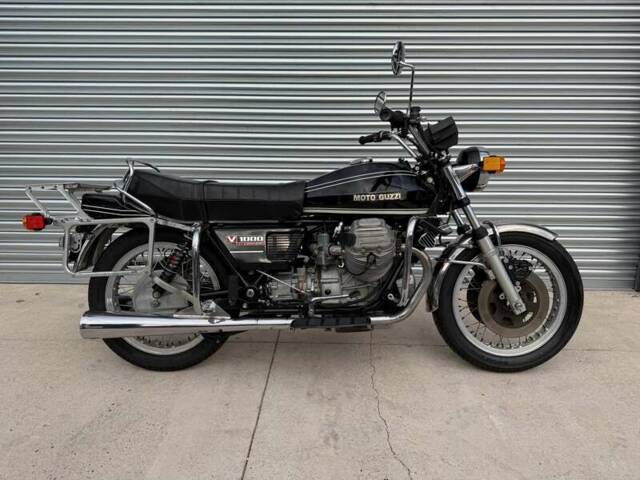
1979 | Moto Guzzi V 1000 I-Convert
1979 Moto Guzzi V 1000 I-Convert 949cc ♢
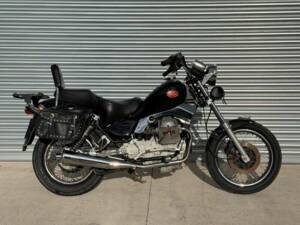
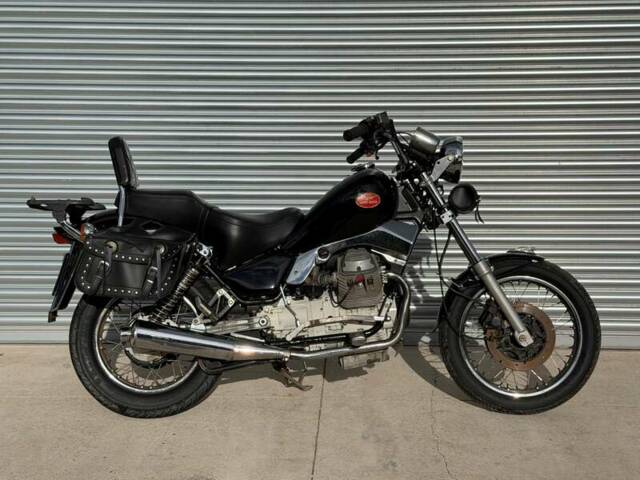
1992 | Moto Guzzi Nevada 350
1992 Moto Guzzi Nevada 350 346cc ♢
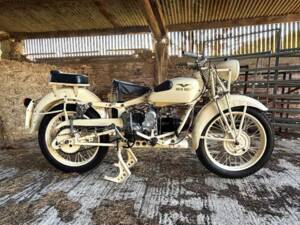
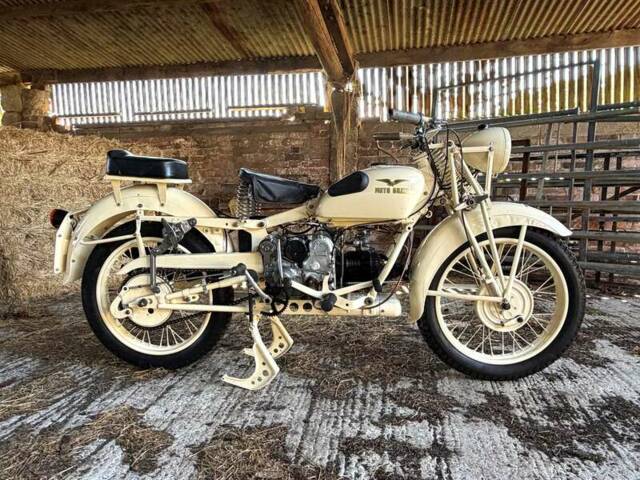
1945 | Moto Guzzi Alce
1945 Moto Guzzi Alce 500cc
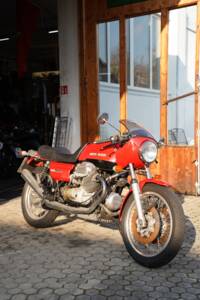
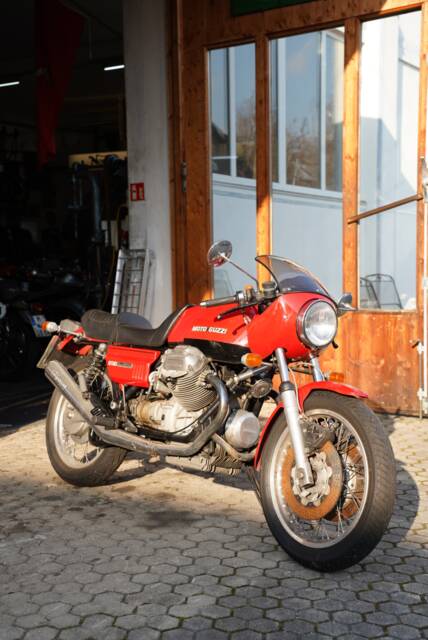
1978 | Moto Guzzi 850 LeMans
Series 2
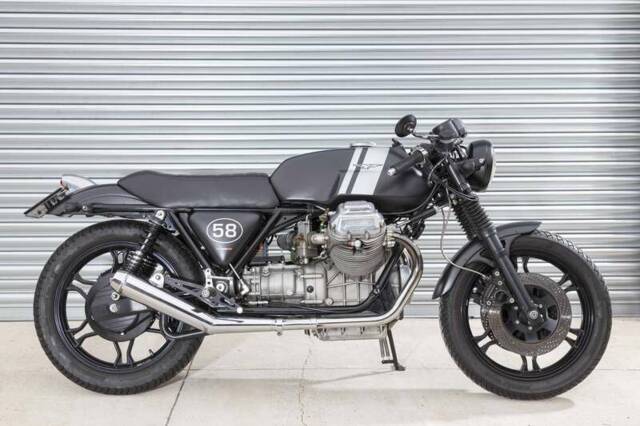
1981 | Moto Guzzi 1000 SP
1982 Moto Guzzi Spada Café Racer 949cc
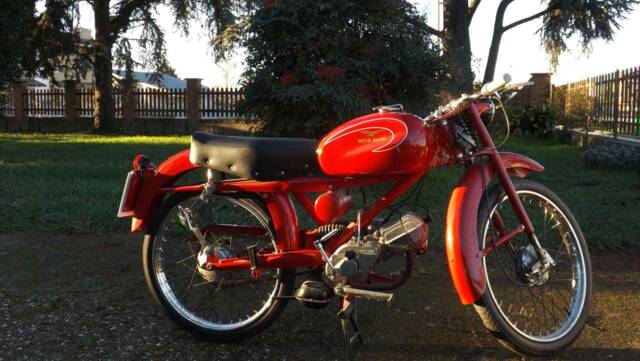
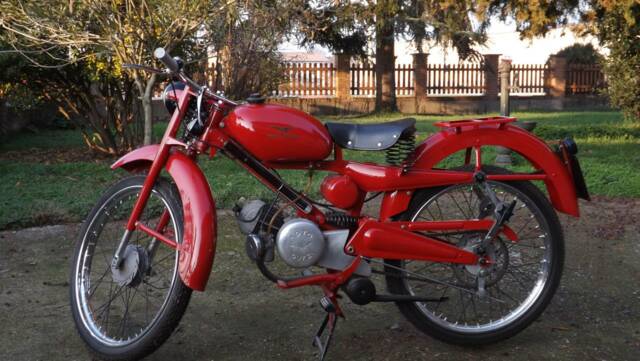
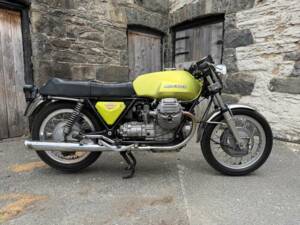
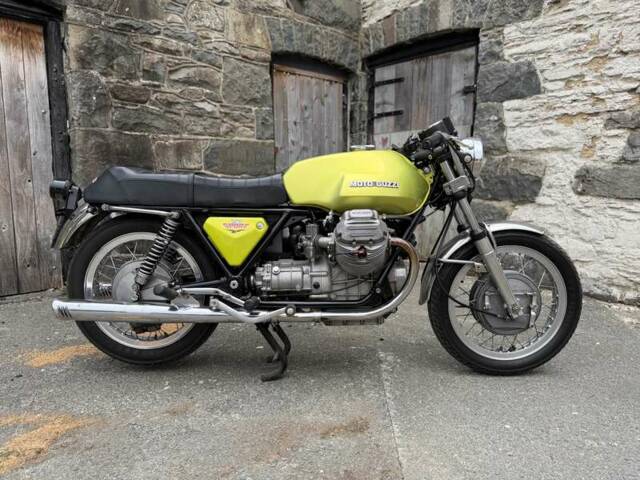
1973 | Moto Guzzi V7 Sport
1973 Moto Guzzi V7 Sport 749cc
History & Heritage
The story of Moto Guzzi is one of the most romantic and enduring in the world of motorcycling. Founded in 1921 in Mandello del Lario on the shores of Lake Como, the brand was the brainchild of three friends who served together in the Italian Air Corps during World War I: Carlo Guzzi, Giorgio Parodi, and Giovanni Ravelli. Tragically, Ravelli was killed in a plane crash just days after the war ended. In his honour, the surviving partners adopted the spread-winged eagle as the company's logo—a symbol that remains a badge of pride for every "Guzzista" today.
The first production model, the Normale, debuted in 1921 with a 500cc horizontal single-cylinder engine. It was an immediate success, setting the stage for decades of engineering innovation. By 1924, Moto Guzzi was already winning European championships, and the brand soon became the largest motorcycle manufacturer in Italy. During the 1930s, models like the G.T. Norge (named after the airship that flew over the North Pole) proved the reliability of Guzzi's designs, featuring a revolutionary rear suspension system that allowed it to traverse the toughest terrains.
Post-World War II, Moto Guzzi focused on affordable mobility with the Guzzino and Cardellino, but it was the Falcone 500 (1950-1967) that cemented the brand's reputation for robustness. The Falcone became the standard-issue machine for the Italian police and military, known for its "bacon slicer" external flywheel and unburstable nature. Between 1935 and 1957, Moto Guzzi was a dominant force in Grand Prix racing, securing 14 World Championships and over 3,300 race wins. This racing pedigree is woven into the DNA of every sporting Guzzi that followed.
The most significant turning point came in 1967 with the introduction of the V7. Designed by Giulio Cesare Carcano, the V7 featured a 90-degree transverse V-twin engine with a longitudinal crankshaft. This unique architecture, originally developed for a military trike, became the defining characteristic of the brand. Under the guidance of legendary engineer Lino Tonti, the V7 evolved into the V7 Sport in 1971—a machine that many consider the first true Italian superbike.
In the UK, Moto Guzzi found a dedicated following. While the Mod culture of the 1960s was primarily associated with Italian scooters like Vespa and Lambretta, the arrival of the V7 and later the 850 Le Mans (1976) appealed to those who wanted Italian style on a grander, more powerful scale. The Le Mans, named after the famous 24-hour endurance race, became a cult classic in Britain, offering a blend of high-speed stability and mechanical charisma that few British or Japanese bikes could match. Today, under the ownership of the Piaggio Group, Moto Guzzi continues to thrive, blending its rich heritage with modern technology in models like the V7 IV and the adventure-ready V85 TT.
Highlights & Key Models
What sets a Moto Guzzi apart is its refusal to follow the crowd. The transverse V-twin is not just an engine; it is a sculptural centerpiece. With the cylinders protruding into the air stream, cooling is exceptional, and maintenance—such as adjusting valve clearances—is refreshingly straightforward. The shaft drive (often using the CARC system on later models) eliminates the mess and maintenance of a chain, providing a smooth and reliable transfer of power to the rear wheel.
The V7 Sport (1971-1974) remains one of the most sought-after collector bikes. With its "Tonti frame" that wrapped tightly around the engine, it offered handling that was years ahead of its time. The "Verde Legnano" (Legnano Green) paintwork and red frame of the early "Telaio Rosso" models are now the stuff of legend, with prices reflecting their rarity.
The 850 Le Mans Mk I (1976-1978) is perhaps the ultimate expression of the Guzzi sporting spirit. It featured an integrated braking system (where the foot pedal operated one front disc and the rear disc), three Brembo discs, and a distinctive bikini fairing. Only 6,245 units of the Series 1 were produced, making it a blue-chip investment for any collector.
For those who prefer a more relaxed pace, the California series (starting in 1972) defined the Italian cruiser. Originally developed for the Los Angeles Police Department (LAPD), the California offered a unique alternative to American V-twins, combining long-distance comfort with Italian handling. It remains a favourite for touring enthusiasts who appreciate its "footboard and windshield" aesthetic.
The Falcone represents the pinnacle of Guzzi's single-cylinder era. Its horizontal layout and massive external flywheel give it a rhythmic, low-revving character that is incredibly addictive. Whether in "Sport" or "Turismo" trim, the Falcone is a testament to the longevity of Guzzi engineering.
In more recent years, the Daytona 1000 (1992-1997) and the V11 Sport (1999-2005) have become modern classics. The Daytona, with its four-valve heads and fuel injection, was a high-tech beast, while the V11 Sport returned to the brand's café racer roots with its muscular stance and exposed mechanicals.
Technical Data
The following table provides an overview of the key specifications for some of the most important Moto Guzzi models throughout history:
Note: OHV = Over Head Valve, DOHC = Double Over Head Camshaft. All V-twin models from 1967 onwards feature a longitudinal crankshaft and shaft final drive.
Market Overview & Buying Tips
The market for classic Moto Guzzis in the UK is vibrant, supported by a knowledgeable community and specialist dealers. Prices have seen a steady increase over the last decade, particularly for the "holy trinity" of Guzzi collecting: the V7 Sport, the Le Mans Mk I, and the early Falcone.
Current Market Prices (2024-2025 Estimates):
- V7 Sport (1971-1974): Expect to pay between £15,000 and £25,000 for a good, usable example. Exceptional "Telaio Rosso" models can exceed £35,000 at auction.
- 850 Le Mans Mk I (1976-1978): Prices for a well-maintained Mk I range from £10,000 to £18,000. Later Mk II and Mk III models are more affordable, typically found between £4,500 and £8,500.
- Falcone / Airone (1950s-1960s): A restored Falcone Sport will cost between £8,000 and £15,000. These are rare in the UK and often imported from Italy.
- California Series: Early California II and III models are excellent value, often priced between £3,500 and £7,000. They make fantastic, characterful touring bikes.
- Modern Classics (V11 Sport / Centauro): These are currently in a "sweet spot" for buyers, with prices ranging from £4,000 to £7,500. They offer a more modern riding experience while retaining the classic Guzzi soul.
What to Look for When Buying:
- The "Guzzi Rock": When you blip the throttle at a standstill, the bike should lean slightly to the right. This is the torque reaction of the longitudinal crankshaft. If it doesn't do this, it's not a Guzzi!
- Shaft Drive Play: Lift the rear wheel and check for excessive play in the final drive. More than 5mm of movement at the rim can indicate worn splines or bearings, which can be expensive to rectify.
- Electrics: Older Guzzis (pre-1980) often have weak charging systems. Check the condition of the wiring harness and the fuse box for corrosion. Many owners upgrade to modern regulators and electronic ignition for better reliability.
- Oil Leaks: While Guzzis are generally robust, look for leaks at the cylinder base gaskets and the rear main seal. A small amount of "sweating" is common, but puddles are a red flag.
- Matching Numbers: For high-end collectors, ensuring that the engine and frame numbers match the factory records is crucial for value. Documentation from the Moto Guzzi Club GB or the factory museum can add significant value.
Parts Availability: Parts for models from the 1970s onwards are surprisingly easy to find. Specialists like Teo Lamers in the Netherlands and various UK-based suppliers keep a good stock of service items and major components. Parts for pre-1970 singles are more challenging and may require sourcing from Italian specialists or autojumbles.
Performance & Riding Experience
Riding a Moto Guzzi is a visceral, multi-sensory experience. It begins the moment you thumb the starter. The big V-twin thumps into life with a rhythmic cadence that you feel in your chest. As you engage the dry clutch—which has a distinct, mechanical "clack"—and click the gearbox into first, you realise this is a machine that requires a deliberate hand.
On the move, the Guzzi reveals its true character. The engine's torque is immense, pulling strongly from low revs with a soulful growl from the exhausts. The handling, especially on Tonti-framed models, is remarkably stable. These bikes were designed for the high-speed sweepers of the Italian autostrada and the challenging curves of the Alps, and they feel planted and secure at speed.
The "Guzzi Rock" mentioned earlier becomes a part of the riding rhythm. As you downshift and blip the throttle for a corner, the bike gives a little shimmy, reminding you of the massive rotating mass beneath you. It’s not a flaw; it’s a conversation between man and machine. The braking on models with the integrated system takes some getting used to, but once mastered, it provides a balanced and effective way to shed speed.
For the long-distance rider, a Guzzi like the California or the V85 TT offers a level of comfort and "legs" that few other classics can match. You can settle into a 70 mph cruise and watch the miles disappear, the engine humming contentedly at 4,000 rpm. It is a machine that encourages you to take the long way home, to explore the B-roads of the Cotswolds or the Highlands, always with that reassuring V-twin pulse as your soundtrack.
Design & Aesthetics
Moto Guzzi design has always been driven by engineering logic, yet it consistently achieves a level of aesthetic beauty that is uniquely Italian. The decision to place the V-twin across the frame was a functional one—to get the cylinders into the air—but it created a visual signature that is instantly recognisable from a mile away.
The V7 Sport is a masterclass in minimalist design. Every component is tucked in tight, creating a silhouette that is lean and purposeful. The low-slung handlebars and rear-set footpegs give it a classic café racer stance that has been imitated by countless manufacturers but never quite equalled.
The Le Mans took this aesthetic and added a layer of 1970s aggression. The sharp lines of the fairing, the bold colour schemes, and the blacked-out engine components spoke of a machine built for speed. It was a design that looked fast even when standing still, a quality that made it a favourite of the Mod-influenced "style-conscious" riders in London's West End.
In the UK, the Mod culture connection is particularly interesting. While the original Mods of the early 60s were all about the small-capacity Italian scooters, the "Second Wave" and the subsequent "Mod Revival" of the late 70s saw a shift. As the original Mods grew up, many looked for larger machines that still carried that "Made in Italy" prestige. A Moto Guzzi V7 or Le Mans offered the perfect upgrade—it was Italian, it was stylish, and it had a level of mechanical sophistication that set it apart from the "greaser" bikes of the era.
Even the cruisers, like the California, avoid the "chrome-heavy" clichés of their American counterparts. Instead, they offer elegant lines, beautifully crafted leather seats, and a sense of "Grand Tourer" sophistication. Whether it’s the exposed flywheel of a Falcone or the high-tech swingarm of a modern Griso, a Moto Guzzi is always a piece of industrial art.
Other: Racing, Culture & The UK Scene
Moto Guzzi's racing history is the stuff of legend. Perhaps the most famous example of their engineering audacity is the 500cc V8 racing bike of 1955. With eight tiny cylinders, four camshafts, and eight carburettors, it was a mechanical marvel that could reach speeds of 175 mph—in an era when most bikes struggled to hit 120. While it was too complex to achieve consistent championship success, it remains a symbol of Guzzi's "no limits" approach to engineering.
In the UK, the Moto Guzzi Club GB is the heart of the community. Established in 1976, it is one of the oldest and most active one-make clubs in the country. With over 3,000 members and dozens of local branches, it provides a wealth of knowledge, spare parts advice, and social events. The annual "V-Twin Rally" is a highlight of the British motorcycling calendar, bringing together hundreds of Guzzis from across Europe.
The brand's presence in pop culture is also significant. While it may not have the Hollywood exposure of a Harley-Davidson, it has a "connoisseur's" appeal. Famous owners like Ewan McGregor (who is a brand ambassador and avid collector) have helped bring the brand to a wider audience, highlighting its blend of adventure and style.
The Mod culture reference is more than just a footnote. In the UK, the "Italian connection" has always been a mark of cool. Just as a tailored Italian suit or a pair of handmade shoes was the uniform of the Mod, an Italian motorcycle was the ultimate accessory. Moto Guzzi, with its factory in Mandello del Lario and its deep roots in Italian history, provided the perfect mechanical expression of this aesthetic. It was a bike for the individualist, for the rider who valued substance as much as style.
Summary
To own a Moto Guzzi is to become part of a century-old tradition of engineering excellence and Italian passion. It is a brand that has survived economic turmoil, changing fashions, and the onslaught of mass-produced competition by staying true to its core values. The transverse V-twin, the shaft drive, and the unmistakable eagle logo are more than just features; they are the soul of the machine.
For the collector, models like the V7 Sport and the Le Mans Mk I offer a blue-chip investment that is as rewarding to ride as it is to look at. For the enthusiast, a California or a V11 provides a characterful and reliable way to experience the joy of classic motorcycling. And for the newcomer, the modern V7 and V85 ranges offer a perfect entry point into the world of Italian bikes, combining heritage with everyday usability.
Whether you are drawn by the racing history, the unique engineering, or the "Italian cool" that resonated so strongly with the British Mod culture, Moto Guzzi offers a riding experience like no other. It is a machine that demands respect, rewards skill, and never fails to put a smile on your face. Find your perfect Moto Guzzi on Classic Trader today and discover why the eagle of Mandello continues to soar.