- Motorcycle
- Horex (1 offer)
Buy Horex Motorcycles
Classic German engineering meets post-war elegance in the legendary Horex Regina and the rare Imperator twin. Discover the refined torque of Bad Homburg's finest singles and twins today.
Search results
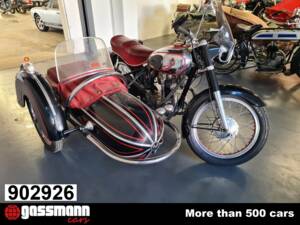
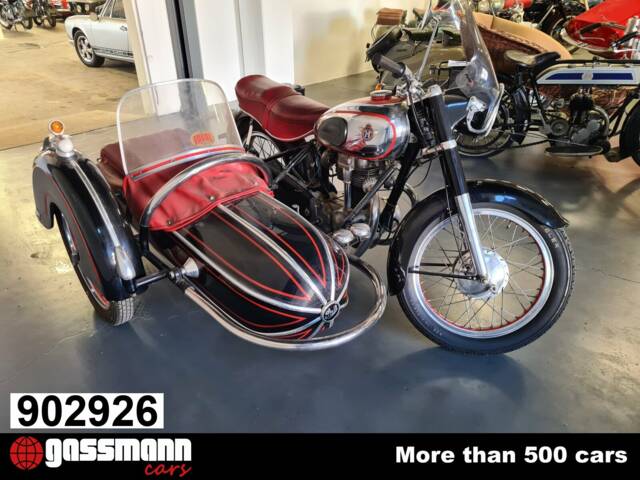
1954 | Horex Regina 400
Regina 400 mit Steib Beiwagen - Restauriert

Horex listing references from Classic Trader
Below you will find listings related to your search that are no longer available on Classic Trader. Use this information to gain insight into availability, value trends, and current pricing for a "Horex" to make a more informed purchasing decision.
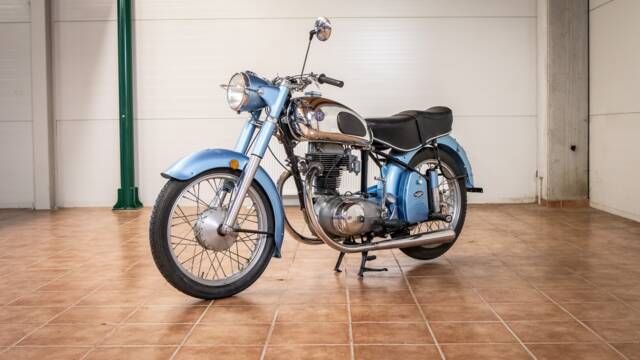
1954 | Horex Regina 400
Representative of the classic Horex generation

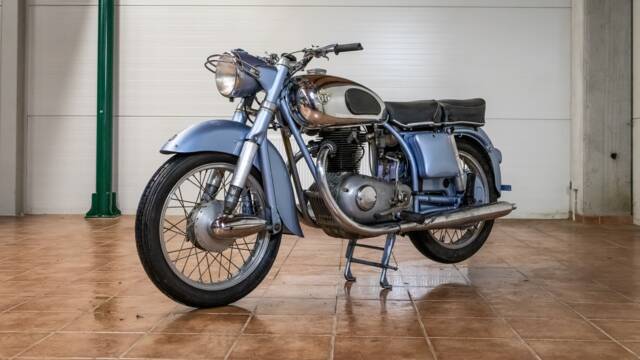
1958 | Horex Resident 350
Part of the classic Horex motorcycle era
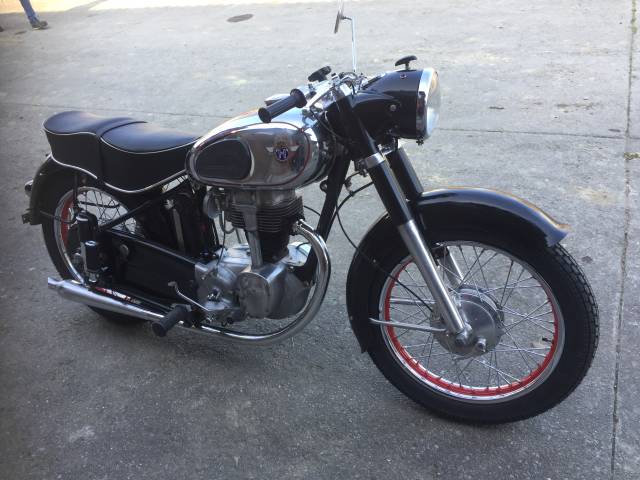
1953 | Horex Regina 250
Neu aufgebaute Horex 250 Regina

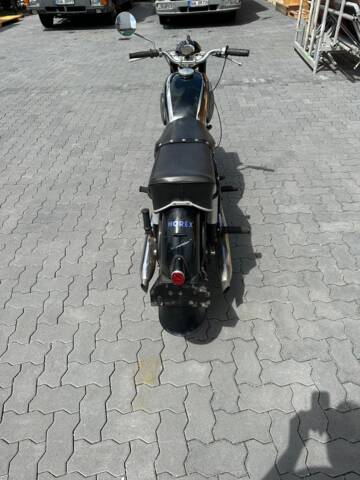
1955 | Horex Imperator
Imperator400
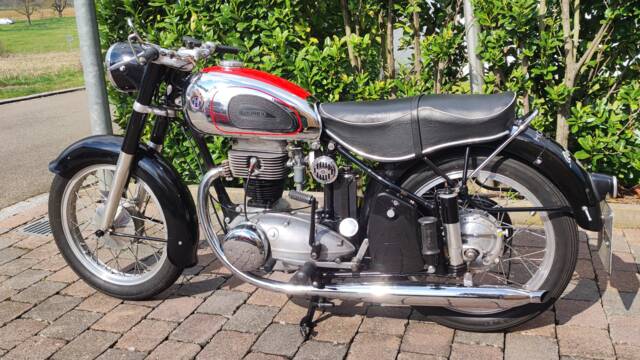
1954 | Horex Regina 250
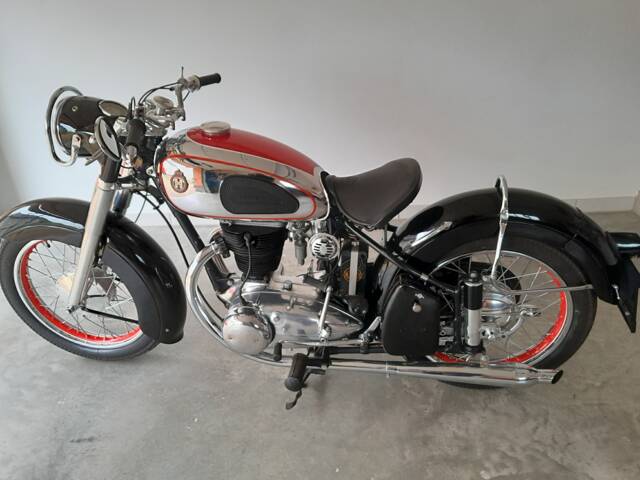
1953 | Horex Regina 350
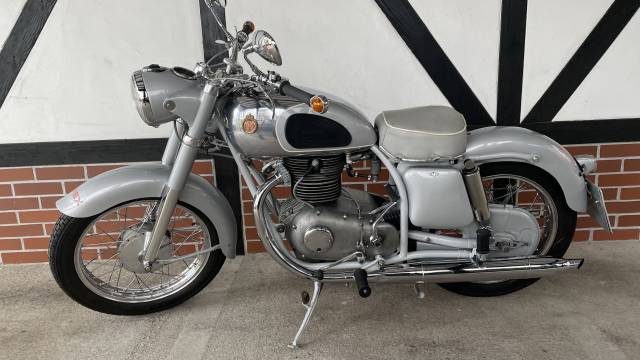
1959 | Horex Resident 350
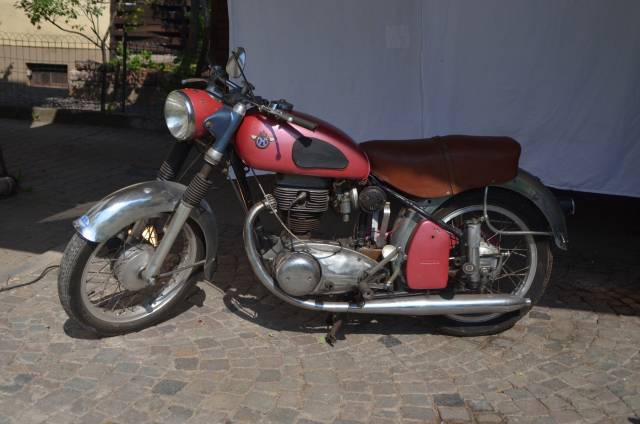
1953 | Horex Regina 250
Eine der letzten Reginas/ Erbstück
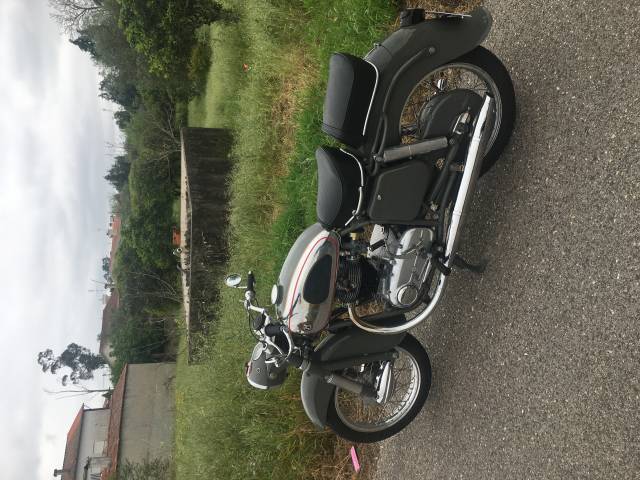
1956 | Horex Imperator
Horex Imperador 400

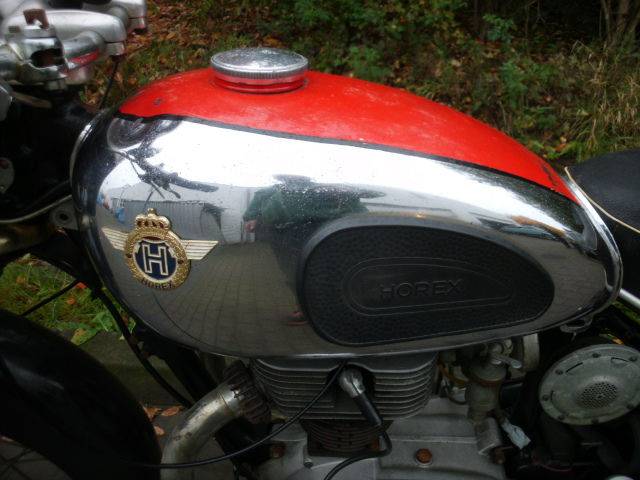
1955 | Horex Regina 4
Regina
History & Heritage
The story of Horex is one of youthful ambition and German industrial resilience. Founded in 1923 by 22-year-old Fritz Kleemann in Bad Homburg vor der Höhe, near Frankfurt, the brand's name itself is a clever portmanteau: "Ho" for Homburg and "rex" for the Rex Konservenglas (canning jar) trademark owned by his father's company. This pragmatic start hid a deeply sophisticated engineering core that would soon challenge the established order of European motorcycling. While British firms like BSA and Norton were dominating the roads of the UK, Horex was quietly building a reputation for what many enthusiasts today call "over-engineering"—a commitment to durability and technical precision that often surpassed its more famous rivals.
Fritz Kleemann wasn't just a businessman; he was a racer at heart. From the very beginning, he pushed for high-performance engines, leading to a merger in 1925 with Columbus Motorenbau AG, another family-held enterprise. This move was pivotal, as it gave Horex in-house engine manufacturing capabilities. The arrival of chief engineer Hermann Reeb in 1927 set the technical course for decades. Reeb championed the long-stroke engine design—a characteristic that became the Horex signature. These engines weren't just about peak power; they were about a flat, usable torque curve that made them exceptionally reliable and easy to ride, whether solo or with a sidecar.
During the 1930s, Horex established itself as a premium manufacturer. The 1935 German sidecar championship victory with a supercharged twin demonstrated their technical prowess. Models like the SB 35, introduced in 1936, featured a 350cc OHV engine with a 69mm bore and a massive 91.5mm stroke. This engine was so well-regarded that it was even used by other manufacturers like Victoria. For British riders of the time, accustomed to the "thumper" singles of Birmingham, the Horex offered a different kind of sophistication—a smoother, more deliberate power delivery that felt more like a precision instrument than a simple machine.
The post-war era saw Horex at the pinnacle of its success. While much of Germany lay in ruins, the Bad Homburg factory escaped major damage, allowing for a relatively quick resumption of production. In 1948, the SB 35 was revived, but it was the 1950 launch of the Regina that truly cemented the brand's place in history. The Regina 350 became the best-selling motorcycle in its class in Germany by 1952, a testament to its popularity in a market desperate for reliable, high-quality transport. It was during this period that Horex began to be seen as a serious competitor to the British singles being exported across the continent.
However, the late 1950s brought the same challenges to Horex that eventually affected many British marques: the rise of the affordable small car. As the Volkswagen Beetle became the vehicle of choice for the masses, the motorcycle market shrank. Horex ceased production in 1956, and by 1960, Daimler-Benz had acquired and closed the factory. The name lived on through various attempts at revival, most notably by Friedel Münch (the creator of the legendary Münch Mammoth) and later a 2010 restart featuring a VR6 engine. The 2023 introduction of the Regina EVO, a modern carbon-framed tribute, proves that the heritage of Horex still resonates with collectors and engineers alike.
Highlights & Key Models
When looking to buy a Horex, three primary models define the brand's legacy for collectors.
Horex Regina (1950–1956) The Regina is the definitive Horex. It was produced in three main displacements: 250cc (17 hp), 350cc (19 hp), and 400cc (22 hp). The 350cc version is the most common and represents the perfect entry point into the world of German classics. Its long-stroke engine provides a rhythmic, relaxed riding experience that is distinctly different from a contemporary BSA Gold Star or Norton ES2. The 400cc model is the rarest of the road-going singles and is highly sought after for its extra punch, making it more suitable for modern traffic. A particularly special variant is the Regina Geländesport (Off-Road), which featured high-level exhausts and was a successful competitor in trials and scrambles.
Horex Imperator 400 (1955–1957) If the Regina is the heart of Horex, the Imperator is its soul. This parallel twin featured an overhead camshaft (OHC)—a very advanced specification for the mid-1950s. While British twins like the Triumph Speed Twin or BSA A7 were using pushrod designs, Horex opted for a sophisticated OHC setup with the camshaft driven by a chain between the cylinders. With 26 hp and a top speed of around 140 km/h (87 mph), it was a true high-performance machine. It is exceptionally rare today, and finding one in good condition is a major event for any collector of European motorcycles.
Horex Resident 350 (1955–1960) The Resident was intended as the successor to the Regina, offering a more modern look and improved technical specifications. With 24 hp, it was significantly more powerful than the standard 350cc Regina. It featured a more enclosed design, reflecting the "streamlining" trends of the late 1950s. While it didn't achieve the same sales volume as the Regina due to the market downturn, it remains a highly respected model for those who appreciate the final evolution of the original Horex factory's engineering.
Horex SB 35 (1936–1948) For those interested in pre-war or early post-war history, the SB 35 is a fascinating study. It established the technical DNA that would lead to the Regina. Most SB 35s found today are museum pieces, but they occasionally appear on the market. They offer a raw, mechanical experience that takes the rider back to the very roots of the Bad Homburg engineering philosophy.
Technical Data
The technical specifications of Horex motorcycles reveal a commitment to torque-rich, durable engines. The following table provides a comparison of the key models available for buyers today.
A notable technical feature across the Regina range is the extreme long-stroke design. For example, the 350cc engine has a 69mm bore and 91.5mm stroke. This ratio is significantly more "undersquare" than many British contemporaries, resulting in a motor that pulls strongly from very low revs and maintains its composure under load, making it a favourite for sidecar users.
Market Overview & Buying Tips
The market for Horex in the UK is a specialist niche. While you won't find a Horex at every local bike meet, there is a dedicated following among those who appreciate continental European engineering. Compared to the ubiquity of British marques, a Horex offers a level of exclusivity and a different technical "flavour" that appeals to seasoned collectors.
Price Guide (2024/2025 Estimates): Prices for Horex motorcycles have remained stable, with a slight upward trend for the rarest models.
- Regina 400 (Good Condition): £3,800 – £5,900. These are highly desirable due to their better performance in modern traffic.
- Resident 350 (Good Condition): £4,900 – £5,900. A more modern alternative to the Regina, offering a bit more refinement.
- Regina 350 (Restoration Project): From £1,700. Be aware that while "cheap," the cost of sourcing original parts can quickly exceed the value of the finished bike.
- Regina 350 (Fully Restored/Concours): Up to £16,700. For the buyer who wants a museum-quality piece with no work required.
- Imperator 400: Extremely rare. Expect to pay £6,700 – £12,700+ depending on provenance and condition.
What to Look For When Buying: When inspecting a Horex, pay close attention to the following:
- Engine Condition: The long-stroke engines are robust but sensitive to poor maintenance. Listen for excessive mechanical noise from the valve gear. A compression test is highly recommended; you should be looking for at least 115-120 psi (approx. 8 bar).
- Oil System: The Regina has a distinct 2-litre oil tank integrated into the cylinder head area. Ensure the lubrication system is functioning correctly and that there are no significant leaks, which can be difficult to seal on these older castings.
- Electrics: Many Horex motorcycles were originally fitted with magneto ignition. While reliable when new, these can fail with age. Check if the bike has been converted to a more modern battery/coil system or if the original magneto has been professionally refurbished.
- Originality: Horex parts are not as interchangeable as those of some British brands. Ensure the "tins" (tank, mudguards, side panels) are original, as replacements are difficult to find and expensive to ship from Germany.
- Frame Integrity: Check the frame and fork yokes for signs of stress or repair, especially on early 1950s models which could occasionally suffer from cracking under heavy sidecar use.
The UK Specialist Connection: While most parts and expertise reside in Germany, there is a small but knowledgeable community in the UK. Joining the "Horex Forum" (horexforum.de) is essential; even if your German is limited, the community is generally helpful and many members speak excellent English. Using Google Translate for technical threads is a common practice among international owners.
Riding Experience
Riding a Horex Regina is an exercise in rhythmic mechanical harmony. As you kick-start the large single-cylinder engine, the first thing you notice is the deliberate, slow idle. Unlike the more frantic "pop-pop" of a 250cc British single, the Horex has a deeper, more substantial "thump."
On the road, the long-stroke engine defines the experience. There is no need to rev the engine hard; instead, you find yourself short-shifting through the four-speed gearbox, letting the torque pull you along. The power delivery is linear and predictable. In the 350cc or 400cc versions, there is enough grunt to maintain a steady 50-60 mph without feeling like you are overstressing the machinery.
The handling of a Regina is typical for its era—stable and predictable. The weight distribution, with a dry weight of around 150 kg, makes it relatively easy to manoeuvre at low speeds. The telescopic forks (on later models) and plunger rear suspension provide adequate comfort on modern B-roads, though you will certainly feel the bumps more than on a modern machine. The drum brakes are adequate for the performance, but as with all vintage bikes, a healthy dose of anticipation is required.
The Imperator 400 offers a more sophisticated ride. The parallel twin is smoother than the singles and revs more freely thanks to its OHC design. It feels like a precursor to the modern sporting motorcycle, offering a level of performance that could genuinely challenge the British twins of the day. It’s a bike that demands to be ridden with a bit more spirit, rewarding the rider with a wonderful mechanical soundtrack.
Design
The design of Horex motorcycles is a masterclass in "Functional Aesthetics." There is very little on a Regina that is purely decorative; every curve and every chrome detail serves a purpose or reflects a specific engineering choice. This philosophy creates a timeless look that still appears elegant today.
The fuel tank is arguably the most beautiful part of the bike—a classic teardrop shape that integrates perfectly with the lines of the frame. The use of chrome is judicious, usually limited to the tank sides, exhaust, and headlight rim, which contrasts beautifully with the deep black or silver paint schemes that were standard for the era.
A unique design feature is the oil tank integrated into the top of the engine. This "top-heavy" look is a hallmark of Horex and is immediately recognisable to anyone who knows their vintage bikes. It's a practical solution for cooling and packaging that also happens to look incredibly purposeful.
The ergonomics are surprisingly modern. The seat height is relatively low at around 760mm (30 inches), making it accessible for riders of all sizes. The wide handlebars and neutral footpeg position create a "sit-up-and-beg" riding stance that is comfortable for long days in the saddle. For the UK rider, accustomed to the varying quality of our country lanes, this upright position offers excellent visibility and control.
Racing Heritage
Horex was born on the racetrack. Fritz Kleemann used competition to prove the reliability and speed of his designs from the very first years of the company. In the 1920s, Horex machines were regular competitors in German national road races and hill climbs.
The most significant racing achievement was the 1935 German Sidecar Championship. Using a supercharged twin-cylinder engine, Horex proved it could compete with—and beat—the biggest names in the industry. This victory helped establish the "Horex" name as a symbol of high-performance engineering.
A fascinating piece of technical history involves the collaboration with legendary engineer Richard Küchen. In the 1920s, Küchen developed a desmodromic valve system for Horex racing engines. This system, which uses a mechanical linkage to both open and close the valves rather than relying on springs, is the same principle that Ducati later made famous. While it never saw widespread production in Horex road bikes, it demonstrates the level of innovative thinking that was present in the Bad Homburg factory long before it became common practice elsewhere.
The Regina Geländesport also carried the torch into the post-war era, proving successful in the arduous world of off-road trials. These bikes, with their high-clearance exhausts and ruggedised components, are a testament to the versatility of the basic Regina platform.
Summary
Buying a Horex is more than just purchasing a vintage motorcycle; it's an investment in a specific era of German engineering excellence. Whether you choose the iconic Regina 350, the powerful 400, or the rare OHC Imperator twin, you are getting a machine that was built to a standard, not just a price.
For the UK collector, a Horex provides a refreshing alternative to the standard British singles. It offers a different mechanical character—torque-rich, smooth, and robustly built—that makes it a joy to own and ride. While the community in the UK is smaller, the connection to the wider European enthusiast base is strong, ensuring that advice and parts are always within reach for the dedicated owner.
Explore the selection of Horex motorcycles on Classic Trader today. From restoration projects that allow you to get your hands greasy to concours-level examples ready for the show circuit, your journey into the world of Bad Homburg's finest begins here. Discover the unique charm of the "Rex from Homburg" and add a piece of genuine motorcycling history to your garage.