- Car
- DKW (14 offers)
DKW Classic Cars for Sale
DKW stands as a pioneer among German car and motorcycle manufacturers, renowned for front-wheel drive, innovative two-stroke engines, and a diverse range of vehicles from compact saloons to utility models and recognisable sport coupés. The enduring appeal of DKW is evidenced by a strong supply and demand in today’s classic market.
Search results
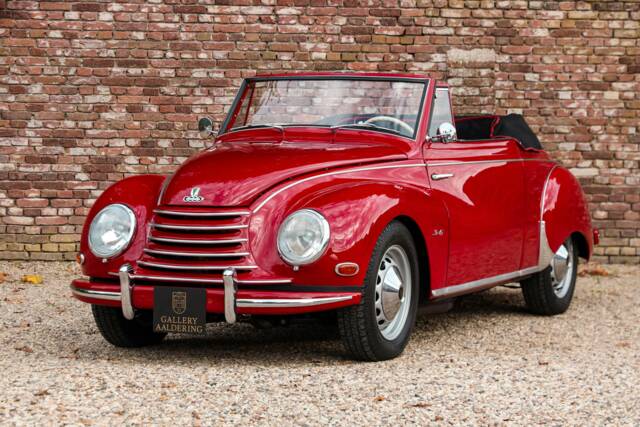
1954 | DKW Sonderklasse
DKW F91 Cabriolet Sonderklasse "49 years of history in Berlin" "49 years of history in Berlin" - With the Kraftfahrzeugbrief as proof,Body-off restored between 2002 and 2006 by the last owner and you can really see his enthusiasm reflected in it, Modestly documented - "Old school owners" weren't really into that,Saw the Berlin Wall being built,"Even the biggest critics of cars can't help but smile at the sound of a two-stroke engine",

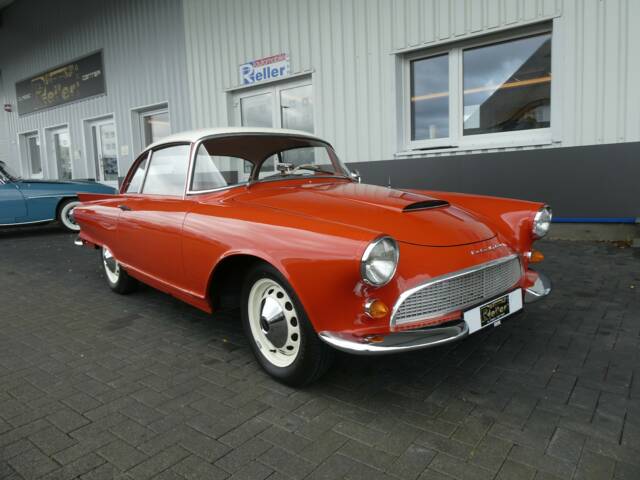
1960 | DKW 1000 SP
europäische Erstauslieferung

1961 | DKW Munga
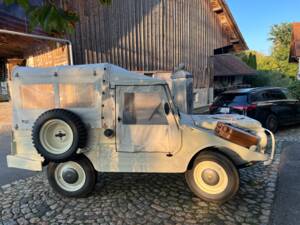
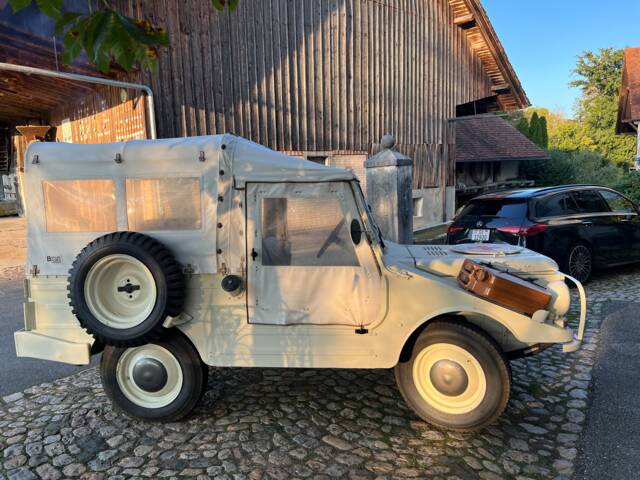
Auto Union Munga F 91 – ein Stück deutscher Automobilgeschichte

1959 | DKW Auto Union 1000 Universal
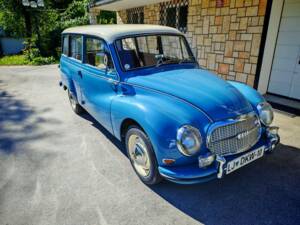
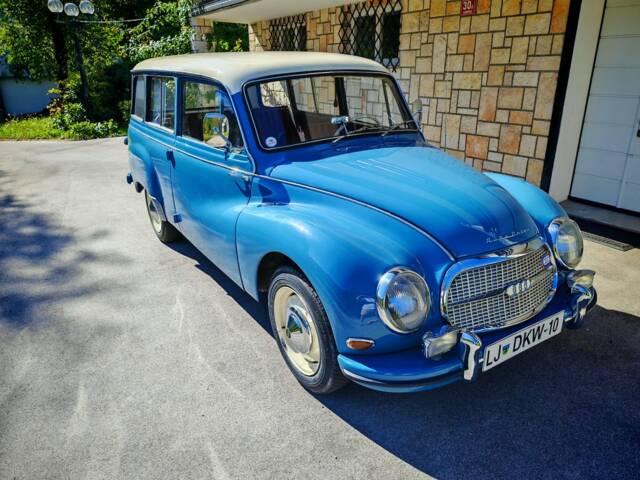
DKW Auto Union 1000 Universal | 1961 | Route 66 Auctions - For sale by auction. Estimate 6600 EUR
Newsletter
The best DKW listings, straight to your inbox
Get hand-picked DKW listings, plus the best of cars, motorbikes, and auctions on Classic Trader — all in one place.
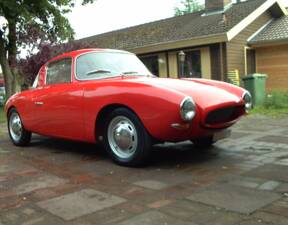
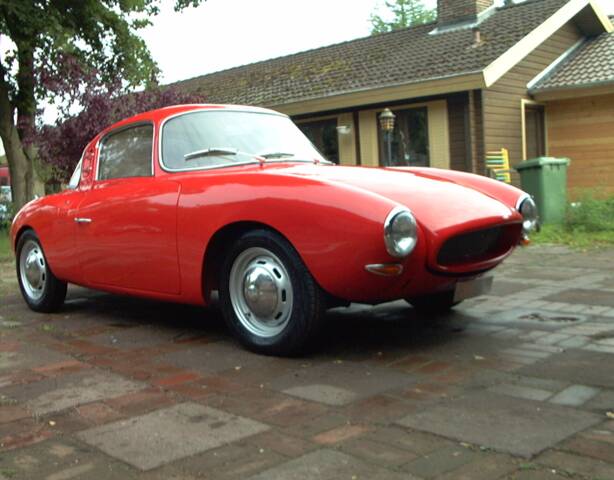


1951 | DKW Meisterklasse
DKW-IFA F8 Kombi | 1951 | Route 66 Auctions - For sale by auction. Estimate 7200 EUR
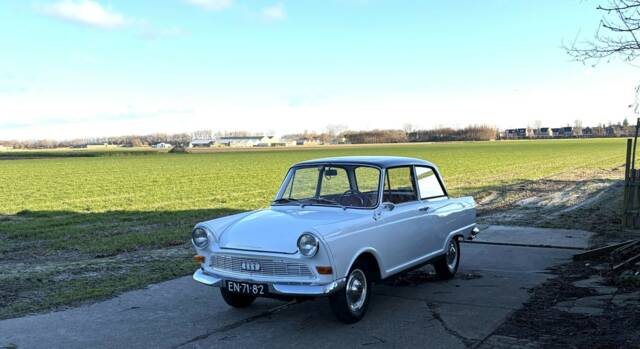
1965 | DKW F11
Highly Original Dutch DKW F11. Very rare!
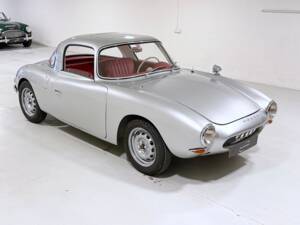
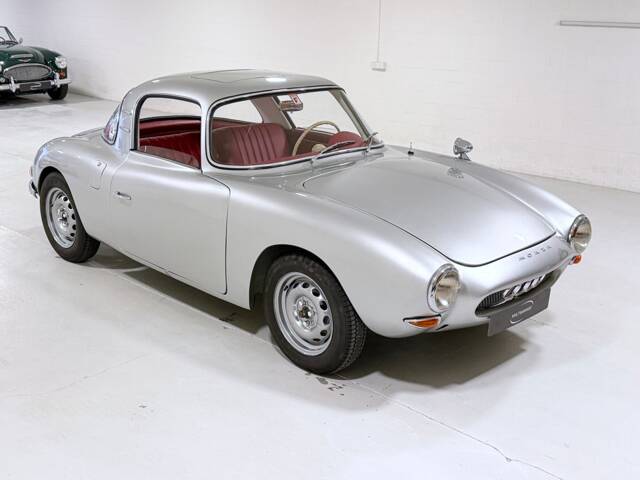
1958 | DKW 3=6
Former personal car of Robert Schenk, the last of only 41 Schenk-built Monzas, unique Auto Union 1000 SP chassis with a factory steel sliding sunroof
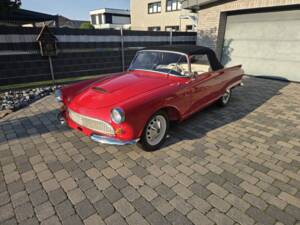
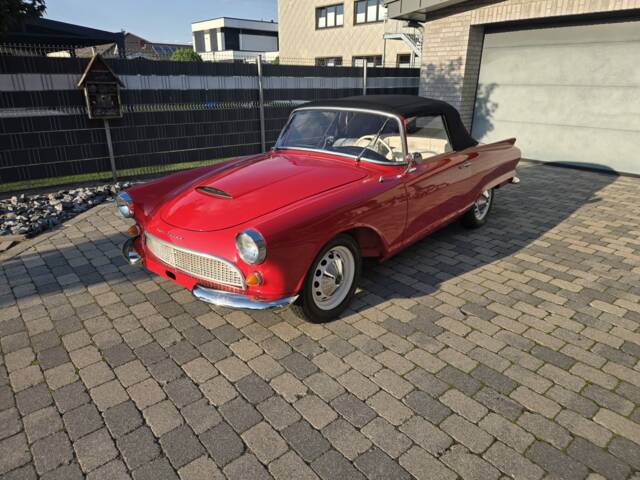
1962 | DKW Auto Union 1000 Special Roadster
DKW 1000 SP Roadster – Rarität
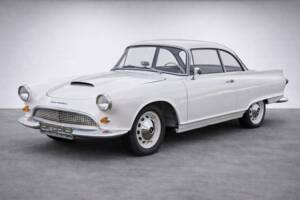
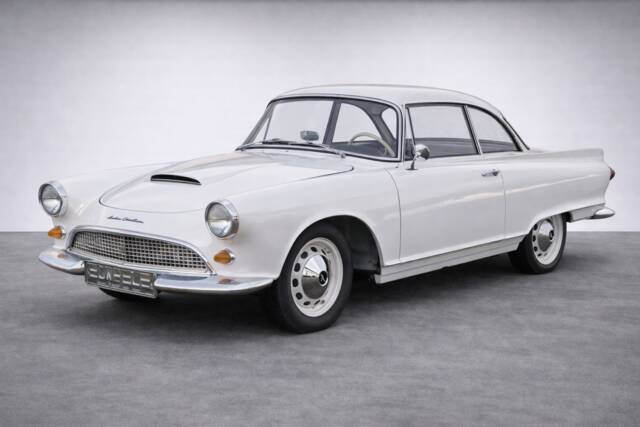
1964 | DKW Auto Union 1000 Spezial
HU/AU - 09/2028 & H-Zulassung
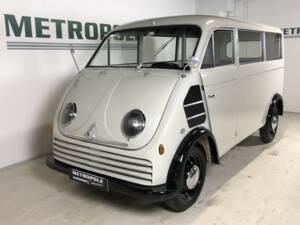
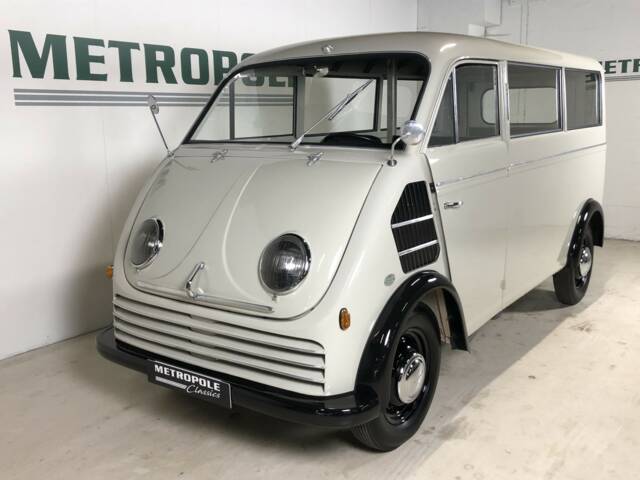
1954 | DKW Schnellaster F 89 L
DKW Schnellaster F89L M0987
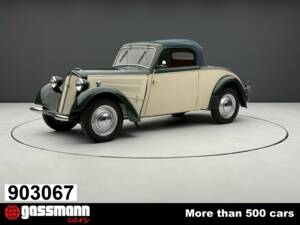
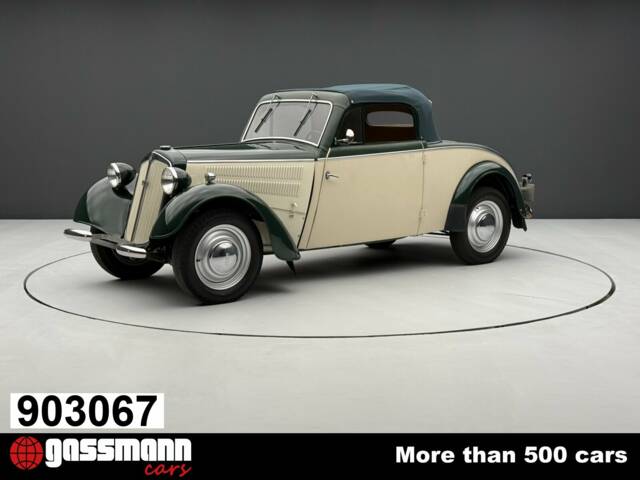
1936 | DKW Front Luxus Sport
F8 / F7 Reichsklasse Cabrio
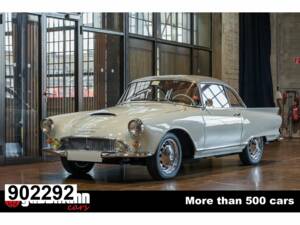
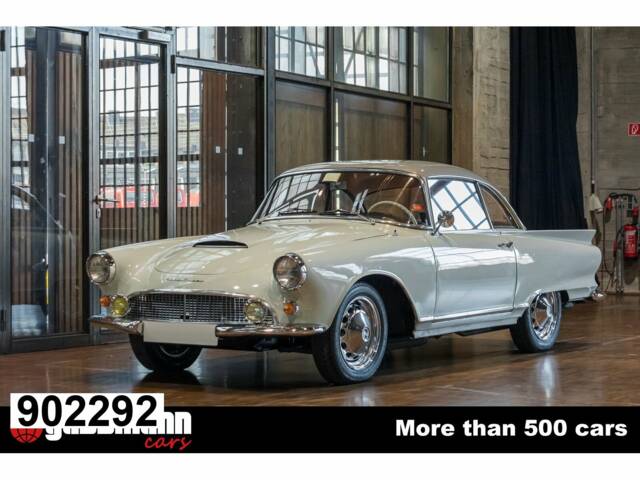
1962 | DKW 1000 SP
Auto Union / DKW 1000 SP
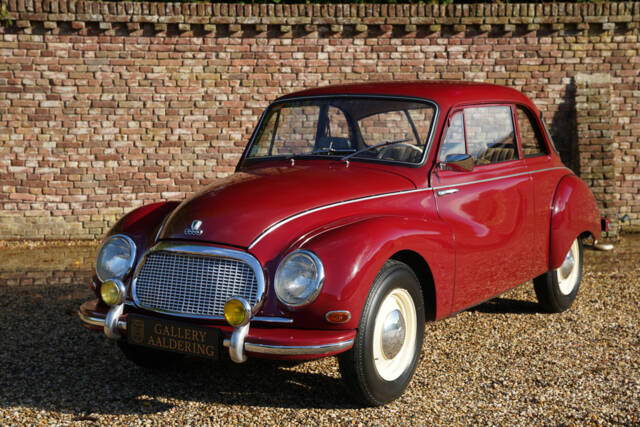
1956 | DKW 3=6
Auto Union DKW F93 Superb and original (driving) condition, First paint - original 34000 kms, Accompanied with the original board booklets, History file with purchase invoice (1956-1957) available, A true time capsule, From the private-collection of a renowned classic car expert from Germany,
DKW listing references from Classic Trader
Below you will find listings related to your search that are no longer available on Classic Trader. Use this information to gain insight into availability, value trends, and current pricing for a "DKW" to make a more informed purchasing decision.
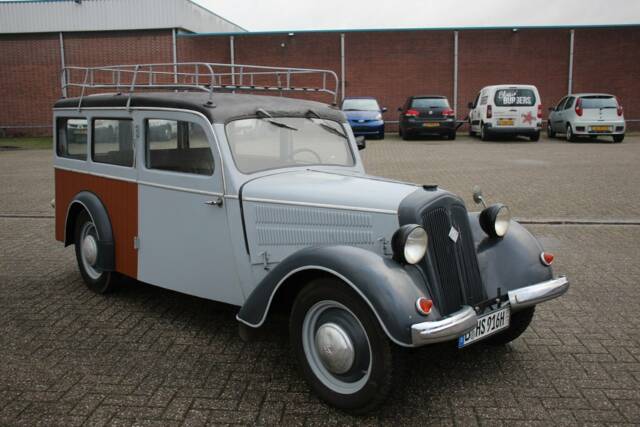
1951 | DKW Meisterklasse
DKW-IFA F8 Kombi | 1951 | Route 66 Auctions - For sale by auction. Estimate 7500 EUR
History of DKW
DKW began as an enterprise of Jörgen Skafte Rasmussen, producing steam-related components in Chemnitz. The brand’s first steps in automotive history started with 'Dampf-Kraft-Wagen' (steam-powered vehicles), giving the company its name. Post-World War I, DKW rapidly became the world’s largest motorcycle producer. With the launch of the Typ P car in 1927, the marque entered the automotive sector, pioneering front-wheel drive and two-stroke engines in compact vehicles. In 1932, DKW became part of Auto Union (with Audi, Horch, and Wanderer), a major player in pre-war German automotive manufacturing. After World War II and subsequent factory losses, DKW resumed car production in West Germany from 1950, building practical, reliable cars up to 1966 when the last DKW F-102 rolled out.
DKW Model History
DKW’s first automobiles appeared in the late 1920s, led by two-cylinder, two-stroke models like the F1. Over ensuing decades, the line-up expanded: F2, F5, F7, F8, then postwar models including F89, F91 (marketed as 'Sonderklasse'), and the F93 (notably labelled '3=6'). The F102, launched in the 1960s, marked the brand's last true DKW—a bridge to the Audi era with four-stroke models. Utility vehicles like the Schnellaster van and the military Munga 4x4, plus sports icons such as the 1000 SP coupé, rounded out the range. Many DKWs were offered as saloons, coupés, convertibles, estates, and light commercials. Their technical DNA—front-wheel drive, two-stroke engines, and versatility—remains a hallmark today.
Highlights and Unique Features of DKW Cars
DKW earned distinction through pioneering front-wheel drive and robust two-stroke engines—particularly rare for their time. Early models like the F7 and F8 featured 0.7-litre two-cylinders, while the postwar F91, F93, 3=6, and 1000 models employed lively three-cylinder engines of around 900–1000 cc. Standout technical details include the widespread use of a freewheel system in many gearboxes, distinctive dashboard designs (often Bakelite-clad), and elaborate wood constructions for estate models. DKW’s vibrant colour schemes and split-tone paintwork further set their cars apart. The Munga, with multiple seating arrangements, and the 1000 SP coupé—built at Stuttgart’s Baur—epitomised DKW’s creativity.
Technical Data of DKW Vehicles
Special Editions and Collector’s Models
DKW produced a range of unique editions, most notably the 1000 SP—a sport coupé or roadster crafted by Baur with only 5,004 coupés built between 1958 and 1965. The DKW Monza, a lightweight sports coupé, set five world speed records in 1956. Other notables are the 'Sonderklasse' F91 and F93 ('3=6'), the 'Junior' (later known as F12 in more luxurious trims), and the robust Munga designed for both civil and military use. Wood-bodied estate versions (e.g., ‘Woody’ Kombi) also remain rare finds today.
Engine, Performance, Transmission and Handling
The character of a DKW lies in its lively two-stroke powerplants and innovative drive systems. The F91’s 897cc engine delivers 34 PS, while the 1000 SP’s 981cc unit reaches 55 PS. Gearboxes, often with three or four speeds and a freewheel system, offer distinctive driving dynamics. Munga’s 4x4 drivetrain excels off-road. Expect agile handling from independent front suspension and relatively light kerb weights. The signature two-stroke sound and linear power delivery are essential DKW traits, while robust engineering makes for reliable operation in period rallying and club use. - DKW 1000: Front-drive, 981cc three-cylinder, 34–55 PS
- F91 Sonderklasse: 3-cylinder, 897cc, 34 PS
- 1000 SP: Coupé, 981cc, 55 PS, Baur-built
- Schnellaster: Panel van, 688–896cc, up to 32 PS
- Munga: Multi-seat 4x4, off-road specialist
- RT 125/2: Motorcycle, single-cylinder, 125cc, ca. 5 PS
Interior, Comfort, Exterior and Design
DKWs stood apart with aesthetic details: split-tone paintwork, wood-trimmed estate (‘Woody’) models, and streamlined forms on coupés like the 1000 SP. Interiors often blend Bakelite dashboards, distinctive chrome accents, and practical vinyl or fabric upholstery. Postwar saloons and coupés featured advanced features for their class, such as a column shift and unique dashboard arrangements. Earlier models used wood frame bodies, sometimes topped with fabric roofs. Accessory options included original DKW badging, period correct wheels, and factory-fit ‘extras’ like chrome bumpers, aftermarket radios, and optional heaters. Notably, Baur-bodied cars (e.g. 1000 SP) stand out for their rooflines and detailed trim.
Other Relevant Features
Spare parts are widely available, including rare period accessories and technical documentation. Many surviving DKWs serve as reliable club, rally, and even museum vehicles, attesting to the sturdy simplicity and enduring presence of their engineering. Notably, the famous RT 125 motorcycle provided inspiration for postwar competitors globally, with many licensed and unlicensed copies.
Summary
DKW left an indelible mark in German and European automotive history with its two-stroke engines, broad range of vehicle types, and engineering curiosity. From compact saloons and estates to trailblazing Munga off-roaders and the swift 1000 SP, DKW's technical concepts and model diversity reflect the ingenuity of the era. Today, DKW classics offer a unique experience for enthusiasts seeking something beyond the ordinary—whether for restoration, historic rallies, or as part of a distinctive collection.