- Motorcycle
- Innocenti (12 offers)
Buy Innocenti Lambretta Scooters
Innocenti represents the legendary Lambretta scooters that embodied Italy's post-war economic miracle on two wheels from 1947 to 1972. The marque created icons like the Li Series 3, the TV 175 with the world's first disc brake, and the coveted SX 200 – today traded among collectors as the "Holy Grail". Innocenti Lambrettas combine robust tubular frame construction, sporting handling, and timeless design – and became the cornerstone of British Mod culture in the 1960s.
Search results

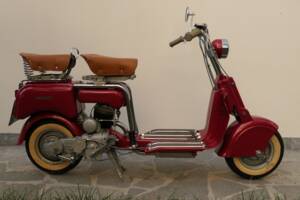
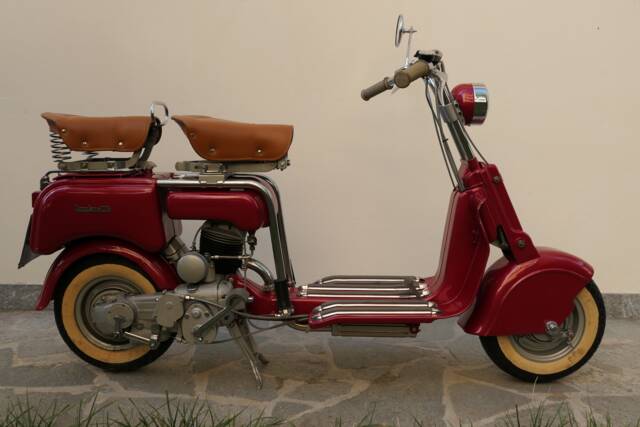
1949 | Innocenti Lambretta B 125
Fully restored, Italian-registered and listed on the National Historic Vehicle
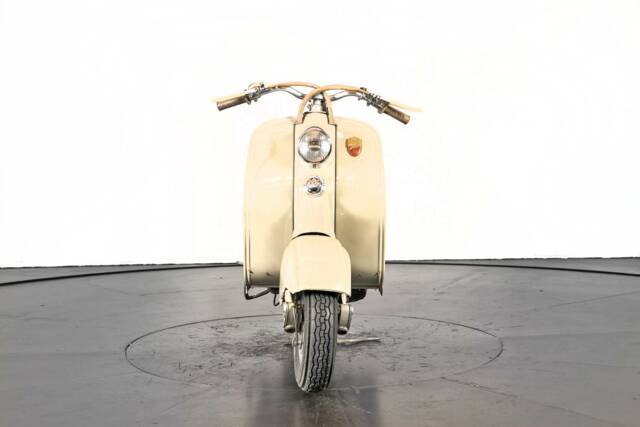
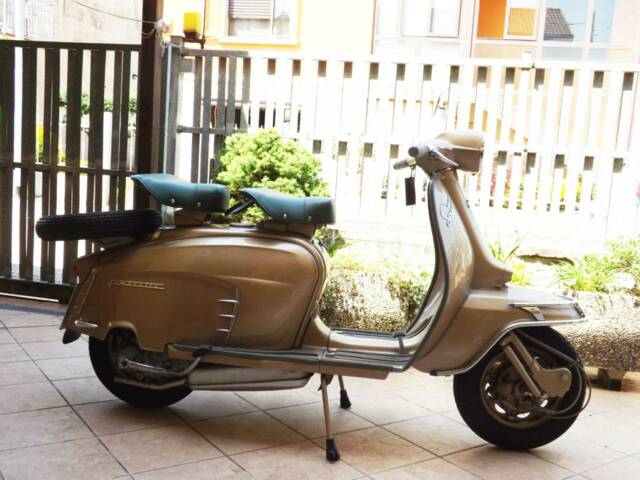
1959 | Innocenti 125 Special
Avviamento elettrico !!
Newsletter
The best Innocenti listings, straight to your inbox
Get hand-picked Innocenti listings, plus the best of cars, motorbikes, and auctions on Classic Trader — all in one place.
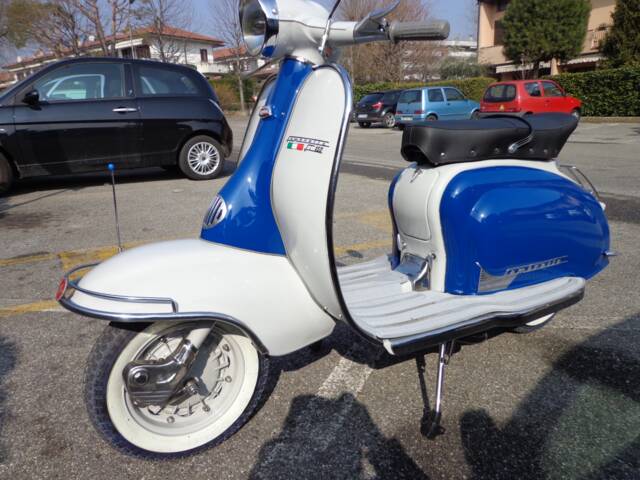
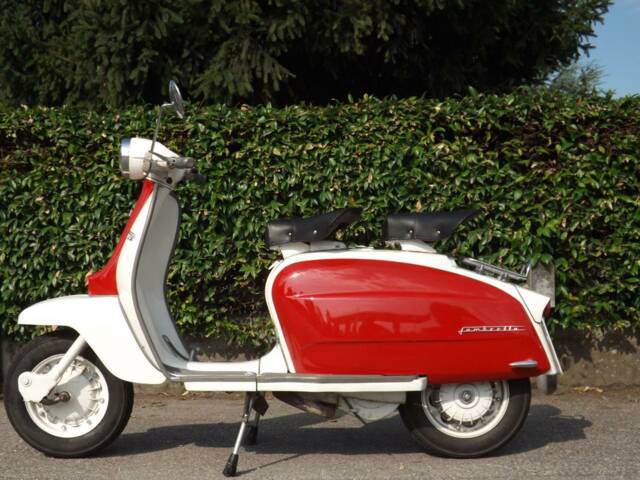
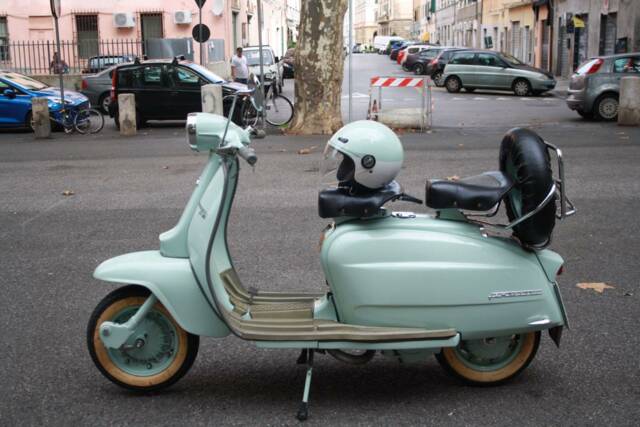
1963 | Innocenti Lambretta Li 150
RESTORED LIKE NEW !!!
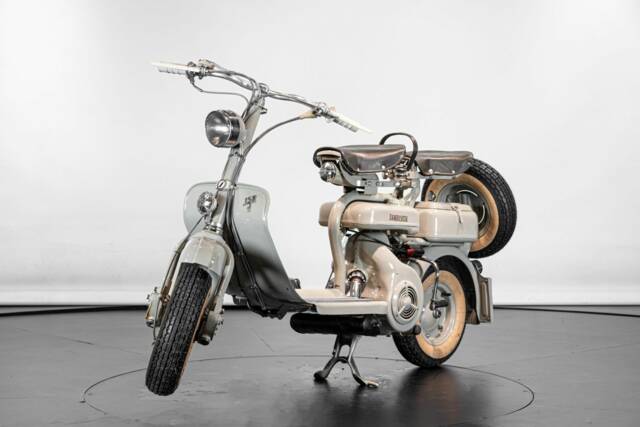
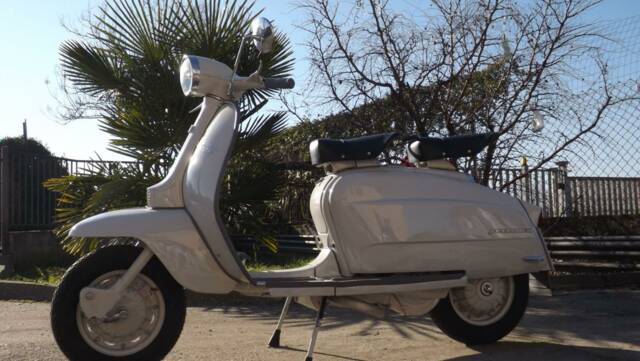
1954 | Innocenti Lambretta 150 D
PRISTINE !!
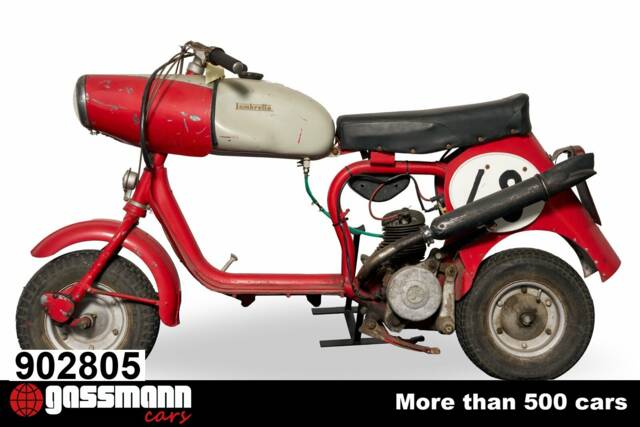
1953 | Innocenti Lambretta D 125
INNOCENTI Lambretta Modell D 125cm³

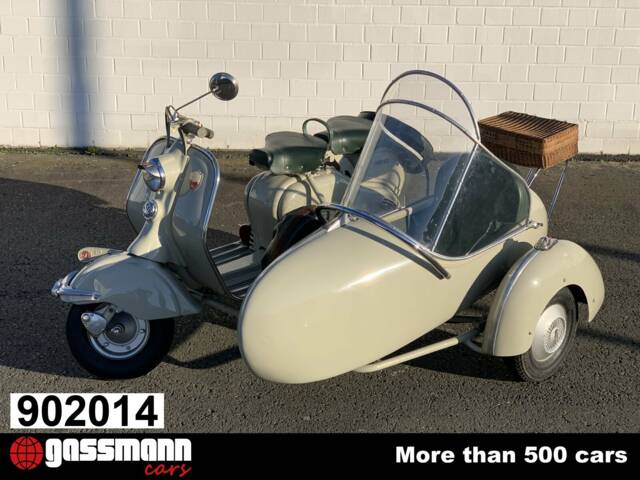
1954 | Innocenti Lambretta LD 125
INNOCENTI LD 125 Lambretta mit Beiwagen
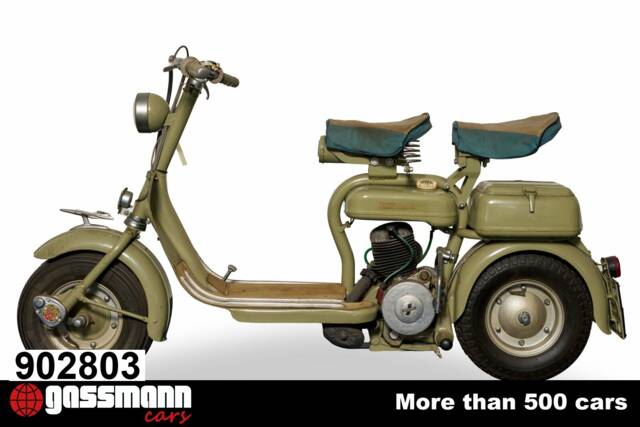
1952 | Innocenti Lambretta D 125
INNOCENTI Lambretta Modell D 125cm³
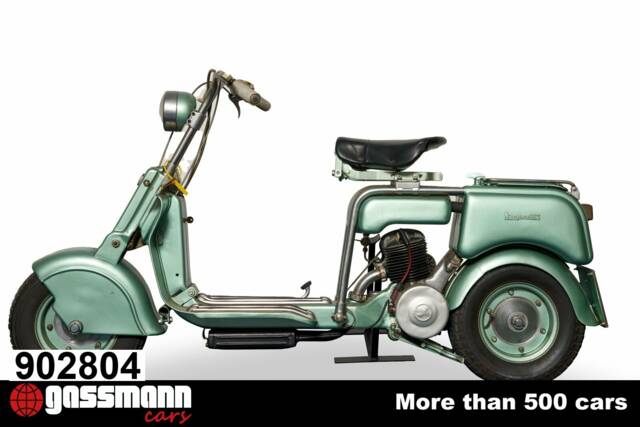
1948 | Innocenti Lambretta B 125
INNOCENTI Lambretta Modell B 125cm³
Innocenti listing references from Classic Trader
Below you will find listings related to your search that are no longer available on Classic Trader. Use this information to gain insight into availability, value trends, and current pricing for a "Innocenti" to make a more informed purchasing decision.
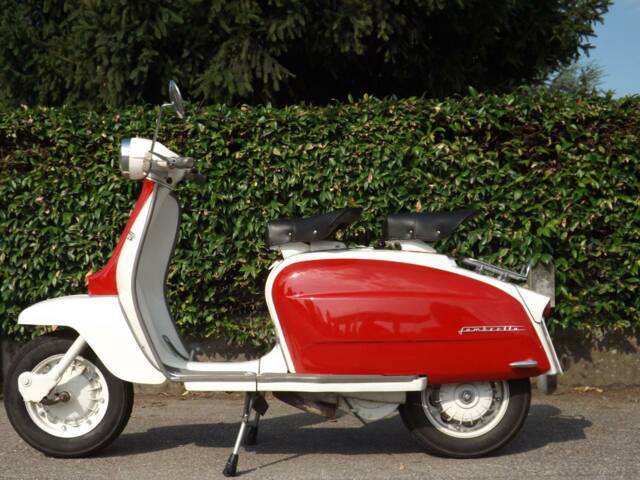
1963 | Innocenti Lambretta Li 150
-
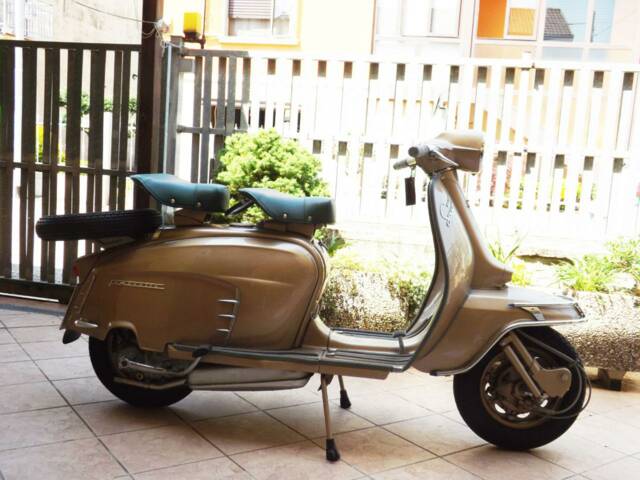
1965 | Innocenti Lambretta Li Special 125
-
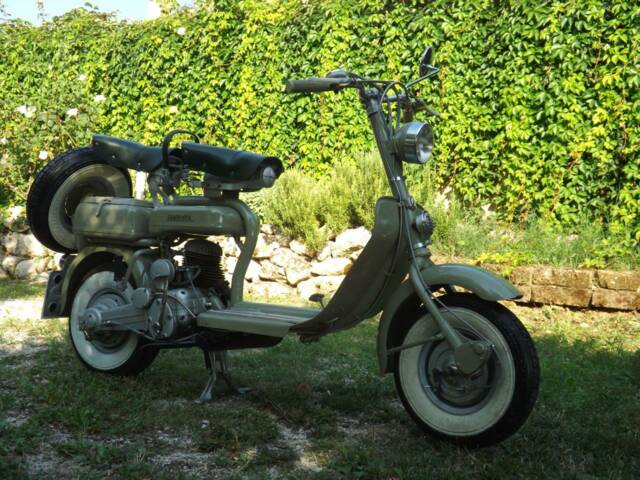
1958 | Innocenti Lambretta D 125
-
History
Ferdinando Innocenti founded his company in the 1920s initially as a steel tubing factory in Rome. His Innocenti scaffolding pipes revolutionised the construction industry and are still used worldwide today. In 1931, he relocated production to the Lambrate district of Milan – a name that would later achieve global fame.
After the factory's destruction in World War II, Innocenti recognised the need for cheap, reliable transport for war-torn Italy. He commissioned aeronautical engineer Pierluigi Torre to develop a motor scooter. In 1947, the Model A rolled off the line – the first Lambretta, named after the River Lambro that flowed past the works. The open construction without bodywork still clearly showed its technical heritage from aircraft engineering.
The 1950s and 1960s marked the golden era. Innocenti continuously developed the Lambretta: The LD Series (1954-1957) brought full leg shields for the first time, the Li Series (1958-1967) established the classic Lambretta design. In 1961 appeared the Li Series 3 "Slimstyle" – slimmer, more elegant, and technically refined. It defined the look that collectors today recognise as the "classic Lambretta".
A milestone was the TV 175 Series 3 (1962-1965): "Turismo Veloce" meant fast touring, and Innocenti underscored this with a world first – the first disc brake on a production two-wheeler ever. The TV models were sportier, faster, and more technically sophisticated than the Li range.
In 1966 came the SX 200 (Special X) – for many connoisseurs the perfect Lambretta. It united the elegant Slimstyle design with the powerful 200cc engine and is today considered the most desirable model among collectors. Only 20,783 examples left the Lambrate works.
The finale came in 1969 with the GP/DL 200, designed by Nuccio Bertone. With its aggressive "Ink Splat" logo and sporting lines, it was meant to modernise the brand. The GP 200 Electronic with electronic ignition was far ahead of its time but remained extremely rare with under 1,000 examples.
Increasing competition from small cars like the Fiat 500, labour disputes, and economic difficulties led in 1972 to the sale of scooter production to the Indian Government (Scooters India Ltd). Innocenti concentrated on automobiles – initially with the licensed Mini, later under De Tomaso and Fiat. In 1996, the brand disappeared for good.
Highlights and Features
What distinguishes Innocenti Lambrettas from the competition is their technical philosophy. While Piaggio used a self-supporting pressed-steel monocoque for the Vespa, Innocenti employed a robust tubular steel frame. This construction offered several advantages: better stability at high speeds, easier access to the engine, and greater rigidity.
The centrally-mounted engine provided balanced weight distribution – in contrast to the Vespa's side-mounted unit. The result: more precise handling and sportier road behaviour. The chain drive in an oil bath was considered more robust and tuning-friendly than the Vespa's direct drive.
Technical innovations defined the brand: The TV 175 Series 3 introduced the disc brake in 1962 – years before Japanese motorcycles. The GP 200 Electronic experimented with electronic ignition when most motorcycles still ran contact breakers.
Culturally, the Lambretta became the counterpoint to the Vespa: where the Vespa was seen as soft, rounded, and "feminine", the Lambretta stood for mechanical, sporting, and "masculine". In Italy it was the working class's transport that enabled the economic miracle. In Britain it became the icon of the Mod subculture of the 1960s – Mods preferred Lambrettas for their clean lines and the ability to customise them with mirrors, lights, and chrome.
The British Mod connection is legendary. From the early 1960s, Mods adopted the Lambretta as their vehicle of choice, adorning them with dozens of mirrors, fog lamps, chrome racks, and fox tails. The scooter runs to Brighton, immortalised in films like "Quadrophenia" (1979), cemented the Lambretta's place in British youth culture. Today, the UK has one of the world's strongest Lambretta scenes, with the Lambretta Club of Great Britain (LCGB) maintaining production records and issuing dating certificates.
The SX 200 embodies all these qualities perfectly: Slimstyle elegance, 200cc power, mechanical sophistication, and timeless design. No wonder it commands prices of £12,000 to £25,000 today.
Technical Data
Dimensions (Slimstyle models from 1961):
- Length: 1,800-1,825mm
- Width: 680-710mm
- Height: 1,012-1,035mm
- Dry Weight: 105kg (Li 150) to 123kg (SX 200/GP 200)
- Fuel Capacity: 8.1-8.7 litres
Drivetrain: Single-cylinder two-stroke, chain drive in oil bath, 4-speed manual (twist-grip)
Maintenance, Common Issues and Buyer's Advice
Pre-Purchase Inspection:
The frame is critical. Check the "loop" (rear frame section) for straightness. Rust at the floorboard struts and bottom of the legshields is common. A rippled legshield often indicates a front-end collision.
Engine Matching: Verify that the engine prefix matches the frame model (e.g., an Li150 Series 3 should have an LI150 engine). Non-matching engines significantly reduce collector value.
Fork Alignment: Stand in front and check if the forks are twisted. Check the fork links for play – worn bushes cause vague steering.
The "Cone" Check: On the crankshaft (flywheel side), ensure the woodruff key slot isn't chewed. A loose flywheel can destroy the crankshaft taper.
Fuel Tank: Shine a light inside. Original tanks often have internal rust that will repeatedly clog the carburettor.
Common Problems:
- Ignition: Original contact breaker points are notoriously unreliable and prone to "heat fade". Most collectors upgrade to 12V electronic systems (e.g., Varitronic or Casatronic).
- TV 200 Vibration: Early 200cc engines suffered severe vibration that could crack exhaust mounts and mudguards.
- Gearbox Undersizing: Early Li 150 Special gearboxes were undersized for high-performance tuning, leading to 3rd gear failures.
- Frame Cracking: Early TV Series 2 frames were prone to cracking near engine mounts; later models received factory reinforcements.
- Crankshaft Seals: Modern ethanol-blended fuels can perish original rubber seals, leading to air leaks and engine seizures.
- Handling "Weave": Lambrettas are prone to high-speed weave if the headset bearings are loose or the rear hub nut isn't torqued correctly (110-120 lb-ft).
Restoration Costs (2025):
- Parts Availability: Excellent (95%+ available through specialists like Casa Lambretta, Cambridge Lambretta, Scooter Centre)
- Basic Service: £100-£400
- Complete Engine Rebuild: £1,500-£4,000 (depending on performance upgrades)
- Professional Paintwork: £1,500-£5,000 (original Lechler paint codes)
- Full Concours Restoration: £12,000-£18,000+ for top-tier SX 200 or TV 200
Market Values (2025-2026):
Note: Indian SIL GP models are generally 30-40% cheaper than Italian Innocenti equivalents.
Important Buying Tips:
- Avoid "Vietnam Restorations": Be extremely wary of shiny scooters imported from SE Asia. They're often bodge-jobs with filler-covered rust and dangerous mechanical "fixes".
- Buy a "Dry Build": If buying a project, look for one that's been "dry built" (assembled to check panel fit) before painting.
- The "First Kick" Myth: A Lambretta that starts on the first kick isn't necessarily good. Check the gearbox oil for metallic flakes – a dying gearbox is a common hidden expense.
- Documentation: Ensure the scooter has a dating certificate (from the BLA or LCGB) to prove its age and origin for registration.
Engine, Performance, Transmission, Handling
Riding a Lambretta is a mechanical experience. Unlike the Vespa, you feel every gear change, every engine movement through the tubular steel frame. The twist-grip gear change requires practice – you twist backwards to change up whilst simultaneously pulling the clutch. It's a dance that becomes second nature after a short time.
The two-stroke engine awakens with a characteristic bark. On the 200cc models (SX, GP), acceleration is surprisingly punchy – you feel the shove in the back when the engine hits the powerband at 5,000rpm. The TV 175 is more cultured but still sprightly enough for cross-country runs.
The handling differs fundamentally from the Vespa. The central engine position and stiff frame provide stability in corners. You don't lean a Lambretta like a motorcycle – you push it through with weight transfer. At higher speeds it feels planted and secure, provided the headset bearings are correctly adjusted.
The disc brake on the TV 175 Series 3 was a revelation in 1962 – whilst other scooters struggled with spongy drum brakes, the TV offered instant, progressive retardation. Even today the braking performance impresses.
The sound is unmistakable: the deep burble at idle that rises to a sharp two-stroke scream under acceleration. The exhaust isn't just for gas flow – it's part of the engine tuning. An original Innocenti exhaust sounds different from reproductions.
On longer journeys the comfort reveals itself: the wide seat of the Slimstyle models is comfortable for two, the suspension soaks up bumps surprisingly well. However: at motorway speeds (over 60mph) it becomes loud and blustery – Lambrettas are made for A-roads, not motorways.
Design, Interior and Accessories
Lambretta design is functionalism in pure form. Whilst the Vespa appears organic and sculptural, the Lambretta is geometric and technical. The clean lines, the visible screws, the chrome accents – everything conveys mechanical precision.
The Slimstyle models (from 1961) defined the classic Lambretta aesthetic: narrow legshields, flat side panels, the characteristic "horncast" (headset cowl) with the Lambretta script. The colour palette ranged from classic white and grey through vibrant tones like Ochre and Turquoise to rare colours like Violet.
Nuccio Bertone revolutionised the design in 1969 with the GP/DL 200. The aggressive lines, the "Ink Splat" logo, the more angular forms – the GP was meant to appear modern and sporting. Today it divides the collector community: purists prefer the Slimstyle elegance, modernists appreciate Bertone's radicalism.
The instrumentation was spartan: a speedometer, a fuel gauge, done. Everything essential was mechanical – no electronics, no complications. The chrome levers for clutch and brake, the chromed trim strips, the polished aluminium side panels – every detail was designed for longevity.
Accessories and customisation were central to Lambretta culture. Particularly the British Mods developed their own style: dozens of mirrors, additional spotlights, chrome luggage racks, fox tails on the aerial mast. Innocenti offered factory accessories like screens, luggage racks, and panniers.
The target group was clear: young workers and clerks who needed mobility but couldn't afford a car. The Lambretta was democratic luxury – affordable but with style. It enabled weekend trips, journeys to work, dates in the evening. It was freedom on two wheels.
Other
Racing Culture: Innocenti didn't officially support racing, but private teams ran Lambrettas in endurance races and rallies. The TV 200 was particularly popular with tuners – with race carburettors and expansion chambers they achieved over 80mph.
Export Markets: Lambrettas were licensed worldwide. Serveta in Spain produced until 1989, SIL in India continues today. These licences saved the brand from oblivion but also diluted collector value – only Italian Innocenti Lambrettas command top prices.
Parts Availability: The aftermarket scene is huge. Brands like BGM, Casa Performance, and AF Rayspeed offer everything from disc brakes to 30bhp engines. You can build a Lambretta today that's faster, more reliable, and brakes better than any original.
Pop Culture: Lambrettas appeared in films like "Quadrophenia" (1979), which immortalised Mod culture. They're symbols of the 1960s – youth, rebellion, style. The scooter runs to Brighton remain a fixture of British youth culture.
Value Appreciation: Original Italian Innocenti Lambrettas in top condition have doubled in value over the last 10 years. An SX 200 in concours condition is now a six-figure investment in some markets.
The British Scene: The UK has one of the world's most active Lambretta communities. The LCGB maintains comprehensive production records, issues dating certificates, and organises the annual National Rally. Specialists like Cambridge Lambretta Workshops and Scooter Restorations are world-renowned for their expertise.
Summary
Innocenti Lambretta – three words that stand for Italian design, mechanical sophistication, and cultural significance. From the Model A (1947) to the GP 200 (1971), Ferdinando Innocenti created scooters that didn't just transport but inspired.
The Li Series 3 defined the classic Lambretta design, the TV 175 Series 3 introduced the disc brake, the SX 200 perfectly united elegance and power, and the GP 200 dared the leap into modernity. Each model tells a story of Italy's economic miracle, Mod culture, and engineering artistry.
Today, Innocenti Lambrettas are sought-after collectables. Prices from £3,500 for a good Li 150 to £25,000+ for a concours SX 200 reflect their significance. Parts availability is excellent, the community passionate, the riding experience incomparable.
Buying a Lambretta means buying not just a scooter – you're buying a piece of history, a mechanical work of art, a ticket into a worldwide community. The question isn't whether you should own a Lambretta, but which one.