- Motorcycle
- EMW (1 offer)
Buy EMW motorcycle
Eisenacher Motorenwerk produced motorcycles between 1945 and 1955 that began as BMWs and ended as EMWs. The R 35 became a symbol of divided Germany – identical engineering, different emblems, and a unique Cold War legacy.
Search results
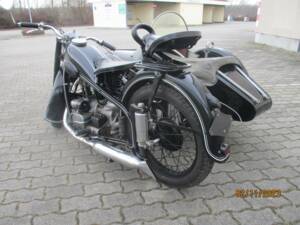
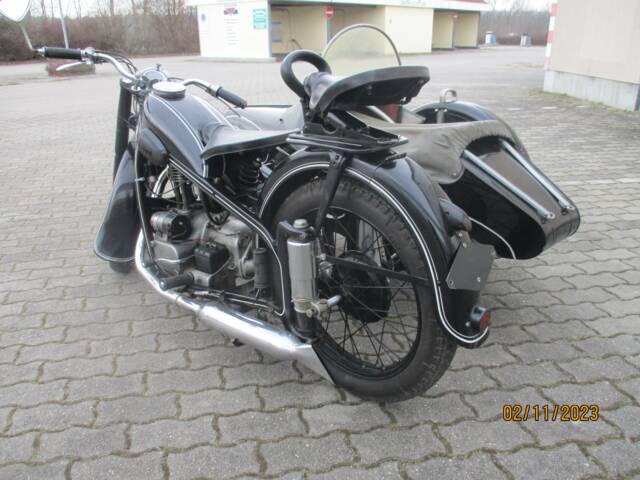
1955 | EMW R 35
EMW EMW R R 35

EMW listing references from Classic Trader
Below you will find listings related to your search that are no longer available on Classic Trader. Use this information to gain insight into availability, value trends, and current pricing for a "EMW" to make a more informed purchasing decision.
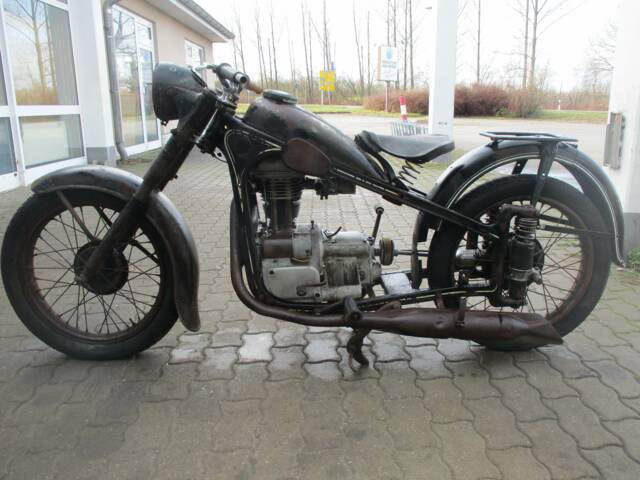
1953 | EMW R 35/3
EMW EMW R R 35/3
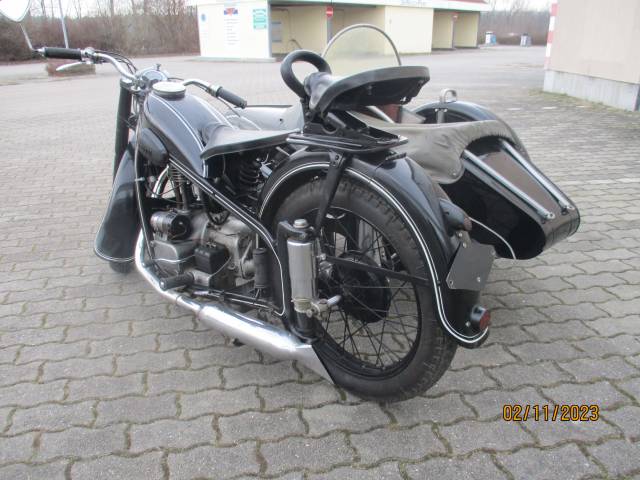
1955 | EMW R 35
EMW EMW R R 35
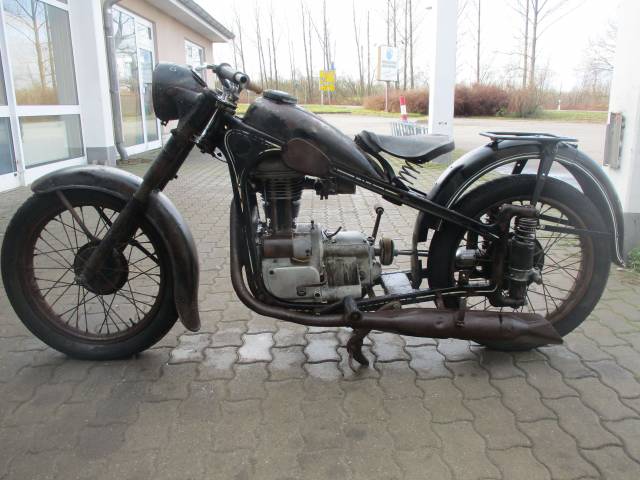
1953 | EMW R 35/3
EMW EMW R R 35/3
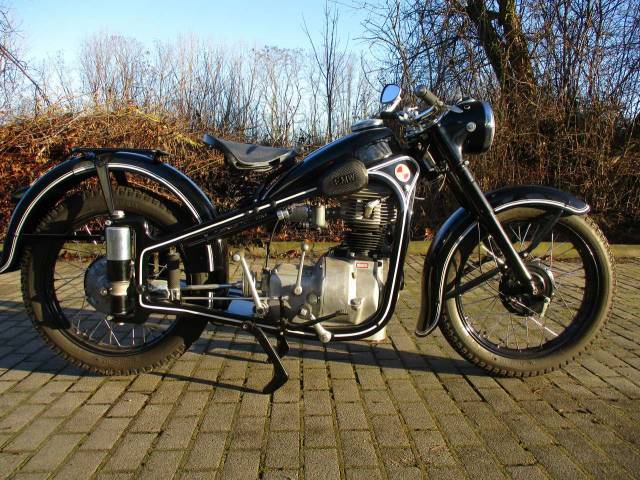
1954 | EMW R 35
EMW EMW R R 35
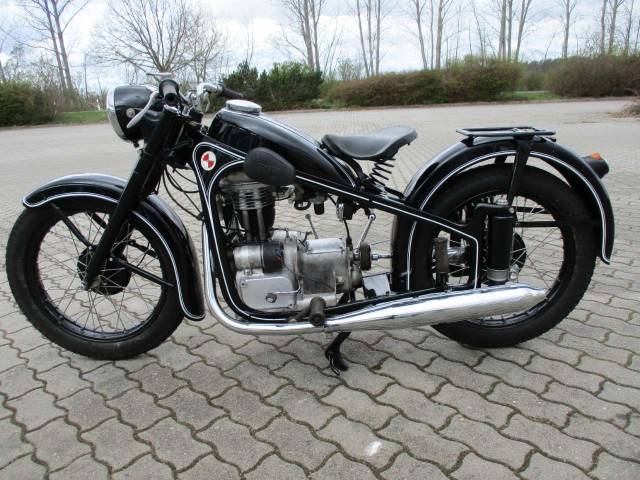
1953 | EMW R 35
BMW R 35/2 EMW R 35
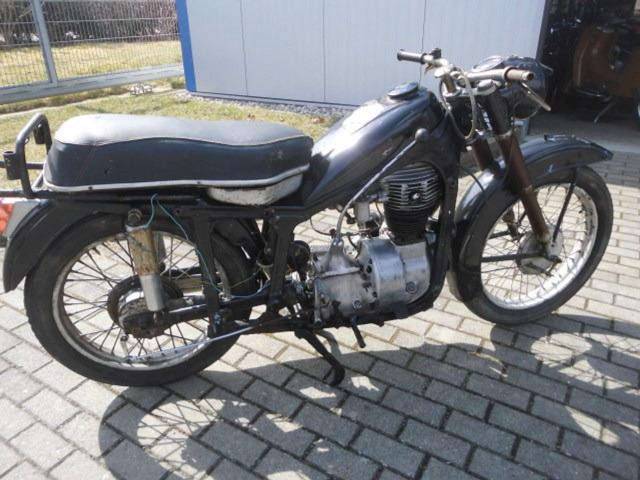
1949 | EMW R 35
EMW EMW R R 35
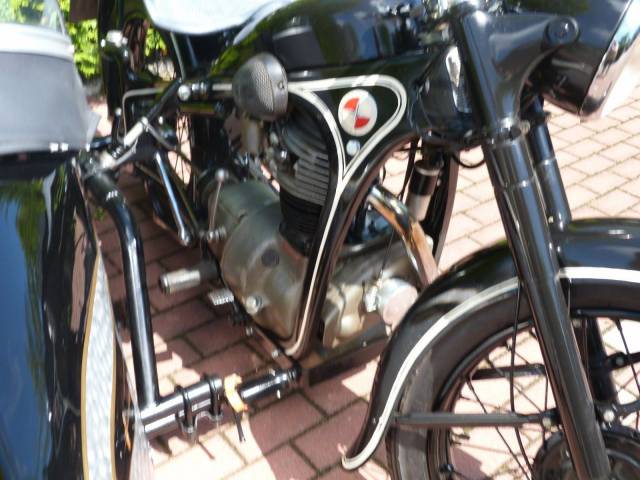
1955 | EMW R 35/3
1955 EMW R35/3
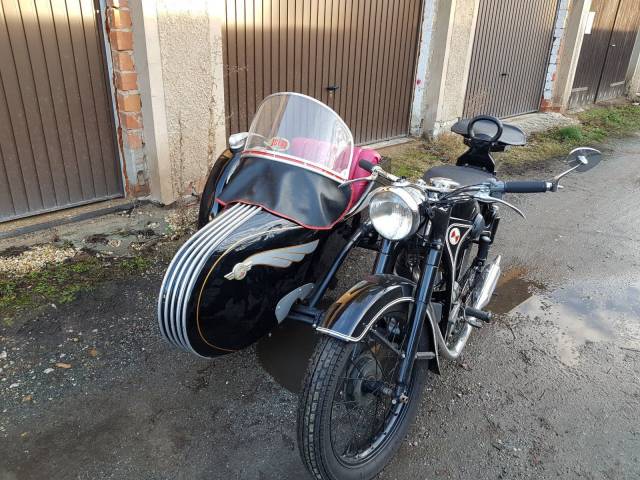
1955 | EMW R 35
Gespann
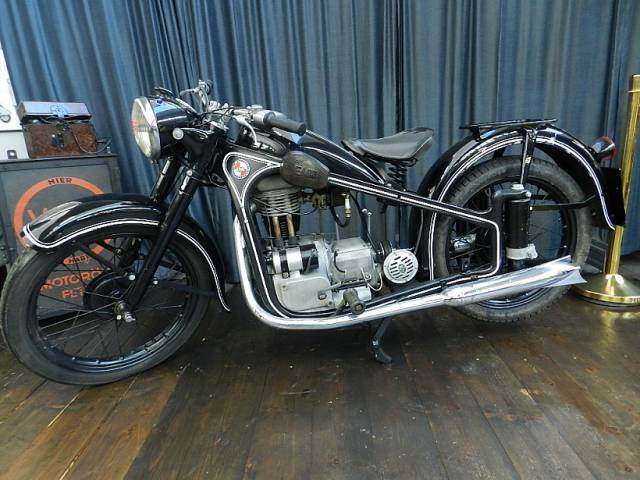
1953 | EMW R 35
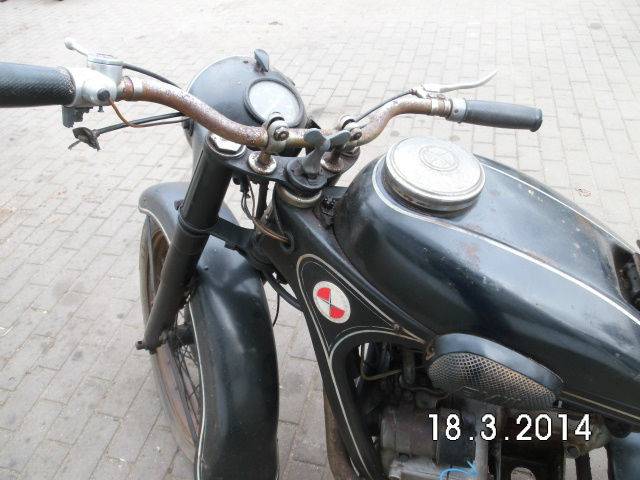
1953 | EMW R 35
EMW R 35, Nachfolger BMW R 35
The story of Eisenacher Motorenwerk (EMW) is one of the most compelling chapters in post-war motoring history, particularly for British enthusiasts of Eastern Bloc machinery. Following the Second World War, the demarcation line of the Iron Curtain ran straight through the heart of BMW’s manufacturing heritage. While the Munich plant lay in ruins and under Allied restrictions, the factory in Eisenach – situated in the Soviet occupation zone – continued to churn out motorcycles that were, for all intents and purposes, pre-war BMWs. Between 1945 and 1955, over 90,000 motorcycles left the Thuringian factory, initially bearing the famous blue-and-white BMW roundel before a legal battle forced a transition to the red-and-white EMW emblem in 1952.
For the British collector, an EMW R 35 represents more than just a vintage motorcycle; it is a tangible piece of the Cold War. These machines embody a period of pragmatic engineering where robust construction and scarce materials dictated design. Whether you are a fan of BMW’s heritage or a collector of "Iron Curtain" classics like MZ or Ural, the EMW R 35 offers a unique blend of German precision and socialist industrial history.
History & Development
The roots of the Eisenach factory stretch back to 1896 with the founding of the Fahrzeugfabrik Eisenach (FFE). BMW acquired the plant in 1928, and during the war, the entire motorcycle production was shifted from Munich to Eisenach to protect it from Allied bombing. In July 1945, the city fell into the Soviet zone. Recognising the value of the BMW designs, the Red Army ordered the resumption of production despite 60 per cent of the facility being damaged.
From autumn 1945, BMW R 35 motorcycles were assembled using leftover parts and existing tooling. The factory was eventually absorbed into the Soviet-controlled Awtowelo (SAG) group. By 1949, production had ramped up to 4,250 units annually, primarily for state authorities and the FDJ (Free German Youth) motorsport groups. Remarkably, these bikes continued to wear the blue-and-white BMW badge until 1951, leading to significant confusion in export markets.
The turning point came in 1952. Following a successful lawsuit by BMW in Munich, the Eisenach factory was barred from using the BMW name and logo. The brand was renamed EMW (Eisenacher Motorenwerk), and the blue segments of the logo were changed to red. Under the state-owned IFA umbrella, production continued with the R 35/3 model, which featured a reinforced frame (increased from 2mm to 3mm thickness), damped rear suspension, and modified mudguards. Motorcycle production in Eisenach ceased entirely in 1955 as the factory was renamed Automobilwerke Eisenach (AWE) to focus on Wartburg cars. Total production of the R 35/3 alone is estimated between 50,000 and 66,000 units.
Highlights & Features
The EMW R 35 is essentially a BMW R 35 produced in the East. Its heart is a 342cc single-cylinder OHV engine producing 14 hp at 5,200 rpm. While modest by modern standards, it was sufficient for a top speed of 62 mph (100 km/h), or roughly 53 mph (85 km/h) when paired with a sidecar. A defining feature is the shaft drive (Kardan), a hallmark of BMW engineering that EMW maintained, offering a cleaner and more reliable alternative to the chain drives common on British bikes of the era.
The pressed-steel frame, made from riveted sheet metal profiles, was a clever solution to material shortages, requiring minimal welding. Early models (pre-1951) featured a hand-shift lever on the tank and a rigid rear end (hardtail). From 1952, the R 35/2 introduced hydraulically damped telescopic forks and a foot-operated gear change. The final R 35/3 (from 1953) added plunger-style rear suspension, significantly improving the ride quality on the cobbled roads of post-war Europe.
The 6-volt electrical system with a 45-watt dynamo and manual ignition advance may seem archaic today, but it was standard for the time. The 12-litre (approx. 2.6 gallon) fuel tank sits atop the pressed-steel frame, giving the bike its distinctive, compact silhouette. A particularly sought-after accessory in the UK is the Stoye sidecar; EMW delivered thousands of these combinations, and they remain a quintessential sight for those interested in Eastern Bloc transport history.
Technical Data
Market Overview & Buying Tips
In the British market, EMW motorcycles occupy a fascinating niche. While they lack the sky-high valuations of Munich-built BMW twins, their rarity in the UK and their unique backstory make them increasingly desirable. Prices in 2024-2025 typically range from £7,000 to £15,000, depending on the model year, condition, and whether a sidecar is included.
Who buys an EMW? In the UK, the buyer profile usually falls into three categories: Cold War historians who appreciate the "Iron Curtain" provenance; BMW enthusiasts looking for the missing link in their collection; and vintage rally participants who want a robust, shaft-driven machine that stands out from the sea of BSAs and Triumphs. While they don't appreciate in value as rapidly as a BMW R 69 S, they offer a much more accessible entry point into the world of high-quality German engineering.
Price Structure by Condition (GBP):
- Project bikes (incomplete, non-running): £2,500 – £5,000
- Running, unrestored with patina: £7,000 – £9,500
- Fully restored, original specification: £10,000 – £15,000
- With Stoye sidecar: Add a premium of £1,500 – £3,500
Availability & Imports: Finding an EMW in the UK can be a challenge. Most were sold in East Germany, Poland, and the Soviet Union. Many examples currently in the UK were imported by enthusiasts in the 1990s and 2000s. When buying an import, ensure all HMRC NOVA (Notification of Vehicle Arrivals) documentation is in order and that the bike has been correctly registered with the DVLA. Parts availability is surprisingly good; because the R 35 shares so much with the pre-war BMW design, specialists in Germany (such as Old-Motorcycle-Parts) and UK-based BMW experts like Moto-Bins or James Sherlock can often source or cross-reference essential components.
What to look for? The pressed-steel frame is the most critical area. Unlike tubular frames, these riveted structures can trap moisture between the layers of steel, leading to internal corrosion that is difficult and expensive to repair. Check the rivets for signs of movement or rust bleeding. Early hand-shift models have complex linkages that wear over time, leading to vague gear selection. The 6-volt electrics are notoriously weak; many owners in the UK convert them to 12-volt systems for better lighting and reliability, though this can slightly affect the value for purists. Finally, verify the emblems and engine numbers. A 1948 bike with a red EMW badge is technically incorrect (it should be blue BMW), and "matching numbers" (frame and engine) are highly prized by collectors.
Performance & Riding Experience
Riding an EMW R 35 is a lesson in deliberate, mechanical progress. The starting procedure is a ritual: fuel tap on, tickle the carburettor, set the manual ignition advance, pull the decompressor, and give a firm, purposeful kick. The single-cylinder engine settles into a rhythmic, mechanical clatter – a sound that is distinctly "pre-war" despite the bike's 1950s manufacture date.
On the road, the hand-shift (on early models) requires a calm head. You must reach down with your right hand, past your knee, to find the gear while managing the clutch with your left. It’s an engaging, tactile experience that forces you to read the road ahead. The later foot-shift models are more ergonomic, but the four-speed gearbox remains agricultural in its operation – slow, deliberate shifts are the order of the day.
The handling depends heavily on the model. The early "hardtail" versions offer a direct connection to the road – perhaps too direct for some. Every pothole is felt through the sprung saddle. The R 35/3 with its plunger rear suspension is a revelation by comparison, though still firm by modern standards. The telescopic forks provide adequate damping, but the drum brakes require a "predictive" riding style. You don't just stop an EMW; you negotiate a halt.
The shaft drive is the star of the show. It provides a smooth, snatch-free delivery of power that feels more sophisticated than the chain-driven singles of the same era. At a cruising speed of 45-50 mph, the EMW is in its element. Push it towards 60 mph, and the vibrations through the footpegs and handlebars remind you that this is a machine designed for utility, not high-speed touring. In a sidecar outfit, the experience becomes a physical workout; steering requires muscle, and cornering is an art form, but the stability and "go-anywhere" feel are immensely satisfying.
Design & Aesthetics
The EMW R 35 is a masterclass in industrial functionalism. There is no chrome for the sake of chrome, no sweeping lines that don't serve a purpose. The pressed-steel frame gives the bike a rugged, almost military appearance. It looks like a machine built to survive a Siberian winter, which, given its history, isn't far from the truth.
The 12-litre fuel tank is perfectly proportioned, sitting low on the frame. On early models, the cut-out for the hand-shift lever adds a layer of mechanical intrigue. The mudguards are wide and deep, designed to keep the rider clean on unpaved roads. The colour palette was famously limited – mostly black or maroon with simple white pinstriping. It’s a sober, dignified look that has aged remarkably well.
The emblem is the most discussed design element. The red-and-white EMW roundel is a defiant nod to the factory's BMW roots. For many collectors, the transition from the blue BMW badge to the red EMW badge is the defining characteristic of the brand. It represents the moment the factory truly became an Eastern Bloc entity.
Inside the headlight shell, the minimal instrumentation – usually just a speedometer and a few warning lights – reinforces the spartan philosophy. There were no "designers" in the modern sense; the R 35 was a refinement of a 1937 BMW design by engineers like Alex von Falkenhausen. It was a bike for the people, for the police, and for the post-war reconstruction. Its beauty lies in its honesty.
Summary
The EMW R 35 is a time capsule of German history. It tells the story of a nation divided, of engineering ingenuity under the constraints of the planned economy, and of a legal battle that birthed a new brand from the ashes of an old one. It is a motorcycle that offers the prestige of BMW engineering with the unique character of the Eastern Bloc.
For the British collector, it is an accessible, reliable, and deeply interesting alternative to more mainstream classics. It requires a rider who enjoys the mechanical "conversation" of a vintage machine – the manual advance, the slow gear changes, and the rhythmic thrum of a large single. Whether you're drawn to its Cold War story or its robust shaft-drive engineering, the EMW R 35 remains one of the most distinctive motorcycles of the 1950s. It is not just a vehicle; it is history on two wheels.