- Car
- Land Rover (109 offers)
Buy Classic Land Rover Cars
From the agricultural Series I to the polished Range Rover Classic, a classic Land Rover is one of Britain’s most usable automotive institutions. Find an honest example with sound structure and it can be a weekend companion, working vehicle and family heirloom in one.
Search results
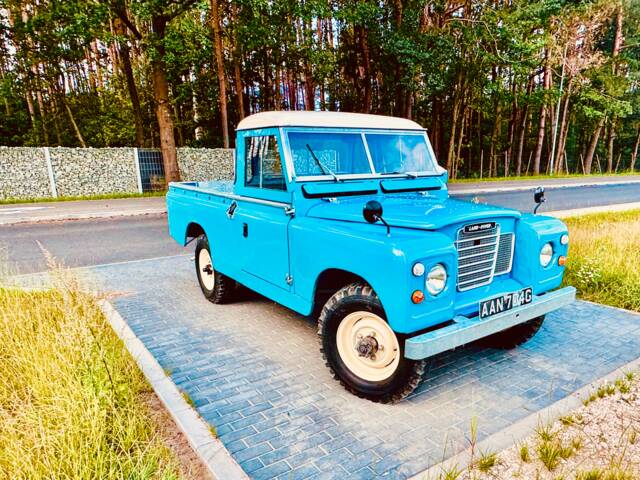
1969 | Land Rover 109
Series IIA 109 with galvanized chassis, rebuilt petrol engine and 14 years with the current owner
Preview


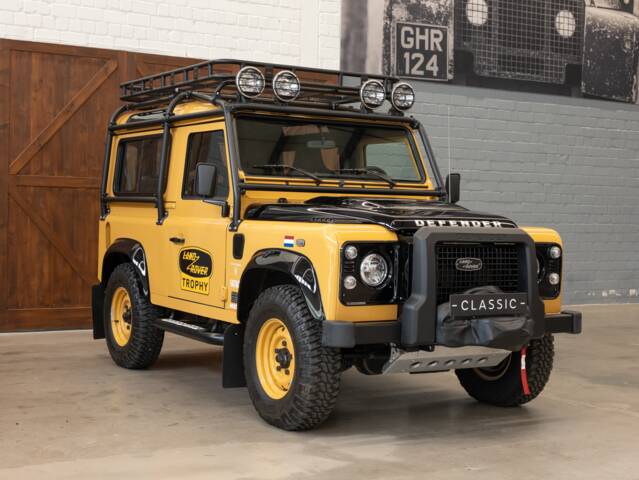
2013 | Land Rover Defender 90 Works V8
TROPHY 1 Limited Edition 1 of 25

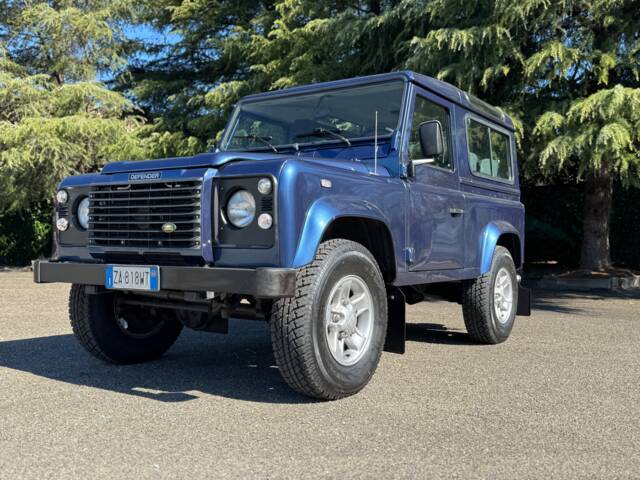
2006 | Land Rover Defender 90 Heritage
Land Rover Defender 90 TD5 2006


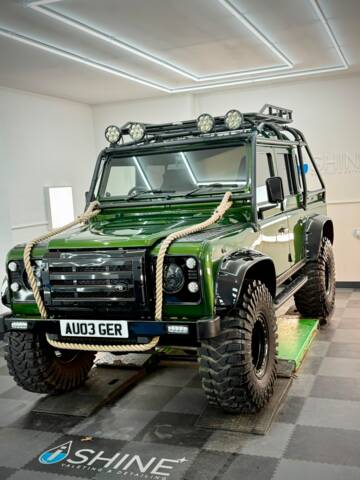
2005 | Land Rover Defender 110
LAND ROVER DEFENDER 110 “SPECTRE” BY BESPOKE - 580 miles

Newsletter
The best Land Rover listings, straight to your inbox
Get hand-picked Land Rover listings, plus the best of cars, motorbikes, and auctions on Classic Trader — all in one place.
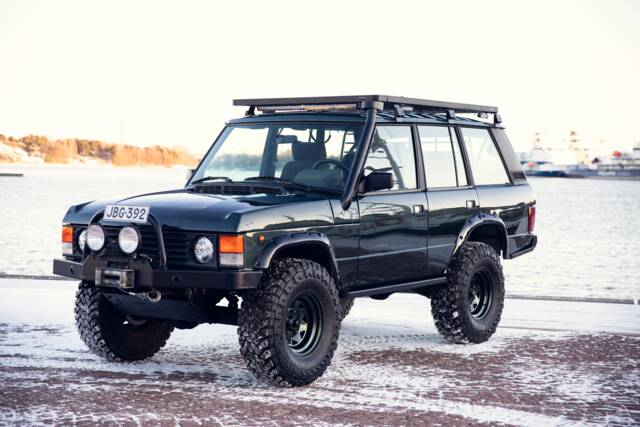
1993 | Land Rover Range Rover Classic Vogue SEi
"Safari" modified and new engine fitted at great expense

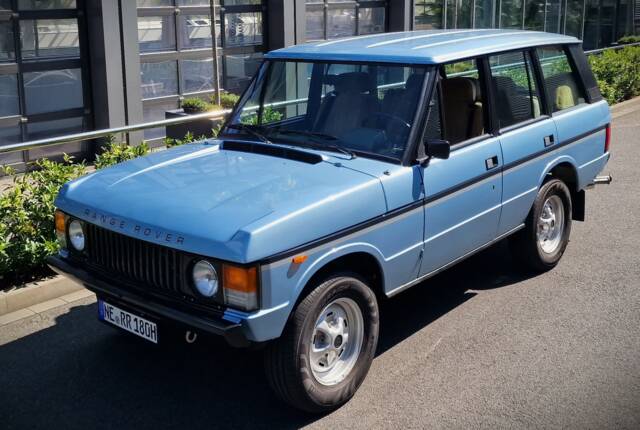
1981 | Land Rover Range Rover Classic 3.5
"In Vogue" Design - Body Off Restoration - Classic Data 1-
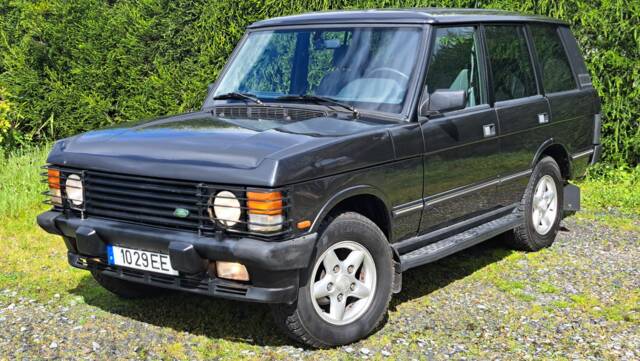
1994 | Land Rover Range Rover Classic Vogue TDi
Land Rover Range Rover Classic | 1994 | Route 66 Auctions - For sale by auction. Estimate 17400 EUR

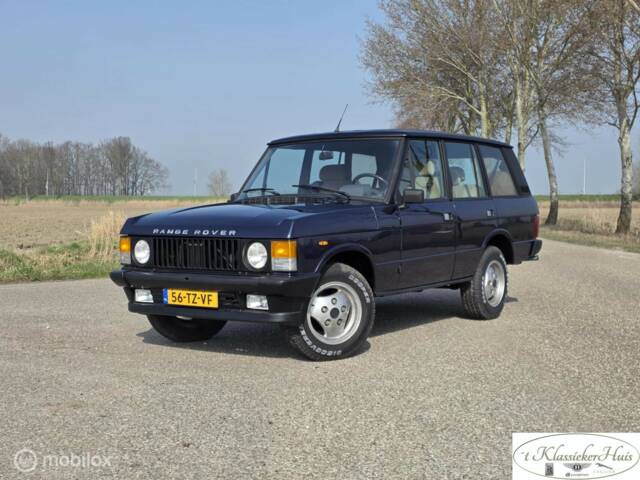
1984 | Land Rover Range Rover Classic 3.5
Land Rover Range Rover 3.5 V8i 5 versnellingsbak
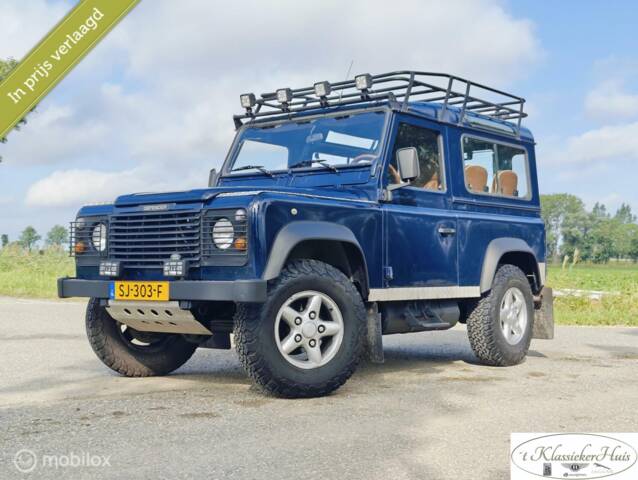
1997 | Land Rover Defender 90
Defender 90 HT 2.0 16v 136pk 6 persoons
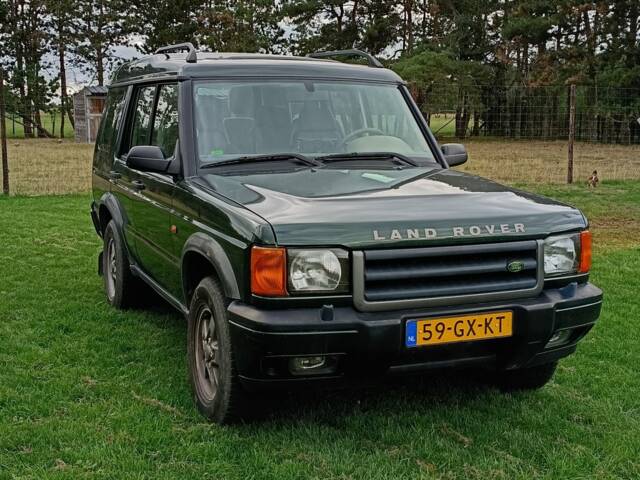
1900 | Land Rover Discovery 4.0 HSE
Land Rover Discovery 2 | 2001 | Route 66 Auctions - For sale by auction. Estimate 6000 EUR
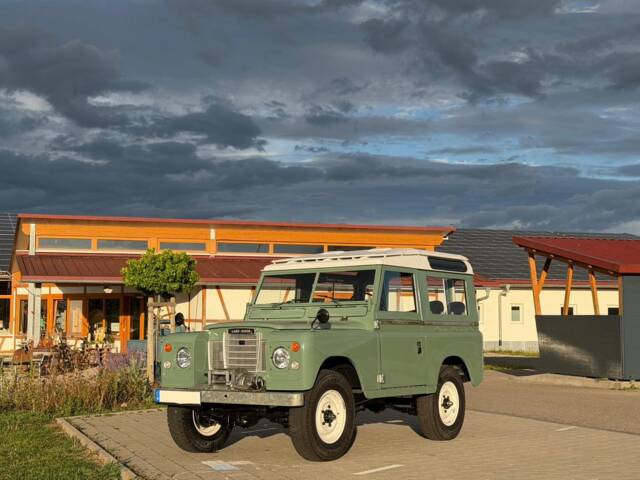
1977 | Land Rover 88
Land Rover 88 Series III Diesel – frame-off restored, galvanised frame, matching numbers, historic vehicle registration, new MOT
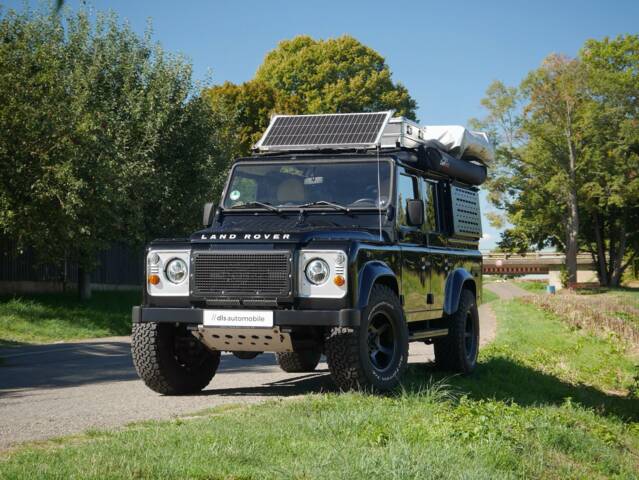
1900 | Land Rover Defender 110
Land Rover Defender 110TD4 "60th Anniversary" // Expeditions-Fahrzeug // fernreisetauglich //Neuaufbau!

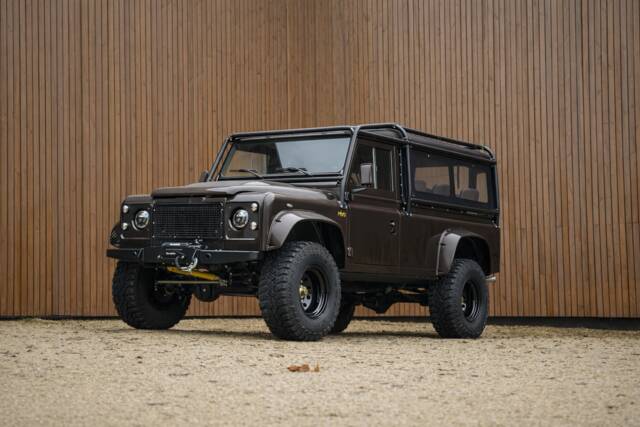
1986 | Land Rover 110
1986 Land Rover Defender 110 Nomad V8
VAT is reclaimable


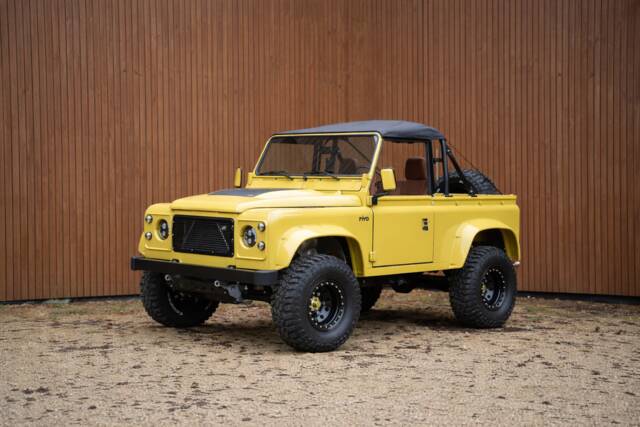
1988 | Land Rover 90
1988 Land Rover defender 90 V8 Restored
VAT is reclaimable

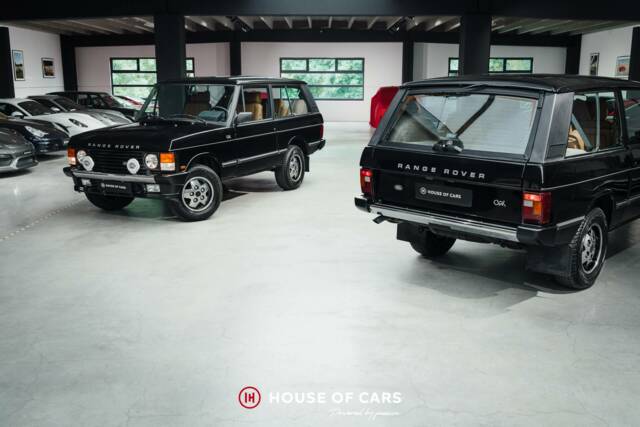
1991 | Land Rover Range Rover Classic CSK
Manual / 3-doors / Black over Tan
History & Heritage
Land Rover began with a clear post-war purpose: make a British vehicle that could work wherever a farm tractor could not. Rover’s technical director Maurice Wilks developed the idea at Red Wharf Bay, Anglesey, using a Willys Jeep as practical inspiration. The first production Land Rover appeared at the Amsterdam Motor Show on 30 April 1948. Its 80-inch wheelbase, Rover P3-derived 1,595cc petrol engine and selectable four-wheel drive were utilitarian rather than luxurious. So, crucially, was its construction: a steel box-section chassis clothed in Birmabright aluminium alloy, chosen when steel was scarce and aluminium readily available.
That decision created the visual vocabulary of the marque. Flat panels, exposed rivets, detachable doors and a hard-working driving position made the early vehicle easy to repair and adaptable to almost any task. The Series I evolved through 86-, 88-, 107- and 109-inch forms before the Series II arrived in 1958 with rounded waistlines and the 2.25-litre petrol engine. The Series IIA of 1961 became the truly global Land Rover: civilian, military, agricultural and expedition versions travelled to almost every export market. In 1976, the millionth Land Rover was built.
The Series III (1971–1985) was the final leaf-sprung chapter. Its plastic grille, revised dashboard and all-synchromesh gearbox made it more civilised without diluting the essential formula. About 440,000 were built, making it the most familiar Series vehicle and an approachable entry to ownership. A 109-inch Stage 1 V8, introduced in 1979, borrowed the 3.5-litre Rover V8 and permanent four-wheel-drive hardware from the Range Rover; it is now a particularly interesting bridge between the working Land Rover and later coil-sprung models.
The great change had already arrived in 1970. Range Rover Classic, conceived under Charles Spencer King and shaped under David Bache, coupled permanent four-wheel drive, long-travel coil springs and the 3.5-litre V8 with an unusually refined, spacious body. Early two-door cars were intentionally washable inside, but the four-door model of 1981, increasingly lavish trim and later fuel-injected 3.9- and 4.2-litre V8s made the original Range Rover the template for the modern luxury SUV. Production continued until 1996; widely cited production totals are just over 315,000 cars.
In 1983, the One Ten replaced the long-wheelbase Series model, followed by the Ninety in 1984. Coil springs, a wider track, five-speed gearbox and permanent four-wheel drive transformed ride quality and axle articulation. The vehicles gained the Defender name in 1990, when Land Rover needed to distinguish them from the Discovery. The final traditional Defender left Solihull in January 2016, making late, unmodified examples especially sought after. Meanwhile, the Discovery I (1989–1998) put Range Rover chassis engineering beneath a more practical, family-minded five-door body. Together, Series, Defender, Range Rover Classic and Discovery I show why this is a make-level story rather than one vehicle’s story: Land Rover developed one rugged premise into several very different classic ownership experiences.
Highlights & Features
The shared appeal of classic Land Rovers is not perfection; it is serviceability, utility and character. Their ladder-frame construction means a tired vehicle can be dismantled logically, repaired panel by panel and rebuilt without the monocoque surgery required by many contemporaries. Mechanical parts, chassis sections, door skins, suspension components and trim are still unusually well supported in Britain. Suppliers including John Craddock, Dunsfold Land Rover and the wider aftermarket support owners, while JLR Classic provides an original-parts and restoration route for selected vehicles.
Yet “aluminium body” must never be shorthand for “rust-free”. Series and Defender outer panels resist iron-oxide rust, but their steel chassis, bulkhead, door frames and fittings corrode; aluminium can oxidise and suffer galvanic attack where it meets steel. On a Range Rover Classic the alloy outer skins can conceal corrosion in the steel body structure. The essential buying rule across the marque is therefore structure before paint.
Choose the experience, rather than merely the badge:
- A Series I rewards historic accuracy, gentle use and patient ownership. Correct specification, body style and provenance matter strongly.
- A Series II/IIA or III offers the classic Land Rover view over the bonnet, simple engineering and enormous variety: 88-inch, 109-inch, truck cab, station wagon, military or utility. A sound Series III is often the sensible hands-on starting point.
- A Ninety, One Ten or Defender is better suited to regular journeys, towing and green-lane use, with coils and later diesel engines improving usability. Values favour authentic, well-documented vehicles over fashionable but poorly executed conversions.
- A Range Rover Classic is the collector’s more luxurious choice. It combines genuine off-road ability with V8 character, but it has far more steel bodywork, equipment and restoration complexity than a Series model.
- A Discovery I gives the same basic ethos with five doors, useful space and 200Tdi/300Tdi or V8 options. It remains a practical, comparatively modestly priced route into the marque, although rust can be serious.
Britain’s Land Rover scene is a major ownership advantage. The Land Rover Series One Club and Land Rover Series 2 Club provide marque-specific knowledge, while regional clubs, the Land Rover Owners Club and model forums supply workshop recommendations, parts leads and events. The Series One Club and Series 2 Club also appear on DVLA’s V765 scheme list, which can matter when documenting an old vehicle’s identity. Visiting a club gathering before purchase is worthwhile: it calibrates what correct panel fit, period accessories and honest patina actually look like.
Technical Data
Figures vary by wheelbase, body and market specification; the table gives useful representative British versions rather than pretending every Land Rover was identical.
Mechanically, there are two distinct families. Series vehicles use leaf springs, a separate transfer box and selectable four-wheel drive; their slow, direct systems are repairable but need correct lubrication and adjustment. Range Rover, Discovery and coil-sprung utility models have permanent four-wheel drive with a centre differential and low range. During a viewing, make sure high and low ranges, the diff-lock mechanism where fitted, and every gear engage as intended. A transfer box that has never been exercised can seize even if the vehicle seems fine on tarmac.
The 2.25-litre petrol and diesel engines are robust when serviced, but check cold starting, smoke, oil pressure and crankcase breathing. On 200Tdi and 300Tdi vehicles, look for disciplined cooling-system and cambelt history. A Td5 needs closer scrutiny of injector-harness oil migration and electronic faults. Rover V8s sound irresistible but use fuel freely; overheating, coolant loss, oil contamination and a misfire deserve investigation. Later 3.9- and 4.2-litre blocks can suffer cracked cylinder bores, so a specialist inspection is wiser than accepting a warm engine’s smooth idle as proof of health.
Market Overview & Buying Tips
The UK has a broad market because Land Rovers were bought to work, not preserved as ornaments. That creates choice, but it also means many survivors have been rebuilt, re-bodied, modified for off-road use or assembled from several donors. Ask whether “restored” means a documented chassis-up rebuild, targeted repairs, or simply fresh paint and underseal. In this marque, invoices, photographs, old MOT certificates and a coherent V5C often carry more value than a glossy finish.
As a current UK buying guide, allow roughly £3,000–£5,000 for a Series II/IIA or III project and £8,000–£15,000 for a sound, usable example. Properly restored or unusually correct Series vehicles commonly sit around £18,000–£28,000, with early Series I, Station Wagon, military provenance and rare factory variants capable of more. An H&H 1964 Series IIA sold for £23,062 including premium in December 2025, a useful reminder that quality and history, not merely age, determine value.
For a usable Defender 90, condition and engine are decisive. Older or tired projects can begin around £4,000–£10,000, while credible 300Tdi, Td5 and later vehicles commonly span £15,000–£45,000. Late, low-mileage or limited-edition examples sit well above that. Bonhams sold a 2015 Defender 90 XS with fewer than 5,000 miles for £54,050 including premium in 2025; that is not a benchmark for an ordinary working Defender, but it illustrates the premium for original, late and exceptionally preserved vehicles. A Defender 110 is often valued for utility and can command similar money when its chassis, service record and specification are right.
The Range Rover Classic remains split between restoration candidates and collector-grade cars. Budget £2,000–£8,000 for a project only if you have already priced the structure, £10,000–£20,000 for a usable four-door, and £30,000–£50,000-plus for an excellent early two-door, CSK, carefully restored V8 or unusually original survivor. The most tempting cheap Classics can require a body-off restoration. Discovery I values are less heated: roughly £6,000–£12,000 can buy a good 300Tdi, but inspect it as rigorously as a Range Rover, particularly its rear chassis and inner wings.
Use a torch, clean clothes and enough time underneath. These are the principal checks:
- Chassis and crossmembers: Probe main rails, rear crossmember, outriggers, spring mounts and gearbox crossmember. Corrosion often starts inside boxed sections; thick fresh underseal is a reason to investigate further, not relax.
- Bulkhead and footwells: Examine the upper corners by the windscreen, vent flaps, A-post bases and footwells from both cabin and wheelarch. A galvanised replacement bulkhead is a benefit if the work is documented; fitting one involves considerable dismantling. Current specialist guidance puts a bare galvanised Defender bulkhead from about £1,500 before substantial labour.
- Body, doors and alignment: Look for electrolytic bubbling around cappings and steel-aluminium joints, rotten door frames, worn hinges, cracked mounting points and chequer plate hiding damage. Panel gaps were never perfect, but seriously uneven doors after restoration can indicate poor alignment.
- Axles, steering and brakes: Check swivels for pitting or leaks, play at propshaft universal joints, wandering steering, perished brake hoses and seized handbrake parts. On the test drive, listen for differential whine and ensure the vehicle brakes in a straight line.
- Engine, gearbox and transfer box: Start from cold, test every ratio under load and look for jumping out of gear. Modest oil seepage is familiar; serious leaks, overheating or contaminated coolant are not traits to excuse.
- Identity and modifications: Match chassis/VIN, engine details and wheelbase to the V5C. Verify that engine swaps, suspension lifts, roll cages, seating changes, wheels and lighting are declared to the insurer and appropriately recorded. A galvanised replacement chassis may be a sensible long-term repair, but its number and the vehicle’s identity need to be properly evidenced.
MOT status should shape the decision, but never replace inspection. In 2026, a vehicle built or first registered more than 40 years ago may be MOT-exempt only if it has not been substantially changed in the preceding 30 years; it must still be roadworthy and may be voluntarily tested. Owners declare relevant exemption when taxing a Vehicle of Historical Interest, and an altered, Q-registered or reconstructed vehicle may not qualify. Many careful owners continue annual MOT testing because it gives an independent safety record. Historic vehicle tax status is separate: qualifying vehicles made before 1 January 1986 can be exempt from vehicle tax from April 2026, but still require taxation and insurance before road use.
For an unregistered vehicle or one seeking its original number, do not assume a persuasive story is enough. DVLA’s V765 route requires documentary evidence linking vehicle and registration number, a recent photograph, and endorsement by an eligible owners’ club. If evidence is insufficient, an age-related mark or, in some cases, a Q registration may result. Factor that risk in before paying a premium for an apparently original barn find. Check the V5C, DVLA MOT history and VIN before handing over money; a Land Rover specialist’s pre-purchase inspection is money well spent.
Driving Feel
A classic Land Rover announces its intentions before it moves. You climb up rather than slide in, sit close to the side glass and look along a flat bonnet to its exposed wings. In a Series vehicle, the engine note, mechanical whir and wind noise are part of the conversation. Steering is slow, brakes require anticipation and a 2.25-litre diesel will not hurry for anyone. On a narrow B-road, however, the slim body, upright glasshouse and low gearing make it engaging rather than merely old-fashioned. It feels like a machine designed to place a wheel exactly where the driver wants it.
Coil-sprung Ninety, One Ten and Defender models retain the commanding seating position but add real suspension compliance. A 200Tdi or 300Tdi’s torque makes a country lane, muddy field or towing task feel effortless at sensible speeds. They are noisier and less precise than modern SUVs, and the transmission is tangible through the lever and floor, but that is the appeal. A classic Defender is most convincing when used: loaded, parked at a trial site, travelling to a cottage or collecting something too awkward for a conventional estate car.
The Range Rover Classic is another character entirely. Its V8 burble, soft coil-spring ride and airy pillars turn a long journey into relaxed period motoring. It is surprisingly capable away from tarmac, especially with the centre differential locked, yet it carries a distinctly more refined ambience than a Defender. Fuel consumption in the low-to-mid teens mpg for a V8 is realistic, so buy it for the experience rather than economy. The Discovery I blends the two approaches: less glamorous, but often the most rational classic Land Rover for friends, dogs, luggage and regular use.
Design & Coachwork
The Land Rover’s form followed function so faithfully that it became design history. The Series body was assembled from practical flat alloy pressings over a steel structure; its detachable elements made it adaptable for farms, forces and far-flung service. Short-wheelbase 88-inch vehicles look compact and purposeful, while a 109-inch station wagon has a more settled, expedition-ready presence. Hardtops, canvas hoods, truck cabs, safari roofs and period wheels substantially change both usability and collectability.
David Bache’s Range Rover Classic is the marque’s design masterpiece. The long, horizontal beltline, clamshell bonnet, large glass area and floating-roof effect stayed recognisable for 26 years because the original proportion was so resolved. The early two-door is visually pure; the four-door is much easier to share and live with. In either case, original colour, interior materials, correct wheels and an uncut dashboard usually matter more to collectors than fashionable accessories.
Defender design is evolutionary rather than newly drawn: broad wheelarch eyebrows, a black grille and a more planted stance distinguish it from the Series lineage, but its upright silhouette is immediately familiar. Be cautious with cosmetic “heritage” conversions. They can be enjoyable personal vehicles, yet badly fitted Puma grilles, diamond plate, oversized wheels and aftermarket seating can disguise corrosion and dilute originality. A well-made upgrade, honestly described and correctly insured, is different from a build that pretends to be something it is not.
Ownership, Clubs & Legacy
Land Rover ownership in Britain is unusually communal. Local groups organise trials, shows, lane days and informal technical support; specialist workshops understand the factory’s quirks because many have repaired the same vehicles for decades. That network helps a newcomer find a chassis inspector, parts supplier or welder, but it should not encourage blind confidence: the strength of the aftermarket also makes it easy to construct a vehicle that looks complete while lacking a clear history.
The marque’s cultural reach adds to its appeal. Land Rovers served the British armed forces and emergency services, worked farms and estates, crossed deserts and appeared relentlessly in film, television and royal life. JLR Classic now preserves the official side of that legacy with Classic Works vehicles and parts support, while independent restorers offer everything from faithful Series rebuilds to highly personalised Defender conversions. Insure on an agreed-value policy, discuss security measures honestly—Defenders in particular are theft targets—and make recovery, garaging and intended off-road use part of the quote.
Summary
To buy a classic Land Rover well is to buy the right condition and history, not the shiniest paintwork or most fashionable accessories. A Series II/III provides the direct, repairable original experience; a Defender offers the broadest usable-classic appeal; a Range Rover Classic brings V8 luxury and design significance; and a Discovery I gives practical value. Across every branch of the family, inspect the chassis, bulkhead, paperwork and quality of past work first.
Britain’s deep club culture, specialist network and parts supply make these cars unusually sustainable classics. Find a Land Rover whose structure, identity and specification match the way you intend to use it, then enjoy one of the few British classics that genuinely improves when it is put to work.