- Motorcycle
- DKW (5 offers)
DKW classic cars for sale
DKW vehicles stand for robust two-stroke engineering, pioneering front-wheel-drive technology and a refreshing approach to design and everyday usability. Whether it’s the distinctive F-series saloons, the RT 125 motorcycle legend, the rare 1000 SP coupé or utilitarian Schnellaster vans, DKW classic vehicles provide a hands-on experience of German motoring ingenuity from the 1930s to the 1960s.
Search results
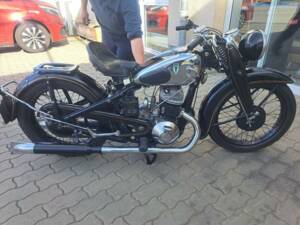
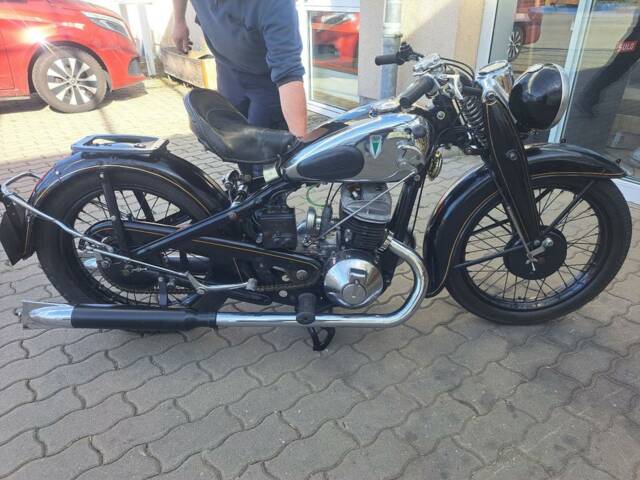
1900 | DKW SB 500
DKW SB 500

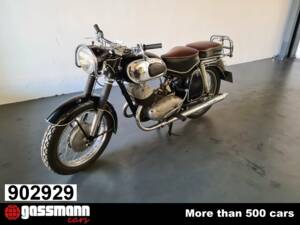
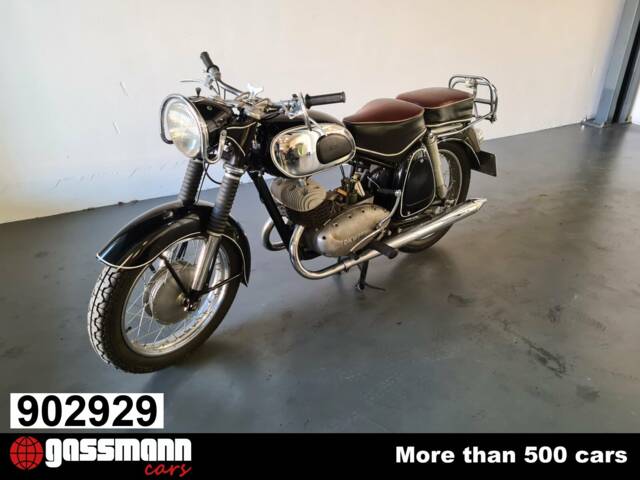
1955 | DKW RT 350 S
RT 350, Auto Union - Restauriert
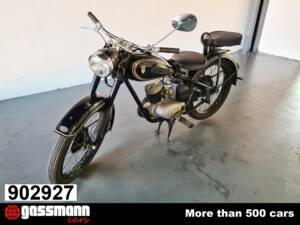
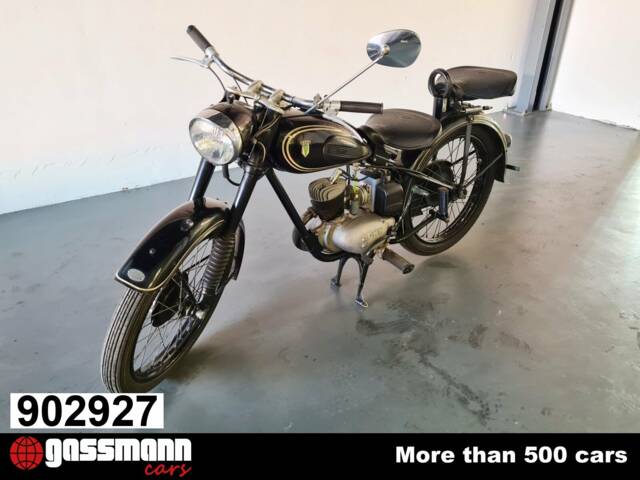
1953 | DKW RT 125/2
DKW RT 125/2 – Classic from 1953
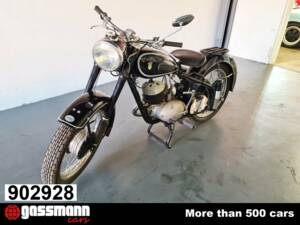
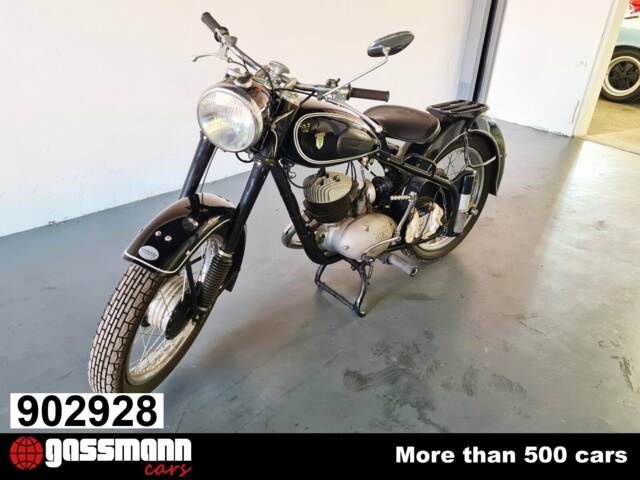
1953 | DKW RT 250 H
DKW RT 250 H – Classic Motorcycle from the 1950s
Newsletter
The best DKW listings, straight to your inbox
Get hand-picked DKW listings, plus the best of cars, motorbikes, and auctions on Classic Trader — all in one place.
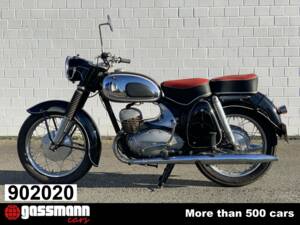
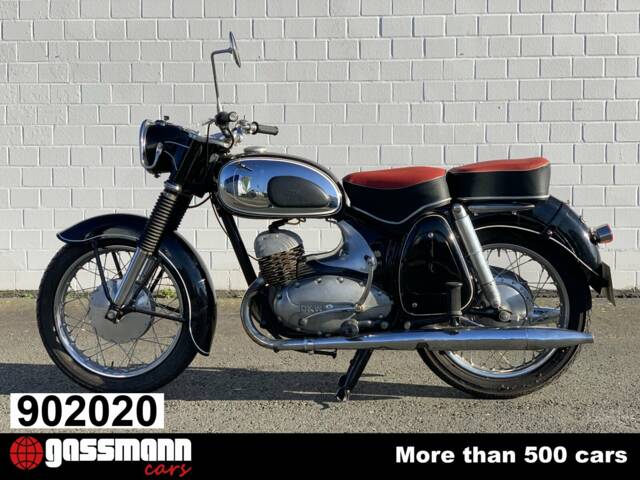
1955 | DKW RT 350 S
RT 350 S
DKW listing references from Classic Trader
Below you will find listings related to your search that are no longer available on Classic Trader. Use this information to gain insight into availability, value trends, and current pricing for a "DKW" to make a more informed purchasing decision.
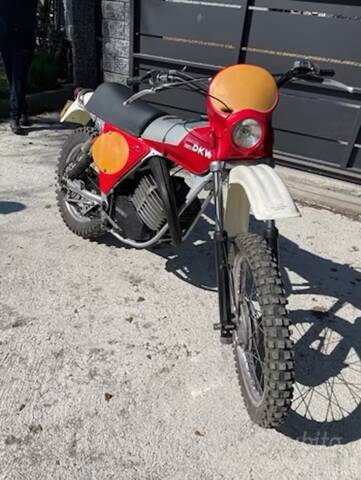
1977 | DKW 250 GS Regolarità
restauro conservativo, pronta gare enduro d'epoca

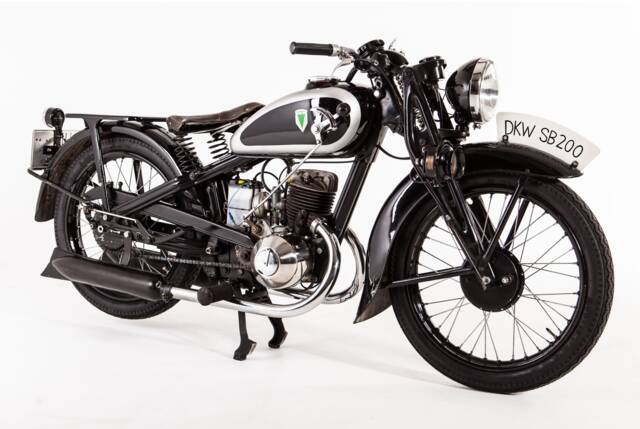
1936 | DKW SB 200
90 Jahre alt / TÜV, HU neu / angemeldet / fahrbereit
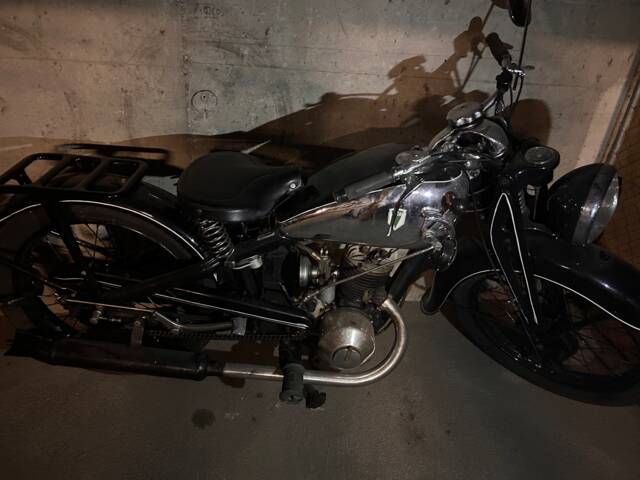
1936 | DKW SB 200
Sehr gepflegte DKW SB 200
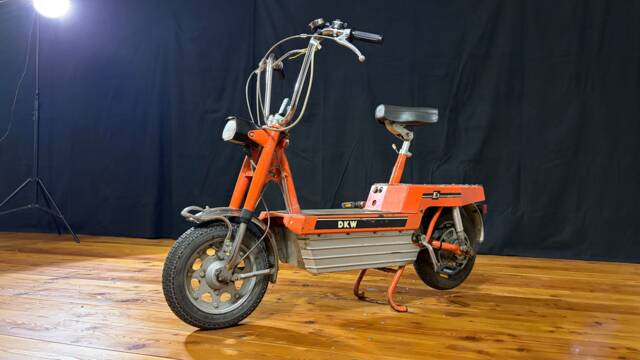
1972 | DKW Accu Bike E1
Absolute Rarity

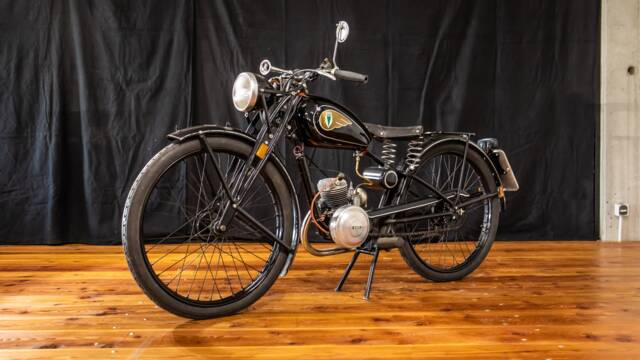
1938 | DKW RT 100
Representative of the early RT series
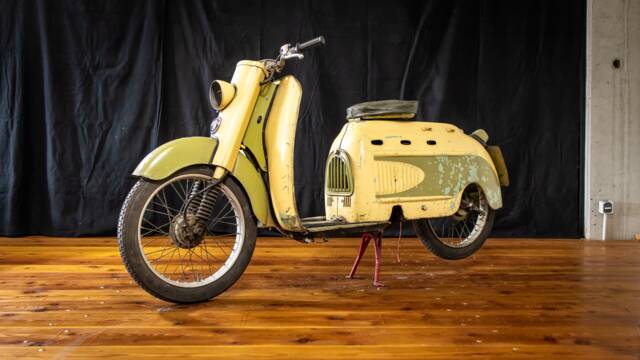
1955 | DKW Hobby-Roller
Built for uncomplicated mobility of the 1950s
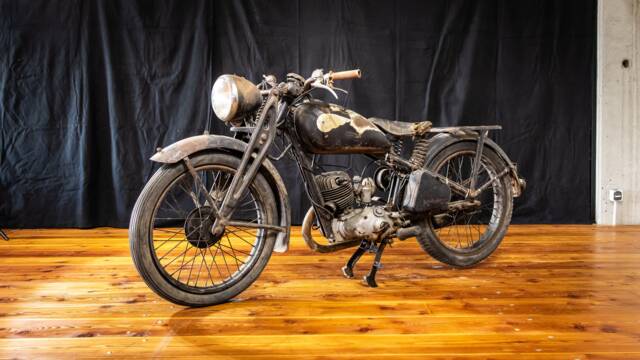
1955 | DKW RT 200
Part of one of the most successful motorcycle series of its time
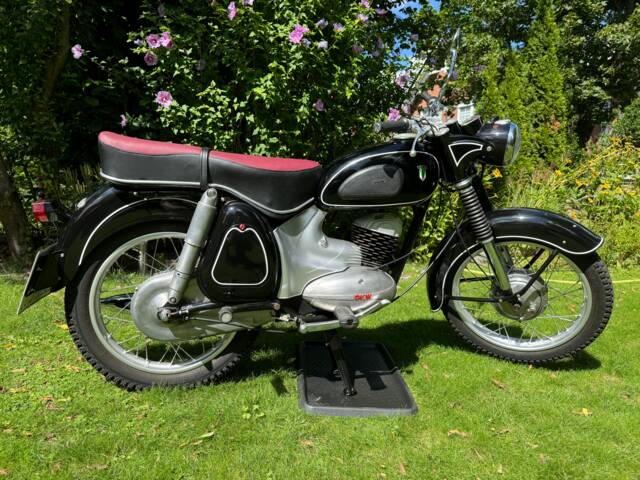
1956 | DKW RT 200 S
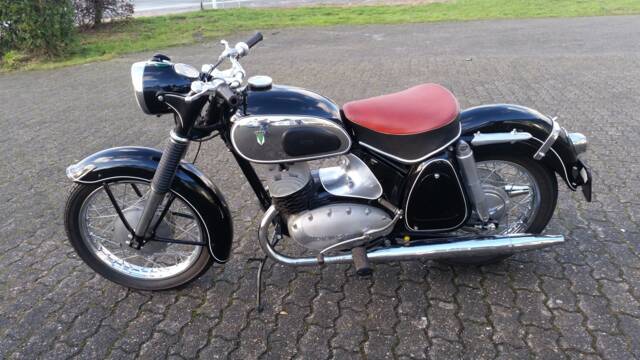
1955 | DKW RT 350 S
Aufgebaut zur Reisemaschine
History of DKW
Founded in Germany in 1916 by the Danish engineer Jørgen Skafte Rasmussen, DKW began as a manufacturer of steam-powered vehicles, quickly pivoting towards petrol-powered two-stroke technology after World War I. The brand soon became the world’s leading motorcycle manufacturer by the late 1920s, also entering the car market. By 1932, DKW was part of the Auto Union group alongside Audi, Horch, and Wanderer, laying the foundation for what would eventually become Audi. DKW’s impressive engineering feats include the front-wheel-drive F-series and innovations like the freewheel transmission. Production spanned from the 1920s through the 1960s, with cars built in places like Zschopau, Düsseldorf, and Ingolstadt. After financial challenges and multiple mergers, DKW cars concluded with the F102, making way for the Audi brand under Volkswagen in the late 1960s.
DKW model history
DKW’s model evolution started with simple, affordable motorcycles, then expanded into front-wheel-drive cars with the 1931 F1. The F-series grew into the likes of F5, F7, F8, and F9, often employing a mixture of wood and steel for body construction. Post-war development gave rise to models like the F89, F91 (Sonderklasse), F93 (3=6), 1000, and sporting variants such as the 1000 SP. Utility lines like the Schnellaster van and the rugged Munga 4x4 added breadth to the marque’s offering. DKW’s two-stroke motorcycles—especially the RT 125—became historic benchmarks. In the 1950s and 60s, the Junior, Junior de Luxe, and F12 targeted the compact class. The F102, as DKW’s swansong, marked the transition to four-stroke Audi models.
Highlights and unique characteristics of DKW vehicles
DKW’s renown springs from two-stroke engine technology, light but sturdy construction, front-wheel drive across much of its car catalogue and a robust reputation. Standout features include the F-series’ wooden-steel bodies, high practicality and reliability, as well as forward-thinking touches such as synchronised gearboxes (from F91 onwards) and clever freewheel systems. The RT 125 motorbike was so influential that its engineering was copied worldwide by brands including Harley-Davidson and Yamaha. DKW saloons regularly featured large panoramic rear windows, bakelite dashboards and styling adapted to their era—ranging from fuss-free pre-war practicality to 1000 SP’s American-inspired forms. Versatility was also key, with convertible, coupé, van, and military-style (Munga) options in the range.
Technical data of DKW classic vehicles
Special editions and collector's models
The DKW 1000 SP, produced from 1958–1965 as a coupé and occasionally called the ‘Narrow Gauge Thunderbird’ for its stylised American influence, was a rare and desirable model with roughly 5,000 units built. The Munga, initially designed for military use but sold in civilian versions, demonstrates DKW’s versatility and ruggedness. Convertible and Cabrio versions of standard saloon models, special trim levels like the F12 Luxus, and the wide range of RT motorcycles (notably the RT 125/2 built postwar) mark further highlights in DKW’s collector landscape.
Engine, transmission and road behaviour – driving DKW classics
Typical DKW driving involves the distinctive buzz of a robust two- or three-cylinder two-stroke engine—often front-mounted with front-wheel drive. Cars like the F91, F93 and 1000 SP deliver eager yet economical acceleration, with lively throttle response and compact turning circles, owed to the light chassis and front-drive setup. The freewheel system permits clutchless coasting, while later models offer synchronised gearboxes for greater driving comfort. Motorcycles, especially the RT 125 series, are recognised for reliable, simple mechanics and nimble handling. Off-road, the Munga’s simple technology, selectable four-wheel drive and open bodywork make it a durable and field-proven option. - DKW 1000 SP: Three-cylinder, two-stroke, 41 kW (55 PS), ca. 140 km/h top speed, highly regarded for its dynamic character.
- DKW F91 Sonderklasse: 897 cm³, 34 PS, panoramic rear window, full-length side glass in coupé format.
- RT 125/2 Motorbike: 125 cm³ single, ca. 5 PS, 4-speed, known for ease of upkeep and worldwide popularity.
- Munga: Rugged off-roader, up to eight seats, 2- and 3-cylinder engines, reliable in a variety of terrains.
Design, interior, comfort and special features
DKW aesthetics shifted from functional pre-war looks to more pronounced 1950s curves and American-inspired lines in the SP coupé. Earlier models sported mixed wood-steel bodies with simple yet solid interiors; bakelite dashboards, panoramic rear windows and innovative features such as pillarless doors on specific coupés set them apart. Many DKWs could be ordered with two-tone paint, folding roofs, and elegant chrome trim. Cabriolet and roadster variants provided open-air motoring. Interior accessories varied from minimalist pre-war utility to better-appointed postwar models with additional comfort features and sparkling trim. The Munga’s canvas tops, removable doors and modularity stand out in the utility sector.
Other interesting facts about DKW
Original documentation, spare parts catalogues and restoration guides are widely circulated in enthusiast circles, aiding the restoration and upkeep of DKW vehicles. Their export success means that good examples can still be found as far afield as Scandinavia, the Netherlands, and South Africa, as well as in Germany.
Summary of DKW classic cars
DKW classics encapsulate an era of German motoring where inventive engineering, functionality, and a touch of design flair converged. Marked out by two-stroke powertrains and pioneering front-wheel-drive layouts, DKW cars and bikes remain technical milestones with a strong enthusiast following—including substantial supply and demand for key models on the classic market today.