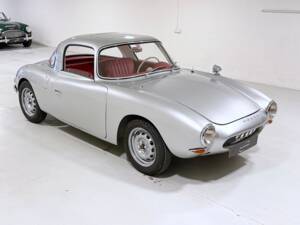
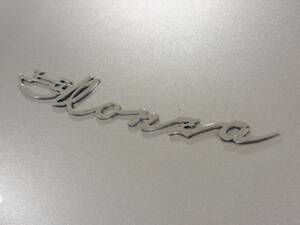
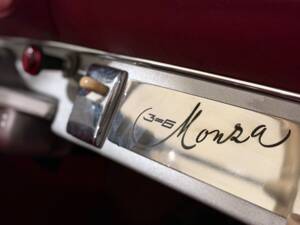
1958 | DKW 3=6 Monza Coupé
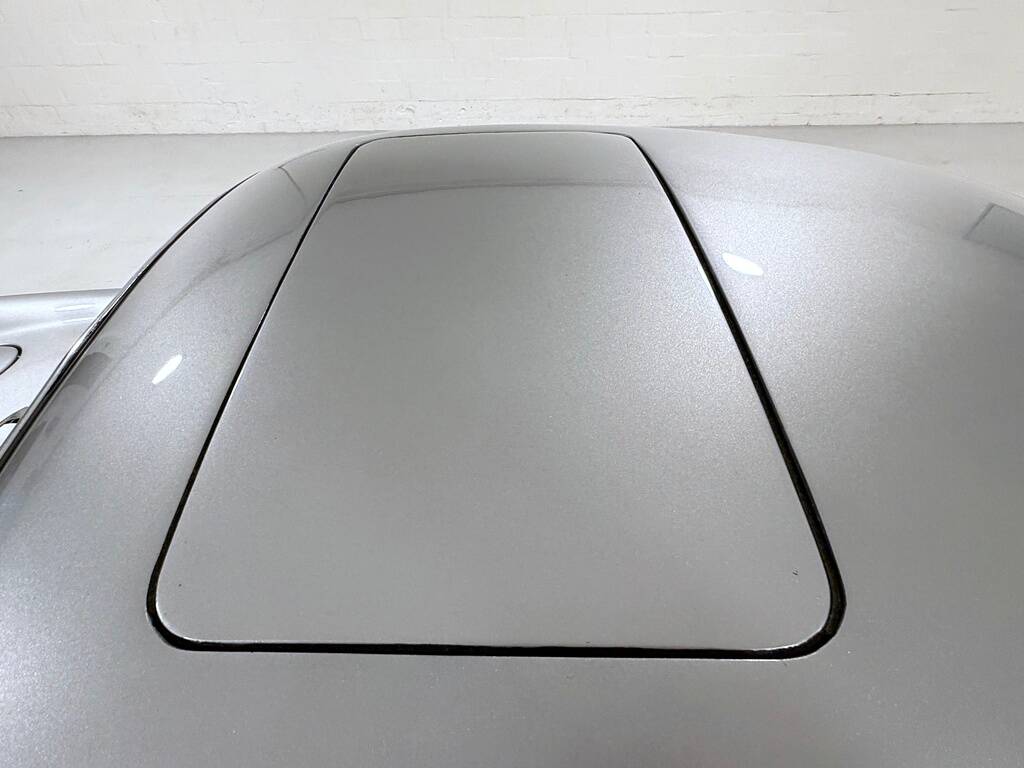
Former personal car of Robert Schenk, the last of only 41 Schenk-built Monzas, unique Auto Union 1000 SP chassis with a factory steel sliding sunroof.
Highlights
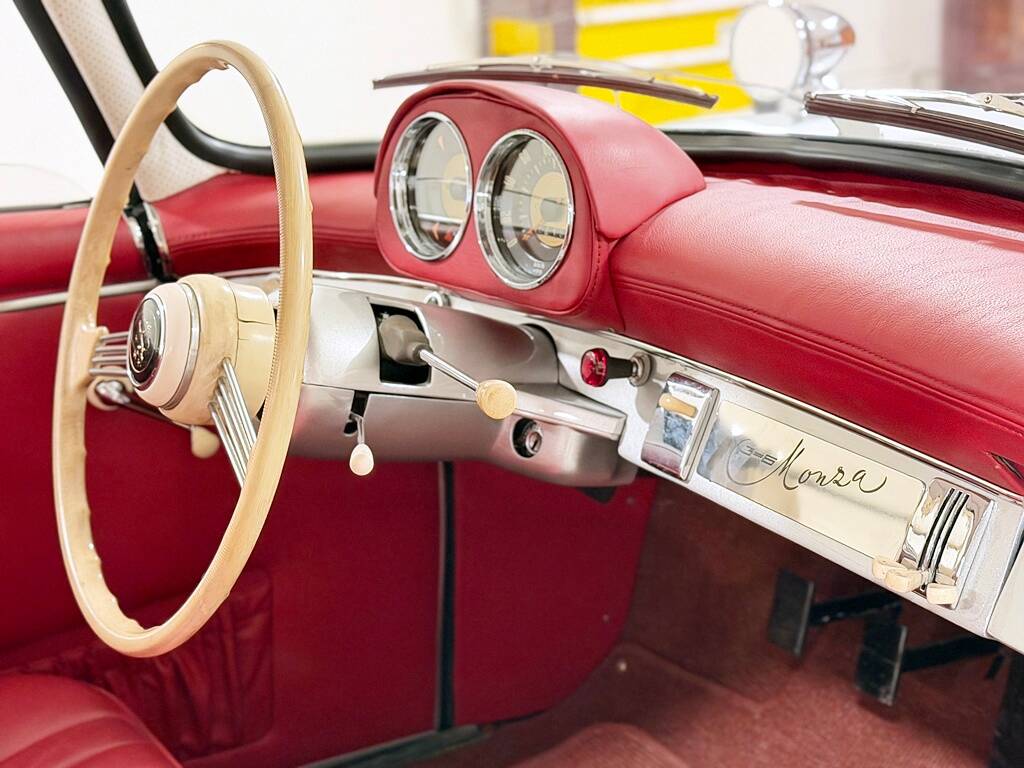
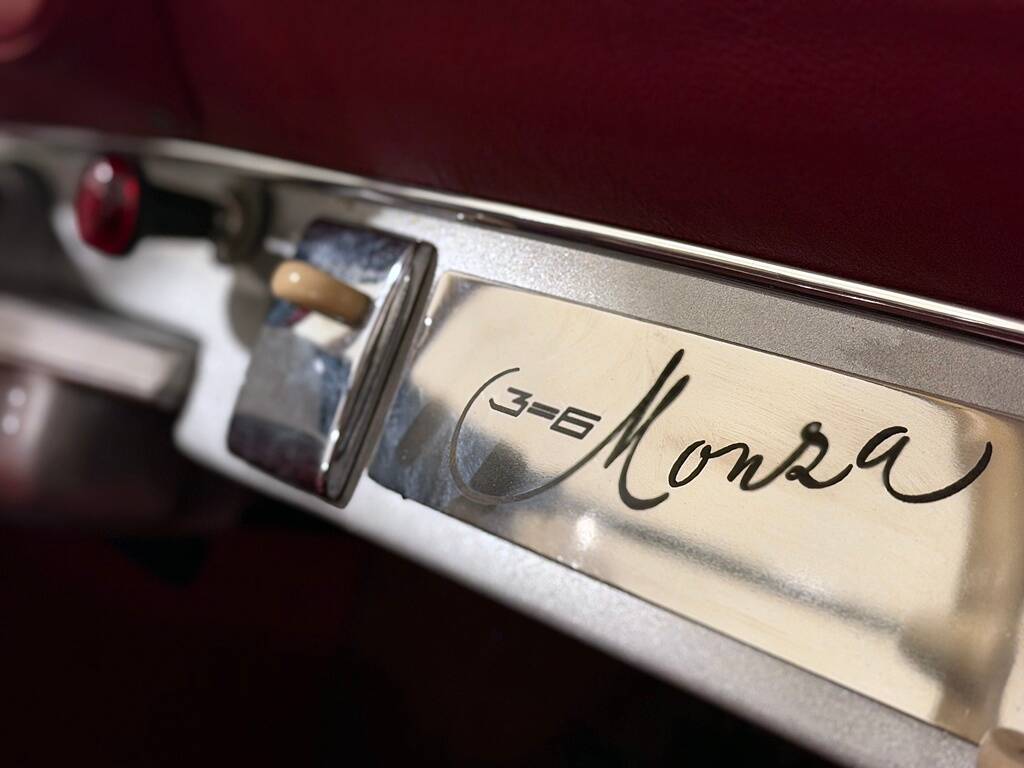
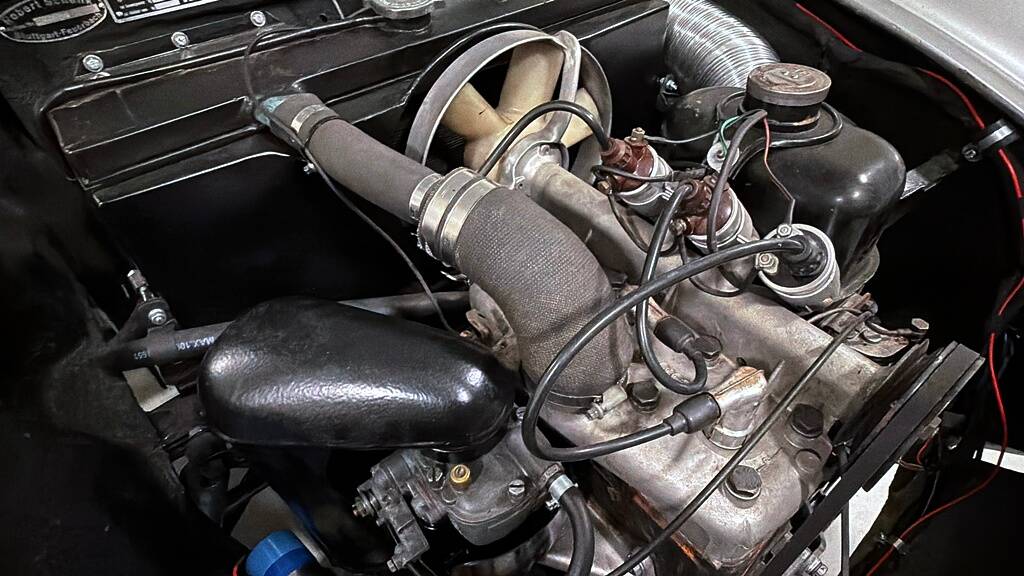
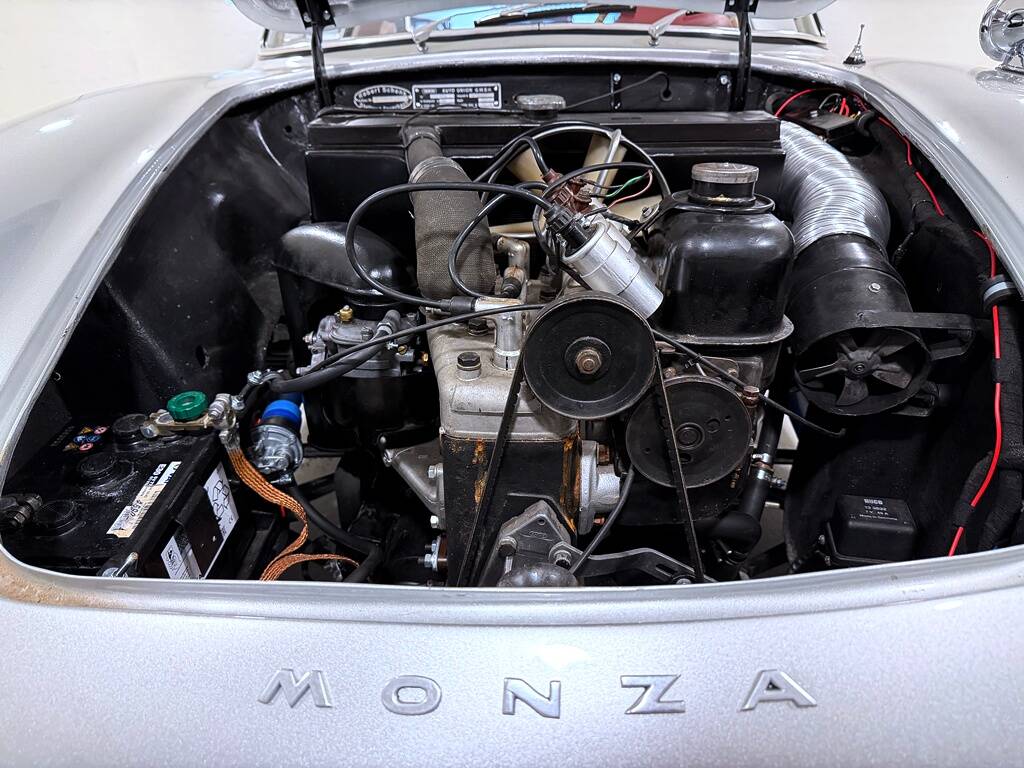
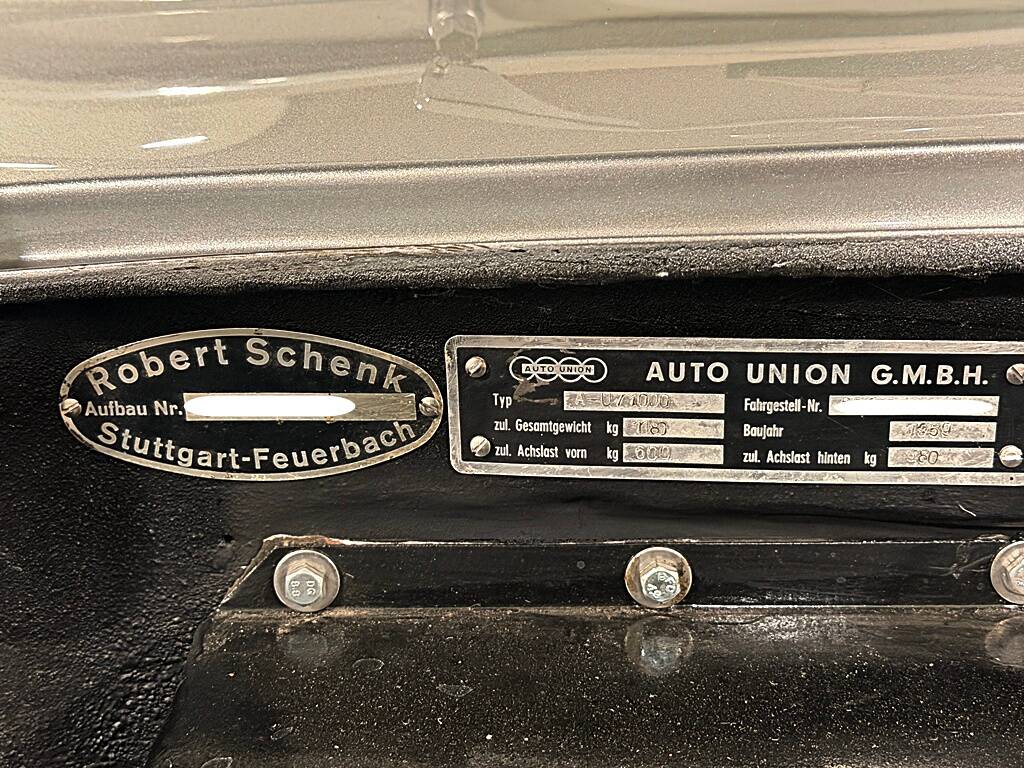
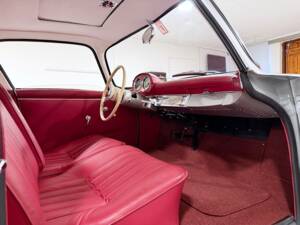
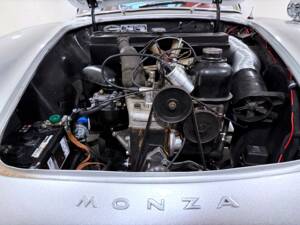
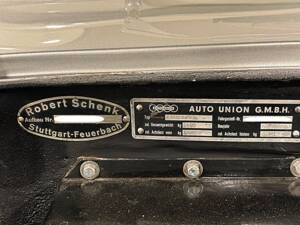
Some automobiles impress through their performance, others through their rarity. Only a select few combine both with a history that remains captivating decades later. The DKW 3=6 Monza is one of those cars. The coupé offered here occupies an extraordinary position within the already extremely limited Monza production. According to current research, it is the former personal vehicle of Robert Schenk, the last of the total 41 Monzas built by Schenk in Stuttgart-Feuerbach, and the only known example based on an Auto Union 1000 SP chassis equipped with a factory steel sliding sunroof. Combined with its documented history, original registration document ("Pappbrief"), and recently completed restoration, this Monza represents a vehicle of exceptional significance for collectors.
About the Model
The story of the DKW Monza did not begin on a drawing board in Ingolstadt, but on Europe's racing circuits. In the early 1950s, the DKW 3=6 became one of the most successful touring cars in its class. Its robust two-stroke engine, low weight, and remarkable reliability made it a serious competitor in both national and international motorsport. Numerous class victories, as well as successes in endurance races and Alpine rallies, played a key role in establishing Auto Union's sporting reputation.
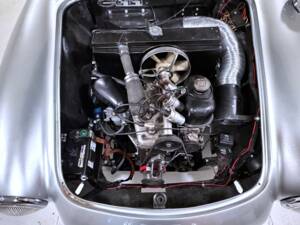
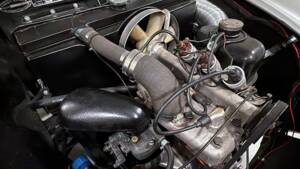
Inspired by these achievements, enthusiasts developed the idea of combining proven DKW mechanical components with an exceptionally lightweight and aerodynamic fiberglass body. The first Monzas were created in 1954 through the initiative of motorsport enthusiasts who sought to transform the successful DKW 3=6 into a distinctive Gran Turismo. The name "Monza" commemorates the spectacular endurance runs at the famous Italian high-speed circuit, where specially prepared DKWs set numerous international records and demonstrated the remarkable potential of their relatively small two-stroke engines.
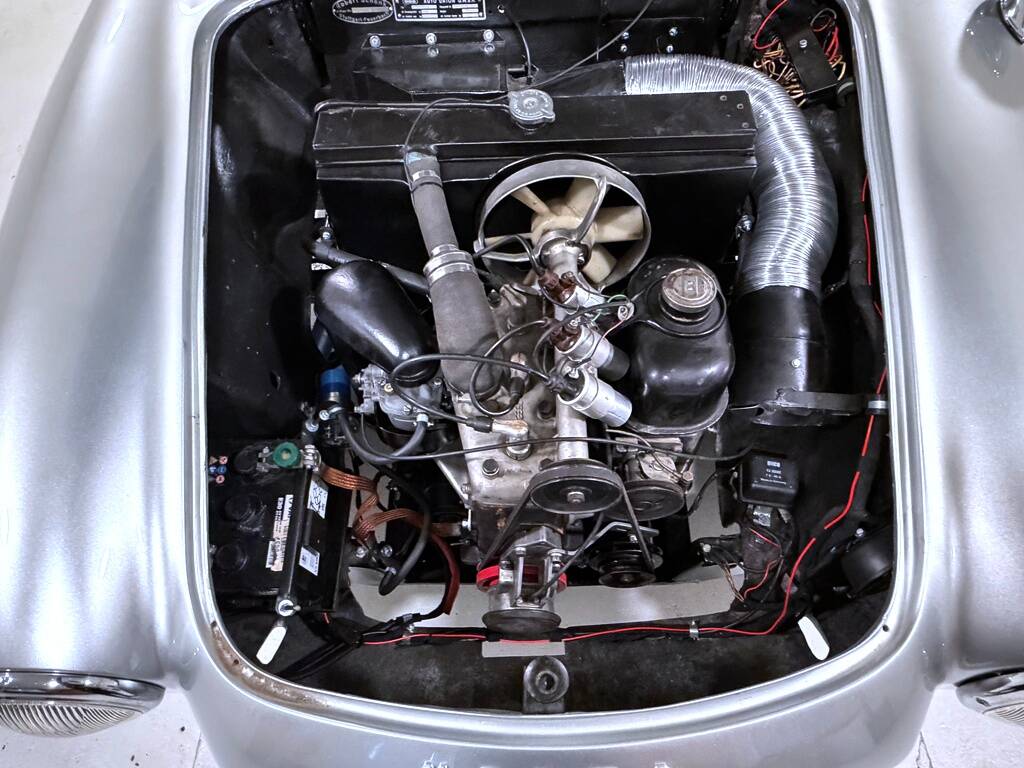
The elegant body was constructed from glass-fiber reinforced plastic, a relatively new technology at the time that contributed significantly to weight reduction. While the mechanical components were largely inherited from the DKW, the low-slung bodywork gave the car a unique appearance with a distinctly Italian flair. During its production, the Monza was built by several coachbuilders, including Dannenhauer & Stauss, Massholder, and finally Schenk in Stuttgart-Feuerbach. Only a few dozen examples were ever produced, with the exact production figures varying among historical sources. This extremely limited production makes the Monza one of the rarest German post-war sports cars ever built.
Among this already exclusive production run, the cars built by Schenk hold a particularly special place. They represent the final stage of the Monza's development and are widely regarded by experts as the most refined examples. Cars with documented provenance are correspondingly rare and only exceptionally seldom appear on the market.
This Vehicle
History
The DKW 3=6 Monza Coupé offered here occupies a truly unique position, even among the few surviving examples. According to research conducted by the renowned Monza expert Helmut Kraus, this was the personal vehicle of Robert Schenk himself, who owned and drove the car between 1958 and 1962. This documented connection to the very origins of the Monza already gives the car extraordinary historical authenticity.
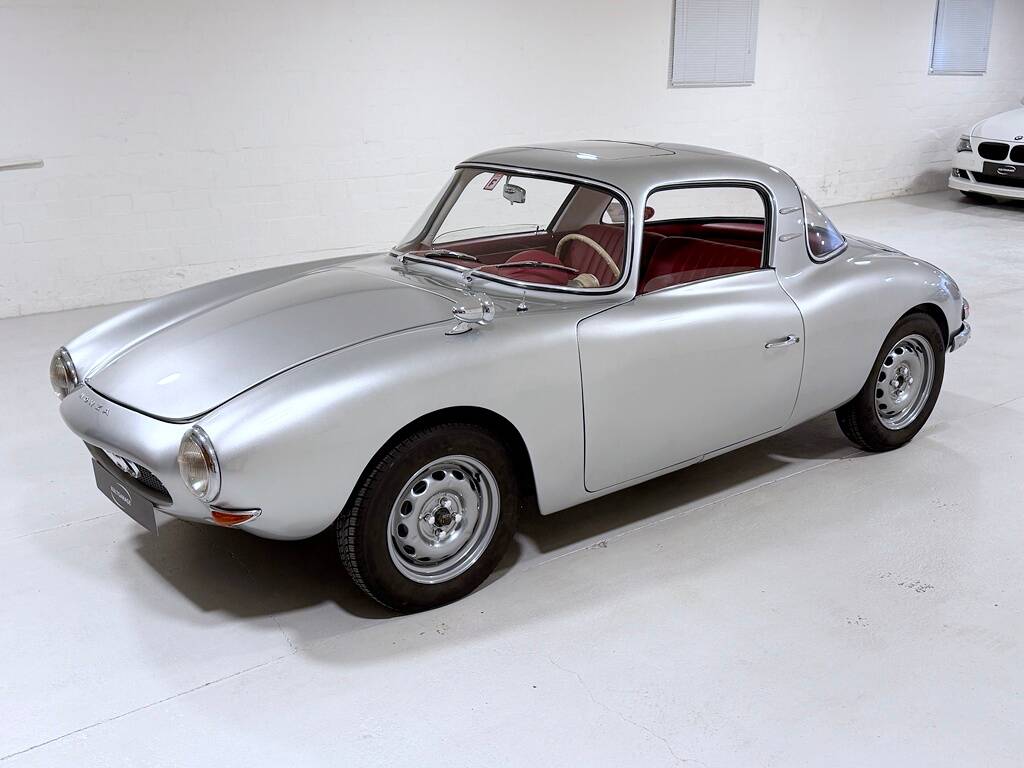
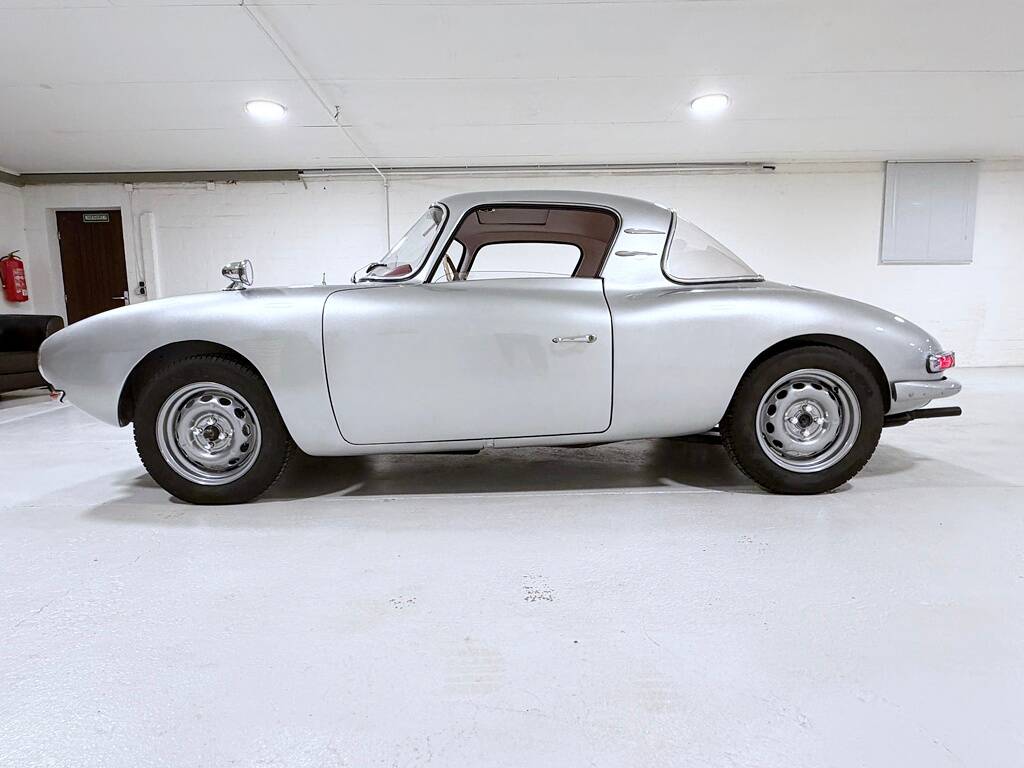
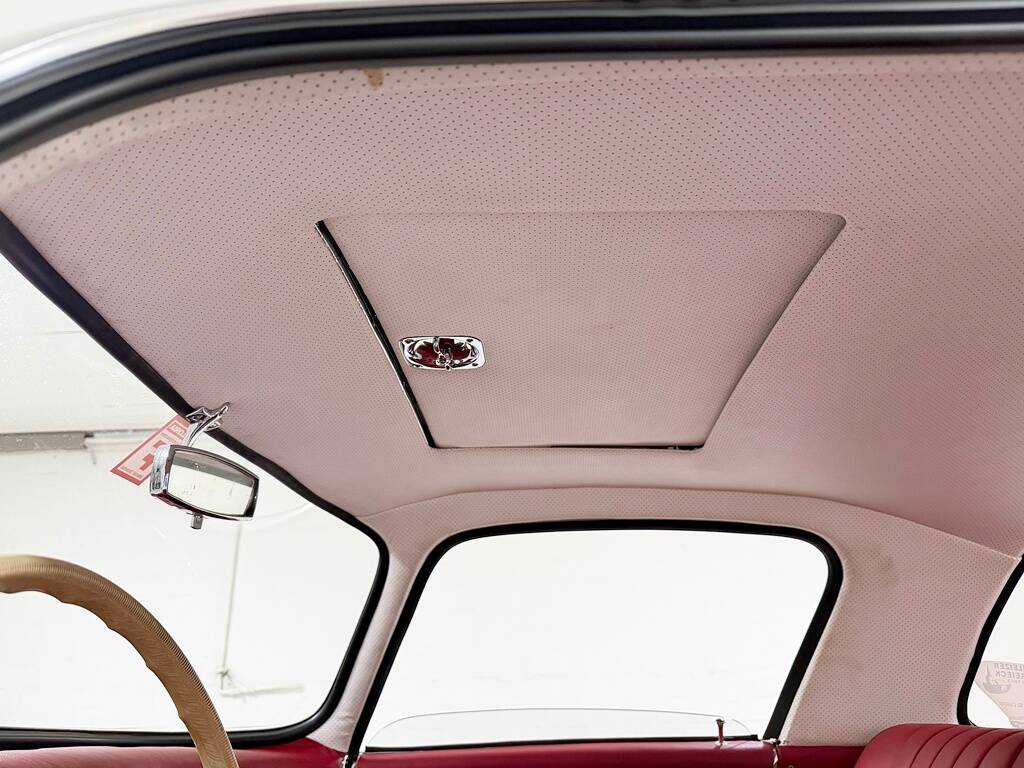
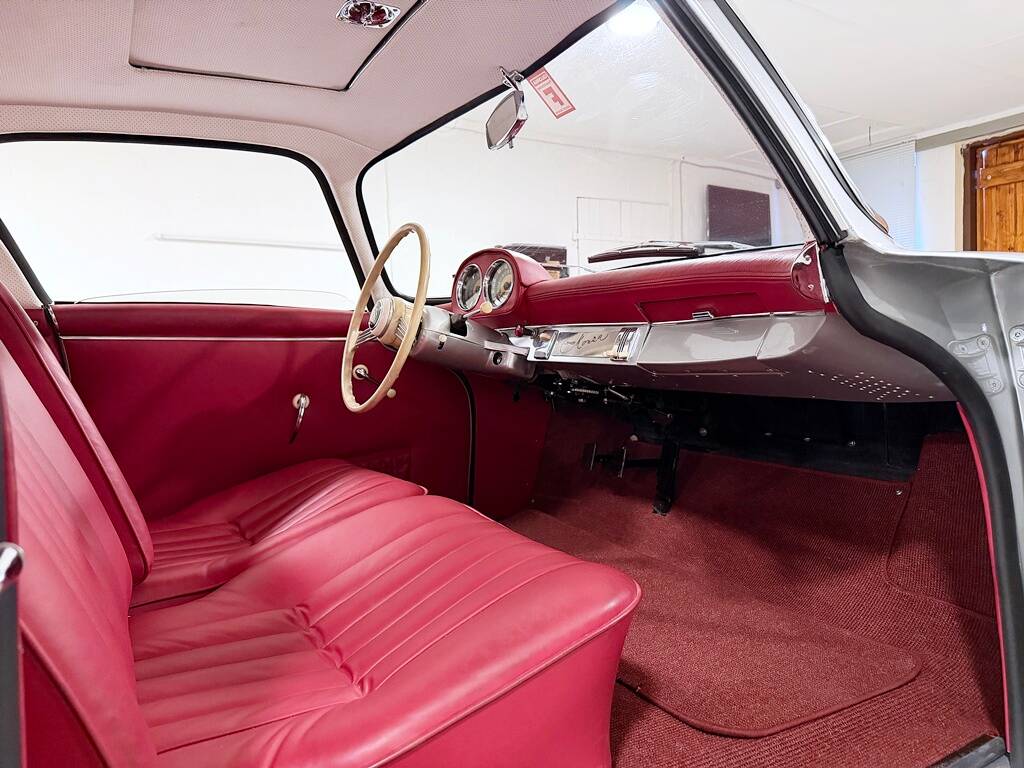
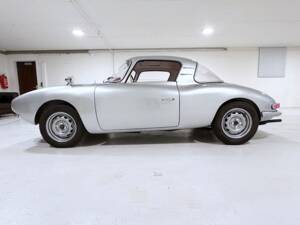
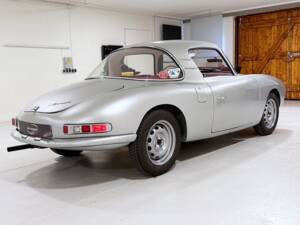
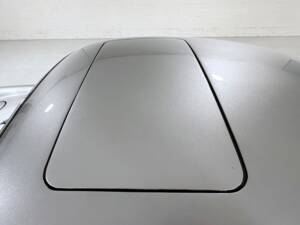
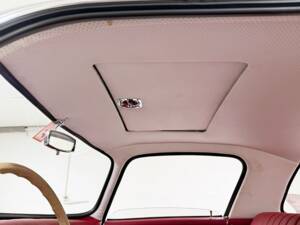
Furthermore, current research indicates that this is the last of the total 41 Monzas produced by Schenk. At the same time, this coupé is the only known Monza built on an Auto Union 1000 SP chassis. Adding to its uniqueness is a factory-installed steel sliding sunroof, another feature unmatched among the known Monza production. Taken together, these characteristics make this car one of the most historically significant surviving DKW Monzas.
The accompanying documentation includes, among other items, the original 1958 vehicle registration document ("Pappbrief") and the official deregistration certificate issued in 1966. For such rare, low-production automobiles, documents of this nature form an essential part of the vehicle's provenance and further emphasize the exceptionally well-documented history of this example.
Exterior
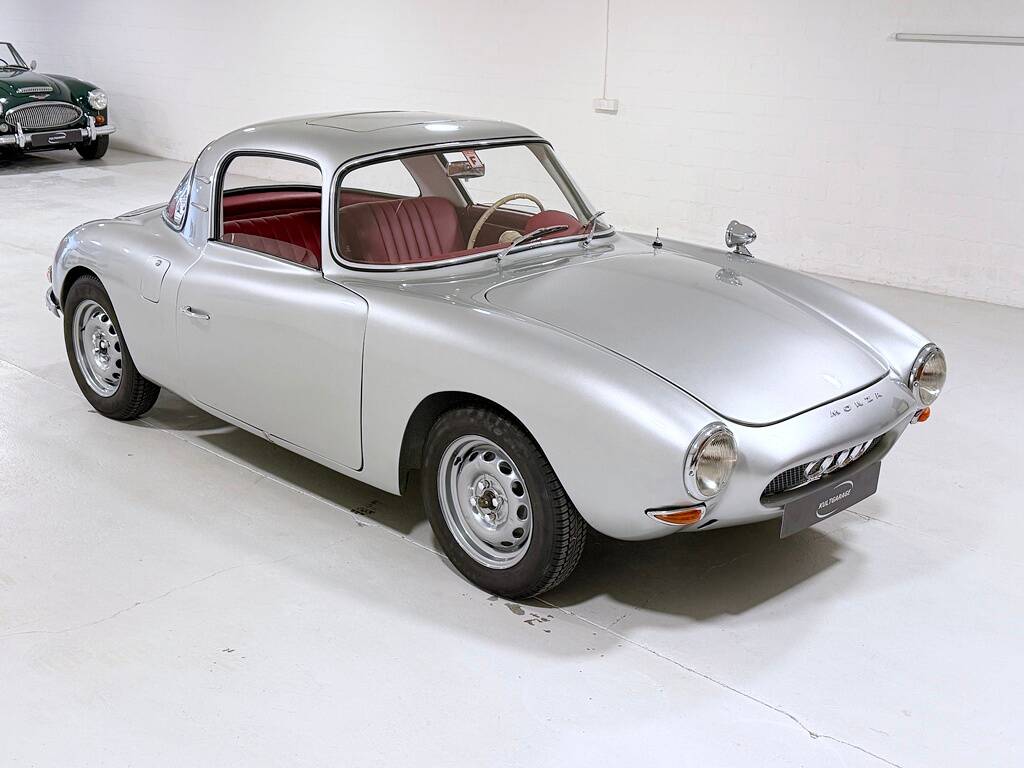
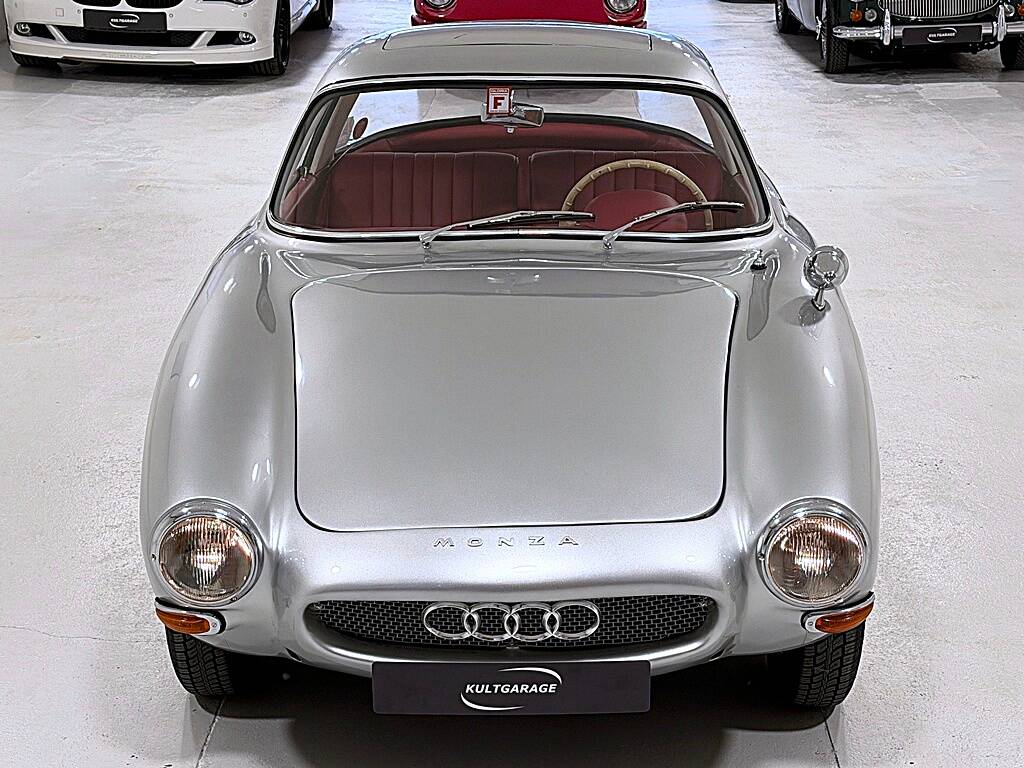
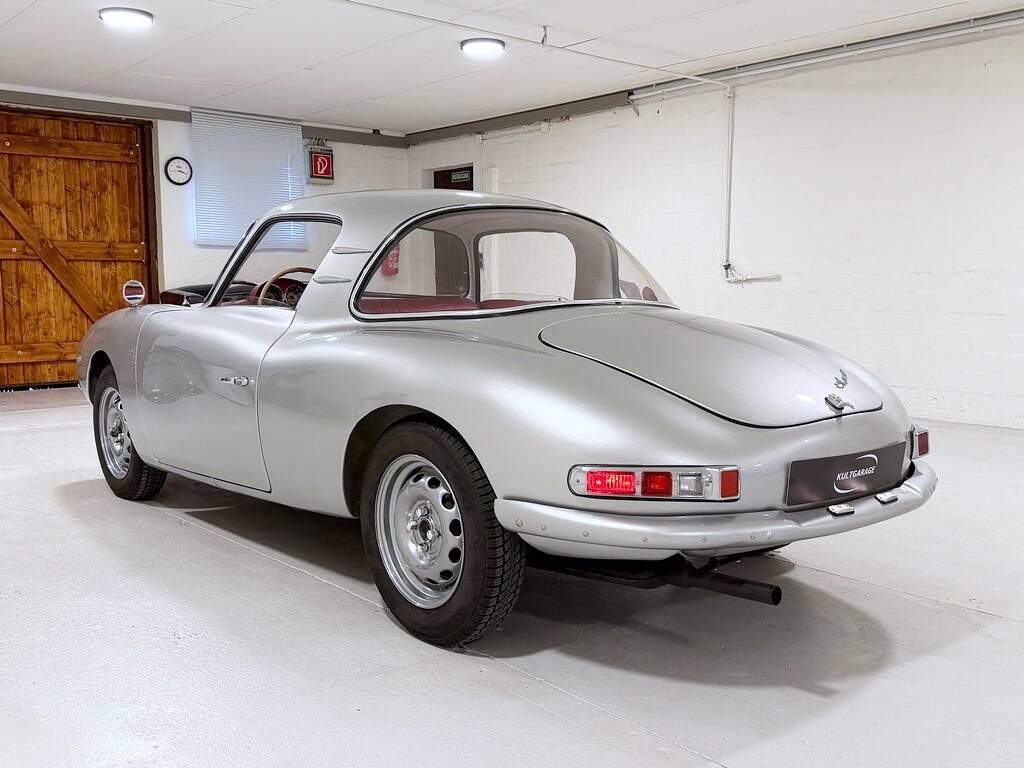
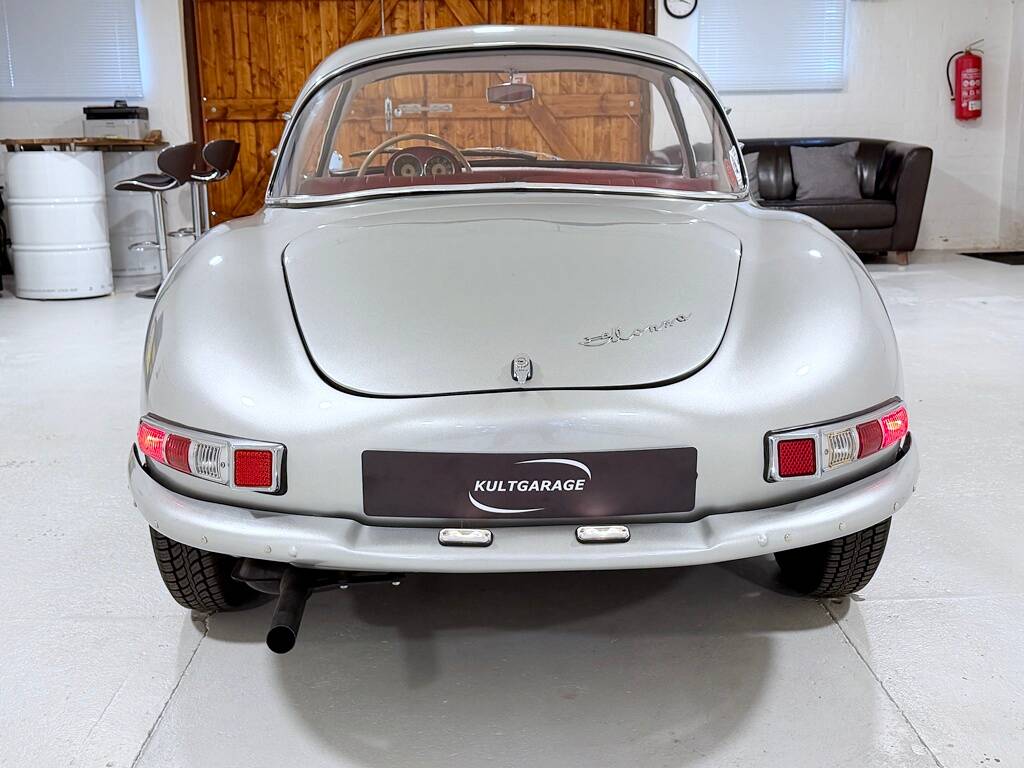
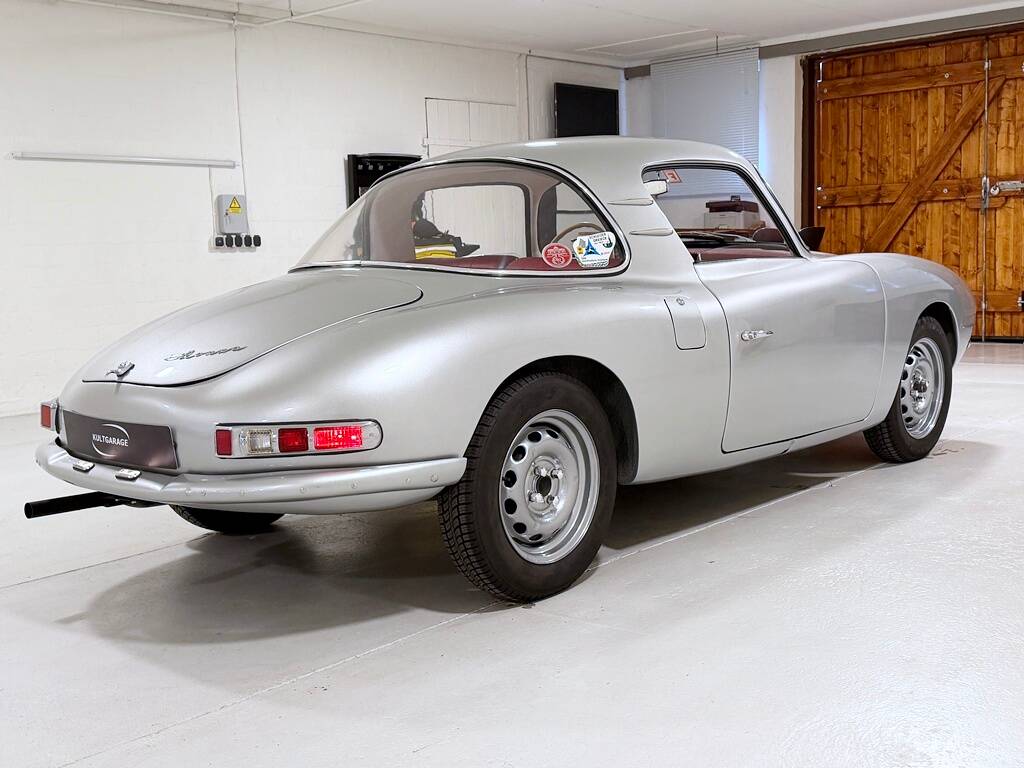
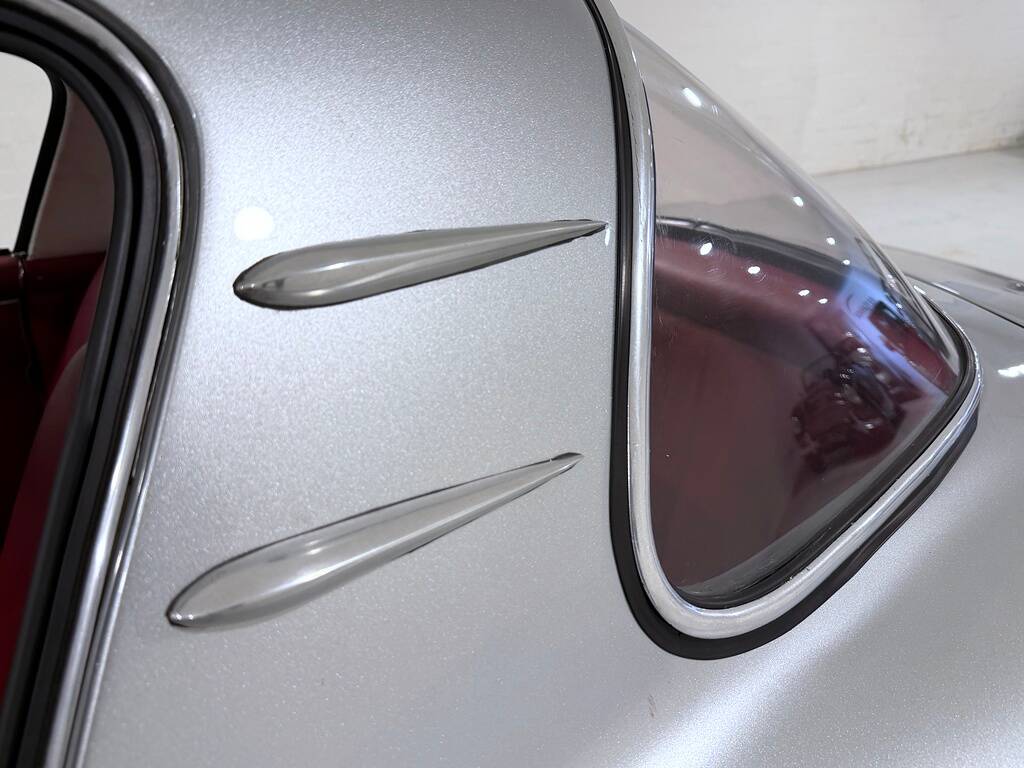
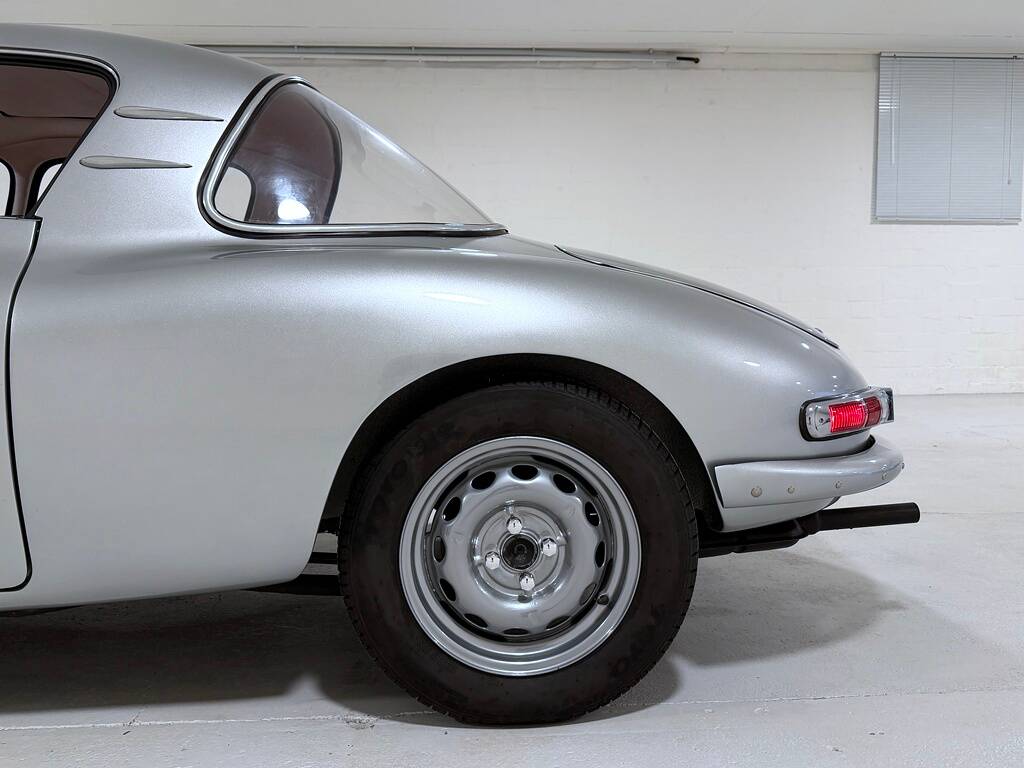
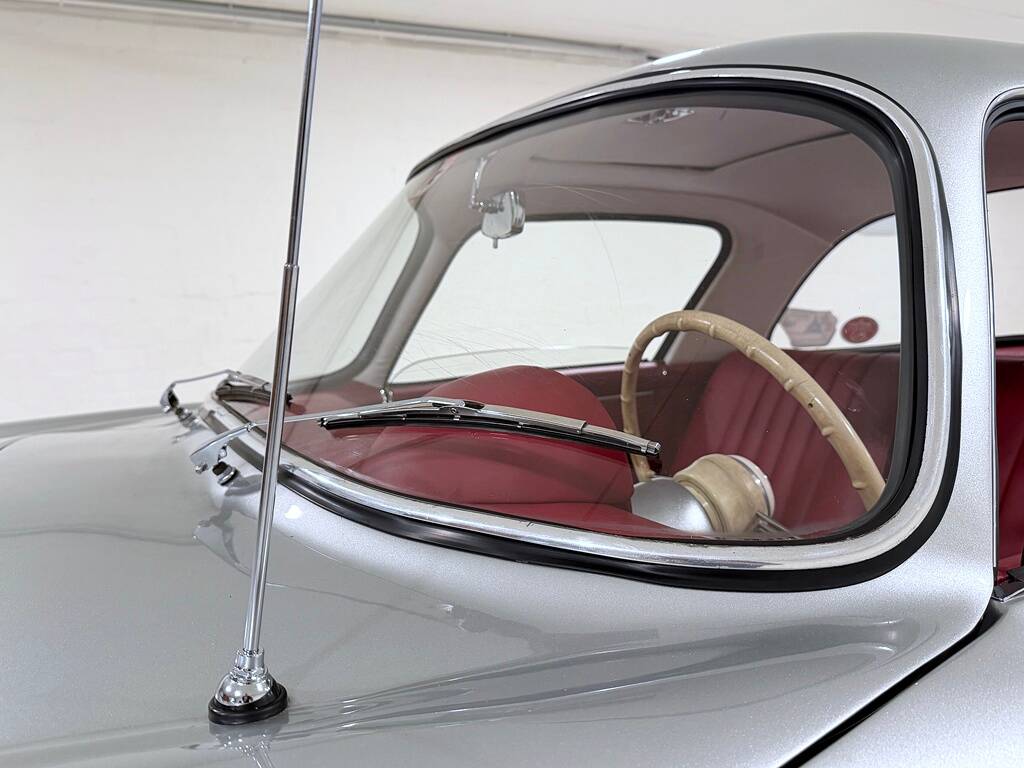
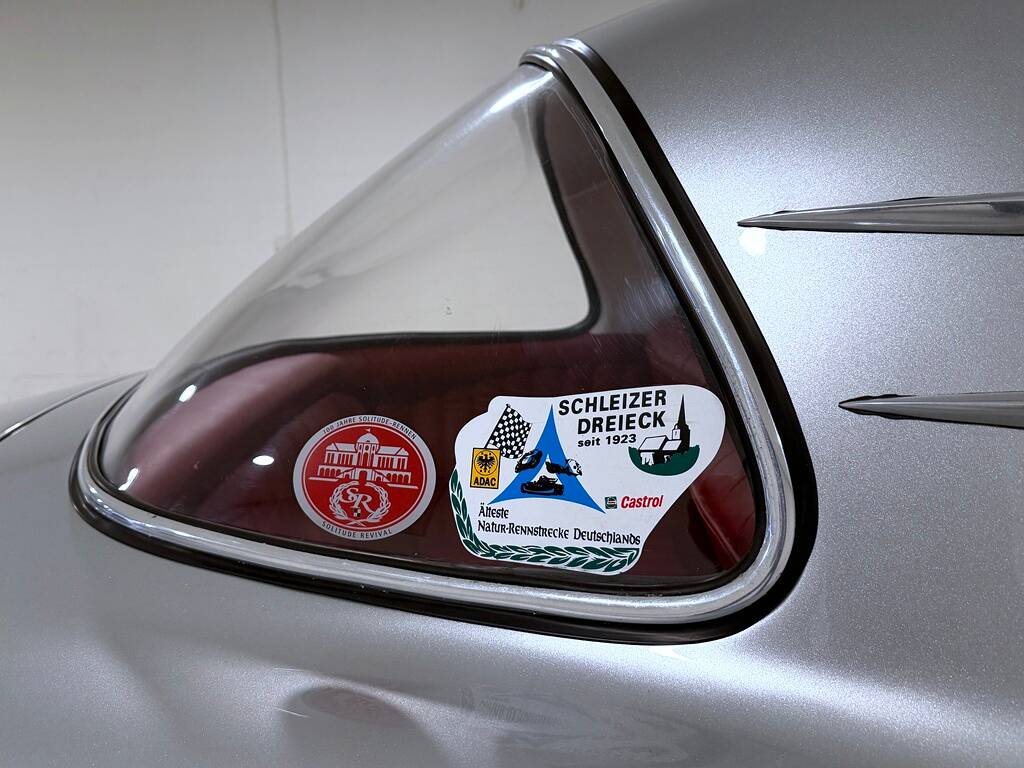
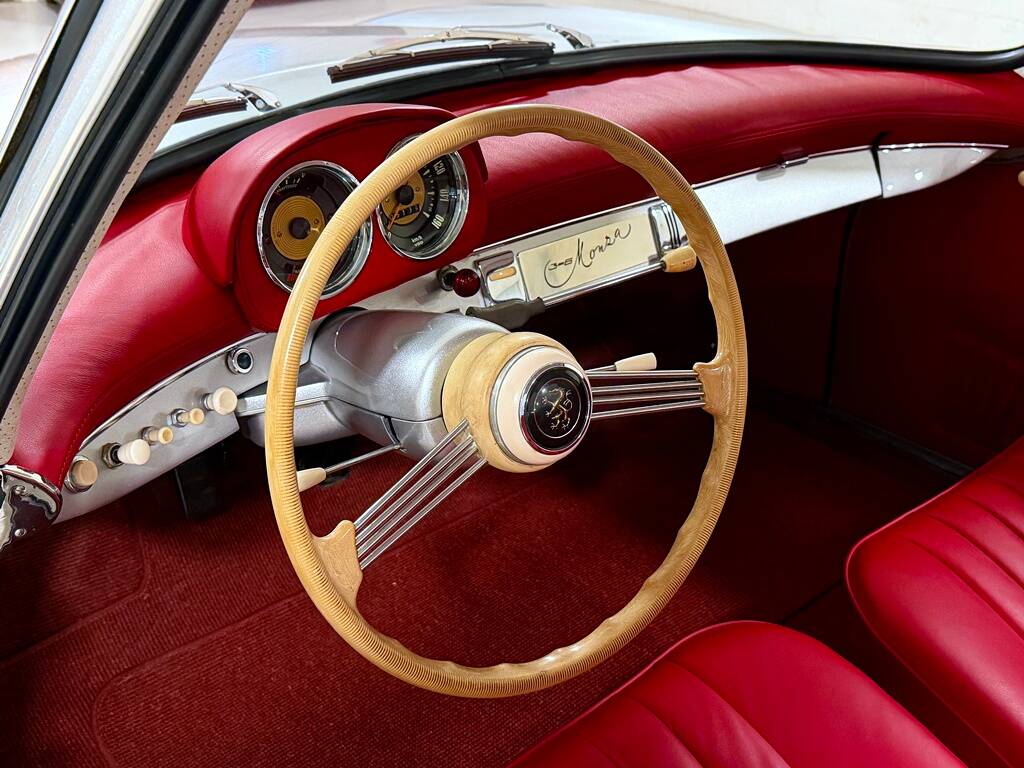
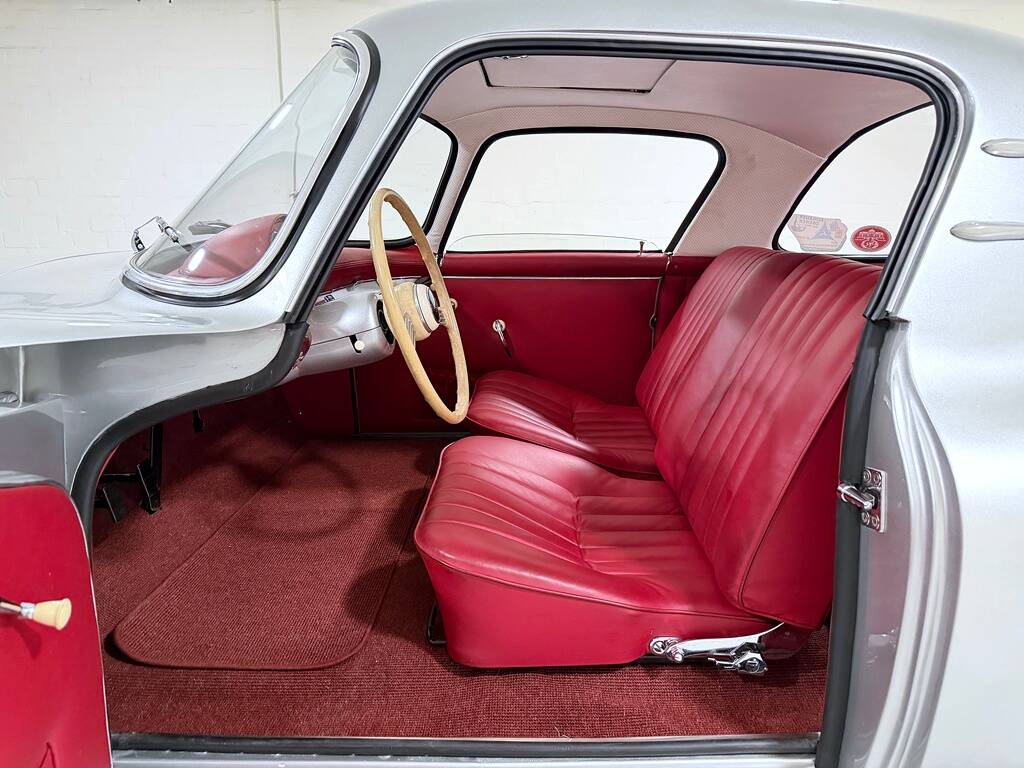
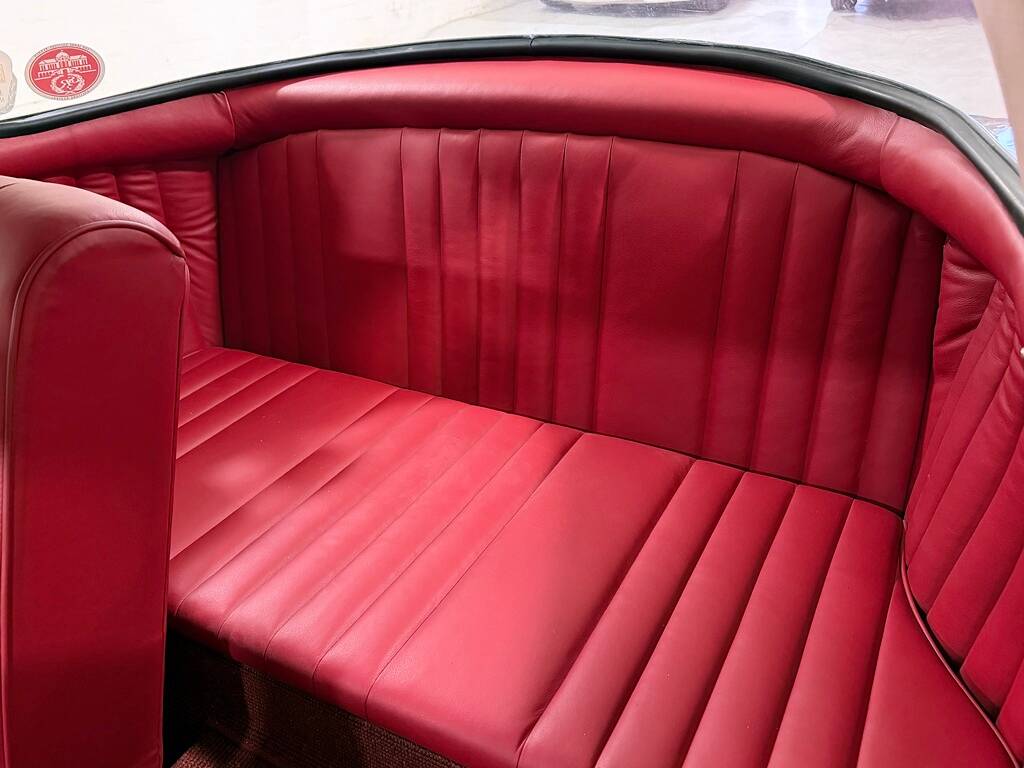
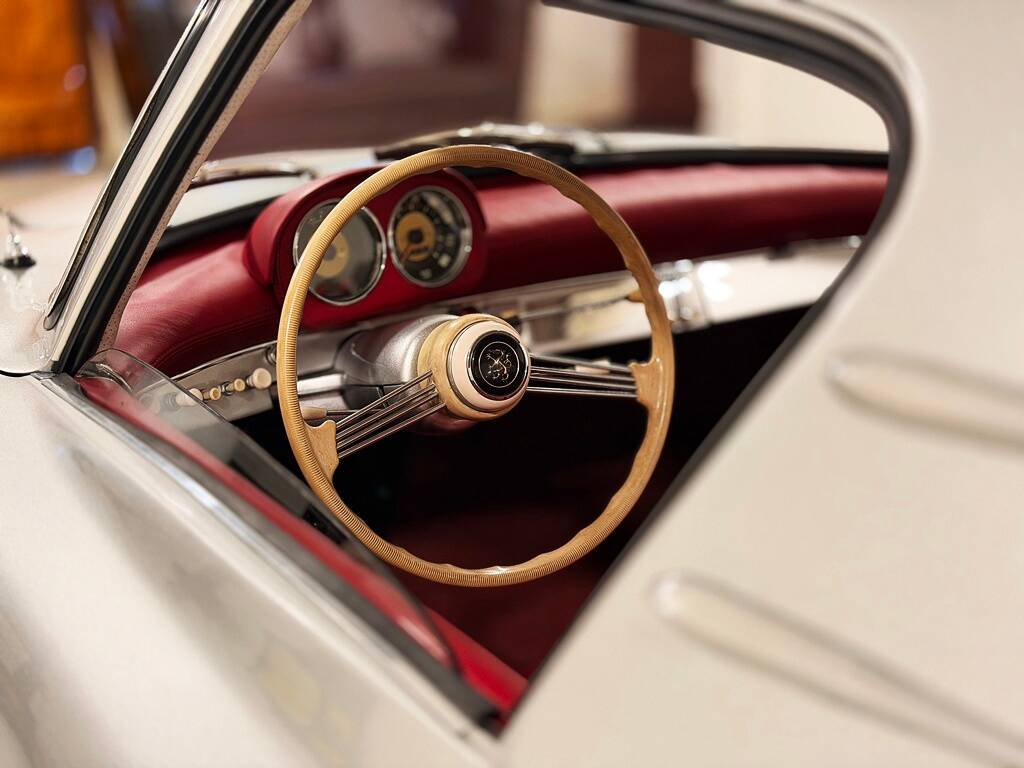
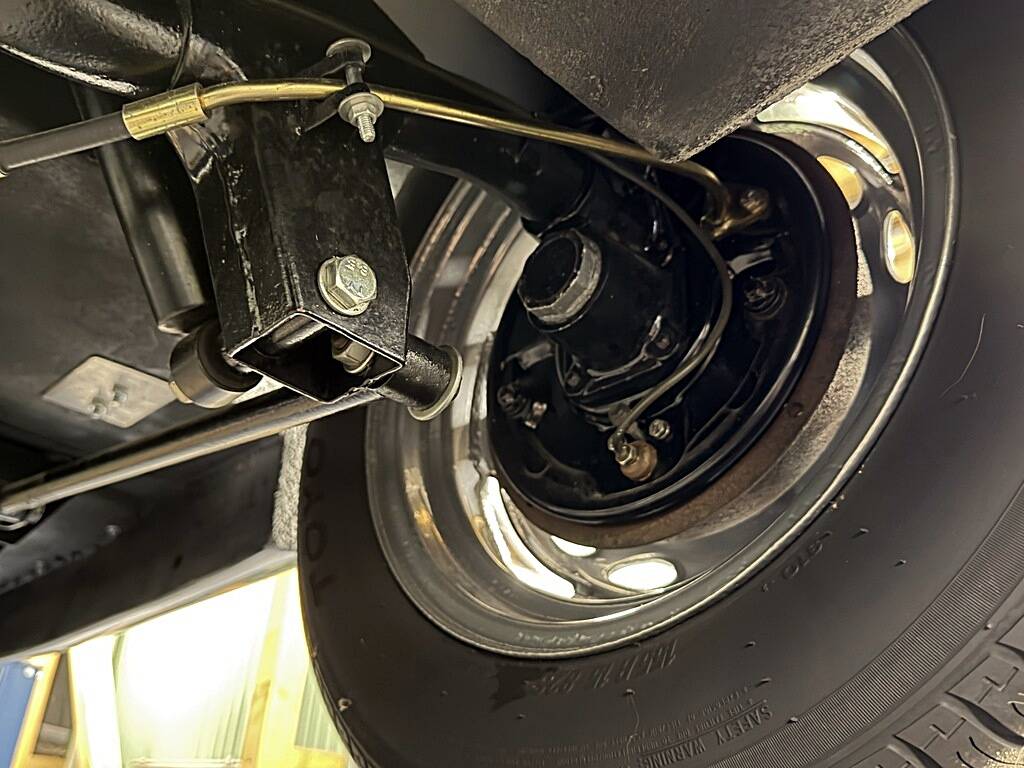
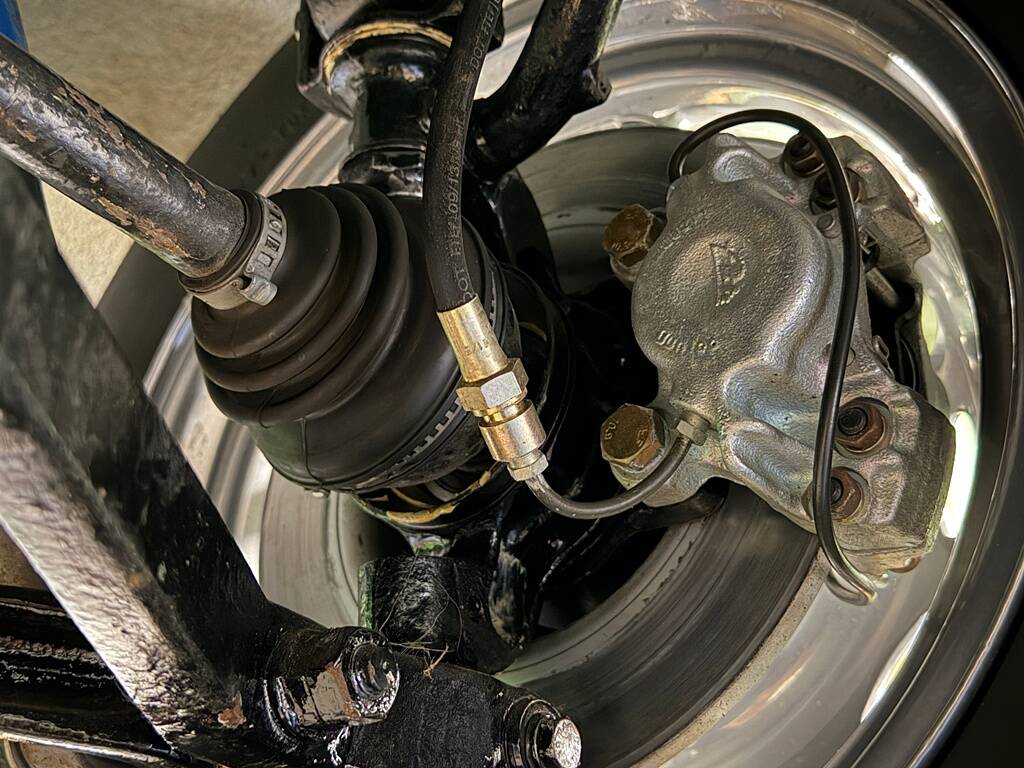
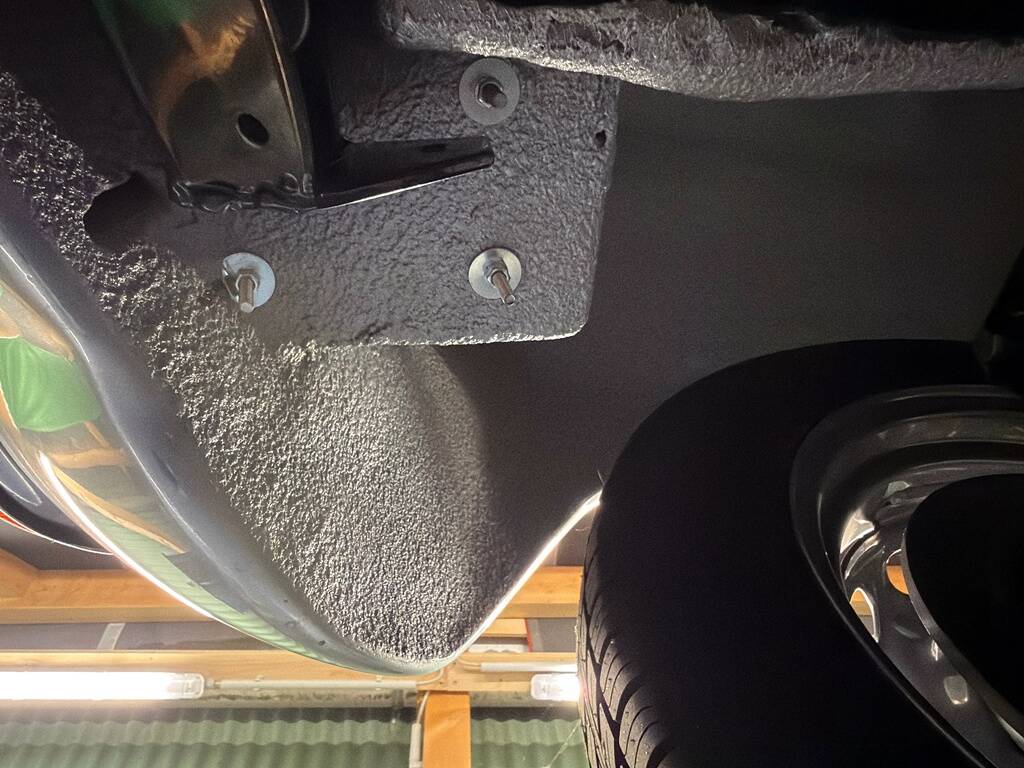
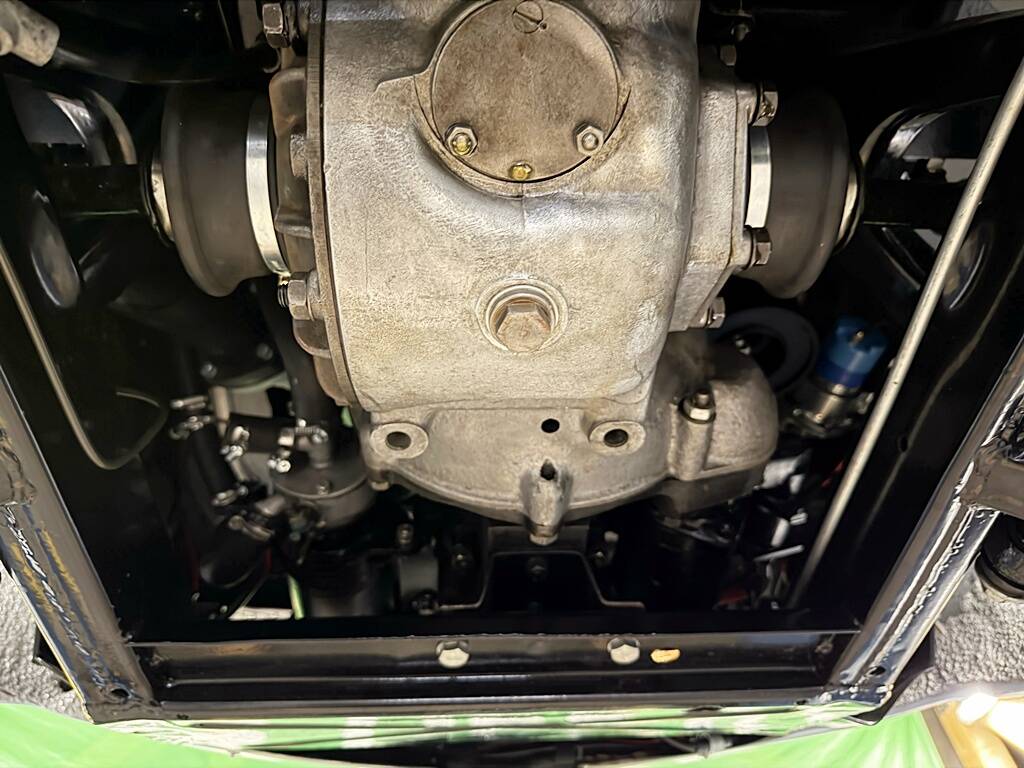
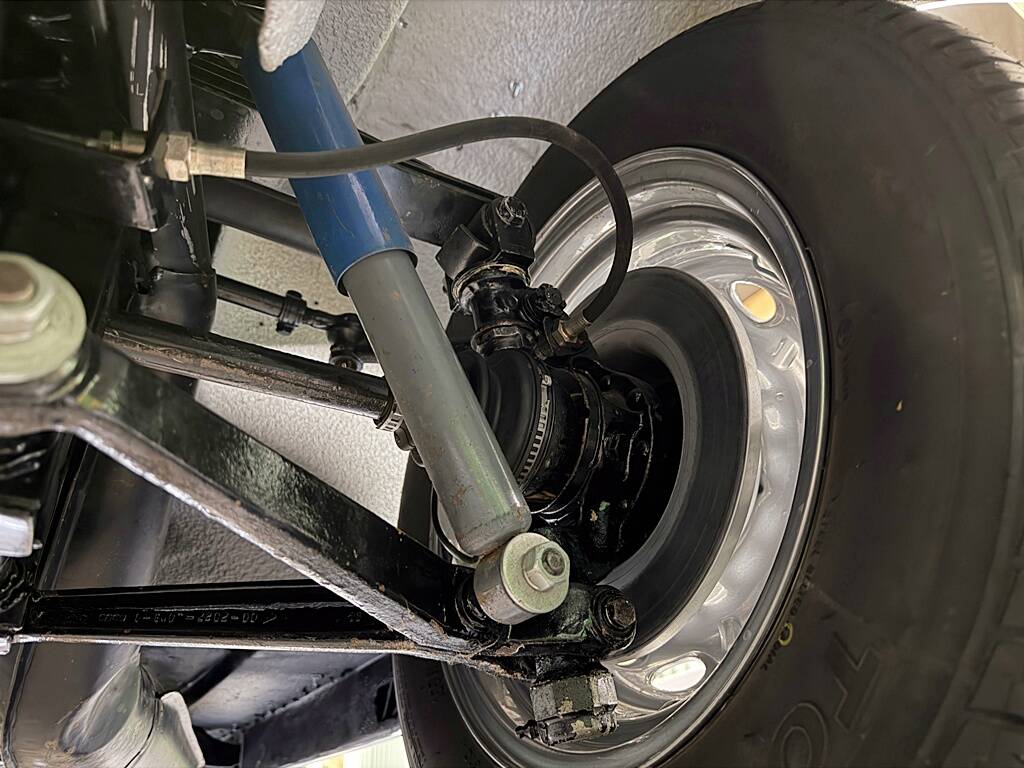
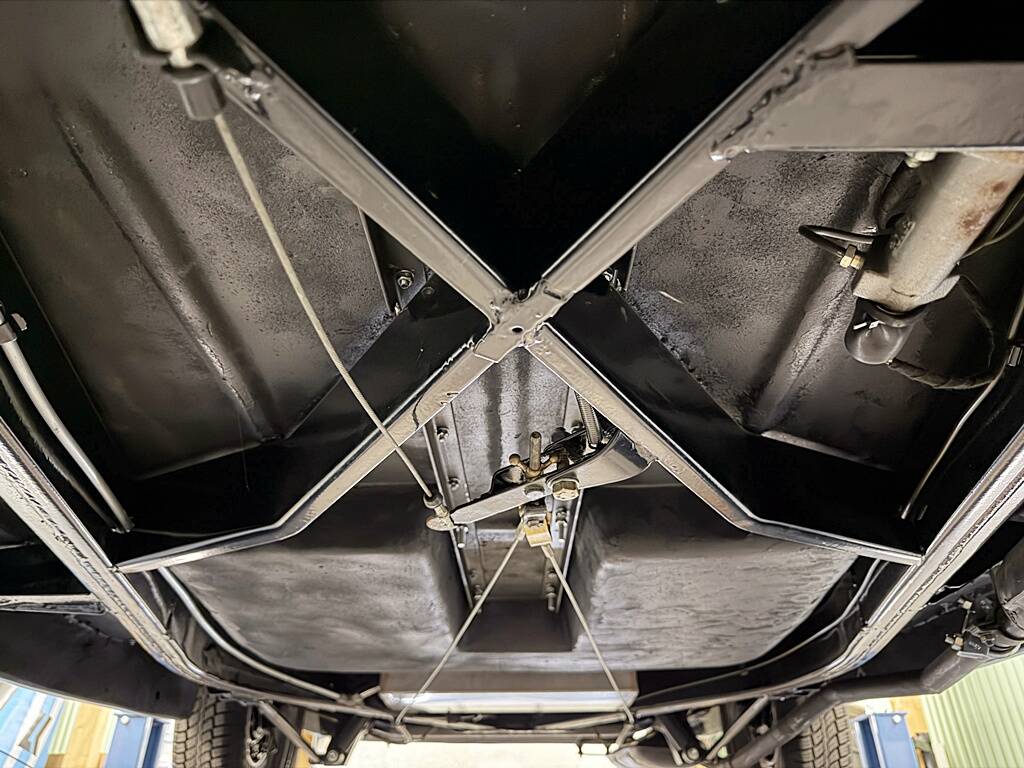
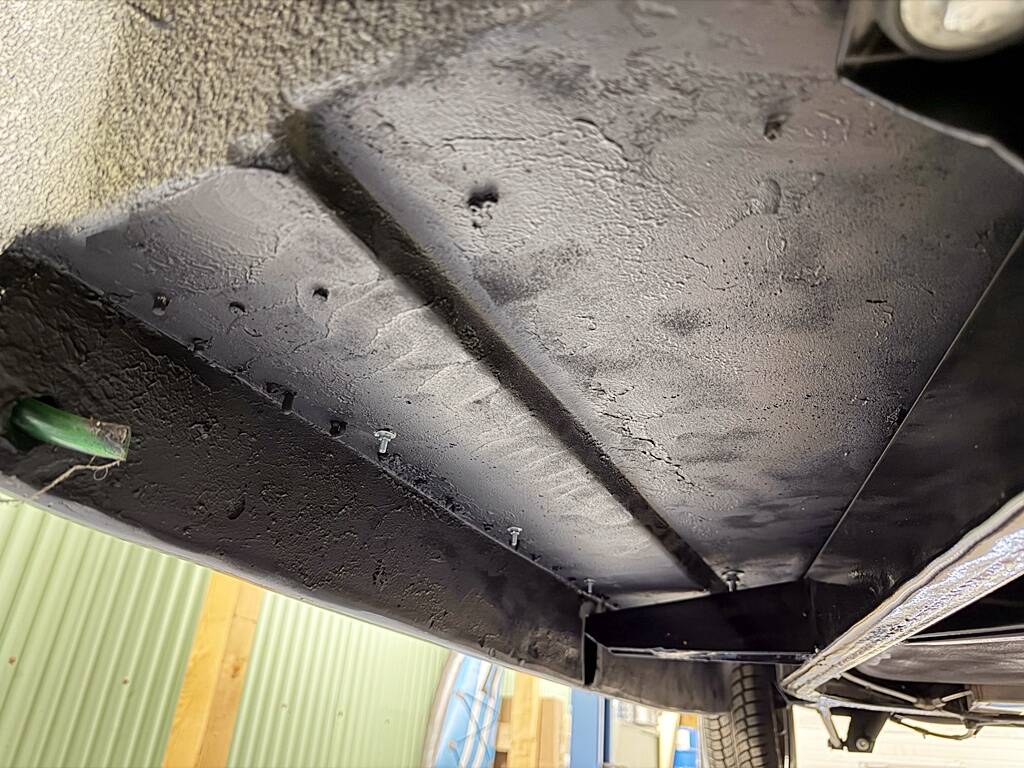
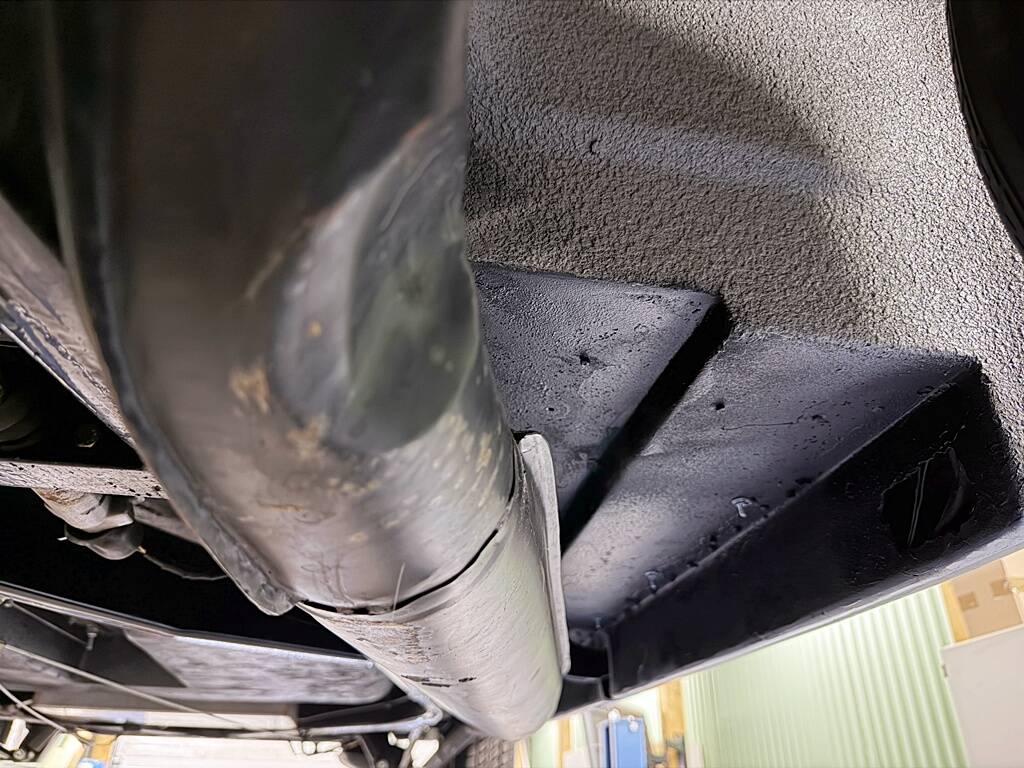
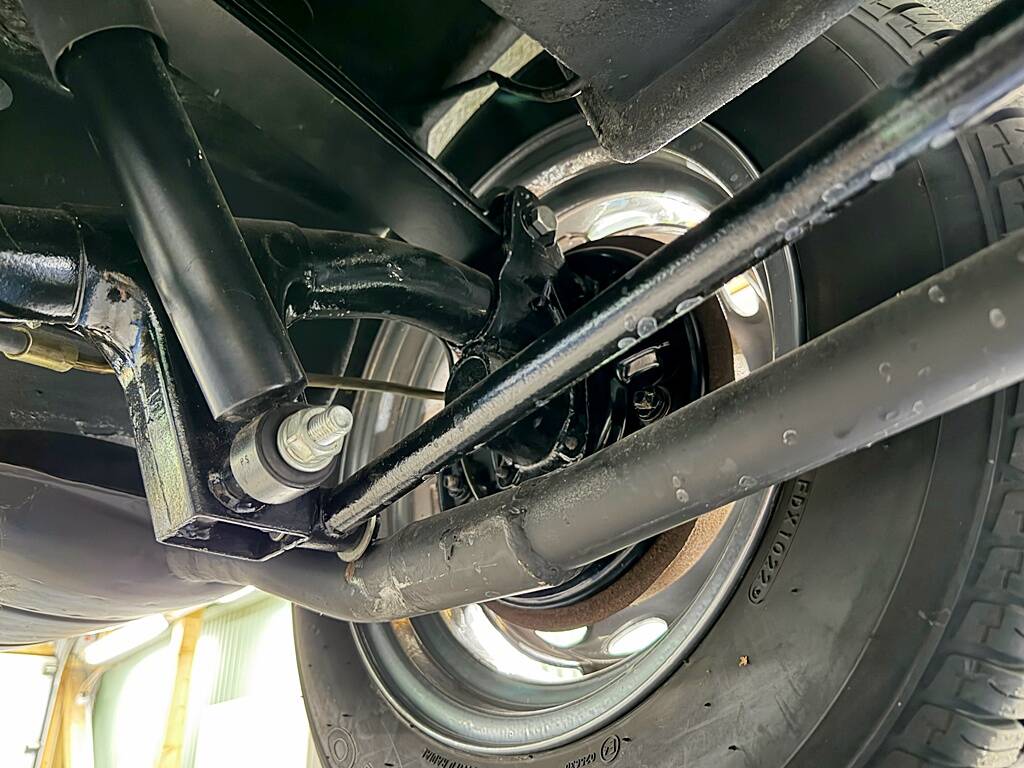
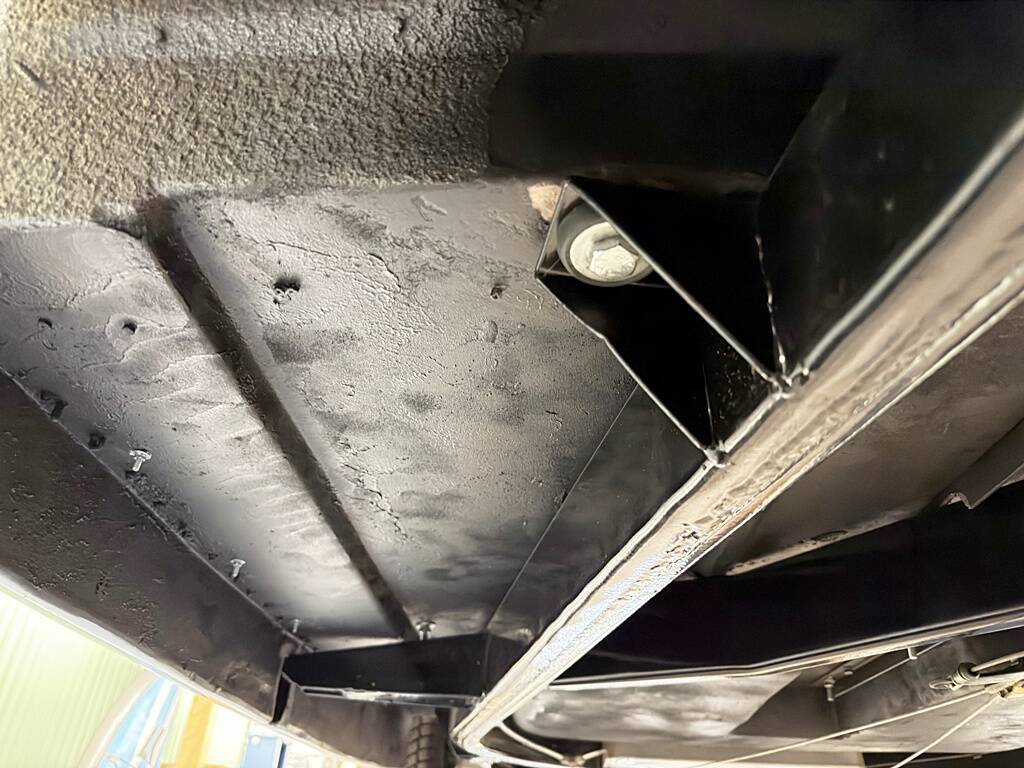
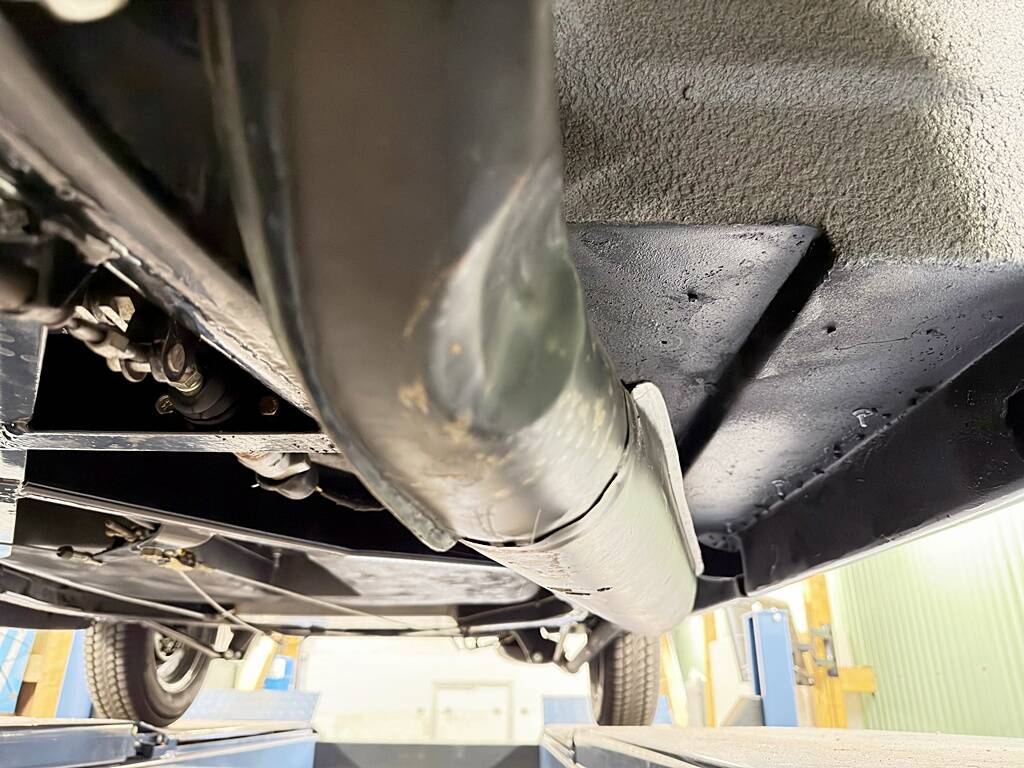
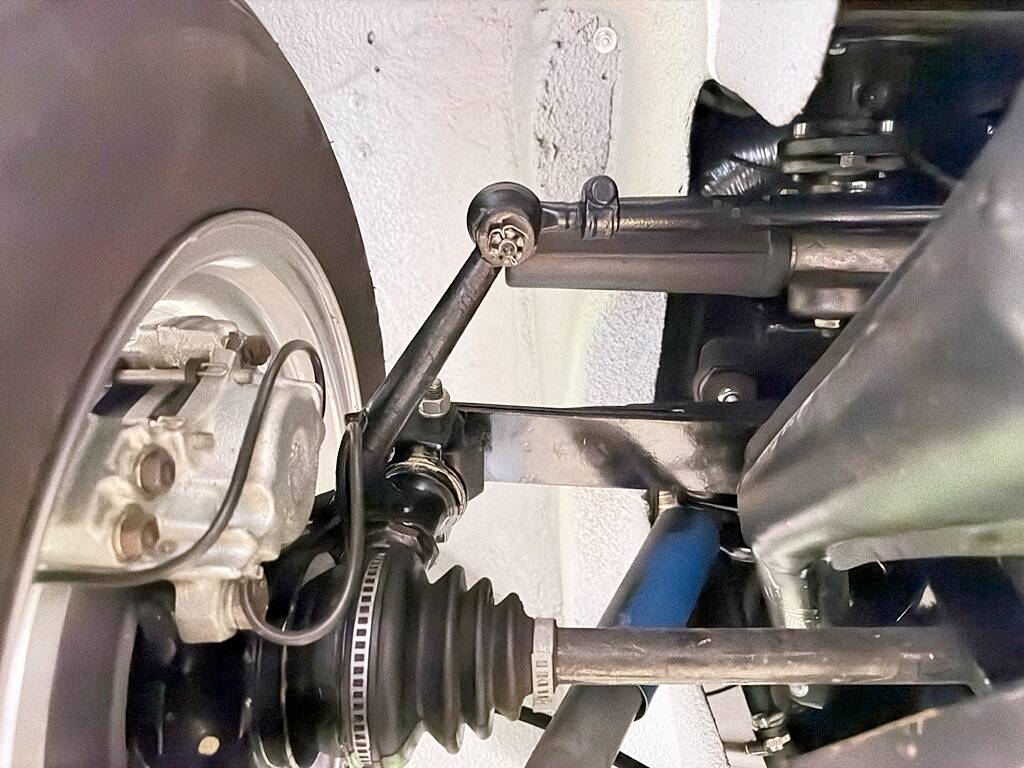
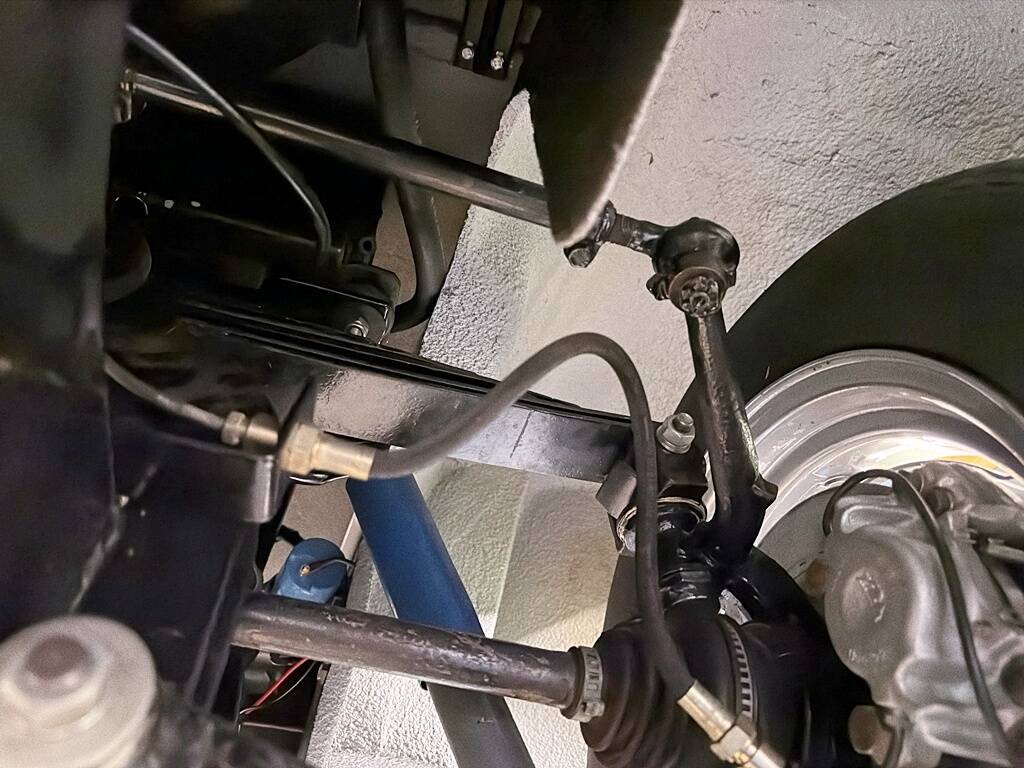
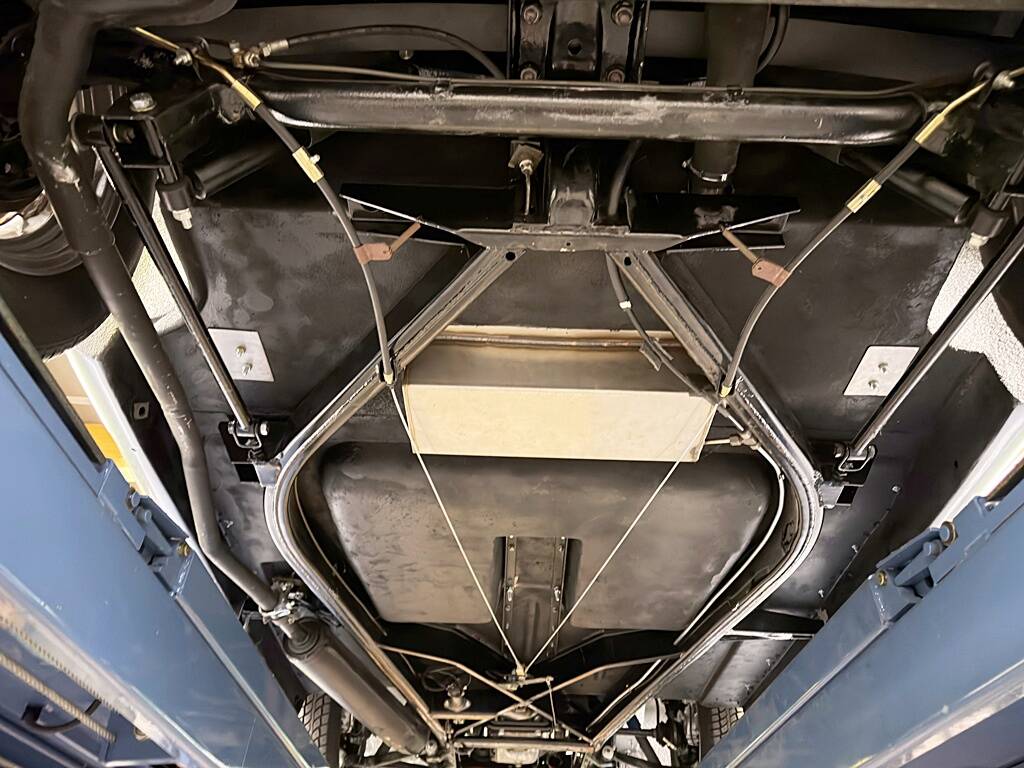
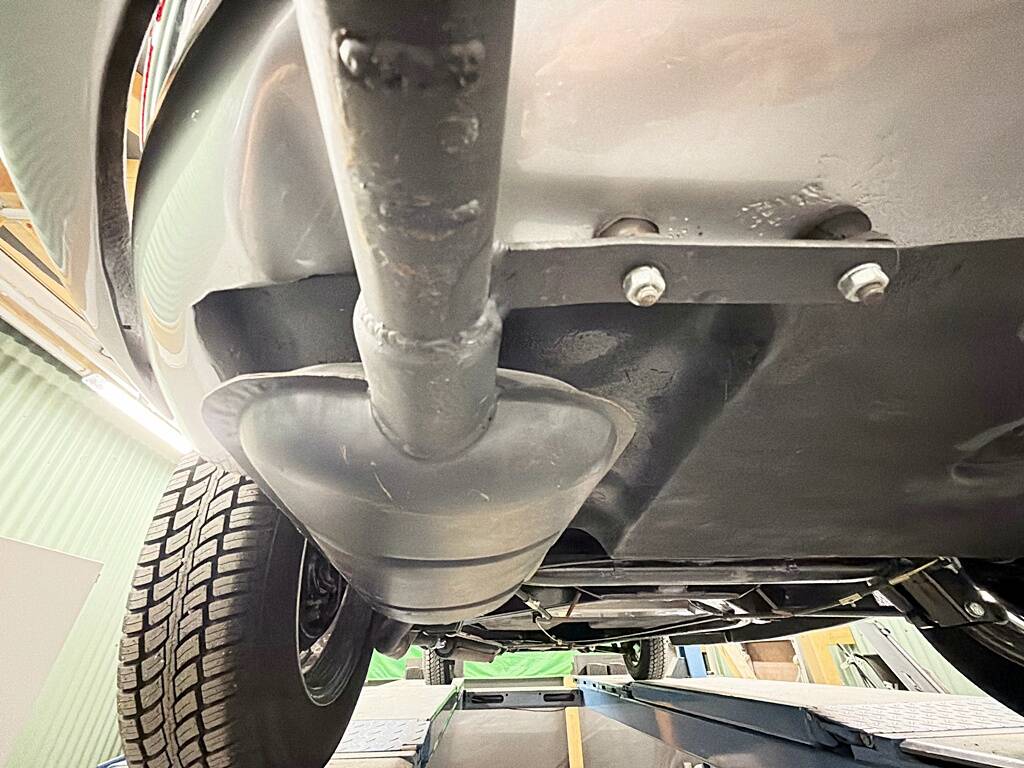
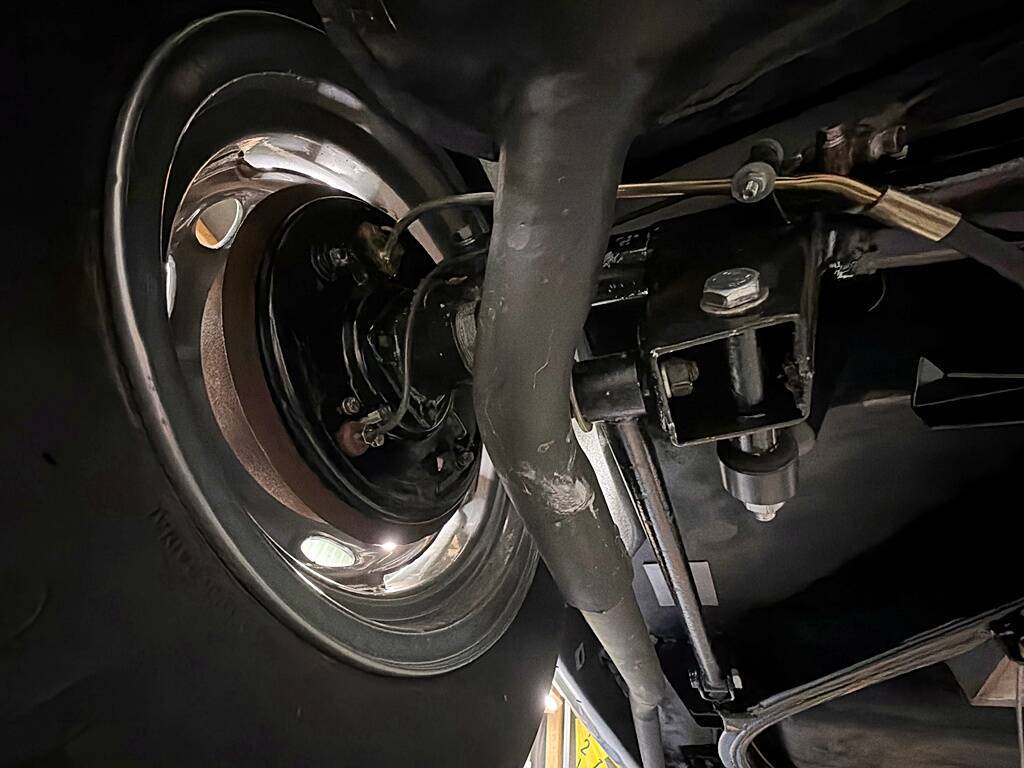
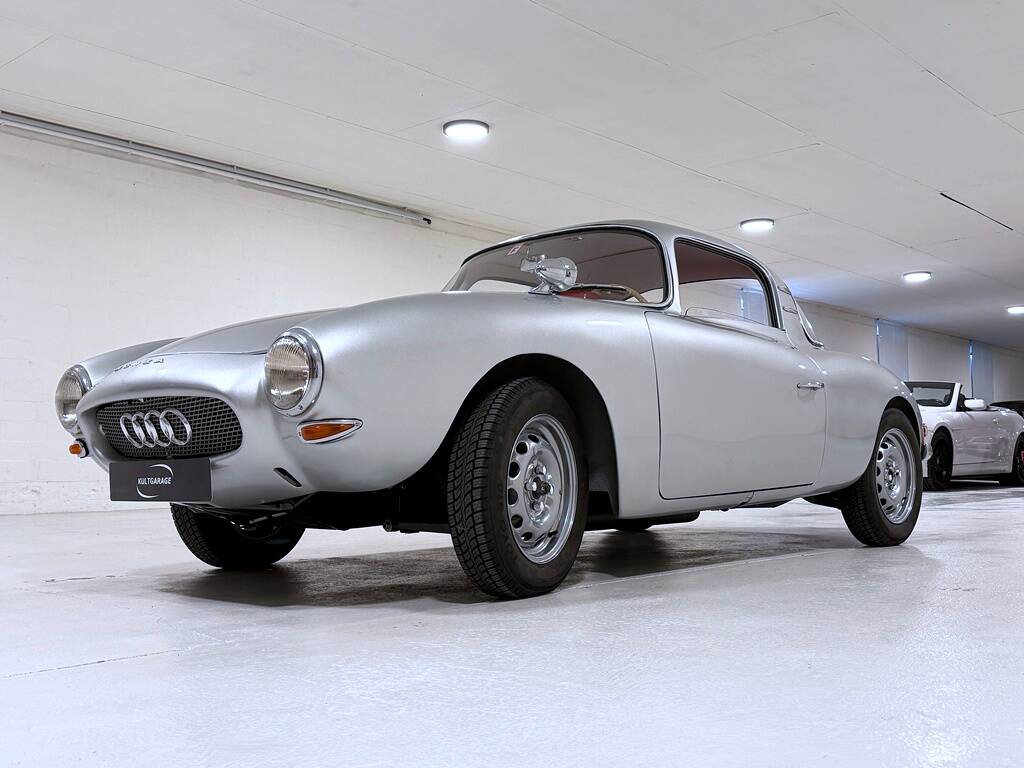
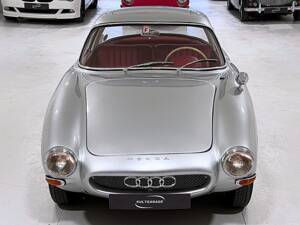
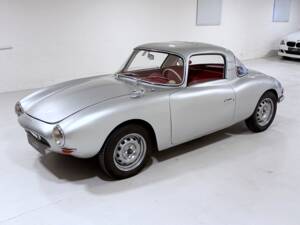
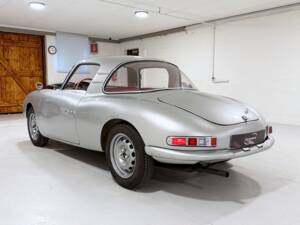
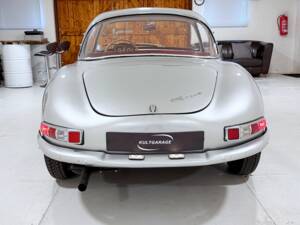
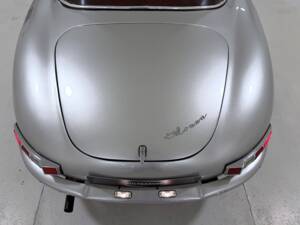
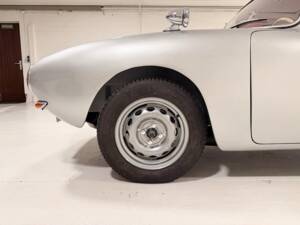
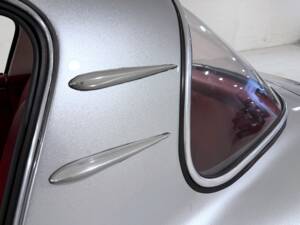
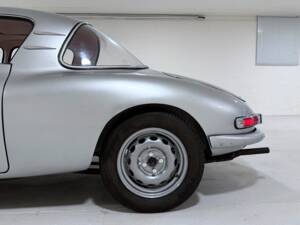
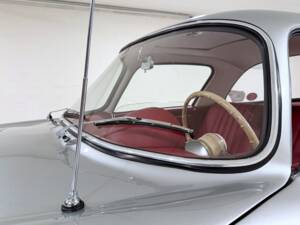
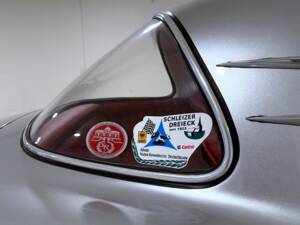
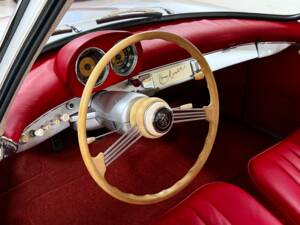
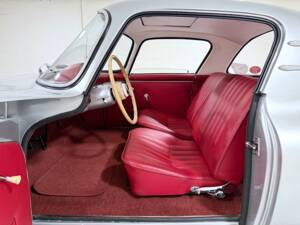
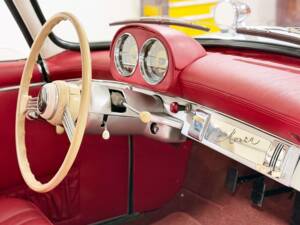
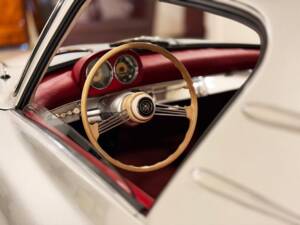
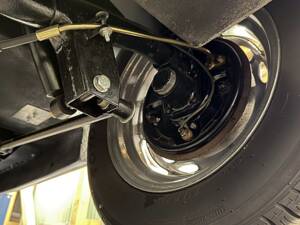
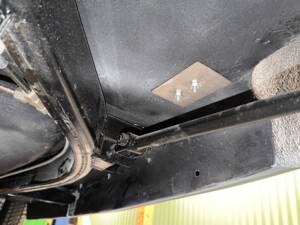
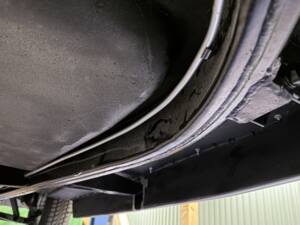
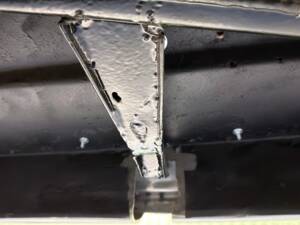
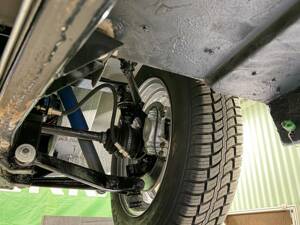
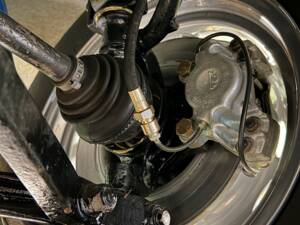
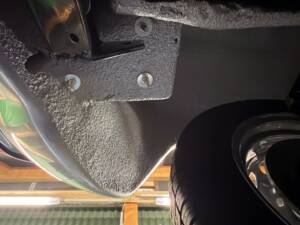
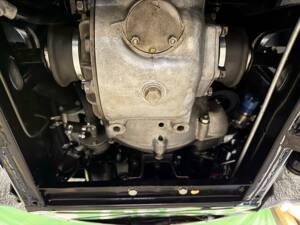
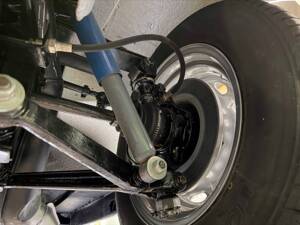
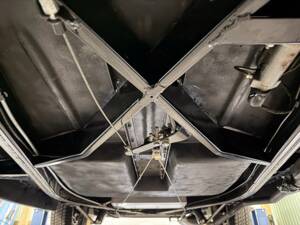
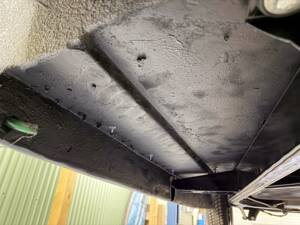
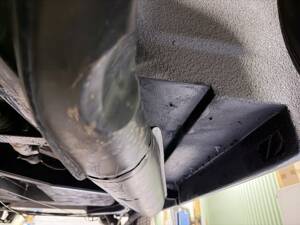
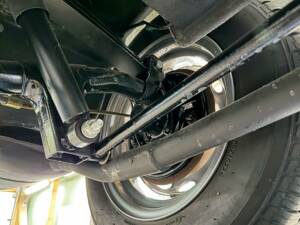
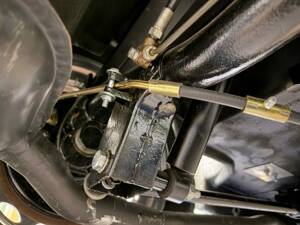
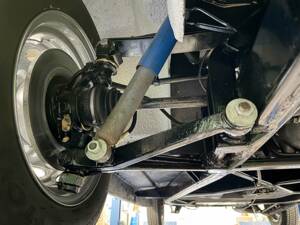
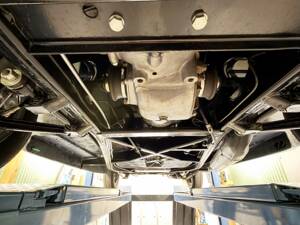
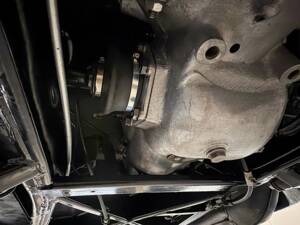
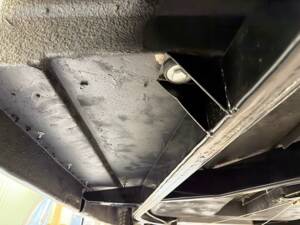
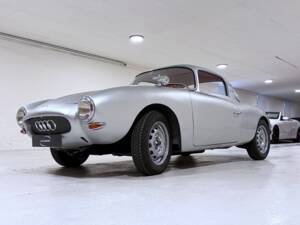
Over the past three years, the vehicle has undergone a comprehensive restoration. The objective was to return the Monza as closely as possible to its original factory-delivered specification. As part of this work, the body was refinished in its original silver paintwork, beautifully highlighting the flowing lines of the lightweight fiberglass body. The elegant roofline, wraparound panoramic rear window, and the Monza's distinctive proportions continue to give the coupé a remarkable sense of lightness, evoking Italian Gran Turismo models far more than typical German low-volume sports cars of the 1950s.
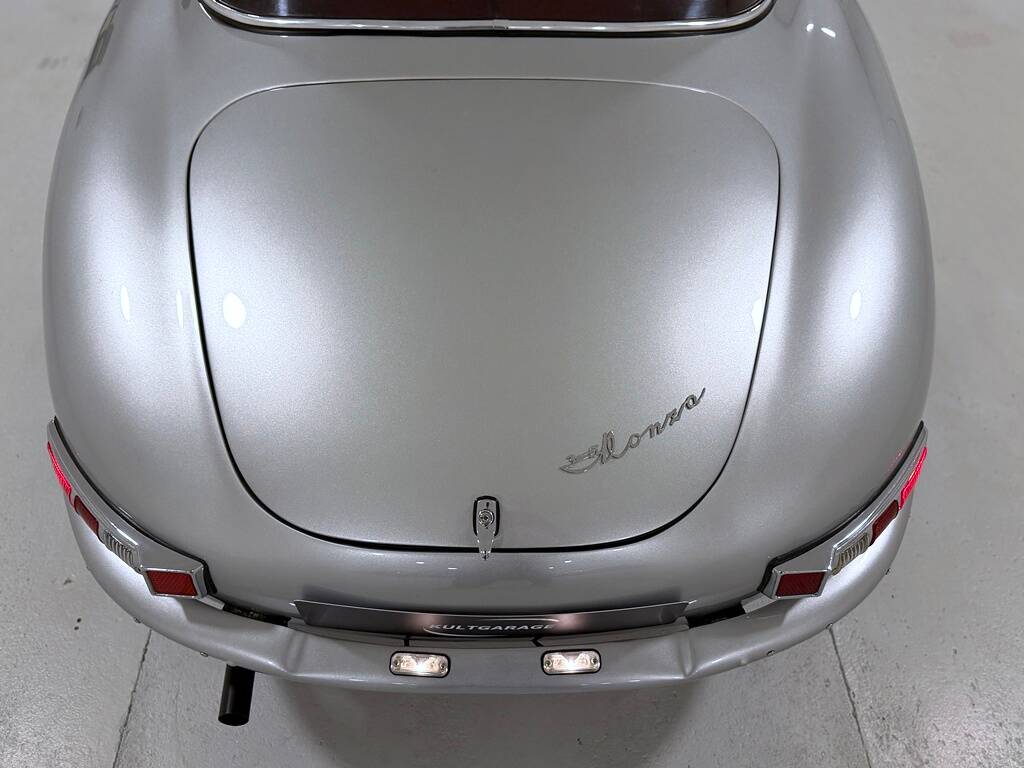
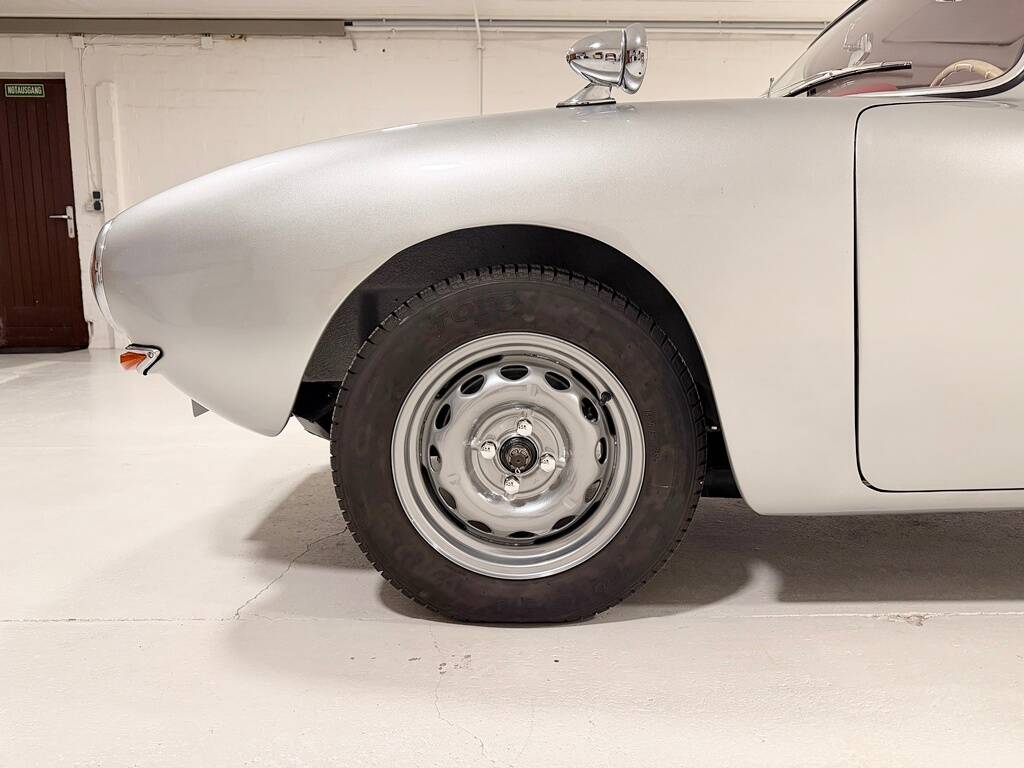
Several period-correct details are of particular interest. The car features front indicator lights sourced from Ford and rear lamps from the Mercedes-Benz 300 SL Roadster (W198), components that were already used during the Monza's original production period and are now highly sought-after collector's items in their own right. These details also illustrate the handcrafted nature of low-volume coachbuilding, where high-quality components from different manufacturers were thoughtfully combined.