- Car
- Ferrari (253 offers)
Ferrari classic cars for sale
Ferrari stands for Italian sports car culture like no other marque: distinctive V8 and V12 engines, radical design, and a direct link to racing. With models ranging from the elegant 250 series to the raw F40 and the sculptural Testarossa, Ferrari offers a wide spectrum for enthusiasts, collectors, and drivers. Here you'll find a selection of classic Ferraris, each with its own technological and historical story, awaiting new custodians.
Search results
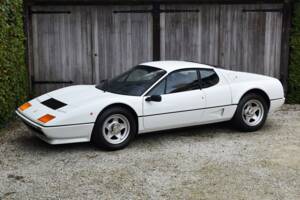
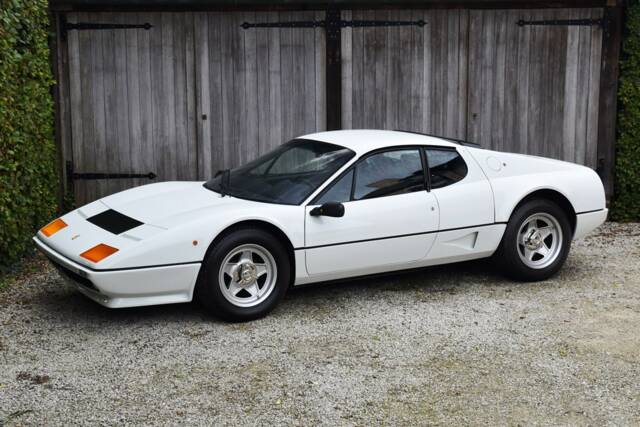
1982 | Ferrari 512 BBi
Immaculate condition and very rare colour combination.

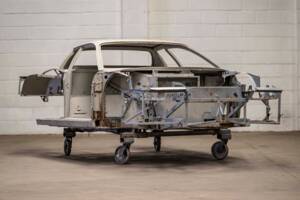
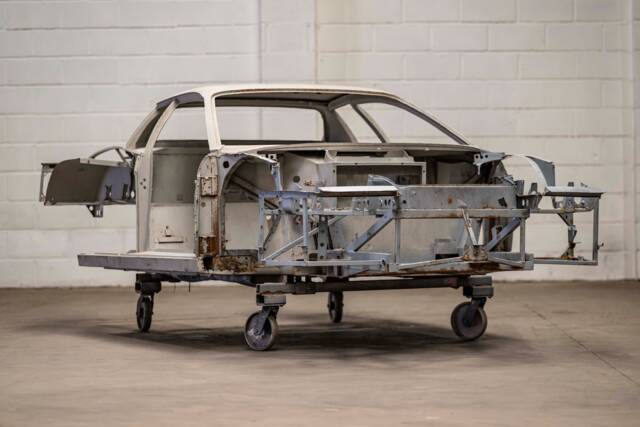
1987 | Ferrari Testarossa
Chassis & Spare Parts Only

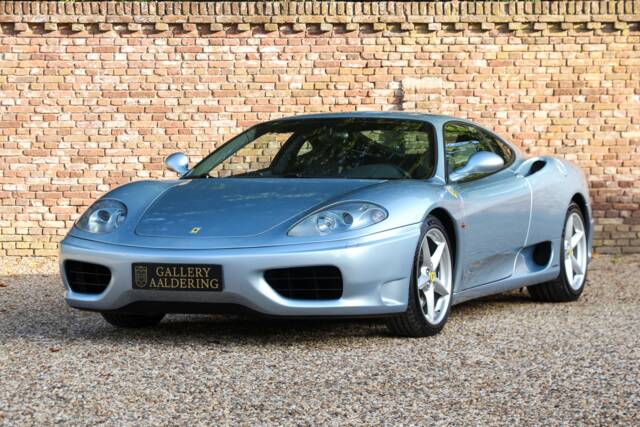
2001 | Ferrari 360 Modena
Ferrari 360 Modena One of only 25 sunroof factory delivery! From the special showroom in Maranello: Ordered with removable sunroof panel and Prancing Horse badges,"Scaglietti personalisation programme" - Distinguishing from the rest,Low mileage "360", Only 25 "360 Modena's" were delivered with the sunroof - Quite unique,Fully documented as requested,Excellent color scheme: Grigio Alloy over Blu Scuro cuoio,Long-term ownership

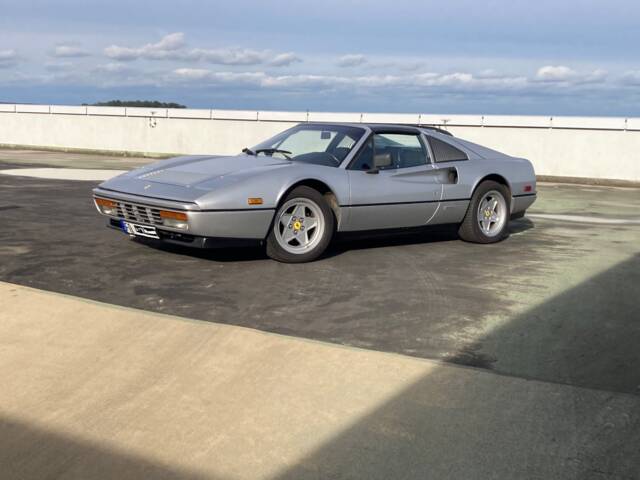
1986 | Ferrari 328 GTS
*Leasing/Finanzierung*H Zulassung*Gepflegt*Teilrestauriert*

Newsletter
The best Ferrari listings, straight to your inbox
Get hand-picked Ferrari listings, plus the best of cars, motorbikes, and auctions on Classic Trader — all in one place.
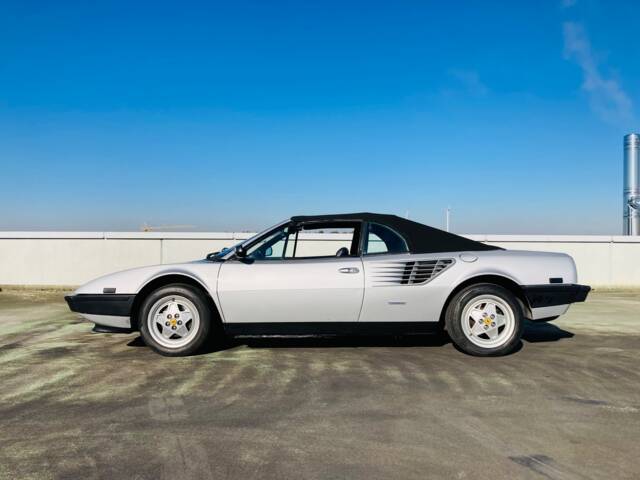
1985 | Ferrari Mondial Quattrovalvole
3.0 Cabriolet *Leasing/Finanzierung*Deutsche HAbnahme*Verdeck erneuert*
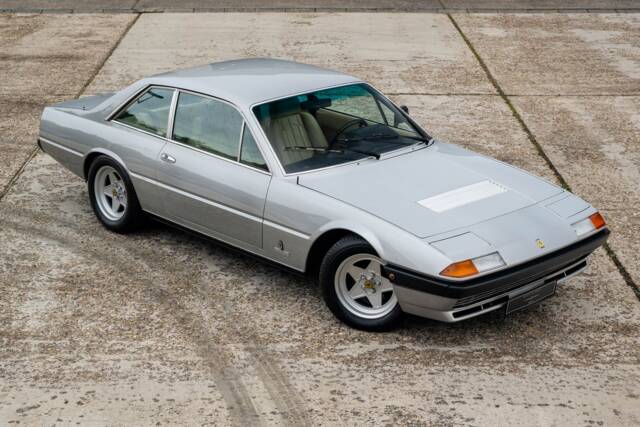
1981 | Ferrari 400i
One of just 422 manual Ferrari 400i examples built - Five speed manual gearbox paired with a 4.8 litre Ferrari V12 - Delivered new in Italy
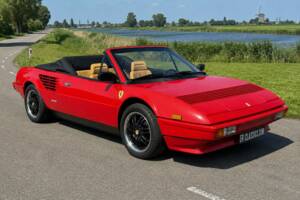
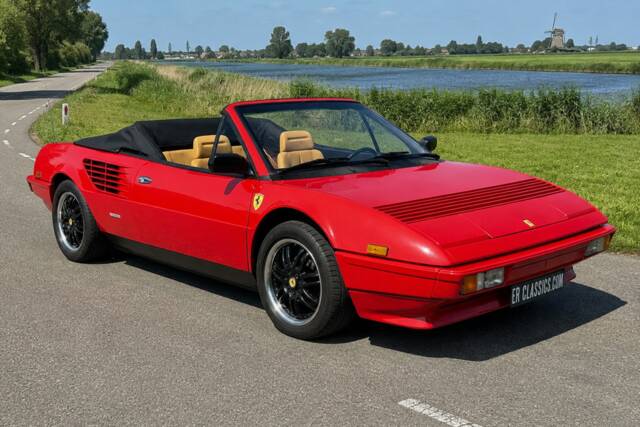
1985 | Ferrari Mondial 3.2
Ferrari Mondial Cabriolet | 1985 | Route 66 Auctions - For sale by auction. Estimate 30000 EUR
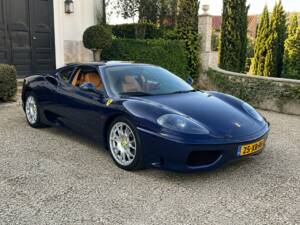
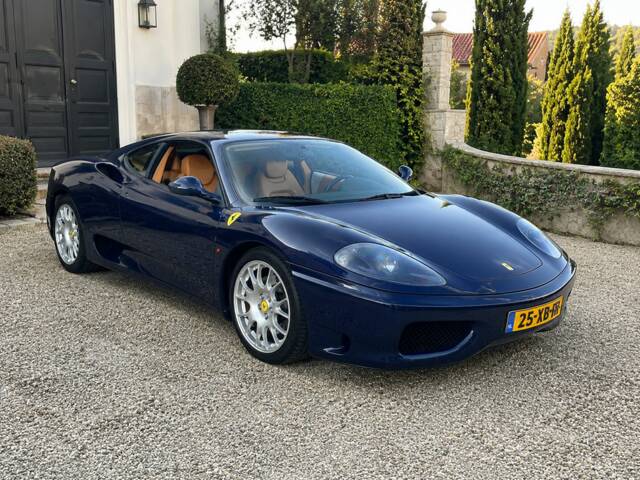
2001 | Ferrari 360 Modena
Ferrari 360 Modena | 2001 | Route 66 Auctions - For sale by auction. Estimate 39600 EUR
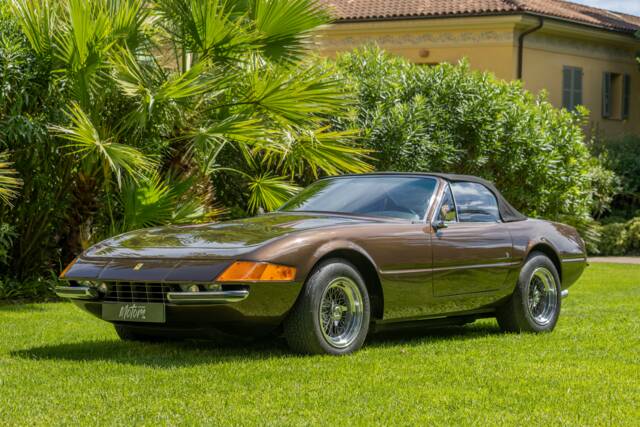
1971 | Ferrari 365 GTB/4 Spyder
FERRARI 365 GTB4 Daytona Spider

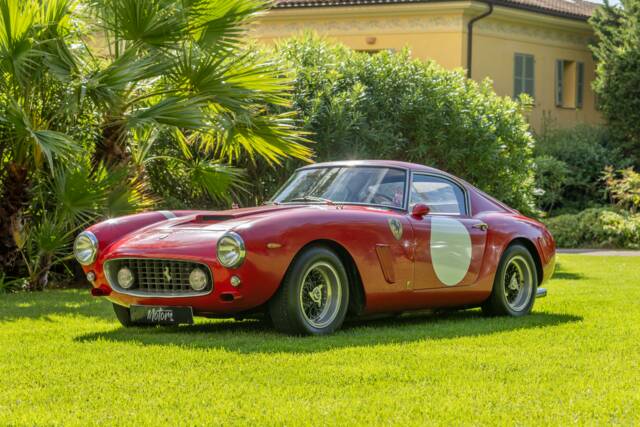
1960 | Ferrari 250 GT SWB Berlinetta
Ferrari 250 GTE carrossé SWB
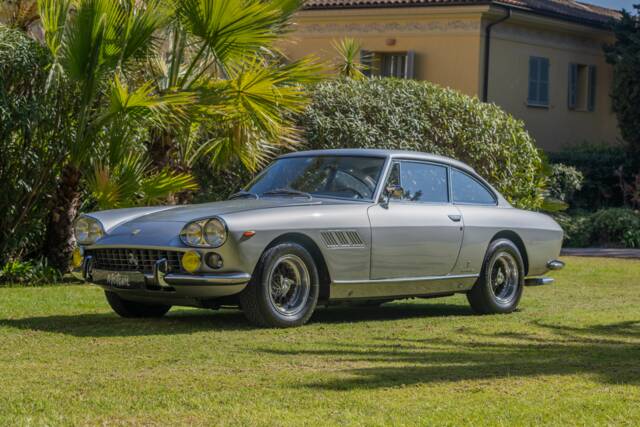
1964 | Ferrari 330 GT 2+2
FERRARI 330 GT 2+2
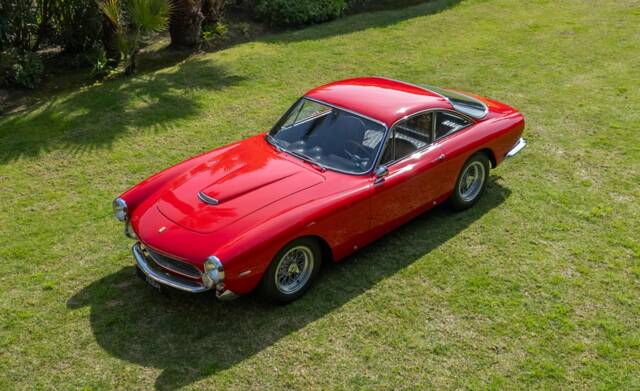
1963 | Ferrari 250 GT Berlinetta Lusso
FERRARI 250 GT Lusso
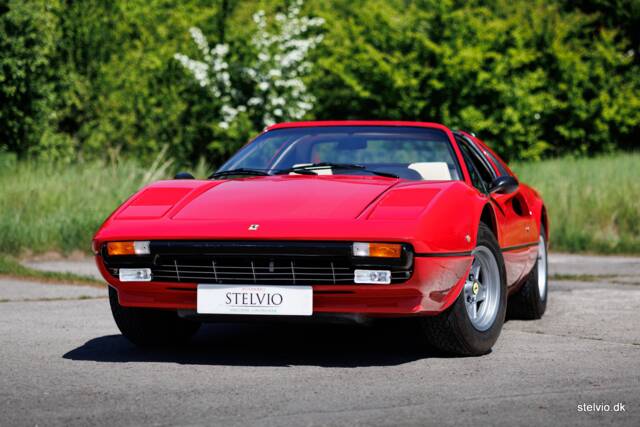
1978 | Ferrari 308 GTS
Original European carburator version

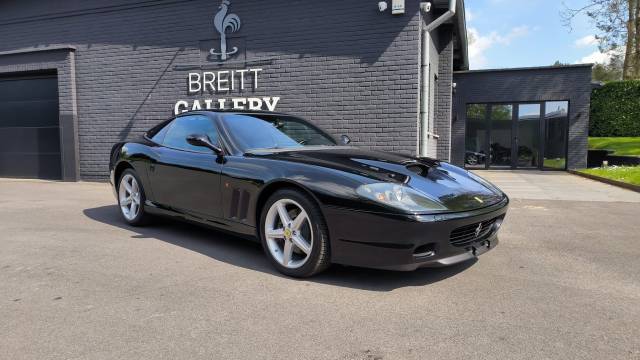
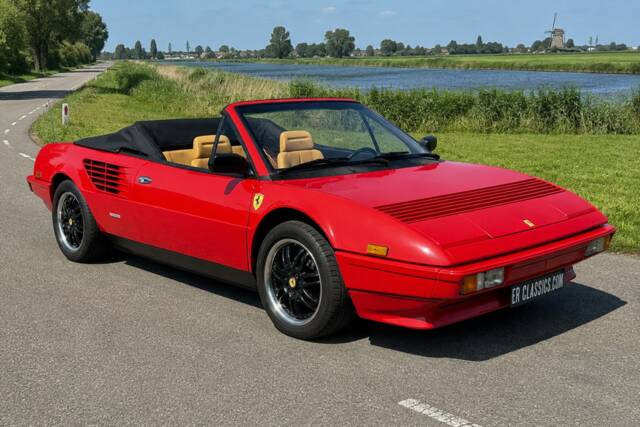
1985 | Ferrari Mondial 3.2
Ferrari Mondial Cabriolet | 1985 | Route 66 Auctions - For sale by auction. Estimate 30000 EUR
The evolution of Ferrari – heritage, racing, and exclusivity
Ferrari traces its origins back to 1929 when Enzo Ferrari founded Scuderia Ferrari, initially a racing team, which saw significant success as Alfa Romeo's racing arm. After setting out independently and weathering interruptions due to the Second World War, Ferrari produced its first car under its own badge in 1947. The marque quickly carved out a reputation for road and racing cars unmatched in flair and engineering, making Maranello ground zero for speed and passion. Key moments in Ferrari’s development include the boom in demand after Enzo Ferrari’s death in 1988 and its relentless tally of motorsport achievements, cementing the brand as a technological and cultural benchmark.
Model evolution and key lines
Ferrari's model genealogy is defined by both engineered evolution and motorsport-driven design. Early production started with the 125 S, leading to milestone names like 250 GTE, 330, 365, 400, and 412. Through the decades, Ferrari introduced many ground-breaking series: mid-engined V8s like the 308, 328, 348, F355, 360, F430; front-engined grand tourers such as the 550 Maranello, 575M, 599, and more. Special series, including the GTO, Testarossa, and the rare ‘Dino’ sub-brand (V6, mid-engine), demonstrate the brand’s versatility. Ferrari’s naming typically follows engine displacement conventions, and many cars reference motorsport venues or achievements.
Key features and statistical insights
Ferrari’s classical design DNA includes tubular or aluminium chassis, V12, V8, and occasionally V6 engines, with a diverse toolbox of racing and GT engineering. Notable features: clamshell bonnets, flip-up headlights (F355, Testarossa), pronounced air intakes, and the ever-present Cavallino Rampante badge. Exclusivity in numbers: classic Ferraris are produced in low volumes, enhancing rarity. Originality and matching numbers (engine and chassis) are crucial for value. Accessory highlights include manual gearboxes with metal gates, leather interiors, climate control, advanced sound/infotainment, and from F430 onwards, the 'manettino' on the steering wheel. For collectors, the Ferrari Classiche certificate confirms authenticity, original colour, and factory specification.
Technical data
Special Editions and Collector Models
Many Ferrari models were released as strictly limited editions, boosting their desirability: 250 GTO (less than 1,000 units), 288 GTO, F40 (introduced to mark Ferrari’s 40th anniversary), F50, Enzo, LaFerrari, and competition-targeted versions like Challenge Stradale, Scuderia, Pista, and GTO. The brand also offers ‘Atelier’ and ‘Tailor Made’ customisation programs—factory special orders with bespoke interiors, exclusive paint, and unique finishes. Some racing versions (e.g. 512 BB LM, FXX, XXK) underscore Ferrari’s close ties to motorsport. Particularly rare: right-hand-drive variants, unique colour schemes, and matching-numbers cars, all of which command premium interest.
Engine, driving dynamics and transmission
Ferraris range from the front-motor GTs, engineered for long-distance comfort at speed (365 GTB/4 'Daytona', 400, 550 Maranello), to razor-sharp mid-engine Berlinettas and Spiders (308, F355, 360, 430, 488), each offering visceral power delivery and distinct, naturally aspirated or turbocharged responses. Fendered by sophisticated independent suspension since the 1970s, with ventilated brakes and advanced gearboxes (from manual H-pattern to F1 and twin-clutch), Ferrari’s engineering ensures grip, stability, and the legendary soundtrack that comes from its V8 and flat-12 layouts. Classic models feature rear-wheel drive and mechanical limited-slip differentials—an enthusiast’s delight for nuanced driving. Top searched models include the 308 (manual V8, mid-engine), 250 series (front V12 coupé, ultra-collectible), Testarossa (flat-12, wide-stance, dramatic styling), and the F40 (2.9-litre twin-turbo V8).
Exterior, interior and special design features
The Ferrari look is inseparable from names like Pininfarina, Bertone, and Scaglietti: blended proportions, dramatic wedge themes, and impeccable details. Hallmark traits: five-spoke wheels, hidden/popup headlamps, triple rear lights, exposed fuel fillers, and the Cavallino Rampante shield. Interior options often include full leather upholstery, Daytona or carbon bucket seats, and tailored steering wheels with shift-point LEDs (from F430). Paint choices range from Rosso Corsa to rare hues like Grigio, Giallo, Blu Pozzi—a key factor for collectors. Early models often include minimal accessories, while more recent cars offer climate zones, advanced infotainment, navigation (Becker units), and carbon fibre accents. Every Ferrari’s cabin is oriented towards the driver, with a focus on analogue or tactile controls and authentic materials.
Other relevant features
Ferrari’s reputation for exclusivity and innovation flows from the brand’s motorsport activities (F1, Le Mans, GT series) and its status as a pioneer in brand marketing. Maintenance packages (e.g., 7-Year Maintenance), extended warranties, and the global Ferrari Classiche network ensure long-term support for classic and modern cars alike. Ferrari’s spare parts availability is among the best for vintage cars thanks to continued production of components through the factory and certified partners.
Summary
Ferrari combines Italian engineering mastery, motorsport DNA, and aesthetic leadership. Every classic Ferrari listed here represents a unique piece of automotive history—crafted with passion, performance, and distinctive design. Whether front V12 GT or mid-engine V8, Ferrari remains a top reference in style and technical sophistication, making every classic from Maranello a statement of individuality and excellence.
FAQs
What Ferrari classic cars are there?
Some of the most sought-after Ferrari classic cars include the Ferrari 250 GTO, renowned for its racing heritage and high value; the Ferrari 365 GTB/4 "Daytona," famous for its speed and distinctive design; the 1980s Ferrari Testarossa, which stands out with its bold styling; and the Ferrari 275 GTB/4, another iconic model known for its elegant styling and powerful V12 engine.
What is the oldest Ferrari classic car?
The Ferrari 125 S, introduced in 1947, is considered the oldest Ferrari classic car. It marks the beginning of Ferrari's history and was the first Ferrari equipped with a V12 engine, developed personally by Enzo Ferrari.
What should I consider when buying a classic Ferrari?
When buying a classic Ferrari, the vehicle's condition, the originality of its parts, and the availability of replacement components are crucial. It's also essential to conduct a thorough review of the maintenance history and provenance to ensure that it is an authentic and well-preserved model.