- Car
- Maserati (149 offers)
Buy Maserati Classic Cars
Maserati classic cars pair Modena racing heritage with long-legged Italian grand touring. Find a 3500 GT, Ghibli, Bora, Biturbo or GranTurismo suited to British roads and Continental escapes on Classic Trader.
Search results

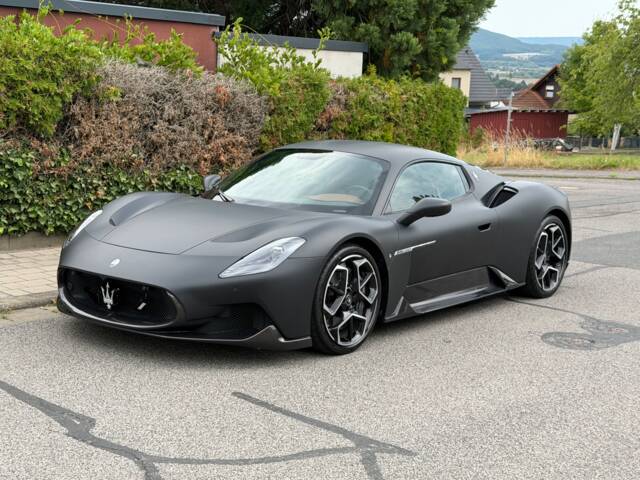
2024 | Maserati MC20
*19% Steuer*Deutsch*Unfallfrei*2.Hand*Perfekt Gepflegt*
VAT is reclaimable


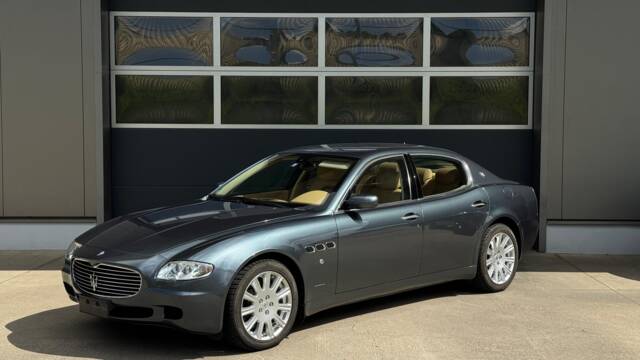
2004 | Maserati Quattroporte 4.2
*Perfekter Zustand*25.000km*Komplette Historie *

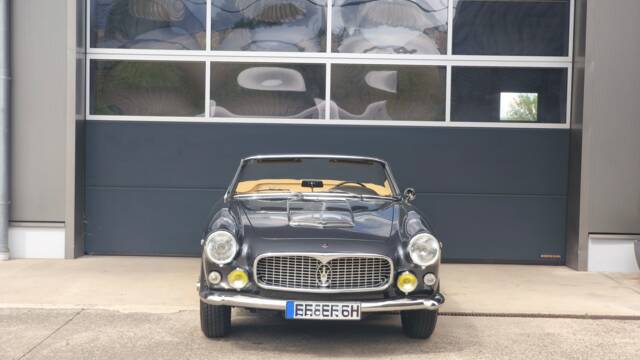
1962 | Maserati 3500 GT Spyder Vignale
*Frame Off*Historie*All Matching*
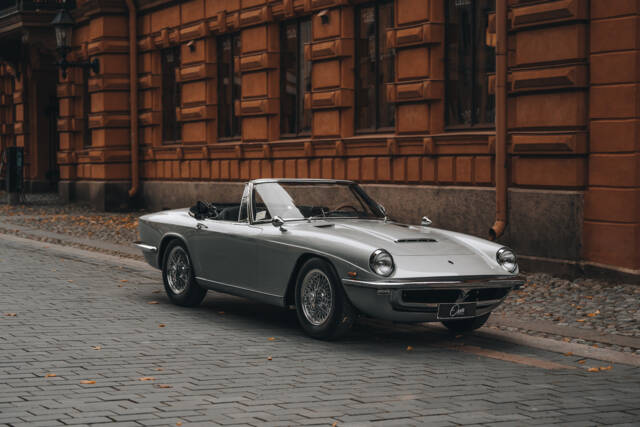
1964 | Maserati Mistral 3700 Spyder
Classic Data 1 condition. Museum-registerd

Newsletter
The best Maserati listings, straight to your inbox
Get hand-picked Maserati listings, plus the best of cars, motorbikes, and auctions on Classic Trader — all in one place.
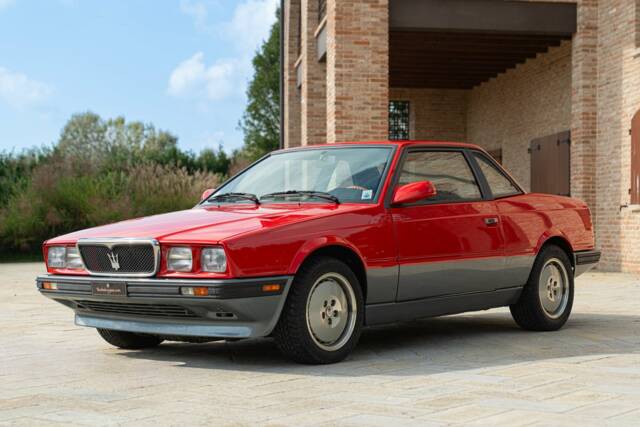
1991 | Maserati Karif
Maserati KARIF

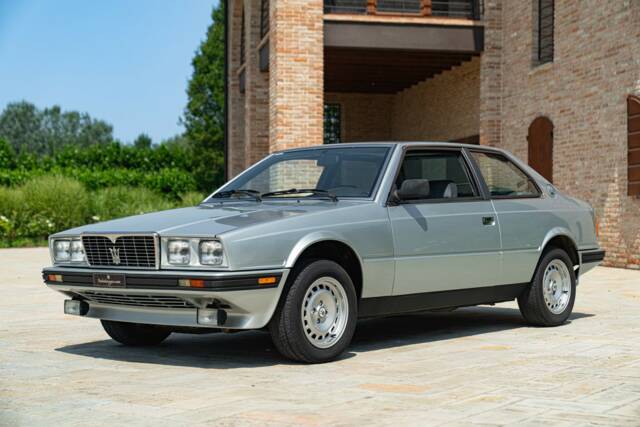
1988 | Maserati Biturbo i
Maserati BITURBO I

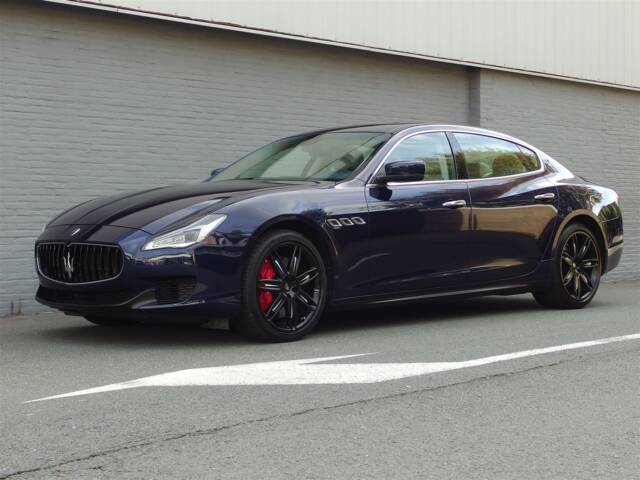
2013 | Maserati Quattroporte GTS
Japan import with ZF automatic transmission
VAT is reclaimable

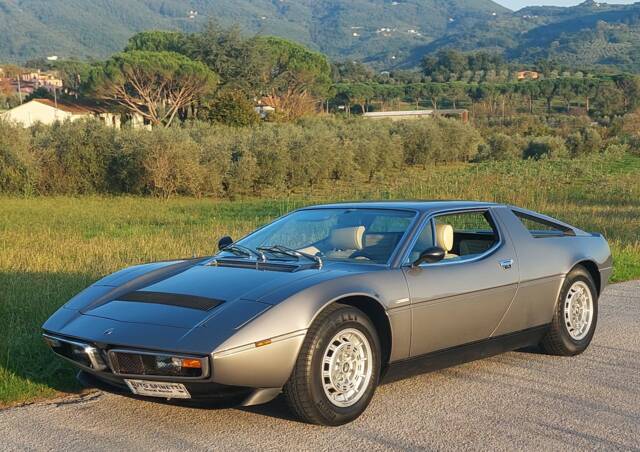
1979 | Maserati Merak SS
Maserati Merak SS 1979
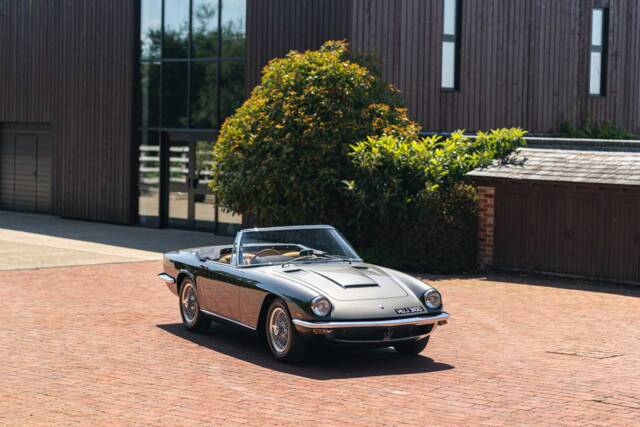
1966 | Maserati Mistral 3700 Spyder
RHD & FACTORY HARDTOP


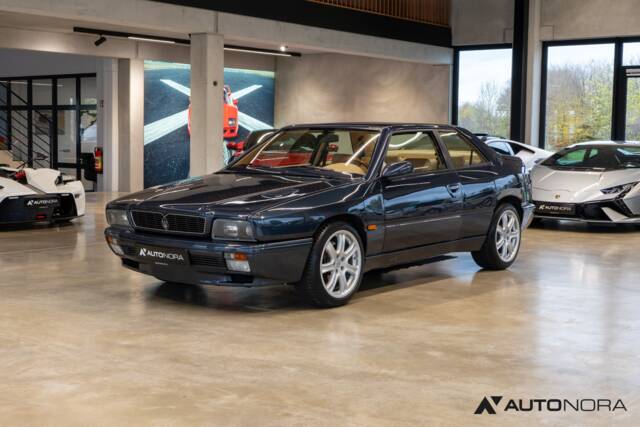
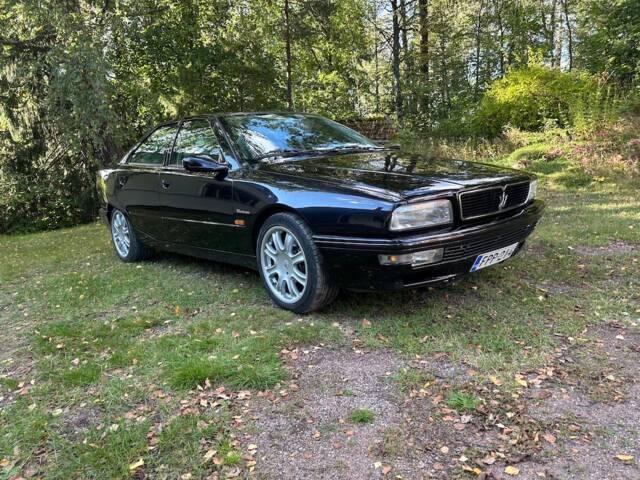
1999 | Maserati Quattroporte 3.2 Evoluzione
Rare low mileage example with full history
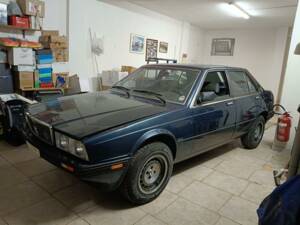
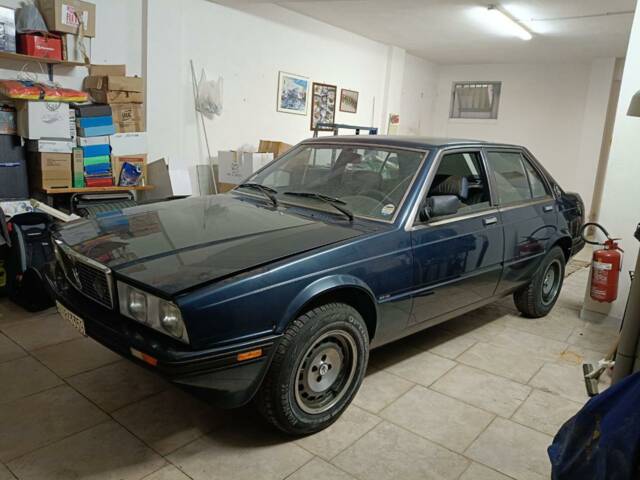
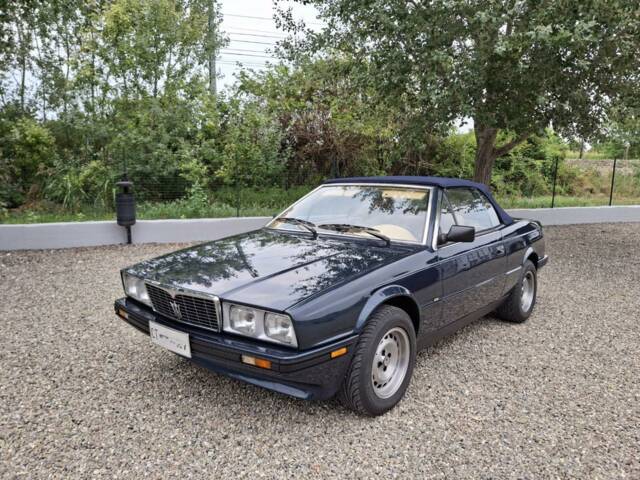
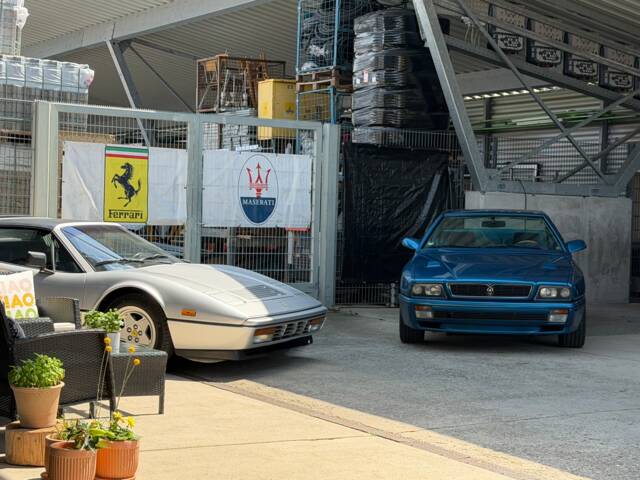
1994 | Maserati Ghibli 2.0
Primatist *Deutsches Auto*Service Neu*
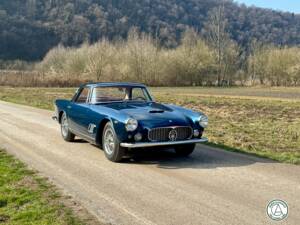
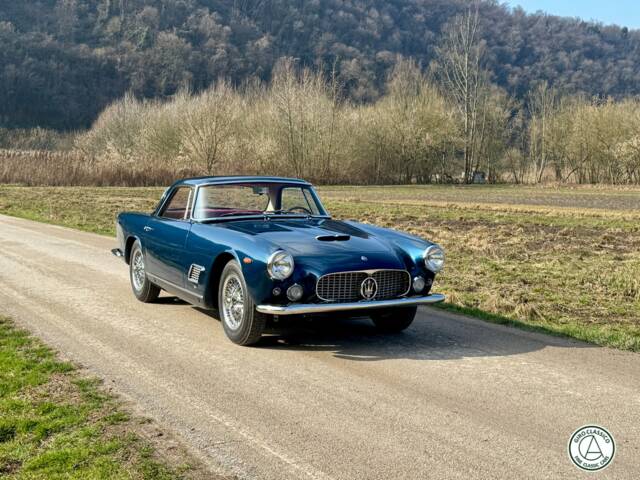
1961 | Maserati 3500 GT Touring
1961 Maserati 3500 GT — Matching Numbers, Completely Restored, Touring Superleggera
Maserati: racing roots and grand touring reach
Maserati is not one single sort of classic. The trident can mean a delicate, six-cylinder 1950s coupé, a 1960s V8 GT with a bonnet seemingly stretching to Modena, a Citroën-era mid-engined supercar, or a later four-seat car with a Ferrari-derived V8. That breadth is its appeal for a British buyer. A Maserati can be chosen for a sunny Sunday to a club meet, for an unhurried run to Scotland, or for a proper European tour with two people and their luggage.
Alfieri, Ettore and Ernesto Maserati founded Officine Alfieri Maserati in Bologna in 1914. Their brother Mario drew the trident, taking inspiration from Neptune's fountain in the Piazza Maggiore. The badge first won its class at the 1926 Targa Florio on the Tipo 26. After the Orsi family acquired the company, Maserati moved to Modena in 1939. The Viale Ciro Menotti factory remains central to the marque's story. Its competition record is not merely useful advertising: the 8CTF won the Indianapolis 500 in both 1939 and 1940, and Juan Manuel Fangio won his fifth Formula One world championship in a Maserati 250F in 1957.
The road-car business thereafter developed a more civilised interpretation of that engineering confidence. Introduced in 1957, the 3500 GT made Maserati a serious manufacturer of fast, luxurious production cars. Its twin-cam straight six came from the racing programme, but Touring's body and the long-distance manners were pure grand tourer. The Sebring and Frua-styled Mistral followed in the 1960s. The Mistral was the last Maserati road car to use the famous twin-plug six-cylinder unit, and its hatchback coupé body is more practical than its graceful profile suggests.
Maserati also invented a category which now seems familiar. The 1963 Quattroporte was a genuinely rapid four-door saloon when most performance cars had two doors. Then came the 1966 Ghibli: Giorgetto Giugiaro's startlingly low Ghia design wrapped a dry-sump, four-cam V8. It remains the decisive expression of Maserati as a glamorous, high-speed GT maker. Under Citroën ownership from 1968, the company took a bolder technical direction with the Bora and Merak mid-engined cars, using high-pressure hydraulic systems alongside muscular V8 or compact V6 power.
The oil crisis and a changing luxury market made the 1970s difficult. Alejandro de Tomaso's ownership brought the Biturbo in 1981, a compact V6 with two turbochargers that broadened Maserati's audience through coupés, saloons and Spyders. Fiat acquired Maserati in 1993, while Ferrari's later stewardship improved manufacturing discipline and introduced the 3200 GT, Coupé, Spyder, Quattroporte V and GranTurismo. Consequently, buying by badge alone makes no sense: Maserati ownership is best approached as a choice between several distinct eras, engines and maintenance philosophies.
Why a Maserati has its own character
A good Maserati is typically less interested in lap-time theatre than in making speed feel special over distance. The 3500 GT gives the driver a sonorous straight six, slender pillars and an upright, airy cabin. A Mistral feels more intimate but still has the relaxed stride expected of a car named after a Mediterranean wind. In a Ghibli, the low seating position and wide V8 torque turn an ordinary dual carriageway into an occasion. The body is large, but it has the settled, effortless manner of a proper continental express rather than a nervous lightweight sports car.
The range is also a lesson in intelligent use of suppliers and specialist coachbuilders. ZF gearboxes, Weber carburettors, Lucas injection, Girling brakes and Salisbury rear axles occur alongside work by Touring, Vignale, Frua, Ghia, Bertone, Giugiaro, Gandini and Pininfarina. Common service items are therefore often less mysterious than the badge suggests. Conversely, the parts which make a Maserati feel complete—correct switchgear, gauges, glass, brightwork, interior trim and body pressings—can be expensive and slow to source. A car that is cosmetically complete, even if imperfect, may represent a much safer proposition than a stripped restoration project.
There is no universal 'best' Maserati. The pre-Citroën six-cylinder cars suit drivers who value delicacy and mechanical music. Ghibli and Mexico buyers get traditional V8 presence, with the former sacrificing rear seats for drama. Bora and Merak appeal to owners prepared to understand an unusual hydraulic system and a lower, more focused driving position. A well-sorted Biturbo can be an engaging entry point, but early examples demand particularly convincing evidence of careful servicing. The 2007–2019 GranTurismo is a modern classic for someone wanting four proper seats, a naturally aspirated V8 soundtrack and the ability to cover big mileages.
Small production numbers create rarity, but they do not erase condition. A rare colour, left-hand-drive conversion, absent hardtop or undocumented engine replacement should be assessed honestly rather than treated as a story. Matching numbers, factory build information, Maserati Classiche documentation and a coherent invoice file are especially meaningful on high-value cars. Before committing, have the car inspected by a Maserati specialist who knows the relevant generation, not simply by a general classic-car garage.
Technical reference for key Maserati classics
Figures below are useful orientation rather than a substitute for checking the specification of an individual car. Power, weight and top speed vary with carburettor or injection specification, market equipment and contemporary test methods.
The 3500 GTI was among the earliest Italian production cars with Lucas fuel injection, introduced in 1961. It is sophisticated but needs a specialist familiar with its equipment. The Ghibli's dry-sump V8 allows its famously low bonnet line; four Weber carburettors and a big alloy engine reward correct ignition timing, cooling and synchronisation. Do not mistake a smooth idle on a warm car for a full health check: cold starting, oil pressure, temperature control and behaviour under sustained load matter more.
The Bora merits its own mechanical mindset. Citroën hydraulics operate the brakes, pop-up lamps and adjustments to the seats and pedals. A renewed system, complete with invoices naming accumulators, seals, pipes and correct fluid, is reassuring; a seller saying it has 'always been like that' is not. On a Merak, check the service history for valve clearances, engine access work, fuel-tank areas and gearbox condition. Later cars replace some of the original Citroën complexity, so identify the exact version before applying any generic advice. On a GranTurismo, inspect evidence for suspension, brakes, battery condition, air-conditioning and, where fitted, the MC Shift clutch and gearbox diagnostics.
Market Overview & Buying Tips
At the top of the market, recent auction results show why original open cars and strong provenance command a different level from ordinary coupés. RM Sotheby's sold a Maserati Classiche-certified 1965 Mistral 3.5 Spyder for $395,500 at Monterey in 2024. It was one of 124 Spyders and retained matching chassis, engine and gearbox. At the same 2024 Monterey sale, RM Sotheby's achieved $775,000 for a 1971 Ghibli SS 4.9 Spyder, one of 45 4.9-litre SS Spyders. Bonhams sold a matching-numbers 1970 Ghibli 4.7 Spider for $596,250 including premium at Scottsdale in January 2024. These are not general price guides: each was an unusually scarce, documented, manual open car.
The lower end of the exotic spectrum can be equally instructive. RM Sotheby's recorded $156,800 for a 1973 Bora 4.9 at its 2026 Monterey sale. That restored, numbers-matching example had documented hydraulic-system renewal. It underlines the importance of specification and condition: a Bora with deferred hydraulic, cooling, clutch or corrosion work can consume the apparent saving very quickly. Auction results are snapshots in a particular currency and sale environment, so a buyer should compare cars of like body style, gearbox, provenance and condition rather than averaging headlines.
In the UK, usable Biturbos and later V6 derivatives are often the accessible route into the marque, while maintained 3200 GTs, Coupés, Spyders, Quattroporte Vs and GranTurismos offer a broader choice. Six-cylinder 1950s and 1960s GTs, Ghibli coupés and good Bora or Merak examples usually require materially more capital. Include an immediate commissioning fund in every budget. Tyres, a brake overhaul, cooling work, carburettor setting, air-conditioning repairs or correct trim can turn a superficially cheap purchase into an expensive one before its first club run.
Start with the shell. On steel-bodied Maseratis, inspect sills, jacking points, floors, wheelarches, screen surrounds, battery tray, suspension mounts and all seams from beneath. Thick underseal is not evidence of sound metal. Ask for photographs from any restoration, particularly before paint and cavity protection. A Ghibli's shut lines, bonnet fit and nose profile can reveal prior accident repair. On the Merak, inspect the front suspension mounting areas and the structure around the side fuel tanks. Corrosion repair on a low-volume Italian body is normally more consequential than replacing a serviceable mechanical component.
Then inspect the evidence. Check chassis, engine and gearbox numbers against factory records where available. Establish whether a car has its original carburettors, injection equipment, wheels, seats and instruments; alterations are not necessarily bad, but must be declared and priced accordingly. Drive the car from cold, then long enough to test the cooling system, brakes, clutch, gearchange and charging. For Biturbos, seek documentary timing-belt changes, regular oil service, turbocharger attention and resolution of any fuel or electrical faults. On 1990s and newer cars, diagnostic records and regular specialist servicing carry more weight than a glossy but vague stamped book.
Britain's right-hand-drive market requires an extra distinction. A factory RHD car can be especially attractive for British use and historically important, but it is not automatically worth a premium if it has been converted later. Confirm its original steering position through build records, examine pedal-box and bulkhead workmanship, and make sure a conversion has not compromised heater, wiper, wiring or steering geometry. Equally, a well-documented left-hand-drive continental Maserati is often excellent value for touring and will feel natural once clear of town traffic; it should simply be bought at a price that recognises the UK market.
For an import, establish the complete chain before money changes hands: foreign registration papers, bill of sale, chassis identity, proof of age, shipping records and HMRC notification. A used imported vehicle is registered with DVLA on V55/5, and the resulting V5C should accurately show dates, identity and taxation class. Ask in advance how VAT, customs duty, transport, insurance and any compliance work apply to the individual transaction; rules and reliefs depend on provenance and circumstances. Keep all paperwork, including the NOVA confirmation, with the car. It makes a later sale far easier.
Many pre-1986 Maseratis can now qualify for the Historic tax class under the rolling 40-year rule, subject to the V5C record. A car built or first registered more than 40 years ago may be MOT-exempt only if it has not undergone substantial changes in the previous 30 years; it must still be roadworthy and insured. The keeper declares the position when taxing the vehicle. This is not a reason to avoid an annual inspection. A voluntary MOT and a specialist pre-season check are sensible safeguards on brakes, tyres, fuel hoses and corrosion, especially before crossing the Channel.
Parts support in Britain is good in the sense that marque specialists, the Maserati Club and European suppliers form an active network. It is not inexpensive. Before purchase, ask the seller which specialist has maintained the car, speak to that workshop where possible, and learn whether the hard-to-find pieces are present. A club event or technical gathering can be more revealing than online opinion: owners will know who rebuilds a hydraulic accumulator, sources correct leather, tunes Webers or understands the electronics of a 3200 GT.
The Maserati experience on British and Continental roads
British B-roads reward a different side of Maserati from an Italian autostrada. A 3500 GT is not a small car, yet its steering, sight lines and progressive straight-six make it a satisfying companion when driven smoothly from village to village. The Mistral feels shorter and more sporting, with a wonderfully mechanical twin-cam response. Both are happiest when a driver preserves momentum rather than treating every stretch as a sprint.
A Ghibli asks for more space and respect. The view over the huge bonnet, the low roofline and the four-cam V8 give it theatrical presence, but the live rear axle and period tyres mean it should be driven within the road's surface and weather. On a dry route through the Cotswolds, it is a glorious fast GT. On a wet, broken lane, gentler inputs and good tyres matter. The Bora and Merak are lower, more intimate and more demanding to place, with engines close behind the cabin. The V8 Bora has enormous authority; the Merak's V6 feels lighter and enjoys revs.
For regular use, a GranTurismo offers perhaps the most straightforward bridge between classic character and modern touring. It can carry friends to a Maserati Club gathering, then cross France in a single day with a relaxed cruising gait and an extraordinary exhaust note. Regardless of model, Maseratis reward regular, sympathetic exercise. Keeping fluids moving, batteries charged and temperatures observed is kinder than leaving an intricate Italian car dormant until a major event.
Italian coachwork, evolving without losing the trident
Maserati's most admired shapes were rarely the product of one in-house styling formula. Touring's Superleggera construction gave the 3500 GT a refined, almost architectural elegance. Frua gave the Mistral a long glasshouse and distinctive rear hatch. Giugiaro, then working at Ghia, transformed the language with the Ghibli: flat planes, pop-up lamps, a long bonnet and a sharply cropped tail. The low engine installation was not styling theatre alone; dry-sump lubrication enabled the body to sit so low.
Giugiaro's Bora made the wedge more technical, using a brushed stainless-steel roof panel and a glassy rear treatment. Gandini's Khamsin took another angular route, while the formal Biturbo deliberately made Maserati more compact and usable. The 3200 GT's boomerang rear lamps and Pininfarina's later GranTurismo show how the marque could change era without abandoning the essential long-bonnet, purposeful proportion.
Originality is not the same as refusing sensible maintenance or safety improvements. It means that paint colour, major mechanical components, cabin materials and coachwork correspond credibly with the car's history. A retrimmed interior or non-standard alloy wheels may be perfectly enjoyable, but a buyer should not pay factory-specification money for them. Examine the details: correct badges and lamp units, dashboard cracking, brightwork fit, seat frames, hood fit on a Spyder, and whether body colour is consistent in the engine bay, boot and door shuts.
Choosing the right Maserati classic
To buy a Maserati classic car well is to choose the right kind of trident for the life you intend to give it. The 3500 GT and Mistral offer six-cylinder finesse; the Ghibli offers charismatic V8 grand touring; Bora and Merak offer ambitious mid-engined engineering; the Biturbo offers compact turbocharged personality; and the GranTurismo makes a convincing modern classic. None is a substitute for another.
Prioritise a dry, structurally honest body, traceable identity, complete documentation and evidence of work by a relevant specialist. For a UK car, confirm whether RHD is factory-original; for an import, make certain the V5C, customs and age documentation will support smooth registration. Use the MOT exemption correctly, but maintain the car as though it will be tested tomorrow. The best Maserati is not necessarily the lowest-priced listing: it is the one whose condition, history and intended use make sense together. Find Maserati classic cars on Classic Trader and buy with that discipline in mind.