- Motorcycle
- Zündapp (4 offers)
Buy Zündapp Motorbike
For nearly seven decades, Zündapp produced some of Germany's most robust motorcycles, from the heavy KS 750 military outfits to the stylish Bella scooter. Known for their "Green Elephant" boxer twins and legendary reliability, these machines remain a staple for serious British collectors.
Search results
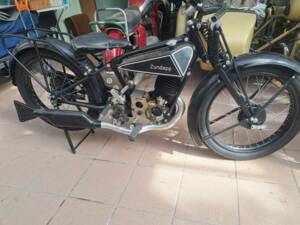
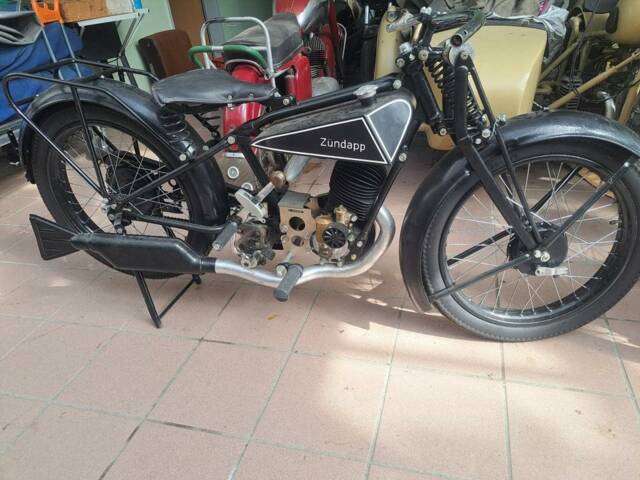
1929 | Zündapp Z 200
Zündapp Z 200

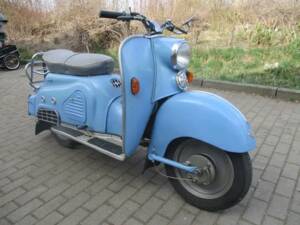
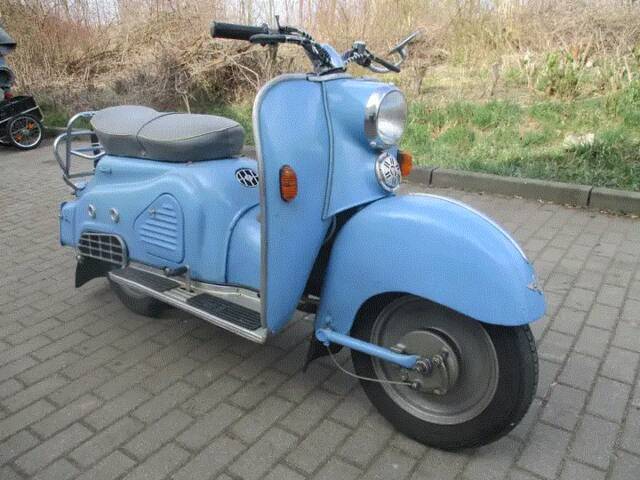
1959 | Zündapp Bella R 200
Zündapp Bella Roller Bella 201 / 203 Nr.48022
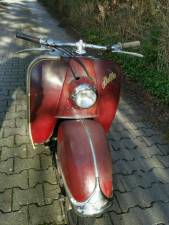
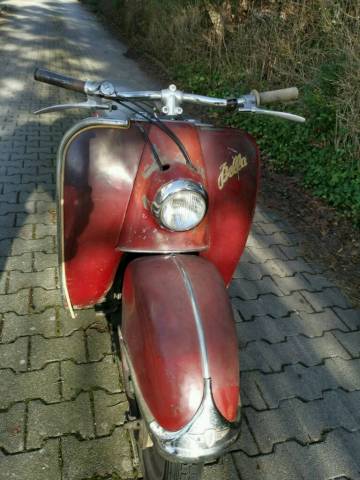
1955 | Zündapp Bella R 150 Sport
Zundapp Bella R150 1955 for restauration

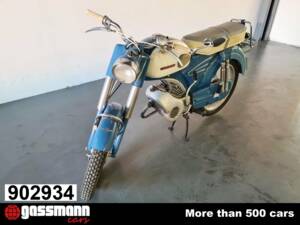
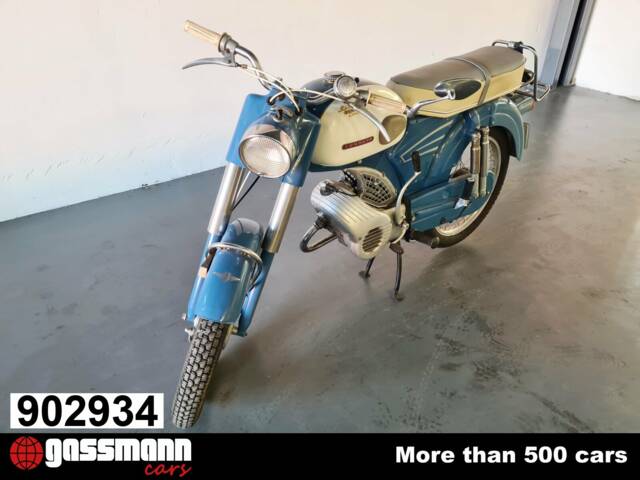
1963 | Zündapp Combinette
Mokick, Sport Combinette -R90S - Restauriert
Newsletter
The best Zündapp listings, straight to your inbox
Get hand-picked Zündapp listings, plus the best of cars, motorbikes, and auctions on Classic Trader — all in one place.
Zündapp listing references from Classic Trader
Below you will find listings related to your search that are no longer available on Classic Trader. Use this information to gain insight into availability, value trends, and current pricing for a "Zündapp" to make a more informed purchasing decision.
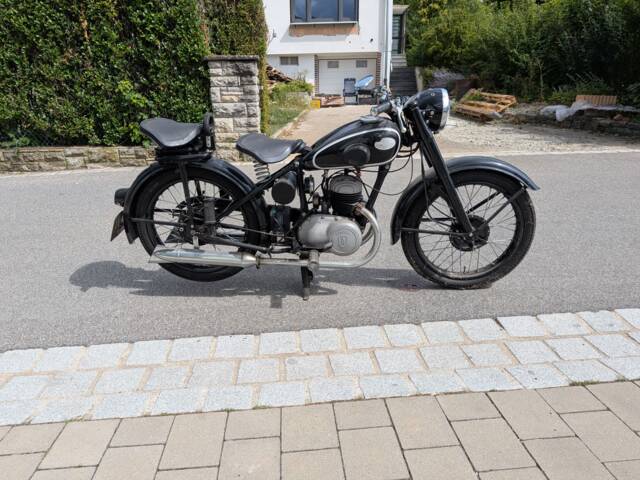
1950 | Zündapp DB 201
Restauriert - Verkauf wegen Auswanderung
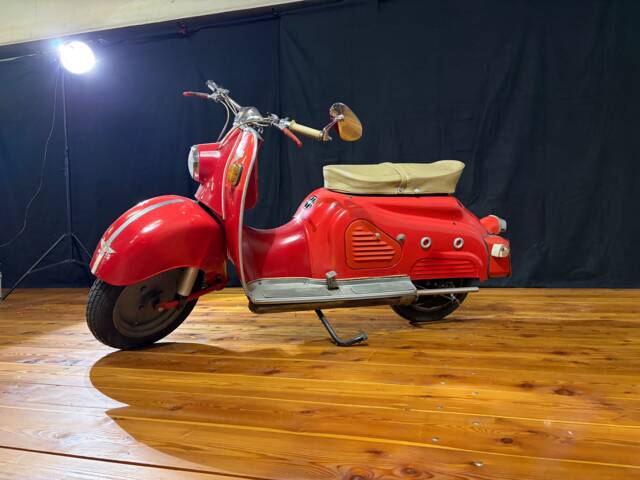
1958 | Zündapp Bella R 154
Comfort-oriented classic from the economic miracle era

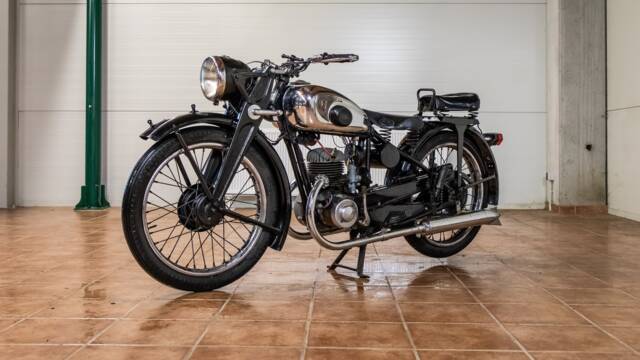
1938 | Zündapp DB 250
Pre-war motorcycle from the late 1930s
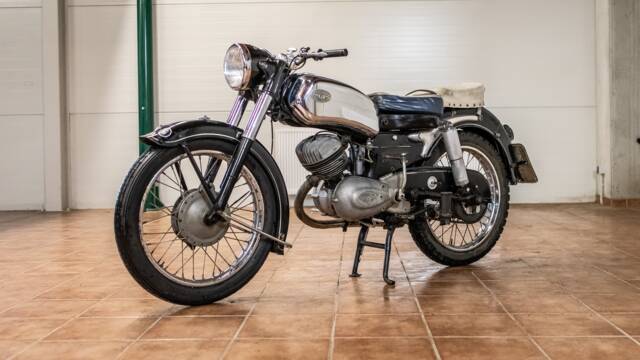
1954 | Zündapp DB 255 "Elastic 250"
Solid mid-class motorcycle from the economic miracle years
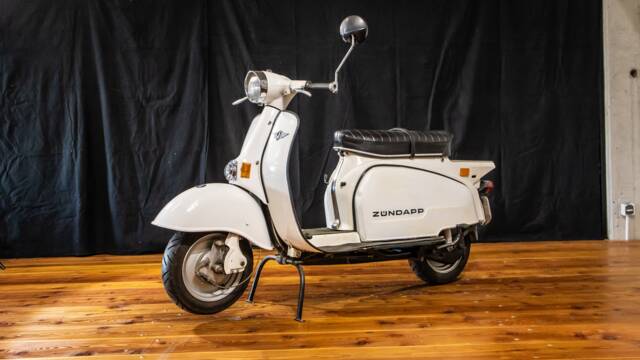
1977 | Zündapp R 50
Classic small scooter from the late 70s
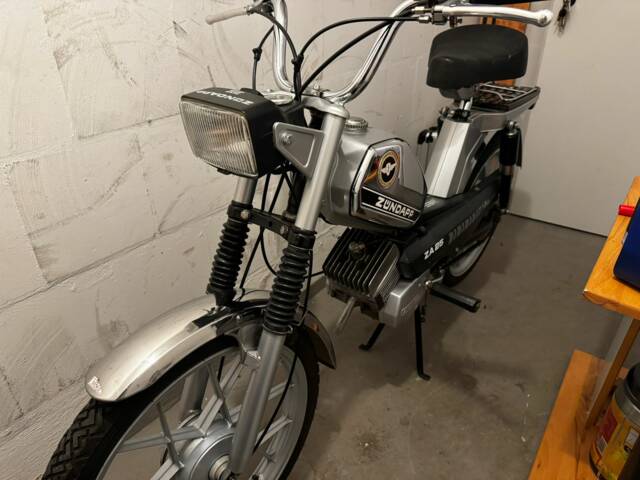
1982 | Zündapp ZA 25
Zündapp ZA25
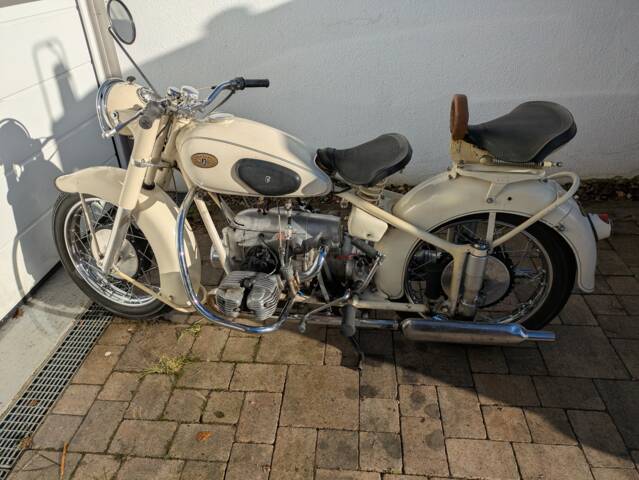
1952 | Zündapp KS 601
A True Classic of Motorcycle History!
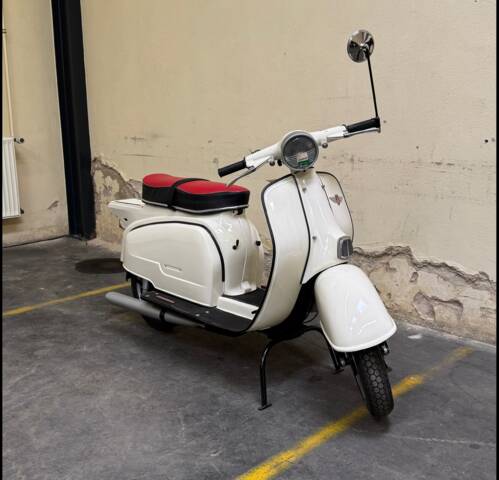
1964 | Zündapp R 50
Mokick
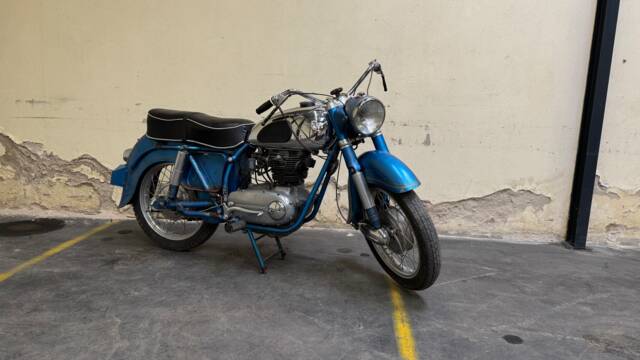
1958 | Zündapp Citation 500
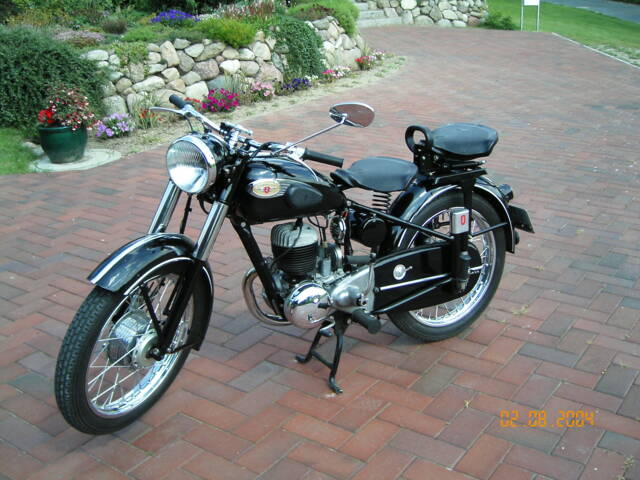
1953 | Zündapp DB 234
Norma Luxus
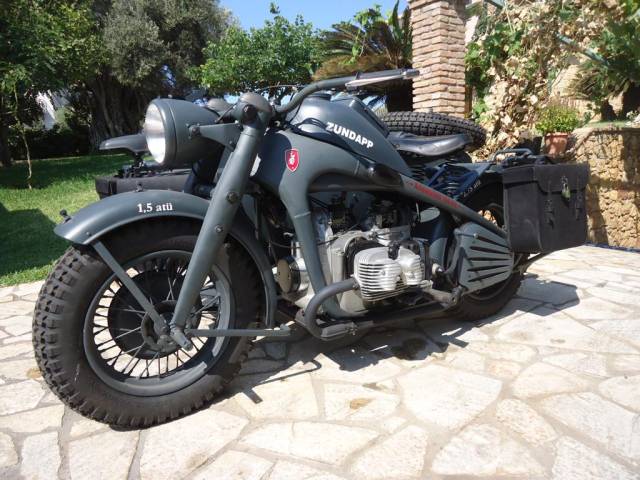
1941 | Zündapp KS 750
Unique - original - rarity
Since its inception in 1917 as the Zünder- und Apparatebaugesellschaft, Zündapp evolved into one of Germany's premier motorcycle manufacturers. The Nuremberg-based brand built its reputation on practical, long-lasting engineering—machines designed for the rigours of daily use rather than just the racetrack. The famous German slogan, "Wer Zündapp fährt, bleibt unversehrt" (He who rides a Zündapp remains unharmed), perfectly encapsulates the brand's promise: robustness and dependability over flashy speed records. For the British enthusiast, Zündapp represents a fascinating alternative to the traditional BSA or Triumph, offering a level of Teutonic precision that often surpassed its contemporary rivals.
History & Heritage
Fritz Neumeyer founded the Nuremberg Zünder- und Apparatebaugesellschaft in 1917 to produce military detonators. Following the First World War, Neumeyer sought new avenues for his engineering expertise. Inspiration struck at the 1920 Berlin Motorcycle Show, leading to the birth of Zündapp as a motorcycle marque.
1921-1930: The Early Years – The first model, the Z22, was essentially a bicycle with an auxiliary motor, marketed as the "Motorrad für Jedermann" (Motorcycle for Everyone). By 1924, the company had already produced its 10,000th motorcycle, thanks to the early adoption of assembly line production. The late 1920s saw the introduction of the Z200 and Z300 models, which featured more substantial frames and engines producing 8-9 hp, signalling the brand's move towards technical maturity. By the end of the decade, Zündapp was among the five largest European motorcycle manufacturers.
1933-1945: The K-Series and War Production – 1933 marked a turning point with the introduction of the K-series (Kardanantrieb), featuring enclosed driveshafts. These heavy motorcycles, including the K 500 and K 800 (a rare four-cylinder boxer), set new standards for luxury and durability. During the Second World War, production shifted entirely to the military. The heavy KS 750 sidecar outfit became the backbone of German motorised units. With its 751cc engine, driven sidecar wheel, and locking differential, it was arguably the most capable off-road motorcycle of its era.
1950s: Post-War Prosperity and the UK Connection – After the war, Zündapp resumed production with four-stroke boxer engines. The standout was the KS 601 (1951-1958), famously dubbed the "Green Elephant" (Grüner Elefant) by journalist Carl Hertweck due to its lime-green paint and substantial torque. In the UK, Zündapp found a unique foothold through Ambassador Motorcycles, who sold Zündapp mopeds and lightweights under licence, helping to establish the brand's name amongst British riders who valued reliability over the often temperamental domestic offerings.
The 1950s also saw the rise of the scooter. Zündapp's response was the Bella, which became a massive success during the European scooter boom. With its elegant lines and robust 150cc or 200cc engines, it offered a more "motorcycle-like" riding experience than the Italian Vespa or Lambretta.
1960s-1980s: The Shift to Two-Strokes and Decline – In the early 1960s, Zündapp ceased four-stroke production to focus on two-stroke engines. The Falconette, Combinette, and KS 50 series dominated the range. While these small-capacity machines were incredibly well-made, the brand struggled to compete with the Japanese "Big Four" (Honda, Yamaha, Suzuki, Kawasaki) that began to dominate the global market with superior multi-cylinder technology and lower prices.
By the 1980s, Zündapp was still using designs that were essentially 25 years old. Despite late innovations like the water-cooled KS 80, the company could not overcome the combination of high production costs and changing market regulations. In 1984, the company filed for bankruptcy, and the production lines were eventually sold to China.
Highlights & Key Models
Zündapp motorcycles are defined by solid engineering—they were never intended to be the fastest, but they were built to last. Several models stand out for collectors today:
KS 601 "Green Elephant" (1951-1958) – The most famous Zündapp of all. Its 597cc boxer twin produced 28 hp (34 hp in Sport trim), providing immense torque ideal for sidecar use. Features like the telescopic forks, shaft drive, and robust tubular steel frame made it virtually indestructible. The lime-green finish remains its most recognisable trait.
KS 750 (1939-1945) – The ultimate military workhorse. With 751cc and 26 hp, it featured a sophisticated drivetrain with a reverse gear and a driven sidecar wheel. Today, these are among the most sought-after military vehicles in the world, often fetching prices comparable to high-end classic cars.
Bella R 150 / R 200 (1953-1964) – Zündapp's answer to the scooter craze. Unlike the monocoque Vespa, the Bella used a tubular frame and large 12-inch wheels, providing superior stability. It was particularly popular in the UK, where its weather protection and reliability made it a favourite for year-round commuters.
DB 200 "Elastic" (1951-1957) – A quintessential post-war tourer. This 198cc single-cylinder machine was known for its "Elastic" rear suspension (plunger or swingarm depending on the year) and low maintenance requirements. It was the "commuter's choice" in 1950s Germany.
Combinette / Falconette (1960s) – These mopeds and light motorcycles were the entry point for a generation of riders. In the UK, they were often seen as a premium alternative to the Raleigh or BSA mopeds, offering better build quality and more sophisticated suspension.
Technical Data
Zündapp KS 601 "Green Elephant" (1951-1958)
Zündapp Bella R 200 (1958-1964)
Market Overview & Buying Tips
The UK market for Zündapp is specialised but enthusiastic. Prices have seen a steady increase as collectors recognise the superior build quality compared to some contemporary British lightweights.
KS 601 "Green Elephant" – This is the "Blue Chip" Zündapp. In the UK, a running example in decent, patinated condition typically starts between £10,000 and £15,000. Fully restored, concours-standard machines can reach £22,000 to £30,000. If paired with an original Steib sidecar (such as the TR 500 or S 500), prices can soar to £25,000–£40,000. The later "Elastic" models with rear swingarm suspension carry a 10-15% premium due to their improved ride quality. Unrestored projects are rare but usually fetch £5,000–£8,000.
KS 750 Military Outfit – These are global commodities. A complete, correctly restored military outfit will rarely change hands for less than £35,000, with exceptional examples reaching £60,000+. Be extremely wary of "bitsa" bikes—machines assembled from various parts or Eastern European replicas. Verifying frame and engine numbers is essential, as is checking for the correct military-spec components like the locking differential.
Bella R 150 / R 200 – The Bella is an excellent entry point into Zündapp ownership. A roadworthy R 150 can be found for £3,000–£5,000, while the more desirable R 200 usually fetches £4,000–£7,000. Top-tier restorations can hit £10,000. The early models with the round headlight (pre-1957) are more sought after by purists. Projects requiring full restoration can be picked up for £1,200–£2,000.
DB 200 & Lightweights – Often overlooked, these offer great value. A good DB 200 "Elastic" typically costs £3,500–£6,000. Mopeds like the Combinette or Falconette are affordable nostalgia, with running examples between £800 and £1,800, and restored "Sport" versions reaching £3,500.
What to look for when buying:
KS 601 Specifics:
- Crankcase Cracks – The boxer engines can develop cracks between the cylinders if they have been severely overheated. A thorough visual inspection and, if possible, a compression test are vital.
- Driveshaft Play – Wear in the universal joints is common. Lift the rear wheel and check for lateral play. A professional rebuild can cost £700–£1,200.
- Frame Corrosion – Check the lower frame rails and the area around the engine mounts. Rust often hides in the seams.
- Originality – For the KS 601, the "Green Elephant" paint (RAL 6018) is a major value driver. A non-original colour scheme can reduce the value by 10-20%.
Bella Specifics:
- Bodywork Rust – The floorboards and lower leg shields are prone to rot. While repair panels are available, they require skilled welding to fit correctly.
- Two-Stroke Condition – Many Bellas were run on poor-quality oil or incorrect mixtures. Listen for "pinking" or knocking. A full engine rebuild will cost £500–£1,000.
- Electrical System – The original wiring looms are often brittle. Many owners upgrade to a modern 12V system (like Vape) for better reliability and lighting.
General Advice:
- Parts Availability – For the KS 601 and Bella, parts availability is surprisingly good. Specialist suppliers in Germany and the Netherlands (like Zandri or Matton) ship to the UK regularly. However, specific engine internals for pre-war models can be rare and expensive.
- UK Clubs – Joining the Zündapp Bella Enthusiasts Club (ZBEC) or the Zündapp Owners Club UK is highly recommended. They are invaluable resources for technical advice and sourcing hard-to-find parts.
Riding Experience & Character
KS 601 "Green Elephant" – The experience begins with the unmistakable boxer twin rumble. It is a deep, rhythmic thrum that smooths out as the revs rise. Unlike a high-revving British twin, the Zündapp is all about torque. It pulls cleanly from low speeds, making it a joy on winding A-roads. The 28 hp might sound modest, but the way it delivers power is relentless.
The handling is surprisingly composed for a 220 kg machine. The telescopic forks provide a plush ride, though the early plunger rear end can feel a bit "wooden" on modern, potholed British roads. The later "Elastic" swingarm models are much more forgiving. At speed, the Elephant is rock-solid, though the handlebars will start to tingle once you push past 60 mph. It is a machine that rewards a deliberate, smooth riding style.
When attached to a Steib sidecar, the character shifts. It becomes a stately long-distance cruiser. The outfit stabilises beautifully at 45-50 mph, and the immense torque of the boxer engine means you aren't constantly rowing through the gearbox. It is the ultimate "gentleman's express" for vintage rallies.
Bella R 200 – Riding a Bella is a lesson in 1950s sophistication. The two-stroke engine has a cheerful, busy "pop-pop" exhaust note. With 10 hp, it is surprisingly sprightly around town, easily keeping pace with modern traffic up to 40 mph. The four-speed foot change is precise, and the large wheels give it a level of stability that Vespa riders can only dream of.
The suspension is soft and comfortable, soaking up cobbles and uneven surfaces with ease. However, the Bella is sensitive to crosswinds due to its large body panels. It isn't a machine for the motorway, but for a Sunday blast to a country pub, it is hard to beat. There is a certain "heft" to the Bella that makes it feel more like a small motorcycle than a flimsy scooter.
Combinette – This is pure 1960s nostalgia. The 50cc engine screams like a frantic hornet, and you might find yourself "helping" it with the pedals on steeper hills. It is a slow, sensory experience—you smell the two-stroke oil, feel every vibration, and take in the scenery at a leisurely 25 mph. It is the perfect antidote to the frantic pace of modern life.
Design & Engineering Philosophy
Zündapp's design philosophy can be summarised as "Engineering without Compromise". While British manufacturers like Triumph focused on sleek lines and speed, Zündapp prioritised longevity and ease of maintenance.
KS 601 – The design is dominated by the massive boxer engine. The horizontal cylinders are not just an aesthetic choice; they provide optimal cooling and a low centre of gravity. The use of a shaft drive was a bold move, eliminating the mess and maintenance of a chain—a feature that wouldn't become common on most bikes for decades. The "Green Elephant" paint was actually inspired by British military colours, a nod to the functional, no-nonsense nature of the machine. Every bolt and lever feels over-engineered, designed to survive a lifetime of use.
Bella – The Bella represents a fascinating blend of Italian style and German solidity. Designer Wilhelm Gutbrod created a body that offered more protection and storage than its rivals. The high leg shields and wide floorboards were designed for riders wearing suits or skirts, reflecting its role as a sophisticated urban transport. The use of a tubular frame instead of the Vespa's pressed steel monocoque allowed for better access to the engine and electrics. It is a "sensible" scooter, but one with undeniable charm.
Military Influence – The shadow of the KS 750 looms large over the brand's design language. The focus on interchangeable parts, robust castings, and weather-sealed components can be seen even in the civilian models. This "military-grade" approach is what draws many British enthusiasts to the brand—the feeling that you are riding something built to a standard, not just a price.
Racing, Culture & The UK Scene
Zündapp's competitive history is rooted in reliability trials rather than pure circuit racing. This focus on endurance perfectly matched the brand's engineering strengths.
The ISDT Legacy – Zündapp was a dominant force in the International Six Days Trial (ISDT), the "Olympics of Motorcycling". Their robust frames and dependable engines earned them countless gold medals throughout the 1930s, 50s, and 70s. British riders often competed against Zündapp factory teams, and the respect for the German machines grew out of these gruelling events.
The Elephant Rally (Elefantentreffen) – In 1956, a group of KS 601 riders organised a winter gathering in the Bavarian Forest. This grew into the world-famous Elephant Rally, which continues to this day. It is a testament to the "Green Elephant's" reputation as a machine that can tackle any conditions. Many British Zündapp owners make the pilgrimage to Germany every January, proving that the spirit of endurance is still very much alive.
Mod Culture in Britain – While the Vespa and Lambretta were the primary choices for the 1960s Mod movement, the Zündapp Bella occupied a unique niche. It was the "connoisseur's scooter"—more expensive, better built, and rarer. In the UK, owning a Bella was a statement of individuality. Today, the Bella is a common sight at classic scooter rallies, often winning "Best in Show" for its unique engineering and presence.
Ambassador Motorcycles – The link between Zündapp and the British brand Ambassador is a crucial part of the story. Founded by racer Kaye Don, Ambassador used Zündapp engines and designs for their lightweights in the 1950s. This cross-pollination helped familiarise British mechanics with German engineering, ensuring that Zündapp machines were well-supported in the UK market.
Summary
Zündapp motorcycles represent the pinnacle of German industrial quality. They are machines for the rider who values substance over style, and longevity over fleeting performance. Whether it is the thundering torque of a KS 601 "Green Elephant", the sophisticated engineering of a Bella scooter, or the rugged history of a KS 750 military outfit, a Zündapp offers a riding experience unlike any other.
For the British collector, these machines provide a fascinating counterpoint to domestic classics. They are better engineered than many contemporary BSAs or Nortons, and their active club scene ensures that they remain practical to own and ride today. Buying a Zündapp isn't just about acquiring a vintage vehicle; it's about owning a piece of engineering history that still lives up to its legendary reputation for being "unversehrt"—unharmed and indestructible.
The market is stable, the community is welcoming, and the parts are available. If you are looking for a classic that you can actually use, a Zündapp is one of the most rewarding choices you can make. As they used to say in Nuremberg: "Wer Zündapp fährt, bleibt unversehrt"—and in the world of classic motorcycling, that peace of mind is worth every penny.