- Motorcycle
- Moto Morini (8 offers)
Buy Moto Morini Motorbikes
Since 1937, every Moto Morini has left the Bologna factory bearing the signature of a brand that defied convention. From the nimble 125 Turismo to the legendary 3½ Sport – Morini built machines for enthusiasts, not the masses.
Search results
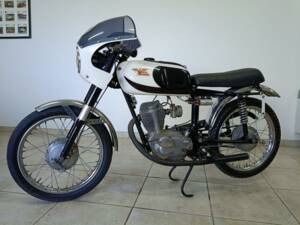
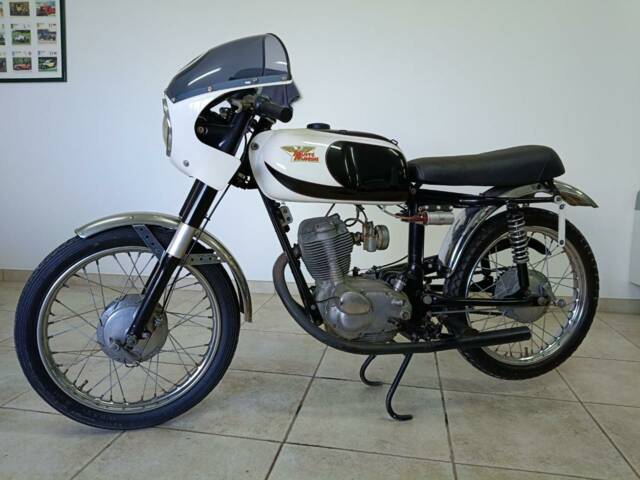
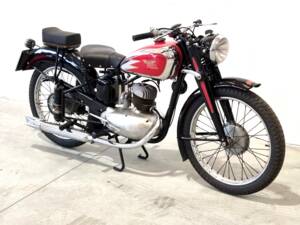
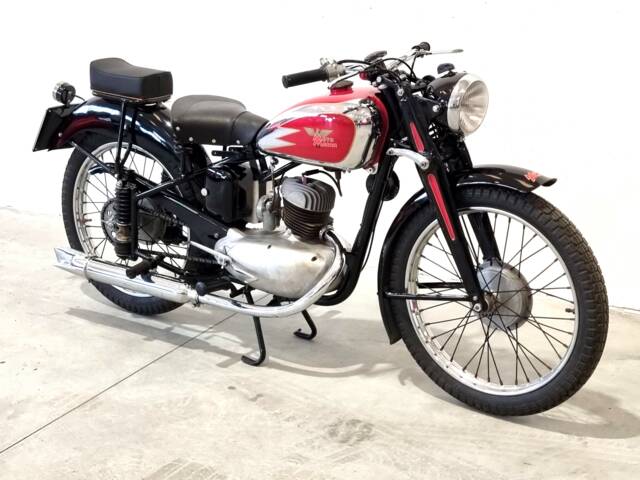
1951 | Moto Morini 125
125 Turismo primo tipo
Newsletter
The best Moto Morini listings, straight to your inbox
Get hand-picked Moto Morini listings, plus the best of cars, motorbikes, and auctions on Classic Trader — all in one place.
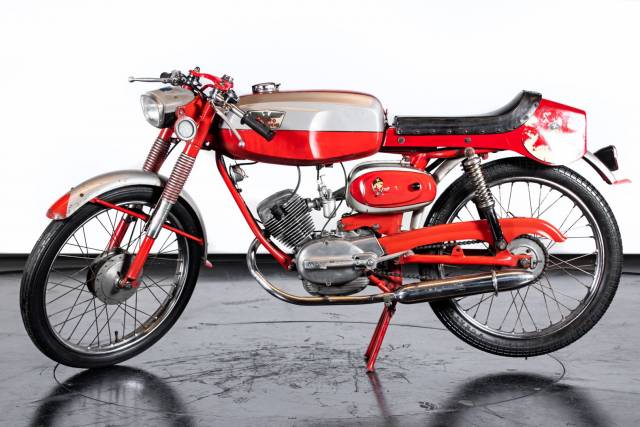
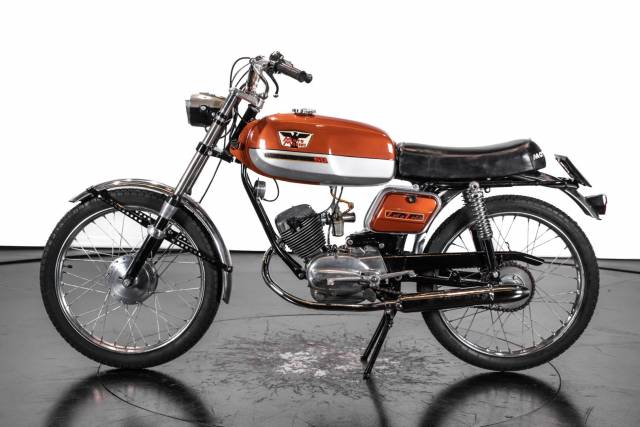
1966 | Moto Morini Corsarino Z
ZZ ULTRA SPECIAL !!! Very rare !!!
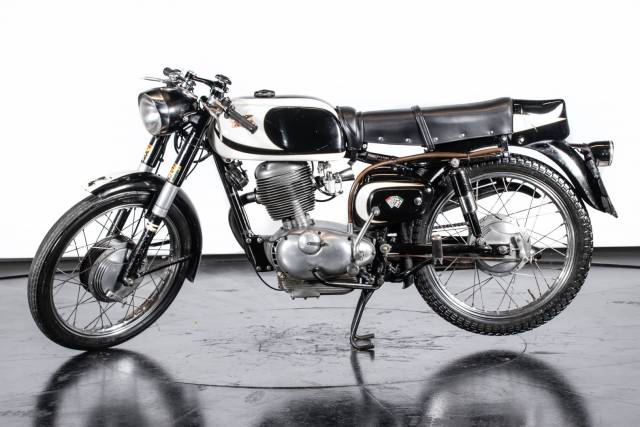
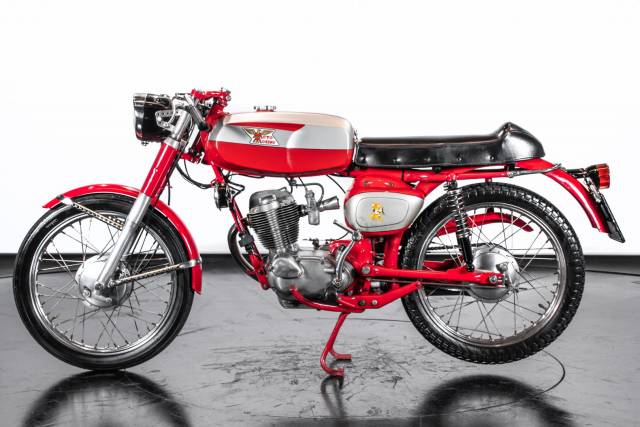
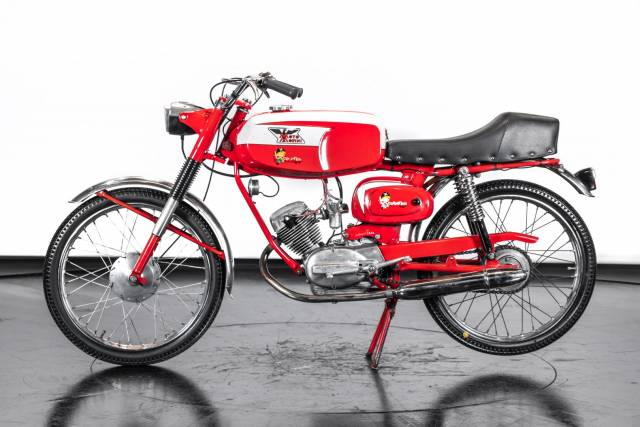
1962 | Moto Morini Corsaro Veloce
Very rare !!! SPORT VELOCE 125 !!!
Moto Morini listing references from Classic Trader
Below you will find listings related to your search that are no longer available on Classic Trader. Use this information to gain insight into availability, value trends, and current pricing for a "Moto Morini" to make a more informed purchasing decision.
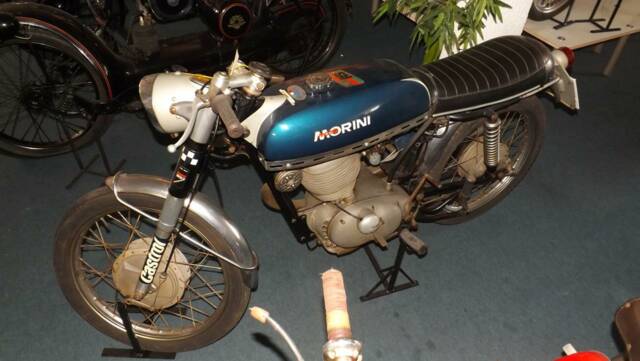
1962 | Moto Morini 175 Turismo
-
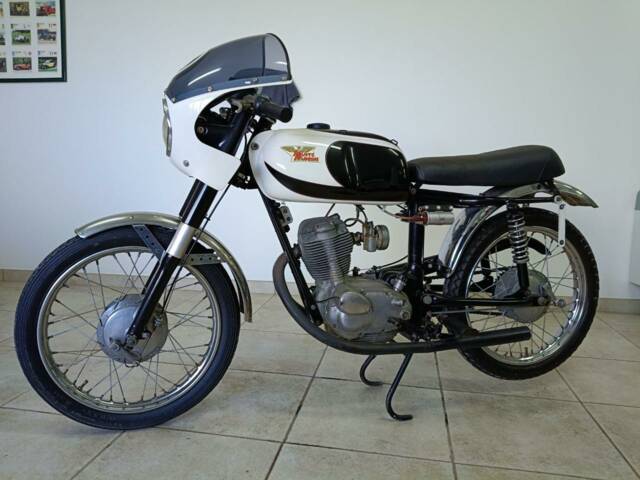
1961 | Moto Morini Corsaro 125
-
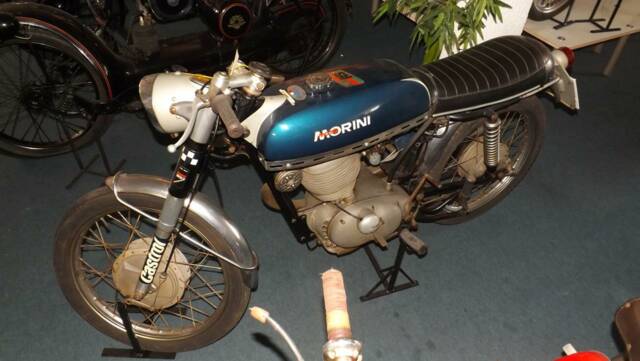
1962 | Moto Morini Tresette Sprint
-
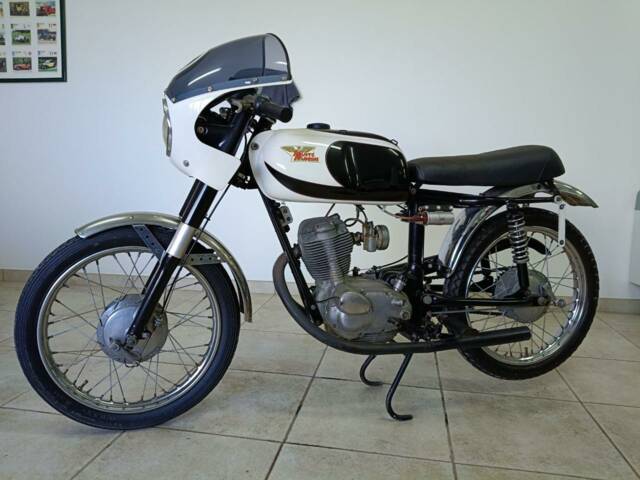
1961 | Moto Morini Corsaro 125
-
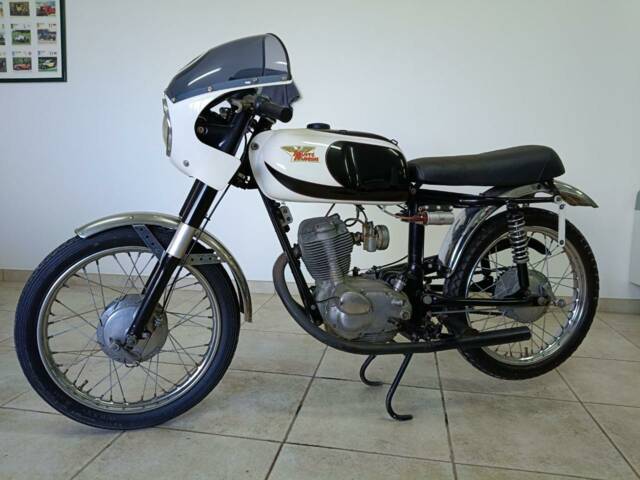
1961 | Moto Morini Corsaro 125
-
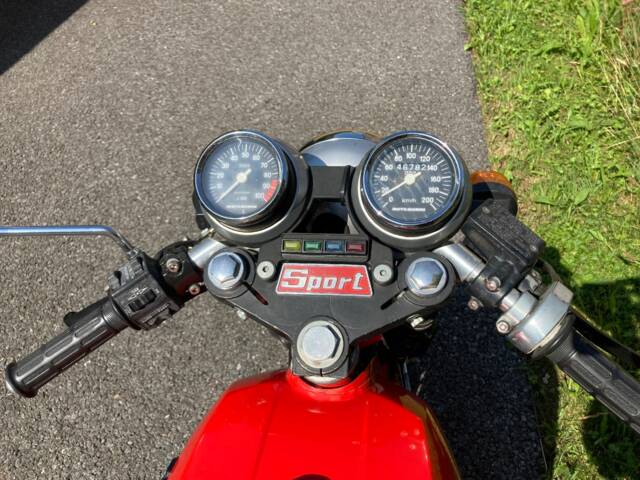
1981 | Moto Morini 500 V
Moto Morini 500w Sport

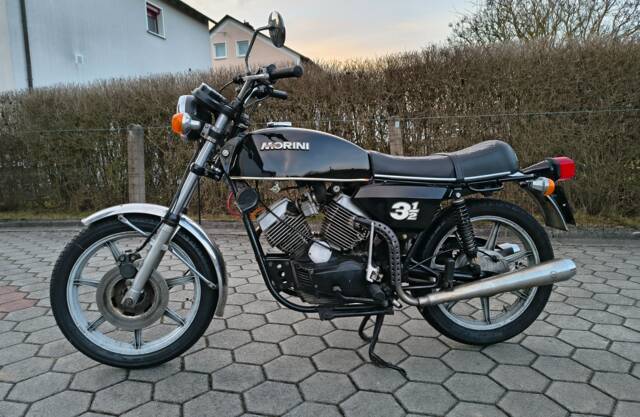
1989 | Moto Morini 3 1/2
Touring

History & Heritage
Alfonso Morini founded his company in Bologna in 1937, initially manufacturing three-wheeled cargo vehicles. After the Second World War, in 1946, the 125 Turismo emerged – a two-stroke lightweight with leading-link front suspension, technically ahead of its time. Inspired by the DKW RT 125 but refined by Morini's engineers, the Turismo spawned sport and supersport variants. By 1948, the Competizione debuted, and Raffaele Alberti claimed the Italian championship aboard one. This early period established Morini's racing pedigree, a philosophy that would permeate every machine the factory produced.
From the early 1950s, Morini transitioned to four-stroke engines. The Settebello 175 (1952–1958) became the benchmark: 175 cc, 11–13 bhp depending on specification, a road-legal racer that competed in the Giro d'Italia and Milano-Taranto endurance events. The Gran Turismo offered 11 bhp; the Supersport variant delivered 13. Alongside it came the Briscola (1956) as an affordable alternative. In 1958, the Tresette replaced the 175 line, cementing Morini's reputation for reliability and sporting ambition, even as production numbers remained modest compared to giants like Fiat or Piaggio.
The breakthrough arrived in 1973 with the 3½ Sport: 344 cc, 72° V-twin, six-speed gearbox, Grimeca double-leading-shoe front drum brake. Franco Lambertini's steel-tube frame offered rigidity with minimal weight. At 39 bhp and 135 kg dry, the 3½ Sport outpaced many larger-capacity rivals. In 1975, the 500 Sport followed with 478 cc and disc brakes – a direct riposte to Ducati's 450 models. Both machines defined the brand through the 1980s. Today, the 3½ Sport remains the heart of Morini's legacy, the model most collectors associate with the marque.
Alfonso Morini died in 1969; his daughter Gabriella Morini took the helm until the Castiglioni brothers (Cagiva Group) acquired the company in 1986. Morini was repositioned toward cruisers: the Excalibur and New York (350/501 cc) emerged as soft-choppers. The Kanguro and Coguaro enduros (350/501) arrived in 1989, technically refined but commercially unsuccessful. By 1991, production ceased under Cagiva – a period many purists view as a betrayal of the brand's sporting soul.
In 1999, Maurizio Morini (Alfonso's nephew) reacquired the nameplate. From 2004 onwards, Moto Morini returned with large-capacity V-twin naked bikes: the Corsaro 1200, Scrambler, and the adventure-touring Granpasso. Production remained small, emphasising handcraftsmanship and exclusivity – true to the founder's vision. Today, under fresh leadership, the brand reconnects with its roots, launching the new 3½ Sport (2025) as a bridge between tradition and modernity.
Highlights & Distinctive Features
The 3½ Sport exemplifies Morini's philosophy: the 72° V-twin with Heron combustion chamber and oil-bath clutch delivered 39 bhp from 344 cc – sufficient for 155 km/h (96 mph) at just 135 kg dry weight. Early models (pre-1975) featured Grimeca double-leading-shoe drum brakes, now highly sought by collectors; later versions adopted disc brakes. The machine won races in the 350 cc class, proving that displacement alone does not determine performance. Its lightweight handling and precise steering made it a favourite on twisty British B-roads.
The Settebello 175 (1952–1958) remains prized among collectors: road-legal with racing DNA, raced in long-distance events like the Milano-Taranto. Low production numbers make originals scarce. The Corsarino 125 (1960s) and Corsarino Z/ZZ (1970s) demonstrated Morini's ability to craft characterful machines even in the lightweight segment. Corsarino models are popular entry points for younger collectors.
The 1980s Kanguro (350/501) and Dart enduros were technically accomplished but commercially marginal. They employed the proven V-twin in enduro geometry – unusual when single-cylinders dominated. The Camel 500 blended adventure-touring ambitions with V-twin character, yet remained niche. The Dart 350/400 attempted a fully-faired sportbike on the V-twin platform but struggled against Japanese competition.
Post-2004, the Corsaro 1200 marked the renaissance: 117 bhp from 1187 cc (87° V-twin), modern technology (Öhlins suspension, Brembo brakes) wrapped in classic naked-bike aesthetics. Production remained limited – Morini never exceeded a few hundred units annually. Corsaro Veloce and Avio variants offered additional performance for discerning riders.
Technical Specifications
Legend: OHV = Overhead Valve, OHC = Overhead Camshaft, DOHC = Double Overhead Camshaft.
The 3½ and 500 Sport employ Heron combustion chambers (flat cylinder head, combustion space in piston crown) – a design reducing heat and simplifying maintenance. Dell'Orto carburettors (typically PHF or PHM) demand precise tuning; modern ethanol fuels can attack seals. Early 3½ Sport models (pre-1975) with Grimeca drum brakes command premium prices. Ducati Elettrotecnica electronic ignition was advanced for its era but can prove expensive to repair today.
Market Overview & Buying Tips
The UK market for Moto Morini is modest but stable. The 3½ Sport (344 cc, 1973–1987) dominates listings. Recent auction results (2024–2025) show prices ranging from £2,700 (project basis) to £9,000 (top condition). Well-maintained examples with current MOT typically fetch £5,500–£7,500. Early models with Grimeca drum brakes command premiums, often exceeding £8,000. The UK benefits from proximity to European parts suppliers and an active enthusiast network.
The 500 Sport (478 cc, 1975–1983) is rarer. Private sales in the UK range from £6,500–£9,500. The 500 offers greater torque, ideal for touring British mountain passes like the Pennine Way or Lake District fells. Patience is required when hunting a 500, as many owners retain their machines for decades.
Settebello 175 and Tresette Sprint are absolute rarities. Estimates range from £8,000–£15,000. Parts are difficult to source; UK specialist workshops are scarce, forcing owners to rely on networks in continental Europe or Italy. Restoration costs can exceed the machine's market value – a labour of love rather than investment.
Kanguro/Coguaro Enduros (1982–1988) cost £3,000–£5,500. Technically sound but less collectable than sportsters, they offer affordable entry into V-twin Morini ownership.
Corsaro 1200 (2005–2011) trades as a modern classic. Prices start at £6,000 for high-mileage examples and reach £12,000 for first-owner machines. Maintenance costs are higher; electronic fuel injection and modern electronics demand specialist knowledge.
Buying Advice by Model
3½ Sport: Inspect crankshaft endplay and gearbox engagement, particularly second gear. Check the frame around the steering head for cracks. Dell'Orto carburettors must be perfectly synchronised. UK parts availability through German specialists (e.g., Gutscher Classic Parts) is reliable, though local stocks are minimal. Many Morinis were modified in the 1980s–90s; originality commands respect.
500 Sport: Examine clutch wear. The oil-bath clutch must disengage cleanly. Heron pistons should be inspected for cracks – overheating during spirited riding on British A-roads is a risk. A compression test before purchase is essential.
Parts Supply: For 3½ and 500 Sport, supply via German specialists is good. The UK Morini Riders Club (founded 1975) maintains a network of members and technical resources. Bodywork – tanks, side panels – is particularly scarce and expensive.
Restoration Costs: A complete engine overhaul ranges from £2,500–£4,000. Quality repainting costs £1,500–£2,500. Full restoration from bare frame typically totals £8,000–£12,000, often exceeding market value – a passion project rather than financial investment.
Riding Experience & Character
The 3½ Sport is purpose-built for sinuous British B-roads. The 72° V-twin runs smoothly and with minimal vibration. From 4,000 rpm, torque builds; at 7,500 rpm, full power emerges. The 135 kg kerb weight makes the Morini exceptionally nimble – a significant advantage on tight Cotswold or Peak District hairpins. The riding position is sporty yet long-distance capable for a day's touring through the Pennines or Welsh valleys. The chassis communicates directly with the road, building confidence in corners.
The 500 Sport delivers noticeably more mid-range punch. It pulls more generously from lower revs and feels more relaxed on longer journeys, without sacrificing sportiness. At 145 kg, it remains a lightweight.
Kanguro/Coguaro: These V-twin enduros handle gravel tracks competently, though the motor feels slightly front-heavy. On tarmac, they impress with a comfortable riding position and smooth power delivery – ideal for explorers willing to venture beyond paved roads.
Corsaro 1200: A genuine powerhouse with 117 bhp. Öhlins suspension and Brembo brakes deliver performance-bike capability. The 87° V-twin's deep, characterful sound is intoxicating. Riders need experience with high-powered naked bikes; throttle response is direct and demanding.
Design & Philosophy
Moto Morini epitomises functional design without excess. The 3½ Sport captivates with its minimalist silhouette and classic red or black tank adorned with white pinstripes. The exposed steel-tube frame and solo seat emphasise sporting intent. Franco Lambertini's design remains timeless – every detail appears purposeful, from instrument placement to exhaust routing.
The Settebello 175 evokes 1950s racing heritage with abundant chrome and a narrow profile – a mechanical artwork from an era when motorcycles were hand-crafted.
Corsaro 1200: Retro meets modern. The round headlight and exposed frame homage the classics, whilst contemporary technology lurks beneath. The design is aggressive yet elegant – quintessentially Italian.
Culture & Community
Moto Morini commands a devoted following in the UK. Though never a mass-market brand, enthusiasts prize the handcrafted quality and technical independence. In the classic motorcycle scene, Morinis are welcome guests at events like the Stafford Classic Motorcycle Show and the International Classic MotorCycle Show.
The Morini Riders Club, founded in 1975 when the 350 cc V-twins first arrived in the UK, remains the focal point of British Morini culture. The club organises the legendary Cadwell Park Trackday – an annual fixture for over 40 years, open to all classic bikes. Regional meetings and ride-outs connect enthusiasts nationwide. The club publishes the bi-monthly magazine A Tutto Gas, offering technical advice, spares discounts, and camaraderie. Membership costs £26 annually.
Overseas tours are popular; recent trips have taken members to rallies in the Netherlands, Italy, Germany, and France. Two decades ago, the club celebrated its 40th anniversary with a gathering on the Isle of Man – the largest assembly of Morinis ever seen on the Island.
Morini's presence in British Mod culture of the 1960s–70s, whilst less prominent than Vespa or Lambretta, remains part of the brand's mystique. Lightweight, Italian, and uncompromising – the Morini appealed to riders who valued substance over fashion.
Summary & Recommendations
Moto Morini offers a compelling alternative to better-known Italian marques. The 3½ Sport is the ideal gateway into classic V-twin ownership – nimble, technically fascinating, and priced reasonably (£5,500–£7,500). Those seeking more power should pursue the 500 Sport, though patience is required.
Modern models like the Corsaro 1200 are already tomorrow's classics. Owning a Moto Morini is a conscious choice for exclusivity and Italian engineering outside the mainstream. In the UK, the brand symbolises individuality and the pure joy of motorcycling. Whether you're a seasoned collector or a newcomer to classics, a Morini rewards the rider who appreciates substance, heritage, and the road ahead.