- Motorcycle
- Peripoli Giulietta (1 offer)
Buy Peripoli Giulietta
The Peripoli Giulietta is a small Italian classic with a big following among British collectors. Find original, restored and rare AJW-badged examples, then discover now what makes the UK market tick.
Search results
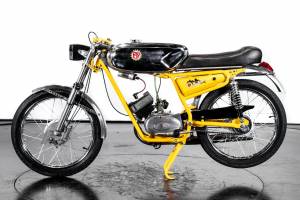
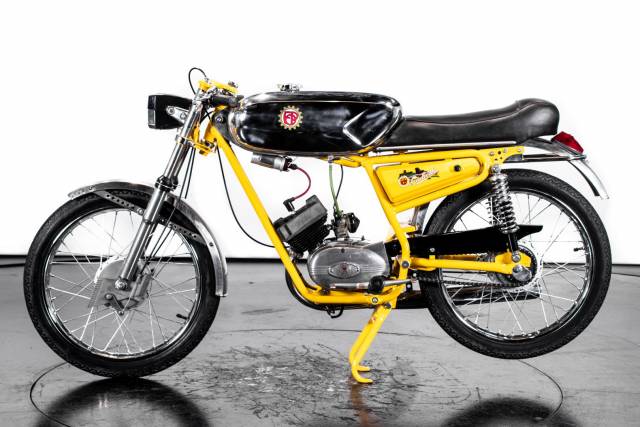
1969 | Peripoli Giulietta Super Sport
RESTORED !!!

Peripoli Giulietta listing references from Classic Trader
Below you will find listings related to your search that are no longer available on Classic Trader. Use this information to gain insight into availability, value trends, and current pricing for a "Peripoli Giulietta" to make a more informed purchasing decision.
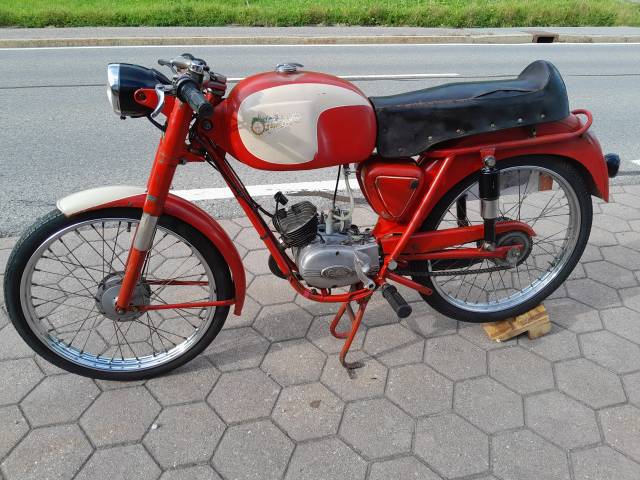
1961 | Peripoli Giulietta Sport 50
Peripoli Giulietta Sport 50, Mokick in Original Zustand

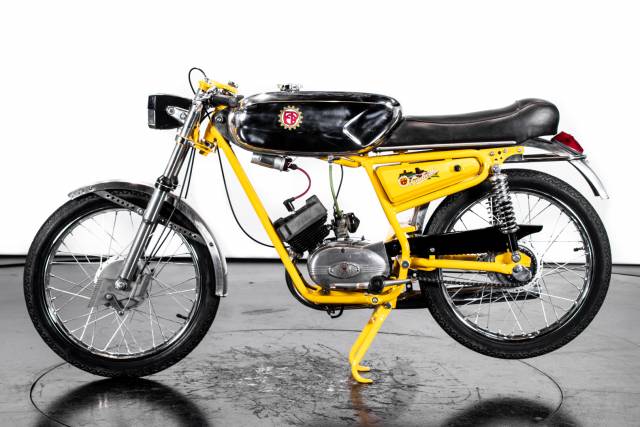
1969 | Peripoli Giulietta Super Sport
-
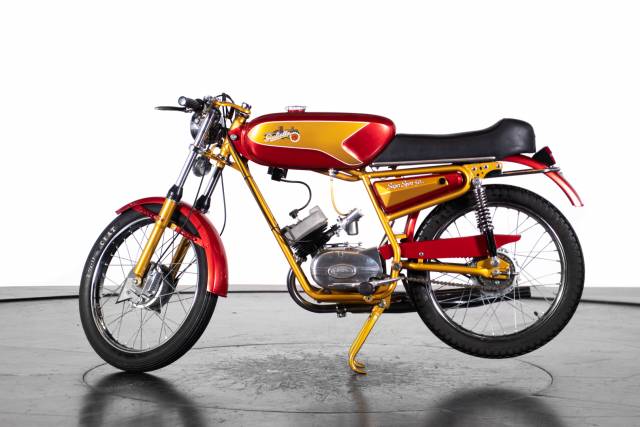
1971 | Peripoli Giulietta Super Sport
-
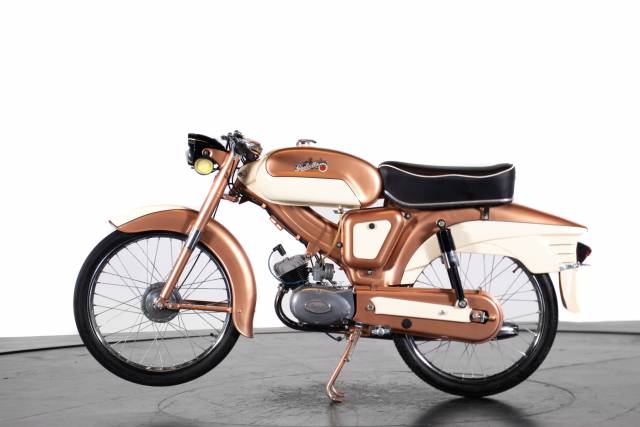
1962 | Peripoli Giulietta Sport 50
-
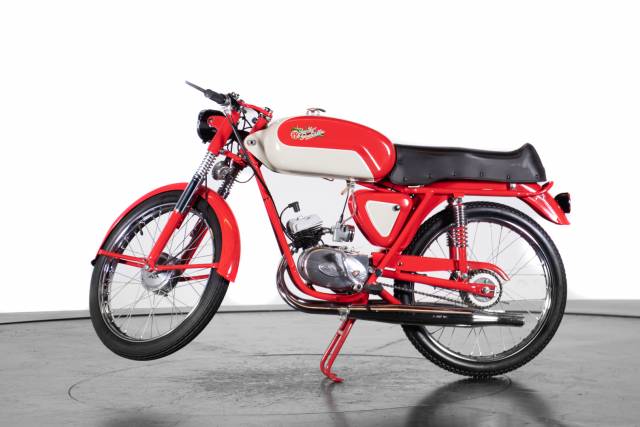
1964 | Peripoli Giulietta Super Sport
-
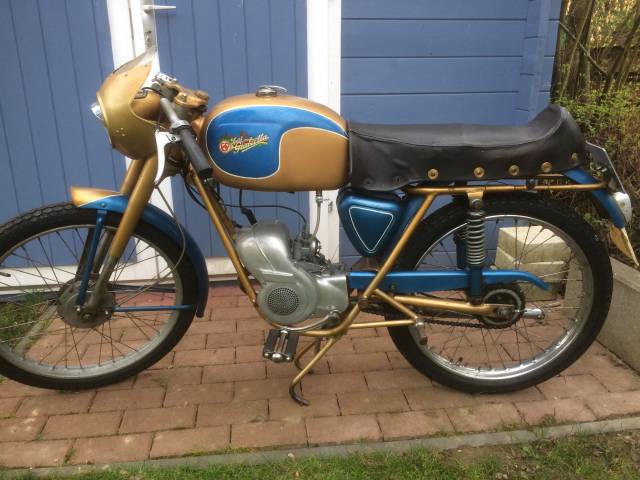
1959 | Peripoli Giulietta Sport 50
Typ SS Superpsort

History
The Peripoli Giulietta is one of those compact Italian machines that tells a much bigger story than its 50 cc engine suggests. Peripoli, based in Vicenza, built light motorcycles and mopeds for a fast-changing post-war market, when youth mobility, low running costs and simple engineering mattered as much as badge appeal. The Giulietta name ran through a wide family of small-capacity machines, from early road-focused bikes to sportier, export-led versions, and that breadth is part of why the model still attracts British buyers today.
For the UK market, the most important historical link is AJW. Peripoli machines were sold in Britain under AJW branding, and that connection gives the Giulietta a local story beyond its Italian roots. British period literature and AJW materials show the Giulietta range positioned as smart, practical lightweights with Italian style and everyday usability. For collectors in Great Britain, that matters: an AJW-marked machine can feel less like an anonymous import and more like part of the UK’s own moped history.
The Giulietta family also reflects how European lightweights evolved in the 1960s and 1970s. Early examples often leaned toward tidy commuter transport, while later variants adopted more sporting frames, different tanks, tubular structures and off-road styling cues. That variety is why the name can cover several buyer profiles. Some want a tidy original survivor, some chase the rarer sport or trail derivatives, and some simply want a charming, usable classic that stands out at any British ride-out.
In the UK, Peripoli remains a niche choice, but not an obscure one. The combination of Italian design, AJW heritage and small-engine simplicity makes the Giulietta appealing to owners who enjoy a machine with character and a clear identity. It is not a mass-market classic. It is a specialist buy for people who like provenance, period quirk and a bike that still feels light, honest and mechanical.
Highlights
What makes the Peripoli Giulietta worth a look? First, the scale. These are genuinely small, manageable machines, and that gives them a charm larger classics cannot match. They are easy to move around the garage, relatively light to rebuild, and suited to riders who prefer charm and originality over brute performance.
Second, the AJW connection gives British examples extra appeal. UK-badged lightweights often prompt more conversation at shows than identical continental bikes with unfamiliar decals. That is useful in the market too: provenance can support value, especially when the bike is complete, original and backed by paperwork or a dating certificate.
Third, the Giulietta is a proper collector’s moped/micro-motorbike rather than a disposable commuter. Period details such as slimline frames, modest chrome trim, single-cylinder two-stroke engines and simple instruments make it feel authentic, not over-restored. For many buyers, that authenticity is the whole point.
The British classic moped scene also favours bikes like this because they are social machines. They fit right into local club meets, vintage Japanese and European gatherings, VMCC events, autojumbles and the smaller “lightweight” classes that are popular across the UK. A Giulietta can be shown, ridden and discussed without the intimidation factor of a full-size classic.
The best examples usually share a few traits: complete bodywork, decent chrome, straight frames, matching or period-correct engines, and evidence that the bike has not been badly modified. On a Peripoli, originality often counts more than polished paint alone.
Another factor shaping demand is the bike’s size and usability. A Peripoli Giulietta can fit into a modest garage, be transported without drama and be used on short club runs without becoming a full-time restoration commitment. That suits the British collector who wants something different from the usual Japanese two-stroke or British autocycles. It also suits newer collectors who are entering the classic moped scene through events, social media groups and local meets rather than through concours culture.
Because the model is niche, you should expect variation in seller knowledge. Some listings will be precise about frame numbers, engine numbers and history files; others will be vague. Ask for clear photos of the frame stamp, gearbox side, carburettor, tank underside and wiring. If the bike carries AJW branding, confirm whether the decals and badges match the paperwork, as that can matter when comparing one import against another.
Technical Data
The Giulietta was built in multiple versions, and exact specification depends on year, export market and badging. The table below reflects the most common 50 cc Peripoli Giulietta-type machines seen in the British market.
These figures are deliberately broad because Peripoli changed details frequently. That is normal for small Italian manufacturers of the period, especially when export markets and different badge-engineering arrangements were involved. For buyers, the most important point is not the exact brochure figure but whether the machine is complete, mechanically healthy and matched to its paperwork.
One reason this matters is that the Giulietta family includes both road-oriented and more sporting versions. A lightly tuned sport model will feel more eager than a conservative commuter spec, and an imported UK-badged machine may have different details again. In other words, the badge says “Giulietta”, but the experience can vary from calm and utilitarian to brisk and playful.
For many buyers, that spread is an advantage. It means there is room to choose a bike that fits your intended use: a display piece for the collection, a local show machine, or a light rider for summer miles. The common denominator is the Peripoli character — compact, simple and full of 1960s-1970s lightweight charm.
Market Overview & Buying Tips
The UK market for the Peripoli Giulietta is thin, but that is part of its attraction. You are not dealing with a crowded, over-priced scene where every example gets benchmarked against dozens of identical bikes. Instead, values depend on condition, originality, badge form and how much work is left to do.
Recent market evidence points to a realistic British price spread. At the bottom end, rough project bikes and incomplete imports can still appear around £500-£900 if the machine is honest but needy. Usable riders and better cosmetic survivors often sit around £1,000-£1,800. Strong original bikes, especially with paperwork or an AJW link, may sit closer to £2,000-£3,000.
That is not an abstract estimate. H&H’s National Motorcycle Museum sale listing for the 1971 Peripoli Giulietta FP6 is a useful benchmark because it sits in the sweet spot British buyers recognise: original, unrestored, book-backed and already NOVA-registered. In a market like this, documentation can add real value. A bike that can be traced more easily through import and registration channels is often worth paying extra for, because it reduces uncertainty and makes the first season of ownership smoother.
That upper band is supported by auction history. H&H listed a 1971 Peripoli Giulietta FP6 at the National Motorcycle Museum with an estimate of £2,000-£3,000. The lot description noted an original unrestored machine, very good original condition, an original sales receipt, original Italian booklet, cruiser handlebars and NOVA registration. That is the kind of specification British buyers respond to: original, documentable and ready to be interpreted rather than rebuilt from scratch.
Other UK market signals are more modest but still helpful. Auction and dealer examples have included unrestored or light project Giulietta variants at a few hundred pounds, while cleaner restored bikes can move into four figures quickly. A restored Giulietta Sport P3 on a UK specialist site was priced at £1,750, which is a useful reminder that these bikes remain accessible compared with many larger Italian classics.
There is also a psychological price band in the British market. Below about £1,000, buyers often expect recommissioning work, missing trim or incomplete history. Between £1,000 and £2,000, they expect a sound rider with decent cosmetics or a better-documented import. Above £2,000, the bar rises sharply: originality, presentation and paperwork must usually be strong. Rare AJW examples, untouched survivors or unusually correct restorations can justify that premium.
For British buyers, the smartest approach is to buy the most complete example you can afford. Body panels, trim, period seat covers, correct lights and original switchgear are often harder to source than engine internals. A mechanically tired but complete bike is usually better value than a cosmetically pretty machine with missing original parts.
Inspection points matter. Check for rust in the frame, damage around the steering head, badly repaired mounts and evidence of crash distortion. Look closely at the engine number, frame number and paperwork trail. On an imported lightweight, the quality of the documentation can be as important as the condition of the paint.
If you are registering a Peripoli in Great Britain, DVLA and NOVA paperwork should be part of the buying decision. Many imported classics need a proper NOVA declaration, age-related registration or support from a dating certificate. If the machine is over 40 years old and has not been substantially changed in the last 30 years, it may qualify for historic vehicle MOT exemption. That said, it must still be roadworthy, taxed in the correct class and insured before use.
The registration route is especially important if the bike lacks a current V5C. In that case, buyers should expect to rely on import paperwork, a dating letter from a recognised club or specialist, and proof that the machine’s identity is genuine. For a small Italian classic, a tidy paper trail often makes the difference between a quick summer registration and weeks of chasing forms. If the bike has spent time in the UK already, ask whether it previously wore an age-related plate, as that can simplify the process.
For pre-1977 or 1970s Giuliettas, practical UK tips are straightforward:
- check whether the bike already has a V5C or only foreign papers
- confirm frame and engine numbers before paying a deposit
- ask for a dating certificate if the registration route is unclear
- budget for a NOVA declaration on imported machines
- do not assume “historic” means “no paperwork”
- if the bike has been substantially modified, MOT exemption may not apply
British classic moped buyers also know that storage and recommissioning costs add up. Even a small 50 cc bike can need tyres, cables, electrics, carburettor work, fuel tank cleaning and brake attention before it is properly road-ready. On a Peripoli, those costs are usually still manageable, but they should be priced in from day one.
That is why auction bikes with original receipts, old logbooks or period booklets are so attractive. They reduce the risk that a buyer is paying classic money for a machine that will require detective work before it can even be ridden legally. On this model, practical provenance is part of the value story.
Performance
The Peripoli Giulietta is not about outright pace. It is about the sensation of motion, the delicacy of the controls and the way a small two-stroke can feel alive beneath you. When a Giulietta is in good tune, it has the eager, slightly urgent character that makes lightweight Italian machines so addictive. The engine note is modest, but the response is immediate enough to make every change in road surface, throttle opening and gear choice feel meaningful.
That is exactly why owners often become attached to them. A Giulietta does not isolate you from the road. It translates it. You feel the clutch engagement, the first crack of the throttle, the tiny pause before the power comes in and the rhythm of the gearbox working through its ratios. It turns a short ride into an event, which is a rare skill in a 50 cc machine.
On the road, the best Giuliettas feel light on their feet. Steering is typically quick and low-effort, the riding position compact, and the whole bike encourages relaxed progress rather than heroics. That is ideal for British B-roads, village lanes and short runs to shows or café meets. It is also why these machines appeal to older riders returning to small classics: they are manageable without feeling dull.
The two-stroke character is a big part of the experience. There is a faint whiff of oil, a crisp pickup and a mechanical honesty that modern bikes rarely replicate. If the carburettor is clean and the ignition healthy, the engine should start without fuss and settle into a busy, usable rhythm. Gearboxes vary by model, but the general feel is direct and uncomplicated.
Do not expect modern braking or high-speed stability. Drum brakes are period-correct, not heroic. If the bike is being used regularly, cables, shoes and bearings must be set up properly. For a classic moped gathering or a gentle Sunday run, though, the Giulietta has exactly the right amount of performance: enough to entertain, not enough to intimidate.
The ride quality also depends heavily on restoration quality. Worn bushes, poor wheel alignment or tired dampers can make any lightweight feel vague. A properly sorted Giulietta should feel cooperative, not nervous. If it wanders, chatters or struggles to stop straight, assume it needs setup work rather than dismissing the model itself.
For buyers, the key performance question is not “how fast does it go?” but “does it feel right?” A good Giulietta should pull cleanly, change gear without protest, idle reasonably and stop as a small classic should. If it does those things, you have a bike that will be rewarding at low speeds, which is where most of the fun lives anyway.
Design
The Giulietta’s design is one of its strongest selling points. It captures the optimism of post-war Italian lightweight motorcycling: tidy proportions, slim metalwork, neatly integrated fuel tanks and just enough chrome or paint detail to feel special without becoming fussy. Unlike bigger sporting classics, the Giulietta’s visual appeal comes from restraint.
That restraint is useful in the British market because it keeps the bike from looking over-designed or over-restored. A well-sorted Giulietta reads as honest and period-correct, which is exactly what collectors of smaller classics tend to like. The proportions are compact but never toy-like, and the stance is low, friendly and immediately recognisable.
AJW-badged British examples add another layer. The UK-market presentation gives the bike a slightly different identity, and collectors often like that local-market twist. In practical terms, it can make the machine feel more “ours” in a British collection, even though the engineering remains Italian.
The best-known Giulietta variants usually show a clear model-specific personality. Some are simple and commuter-friendly, others lean more sporting, and a few have scrambler or trail cues that reflect the broader 1970s taste for lightweight adventure styling. That diversity helps the model stand out at classic shows, because not every Giulietta looks the same.
Finish quality matters a lot. Repaint is acceptable, but over-restoration can blur the bike’s character. Original switchgear, correct badges, period seat materials and tidy fasteners tend to lift a Giulietta more than shiny but generic rebuild parts. British buyers in particular often value honest patina if the bike presents well and remains structurally sound.
That is especially true for AJW-connected examples. A machine that keeps its British-market identity, correct decals and sensible period repairs can be more interesting than one that has been cosmetically “improved” into something it never was. For the collector who wants to attend classic moped events, authenticity tends to photograph better and age better too.
The shape is also practical. Small dimensions, low weight and straightforward mechanics mean these bikes are friendly to owners who actually want to use them. That practicality is one reason the Giulietta sits comfortably alongside other British classic moped favourites at rallies and club days.
Summary
The Peripoli Giulietta is a smart buy for collectors who want something rare, affordable and distinctly European. In the UK, the AJW connection gives it local relevance, while the market remains broad enough to suit projects, riders and restored examples. Buy the best complete bike you can find, and prioritise paperwork, originality and condition over shine alone.
If you want a classic small-capacity Italian machine with real charm, this is a model to Find, Buy and discover now on Classic Trader. Current British values range from roughly £500 for projects to £2,000-£3,000+ for stronger original machines, with rare or highly correct examples able to go higher.
For UK ownership, remember the essentials: NOVA where needed, DVLA registration support, possible MOT exemption for eligible historic machines, and sensible recommissioning costs. Get those pieces right, and the Giulietta becomes exactly what it should be: a light, characterful classic that earns its place in any British collection.