The history of FIAT: A foundation of Italian automotive culture
The story of FIAT (Fabbrica Italiana Automobili Torino) began in Turin in 1899. Founded by ambitious entrepreneurs, including Giovanni Agnelli, FIAT quickly moved from boutique assembly to being Italy’s largest automaker. Already by 1903, exports targeted France and the UK, laying the groundwork for international impact. Innovations in mass production arrived early—1912’s FIAT Zero streamlined car construction, driving costs and production times down. Economic mobility for the masses accelerated in the 1920s with the FIAT 509, which introduced credit-based sales to a wider public. Through the decades, FIAT led Italian car culture, survived wars, industrial expansions, and formed a group that included Alfa Romeo, Lancia, and Maserati. The postwar years were marked by bold experimentation and expansion, including the launch of the Lingotto factory with its iconic rooftop test track.
Model ranges and lineage: Pioneers and people’s cars
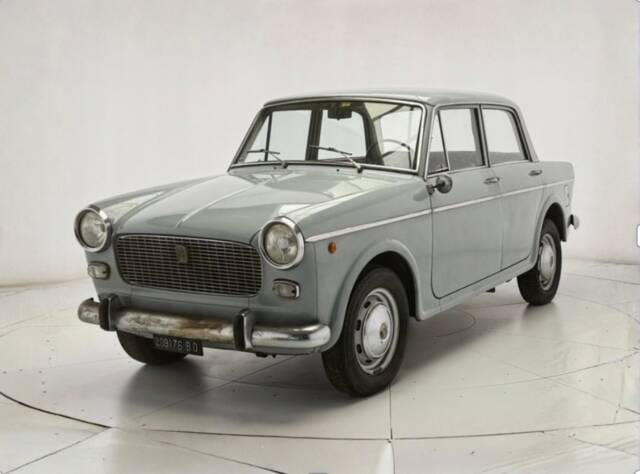
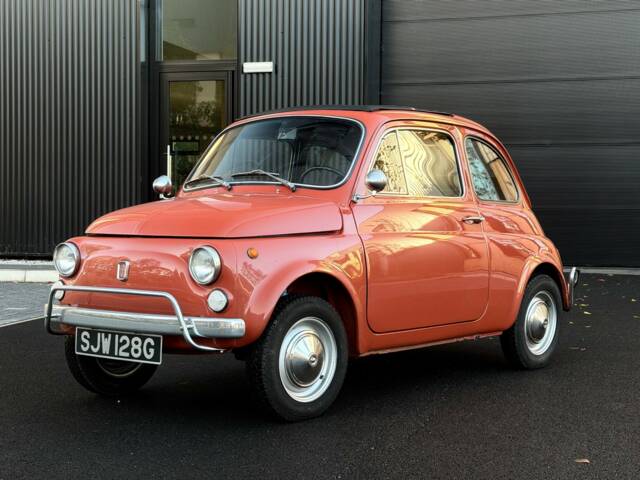
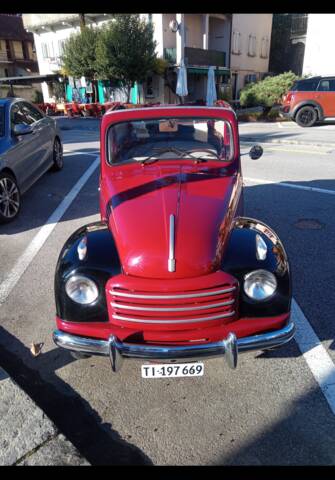
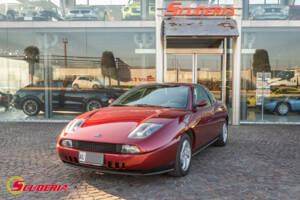
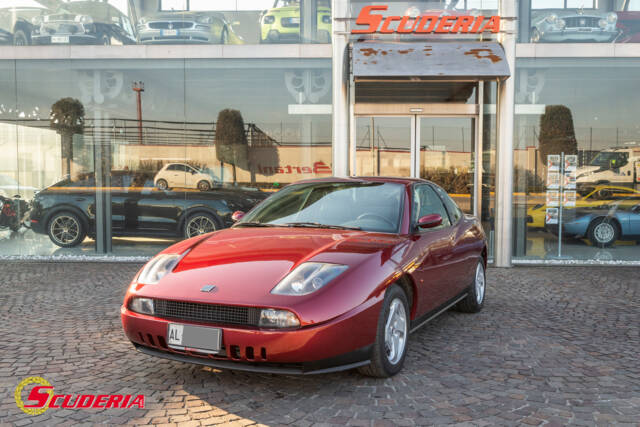
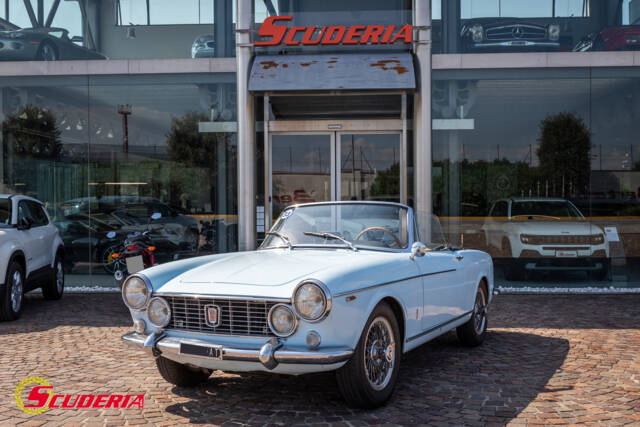
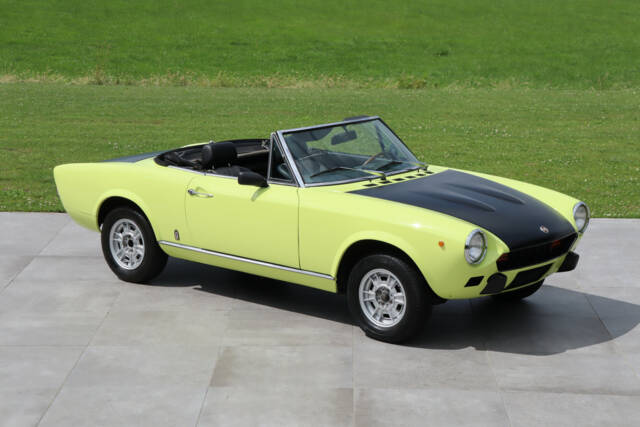
Among the earliest milestones, the FIAT 3 1/2HP set the tone for innovation. The versatile 500 ‘Topolino’ debuted in 1936 and directly influenced postwar small car design throughout Europe. The 1100, introduced in the late 1930s, signalled the shift to more family-friendly vehicles. The 600, and especially the 600 Multipla launched as a minivan precursor, further defined the brand. The 124 series captured attention and awards (European Car of the Year 1967), with its robust engines and affordable pricing. Sports-minded buyers gravitated towards the Fiat Dino—co-developed with Ferrari for homologation purposes—or towards open-topped joy in the Fiat Spider. Over time, FIAT’s model strategy embraced diverse needs: utility with the Panda, sport with the Coupé, practicality with the Uno and Tipo. The company constantly updated its line-up to anticipate shifts in use, technology, and style.
Highlights and unique features of FIAT classics
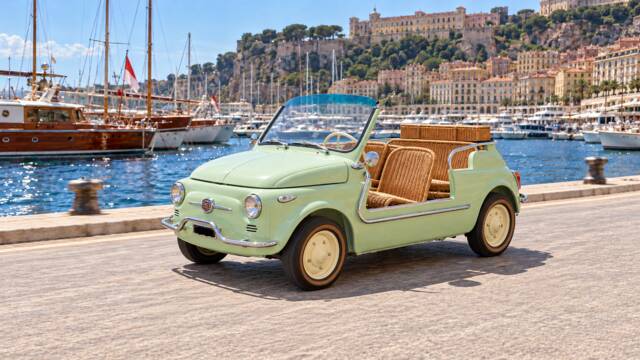
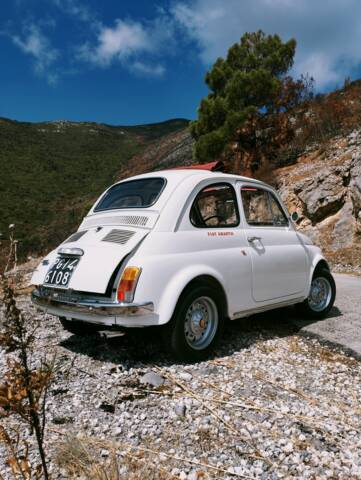
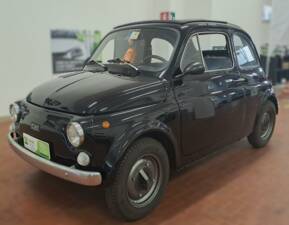
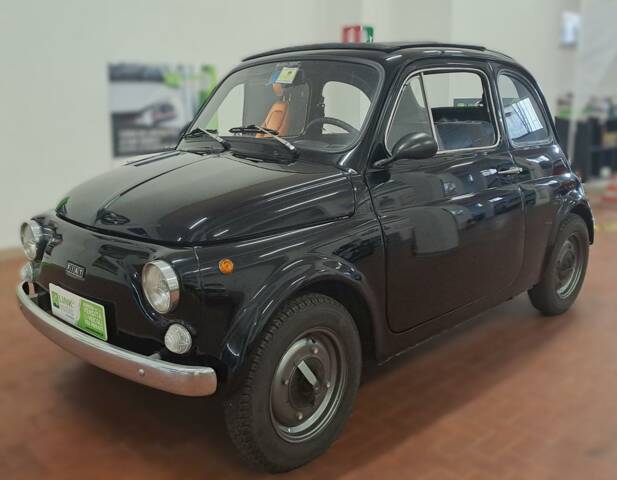
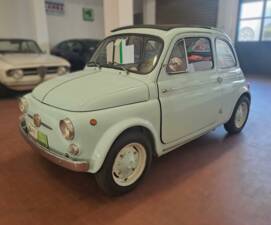
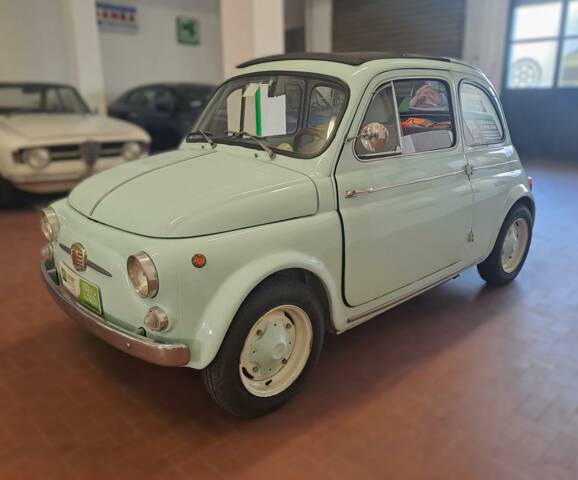
FIAT’s reputation rests on making inventive cars for real-world needs. The 500 (Cinquecento), produced in various versions since 1936, is a touchstone for accessible motoring, while the 600 Multipla pioneered concepts still seen in today’s MPVs—including adaptable interior layouts with folding rear seats and versions suited as taxis or camping vehicles. Multiplas featured iconic reverse-opening front doors and compact rear-mounted engines to maximise interior space. Taxi versions, with unique two-tone paintwork, have become especially collectible. FIAT’s model range also reflected practical economics, with lightweight engineering making cars frugal to run and maintain—crucial during periods of Italian mass motorisation. Signature features included affordable prices, clever use of interior volume, and robust underpinnings, enabling many FIAT classics to remain in service for decades.
Technical data: engines, technology, and engineering facts
| Model(s) |
Model Series |
Year(s) of Construction |
Body Variants |
Drive Type |
Power (HP) |
Displacement (ccm) |
Cylinders |
Fuel |
| 4H |
|
1899-1900 |
Convertible (Open) |
|
-4 |
679 |
2 |
Gasoline |
| Tipo 2B |
|
1912-1920 |
Convertible (Tourer) |
|
28 |
2815 |
4 |
Gasoline |
| 12/15 HP |
|
1912-1915 |
Convertible (Tourer) |
|
19 |
1847 |
4 |
Gasoline |
| 501 |
|
1919-1926 |
Saloon (2-doors) |
Rear |
23 |
1460 |
4 |
Gasoline |
| 501 |
|
1919-1926 |
Convertible (Tourer) |
Rear |
23 |
1460 |
4 |
Gasoline |
| 505 |
|
1919-1925 |
Convertible (Tourer) |
Rear |
30 |
2296 |
4 |
Gasoline |
| 510 |
|
1919-1926 |
Convertible |
Rear |
46 |
3446 |
6 |
Gasoline |
| 519 |
|
1920-1923 |
Convertible (Tourer) |
Rear |
75 |
4766 |
6 |
Gasoline |
| 510 S |
|
1921-1926 |
Convertible |
Rear |
53 |
3446 |
6 |
Gasoline |
| 509 |
|
1925-1929 |
Saloon |
Rear |
22 |
990 |
4 |
Gasoline |
| 509 Torpedo |
|
1925-1930 |
Convertible (Tourer) |
Rear |
22 |
990 |
4 |
Gasoline |
| 509 S |
|
1925-1929 |
Saloon |
Rear |
27 |
990 |
4 |
Gasoline |
| 509 A |
|
1925-1930 |
Convertible |
Rear |
22 |
990 |
4 |
Gasoline |
| 502 Special |
|
1925 |
Convertible (Tourer) |
|
23 |
1460 |
4 |
Gasoline |
| 503 |
|
1926-1927 |
Convertible (Tourer) |
Rear |
27 |
1460 |
4 |
Gasoline |
| 512 Torpedo |
|
1926-1928 |
Convertible (Tourer) |
|
30 |
3446 |
6 |
Gasoline |
| 520 |
|
1927-1929 |
Convertible (Tourer) |
Rear |
46 |
2244 |
6 |
Gasoline |
| 521 |
|
1928-1931 |
Convertible (Tourer) |
Rear |
51 |
2516 |
6 |
Gasoline |
| 521 C |
|
1928-1931 |
Utility Vehicle (Plank bed) |
Rear |
51 |
2516 |
6 |
Gasoline |
| 514 |
|
1929-1932 |
Saloon |
Rear |
28 |
1438 |
4 |
Gasoline |
| 514 |
|
1929-1932 |
Convertible (Tourer) |
Rear |
28 |
1438 |
4 |
Gasoline |
| 522 L |
|
1931-1933 |
Saloon |
|
52 |
2516 |
6 |
Gasoline |
| 522 L |
|
1931-1933 |
Convertible |
|
52 |
2516 |
6 |
Gasoline |
| 522 C Viotti |
|
1931-1933 |
Convertible |
Rear |
65 |
2516 |
6 |
Gasoline |
| 522 C Royale |
|
1931-1933 |
Convertible |
Rear |
52 |
2516 |
6 |
Gasoline |
| 524 L |
|
1931-1934 |
Saloon |
Rear |
52 |
2516 |
6 |
Gasoline |
| 508 Balilla Series 1 |
|
1932-1934 |
Coupe |
Rear |
20 |
995 |
4 |
Gasoline |
| 508 Balilla Series 1 |
|
1932-1934 |
Saloon;Saloon (2-doors) |
Rear |
19-20 |
995 |
4 |
Gasoline |
| 508 Balilla Series 1 |
|
1932-1934 |
Convertible (Tourer) |
Rear |
20 |
995 |
4 |
Gasoline |
| 508 S Balilla Sport |
|
1932-1937 |
Convertible (Roadster) |
Rear |
36 |
995 |
4 |
Gasoline |
| 518 L Ardita |
|
1932-1936 |
Saloon |
Rear |
55 |
1944 |
4 |
Gasoline |
| 518 L Ardita |
|
1932-1936 |
Convertible (Torpedo) |
Rear |
55 |
1944 |
4 |
Gasoline |
| 508 Balilla Camioncino |
|
1933-1934 |
Utility Vehicle (Panel Van);Utility Vehicle (Plank bed) |
Rear |
19 |
995 |
4 |
Gasoline |
| 508 Balilla Sport Kelsch |
|
1933 |
Convertible (Roadster) |
Rear |
36 |
995 |
4 |
Gasoline |
| 518 Coloniale Ardita |
|
1933-1938 |
Utility Vehicle (Plank bed) |
Front |
45 |
1944 |
4 |
Gasoline |
| 508 Balilla Series 2 |
|
1934-1937 |
Saloon (2-doors) |
Rear |
20 |
995 |
4 |
Gasoline |
| 508 Balilla Series 2 |
|
1934-1937 |
Convertible (Tourer) |
Rear |
20 |
995 |
4 |
Gasoline |
| 1500 |
|
1935-1964 |
Saloon |
Rear |
45-67 |
1481 - 1493 |
4;6 |
Gasoline |
| 1500 |
|
1936-1967 |
Coupe |
Rear |
75 |
1481 |
4 |
Gasoline |
| 500 Topolino |
|
1936-1948 |
Coupe |
Rear |
13 |
569 |
4 |
Gasoline |
| 500 Topolino |
|
1936-1948 |
Convertible (Saloon);Convertible (Roadster) |
Rear |
13 |
569 |
4 |
Gasoline |
| 500 A Topolino |
|
1936-1948 |
Saloon |
Rear |
13 |
569 |
4 |
Gasoline |
| 500 A Topolino |
|
1936-1948 |
Utility Vehicle (Panel Van) |
Rear |
13 |
569 |
4 |
Gasoline |
| 1500 6C Barchetta |
|
1937 |
Convertible (Roadster) |
Front |
45 |
1493 |
6 |
Gasoline |
| 1500 6C Berlinetta Superleggera |
|
1937-1938 |
Coupe |
Front |
45 |
1493 |
6 |
Gasoline |
| 508 C Balilla 1100 |
|
1937-1939 |
Saloon |
Rear |
32 |
1089 |
4 |
Gasoline |
| 508 C |
|
1937-1939 |
Convertible |
Rear |
32 |
1089 |
4 |
Gasoline |
| 508 C Barchetta |
|
1937-1939 |
Convertible (Roadster) |
Rear |
32 |
1089 |
4 |
Gasoline |
| 750 Giannini |
|
1938 |
Convertible (Roadster) |
Rear |
40 |
747 |
4 |
Gasoline |
| 2800 |
|
1938-1944 |
Saloon (4-doors) |
Rear |
85 |
2852 |
6 |
Gasoline |
| 500 A Sport Vedrame |
|
1938 |
Convertible (Roadster) |
Rear |
38 |
700 |
4 |
Gasoline |
| 2800 Torpedo |
|
1939-1944 |
Convertible (Torpedo) |
Rear |
85 |
2852 |
6 |
Gasoline |
| 2800 CMC |
|
1939-1944 |
Convertible (Military vehicle) |
Rear |
85 |
2852 |
6 |
Gasoline |
| 508 C (Viotti) |
|
1939 |
Pick-up (Plank bed) |
Rear |
32 |
1089 |
4 |
Gasoline |
| 508 C MM |
508 |
1940 |
Convertible (Roadster) |
|
42 |
995 |
4 |
Gasoline |
| 1100 L furgone / camion |
|
1941-1947 |
Utility Vehicle (Plank bed) |
Rear |
30 |
1089 |
4 |
Gasoline |
| 1100 |
|
1946-1947 |
Convertible |
Rear |
35 |
1089 |
4 |
Gasoline |
| 1100 Lunga |
|
1946-1947 |
Saloon (2-doors) |
Rear |
35 |
1089 |
4 |
Gasoline |
| 1100 Monviso "Stella Alpina" |
|
1946-1951 |
Convertible |
Rear |
35 |
1089 |
4 |
Gasoline |
| Ermini 1100 Sport |
|
1946-1947 |
Convertible (Roadster) |
Rear |
92 |
1089 |
4 |
Gasoline |
| 1100 A Boneschi |
|
1947 |
Convertible |
Rear |
35 |
1089 |
4 |
Gasoline |
| 1100 S |
|
1947-1950 |
Coupe |
Rear |
50 |
1089 |
4 |
Gasoline |
| 1100 Ghia |
|
1947 |
Saloon (2-doors) |
Rear |
35 |
1089 |
4 |
Gasoline |
| 1100 S Motto |
|
1947-1948 |
Coupe |
Rear |
60 |
1089 |
4 |
Gasoline |
| 1100 B |
|
1948-1949 |
Saloon |
Rear |
35 |
1089 |
4 |
Gasoline |
| 1100 B |
|
1948-1949 |
Convertible |
Rear |
35 |
1089 |
4 |
Gasoline |
| 1500 D |
|
1948-1949 |
Saloon |
Rear |
47 |
1493 |
4 |
Gasoline |
| 1500 D |
|
1948-1949 |
Convertible |
Rear |
47 |
1493 |
4 |
Gasoline |
| MONVISO |
|
1948 |
Convertible |
Rear |
45 |
1493 |
6 |
Gasoline |
| 500 B Topolino |
|
1948-1949 |
Convertible (Saloon) |
Rear |
17 |
570 |
4 |
Gasoline |
| 500 B Giardiniera |
|
1948-1949 |
Estate |
Rear |
17 |
570 |
4 |
Gasoline |
| 500 B Corsa |
|
1948 |
Saloon (Roadster) |
Rear |
17 |
569 |
4 |
Gasoline |
| 500 A Maestri Berlinetta |
|
1948-1949 |
Coupe |
Rear |
20 |
569 |
4 |
Gasoline |
| 500 A Maestri Barchetta |
|
1948-1949 |
Convertible (Roadster) |
Rear |
20 |
569 |
4 |
Gasoline |
| 500 B Furgonato |
|
1948-1954 |
Estate (Panel Van) |
Rear |
16 |
569 |
4 |
Gasoline |
| 1400 Panoramica Zagato |
|
1948 |
Coupe |
Rear |
44 |
1395 |
4 |
Gasoline |
| 1100 E |
|
1949-1953 |
Saloon |
Rear |
36 |
1089 |
4 |
Gasoline |
| 1100 ELR |
|
1949-1953 |
Utility Vehicle (Plank bed) |
Rear |
30 |
1089 |
4 |
Gasoline |
| 1100 Barchetta Benedetti |
|
1949 |
Convertible (Roadster) |
Rear |
33 |
1089 |
4 |
Gasoline |
| 1500 E |
|
1949-1950 |
Saloon |
Rear |
47 |
1493 |
4 |
Gasoline |
| 500 C Topolino |
|
1949-1955 |
Convertible (Saloon) |
Rear |
16 |
569 |
4 |
Gasoline |
| 500 C Giardiniera |
|
1949-1955 |
Estate |
Rear |
16 |
569 |
4 |
Gasoline |
| 500 C Spiaggina |
|
1949-1955 |
Small car (Open) |
|
16 |
569 |
4 |
Gasoline |
| 639 |
N2 |
1949-1974 |
Utility Vehicle (Panel Van) |
Rear |
72 |
6032 |
6 |
Diesel |
| 1100 E Ambulance |
|
1950 |
Estate (Ambulance) |
Rear |
36 |
1089 |
4 |
Gasoline |
| 500 C Zabora |
|
1950 |
Convertible (Roadster) |
Rear |
16 |
569 |
4 |
Gasoline |
| 1400 |
|
1950-1954 |
Coupe |
Rear |
44 |
1395 |
4 |
Gasoline |
| 1400 |
|
1950-1954 |
Saloon |
Rear |
44 |
1395 |
4 |
Gasoline |
| 1400 |
|
1950-1954 |
Convertible |
Rear |
44 |
1395 |
4 |
Gasoline |
| 1400 Camioncino |
|
1950-1954 |
Pick-up (Nutzfahrzeug) |
Rear |
44 |
1395 |
4 |
Gasoline |
| 500 C Belvedere |
|
1951-1955 |
Estate |
Rear |
16 |
569 |
4 |
Gasoline |
| 500 Sport |
|
1951 |
Convertible (Roadster) |
Rear |
30 |
599 |
4 |
Gasoline |
| 500 C Furgonato |
|
1951-1954 |
Estate (Panel Van) |
Rear |
16 |
569 |
4 |
Gasoline |
| 500 C Furgonato |
|
1951-1954 |
Utility Vehicle (Plank bed) |
Rear |
16 |
569 |
4 |
Gasoline |
| 500 Sport Siluro |
|
1951 |
Convertible (Roadster) |
Rear |
25 |
569 |
4 |
Gasoline |
| Campagnola |
Typ 1101 |
1951-1955 |
4x4 |
4WD |
53 |
1905 |
4 |
Gasoline |
| TP 50 |
|
1951 |
Utility Vehicle (4x4) |
4WD |
140 |
10170 |
6 |
Diesel |
| 1900 Granluce |
|
1952-1954 |
Coupe (Hardtop) |
Rear |
58 |
1901 |
4 |
Gasoline |
| 8V |
Tipo 104 |
1952-1954 |
Coupe |
Rear |
150 |
1996 |
8 |
Gasoline |
| 1100-103 |
|
1953-1960 |
Saloon |
Rear |
40 |
1089 |
4 |
Gasoline |
| 1100-103 TV |
|
1953-1956 |
Saloon |
Rear |
50 |
1089 |
4 |
Gasoline |
| 1100-103 Allemano |
|
1953 |
Coupe |
Rear |
36 |
1089 |
4 |
Gasoline |
| 1100-103 Allemano |
|
1953 |
Convertible |
Rear |
40 |
1089 |
4 |
Gasoline |
| 1100-103 Vignale |
|
1953-1960 |
Saloon |
Rear |
50 |
1089 |
4 |
Gasoline |
| Neckar 1100 |
|
1953-1962 |
Saloon |
Rear |
36-53 |
1089 |
4 |
Gasoline |
| Neckar 1100 |
|
1953-1960 |
Estate |
Rear |
36-43 |
1089 |
4 |
Gasoline |
| 1400 Diesel |
|
1953-1954 |
Saloon (4-doors) |
Rear |
40 |
1901 |
4 |
Diesel |
| 8V Supersonic Ghia |
Tipo 104 |
1953 |
Coupe |
Rear |
150 |
1996 |
8 |
Gasoline |
| 1900 A |
|
1954-1956 |
Saloon |
Rear |
51 |
1901 |
4 |
Gasoline |
| 1100-103 |
|
1954 |
Convertible (Roadster) |
Rear |
40 |
1089 |
4 |
Gasoline |
| 1100-103 E TV |
|
1954-1957 |
Saloon |
Rear |
53 |
1089 |
4 |
Gasoline |
| 1100-103 Familiare Viotti |
|
1954-1956 |
Estate |
Rear |
36 |
1089 |
4 |
Gasoline |
| 1100-103 TV Pininfarina |
|
1954-1956 |
Coupe |
Rear |
50 |
1089 |
4 |
Gasoline |
| 1100-103 Industriale |
|
1954-1956 |
Utility Vehicle (Plank bed) |
Rear |
36 |
1089 |
4 |
Gasoline |
| 1100-103 Familiare |
|
1954-1962 |
Estate |
Rear |
36-50 |
1089 |
4 |
Gasoline |
| 1100-103 TV Vignale |
|
1954-1960 |
Coupe |
Rear |
50 |
1089 |
4 |
Gasoline |
| 1400 A |
|
1954-1956 |
Saloon |
Rear |
50 |
1395 |
4 |
Gasoline |
| 1400 A Diesel |
|
1954-1956 |
Saloon (4-doors) |
Rear |
40 |
1901 |
4 |
Diesel |
| 1100-103 E TV-Convertible |
|
1955-1957 |
Convertible |
Rear |
40 |
1089 |
4 |
Gasoline |
| 1100-103 TV Fissore |
|
1955 |
Coupe |
Rear |
50 |
1089 |
4 |
Gasoline |
| 1100-103 Fissore |
|
1955-1956 |
Estate (Panel Van) |
Rear |
50 |
1089 |
4 |
Gasoline |
| 600 |
|
1955-1964 |
Saloon (2-doors) |
Rear |
22 |
633 |
4 |
Gasoline |
| 600 Multipla |
|
1955-1960 |
Bus |
Rear |
22 |
633 |
4 |
Gasoline |
| 600 Rendez-Vous Vignale |
|
1955 |
Saloon (2-doors) |
Rear |
22 |
633 |
4 |
Gasoline |
| Campagnola |
|
1955-1973 |
4x4 |
4WD |
63 |
1901 |
4 |
Gasoline |
| AR 59 |
AR 59 |
1955-1973 |
4x4 (Military vehicle) |
4WD |
63 |
1901 |
4 |
Gasoline |
| 750 Nardi Coupé |
|
1956-1957 |
Coupe |
Rear |
47 |
750 |
4 |
Gasoline |
| 1900 B |
|
1956-1958 |
Saloon |
Rear |
80 |
1901 |
4 |
Gasoline |
| 1100-103 TV Monterosa |
|
1956-1961 |
Coupe |
Rear |
50 |
1089 |
4 |
Gasoline |
| 600 Viotti |
|
1956-1957 |
Coupe |
Rear |
22 |
633 |
4 |
Gasoline |
| 600 Gentleman Frua |
|
1956-1957 |
Coupe |
Rear |
22 |
633 |
4 |
Gasoline |
| 1400 B |
|
1956-1958 |
Saloon |
Rear |
58 |
1395 |
4 |
Gasoline |
| 1100-103 D |
|
1957-1960 |
Saloon |
Rear |
43 |
1089 |
4 |
Gasoline |
| 1100 T |
|
1957-1959 |
Utility Vehicle (Plank bed) |
Rear |
38 |
1089 |
4 |
Gasoline |
| 600 "Maggiolina" Francis Lombardi |
|
1957 |
Convertible (Open) |
Rear |
22 |
633 |
4 |
Gasoline |
| 500 Nuova |
|
1957-1960 |
Saloon (Convertible) |
Rear |
13 |
479 |
2 |
Gasoline |
| Ghia 500 Jolly |
|
1957-1975 |
Convertible (Open) |
Rear |
18-22 |
499 |
2 |
Gasoline |
| 500 Allemano Spider |
|
1957-1958 |
Convertible |
Rear |
13 |
479 |
2 |
Gasoline |
| 1200 Granluce |
|
1957-1960 |
Saloon |
Rear |
55 |
1221 |
4 |
Gasoline |
| 1200 Granluce |
|
1957-1959 |
Convertible |
Rear |
55 |
1221 |
4 |
Gasoline |
| 1200 Spyder |
|
1957-1960 |
Convertible |
Rear |
55 |
1221 |
4 |
Gasoline |
| 1100 E Special |
|
1958 |
Pick-up |
Rear |
35 |
1089 |
4 |
Gasoline |
| 600 Lucciola Francis Lombardi |
|
1958-1959 |
Saloon (4-doors) |
Rear |
22 |
633 |
4 |
Gasoline |
| 600 Berlinetta Monterosa |
|
1958 |
Saloon (2-doors) |
Rear |
22 |
633 |
4 |
Gasoline |
| 500 Sport |
|
1958-1960 |
Saloon (2-doors) |
Rear |
22 |
499 |
2 |
Gasoline |
| 500 Spiaggina Boano |
|
1958 |
Convertible (Open) |
Rear |
18 |
499 |
2 |
Gasoline |
| 411 R |
|
1958-1963 |
Utility Vehicle (Tractor) |
Rear |
40 |
2270 |
4 |
Diesel |
| 1100 T2 |
|
1959-1967 |
Utility Vehicle (Plank bed);Utility Vehicle (Firetruck) |
Rear |
45 |
1222 - 1295 |
4 |
Gasoline |
| 1800 |
|
1959-1961 |
Saloon |
Rear |
75 |
1795 |
6 |
Gasoline |
| 1800 |
|
1959-1961 |
Estate |
Rear |
75 |
1795 |
6 |
Gasoline |
| 600 Viotti |
|
1959 |
Saloon (2-doors) |
Rear |
22 |
633 |
4 |
Gasoline |
| 600 T |
|
1959-1960 |
Bus |
Rear |
22 |
633 |
4 |
Gasoline |
| 600 T |
|
1959-1960 |
Utility Vehicle (Plank bed) |
Rear |
22 |
633 |
4 |
Gasoline |
| 600 Multipla Allemano |
|
1959 |
Bus (Hearse) |
Rear |
22 |
633 |
4 |
Gasoline |
| 600 Multipla Fissore "Sabrina" |
|
1959-1960 |
Bus |
Rear |
22 |
633 |
4 |
Gasoline |
| Weinsberg 500 |
|
1959-1963 |
Coupe |
Rear |
15 |
479 |
2 |
Gasoline |
| 1200 Convertible |
|
1959-1963 |
Convertible |
Rear |
58 |
1221 |
4 |
Gasoline |
| 2100 |
|
1959-1961 |
Saloon |
Rear |
82 |
2054 |
6 |
Gasoline |
| 2100 |
|
1959-1961 |
Estate |
Rear |
82 |
2054 |
6 |
Gasoline |
| 2100 Spezial |
|
1959-1961 |
Saloon |
Rear |
82 |
2054 |
6 |
Gasoline |
| 2100 Vignale |
|
1959-1960 |
Coupe |
Rear |
82 |
2054 |
6 |
Gasoline |
| 312 R |
|
1959-1964 |
Utility Vehicle (Tractor) |
Rear |
29 |
1901 |
4 |
Diesel |
| 750 Vignale Coupé |
|
1960-1969 |
Coupe |
Rear |
31 |
767 |
|
Gasoline |
| 750 Vignale Spider |
|
1960-1969 |
Convertible (Roadster) |
Rear |
31 |
767 |
4 |
Gasoline |
| 1100-103 H |
|
1960-1962 |
Saloon |
Rear |
50 |
1089 |
4 |
Gasoline |
| 1100 Special |
|
1960-1962 |
Saloon (4-doors) |
Rear |
55 |
1089 |
4 |
Gasoline |
| 600 D |
|
1960-1969 |
Saloon (2-doors) |
Rear |
25-31 |
767 |
4 |
Gasoline |
| 600 D Multipla |
|
1960-1969 |
Bus |
Rear |
29 |
767 |
4 |
Gasoline |
| 600 Ghia "Jolly" |
|
1960-1964 |
Convertible |
Rear |
31 |
767 |
4 |
Gasoline |
| 600 Multipla Coriasco |
|
1960 |
Bus (Ambulance) |
Rear |
22 |
633 |
4 |
Gasoline |
| 600 T Coriasco |
|
1960-1969 |
Utility Vehicle (Plank bed) |
Rear |
34 |
767 |
4 |
Gasoline |
| 1500 S |
|
1960-1962 |
Convertible |
Rear |
90 |
1491 |
4 |
Gasoline |
| 500 D |
|
1960-1965 |
Saloon (2-doors) |
Rear |
18 |
499 |
2 |
Gasoline |
| 500 D |
|
1960-1965 |
Convertible |
Rear |
18 |
499 |
2 |
Gasoline |
| 500 Giardiniera |
|
1960-1977 |
Estate |
Rear |
18 |
496 |
2 |
Gasoline |
| N1 Cassone |
|
1960-1965 |
Pick-up (Plank bed) |
Rear |
39 |
1395 |
4 |
Gasoline |
| 306/2 Bartoletti |
AR 59 |
1960 |
Utility Vehicle (Car Carrier) |
Rear |
280 |
11500 |
6 |
Gasoline |
| 625N Bus |
|
1960-1970 |
Bus |
Rear |
55 |
3119 |
4 |
Diesel |
| 1300 |
|
1961-1967 |
Saloon |
Rear |
65 |
1295 |
4 |
Gasoline |
| 1300 |
|
1961-1967 |
Estate |
Rear |
65 |
1295 |
4 |
Gasoline |
| 1800 B |
|
1961-1968 |
Saloon |
Rear |
86 |
1795 |
6 |
Gasoline |
| 1800 B |
|
1961-1968 |
Estate (Hearse);Estate |
Rear |
86 |
1795 |
6 |
Gasoline |
| 1500 |
|
1961-1964 |
Estate |
Rear |
72 |
1481 |
4 |
Gasoline |
| 1500 S Osca |
|
1961 |
Coupe |
Rear |
90 |
1491 |
4 |
Gasoline |
| 2300 |
|
1961-1968 |
Saloon |
Rear |
105 |
2279 |
6 |
Gasoline |
| 2300 |
|
1961-1968 |
Estate |
Rear |
105 |
2279 |
6 |
Gasoline |
| 2300 Coupe |
|
1961-1964 |
Coupe |
Rear |
105 |
2279 |
6 |
Gasoline |
| 2300 S Coupe |
|
1961-1968 |
Coupe |
Rear |
136 |
2279 |
6 |
Gasoline |
| 1100 D |
|
1962-1966 |
Saloon |
Rear |
50 |
1221 |
4 |
Gasoline |
| 1100 D |
|
1962-1966 |
Estate |
Rear |
50 |
1221 |
4 |
Gasoline |
| 1600 S |
|
1962-1965 |
Convertible |
Rear |
90-100 |
1568 |
4 |
Gasoline |
| Ghia 1500 GT |
|
1962-1967 |
Coupe |
Rear |
67-84 |
1481 |
4 |
Gasoline |
| 1300 Vignale |
|
1963-1966 |
Coupe |
Rear |
84 |
1295 |
4 |
Gasoline |
| Caprera Capri |
|
1963 |
Convertible |
Rear |
22 |
633 |
4 |
Gasoline |
| 600 Vignale |
|
1963 |
Coupe |
Rear |
31 |
767 |
4 |
Gasoline |
| 1500 |
|
1963-1966 |
Convertible |
Rear |
67-75 |
1471 - 1481 |
4 |
Gasoline |
| 1500 L |
|
1963-1968 |
Saloon |
Rear |
80 |
1481 |
4 |
Gasoline |
| 1500 Familiare |
|
1963-1968 |
Estate |
Rear |
80 |
1481 |
4 |
Gasoline |
| 1500 Pininfarina |
|
1963-1964 |
Coupe |
Rear |
67 |
1481 |
4 |
Gasoline |
| 1500 Vignale |
|
1963-1969 |
Coupe |
Rear |
81 |
1481 |
4 |
Gasoline |
| 1500 Alemanno |
|
1963-1964 |
Coupe |
Rear |
67 |
1481 |
4 |
Gasoline |
| 1600 S Coupe |
|
1963-1966 |
Coupe |
Rear |
90 |
1598 |
4 |
Gasoline |
| 1600 S OSCA |
|
1963-1966 |
Coupe |
Rear |
90 |
1598 |
4 |
Gasoline |
| 500 Savio Spider Elegance |
|
1963 |
Convertible (Roadster) |
Rear |
35 |
499 |
2 |
Gasoline |
| Neckar 1500 TS |
|
1963-1967 |
Saloon (4-doors) |
Rear |
94 |
1498 |
4 |
Gasoline |
| 1400 Giardiniera Viotti |
|
1963 |
Estate (2-doors) |
Rear |
50 |
1395 |
4 |
Gasoline |
| 850 |
|
1964-1970 |
Saloon (2-doors) |
Rear |
34 |
843 |
4 |
Gasoline |
| 850 Super |
|
1964-1968 |
Saloon (2-doors) |
Rear |
37 |
843 |
4 |
Gasoline |
| 1100 Mandarini |
|
1964 |
Convertible (Roadster) |
Rear |
110 |
1089 |
4 |
Gasoline |
| 1500 C |
|
1964-1967 |
Saloon |
Rear |
80 |
1481 |
4 |
Gasoline |
| 1500 TS |
|
1964-1967 |
Saloon |
Rear |
75 |
1493 |
4 |
Gasoline |
| 1500 Scioneri |
|
1964 |
Coupe |
|
73 |
1481 |
4 |
Gasoline |
| 500 Spiaggina Bonomo |
|
1964 |
Convertible (Open) |
Rear |
18 |
499 |
2 |
Gasoline |
| 1200 S OSI |
|
1964-1966 |
Coupe |
Rear |
58 |
1221 |
4 |
Gasoline |
| 1200 S OSI |
|
1964-1966 |
Convertible (Roadster) |
Rear |
58 |
1221 |
4 |
Gasoline |
| Neckar OSI St. Trop' |
|
1964-1966 |
Convertible (Roadster) |
Rear |
58 |
1221 |
4 |
Gasoline |
| 850 Coupe |
|
1965-1968 |
Coupe |
Rear |
47 |
843 |
4 |
Gasoline |
| 850 Spider |
|
1965-1968 |
Convertible |
Rear |
54 |
843 |
4 |
Gasoline |
| 850 Familiare |
|
1965-1976 |
Bus |
Rear |
33-40 |
843 - 903 |
4 |
Gasoline |
| 850 T Coriasco |
|
1965-1968 |
Utility Vehicle (Panel Van) |
Rear |
34 |
843 |
4 |
Gasoline |
| 600 D / 770 Abarth |
|
1965-1969 |
Saloon (2-doors) |
Rear |
71 |
1000 |
4 |
Gasoline |
| 600 Savio Jungla |
|
1965-1974 |
Convertible (Open) |
Rear |
32 |
767 |
4 |
Gasoline |
| 600 Spider Vignale |
|
1965 |
Convertible (Roadster) |
Rear |
31 |
767 |
4 |
Gasoline |
| 500 F |
|
1965-1972 |
Saloon (2-doors) |
Rear |
18 |
499 |
2 |
Gasoline |
| 500 Coccinella Francis Lombardi |
|
1965-1969 |
Coupe |
|
18 |
499 |
2 |
Gasoline |
| 241 - 1400 |
|
1965-1974 |
Utility Vehicle (Plank bed) |
Rear |
46 |
1438 |
4 |
Gasoline |
| 215 |
|
1965-1968 |
Utility Vehicle (Tractor) |
|
20 |
1135 |
2 |
Diesel |
| 616 |
N |
1965-1966 |
Utility Vehicle (Panel Van) |
Rear |
51 |
2693 |
3 |
Diesel |
| 625N |
|
1965-1966 |
Utility Vehicle (Panel Van);Utility Vehicle (Plank bed) |
Rear |
66 |
2693 |
4 |
Diesel |
| Abarth OT 2000 |
Typ 139 |
1966 |
Coupe (Fastback) |
Rear |
208 |
1946 |
4 |
Gasoline |
| 1100 R |
|
1966-1969 |
Saloon |
Rear |
48 |
1089 |
4 |
Gasoline |
| 1100 R |
|
1966-1969 |
Estate |
Rear |
48 |
1089 |
4 |
Gasoline |
| Dino Spider |
|
1966-1969 |
Convertible |
Rear |
160 |
1987 |
6 |
Gasoline |
| Neckar 1100 R |
|
1966-1969 |
Saloon |
Rear |
48 |
1089 |
4 |
Gasoline |
| Neckar 1100 R |
|
1966-1969 |
Estate |
Rear |
48 |
1089 |
4 |
Gasoline |
| Neckar 1100 Millecento |
|
1966-1968 |
Saloon |
Rear |
48 |
1089 |
4 |
Gasoline |
| 124 Spider AS |
|
1966-1970 |
Convertible |
Rear |
90 |
1438 |
4 |
Gasoline |
| 124 |
|
1966-1974 |
Saloon |
Rear |
60-65 |
1197 |
4 |
Gasoline |
| 124 Familiare |
|
1966-1972 |
Estate |
Rear |
60-68 |
1197 - 1438 |
4 |
Gasoline |
| 616 |
N1 |
1966-1967 |
Utility Vehicle (Car Carrier) |
|
51 |
2693 |
3 |
Diesel |
| 850 Moretti Sportiva |
|
1967-1968 |
Coupe |
Rear |
47 |
843 |
4 |
Gasoline |
| 850 Moretti Sportiva SS |
|
1967-1968 |
Coupe |
Rear |
60 |
903 |
4 |
Gasoline |
| Dino Coupe |
|
1967-1969 |
Coupe |
Rear |
160 |
1987 |
6 |
Gasoline |
| 124 Vignale Coupé Eveline |
|
1967-1969 |
Coupe |
Front |
60 |
1197 |
4 |
Gasoline |
| 124 Sport Spider |
|
1967-1969 |
Convertible |
Rear |
88 |
1438 |
4 |
Gasoline |
| 124 Sport Coupe |
AC |
1967-1969 |
Coupe |
Rear |
90 |
1438 |
4 |
Gasoline |
| 125 |
|
1967-1972 |
Saloon |
Rear |
90 |
1608 |
4 |
Gasoline |
| 125 P FSO |
|
1967-1991 |
Saloon |
Rear |
75 |
1481 |
4 |
Gasoline |
| Gamine Vignale |
|
1967-1971 |
Convertible (Roadster) |
Rear |
22 |
499 |
2 |
Gasoline |
| 625N2 |
|
1967-1970 |
Utility Vehicle (Panel Van);Utility Vehicle (Plank bed) |
Rear |
70 |
3119 |
4 |
Diesel |
| 850 Speciale |
|
1968-1971 |
Saloon (2-doors) |
Rear |
47 |
843 |
4 |
Gasoline |
| 850 Sport Coupe |
|
1968-1972 |
Coupe |
Rear |
52 |
903 |
4 |
Gasoline |
| 850 Sport Spider |
|
1968-1973 |
Convertible (Roadster) |
Rear |
52 |
903 |
4 |
Gasoline |
| 850 weekend OSI |
|
1968 |
Convertible |
|
34 |
843 |
4 |
Gasoline |
| 850 Special Vignale Coupé |
|
1968 |
Coupe |
Rear |
47 |
843 |
4 |
Gasoline |
| 400 |
|
1968-1974 |
Utility Vehicle (Tractor) |
Rear |
38 |
2339 |
3 |
Diesel |
| 500 L |
|
1968-1973 |
Saloon (2-doors) |
Rear |
18 |
499 |
2 |
Gasoline |
| 500 Francis Lombardi "My Car" |
|
1968-1971 |
Small car (Saloon) |
|
18 |
499 |
2 |
Gasoline |
| 500 Savio Albarella |
|
1968 |
Convertible (Open) |
Rear |
18 |
499 |
2 |
Gasoline |
| 124 Special |
|
1968-1975 |
Saloon |
Rear |
70-75 |
1438 |
4 |
Gasoline |
| 125 S / Speciale |
|
1968-1972 |
Saloon (4-doors) |
Rear |
100 |
1608 |
4 |
Gasoline |
| 450 |
|
1968-1981 |
Utility Vehicle (Tractor) |
Rear |
45 |
2339 |
3 |
Diesel |
| 662 N2 |
|
1968 |
Utility Vehicle |
Rear |
101 |
4800 |
4 |
Gasoline |
| 238 - 1200 |
|
1968-1974 |
Bus |
Front |
44 |
1197 |
4 |
Gasoline |
| 238 - 1200 |
|
1968-1974 |
Pick-up |
Front |
44 |
1197 |
4 |
Gasoline |
| 238 - 1500 |
|
1968-1978 |
Bus (Camper);Bus |
Front |
46 |
1438 |
4 |
Gasoline |
| 616 |
N2 |
1968-1971 |
Utility Vehicle (Panel Van) |
Rear |
51 |
2339 |
3 |
Diesel |
| 850 Racer Berlinetta Bertone |
|
1969 |
Coupe |
Rear |
52 |
903 |
4 |
Gasoline |
| 850 Racer Convertibile Bertone |
|
1969-1971 |
Convertible (Roadster) |
Rear |
52 |
843 |
4 |
Gasoline |
| 850 Spiaggetta Michelotti |
|
1969 |
Convertible (Open) |
Rear |
47 |
843 |
4 |
Gasoline |
| 850 Racer Team Bertone |
|
1969 |
Coupe |
Rear |
52 |
903 |
4 |
Gasoline |
| 770 S |
|
1969-1973 |
Saloon (2-doors) |
Rear |
32 |
767 |
4 |
Gasoline |
| Dino 2400 Spider |
|
1969-1972 |
Convertible |
Rear |
180 |
2418 |
6 |
Gasoline |
| Dino 2400 Coupe |
|
1969-1972 |
Coupe |
Rear |
180 |
2418 |
6 |
Gasoline |
| 500 K Furgoncino |
|
1969 |
Estate (Panel Van) |
Rear |
30 |
652 |
4 |
Gasoline |
| 500 Ghia "Ziba" |
|
1969 |
Pick-up |
Rear |
18 |
496 |
2 |
Gasoline |
| 124 Sport Coupe |
|
1969-1975 |
Coupe |
Rear |
109-110 |
1608 - 1756 |
4 |
Gasoline |
| 124 Spider BS |
|
1969-1972 |
Convertible |
Rear |
110 |
1608 |
4 |
Gasoline |
| 125S Samantha Vignale |
|
1969 |
Coupe |
Rear |
103 |
1608 |
4 |
Gasoline |
| 130 / 2800 |
|
1969-1971 |
Saloon |
Rear |
140 |
2866 |
6 |
Gasoline |
| 128 |
|
1969-1976 |
Saloon (2-doors);Saloon (4-doors) |
Front |
55 |
1116 |
4 |
Gasoline |
| 128 Familiare |
|
1969-1976 |
Estate |
Front |
55 |
1116 |
4 |
Gasoline |
| 128 Moretti Roadster |
|
1969 |
Convertible (Targa) |
Front |
55 |
1116 |
4 |
Gasoline |
| 850 T |
|
1970-1976 |
Bus (Panel Van);Bus (Plank bed) |
Rear |
33 |
903 |
4 |
Gasoline |
| 500 Minimaxi Moretti |
|
1970-1973 |
Convertible |
Rear |
18 |
499 |
2 |
Gasoline |
| 500 Conrero |
|
1970 |
Small car (2-doors) |
|
25 |
650 |
2 |
Gasoline |
| 128 Coupé |
|
1970-1975 |
Coupe;Coupe (2-doors) |
Front |
55-64 |
1116 |
4 |
Gasoline |
| 625N3 |
|
1970-1972 |
Utility Vehicle (Plank bed) |
Rear |
82 |
3455 |
4 |
Diesel |
| 124 Special T |
|
1971-1975 |
Saloon (4-doors);Saloon |
Rear |
80-95 |
1438 - 1592 |
4 |
Gasoline |
| 128 Sport Coupe |
|
1971-1975 |
Coupe |
Front |
64-75 |
1116 - 1283 |
4 |
Gasoline |
| 128 Rally |
|
1971-1976 |
Saloon (2-doors) |
Front |
67 |
1269 |
4 |
Gasoline |
| 128 TC 1150 Gruppo 2 |
|
1971-1972 |
Saloon (2-doors) |
Front |
121 |
1150 |
4 |
Gasoline |
| 127 |
|
1971-1983 |
Saloon (4-Türen);Saloon;Saloon (2-doors); |
Front |
40-50 |
896 - 1036 |
4 |
Gasoline |
| 616 |
N3 |
1971-1978 |
Utility Vehicle (Panel Van) |
Rear |
82 |
2592 |
4 |
Diesel |
| 1000 DT |
|
1972-1976 |
Utility Vehicle (Tractor) |
Rear |
100 |
5184 |
6 |
Diesel |
| 500 R |
|
1972-1975 |
Saloon (2-doors) |
Rear |
18 |
594 |
2 |
Gasoline |
| 124 Spider CS |
|
1972-1973 |
Convertible |
Rear |
109 |
1592 |
4 |
Gasoline |
| 124 Abarth Rally |
|
1972-1975 |
Coupe |
Rear |
128 |
1756 |
4 |
Gasoline |
| 125 |
|
1972 |
Estate (Hearse) |
Rear |
90 |
1608 |
4 |
Gasoline |
| 130 Coupé |
|
1972-1977 |
Coupe |
Rear |
165 |
3235 |
6 |
Gasoline |
| 130 / 3200 |
|
1972-1977 |
Saloon |
Rear |
165 |
3235 |
6 |
Gasoline |
| 126 |
|
1972-1999 |
Saloon (2-doors) |
Rear |
23-24 |
594 - 652 |
2 |
Gasoline |
| 126 "Jolly" |
|
1972 |
Saloon (2-doors) |
Rear |
23 |
594 |
2 |
Gasoline |
| 132 |
|
1972-1981 |
Saloon |
Rear |
98-122 |
1574 - 1981 |
4 |
Gasoline |
| 662 N2 Bisarca |
|
1972 |
Utility Vehicle (Car Carrier) |
Rear |
115 |
3498 |
6 |
Diesel |
| 500 L |
|
1973 |
Convertible |
Rear |
18 |
499 |
2 |
Gasoline |
| 500 L Baldi "Tilly" |
|
1973-1974 |
Convertible |
Rear |
18 |
499 |
2 |
Gasoline |
| 124 Spider CS1 |
|
1973-1978 |
Convertible |
Rear |
86-118 |
1756 |
4 |
Gasoline |
| 125 Multicarga |
|
1973 |
Pick-up |
Rear |
100 |
1608 |
4 |
Gasoline |
| 130 Maremma |
|
1973 |
Coupe (Estate) |
Rear |
165 |
3235 |
6 |
Gasoline |
| X 1/9 |
|
1973-1989 |
Convertible (Targa) |
Rear |
72-85 |
1290 - 1498 |
4 |
Gasoline |
| 126 Minimaxi Moretti |
|
1973-1977 |
Convertible |
Rear |
23 |
594 |
2 |
Gasoline |
| 540 Special |
|
1973-1980 |
Utility Vehicle (Tractor) |
Rear |
54 |
2590 |
3 |
Diesel |
| 640 DT |
|
1973-1980 |
Utility Vehicle (Tractor) |
Rear |
64 |
3454 |
4 |
Diesel |
| 850 Baldi "El Sabry" |
|
1974 |
Convertible |
Rear |
52 |
903 |
4 |
Gasoline |
| 128 Special |
|
1974-1977 |
Saloon (4-doors) |
Front |
60 |
1269 |
4 |
Gasoline |
| Campagnola |
Typ 1107 |
1974-1985 |
4x4 |
4WD;Front |
72-80 |
1995 - 2445 |
4 |
Diesel;Gasoline |
| 238 B Weinsberg |
|
1974 |
Bus (Camper) |
Front |
52 |
1475 |
4 |
Gasoline |
| 131 Supermirafiori |
|
1974-1983 |
Saloon (2-doors);Saloon |
Rear |
55-98 |
1288 - 1588 |
4 |
Gasoline |
| 131 Familiare |
|
1974-1978 |
Estate |
Rear |
55 |
1281 |
4 |
Gasoline |
| 131 S Mirafiori |
|
1974-1978 |
Saloon |
Rear |
65-75 |
1297 - 1588 |
4 |
Gasoline |
| 131 Mirafiori |
|
1974-1978 |
Saloon |
Rear |
65 |
1297 |
4 |
Gasoline |
| 133 |
|
1974-1981 |
Small car (Small Car) |
Rear |
37 |
843 |
4 |
Gasoline |
| 850 T Visitors Bus Bertone |
|
1975 |
Bus |
Rear |
33 |
903 |
4 |
Gasoline |
| 90 P |
|
1975-1979 |
Utility Vehicle (Firetruck) |
Rear |
122 |
5183 |
6 |
Diesel |
| Pininfarina Spideramerica |
|
1975-1981 |
Convertible |
Rear |
105 |
1995 |
4 |
Gasoline |
| 128 Coupe 3P |
|
1975-1978 |
Coupe |
Front |
64-75 |
1116 - 1283 |
4 |
Gasoline |
| 242 |
|
1975-1980 |
Bus (Camper) |
Front |
63 |
2175 |
4 |
Diesel |
| 128 Panorama |
|
1976-1985 |
Estate |
Front |
69 |
1276 |
4 |
Gasoline |
| 128 1100CL |
|
1976-1983 |
Saloon |
|
45 |
1100 |
4 |
|
| 126 bambino |
|
1976-1985 |
Saloon (2-doors) |
Rear |
24 |
652 |
2 |
Gasoline |
| Nuova 128 |
|
1976-1985 |
Saloon;Saloon (2-doors) |
Front |
55-60 |
1116 - 1283 |
4 |
Gasoline |
| Citivan |
|
1976-1985 |
Bus |
Rear |
35 |
907 |
4 |
Gasoline |
| 200 B1 |
|
1976-1985 |
Utility Vehicle (Panel Van) |
Rear |
35 |
907 |
4 |
Gasoline |
| 131 Abarth Rally |
|
1976-1978 |
Saloon (2-doors) |
Rear |
140 |
1995 |
4 |
Gasoline |
| 130 Funerale |
|
1977-1978 |
Saloon (Hearse) |
Rear |
165 |
3235 |
6 |
Gasoline |
| 127 Holiday |
|
1977 |
Convertible |
Front |
45 |
903 |
4 |
Gasoline |
| 126 Savio Jungla |
|
1977 |
Convertible (Open) |
Rear |
23 |
594 |
2 |
Gasoline |
| 1300 Supermirafiori |
|
1978-1983 |
Saloon (4-Türen) |
Rear |
78 |
1295 |
4 |
Gasoline |
| 124 Spider CS2 |
|
1978-1982 |
Convertible |
Rear |
81-133 |
1995 |
4 |
Gasoline |
| Spider 2000 Pininfarina 50th Anniversary Edition |
|
1978-1981 |
Convertible |
Rear |
82 |
1995 |
4 |
Gasoline |
| 127 Sport |
|
1978-1983 |
Saloon (3-doors) |
Front |
70-75 |
1036 - 1301 |
4 |
Gasoline |
| 127 Midimaxi Moretti 1050 CL Hard Top |
|
1978-1980 |
Convertible |
Front |
50 |
1049 |
4 |
Gasoline |
| 127 Moretti Midimaxi 900 |
|
1978-1980 |
Convertible |
Front |
45 |
903 |
4 |
Gasoline |
| 127 Familiare Coriasco |
|
1978 |
Estate |
Front |
45 |
903 |
4 |
Gasoline |
| Ritmo 60 |
|
1978-1987 |
Saloon;Saloon (3-doors) |
Front |
55-60 |
1108 |
4 |
Gasoline |
| Ritmo 75 |
|
1978-1987 |
Saloon;Saloon (3-doors) |
Front |
75 |
1465 |
4 |
Gasoline |
| Ritmo 65 CL |
|
1978-1982 |
Saloon |
Front |
65 |
1302 |
4 |
Gasoline |
| 900 Panorama |
|
1978-1986 |
Bus |
Rear |
35 |
900 |
4 |
Gasoline |
| 900 T/E |
|
1978-1986 |
Utility Vehicle (Plank bed) |
Rear |
35 |
900 |
4 |
Gasoline |
| 238 E Panorama |
|
1978-1982 |
Bus |
|
52 |
1475 |
4 |
Gasoline |
| 238 E |
|
1978-1983 |
Bus (Panel Van) |
|
52 |
1475 |
4 |
Gasoline |
| 238 E Laika |
|
1978-1982 |
Bus (Camper) |
|
52 |
1475 |
4 |
Gasoline |
| 131 Sport / Racing |
|
1978-1982 |
Saloon (2-doors) |
Rear |
115 |
1981 |
4 |
Gasoline |
| 131 Panorama |
|
1978-1983 |
Estate |
Rear |
65 |
1281 |
4 |
Gasoline |
| 131 Mirafiori CL |
|
1978-1981 |
Saloon |
Rear |
65 |
1301 |
4 |
Gasoline |
| 131 Mirafiori 2000 CL |
|
1978-1983 |
Saloon |
Rear |
60 |
1995 |
4 |
Diesel |
| Spider 2000 |
3a serie (CS) |
1979-1982 |
Convertible (Roadster) |
Rear |
103 |
1995 |
4 |
Gasoline |
| 132 2500 diesel |
|
1979-1981 |
Saloon (4-Türen) |
Rear |
73 |
2445 |
4 |
Diesel |
| AR76 |
Typ 1107 |
1979-1985 |
4x4 (Military vehicle) |
4WD |
80 |
1995 |
4 |
Gasoline |
| 900T Introzzi |
|
1979 |
Bus |
Rear |
35 |
907 |
4 |
Gasoline |
| Panda |
Tipo 141 |
1980-1985 |
Small car (Small Car) |
Front |
30 |
652 |
2 |
Gasoline |
| Panda 45 |
Tipo 141 |
1980-1985 |
Small car (Small Car) |
Front |
45 |
965 |
4 |
Gasoline |
| Fiorino |
|
1980-1987 |
Utility Vehicle (Panel Van) |
Front |
50 |
1036 |
4 |
Gasoline |
| 900E |
|
1980-1985 |
Bus |
Rear |
35 |
907 |
4 |
Gasoline |
| 900E |
|
1980-1985 |
Utility Vehicle (Panel Van) |
Rear |
35 |
907 |
4 |
Gasoline |
| 242 E |
|
1980-1987 |
Bus (Camper) |
Front |
70 |
2498 |
4 |
Diesel |
| 124 Spider CS0 Turbo |
|
1981-1983 |
Convertible |
Rear |
115 |
1995 |
4 |
Gasoline |
| 127 Super 5 Speed |
|
1981-1982 |
Saloon (3-doors) |
Front |
50 |
1049 |
4 |
Gasoline |
| Panda 34 |
Tipo 141 |
1981-1986 |
Small car (Small Car) |
Front |
34 |
843 |
4 |
Gasoline |
| Ritmo Bertone |
|
1981-1987 |
Convertible |
Front |
75-100 |
1281 - 1574 |
4 |
Gasoline |
| Ritmo Super |
|
1981-1982 |
Saloon |
Front |
60 |
1465 |
4 |
Gasoline |
| Ritmo Super 85 |
|
1981-1982 |
Saloon |
Front |
85 |
1499 |
4 |
Gasoline |
| Argenta |
|
1981-1985 |
Saloon |
Rear |
98-122 |
1574 - 1981 |
4 |
Gasoline |
| 131 Super-Mirafiori 2000 TC |
|
1981-1983 |
Saloon (4-doors) |
|
113 |
1995 |
4 |
Gasoline |
| 131 Supermirafiori |
|
1981 |
Saloon (4-doors) |
Rear |
140 |
1995 |
4 |
Gasoline |
| 131 Racing Volumetrico Abarth |
|
1981-1982 |
Saloon (2-doors) |
Front |
140 |
1995 |
4 |
Gasoline |
| Pininfarina Spider Azzurra |
|
1982-1985 |
Convertible |
Rear |
105 |
1995 |
4 |
Gasoline |
| Ritmo 105 TC |
|
1982-1986 |
Saloon (3-doors) |
Front |
105 |
1574 |
4 |
Gasoline |
| Ritmo 125 TC |
|
1982-1983 |
Saloon (3-doors) |
Front |
125 |
1981 |
4 |
Gasoline |
| Ritmo 125 TC Abarth |
|
1982 |
Saloon (3-doors) |
Front |
125 |
1995 |
4 |
Gasoline |
| Argenta Diesel |
|
1982-1985 |
Saloon |
Rear |
72 |
2429 |
4 |
Gasoline |
| Ducato |
Tipo 280 |
1982-1990 |
Bus |
Front |
75 |
2499 |
4 |
Diesel |
| Ducato |
Tipo 280 |
1982-1990 |
Utility Vehicle |
Front |
95 |
2499 |
4 |
Diesel |
| Ducato Camper 2.5 D |
Tipo 280 |
1982-1990 |
Bus (Camper) |
Front |
75 |
2499 |
4 |
Diesel |
| Ducato Camper 2.5 TD |
Tipo 280 |
1982-1990 |
Bus (Camper) |
Front |
95 |
2499 |
4 |
Diesel |
| 124 Spider Volumex |
|
1983-1985 |
Convertible |
Rear |
135 |
1995 |
4 |
Gasoline |
| 127 Panorama |
|
1983-1987 |
Estate |
Front |
50 |
1049 |
4 |
Gasoline |
| 127 Scout Fissore |
|
1983 |
Convertible |
Front |
45 |
903 |
4 |
Gasoline |
| Panda 4x4 |
Tipo 141 |
1983-1997 |
Small car (Small Car) |
4WD;Front |
49-54 |
965 - 1108 |
4 |
Gasoline |
| Ritmo 130 TC Abarth |
|
1983-1987 |
Saloon (3-doors) |
Front |
131 |
1981 |
4 |
Gasoline |
| Uno 45 |
Tipo 146 1a |
1983-1992 |
Small car (Small Car) |
Front |
45 |
903 - 999 |
4 |
Gasoline |
| Uno 70 S |
Tipo 146 1a |
1983-1985 |
Small car (Small Car) |
Front |
68 |
1302 |
4 |
Gasoline |
| Uno 55 |
Tipo 146 1a |
1983-1985 |
Small car (Small Car) |
Front |
55 |
1116 |
4 |
Gasoline |
| Argenta Turbo Diesel |
|
1983-1985 |
Saloon |
Rear |
90 |
2428 |
4 |
Gasoline |
| Regata |
|
1983-1987 |
Saloon |
Front |
65-100 |
1280 - 1574 |
4 |
Gasoline |
| Regata 70 S |
|
1983-1986 |
Saloon (4-doors) |
Front |
68 |
1280 |
4 |
Gasoline |
| 124 Spider DS |
|
1984-1986 |
Convertible |
Rear |
105 |
1995 |
4 |
Gasoline |
| 124 Spidereuropa |
|
1984-1985 |
Convertible |
Rear |
103 |
1995 |
4 |
Gasoline |
| Argenta VX |
|
1984-1986 |
Saloon |
Rear |
135 |
1991 |
4 |
Gasoline |
| Panda 1000 |
Tipo 141 |
1985-1996 |
Small car (Small Car) |
Front |
44 |
986 |
4 |
Gasoline |
| Panda 4x4 1,0 |
Tipo 141 |
1985-1992 |
Small car (Small Car) |
Front |
45-50 |
999 |
4 |
Gasoline |
| Croma 2000 Turbo i.e. |
Tipo 154 |
1985-1991 |
Saloon (5-doors) |
Front |
151-155 |
1995 |
4 |
Gasoline |
| Croma 1600 |
Tipo 154 |
1985-1991 |
Saloon (5-doors) |
Front |
83 |
1585 |
4 |
Gasoline |
| Croma 2000 CHT |
Tipo 154 |
1985-1991 |
Saloon (5-doors) |
Front |
90-98 |
1995 |
4 |
Gasoline |
| Croma 2500 D |
Tipo 154 |
1985-1989 |
Saloon (5-doors) |
Front |
75 |
2500 |
4 |
Diesel |
| Croma 2500 Turbo D |
Tipo 154 |
1985-1989 |
Saloon (5-doors) |
Front |
101 |
2445 |
4 |
Diesel |
| Uno Turbo i.e. |
Tipo 146 1a |
1985-1989 |
Small car (Small Car) |
Front |
105 |
1301 |
4 |
Gasoline |
| Uno 60 |
Tipo 146 1a |
1985-1989 |
Small car (Small Car) |
Front |
58 |
1116 |
4 |
Gasoline |
| Fiorino |
|
1985 |
Estate |
Front |
50 |
1036 |
4 |
Gasoline |
| Panda 750 |
Tipo 141 |
1986-1992 |
Small car (Small Car);Small car (Convertible) |
Front |
34 |
764 - 769 |
4 |
Gasoline |
| Uno 75 i.E. |
Tipo 146 1a |
1986-1989 |
Small car (Small Car) |
Front |
75 |
1499 |
4 |
Gasoline |
| 126 BIS |
|
1987-1991 |
Small car (Small Car) |
Rear |
26 |
704 |
2 |
Gasoline |
| 126 Pop 2000 |
|
1987-1991 |
Convertible |
Rear |
26 |
704 |
2 |
Gasoline |
| Croma 2000 i.e. |
Tipo 154 |
1987-1996 |
Saloon (5-doors) |
Front |
116-150 |
1995 |
4 |
Gasoline |
| Croma 2000 TD i.d. |
Tipo 154 |
1987-1996 |
Saloon (5-doors) |
Front |
92 |
1929 |
4 |
Diesel |
| Uno 45 i.e. |
Tipo 146 1a |
1987-1989 |
Small car (Small Car) |
Front |
45 |
999 |
4 |
Gasoline |
| Fiorino D |
147 |
1987-1990 |
Utility Vehicle (Panel Van) |
|
60 |
1698 |
4 |
Diesel |
| Duna |
|
1987-2000 |
Small car (Saloon) |
Front |
58 |
1116 |
4 |
Gasoline |
| Duna 70 Weekend |
|
1987-2000 |
Estate |
Front |
67 |
1301 |
4 |
Gasoline |
| Duna 70 |
|
1987-1991 |
Saloon (4-Türen) |
Front |
67 |
1301 |
4 |
Gasoline |
| 147 City |
|
1987-1990 |
Small car (Pick-up) |
Front |
63 |
1283 |
4 |
Gasoline |
| Tipo |
Tipo 160 |
1988-1995 |
Saloon |
Front |
70-146 |
1354 - 1995 |
4 |
Gasoline |
| Tipo 1.1 Fire |
Tipo 160 |
1988-1991 |
Saloon |
Front |
55 |
1108 |
4 |
Gasoline |
| Tipo 1.4 DGT |
Tipo 160 |
1988-1990 |
Saloon (4-Türen) |
Front |
71 |
1372 |
4 |
Gasoline |
| Uno 75 i.E. Adria |
Tipo 146 1a |
1988 |
Small car (Small Car) |
Front |
75 |
1499 |
4 |
Gasoline |
| 126 Barchetta 595 |
|
1989 |
Convertible |
Rear |
24 |
652 |
2 |
Gasoline |
| Croma 2500 TDE |
Tipo 154 |
1989-1991 |
Saloon (5-doors) |
Front |
105 |
2500 |
4 |
Diesel |
| Croma 2500 TD |
Tipo 154 |
1989-1996 |
Saloon (5-doors) |
Front |
116 |
2500 |
4 |
Diesel |
| Uno Turbo i.e. |
Tipo 146 2a |
1989-1992 |
Small car (Small Car) |
Front |
100 |
1301 |
4 |
Gasoline |
| Uno 60 |
Tipo 146 2a |
1989-1992 |
Small car (Small Car) |
Front |
57 |
1108 |
4 |
Gasoline |
| Uno 70 i.e. Europa |
Tipo 146 2a |
1989-1993 |
Small car (Small Car) |
Front |
70 |
1372 |
4 |
Gasoline |
| Uno Turbo i.e. Racing |
Typ 146 2a |
1989-1992 |
Small car (Small Car) |
Front |
100-118 |
1301 - 1372 |
4 |
Gasoline |
| Uno 1.0 Fire |
Typ 146 2a |
1989-1992 |
Small car (Small Car) |
Front |
45 |
999 |
4 |
Gasoline |
| Panda 750 S "Italia '90" |
Tipo 141 |
1990 |
Small car (Convertible) |
Front |
34 |
769 |
4 |
|
| Panda Elettra |
Tipo 141 |
1990-1992 |
Small car (Small Car) |
Front |
19 |
- 1 |
1 |
Electric |
| Tempra 1.6 i.e. |
|
1990-1993 |
Saloon (4-doors) |
Front |
77 |
1581 |
4 |
Gasoline |
| Tempra 2.0 i.e. |
|
1990-1996 |
Saloon (4-doors) |
Front |
113 |
1995 |
4 |
Gasoline |
| Tempra Station Wagon 1.6 i.e. |
|
1990-1993 |
Estate |
Front |
77 |
1581 |
4 |
Gasoline |
| Ducato |
Tipo 290 |
1990-1994 |
Bus (Camper) |
Front |
95 |
2499 |
4 |
Diesel |
| Ducato Camper 2.5 TD |
Tipo 290 |
1990-1994 |
Bus (Camper) |
Front |
95 |
2499 |
4 |
Diesel |
| Ducato 2.5 TD |
Tipo 290 |
1990-1995 |
Utility Vehicle (Nutzfahrzeug) |
Front |
95 |
2499 |
4 |
Diesel |
| Ducato Hymer 290 |
Tipo 290 |
1990-1994 |
Bus (Camper) |
Front |
95 |
2499 |
4 |
Diesel |
| Talento 2.0 D |
Tipo 290 |
1990-1994 |
Bus |
Front |
69 |
1929 |
4 |
Diesel |
| Panda Selecta |
Tipo 141 |
1991-1996 |
Small car (Small Car) |
Front |
50-54 |
1108 |
4 |
Gasoline |
| Panda 4x4 1000 "Trekking" |
Tipo 141 |
1991 |
Small car (Small Car) |
Front |
50 |
999 |
4 |
Gasoline |
| Uno 1.4 i.e. |
Tipo 146 2a |
1991-1995 |
Convertible (Small Car) |
Front |
70-71 |
1372 |
4 |
Gasoline |
| Uno 1.4 i.e. |
Tipo 146 2a |
1991-1992 |
Small car (Small Car) |
Front |
70 |
1372 |
4 |
Gasoline |
| Uno 1.1 i.e. |
Tipo 146 2a |
1991-1993 |
Small car (Small Car) |
Front |
50 |
1108 |
4 |
Gasoline |
| Cinquecento 0.9 |
Tipo 170 |
1991-1993 |
Small car (Small Car) |
Front |
41 |
903 |
4 |
Gasoline |
| Cinquecento 0.7 |
Tipo 170 |
1991-1993 |
Small car (Small Car) |
Front |
30 |
704 |
4 |
Gasoline |
| Fiorino Panorama |
|
1992-1997 |
Estate |
Front |
65 |
1372 |
4 |
Gasoline |
| Ducato 1.9 TD Arca Freccia |
Tipo 230 |
1992-1999 |
Camper |
Front |
90 |
1905 |
4 |
Diesel |
| Croma 2500 V6 |
Tipo 154 |
1993-1996 |
Saloon (5-doors) |
Front |
159 |
2492 |
6 |
Gasoline |
| Uno 70 TD |
Tipo 146 2a |
1993-1999 |
Small car (Small Car) |
Front |
71 |
1357 |
4 |
Diesel |
| Cinquecento 0.9i |
Tipo 170 |
1993-1998 |
Small car (Small Car) |
Front |
39 |
899 |
4 |
Gasoline |
| Cinquecento Sporting Trofeo |
Tipo 170 |
1993-1996 |
Small car (Small Car) |
Front |
65 |
903 |
4 |
Gasoline |
| Coupé 2.0 16V Turbo |
Tipo 175 |
1994-1996 |
Coupe |
Front |
190 |
1995 |
4 |
Gasoline |
| Coupé 2.0 16V |
Tipo 175 |
1994-1996 |
Coupe |
Front |
139 |
1995 |
4 |
Gasoline |
| Ducato Camper 2.5 D |
Tipo 230 |
1994-2002 |
Bus (Camper) |
Front |
84 |
2499 |
4 |
Diesel |
| Ducato Camper 2.5 TDI |
Tipo 230 |
1994-2002 |
Bus (Camper) |
Front |
115 |
2500 |
4 |
Diesel |
| Ducato 2.0i |
Tipo 230 |
1994-2002 |
Utility Vehicle (Ambulance) |
Front |
109 |
1998 |
4 |
Gasoline |
| Punto GT |
Tipo 176 |
1994-1997 |
Small car (Small Car) |
Front |
133 |
1372 |
4 |
Gasoline |
| Punto 90 ELX |
Tipo 176 |
1994-1999 |
Convertible |
Front |
89 |
1581 |
4 |
Gasoline |
| Punto Grama 2 |
Tipo 176 |
1994 |
Small car (Small Car) |
4WD |
215 |
1995 |
4 |
Gasoline |
| Cinquecento Sporting |
Tipo 170 |
1994-1998 |
Small car (Small Car) |
Front |
54 |
1108 |
4 |
Gasoline |
| 126 Bosmal |
|
1995 |
Convertible |
Rear |
24 |
652 |
2 |
Gasoline |
| Barchetta 1.8 16V |
1a serie |
1995-2001 |
Convertible (Roadster) |
Front |
131 |
1747 |
4 |
Gasoline |
| Bravo 1.4 SX |
|
1995-1997 |
Saloon (3-doors) |
Front |
80 |
1370 |
4 |
Gasoline |
| Cabrio 60cv |
Tipo 176 |
1995-1997 |
Convertible |
Front |
58 |
1242 |
4 |
Gasoline |
| Punto 60 S |
Tipo 176 |
1995-1997 |
Small car (Small Car) |
Front |
60 |
1242 |
4 |
Gasoline |
| Brava 1.6 |
|
1995-2001 |
Saloon |
Front |
90-103 |
1581 - 1596 |
4 |
Gasoline |
| Panda 900 i.e. |
Tipo 141 |
1996-2001 |
Small car (Small Car) |
Front |
39 |
899 |
4 |
Gasoline |
| Coupé 2.0 20V Turbo |
Tipo 175 |
1996-2000 |
Coupe |
Front |
220 |
1998 |
5 |
Gasoline |
| Coupé 1.8 16V |
Tipo 175 |
1996-2000 |
Coupe |
Front |
131 |
1747 |
4 |
Gasoline |
| Coupé 2.0 20V |
Tipo 175 |
1996-2000 |
Coupe |
Front |
147-154 |
1998 |
4;5 |
Gasoline |
| Marea Weekend 1.9 TD |
|
1996-1999 |
Estate |
Front |
100 |
1910 |
4 |
Diesel |
| Marea 1.6 SX |
|
1996-2003 |
Estate |
Front |
103 |
1581 |
4 |
Gasoline |
| Ducato Rapido 750 F |
Tipo 230 |
1997-2000 |
Bus (Camper) |
Front |
122 |
2800 |
4 |
Diesel |
| Ducato Pegaso 2.8 TD |
Tipo 230 |
1998-2000 |
Bus (Camper) |
Front |
122 |
2800 |
4 |
Diesel |
| Punto 85 16V |
|
1998-2000 |
Convertible |
Front |
86 |
1242 |
4 |
Gasoline |
| Punto 85 16V |
|
1998-2000 |
Small car (3-doors) |
Front |
95 |
1400 |
4 |
Gasoline |
| Seicento 1100 i.e. |
Tipo 187 |
1998-2000 |
Small car (Small Car) |
Front |
54 |
1108 |
4 |
Gasoline |
| Coupé 2.0 20V Turbo Plus |
Tipo 175 |
1999-2000 |
Coupe |
Front |
220 |
1998 |
5 |
Gasoline |
| Bravo 1.2 SX |
|
1999-2001 |
Saloon (3-doors) |
Front |
82 |
1242 |
4 |
Gasoline |
| Ducato 2.8 D Panorama |
|
1999-2002 |
Bus |
Front |
86 |
2798 |
4 |
Diesel |
| Ducato Camper 1.9 TD |
Tipo 230 |
1999-2002 |
Bus (Camper) |
Front |
90 |
1905 |
4 |
Diesel |
| Granduca Pegaso 622 |
Tipo 230 |
1999-2002 |
Bus (Camper) |
Front |
128 |
2800 |
4 |
Diesel |
| Punto 1.2 |
Tipo 188 |
1999-2003 |
Small car (Small Car) |
Front |
60 |
1242 |
4 |
Gasoline |
| Punto HGT |
Tipo 188 |
1999-2005 |
Small car (Small Car) |
Front |
131 |
1747 |
4 |
Gasoline |
| Seicento Young |
|
1999-2001 |
Small car (Small Car) |
Front |
39 |
899 |
4 |
Gasoline |
| Multipla 1.9 JTD |
|
1999-2010 |
Van |
Front |
105-120 |
1910 |
4 |
Diesel |
| Multipla 1.6 BiPower |
|
1999-2010 |
Van |
Front |
90 |
1581 |
4 |
Gasoline |
| Multipla 1.6 BluPower |
|
1999-2004 |
Van |
Front |
90 |
1581 |
4 |
Gas |
| Multipla 1.6 16V |
|
1999-2010 |
Van |
Front |
103 |
1581 - 1596 |
4 |
Gasoline |
| Panda Trecking 4x4 |
|
2000-2004 |
Small car (Small Car) |
4WD |
54 |
1108 |
4 |
Gasoline |
| Elnagh Marlin 64 |
|
2000-2001 |
Bus (Camper) |
Front |
122 |
2800 |
4 |
Diesel |
| Ducato Camper 2.8 JTD |
Tipo 230 |
2000-2002 |
Bus (Camper) |
Front |
128 |
2800 |
4 |
Diesel |
| Punto S1600 Rally |
|
2000-2005 |
Small car (Small Car) |
Front |
215 |
1597 |
4 |
Gasoline |
| Scudo 2.0 JTD |
|
2000-2001 |
Van |
|
94 |
1997 |
4 |
Diesel |
| Doblò 1.6 |
Tipo 223 |
2000-2010 |
Utility Vehicle (Panel Van) |
Front |
103 |
1598 |
4 |
Gasoline |
| Panda "Young" |
Tipo 141 |
2001-2003 |
Small car (Small Car) |
Front |
54 |
1108 |
4 |
Gasoline |
| Punto 1.8i 16V Abarth |
|
2001-2003 |
Small car (Small Car) |
Front |
131 |
1747 |
4 |
Gasoline |
| Stilo 1.6 16V |
Tipo 192 |
2001-2008 |
Saloon (3-doors) |
Front |
103-105 |
1596 - 1598 |
4 |
Gasoline |
| Barchetta 1.8 16V |
2a serie |
2002-2005 |
Convertible (Roadster) |
Front |
131 |
1747 |
4 |
Gasoline |
| Panda 1.2 |
Tipo 169 |
2003-2012 |
Small car (Small Car) |
Front |
60-69 |
1242 |
4 |
Gasoline |
| Stilo 2.4 Abarth |
Tipo 192 |
2003-2004 |
Saloon (3-doors) |
Front |
170 |
2446 |
5 |
Gasoline |
| Panda 1.3 Multijet 4x4 |
Tipo 169 |
2004-2012 |
Small car (Small Car) |
4WD |
69-75 |
1248 |
4 |
Diesel |
| Multipla 1.6 NaturalPower |
|
2004-2010 |
Van |
Front |
90 |
1581 |
4 |
Gas |
| Grande Punto 1.3 JTD |
Tipo 199 |
2005-2009 |
Small car (Small Car) |
Front |
75 |
1248 |
4 |
Diesel |
| Doblò 1.4 |
|
2005-2010 |
Utility Vehicle (Panel Van) |
Front |
77 |
1368 |
4 |
Gasoline |
| Panda 1.4 16V |
Tipo 169 |
2006-2011 |
Small car (Small Car) |
Front |
100 |
1368 |
4 |
Gasoline |
| 500 |
|
2007-2019 |
Small car (Small Car) |
Front |
69-105 |
875 - 1242 |
2;4 |
Gasoline |
| 500 C |
|
2007-2019 |
Convertible |
Front |
69-100 |
875 - 1368 |
4 |
Gasoline |
| 500 for "Ferrari dealers" |
|
2008-2009 |
Small car (Small Car) |
Front |
100 |
1399 |
4 |
Gasoline |
| 500 1.4 |
|
2010-2018 |
Small car (Small Car) |
Front |
100 |
1368 |
4 |
Gasoline |
| Ducato Camper 150 Multijet |
Tipo 250 |
2010-2014 |
Bus (Camper) |
Front |
148 |
2287 |
4 |
Diesel |
| 500L 0.9 Turbo |
|
2012-2018 |
Van (5-doors) |
Front |
105 |
875 |
2 |
Gasoline |
| 500C Riva |
|
2013-2017 |
Convertible |
Front |
105 |
875 |
2 |
Gasoline |
| 500e |
|
2013-2022 |
Small car (Small Car) |
Front |
113-118 |
- 1 |
4 |
Electric |
| 500C 1.3 Multijet Riva |
|
2016-2017 |
Convertible |
Front |
95 |
1248 |
4 |
Diesel |
| 124 Spider |
|
2016-2019 |
Convertible (Roadster) |
Rear |
140 |
1368 |
4 |
Gasoline |
| 500 60th Anniversary |
|
2017-2018 |
Convertible |
Front |
86 |
875 |
4 |
Gasoline |
| 500 C Jolly |
|
2017-2018 |
Convertible |
Front |
69 |
1242 |
4 |
Gasoline |
| Ducato LMC Cruiser |
Tipo 250 |
2020 |
Bus (Camper) |
Front |
120 |
2287 |
4 |
Diesel |
Special editions and collectible models
Several FIAT models stand out as special or limited editions. The 600 Multipla Abarth, equipped with race-style accessories and an uprated engine, is exceptionally rare and valued among racing enthusiasts. The original Fiat 124 Spider gained special status through its connection with Pininfarina and accessible open-top motoring. The Fiat Dino, produced in both coupé and spider forms, is notable for its Ferrari-supplied V6 engine and homologation pedigree, making it a sought-after collector’s choice. Limited colour editions and factory custom trims on models like the 500 and Panda are also highly appreciated by FIAT enthusiasts.
FIAT’s classic models are tuned for agile city and regional driving, thanks to lightweight construction, compact size, and eager small-bore engines. The 500 and 600 excel in urban agility, the 1100 and 124 saloons and coupés distinguished themselves with predictable handling and improved comfort. The transverse engine layout that appeared in later models like the 128 and Panda contributed to efficient space use and road holding. On the performance side, the Dino’s V6 and the Spider’s twin-cam engines brought sports car traits to accessible price points. Gearboxes often featured compact lever actions and could be column or floor shifted, depending on the model and year. Despite modest outputs, low kerb weight results in lively acceleration at low speeds and well-matched braking. Noteworthy Models:
- FIAT 500: Robust, frugal, and a cornerstone of Italian postwar motoring.
- FIAT 600/600 Multipla: Early MPV innovation, practical space solutions.
- FIAT 124: European Car of the Year 1967, lively engines.
- FIAT Dino: Ferrari-engineered V6, rare and technically remarkable.
- FIAT Panda: Enduring utility in a boxy, durable package.
Design, interior, comfort, exterior, and special equipment
FIAT’s classic cars are marked by purposeful Italian design. Early models such as the 500 and 600 adopt rounded, minimalist forms optimised for urban streets and easy repairs. Interiors trend towards functionality: practical dashboards, simple seating layouts, and, in the Multipla, innovative folding seat systems. Exteriors favoured strong visual identity, seen in the bulging fenders of the 500, the upright windshields, and the distinctive Art Nouveau FIAT badging. Special trim options, especially two-tone paint on Multiplas and custom factory colours for the 500 and 124 Spider, enhanced individuality. The influence of renowned designers—Pininfarina on the 124 Spider, Bertone on the X1/9, and the in-house Centro Stile Fiat—added Italian flair to the range. Factory-fitted accessories included roof racks, camping kits, and in the case of the Multipla even dedicated taxi equipment. Materials emphasised durability over luxury, with vinyl, cloth, and rugged plastics prevalent. The original FIAT logo, ever-present in multiple iterations, signals the car’s Turin heritage.
Other features and facts
The FIAT 600 Multipla holds a notable legacy as the world’s first MPV built on a mass-market scale, predating most competitors by decades. Its presence made it a symbol of postwar Italian prosperity and urbanisation, especially in taxi use. Further, the Lingotto plant with its rooftop testing track remains a world-renowned industrial landmark. FIAT’s contribution to motorsport led to technological trickle-down for production models. Several classic FIATs, including the 131 Abarth and certain rally derivatives, serve as reference points for racing-influenced design in mass-produced cars.
Summary: Why FIAT classic cars remain unique
FIAT’s classic cars stand apart by blending practical engineering, creative design, and a uniquely Italian perspective on everyday motoring. With diverse models spanning from the city-smart 500 and versatile 600 Multipla to racing-homologated legends like the Dino, FIAT covers the full spectrum of classic motoring. Demand for FIAT cars is evidenced by their strong share of the classic market, particularly the 500, 124, Dino, and Panda ranges. Innovations in interior layout, technical simplicity, and accessibly priced style make these vehicles enduring favourites among enthusiasts. A FIAT classic is not simply a car—it is a testament to Turin’s lasting impact on automotive history.