- Motorcycle
- Simson (14 offers)
Buy Simson Motorcycles
From Suhl in the Thuringian Forest came thousands of these iconic mopeds: Simson motorcycles have shaped German and European roads for decades. From the Schwalbe to the S 51 – each model tells the story of GDR industrial ingenuity and continues to inspire a devoted community.
Search results
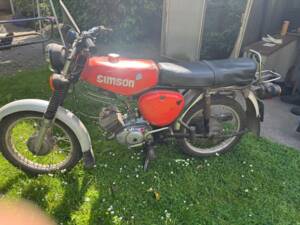
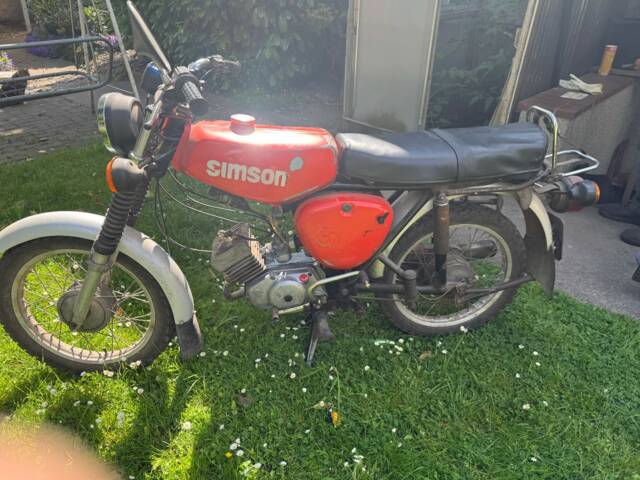

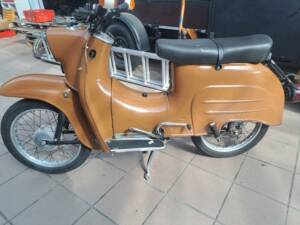
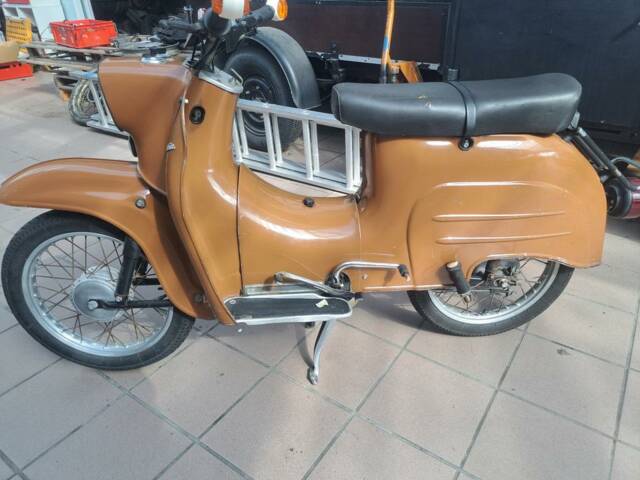
1984 | Simson Schwalbe KR 51/2
Simson Schwalbe Kr 51 / 2
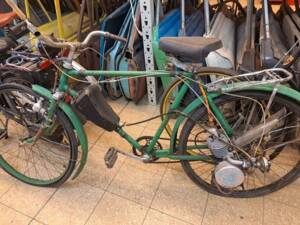
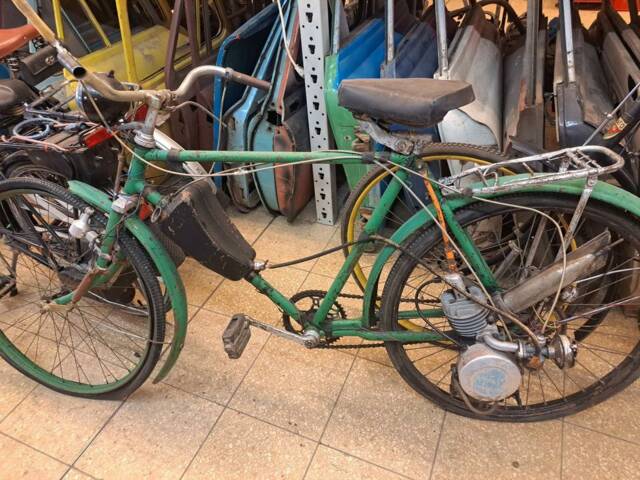
1900 | Simson MAW motorcycle
Simson MAW Fahrrad mit Hilfsmotor , NSU Fahrrad
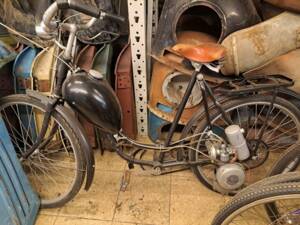
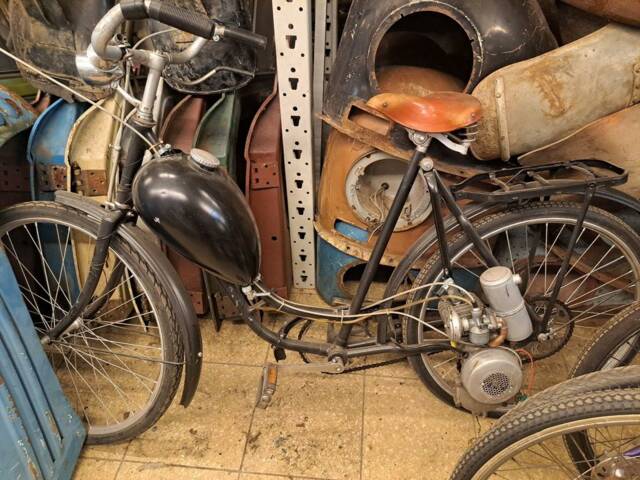
1900 | Simson MAW motorcycle
Simson MAW Fahrrad mit Hilfsmotor ,
Newsletter
The best Simson listings, straight to your inbox
Get hand-picked Simson listings, plus the best of cars, motorbikes, and auctions on Classic Trader — all in one place.
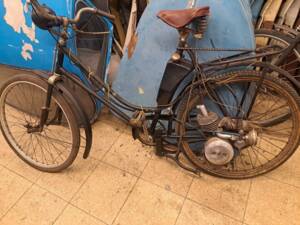
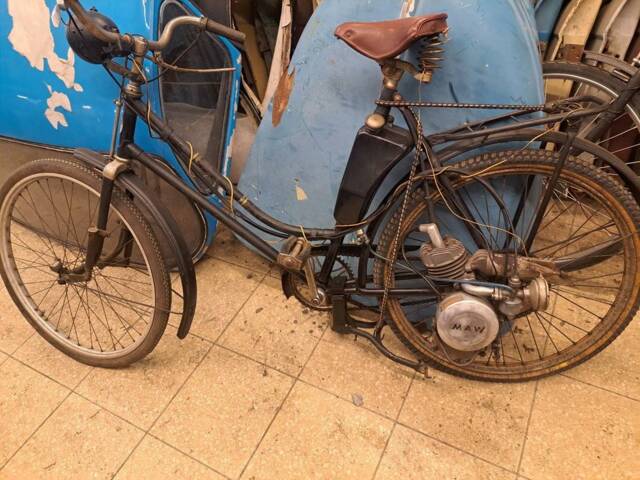
1900 | Simson MAW motorcycle
Simson MAW Fahrrad mit Hilfsmotor ,
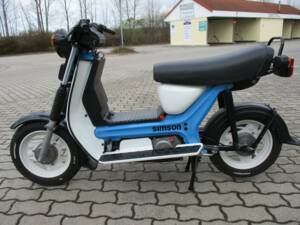
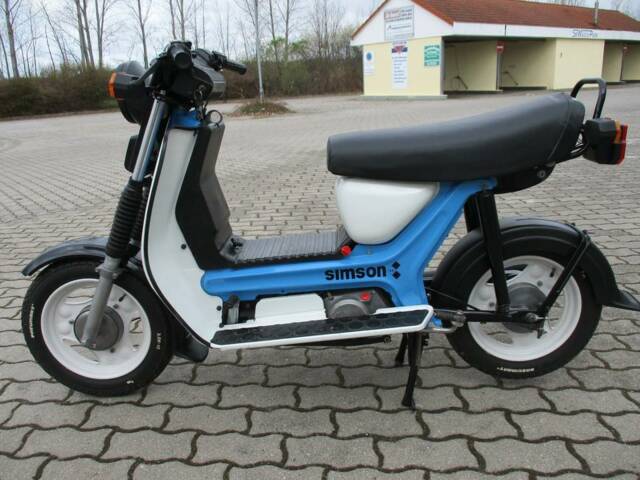
1989 | Simson SR50/1 C
Simson SR 50 Nummer 59921
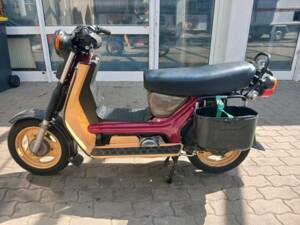
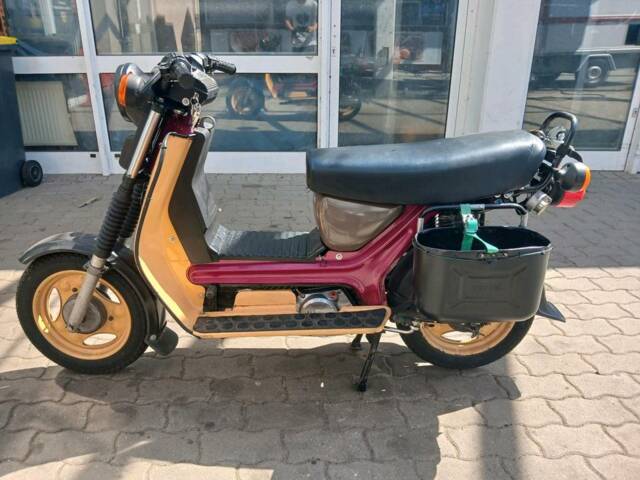
1986 | Simson SR50 B4
Simson SR50 4 Gang Nr. 62722
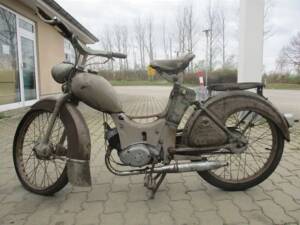
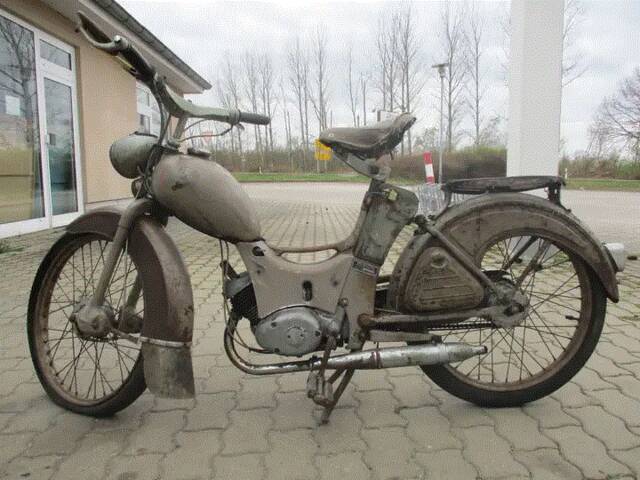
1958 | Simson SR 2
Simson SR 2 NR. 57822
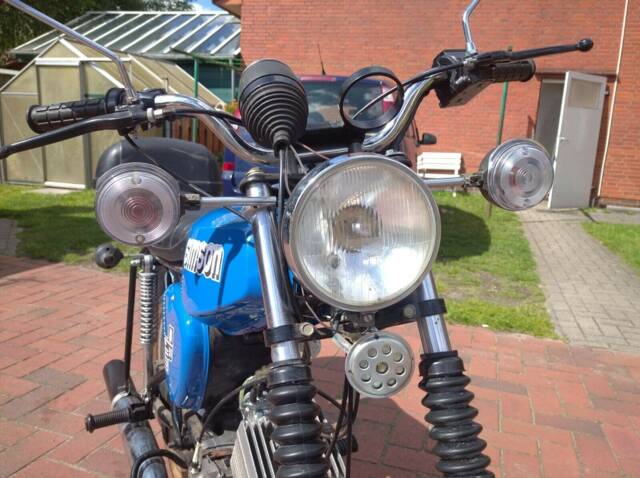
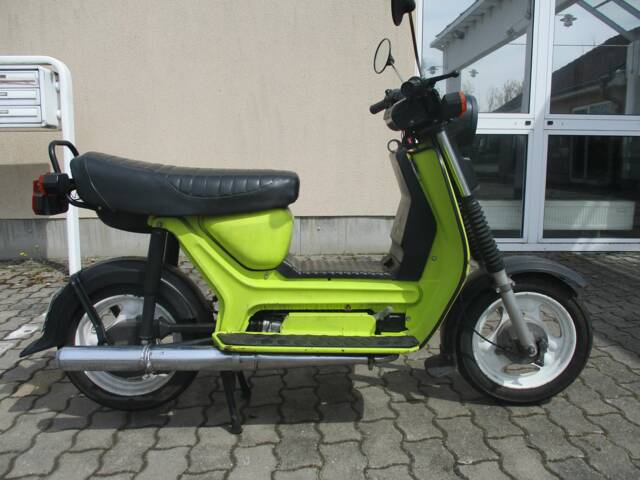
1990 | Simson SR 50/1 MXG
Simson SR 50
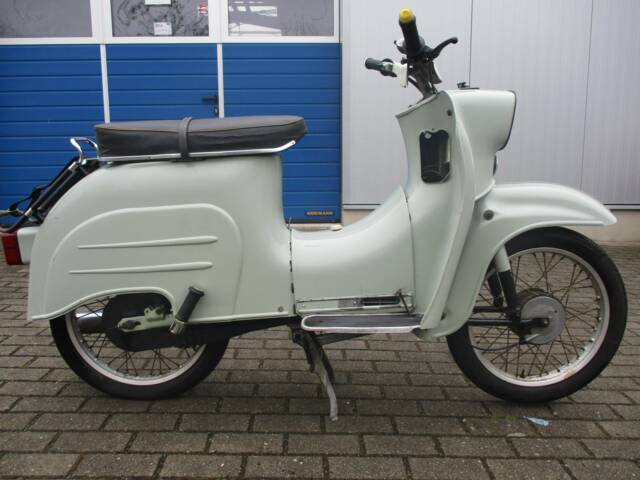
1973 | Simson Schwalbe KR 51/1
Simson KR 51 Schwalbe KR 51 / 1
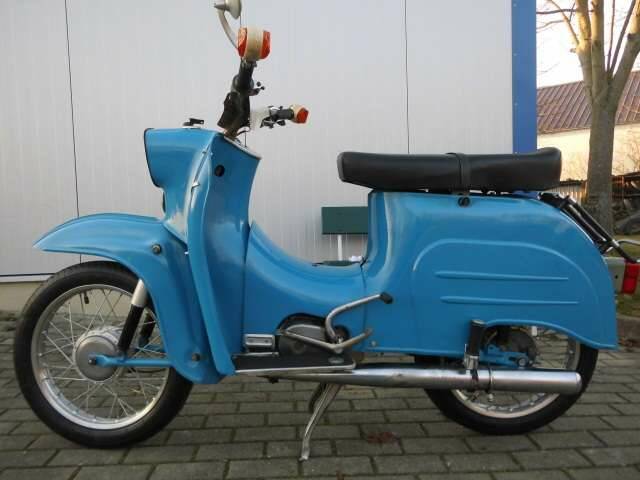
1973 | Simson Schwalbe KR 51/1
Simson KR 51 Schwalbe Kr 51 / 1
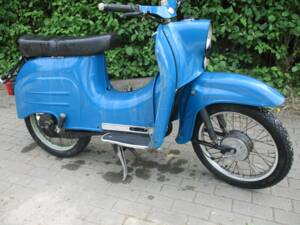
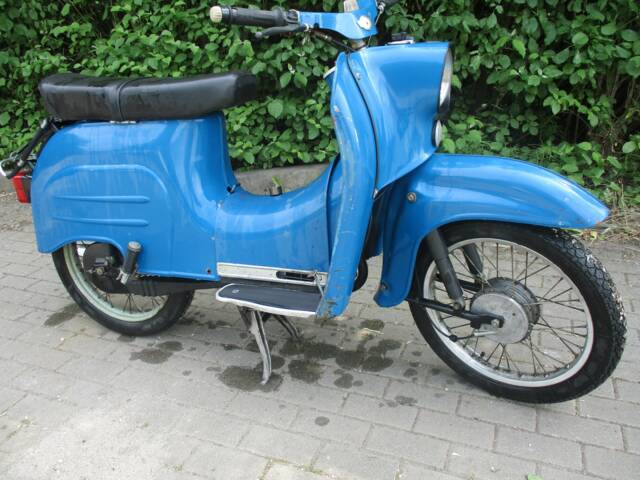
1980 | Simson Schwalbe KR 51/1
Simson KR 51 Schwalbe Kr 51 / 1
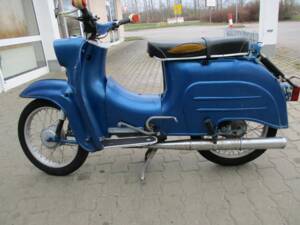
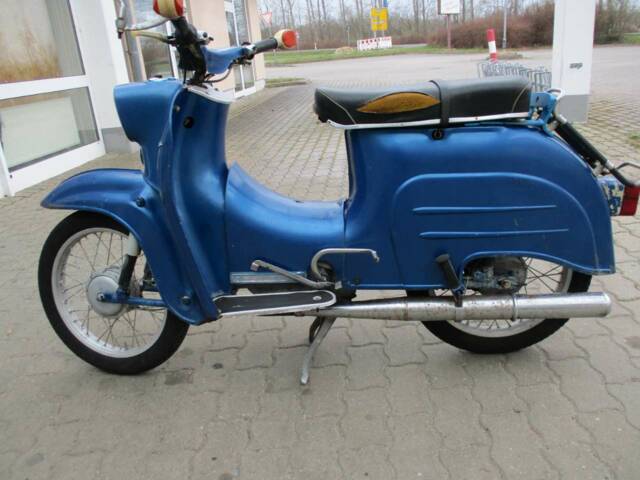
1969 | Simson Schwalbe KR 51
Simson KR 51 Schwalbe Kr 51 / 1
Simson listing references from Classic Trader
Below you will find listings related to your search that are no longer available on Classic Trader. Use this information to gain insight into availability, value trends, and current pricing for a "Simson" to make a more informed purchasing decision.
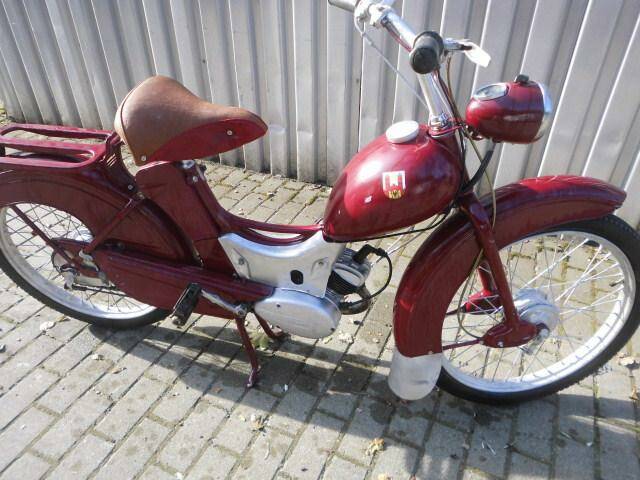
1957 | Simson SR 2
Simson SR 2 unsere Nummer 221017
History
The Simson story begins in 1856 when Jewish brothers Löb and Moses Simson acquired a third of a Thuringian steel hammer mill in Suhl and founded Simson & Co. The company initially produced weapons before turning to bicycle manufacturing at the turn of the century. By 1896, Simson had become Germany's largest bicycle manufacturer.
After World War II, the company faced a new beginning. The Allies dismantled much of the production facilities, and the company was repurposed for Soviet production. In 1952, it was renamed VEB Fahrzeug und Gerätewerk Simson Suhl – the beginning of an era that would define the brand for decades. In the GDR, Simson became the most important manufacturer of small-displacement motorcycles and mopeds.
The breakthrough came with the Vogelserie (Bird Series), which began in 1964 with the Schwalbe KR 51. The models Schwalbe, Spatz, Star, Habicht and Sperber shaped the streets of the GDR and are now sought-after classics. Production of the Schwalbe continued until 1986, with over 1.17 million units produced.
Alongside series production, Simson was also active in motorsport. In the 1950s, 15 racing motorcycles with 250cc displacement were created. The Simson RS 350/7, a 4-stroke racing motorcycle from 1959, can now be admired at the Suhl Vehicle Museum. In the late 1980s, Simson returned to motorsport with the RS 81 in motocross.
After reunification in 1990, Simson faced significant challenges. The attempt to establish itself in the West German motorcycle market ultimately failed. Today, the Simson brand no longer exists as a company, but the vehicles live on: estimates suggest around one million Simson mopeds are still registered or roadworthy in Germany and Europe.
Highlights of Simson Classics
Each Simson model from the DDR era has its own distinct character:
Simson Schwalbe KR 51: The most famous model. Produced from 1964 to 1986 in over 1.17 million units. The elegant motor scooter with its characteristic knee guard became the epitome of DDR mobility. With 3.4 hp and 60 km/h top speed, it was many teenagers' first motorized vehicle.
Simson S 50 / S 51: The successors to the Schwalbe as mopeds. The S 50 debuted in 1976, followed by the S 51 in 1983 with an improved engine and 4-speed transmission. The enduro variants are particularly sought after.
Simson SR 50 / SR 80: The scooter variant of the S series. The SR 50 entered series production in 1984, with annual production figures of around 195,000 units.
Simson Habicht SR 4-4: The sporty model of the Bird Series. With its 4.6 hp engine and 75 km/h top speed, it was aimed at sport-oriented riders.
Simson Sperber SR4-3: Also part of the Bird Series, the Sperber debuted in 1966 with its distinctive design.
Simson AWO 425: An important model from the transition period. The AWO was produced from 1952 to 1962. With its 250cc four-stroke engine producing 12 hp, it reached 110 km/h. Well-preserved examples are now rare – prices of €4,000 to €6,500 are common.
Technical Data
Simson vehicles relied on proven, easy-to-maintain technology:
| Model | Production | Displacement | Power | Gears | Top Speed | Units |
|---|---|---|---|---|---|---|
| Schwalbe KR 51 | 1964–1986 | 49.9 cc | 3.4 hp (2.5 kW) | 3 (left-hand) | 60 km/h | ~1,176,640 |
| S 50 | 1976–1980 | 49.9 cc | 3.7 hp (2.7 kW) | 4 | 65 km/h | ~86,000 |
| S 51 | 1983–1990 | 49.9 cc | 4.3 hp (3.2 kW) | 4 | 70 km/h | ~206,000 |
| SR 50 | 1984–1990 | 49.9 cc | 4.3 hp (3.2 kW) | 4 (auto) | 70 km/h | ~1,000,000 |
| Habicht SR 4-4 | 1972–1975 | 49.9 cc | 4.6 hp (3.4 kW) | 4 | 75 km/h | ~40,000 |
| AWO 425 | 1952–1962 | 247 cc | 12–14 hp | 4 | 110 km/h | ~85,000 |
All Simson Bird Series models use the proven two-stroke single-cylinder engine with mixed lubrication. Maintenance is relatively straightforward: spark plug, carburettor and cylinder head are accessible even for hobby mechanics. An important advantage is the special regulation in the Unity Treaty, which allows vehicles with first registration before 28 February 1992 to legally travel at 60 km/h – a detail that makes them particularly interesting for holders of category AM driving licences (from age 15).
Market Overview & Buying Tips
The Simson market has developed significantly in recent years. Prices reflect the cult status these vehicles enjoy.
Price Overview (2025):
What to look for when buying:
Frame and frame number: The frame is one of the weak points. Check especially the welds around the engine mount and the connecting tubes. Rust-through in these areas is a serious problem. The frame number must match the type plate and documents.
Engine: Test the starter (if fitted) and kickstarter. The engine should start after a few kicks. Blue smoke on startup indicates worn piston rings.
Electrics: Many Simsons have been converted to 12-volt systems. Check whether the conversion was carried out properly.
Bodywork and sheet metal: Chrome plating is prone to rust. Check especially the tank, knee board and footrests for rust-through. Original, undamaged parts are rare and valuable.
Parts supply:
Parts supply is ensured by the licence holder MZA GmbH and numerous specialist dealers. Even original DDR spare parts are still partially available.
Performance
Riding a Simson is an experience fundamentally different from modern vehicles. The two-stroke engine with its characteristic soundtrack – the typical "rattling" – conveys a sense of freedom and immediacy that many riders describe as addictive.
The handling is characterised by simple but robust technology. The left-hand gear change of the Schwalbe (the three-speed gearbox operated with the left hand) takes some getting used to but works well. The wheelbase provides stable handling, and the low weight (approx. 75–85 kg depending on model) makes the Simson extremely agile.
The charm of the Simson really comes into its own on country roads. At a maximum of 60–70 km/h, it's no speed demon, but that's part of the appeal: you notice the landscape, you smell the nature, you feel the wind. It's not about speed – it's about the experience of riding.
Design
The design of Simson vehicles reflects the design philosophy of the DDR industry: functionality before extravagance, but with an eye for aesthetics. The Bird Series with its bird names was not just a product line but also a marketing idea designed to emphasise the lightness and agility of the vehicles.
The Schwalbe with its elegant, streamlined design is the most famous example. In contrast, the Habicht stood for sportiness. The Simson logo – a flowing horizontal script or an S in a circle with suggested wings on either side – remains a recognisable symbol to this day.
Other: The Simson Community
The Simson community is one of the most active classic motorcycle communities in Europe. Simson Clubs organise numerous annual meetings bringing together thousands of enthusiasts. The biggest event is the Simson meet in Suhl.
The scene is cross-generational: many who grew up in the DDR have personal memories associated with their Simson. But young people are also discovering the fascination of simple technology and the authentic riding experience for themselves.
Summary
Simson mopeds are more than just classics: they are pieces of German and European history, documenting a chapter of DDR industrialisation. With their characteristic two-stroke rattling, simple technology and practical design, they have accompanied and continue to inspire generations of riders.
Entering the Simson world is relatively affordable, although prices have risen significantly in recent years. Those looking for a well-preserved Simson should expect to pay £2,100 to £3,400. Good parts supply and an active community make maintenance manageable.
Discover Simson offers on Classic Trader now and find your piece of DDR mobility history!