- Motorcycle
- Honda (82 offers)
Buy Honda Motorcycles
From a small workshop in Hamamatsu to the dominant force at the Isle of Man TT, Honda redefined the modern motorcycle. Whether it is the four-cylinder revolution of the CB750 or the engineering mastery of the six-cylinder CBX, these machines represent the gold standard of Japanese reliability and performance.
Search results
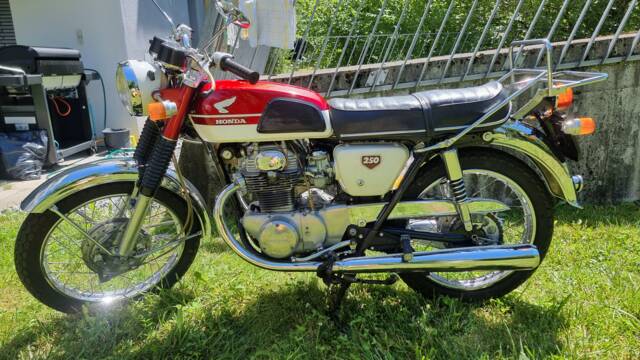
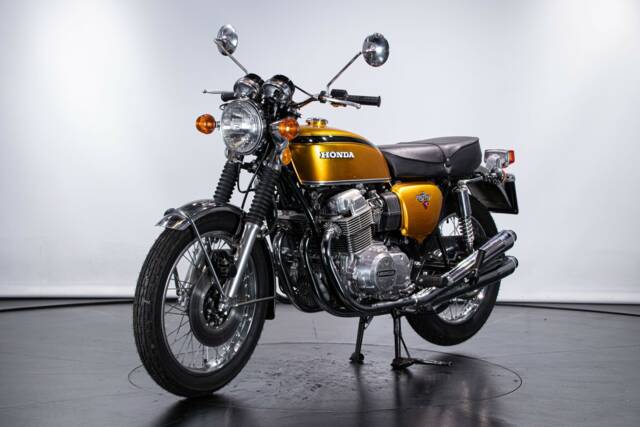
1970 | Honda CB 250 K2
Honda CB 250 (1970) – Original Condition | 16,609 km | Swiss Veteran Registration
Preview

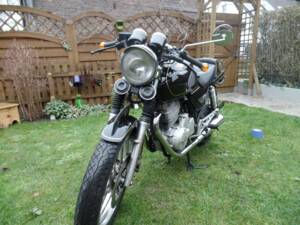
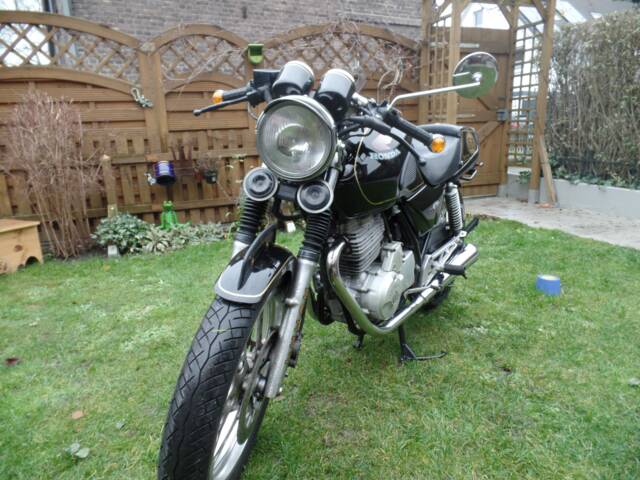
1988 | Honda XBR 500
Honda XBR 500 Cafe Racer 2-year TÜV

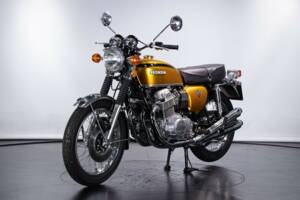
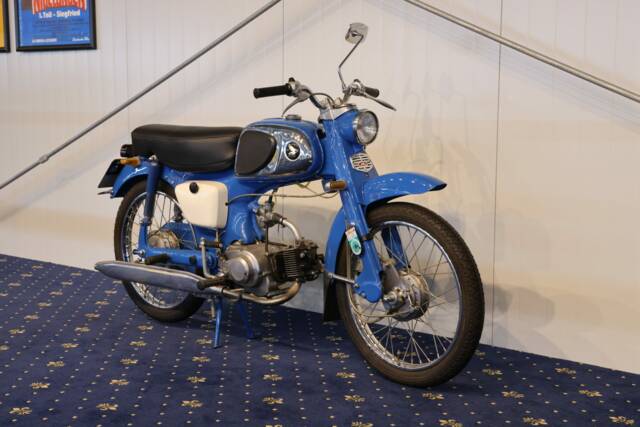
1900 | Honda Super Cub C 110
Honda HM50 · Sammlung Sonderklasse · No reserve

Newsletter
The best Honda listings, straight to your inbox
Get hand-picked Honda listings, plus the best of cars, motorbikes, and auctions on Classic Trader — all in one place.
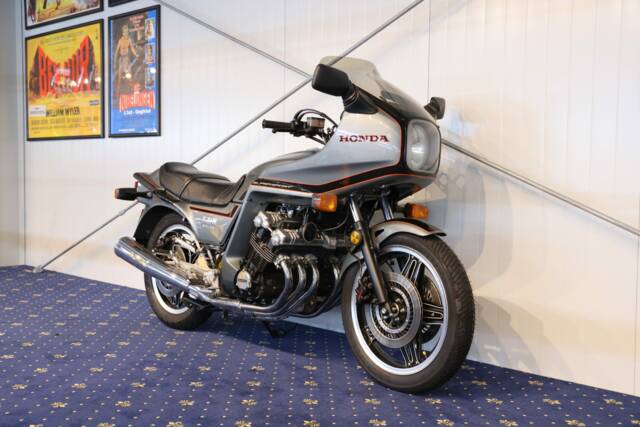
1981 | Honda CBX 1000
1981 Honda CXB SC 06 · Sammlung Sonderklasse · No reserve
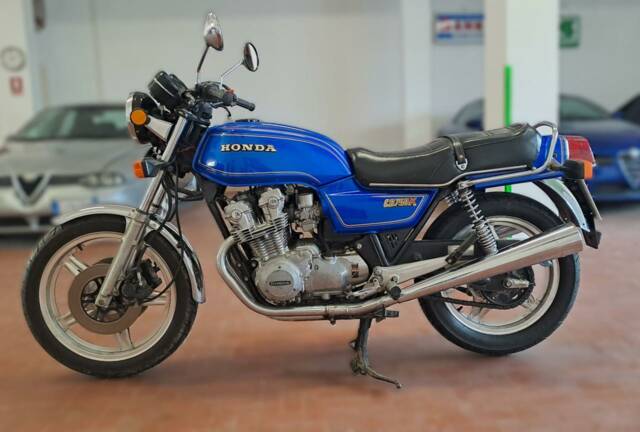
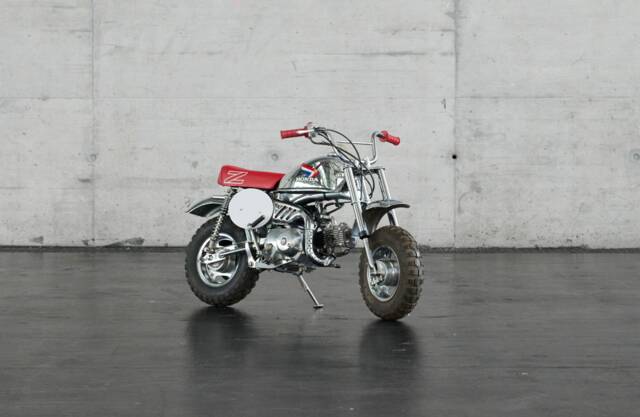
1986 | Honda Z 50 Monkey
1986 Honda Z50 RD Monkey. Im Auktionsverkauf. Schätzwert: 4.000 € - 6.000 €. Ohne Mindestpreis!
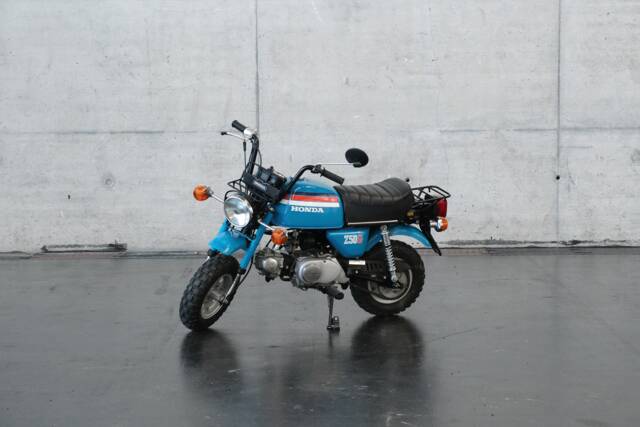
1984 | Honda Z 50 Monkey
1984 Honda Z50 J Monkey. Im Auktionsverkauf. Schätzwert: 4.000 € - 6.000 €. Ohne Mindestpreis!
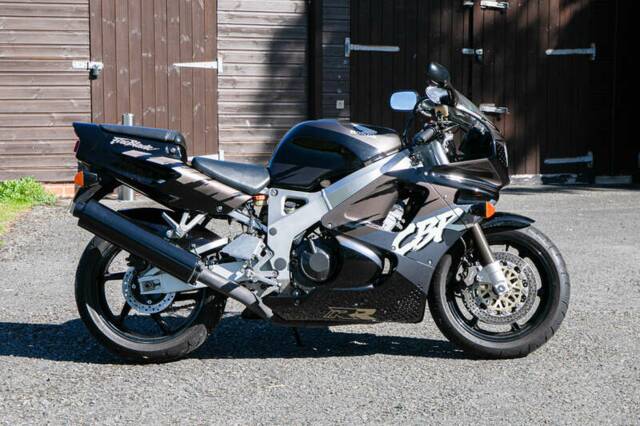
1992 | Honda CBR 900RR Fireblade
1992 Honda CBR900RR FireBlade 893cc

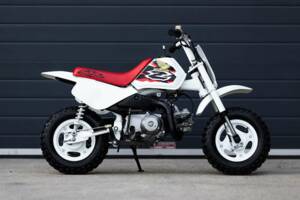
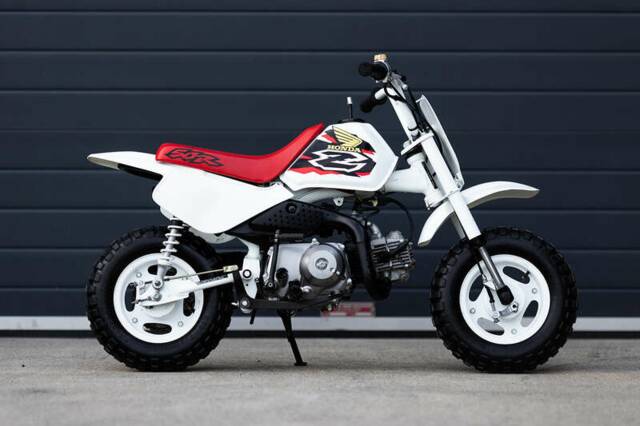
1998 | Honda Z 50 R
c.1998 Honda Z50R Monkey Bike 49cc
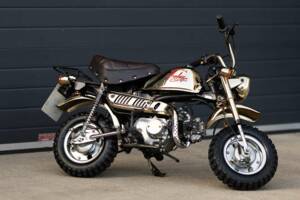
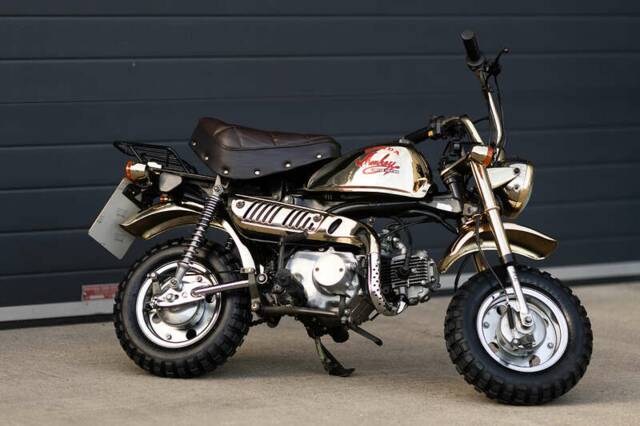
1985 | Honda Z 50 J Monkey
1985 Honda Z50J Gold Limited Edition Monkey Bike 49cc
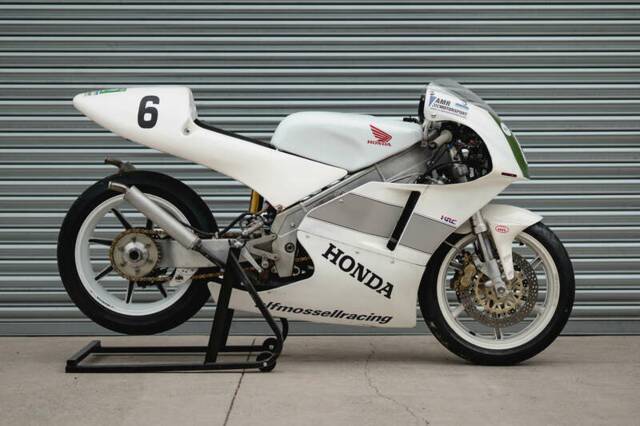
1993 | Honda RS 250 RF
1993 Honda RS250RF 249cc
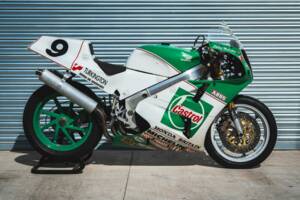
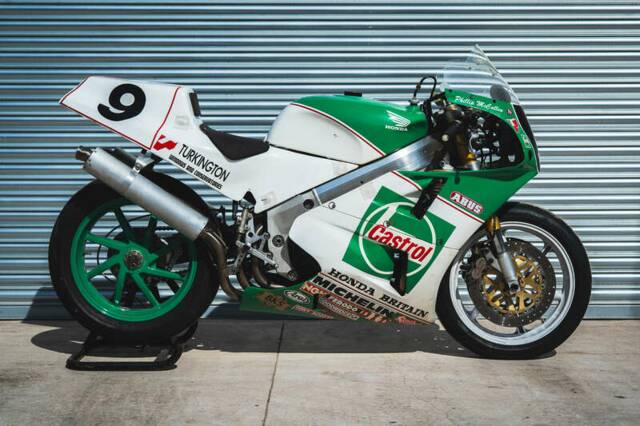
1992 | Honda VFR 750R RC 30
1992 Honda VFR750R Type RC30 Ex-Phillip McCallen 748cc
History & Heritage
The story of Honda is the story of Soichiro Honda (1906–1991), a man whose technical obsession and refusal to accept defeat changed the transport landscape forever. Founded on 24 September 1948, the Honda Motor Co., Ltd. did not begin with multi-cylinder superbikes, but with surplus generator engines clipped to bicycles. These "A-Type" motorised bicycles provided mobility for a post-war Japan and funded the transition to purpose-built motorcycles.
The 1950s saw the birth of the Dream Type D and the introduction of the Super Cub C100 in 1958. The Super Cub, a 50cc four-stroke step-through, became the most produced motor vehicle in history, with over 100 million units sold. Its success was built on the "You meet the nicest people on a Honda" advertising campaign, which shifted the motorcycle's image from a rebel's machine to a reliable tool for everyman.
For British enthusiasts, Honda’s most significant milestone was its 1959 debut at the Isle of Man TT. Soichiro Honda famously declared in 1954 his intent to win on the Island, then the most prestigious race in the world. In 1959, the 125cc team won the Manufacturers' Team Award, and by 1961, Honda had secured its first TT victories with Mike Hailwood and Tom Phillis. This started a relationship with the Mountain Course that continues today, where Honda remains the most successful manufacturer in TT history.
The 1960s were a decade of "multi-cylinder madness" on the GP tracks. Honda produced 125cc five-cylinder and 250cc six-cylinder race bikes that revved to 20,000 rpm, creating a mechanical symphony that stunned European rivals. When Honda withdrew from GP racing in 1967 to focus on road bikes, they applied this knowledge to the CB750 Four. Launched in 1969, it featured a SOHC inline-four engine, an electric starter, and a front disc brake – a combination that effectively created the "Superbike" category and made traditional British twins feel like relics from another era.
In the decades that followed, Honda continued to push boundaries. The Gold Wing GL1000 (1975) pioneered the heavy touring market, while the CBX1000 (1978) brought six-cylinder drama to the high street. The 1980s saw the rise of the V4 engine with the VFR750R RC30, a machine developed specifically to win the new World Superbike Championship, which it did in 1988 and 1989 with Fred Merkel. On the dirt, the Africa Twin XRV750 translated the success of the NXR750 desert racers into one of the most respected adventure bikes of all time.
Highlights & Key Models
Honda's classic range offers everything from lightweight commuters to homologation specials. For collectors in the UK, several models stand out as the most desirable.
The CB750 Four is the primary target for many. Early K0 'Sandcast' models (produced until approximately mid-1969) are the holy grail. These bikes used sand-cast crankcases before Honda moved to mass-produced die-cast units. In the UK market, a genuine Sandcast is a blue-chip investment. Later SOHC models like the K1 through to the K6 are more accessible and make excellent, usable classics.
The CBX1000 remains Honda’s most visually arresting motorcycle. With six chrome exhaust downpipes and a massive air-cooled engine block, it was a statement of intent. It remains one of the few motorcycles where the engine is the styling. Its unique exhaust note is often compared to a 1960s Formula 1 car.
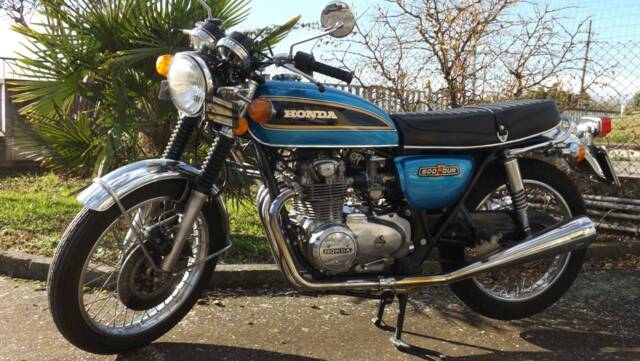
The CB500 Four and CB350 Four are the smaller siblings to the 750. In the UK, the 500 is often regarded as the best-balanced of the SOHC fours, offering a lighter handling experience than the 750 while retaining the smooth four-cylinder character. The 350F is a jewel-like machine, being the smallest four-cylinder production bike of its time.
The VFR750R RC30 is a different beast entirely. Built by HRC (Honda Racing Corporation), it was a road-legal racer. With its single-sided swingarm, gear-driven cams, and hand-finished build quality, it is one of the most sought-after Japanese motorcycles in the world. In the UK, its connection to legends like Joey Dunlop and Steve Hislop adds significant cultural value.
The Gold Wing GL1000 represents the start of a touring dynasty. Unlike the later heavily-faired models, the original GL1000 was a naked bike with a 999cc flat-four engine. It was smooth, reliable, and surprisingly fast, proving that Honda could master high-torque, water-cooled engines just as well as high-revving sports units.
Technical Data
Market Overview & Buying Tips
The UK market for classic Hondas is buoyant, supported by a strong network of specialists and clubs like the Vintage Japanese Motorcycle Club (VJMC). When buying, it is essential to distinguish between UK-specification bikes and grey imports from Japan or the USA. While imports are common and often in good condition, "UK-supplied" bikes often carry a premium for those seeking 100% original provenance.
Honda CB750 Four
Prices for the CB750 vary wildly. A 1969 Sandcast K0 in investment grade can exceed £35,000–£45,000, with exceptional examples reaching even higher at specialist auctions. Standard die-cast K0 and K1 models typically fetch between £12,000 and £22,000 depending on the quality of the restoration. Later K2–K6 models are the sweet spot for many buyers, with good riders available for £6,000–£10,000.
- Inspection points: Look for the original "no-slot" front brake disc on early models. The original 4-into-4 exhaust system is very expensive to replace (£1,500+); many bikes have 4-into-1 aftermarket systems which reduce value. Check for cam chain noise, which can indicate worn tensioners.
Honda CBX1000
The CBX has seen a significant price rise in the last five years. A top-tier 1979 'Z' model in the classic red or silver livery can cost between £15,000 and £25,000. We have seen investment-grade bikes with very low mileage offered by specialist brokers for up to £35,000.
- Inspection points: The six carburetors must be perfectly synchronised for the bike to run correctly – this is a specialist job. Cam chain tensioners are a known weak spot; if they fail, the repair is extremely costly. Ensure the original HM422 exhausts are present and not rusted through.
Honda CB500 & CB350 Four
These are excellent entry points into Honda ownership. A good CB500 Four typically costs £4,500–£7,500, while the rarer CB350 Four can reach £5,000–£8,500 for a mint example.
- Inspection points: Check the fuel tank for internal rust, especially near the bottom seams. Like the 750, the original exhausts are prone to rot and are hard to find.
Honda VFR750R RC30
This is a blue-chip collectible. Prices in the UK for a clean, documented RC30 start at £25,000 for high-mileage examples and go up to £45,000–£55,000 for low-mileage, "museum" quality bikes.
- Inspection points: Verify engine and frame numbers against HRC records if possible. The bodywork is fragile and expensive; look for cracks around the mounting points. Ensure the original paddock stand and tool kit are included, as these add several hundred pounds to the value.
Honda Gold Wing GL1000
The early naked GL1000 is gaining popularity. You can find decent riders for £4,000–£6,000, while a pristine 1975 K0 model can reach £10,000–£12,000.
- Inspection points: The most critical item is the timing belts. They must be changed every few years regardless of mileage. If a belt snaps, the engine is usually a total loss. Check the fuel tank (located under the seat) for rust.
Performance & Riding Experience
Riding a classic Honda is often a lesson in "civilised performance." Unlike some of their contemporaries, Hondas were designed to be easy to live with.
The CB750 Four provides a remarkably modern experience. The electric start works reliably, the controls are light, and the engine is smooth. While the frame and suspension technology are clearly from 1969, the bike remains stable and predictable. The power delivery is linear, making it a joy for A-road touring.
The CBX1000 is an assault on the senses. The engine dominates everything. At low revs, it is as smooth as an electric motor. Once you pass 6,000 rpm, the character changes as the 24 valves begin to sing. It is a heavy machine, and the skinny tyres of the era mean you should treat corners with respect, but on a straight road, few things feel as powerful.
The Africa Twin XRV750 is perhaps the most "usable" classic in the lineup. Its V-twin engine is unburstable, and the riding position is perfect for modern traffic. It handles broken UK B-roads better than almost any other classic from the 1990s. It is a bike you could comfortably ride to the south of France tomorrow.
The RC30 is a different world. It is small, compact, and very focused. The gear-driven cams produce a high-pitched whine that is unique to the V4 Honda racers. The handling is sharp and communicative, reminding you why this bike dominated the Isle of Man and World Superbike tracks.
Design & Engineering Philosophy
Honda’s design philosophy has always been "man maximum, machine minimum." This meant making the technology as compact and efficient as possible.
Visually, the CB750 set the template for the Universal Japanese Motorcycle (UJM). The balance of the teardrop tank, the flat seat, and the prominent four-cylinder engine became the archetype of what a motorcycle "should" look like. The use of bright "Candy" colours was a hallmark of the 1970s Honda aesthetic.
The CBX used its engine as a stressed member of the frame, allowing the massive inline-six to be the focal point. The lack of a front downtube on the frame makes the engine look like it is floating beneath the tank.
In contrast, the RC30 was about functional minimalism. The single-sided swingarm (developed with ELF) wasn't just for show; it allowed for faster wheel changes during endurance races. The twin round headlights and the white, red, and blue HRC livery are now some of the most recognisable design elements in motorcycling history.
The CX500 Turbo represents the "Techno-Futurism" of the early 80s. With its digital dashboard elements, aerodynamic fairing, and bold "TURBO" graphics, it looked like it belonged in a science fiction film. It was a showcase for Honda's ability to integrate fuel injection and forced induction at a time when most bikes still used carburetors.
Racing Heritage & British Culture
Honda’s relationship with the UK is deeply rooted in road racing. The Isle of Man TT is the spiritual home of the brand outside of Japan. From the early days of Mike Hailwood to the modern dominance of the late Joey Dunlop and John McGuinness, Honda has always been the bike to beat on the 37.73-mile course.
In the 1970s, the "Honda Britain" racing team was formed, further cementing the brand's connection to the local market. Riders like Phil Read and Alex George campaigned the works-supported machines to great success. This racing success translated directly to the showroom floor, where British bikers bought Hondas in their thousands.
The Vintage Japanese Motorcycle Club (VJMC) was founded in the UK in 1982, partly as a response to the growing interest in these machines as collectibles. Today, the UK has one of the most active classic Honda communities in the world, with events like the Stafford Classic Bike Show acting as a hub for parts and knowledge.
For a UK collector, a Honda isn't just a Japanese bike; it is a machine that conquered the Island and changed the face of the British motorcycle industry. Whether it is a restored CB400 Four (a UK favourite for its cafe racer looks) or a pristine RC30, these bikes are part of the fabric of British biking life.
Summary
Honda classic motorcycles offer a unique combination of historical significance, engineering excellence, and practical usability. For the collector, the range is vast. You can chase the ultimate investment with a CB750 Sandcast or an RC30, or you can enjoy the "Sunday morning" ride on a reliable and sweet-handling CB500 Four.
The strength of the UK market means that spare parts are generally available, and there is a wealth of specialist knowledge to help with maintenance. While prices for the most iconic models have risen significantly, there are still many affordable ways to enter the world of classic Honda ownership.
As Soichiro Honda once said, "The value of life can be measured by how many times your soul has been deeply stirred." For many riders in the UK and beyond, a well-tuned Honda four-cylinder at full chat does exactly that.
Find your perfect Honda motorcycle on Classic Trader – from the revolutionary CB750 to the race-bred VFR RC30. Discover our current offers and prices today.