- Car
- Volkswagen (287 offers)
Volkswagen classic cars for sale
Volkswagen stands for German engineering, a vast model range and millions of satisfied drivers worldwide. From the pioneering Beetle to the revolutionary Golf, the brand's classic range covers robust family cars, timeless convertibles and practical vans. Searching for a vintage VW means choosing enduring mechanical substance and a wide availability of parts and knowledge.
Search results
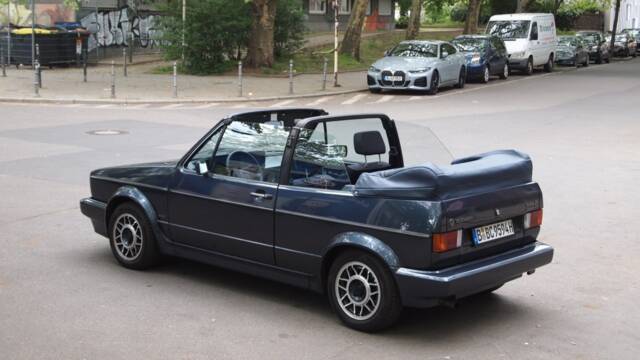
1988 | Volkswagen Golf Mk I Convertible 1.6
Volkswagen Golf I Cabriolet Quartett in Helios Blue with extensive maintenance history and documented care

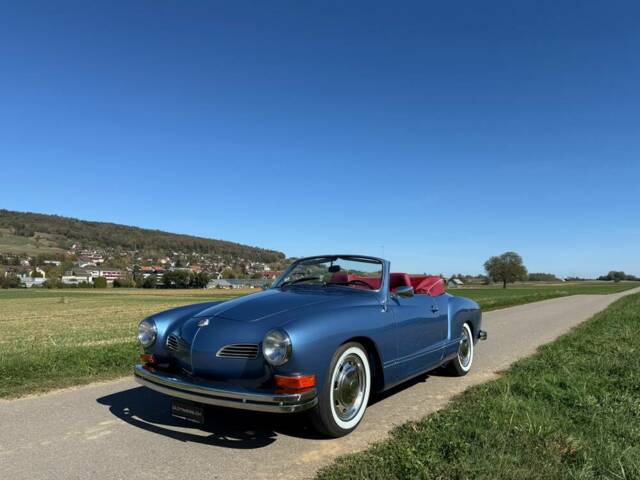
1972 | Volkswagen Karmann Ghia 1600
Elegant convertible - extensively restored & beautifully preserved - MFK 09.2021 Veteran!

Auctions ending soon

Loading…
Loading…
Loading…
Loading…
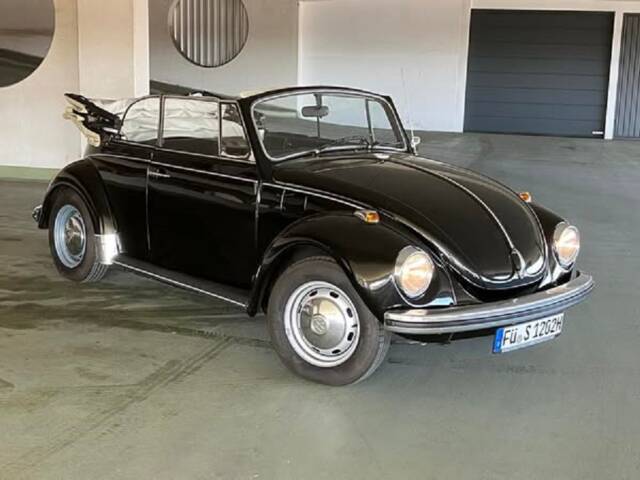
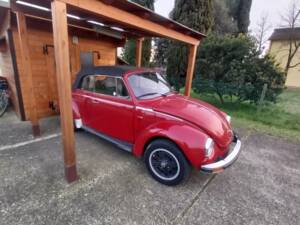
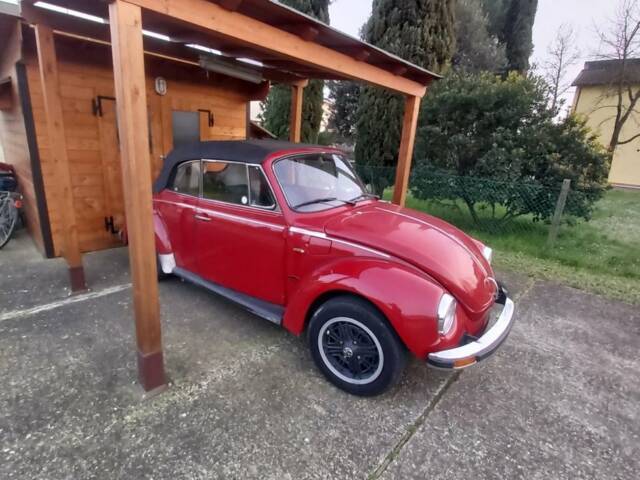
1972 | Volkswagen Beetle 1302
S Cabrio **Deutsche H Zulassung**Toller Zustand**
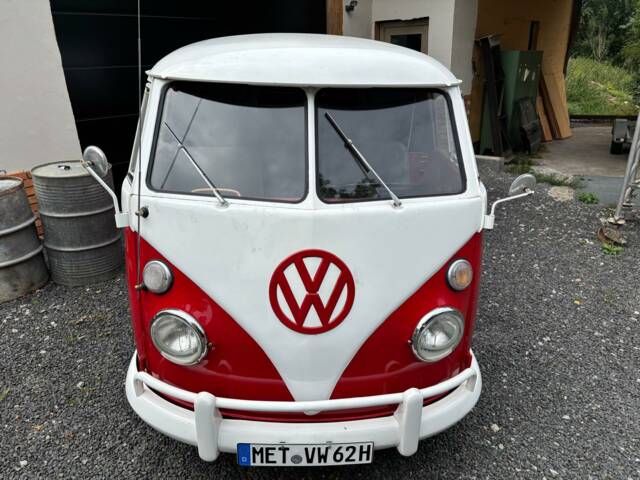
1962 | Volkswagen T1 panel van
Baujahr 1962 – frisch TÜV, H-Kennzeichen
Newsletter
The best Volkswagen listings, straight to your inbox
Get hand-picked Volkswagen listings, plus the best of cars, motorbikes, and auctions on Classic Trader — all in one place.
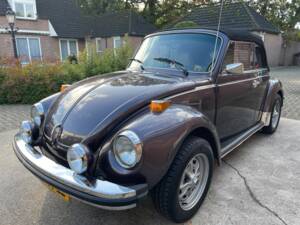


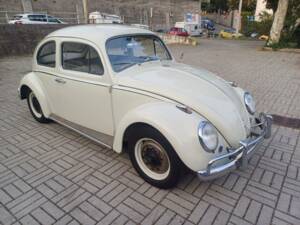
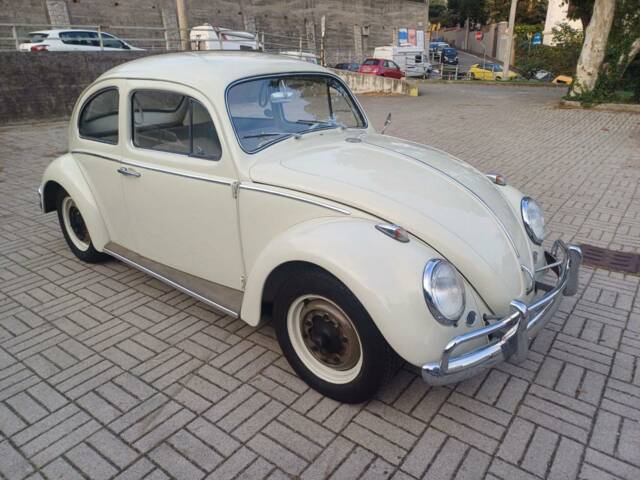

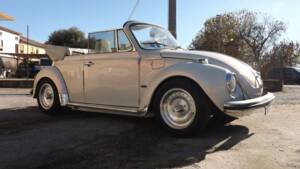
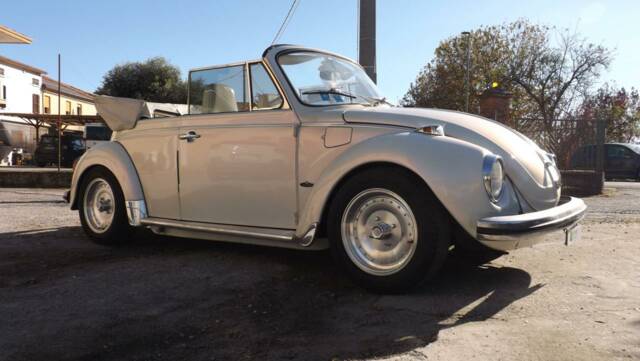
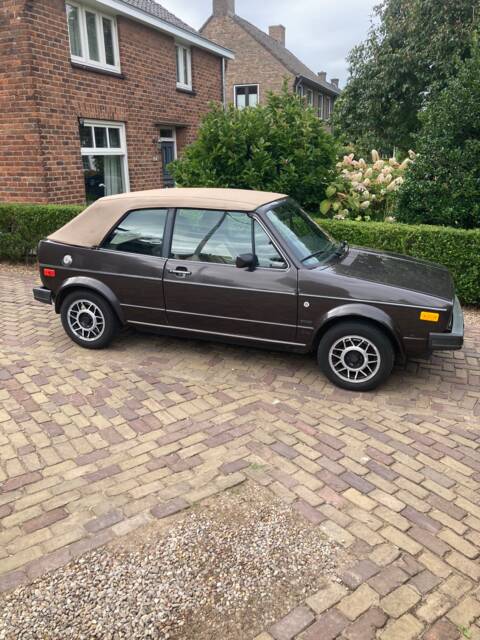
1986 | Volkswagen Golf I Cabrio GLi 1.8
Rare Golf 1 Cabriolet Limited Edition Wolfsburg
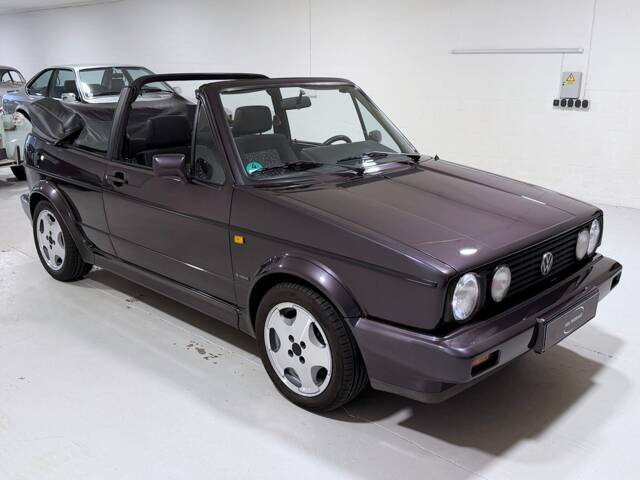
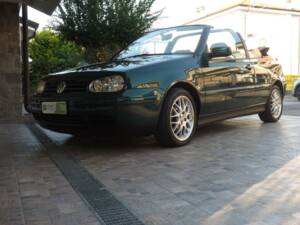
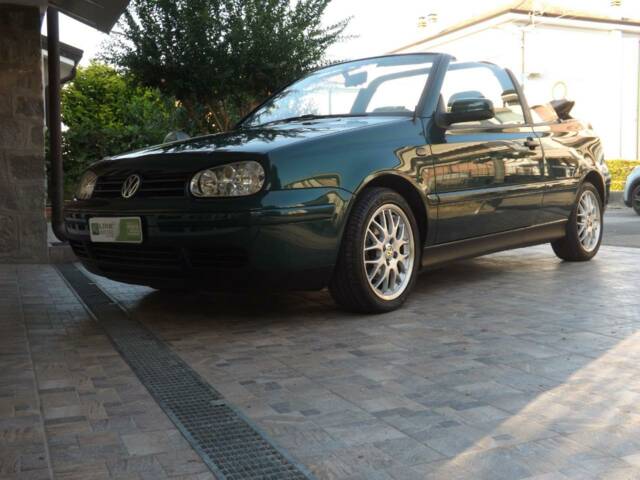
1993 | Volkswagen Golf Mk I Convertible 1.8
VW Golf I Cabrio Special Edition „Fashionline“
1975 | Volkswagen Beetle 1303
Volkswagen Beetle Cabriolet | 1975 | Route 66 Auctions - For sale by auction. Estimate 9600 EUR
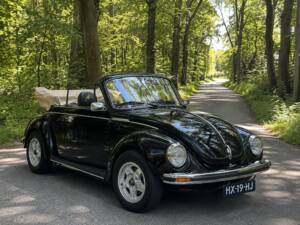
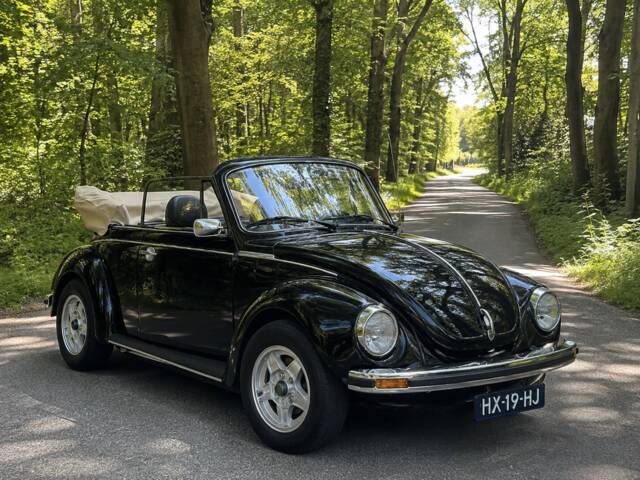
1976 | Volkswagen Beetle 1303
Volkswagen Beetle Cabriolet | 1976 | Route 66 Auctions - For sale by auction. Estimate 9000 EUR
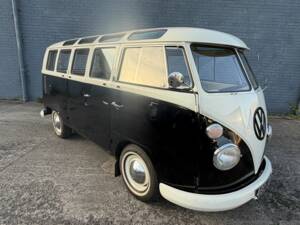
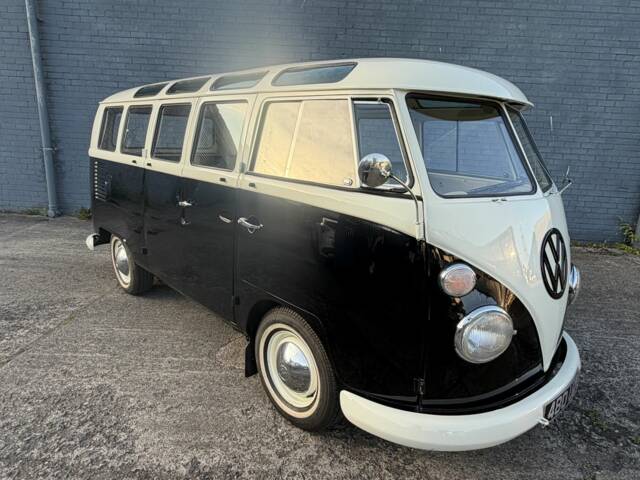
1961 | Volkswagen T1 Brasil
Volkswagen Type 2 Deluxe Microbus | 1961 | Route 66 Auctions - For sale by auction. Estimate 30000 EUR
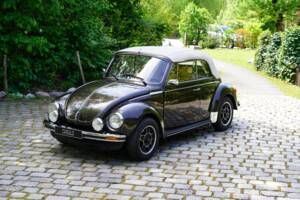
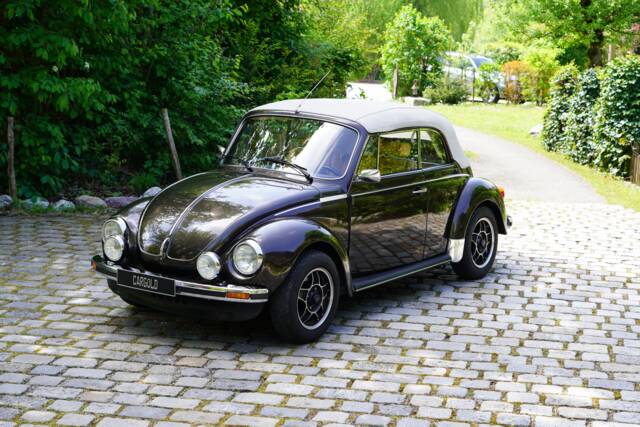
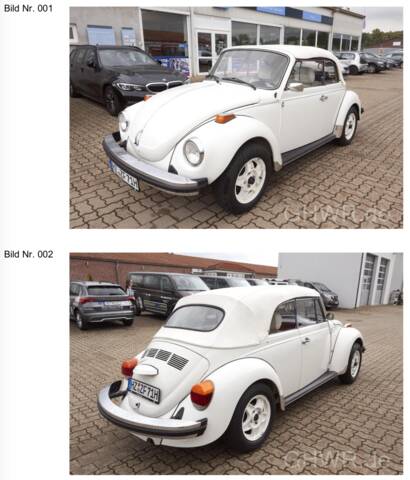
1979 | Volkswagen Käfer 1303 Zöllner
Oettinger Cabriolet Service Booklet/ Only 17.859km!
History of Volkswagen
Founded in 1937 in Wolfsburg, Volkswagen began as a government project to build an affordable car for the German people. Under the direction of Ferdinand Porsche, the early prototypes featured a rear-mounted, air-cooled engine and a layout optimised for four occupants. Mass production was hindered by war, but after 1945, the British occupation revived the factory, leading to a vast post-war output. The Volkswagen Beetle became the best-selling car worldwide by the 1970s, marking the brand’s place in motoring history. Volkswagen not only set benchmarks for reliability and practicality but also initiated deep cultural changes in car ownership across Europe and beyond.
Model history
After the post-war Beetle, Volkswagen expanded its model range through clever engineering and close collaboration with Karmann and Audi. The Type 2 "Transporter" redefined small commercial vans, while the Karmann Ghia added flair to the line-up. In 1974, the Golf represented a technical and design leap, moving away from rear-engine layouts towards front-wheel drive and transverse engines. The Golf became a template for the compact segment and earned a wide fan base. Variations like the Polo, Scirocco coupé, Corrado, and several Passat generations illustrate Volkswagen’s drive for innovation across a variety of body styles and performance ranges.
Highlights and unique features
Volkswagen's classics feature simple yet highly functional engineering. The air-cooled engines of early Beetles and Transporters are known for ruggedness and easy maintenance. The original Golf GTI established the 'hot hatch' segment by combining practical hatchback bodies with lively performance. Extensive model lineages enabled a constant technical evolution: fuel-efficient diesels, strong G60 and VR6 engines, and all-wheel drive Syncro variants. The sheer variety of factory and special editions, trim lines, paint codes and interior designs is unrivalled within the classic mass market.
According to Classic Trader data, 23.4% of all Volkswagen classic car listings are Beetle Type 11 featuring rear engines—far ahead of the next most common, the Beetle Type 15 at 11.7%. Transporter Type 2 models account for 10.5%, highlighting just how much the brand’s history is shaped by these two lines. The Golf family covers a broad technical and enthusiast spectrum, making up over 20% across first (19E), second (155), and further generation models. Demand figures mirror this: Beetle Type 11 has an 18.2% share of views, Transporter Type 2 13.4% and Karmann Ghia 9.6%, confirming both market supply and continuous user interest.
Technical data
Special editions and collectible models
Numerous Volkswagen models are sought after in rare specifications. Key examples include:
- Beetle Cabriolet (built by Karmann in Osnabrück, nicknamed 'Strawberry Basket')
- Golf GTI Pirelli, Edition One, G60 Limited, 20 Years GTI, and Rallye-Golf, each with unique trim, performance upgrades and badges
- Golf Country, with all-wheel drive and increased ground clearance as an early cross-over
- Limited runs like Genesis, Madison, Classic-Line, and a variety of anniversary models reflect the brand’s ability to tap into evolving trends.
Engine and performance, transmission and handling
Volkswagen’s reputation for reliable performance is underpinned by simple, dependable mechanics in early models like the Beetle with air-cooled engines and manual transmissions. From 1974, the Golf introduced front-wheel drive and lively four-cylinder engines, with the 1.6–1.8 litre GTI garnering attention for its agility. Second-generation Golfs improved resistance to rust and expanded comfort and technology, with GTI 16V and G60 supercharged models gaining cult status. Later engines include the VR6, TDI diesels and all-wheel drive systems. The Transporter’s engine variants enabled use as campervan, family minibus or delivery van. Polo models carved out their place as lightweight, frugal runabouts.
Suspension setups transition from torsion bar in early Beetles to MacPherson strut/beam axle in Golfs, prioritising safe, neutral handling. - Beetle Type 11 (rear air-cooled boxer, 1.1–1.6 litres)
- Golf GTI (I–III): 1.6/1.8 8V and 16V, G60, VR6
- Polo (86C and later): 1.0, 1.3, 1.6 engines, light construction
- Transporter Type 2: Adaptable platforms, flat-four air-cooled and inline-four water-cooled
Design, interior, exterior and special features
Volkswagen design philosophy has always balanced functional engineering and distinctive appearance. Early Beetles are recognised by their bulbous shape, simple dashboards, generous glass area and chrome accents. The Golf brought boxy, sharp lines by Giorgetto Giugiaro, leading to hallmark features like the C-pillar design and practical interiors. The Golf Cabriolet offers robust Karmann construction and unique details. Special trim (sports seats, GTI tartan patterns, Pirelli wheels), rare metallic paints (Oak Green, Helios Blue, Tornado Red), and limited upholstery (velour, leather, Classic Line) are enthusiast favourites. Equipment grew steadily: electric sunroofs, MFA on-board computers, central locking, Recaro seats, premium audio, ABS, and air conditioning. Accessories such as BBS and Pirelli alloys, sports suspension and retro radios can significantly increase appeal. Many models retain handmade or region-specific design details, especially in export and cabriolet versions.
Summary
Volkswagen classic cars offer more than nostalgia—they embody automotive innovation through decades of technical and design progress, with market-leading models like the Beetle, Transporter and Golf shaping entire vehicle segments. The vast range of engines, body types and special editions, along with strong supply and demand, underline their appeal to hobbyists and collectors alike. With outstanding availability of replacement parts and well-established specialist networks, entering the world of classic Volkswagen ownership is a practical as well as a cultural decision.