- Motorcycle
- Yamaha (44 offers)
Buy Yamaha Motorcycles
Since 1955, Yamaha has crafted motorcycles that bridge the gap between world-class racing and everyday accessibility. From the pioneering YA-1 to the legendary RD350LC and the indomitable XT 500, the triple tuning fork emblem represents a heritage of performance, innovation, and reliability.
Search results
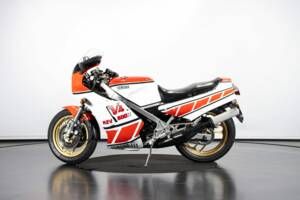
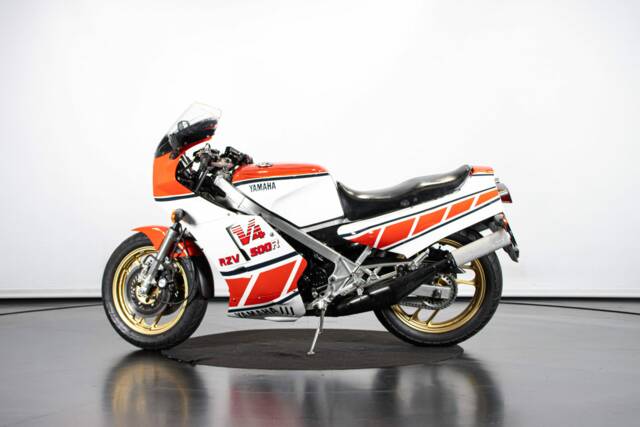
1985 | Yamaha RZV 500 R
Yamaha RZV 500 R

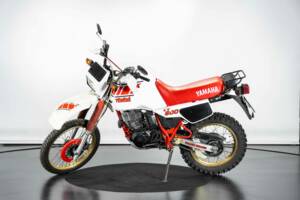
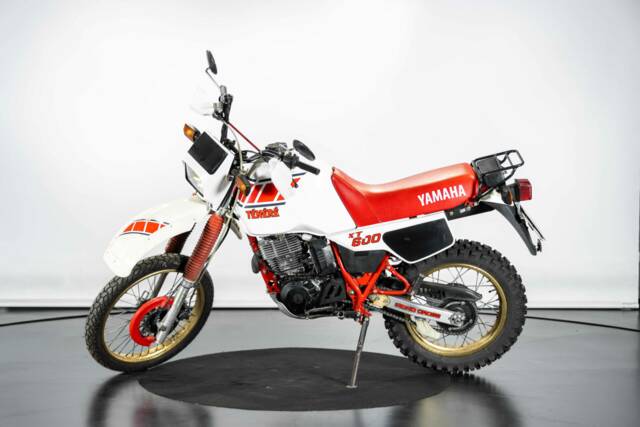
1985 | Yamaha XT 600 Ténéré
Yamaha XT 600 TENERE'
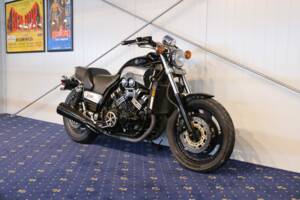
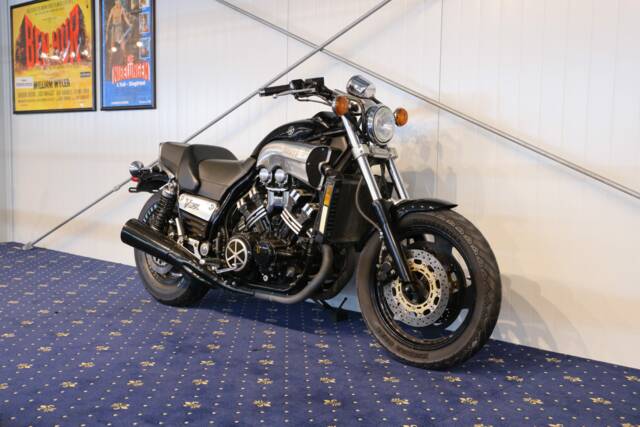
1997 | Yamaha V-Max 1200
1997 Yamaha VMX 1200 · Sammlung Sonderklasse · No reserve

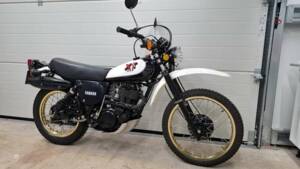
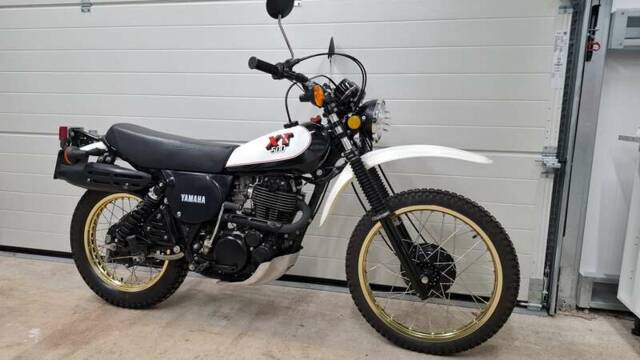
1980 | Yamaha XT 500
1980 Yamaha XT500 499cc

Newsletter
The best Yamaha listings, straight to your inbox
Get hand-picked Yamaha listings, plus the best of cars, motorbikes, and auctions on Classic Trader — all in one place.
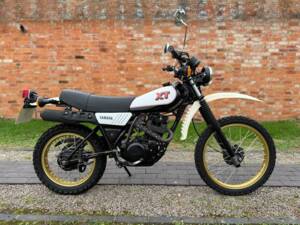
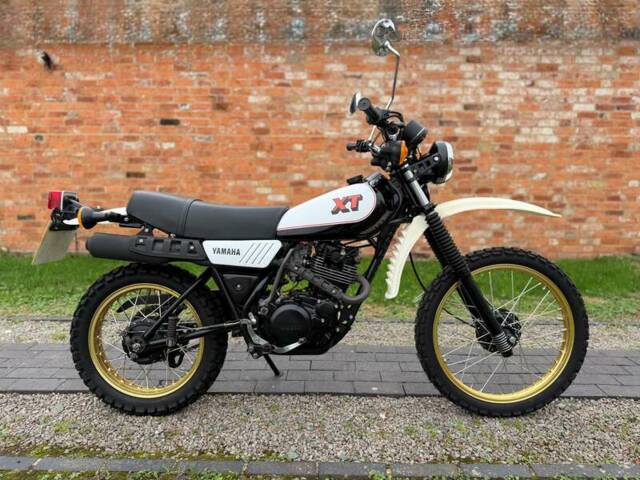
1980 | Yamaha XT 250
1980 Yamaha XT250 249cc
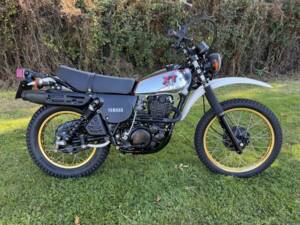
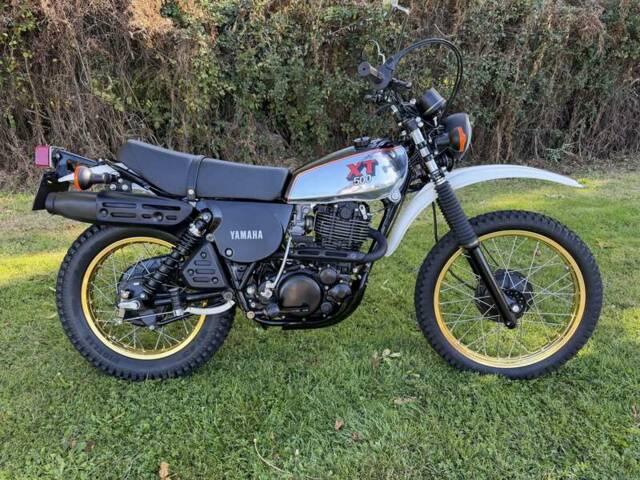
1982 | Yamaha XT 500
1982 Yamaha XT500 499cc
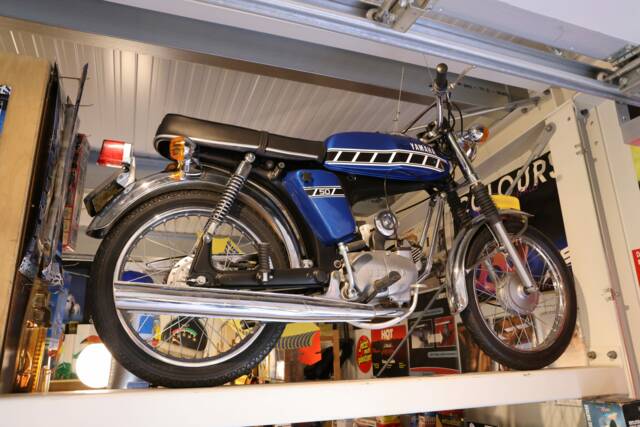
1900 | Yamaha RD 50 M
Yamaha 50 · Sammlung Sonderklasse · No reserve
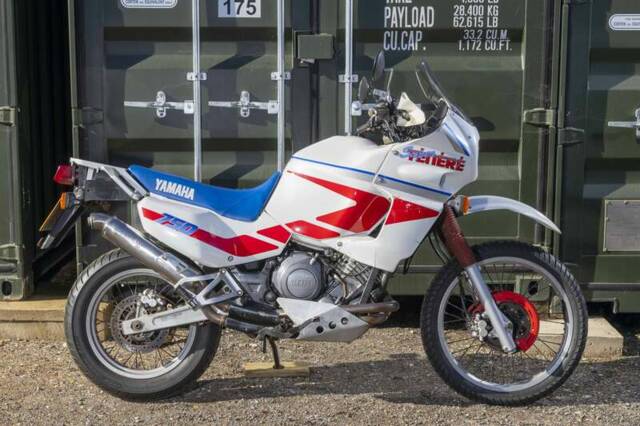
1991 | Yamaha XTZ 750 Super Ténéré
1991 Yamaha Super Tenere XTZ750 749cc
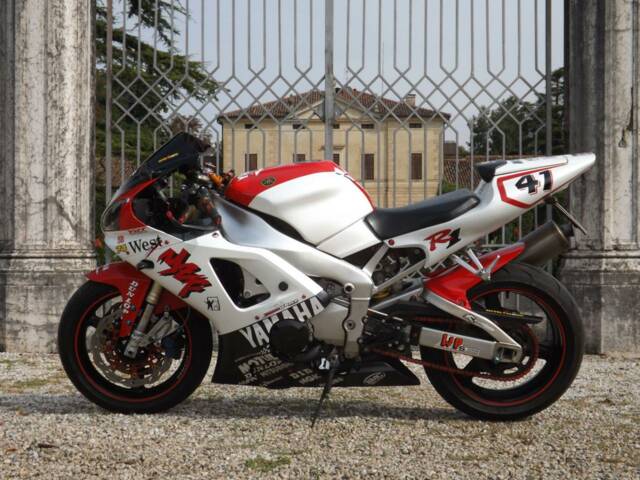
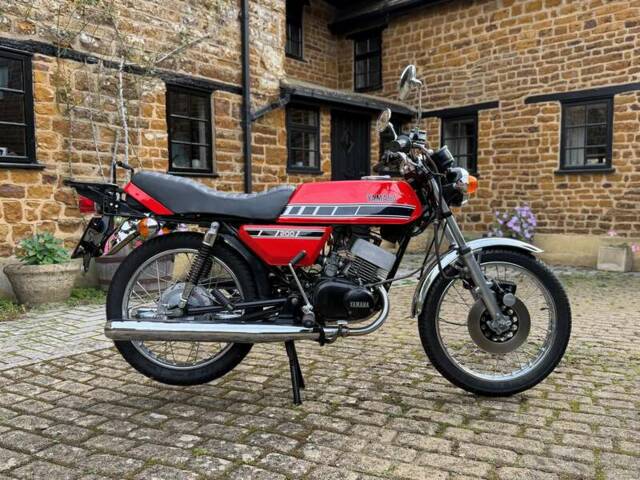
1978 | Yamaha RD 200
1978 Yamaha RD200 195cc
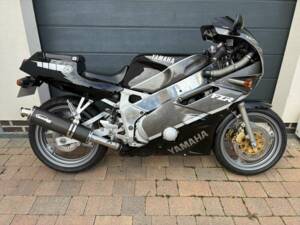
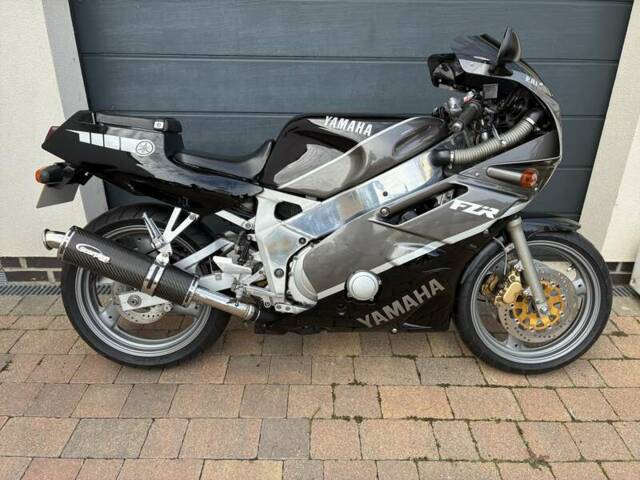
1998 | Yamaha FZR 400
1998 Yamaha FZR400 1WG 399cc
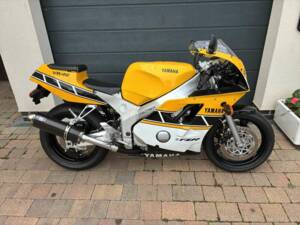
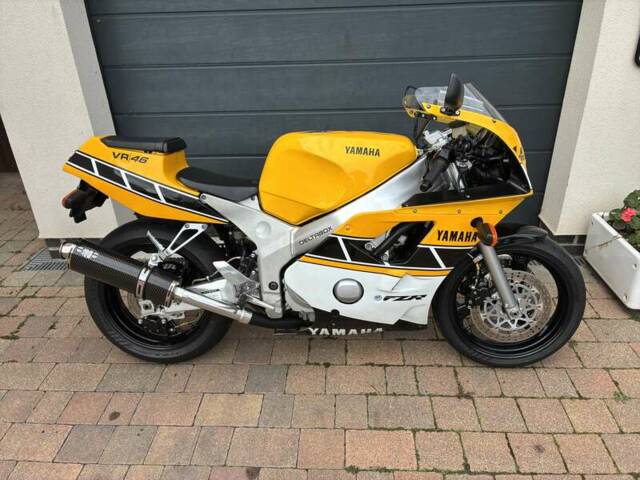
1992 | Yamaha FZR 400
1992 Yamaha FZR400RR 3TJ1 399cc
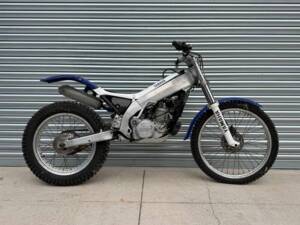
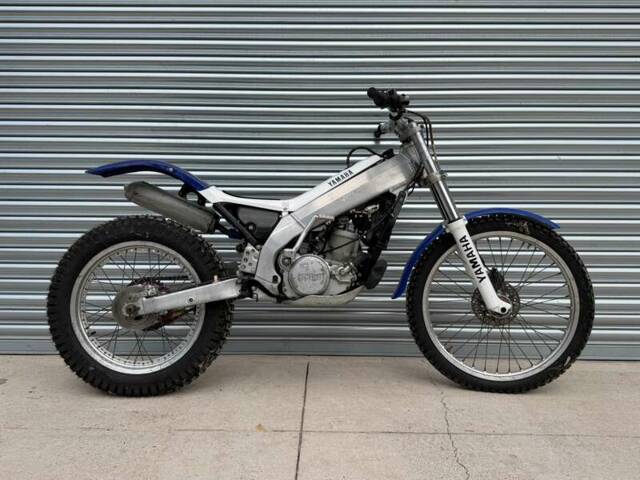
1993 | Yamaha TY 250
1993 Yamaha TY250Z 4GG Trials Bike 249cc
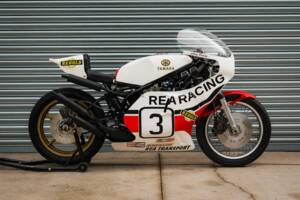
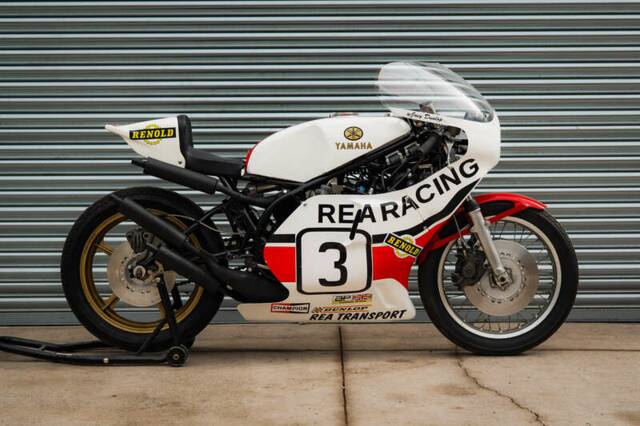
1979 | Yamaha TZ 750
**Sold Pre Sale** c.1979 Yamaha TZ750F Joey Dunlop Replica 747cc
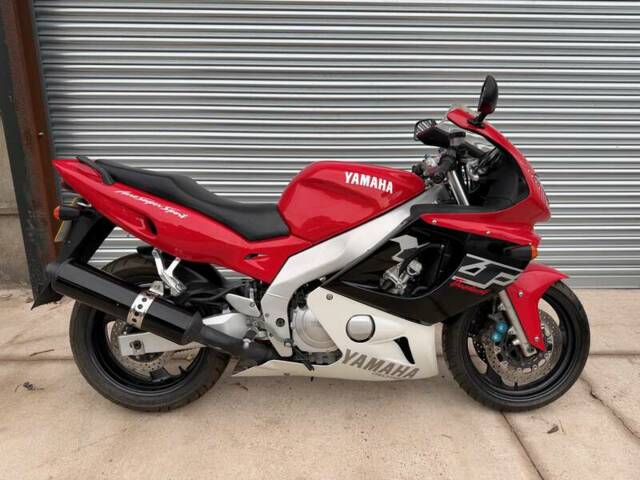
1997 | Yamaha YZF 600 R Thundercat
1997 Yamaha YZF600R Thundercat 599cc
History & Heritage
Yamaha Motor Co., Ltd. was established on 1 July 1955 in Hamamatsu, Japan, emerging from the industrial roots of Nippon Gakki Co., Ltd., a company that had been manufacturing pianos and organs since 1887. Genichi Kawakami, the fourth president of Nippon Gakki, looked for new ways to utilise idle aircraft propeller manufacturing machinery after the war. His decision to build motorcycle engines led to the creation of the YA-1, a 125cc two-stroke single inspired by the German DKW RT 125. Known as the "Akatombo" (Red Dragonfly) for its chestnut-red finish, the YA-1 proved its worth immediately by winning the Fuji Ascent Race in its debut year.
Throughout the 1960s, Yamaha focused on two-stroke technology, carving a distinct niche compared to Honda’s four-stroke path. This strategy paid off on the world stage. In 1961, Yamaha entered the World Championship, and by 1964, Phil Read secured the brand's first 250cc world title. The 1970s became a golden era for Yamaha racing, with legends like Jarno Saarinen, Giacomo Agostini, and Kenny Roberts dominating the grand prix circuits. Roberts, in particular, transformed the sport with his dirt-track-inspired knee-down style, winning three consecutive 500cc titles from 1978 to 1980.
In the UK, Yamaha’s history is inextricably linked to the "learner bike" culture. Until the law changed in 1983, 17-year-olds could ride any machine up to 250cc on L-plates. This created a massive market for high-performance lightweights. The RD 250 LC became the ultimate prize for young riders, offering race-bred performance in a package that could legally be ridden with a provisional licence. This "LC" (Liquid Cooled) generation, affectionately known as the "Elsie," remains one of the most culturally significant motorcycles in British history.
The 1970s also saw the birth of the XT 500 (1976), which defined the modern enduro class and became the bike of choice for desert adventurers, famously winning the first two Paris-Dakar Rallies in 1979 and 1980. Meanwhile, the XS 650 parallel twin proved that Yamaha could build a reliable, oil-tight machine that captured the spirit of traditional British twins. Moving into the 1980s and 1990s, Yamaha pushed the boundaries of multi-cylinder performance with the five-valve Genesis engine in the FZ 750 and FZR 1000, culminating in the 1998 release of the YZF-R1, which redefined the supersport category overnight.
Highlights & Key Features
Yamaha’s success as a collector brand is built on three pillars: Two-Stroke Mastery, Off-Road Prowess, and Engineering Innovation. Unlike many competitors, Yamaha has managed to dominate diverse segments with equally iconic models.
The RD 250 LC and RD 350 LC (1980–1983) are perhaps the most lusted-after Japanese classics in the UK. The 350cc version, with its liquid-cooled parallel-twin engine, cantilever rear suspension, and TZ-inspired styling, was a giant-killer. It could humiliate much larger four-strokes on twisty B-roads. The Pro-Am race series, televised on Saturday afternoons in the early 80s, cemented the LC’s reputation as a "headbanger’s" favourite, where identical machines were ridden to the absolute limit by club racers and future stars alike.
The XT 500 (1976–1989) is the definitive big-single thumper. Its simplicity is its greatest asset: an air-cooled 499cc SOHC engine, a robust steel frame, and a distinctive aluminium tank. It is a motorcycle that feels mechanical and tactile, from the ritual of the kickstart to the rhythmic pulse of the exhaust. The SR 500 roadster variant, which used the same engine, became a cult classic in its own right and remains one of the most popular platforms for custom builds.
The XS 650 (1968–1985) is the motorcycle that beat the British at their own game. It offered the look, sound, and character of a traditional parallel twin but with Japanese reliability, an overhead cam, and (eventually) an electric start. It is incredibly robust, making it a favourite for high-mileage touring and, more recently, the global custom bobber and chopper scene.
The V-Max 1200 (1985–2007) broke all the rules of the cruiser market. It was a muscle bike with a 1,198cc V4 engine and the legendary V-Boost system, which opened butterfly valves between the intake manifolds at 6,000 rpm to provide a massive surge of power. It was built for one thing: straight-line acceleration that could tear the tread off a rear tyre.
The FZR 1000 (1987–1995), particularly the EXUP (Exhaust Ultimate Power Valve) models, represented the peak of 1990s superbike engineering. Yamaha’s five-valve Genesis engine and Deltabox aluminium frame provided a level of handling and power that made it the definitive "litre bike" of its era, winning numerous magazine "Bike of the Year" awards.
Technical Data
Market Overview & Buying Tips
The UK market for Yamaha classics is exceptionally vibrant, supported by a network of specialists and a deep-seated cultural affection for the brand. Prices have seen a steady rise over the last decade, with "hero" bikes like the RD350LC and XT 500 leading the way.
RD 250/350 LC (1980–1985)
The "Elsie" is the gold standard for 80s collectors. RD 250 LC models generally trade between £3,000 and £7,000. A matching-numbers 1984 example sold at the Bonhams Spring Stafford Sale in April 2025 for £5,520. The RD 350 LC is even more desirable, with original, well-maintained bikes fetching £7,000 to £12,000. A partially restored 1980 4L0 model achieved £11,500 at H&H Auctions in 2024.
Inspection Points:
- Originality: Standard exhausts are the holy grail. Many were replaced with Allspeed or Micron expansion chambers. Finding a bike with original "black chrome" pipes adds significant value.
- Engine: Listen for "small end" rattles or heavy vibration indicating crank wear. A full crankshaft rebuild is a specialist job costing upwards of £500.
- YPVS: On later models, ensure the power valve servo cycles correctly when the ignition is turned on.
- Bodywork: Original fuel tanks are prone to internal corrosion. Check for pinholes along the bottom seams.
XT 500 (1976–1989)
The XT 500 is a rock-solid investment. Prices for usable examples start around £3,500, but collectors will pay £6,000 to £10,000 for original UK-spec 1U6 models. An exceptional 1979 model from the collection of Harry Metcalfe (Harry's Garage) sold for £5,578 at Iconic Auctioneers in late 2025. Unused or "crate" examples can reach astronomical heights, with one recently fetching nearly £73,000 in a European auction, though this is an outlier.
Inspection Points:
- Kickstart: If the owner can't start it easily, it may have carburettor issues or low compression.
- Exhaust: Original exhausts are very rare and expensive to replace. Check the "collector" box for rot.
- Electricals: The 6-volt system is notoriously weak. Many owners convert them to 12-volt for better lighting and reliability.
- Oil: The XT uses a dry-sump system with oil in the frame. Check the oil level correctly (after warming up) and look for leaks around the frame down-tube.
XS 650 (1968–1985)
The XS 650 offers excellent value. Early XS1/XS2 models (1970–1972) are the rarest and most valuable, often reaching £6,000 to £8,500. Later Specials and Customs are more affordable, typically trading between £2,000 and £4,000. A nice 1981 Special II can still be found for under £2,300 on the private market.
Inspection Points:
- US Re-imports: Many XS 650s in the UK were imported from the States. Check that the paperwork is in order and that the bike has been properly "UK-spec'd" (headlamp beam pattern, etc.).
- Charging System: The permanent magnet alternators on early models often fail. Check the voltage across the battery when the engine is revving.
- Cam Chain: A noisy cam chain can be a simple adjustment or a sign of worn guides requiring an engine strip.
V-Max 1200 (1985–2007)
The V-Max is currently a sleeper in the classic market. You can pick up a decent rider-quality machine for £3,500 to £5,000. Pristine, low-mileage examples of the late-model "Carbon" editions can fetch £7,000 to £9,000.
Inspection Points:
- V-Boost: Ensure the system activates. You should feel a distinct surge in power around 6,000 rpm.
- Gearbox: Second gear can be a weak point on hard-ridden bikes. Check for jumping out of gear under acceleration.
- Brakes: Early models have notably wooden brakes for such a heavy, fast bike. Many owners upgrade to R1-style "blue spot" calipers.
FZR 1000 EXUP (1989–1995)
The "Fizzer" is one of the best performance-per-pound classics available. Good examples range from £3,000 to £6,000. Even the best EXUP models rarely exceed £8,000, though prices are beginning to firm up as clean, unthrashed examples become harder to find.
Inspection Points:
- EXUP Valve: The exhaust valve is prone to seizing if not serviced regularly. If it's stuck, the bike will have a massive flat spot in the power delivery.
- Oil Consumption: The five-valve head can be thirsty for oil. Check for blue smoke on the overrun.
- Suspension: The rear linkages often suffer from neglect. Check for play in the swingarm and shock mounts.
Riding Experience & Performance
Riding a classic Yamaha is an exercise in character. Each model offers a distinct sensory experience that defines its era.
The RD350LC provides a visceral, two-stroke thrill that is increasingly rare. Below 5,000 rpm, it is a civilised commuter, but as the needle sweeps past 6,000, the "powerband" hits with a sudden, addictive rush of acceleration accompanied by a shrill, metallic scream from the exhausts. It is a light, flickable machine that rewards an aggressive riding style. In the UK, the LC is the definitive "B-road blaster," its small dimensions making it perfect for carving through narrow country lanes.
The XT 500 offers a more deliberate, rhythmic experience. The low-rev torque of the big single allows you to chug through traffic or over rough terrain with ease. There is a great deal of satisfaction in mastered the "decompressor" lever and finding the exact spot on the sight-glass to kick the beast into life. On the move, the vibrations are a constant reminder of the massive piston rising and falling beneath you. It’s not a bike for high-speed motorways, but for a Sunday morning ride on a winding A-road, it is pure mechanical joy.
The XS 650 is the gentleman's classic. It feels substantial and stable, with a broad spread of power that makes it a very capable touring machine. The exhaust note is a deep, syncopated thrum that closely mimics a British 360-degree twin but with a smoother, more refined delivery. It handles neutrally and, provided the brakes are well-maintained, can keep up with modern traffic without feeling stressed.
The V-Max is all about the theatre of the engine. The riding position is upright, almost regal, until you twist the throttle. When the V-Boost kicks in, the bike stops being a cruiser and becomes a dragster. The sheer wall of torque is enough to make any rider grin, even if the chassis struggles to keep up with the engine's demands in the corners. It is a bike of extremes—heavy, thirsty, and brilliantly fast.
The FZR 1000 EXUP is a masterclass in balance. Despite its age, it still feels fast by modern standards. The EXUP valve ensures that there is always torque available, regardless of the gear, while the Deltabox frame provides a level of stability that was revolutionary in 1989. It is a big bike, but it hides its weight well once on the move, offering a planted, confidence-inspiring ride that makes long-distance sport-touring a pleasure.
Design & Aesthetics
Yamaha’s design philosophy, often termed "Kando" (the simultaneous feeling of deep satisfaction and intense excitement), is evident across its classic range. The triple tuning fork logo is a constant reminder of the brand's musical heritage, symbolising the harmony between technology, production, and sales.
The YA-1 set the tone in 1955 with its elegant, slim proportions and "Red Dragonfly" colour scheme, which stood out in a sea of drab, black post-war motorcycles. This eye for colour and form continued through the decades.
The XT 500 is a masterpiece of functional minimalism. Every part has a purpose, from the high-mounted exhaust to the polished aluminium fuel tank that has become an icon of 70s design. It is a rugged, handsome machine that looks just as good parked outside a London café as it does covered in mud in the Sahara.
The RD 250/350 LC brought a new, sharper aesthetic to the 80s. The "bikini" fairing, integrated side panels, and the signature white-and-blue or black-and-gold liveries defined the look of a generation. The Speedblock design, famously worn by Kenny Roberts, remains one of the most recognisable racing liveries in history and is still used on Yamaha’s modern heritage models.
The XS 650 followed a more traditional path, with its teardrop tank, wire wheels, and ample chrome. It is a timeless design that hasn't aged a day. Its "unit construction" engine is particularly handsome, with clean lines that make it a natural centerpiece for any custom build.
The V-Max is pure visual muscle. The massive intake scoops, exposed V4 engine, and fat rear tyre create a silhouette that is unmistakable. It doesn't care about aerodynamics or subtlety; it is a brutal, industrial-looking machine that celebrates raw power.
The FZR 1000 introduced the "endurance racer" look to the street, with its twin round headlights and full fairing. The Deltabox frame was not just a structural component but a key part of the bike's visual identity, its massive aluminium beams signaling the bike's high-tech credentials.
Racing & Cultural Significance
Yamaha’s cultural footprint in the UK is massive, largely thanks to its dominance in racing and its influence on youth culture.
The RD350LC "Elsie" wasn't just a motorcycle; it was a phenomenon. In the early 80s, it was the bike that every teenager wanted and every parent feared. The Yamaha Pro-Am series was a stroke of marketing genius, pitting professional racers like Niall Mackenzie and Kenny Irons against ambitious clubmen on identical LCs. The races were chaotic, thrilling, and showcased the LC’s giant-killing potential to a national audience. This racing pedigree, combined with the bike's accessibility, created a loyal following that persists to this day.
Yamaha also played a pivotal role in the Mod revival of the late 70s and early 80s. While Vespa and Lambretta were the traditional choices, many UK youngsters turned to Yamaha’s small-capacity two-strokes for a more reliable and faster alternative. The brand's association with cool, high-tech performance resonated with a generation looking to move beyond the post-war era.
In the off-road world, the XT 500 created the "adventure bike" segment long before the term was coined. It proved that a single-cylinder motorcycle could travel across continents, inspiring thousands of British riders to head south towards Africa. The XT’s success in the Paris-Dakar Rally made it a symbol of freedom and endurance.
Yamaha’s modern racing success with Valentino Rossi has kept the brand at the forefront of the public consciousness. Rossi’s move to Yamaha in 2004 and his subsequent world titles on the YZR-M1 cemented the brand's status as a winner in the four-stroke MotoGP era, mirroring the two-stroke dominance of Kenny Roberts decades earlier.
For the British collector, a Yamaha is often more than just a machine; it is a link to a specific moment in time—be it the Saturday morning blast to the local bike meet, the first time they felt a two-stroke powerband, or the dream of riding across a desert.
Summary
Yamaha offers one of the most diverse and rewarding paths for the classic motorcycle enthusiast. Whether you are drawn to the screaming two-stroke performance of an RD350LC, the go-anywhere ruggedness of an XT 500, or the timeless parallel-twin charm of an XS 650, there is a Yamaha that fits the bill.
For the investor, original, low-mileage LCs and XTs remain the safest bets, with prices continuing to climb as generation-X collectors seek out the bikes of their youth. For the rider, the V-Max and FZR 1000 offer incredible performance and character for relatively modest outlays.
The UK is one of the best places in the world to own a classic Yamaha. With specialists like Yambits, Norbo (RDLC Crazy), and Granby Motors providing excellent parts support, and a calendar full of club meets and track days, keeping these machines on the road is both achievable and enjoyable.
When you buy a Yamaha, you aren't just buying a motorcycle; you are becoming part of a heritage that spans from the first piano workshops of Hamamatsu to the top step of the MotoGP podium. It is a brand that has always dared to be different, and that spirit lives on in every one of its classic machines. Find your perfect Yamaha today and discover why the triple tuning forks have been the heartbeat of British motorcycling for nearly 70 years.