- Motorcycle
- Triumph (13 offers)
Buy Triumph Motorcycles
Since 1902, Triumph has defined British motorcycling through engineering excellence and a rebellious spirit. From the record-breaking Bonneville to the modern Speed Triple, the Hinckley-based manufacturer continues to build machines that capture the heart of riders worldwide.
Search results
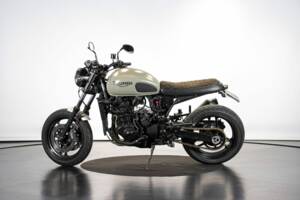
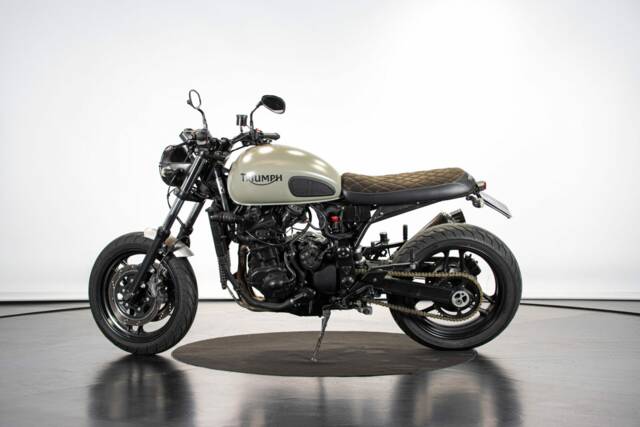
1994 | Triumph Trident 900
Triumph TRIDENT 900 CAFE' RACER

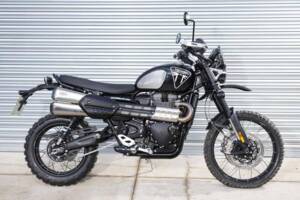
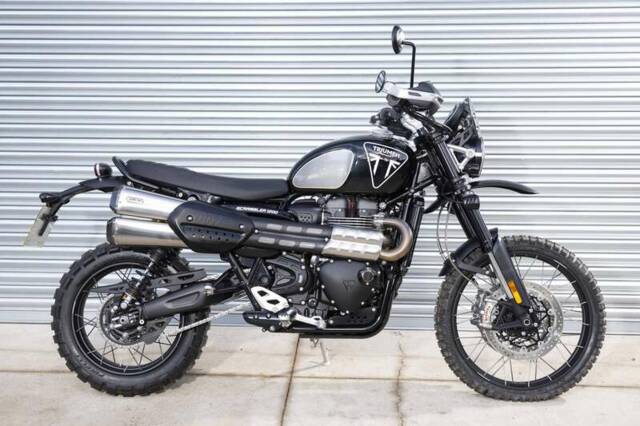
2020 | Triumph Scrambler 1200 Bond Edition
2020 Triumph 1200 Scrambler 'Bond Edition' 1200cc - Zero Miles
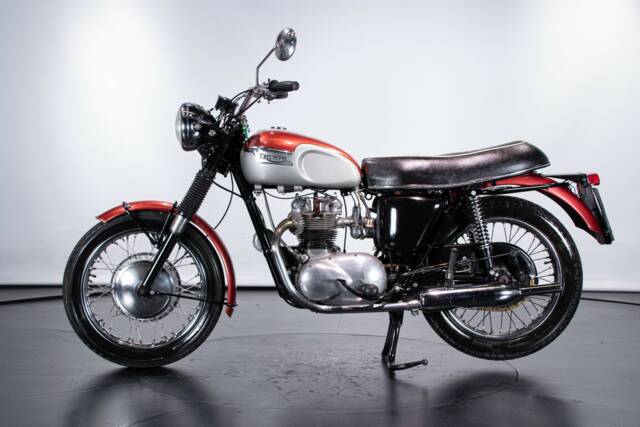
1969 | Triumph T 100 Daytona
Triumph DAYTONA 500
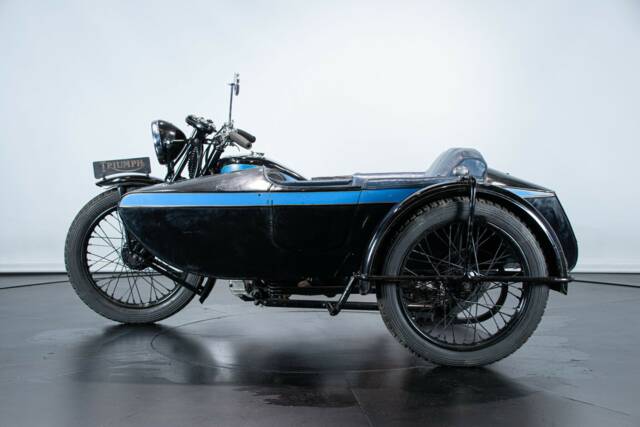
1929 | Triumph SD
Triumph CSD 550 SIDECAR
Newsletter
The best Triumph listings, straight to your inbox
Get hand-picked Triumph listings, plus the best of cars, motorbikes, and auctions on Classic Trader — all in one place.
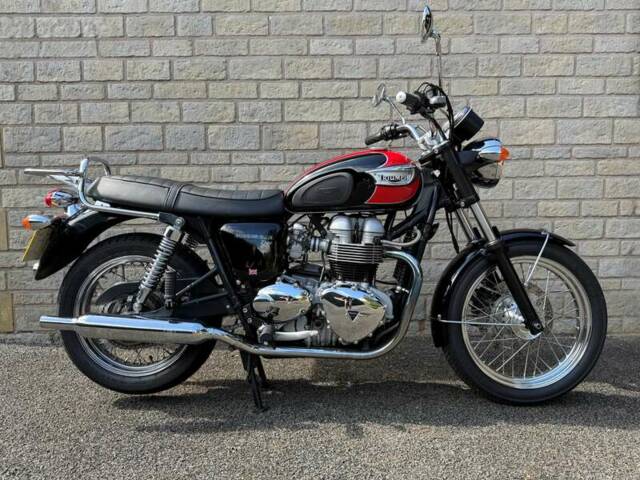
2005 | Triumph Bonneville T100
2005 Triumph T100 Bonneville 865cc
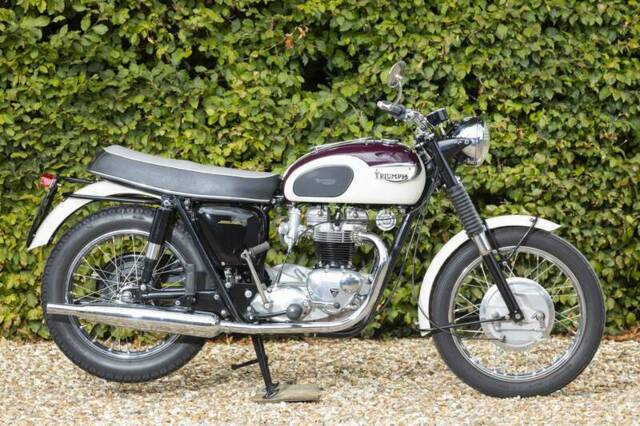
1967 | Triumph Bonneville T120TT
1967 Triumph Bonneville T120 650cc
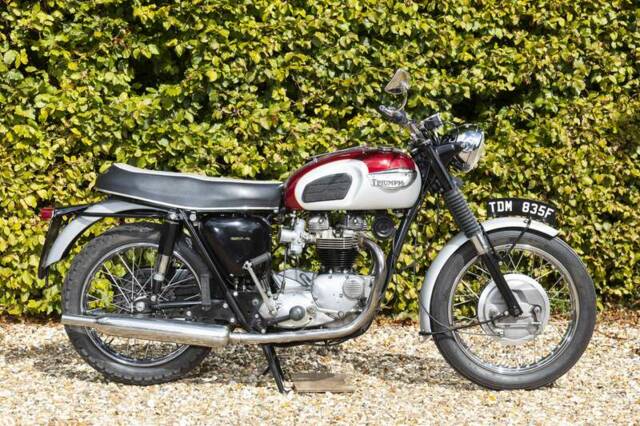
1968 | Triumph Bonneville T120
1968 Triumph Bonneville T120R 650cc
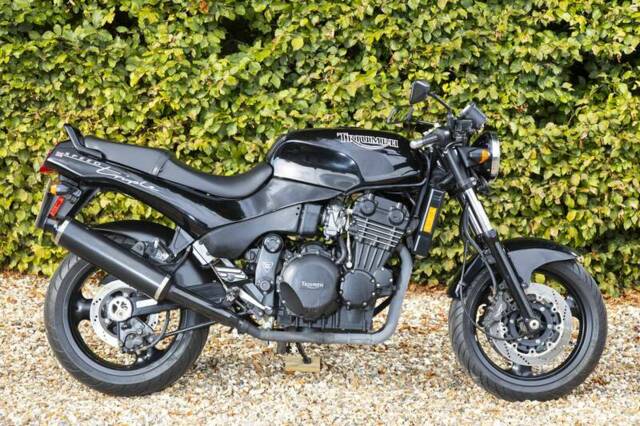
1999 | Triumph Speed Triple
1999 Triumph Speed Triple 885cc
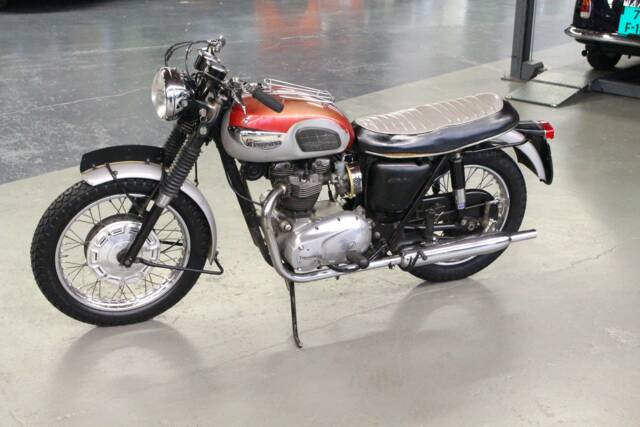
1968 | Triumph Bonneville T120
For sale: 1968 Triumph Bonneville T120

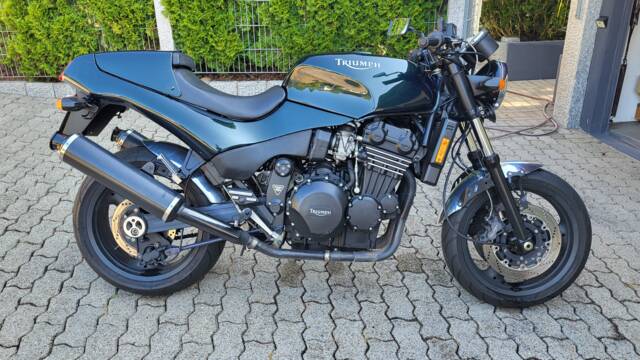
1995 | Triumph Speed Triple
(T300B) – First series 1995 – 2nd owner since 2011

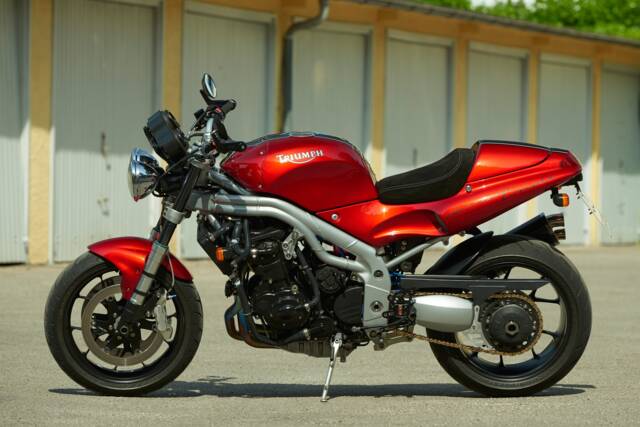
1998 | Triumph Speed Triple
Triumph Speed Triple T509 Mk2 Restomod – documented rebuild
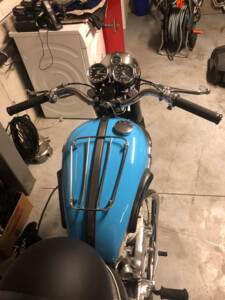
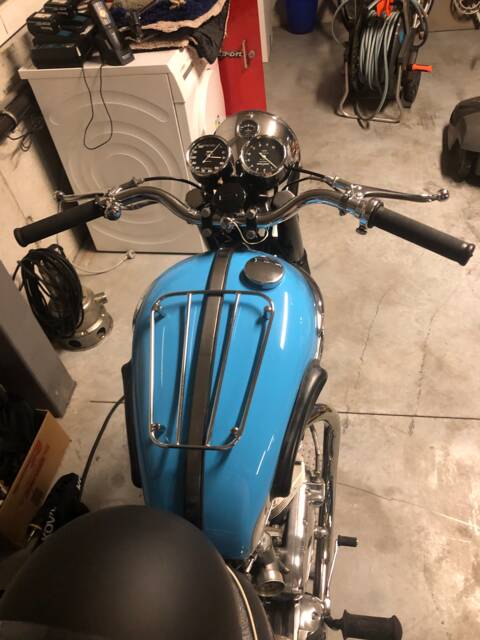
1961 | Triumph T 120 Bonneville
1961 Triumph Bonneville T120

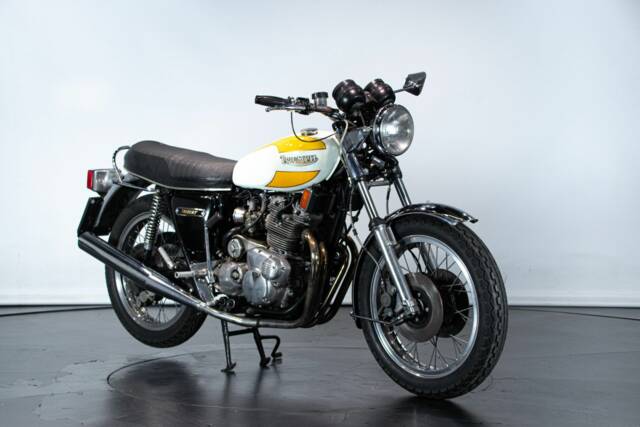
1975 | Triumph T 160 Trident
RARISSIMA !
History & Heritage
The Triumph story began in 1885 when Siegfried Bettmann, a German immigrant, founded the Triumph Cycle Company in Coventry. By 1902, the first motorised model—a bicycle fitted with a Belgian Minerva engine—rolled out of the factory, marking the birth of a British icon. Production grew rapidly, and by the early 1920s, Triumph was producing 30,000 machines annually, including the famous Model H "Trusty Triumph" used extensively during the First World War.
The 1930s brought significant change. In 1936, the motorcycle division was sold to Jack Sangster, who appointed the visionary Edward Turner as chief designer and managing director. Turner’s arrival heralded a golden era, starting with the Speed Twin (T100) in 1937. Its 500cc parallel-twin engine set the template for British motorcycles for the next four decades, offering performance and smoothness that outclassed the single-cylinder competition.
Post-war, Triumph became a global powerhouse. In 1956, Johnny Allen reached 214 mph on a Triumph-powered streamliner at the Bonneville Salt Flats in Utah, leading to the launch of the Bonneville T120 in 1959. This model became the definitive British superbike of the 1960s, favoured by everyone from TT racers to Hollywood stars. Despite the merger with BSA in 1951, Triumph maintained its distinct identity and engineering leadership.
The 1970s were turbulent. The rise of Japanese manufacturers and internal industrial disputes led to the formation of the Meriden Workers' Co-operative. Production struggled on until 1983 when the company finally went into receivership. However, the name was saved by property developer John Bloor, who invested millions to build a state-of-the-art factory in Hinckley. The "new" Triumph debuted in 1990 with a range of modular three- and four-cylinder bikes like the Trident and Daytona, proving that British engineering could once again compete on the world stage. Today, Triumph stands as the UK's largest motorcycle manufacturer, blending heritage with cutting-edge technology.
Highlights & Key Models
Triumph’s legacy is built on a handful of models that redefined their respective eras. For collectors, these machines represent the pinnacle of British design and performance.
The Bonneville T120 (1959–1974) remains the most sought-after classic. Its 650cc twin-carburettor engine and "slimline" frame made it the bike to beat on the road and the track. Early "pre-unit" models (where the engine and gearbox are separate) are particularly prized for their purity of line. The 6T Thunderbird (1949–1966) gained fame as Marlon Brando’s mount in The Wild One, establishing Triumph as the brand of choice for the "cool" and the rebellious.
In the 1970s, the T160 Trident represented the final flourish of the Meriden era. Its 750cc three-cylinder engine offered a level of sophistication and speed that challenged the best from Japan, featuring an electric start and disc brakes—luxuries for a British bike at the time. For those seeking a smaller, more agile machine, the T100 Daytona provided 500cc of high-compression sportiness, named after Triumph’s success at the famous Florida circuit.
The Hinckley era introduced its own legends. The Speed Triple (launched 1994) created the "factory streetfighter" category. With its exposed 885cc (later 1050cc) triple engine and aggressive "bug-eye" headlights, it became a modern classic almost overnight. Meanwhile, the modern Bonneville T100 and T120 (2001–present) have successfully brought the classic aesthetic into the 21st century, offering EFI, ABS, and liquid cooling without sacrificing the timeless silhouette that made the original famous.
Technical Data
Classic Era (Meriden 1959–1983)
Modern Classics (Hinckley 1990–Present)
Market Overview & Buying Tips
UK Price Ranges & Auction Results (2024–2025)
The UK market for classic Triumphs remains buoyant, with strong interest at major auctions like Bonhams Stafford and H&H.
- Bonneville T120 (1959–1974): Early 1959 "Tangerine Dream" models are the holy grail, often exceeding £25,000–£35,000 for concours examples. Standard 1960s unit-construction models typically fetch £8,000–£14,000 depending on condition. A 1958 T120 (pre-production) recently sold at Bonhams for £11,500 inc. premium, showing that provenance matters as much as condition.
- 6T Thunderbird: A more affordable entry into the 650cc twin world. Expect to pay £6,000–£10,000 for a good runner. Sidecar combinations can add value or decrease it depending on the buyer's needs.
- T160 Trident: Prices have stabilised around £6,000–£9,000 for solid UK-supplied bikes. Exceptional restored examples can reach £12,000. Note that triple engine rebuilds are significantly more expensive than twins.
- Speed Triple 900/1050: Early 900s (1994–1996) are becoming "future classics" with prices for clean bikes rising to £3,500–£5,000. The 1050 (2005–2010) offers incredible value, with high-mileage but well-maintained examples available from £3,000, while low-mileage 2011+ models sit around £4,000–£6,000.
Buyer Profiles & Advice
- The Purist: Looks for "matching numbers" (frame and engine numbers must align, standard from 1950). Originality is key—check for correct Amal carburettors and Lucas electrics.
- The Customiser: Often starts with a Hinckley Bonneville 865 or 1200. These are robust platforms for Café Racer or Scrambler builds. Parts availability from suppliers like British Customs or Squaredeals is excellent in the UK.
- The Weekend Rider: The Hinckley Bonneville T100 (EFI models from 2008) is the perfect choice. It offers the classic look with modern reliability for under £5,000.
Common Inspection Points
- Oil Leaks: While "British bikes leak oil" is a cliché, excessive leaks from the primary drive or pushrod tubes on Meriden twins suggest tired seals or warped casings.
- Electrical Systems: Classic Lucas "Prince of Darkness" systems often benefit from modern electronic ignition upgrades (e.g., Boyer Bransden). On Hinckley triples, check the sprag clutch—a noisy start is a warning sign of an expensive repair.
- Frame Integrity: Inspect the "oil-in-frame" models (1971 onwards) for cracks around the headstock. UK bikes often suffer from corrosion on the lower frame rails and swingarm.
- Service History: For modern Triumphs, a stamped book is vital. The 12,000-mile valve clearance check is a major service; ensure it has been performed.
Riding Experience
Riding a Triumph is an exercise in sensory engagement. The classic Meriden Twins offer a visceral connection to the road. At idle, the bike dances on its stand; as you pull away, the 360-degree crank provides a rhythmic, thumping soundtrack that is quintessentially British. The torque is immediate, pulling cleanly from low revs, making them a joy on twisty B-roads. However, they require an active rider—you don't just sit on a T120, you manage it, feeling every vibration and mechanical click.
The Trident T160 offers a different character. The three-cylinder engine is smoother and more sophisticated, with a howling exhaust note that rises to a crescendo as you approach the redline. It feels more planted and stable at speed than the twins, a true "gentleman’s express" for crossing counties.
Modern Hinckley Triples like the Speed Triple are adrenaline-fuelled. The 1050cc engine is famous for its "wall of torque," providing instant thrust in any gear. The intake growl and exhaust pop on overrun create a hooligan personality that is addictive. In contrast, the modern Bonneville T120 (1200cc) is the master of relaxed cruising. The 270-degree crank gives it a characterful "v-twin" feel, while the liquid cooling and ride-by-wire throttle make it effortless to ride in modern traffic. It’s the bike for those who want the style of 1959 with the manners of 2025.
Design & Philosophy
Triumph design has always been about functional elegance. Edward Turner believed that a motorcycle should look as good as it goes. His "Speed Twin" set the standard: a compact, symmetrical engine that was the focal point of the machine, complemented by a teardrop tank and sweeping mudguards.
The Bonneville took this further with its iconic two-tone paint schemes—like the 1959 "Tangerine Dream"—and the "peashooter" exhausts that became a brand signature. Even during the difficult 1970s, Triumph maintained a sense of style that their Japanese rivals struggled to replicate. The design was never about being the most aerodynamic; it was about being the most "right."
When John Bloor revived the brand, he understood that DNA was everything. The Speed Triple was a masterstroke of design, stripping away the fairings of the Daytona to reveal the muscular triple engine, creating a look that was both brutal and beautiful. The modern Bonneville range is perhaps the most successful example of "retro-modern" design in the industry. Every detail, from the fake carburettor bodies (which actually house fuel injectors) to the finned cylinders, is a tribute to the past, executed with modern precision.
Racing & Culture
Triumph’s soul is inextricably linked to the Isle of Man TT. From the first races in 1907 to the dominant "Slippery Sam" Trident that won five consecutive Production TTs in the 1970s, the Mountain Course has been Triumph’s proving ground. This racing heritage isn't just about trophies; it’s about the "Ton-Up" culture of the 1960s.
In London, the Ace Cafe became the spiritual home of the Rockers. Their weapon of choice was the Triumph Bonneville, modified into a Café Racer to hit the magic 100 mph mark between transport cafes. This stood in stark contrast to the Mod culture, where Italian scooters were the norm. The rivalry between Mods and Rockers, famously coming to a head in Brighton in 1964, cemented Triumph’s status as the ultimate "rebel" machine.
Hollywood furthered this image. Steve McQueen, perhaps the most famous Triumph enthusiast, famously rode a TR6 Trophy in The Great Escape. His personal love for the brand, including competing in the International Six Days Trial (ISDT) on a Triumph, gave the brand a level of "cool" that money couldn't buy. Today, that culture lives on through the global "Distinguished Gentleman’s Ride," an event founded on the classic style that Triumph embodies.
Summary
Triumph is more than just a motorcycle manufacturer; it is a pillar of British industrial heritage. Whether you are drawn to the mechanical purity of a Meriden Bonneville, the sophisticated howl of a T160 Trident, or the brutal performance of a Speed Triple, a Triumph offers a riding experience defined by character and soul.
For the collector and enthusiast:
- The Bonneville T120 remains the definitive classic, with values for early models continuing to rise.
- The 6T Thunderbird offers a more accessible route into the world of classic British twins.
- The Speed Triple 1050 is a modern legend, offering supercar-slaying performance with future-classic potential.
- The Hinckley Bonneville range provides the perfect entry point for those who want the look without the oil leaks.
With 8 offers currently available on Classic Trader, your journey into the world of Triumph starts here. Find a machine that doesn't just take you from A to B, but tells a story with every mile.