- Motorcycle
- Kawasaki (14 offers)
Buy Kawasaki Motorcycle
Since 1960, Kawasaki has engineered motorcycles that redefine performance boundaries. From the revolutionary Z1 900 and the notorious two-stroke triples to the Ninja that set the template for modern superbikes, the Japanese marque remains a cornerstone of British motorcycling culture.
Search results
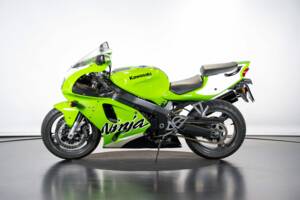
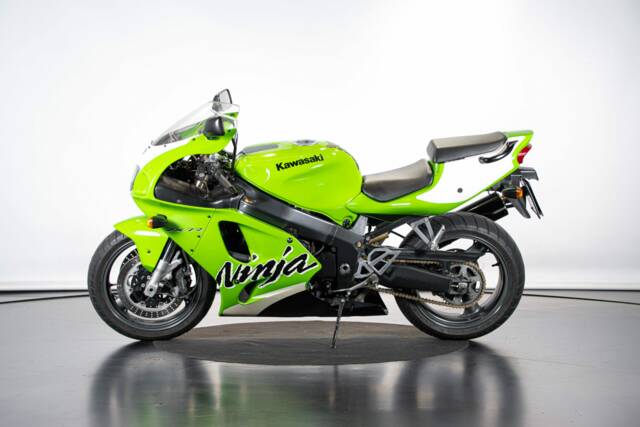
1999 | Kawasaki Ninja 750 ZX-7R
Kawasaki ZX-7R NINJA
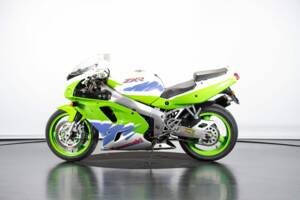
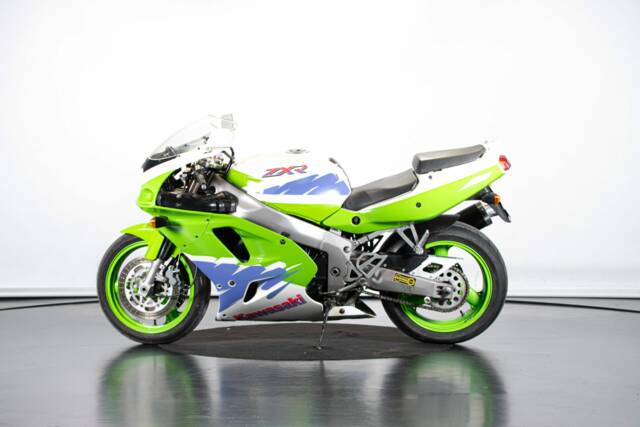
1994 | Kawasaki ZX-R 750
Kawasaki ZXR 750 R
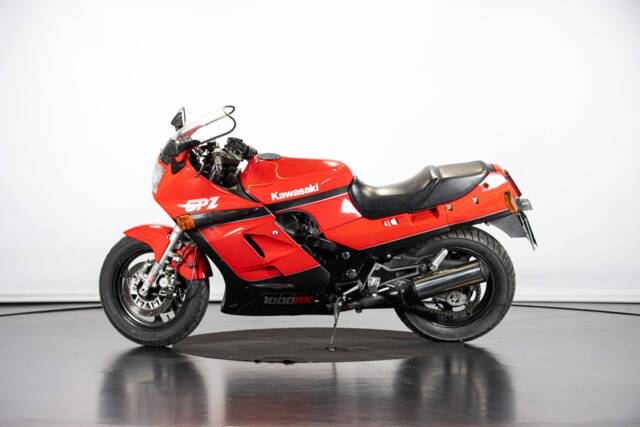
1986 | Kawasaki GPz 1000RX
Kawasaki GPZ 1000 RX
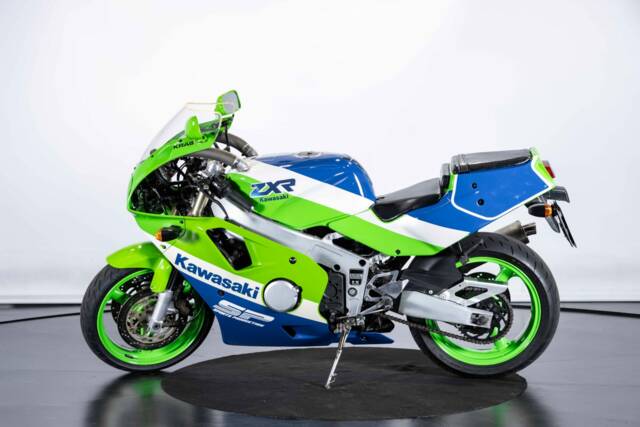
1991 | Kawasaki ZX-R 400
Kawasaki ZX-R 400
Newsletter
The best Kawasaki listings, straight to your inbox
Get hand-picked Kawasaki listings, plus the best of cars, motorbikes, and auctions on Classic Trader — all in one place.
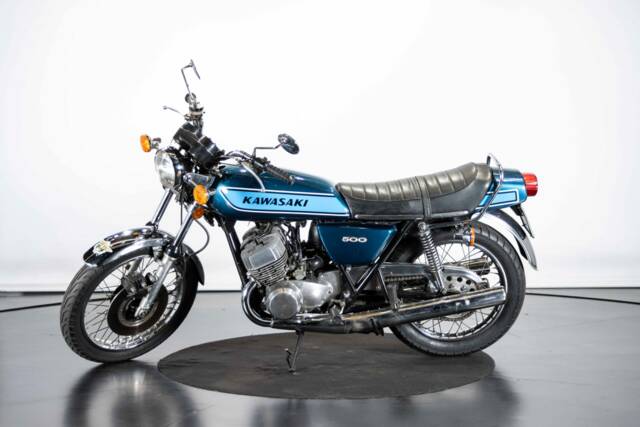
1976 | Kawasaki H1 500 Mach III
Kawasaki 500 MACH III
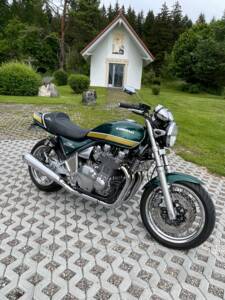
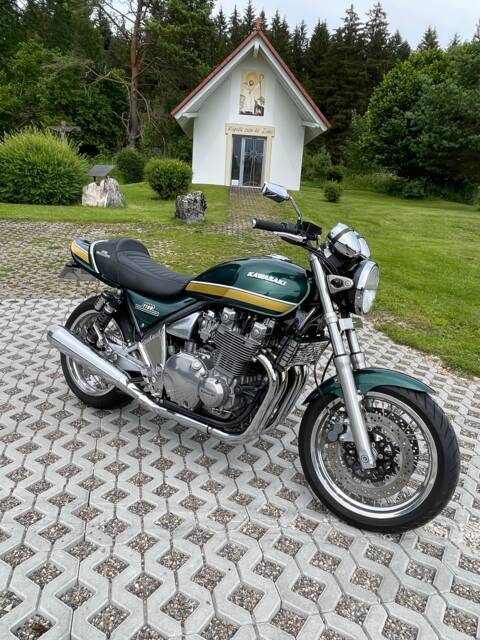
1994 | Kawasaki ZR 1100 Zephyr
Top restored, perfect condition, show bike

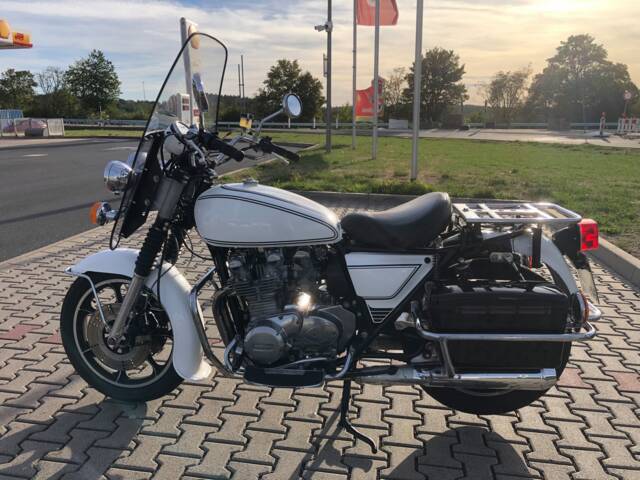
1979 | Kawasaki Z 1000
Oltimer, Police, Z1000-C2
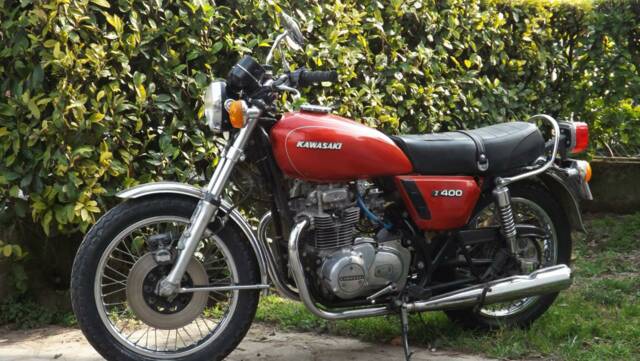
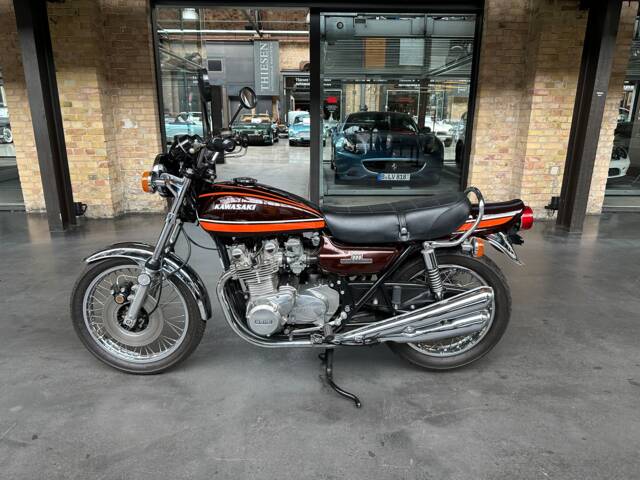
1975 | Kawasaki Z 900
collection condition
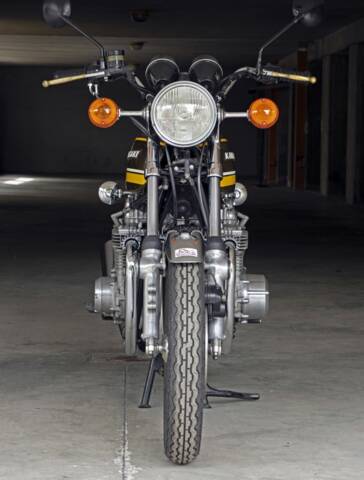
1974 | Kawasaki Z 900
1974 Kawasaki Z1 900
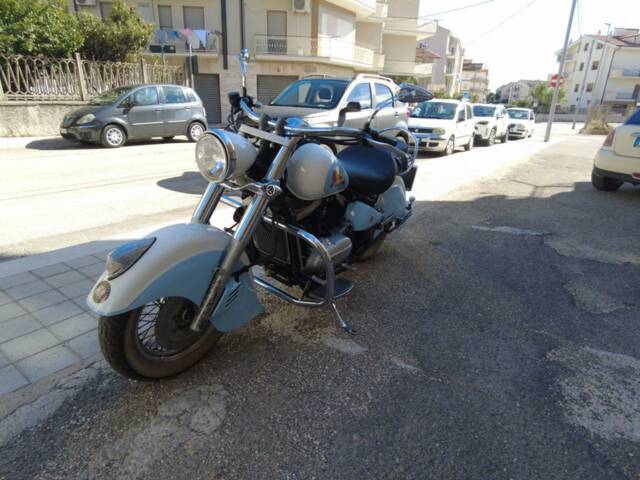
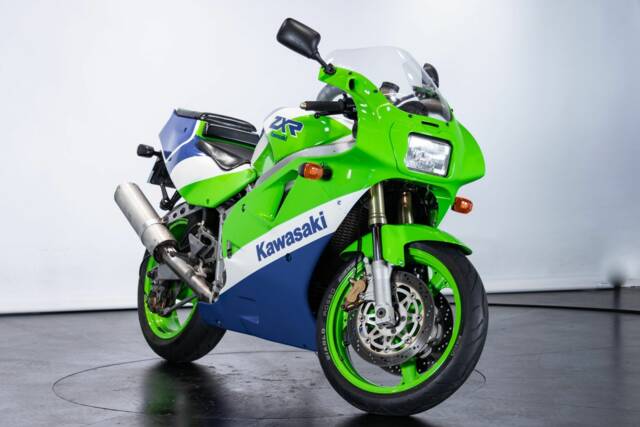
1990 | Kawasaki ZX-R 400
H1 Version - RARE FIRST SERIE !!
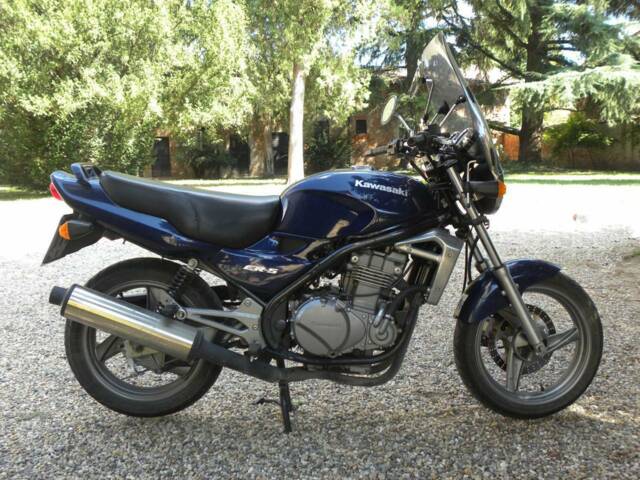
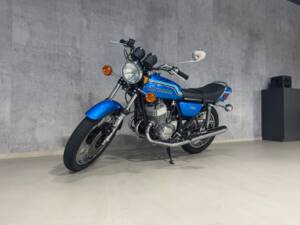
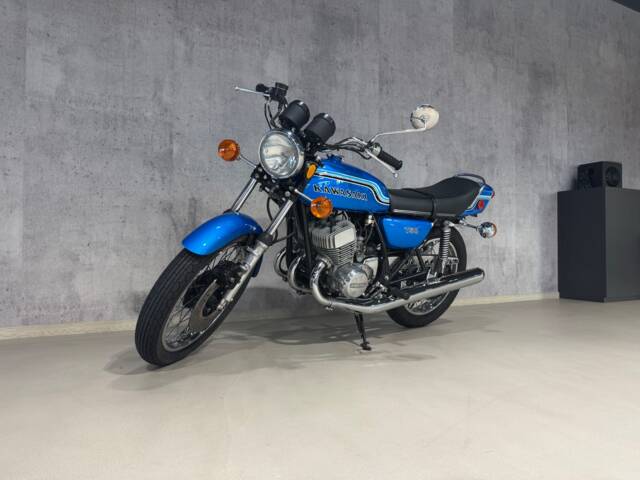
Kawasaki listing references from Classic Trader
Below you will find listings related to your search that are no longer available on Classic Trader. Use this information to gain insight into availability, value trends, and current pricing for a "Kawasaki" to make a more informed purchasing decision.
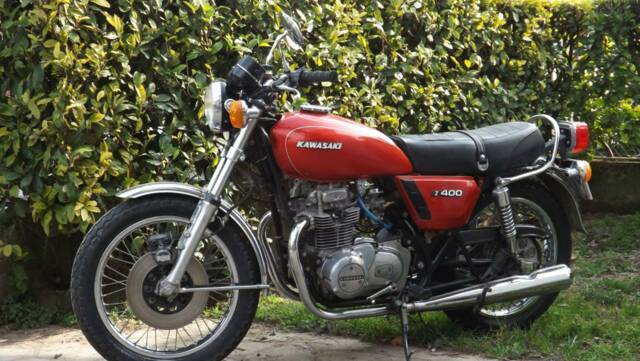
1979 | Kawasaki Z 400
-
History & Heritage
The story of Kawasaki Heavy Industries is one of industrial might transitioning into two-wheeled dominance. Founded in 1896 by Shozo Kawasaki, the company initially focused on shipbuilding, locomotives, and aircraft engines. It wasn't until 1960 that Kawasaki entered the motorcycle market by acquiring the Meguro Motorcycle Company. Meguro was the only Japanese manufacturer at the time producing 500cc machines, providing Kawasaki with the necessary expertise to compete on a global scale.
The first true Kawasaki-branded motorcycle was the B8 125cc in 1961, a modest two-stroke. However, the brand's ambition was far greater. In 1966, they released the W1 650, a 50hp four-stroke heavily inspired by British twins like the BSA A10. While the W1 proved Kawasaki could build large-capacity bikes, it was the 250 A1 Samurai (1967) that established their reputation for speed. This twin-cylinder two-stroke delivered 31hp, a staggering figure for its size, and signaled the arrival of a manufacturer that prioritised performance above all else.
By the late 1960s, Kawasaki was ready to challenge the world. The 500 H1 Mach III (1969) became an instant legend. Its three-cylinder two-stroke engine produced 60hp, allowing it to clear the quarter-mile in just 13 seconds. However, its power far outstripped its chassis and braking capabilities, earning it the fearsome nickname "The Widowmaker". Despite—or perhaps because of—this reputation, it became a cult hit in the UK and USA.
In 1972, Kawasaki delivered a knockout blow to the competition with the Z1 900. Originally intended to be a 750cc machine to rival Honda's CB750, Kawasaki increased the displacement to 903cc after Honda beat them to market. The Z1 featured a DOHC four-cylinder engine producing 82hp, making it the fastest production motorcycle in the world. It was voted "Machine of the Year" by MCN readers for several consecutive years and became the blueprint for the "Universal Japanese Motorcycle" (UJM).
The 1980s saw another revolution with the GPZ900R, the first to carry the Ninja name. Launched in 1984, it featured a liquid-cooled 16-valve engine and a compact chassis that allowed it to reach 155mph. It famously dominated the Isle of Man TT in its debut year, with Geoff Johnson taking victory in the Production 750-1300cc class. Its starring role in the film Top Gun cemented its status as a pop-culture icon.
Throughout the 1990s and into the 21st century, Kawasaki continued to push limits with the ZX-series and the Z-series naked bikes. The Zephyr range (1990) successfully tapped into the retro market, while the Z1300 (1979) six-cylinder "Dreadnaught" remains a testament to Kawasaki's engineering audacity. Today, the brand's heritage is celebrated by a dedicated community of British collectors and enthusiasts who value the raw, uncompromising nature of these machines.
Highlights & Features
Kawasaki motorcycles are defined by a "performance-first" philosophy that has produced some of the most characterful machines in history.
The Z1 900 Legacy: The Z1 wasn't just fast; it was sophisticated. Its DOHC (Double Overhead Camshaft) layout was a rarity for production bikes in 1972. The engine proved to be incredibly tough, often used as the basis for drag racers and endurance bikes. In the UK, the Z1 is the ultimate "poster bike" for the 1970s era.
Two-Stroke Triples: The H1 500 and H2 750 Mach IV represent the peak of two-stroke madness. The H2 750, with 74hp, was a sensory assault of noise, smoke, and sudden acceleration. These bikes are now highly prized by collectors who miss the visceral experience of a large-capacity two-stroke.
The Ninja Revolution: The GPZ900R changed the sportbike landscape forever. By placing the cam chain on the side of the engine rather than the middle, Kawasaki made the engine narrower, allowing for better aerodynamics and lean angles. It was the first production bike to exceed 150mph, a milestone that resonated deeply with the British "ton-up" culture.
Z1-R and the Cafe Racer Scene: Launched in 1978, the Z1-R was Kawasaki's factory take on the cafe racer trend. With its cockpit fairing, cast wheels, and 4-into-1 exhaust, it offered a sharper, more aggressive look that appealed to the UK market's love for custom-style performance.
Technical Innovation: Kawasaki has never been afraid to experiment. The KZ440LTD (1979) was the first Japanese production bike with a belt drive, while the Z1300 pushed the boundaries of what was physically possible for a road bike with its massive liquid-cooled six-cylinder engine.
Technical Data
Kawasaki Z1 900 (1972-1973)
Kawasaki H1 500 Mach III (1969-1975)
Kawasaki GPZ900R Ninja (1984-2003)
Market Overview & Buying Tips
The market for classic Kawasaki motorcycles in Great Britain has seen significant appreciation over the last five years. While the US market often sets the global pace, the UK has a particularly strong following for the Z-series and the early Ninjas.
Z1 900 (1972-1973): These are the "Blue Chip" investments. A genuine 1972 Z1 with matching numbers is a rare find in the UK. Prices for top-tier examples (Condition 1) can exceed £40,000, while good, usable examples (Condition 2/3) typically fetch between £25,000 and £35,000. The 1974 Z1A and 1975 Z1B are slightly more affordable but still command £15,000 to £22,000.
Two-Stroke Triples: The H2 750 is the most sought-after, with prices for excellent machines ranging from £15,000 to £20,000. The H1 500 is more accessible, usually found between £8,000 and £14,000 depending on the year and originality. Be wary of "bitsa" bikes (made from various parts) which are common in the UK.
GPZ900R Ninja: Early A1 and A2 models (1984-1985) in original "Top Gun" colours (Red/Grey or Blue/Silver) are rising in value. A clean, low-mileage A1 can fetch £8,000 to £12,000. Later models from the 1990s are still great value, often available for £3,000 to £5,000, though many have been modified or poorly maintained.
Z1300: The six-cylinder monster has a niche but dedicated following. Expect to pay £7,000 to £13,000 for a good one. Maintenance is complex and expensive, which keeps prices lower than the Z1.
What to Look for When Buying
- Frame and Engine Numbers: For a Z1, the frame number should be between Z1F-00001 and Z1F-19999. Engine numbers usually lag slightly behind frame numbers but should be within a reasonable range (typically within 200 units).
- Originality: In the UK, many Kawasakis were fitted with aftermarket 4-into-1 exhausts (like Marshall or Harris) in the 70s and 80s. While these sound great, a set of original "no-number" or "stamped" four-pipe exhausts for a Z1 can be worth £3,000 on their own.
- Corrosion: The British climate is notoriously hard on Japanese chrome and electrics. Check the inner seams of the fuel tank, the underside of the mudguards, and the frame rails for rot.
- Engine Health: On Z-models, listen for cam chain rattle. While the engines are tough, neglected valve clearances can lead to expensive head work. On two-strokes, a "leak-down" test is highly recommended to check the health of the crank seals.
- Parts Availability: The UK is well-served by specialists like Z-Power and Legend Motorcycles. Most service items for Z-series bikes are readily available, but bodywork and original exhaust systems for H-series triples are becoming increasingly difficult to source.
Riding Experience & Performance
Riding a classic Kawasaki is an exercise in managing raw mechanical energy. Unlike modern bikes that use electronics to mask their flaws, an old "Kwak" tells you exactly what it's doing—and what it doesn't like.
The Z1 Experience: Swinging a leg over a Z1 900 feels like stepping back to the dawn of the superbike era. The engine is surprisingly smooth for its age, with a deep, muscular hum that turns into a metallic howl as you pass 6,000 rpm. The torque is linear and effortless, making it a fantastic tourer even today. However, the "hinge in the middle" reputation of 70s Japanese frames is real. Push hard through a bumpy British B-road corner, and you'll feel the chassis flex. It’s not dangerous if you’re prepared for it, but it requires a deliberate, smooth riding style.
The Two-Stroke Rush: Riding an H1 or H2 is a completely different animal. Below 5,000 rpm, they can feel lethargic and "fluffy." But once the engine hits its powerband, the acceleration is violent. The front wheel goes light, the handlebars might wag, and you're propelled forward in a cloud of blue smoke. The brakes on early models are best described as "adequate for the 60s," so planning your stops is essential. It is a high-adrenaline experience that no modern four-stroke can replicate.
The Ninja Precision: The GPZ900R feels remarkably modern. The liquid-cooled engine is refined, and the 16-valve head allows it to rev freely to its 10,500 rpm redline. The 16-inch front wheel (on early models) makes the steering very quick, which can feel "twitchy" to those used to modern 17-inch wheels. It is a bike that rewards a sporty riding position and remains one of the best all-rounders in the classic world—capable of a 500-mile day or a spirited blast through the Cotswolds.
Design & Philosophy
Kawasaki's design language has always been aggressive. While Honda focused on approachability and Yamaha on elegance, Kawasaki built bikes that looked like they wanted to pick a fight.
The "Z" Aesthetic: The Z1 900's "Rootbeer and Orange" paint scheme is perhaps the most famous in motorcycling history. The way the tank flows into the side covers and the iconic "ducktail" rear cowl created a silhouette that every other manufacturer tried to copy. The four-into-four exhaust pipes were a statement of intent—a visual representation of the four cylinders and the power they contained.
The Ninja Identity: With the GPZ900R, Kawasaki embraced aerodynamics. The full fairing wasn't just for show; it was developed in a wind tunnel to ensure stability at 150mph. The sharp, angular lines and the "Ninja" script became a brand in themselves. In the UK, the "Lime Green" racing colours became synonymous with Kawasaki success on the track, a tradition that continues in World Superbikes today.
The Cafe Racer Influence: The Z1-R was a response to the European custom scene. Its silver-blue metallic paint and bikini fairing were a departure from the traditional "UJM" look. It proved that Kawasaki understood the emotional connection riders had with their machines—it wasn't just about the numbers on the spec sheet, but how the bike looked parked outside a cafe.
Racing & Culture
Kawasaki's reputation in Great Britain is inextricably linked to the Isle of Man TT. The Mountain Course is the ultimate test of a motorcycle's durability and speed, and Kawasaki has triumphed there many times. The 1984 victory of the GPZ900R is still talked about in paddock circles as the moment the modern superbike era truly began.
Top Gun and Pop Culture: You cannot discuss the GPZ900R without mentioning Top Gun. When Tom Cruise rode the Ninja across the tarmac alongside a fighter jet, it did more for Kawasaki's sales than a decade of advertising. In the UK, this movie helped transition the image of the motorcyclist from a greasy "rocker" to a high-tech "speed freak."
The UK Club Scene: The Kawasaki Z Club GB is one of the most active owner's clubs in the country. They provide invaluable support for members, from sourcing rare parts to organizing national rallies. Being part of the Kawasaki community in the UK means having access to a wealth of knowledge that can make the difference between a bike that sits in the garage and one that's reliably on the road.
The "Green Meanie" Legacy: Kawasaki's choice of Lime Green as a corporate racing colour was originally a psychological tactic—green was considered unlucky in racing, so Kawasaki used it to show they weren't afraid of superstition. Today, that green is a badge of honour for Kawasaki riders across the UK.
Summary
Kawasaki motorcycles of the classic era—specifically the Z1 900, the H-series triples, and the GPZ900R Ninja—are more than just old machines; they are milestones of engineering and cultural icons. They represent a time when manufacturers were taking huge risks to find the next level of performance.
For the British collector, these bikes offer a unique blend of Japanese reliability and raw, unadulterated character. Whether you're looking for the investment potential of a pristine Z1, the two-stroke madness of an H2, or the usable classic performance of a GPZ900R, Kawasaki has something to offer.
Buying a classic Kawasaki is an entry into a world of speed, heritage, and a community of like-minded enthusiasts. While they require more care and attention than a modern bike, the rewards—the sound of a Z1 at full chat, the rush of a triple's powerband, or the admiring glances at a local bike meet—are well worth the effort.
Classic Trader provides a platform to find these legendary machines, with listings from across the UK and Europe. When you buy a Kawasaki, you're not just buying a motorcycle; you're buying a piece of history that still has the power to thrill. Find your Kawasaki today and discover why "the good times roll" is more than just a slogan—it's a way of life.