- Car
- Lomax (4 offers)
Buy Lomax Classic Cars
A Lomax combines serviceable Citroën 2CV running gear with the mischievous presence of a British pre-war-style roadster. Find a well-built 223, 224, Lambda or Supertourer for open-air trips, practical tinkering and the sociable kit-car scene.
Search results


1973 | Lomax Type 224
Citroën - Le Patron


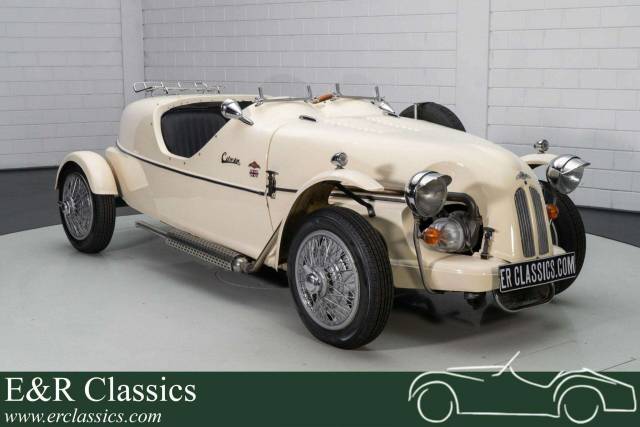
1954 | Lomax Type 224
Citroen Lomax Cabriolet
Auctions ending soon

Loading…
Loading…
Loading…
Loading…

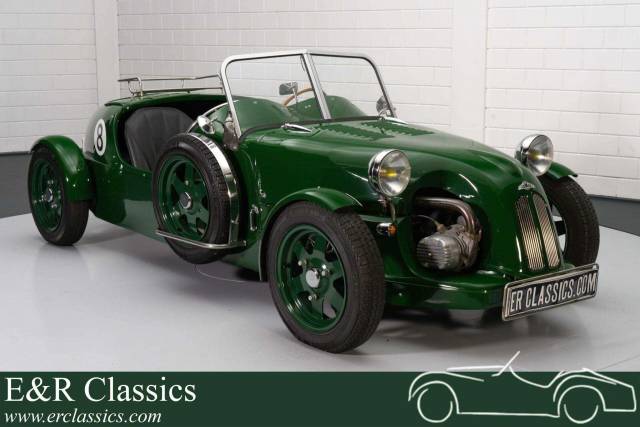
1981 | Lomax Type 223
Citroen Lomax Cabriolet

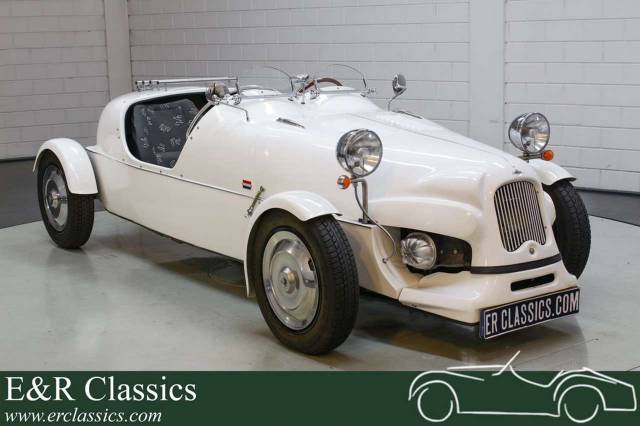
1983 | Lomax Type 224
Citroen Lomax | Concoursstaat | Gerestaureerd | 1983
Newsletter
The best Lomax listings, straight to your inbox
Get hand-picked Lomax listings, plus the best of cars, motorbikes, and auctions on Classic Trader — all in one place.
Lomax listing references from Classic Trader
Below you will find listings related to your search that are no longer available on Classic Trader. Use this information to gain insight into availability, value trends, and current pricing for a "Lomax" to make a more informed purchasing decision.
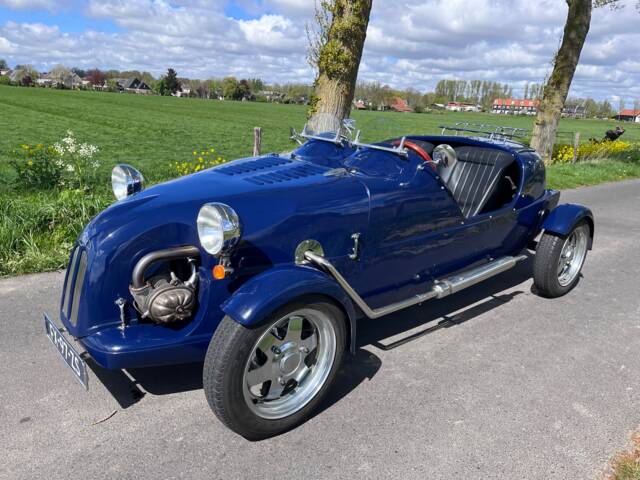
1980 | Lomax Type 224
Een karaktervolle lichtgewicht kitcar in uitstekende rijdende staat.

1979 | Lomax Type 224
Citroën Le Patron Lomax met aanhanger Lomax
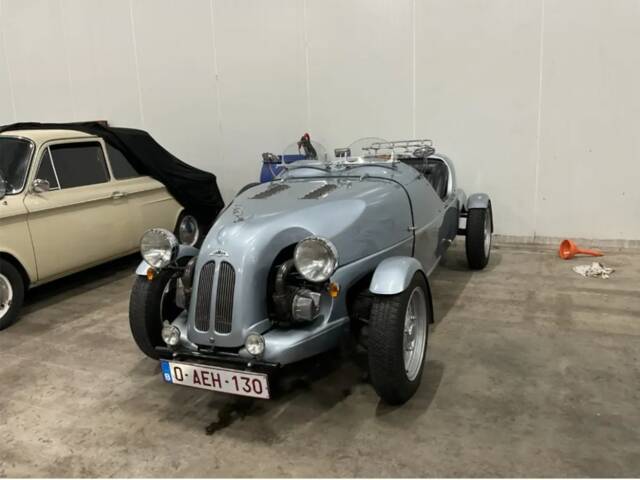
1980 | Lomax Type 224
Citroën Lomax | 1980 | Route 66 Auctions - For sale by auction. Estimate 8500 EUR
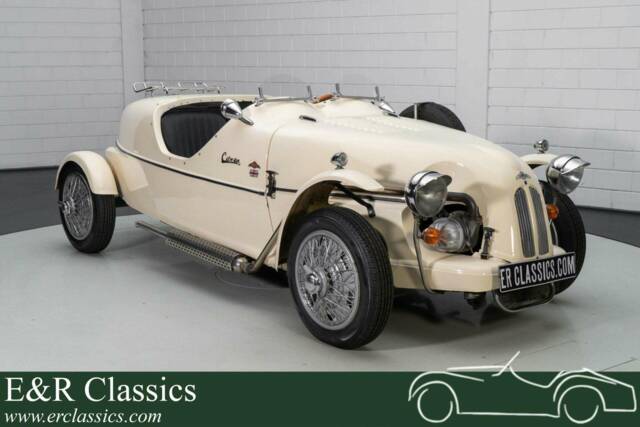
1954 | Lomax Type 224
Citroen Lomax Cabriolet
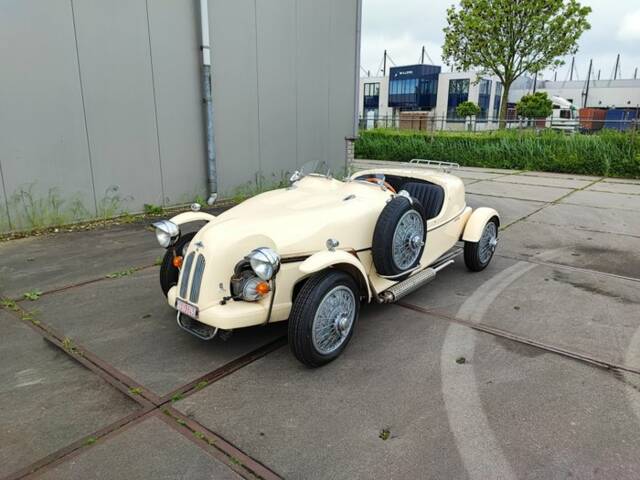
1954 | Lomax Type 224
Citroën - Lomax Lambda - 1954
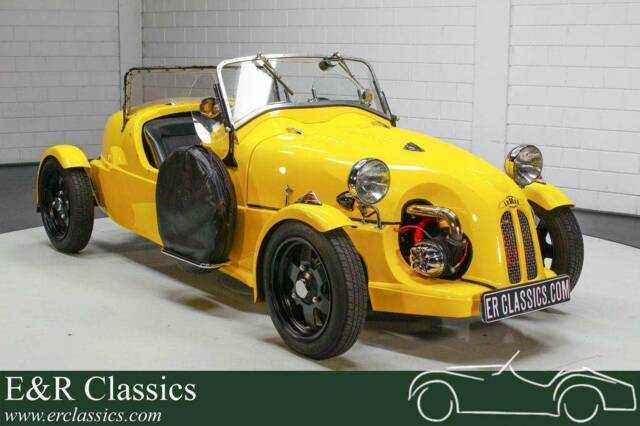
1982 | Lomax Type 224
Citroen Lomax Cabriolet
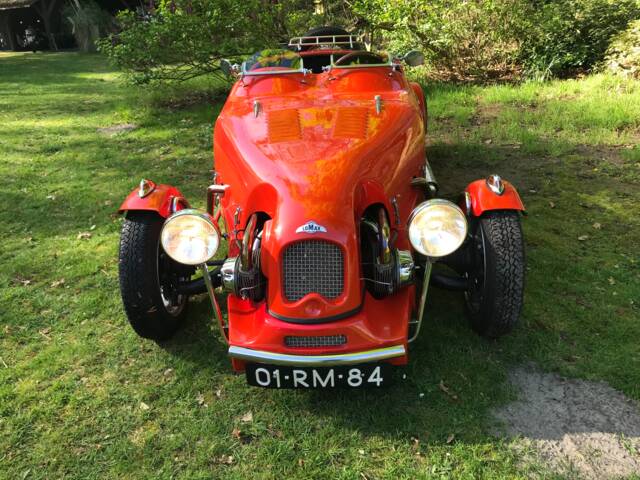
1977 | Lomax Type 224
Zeer goede staat.
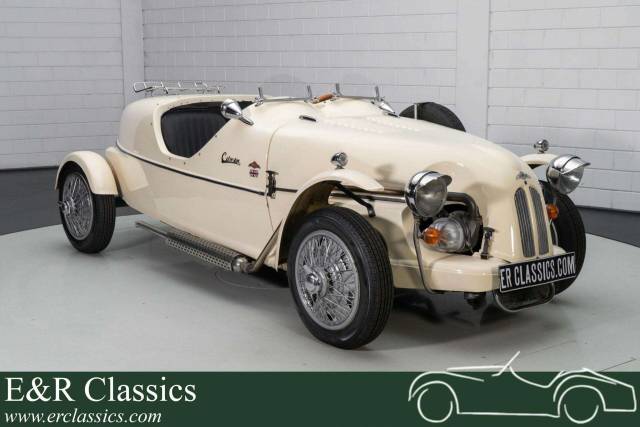
1954 | Lomax Type 223
Citroen Lomax Cabriolet
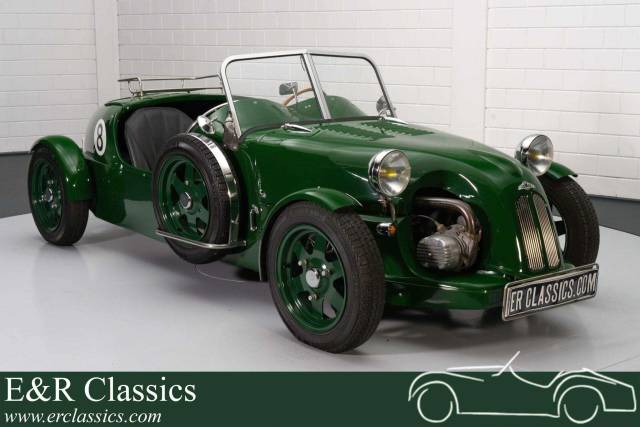
1981 | Lomax Type 224
Citroen Lomax Cabriolet
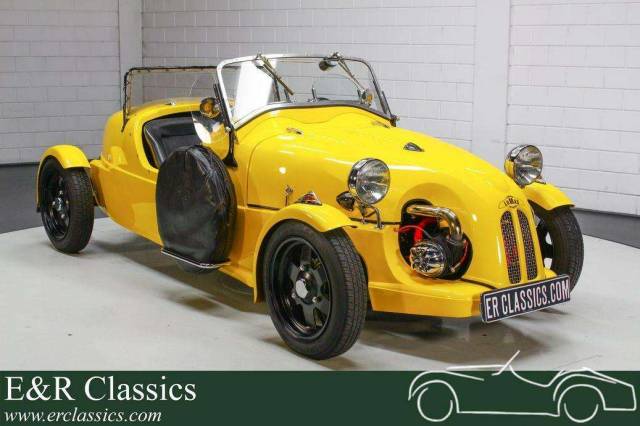
1982 | Lomax Type 224
Citroen Lomax Cabriolet
A British kit-car idea with French mechanical roots
Lomax is one of the most likeable answers to a very British question: how can an enthusiast make a light, open, characterful sports car without buying rare and intimidating mechanical parts? The answer was to retain the dependable, deliberately simple running gear of a Citroën 2CV, Dyane or Ami, discard the donor’s steel body and clothe its floorpan in a fibreglass two-seat roadster body. The result looks back to the cycle-winged British sporting cars of the inter-war period, yet its engine, suspension and front-wheel-drive layout are resolutely French.
Designer Nigel Whall, a fibreglass specialist, introduced the Lomax through Lomax Motor Co. at Willoughton, near Gainsborough in Lincolnshire, in 1982. The name is commonly expanded as “Low Cost, Maximum Fun”, an unusually accurate description rather than a marketing flourish. Whall’s early prototype used a shorter, purpose-made four-wheel chassis and Citroën Ami components. Production cars established the formula buyers know today: a body conversion using a 2CV/Dyane floorpan and mechanical package. Later cars and kits could use a steel ladder or tubular chassis, so two outwardly similar Lomaxes can be materially different beneath the bodywork.
The model names are practical shorthand. 223 means two cylinders, two seats and three wheels; 224 means two cylinders, two seats and four wheels. An early apparent three-wheeler can be more complicated: some very early experiments had a closely paired rear-wheel arrangement and were technically four-wheelers. A genuine 223 has two front wheels and one rear wheel. That distinction affects the vehicle’s construction, handling, registration description, MOT class and licence implications, so it must be established from the car and its documents, not from a seller’s headline.
The core range grew around that idea. The Lambda is the more rounded rebody of the three- and four-wheel layouts; the Supertourer is a four-wheel car with a more substantial 1930s-tourer flavour. A small number of 424 cars used a Citroën GS/GSA flat-four, while later owner-built cars may have Ami Super, Visa or other approved-period mechanical variations. They are interesting specialist cars, but they should not be treated as mechanically identical to the familiar 602cc twin.
Lomax ownership has always been as much a participation hobby as a possession. A new kit could be assembled over many weekends, and individual builders selected wheels, screen, hood, seating, dashboard and luggage treatment to suit themselves. That explains both the warmth of the UK club scene and the wide variation in finish. The Citroën Specials Club, 2CV clubs and kit-car gatherings are valuable sources of hands-on knowledge; an experienced owner can often identify a chassis, suspension or registration concern in minutes. For a buyer, this culture is a strength only when it leaves a proper paper trail: build photographs, receipts, donor details and a believable maintenance record matter more than period-looking accessories.
Highlights across the Lomax range
The chief attraction is lightness. A typical 602cc Lomax is quoted at around 430kg, depending on specification. That makes the modest power of the air-cooled flat twin feel purposeful rather than inadequate. The steering, long-travel Citroën suspension, exposed wings and short screen give sensory information that a conventional small car filters out. It is not a replica of a Morgan Three-Wheeler and should not be bought as one; it is a 1980s British kit car with its own playful engineering logic.
The 223 is the purest expression. Its single rear wheel and compact tail make it visually and dynamically distinctive. It appeals to owners who want the conversation, commitment and unusual road position of a three-wheeler, but it asks more from the buyer. Wheel alignment, rear-wheel clearance, tyre condition and the exact legal classification deserve greater attention than on the 224. A 223 is not automatically a motorcycle for legal purposes, nor does its age automatically settle entitlement; check the particular V5C and your licence before money changes hands.
The 224 is the more conventional choice for drivers who want the Lomax appearance with four-wheel stability. It still has a front-mounted boxer engine and front-wheel drive, and it still feels narrow and delightfully insubstantial, but the rear structure and everyday manoeuvring are less specialised. It is particularly attractive for couples planning club runs, because it preserves the 2CV’s forgiving ride rather than trying to turn it into a hard-edged sports car.
Lambda cars offer a softer, more fully modelled body shape. They are not merely standard 223s or 224s with a different name: inspect the wheel count, chassis arrangement and registration individually. The Supertourer takes the touring-car theme further, retaining a more elaborate visual treatment and, in its recognised form, the 2CV cooling fan and heat-exchanger arrangement. These cars suit owners who enjoy the theatre of a small vintage-style tourer, with a rolled hood and a picnic bag, rather than those seeking long-distance weather protection.
The great practical advantage is the continuing 2CV parts ecosystem. Routine braking, ignition, clutch, suspension and engine-service items have long been supported by specialists. A rusty, poorly assembled Lomax is not cheap simply because its engine parts are obtainable, however. Lomax-specific GRP panels, screens, hoods, rear-wheel parts and earlier chassis arrangements are far less interchangeable. The best cars marry an honest kit-car finish with a healthy donor foundation; elaborate chrome cannot compensate for corrosion or undocumented engineering.
Technical data and donor-based variation
Published specifications need to be read as useful orientation, not a factory guarantee. Lomax production was based on kits and evolving donor components, and build dates can be years later than the donor’s first registration. Ask for the engine capacity and number, gearbox type, chassis type and wheel count rather than relying on a generic listing. The common 2CV6/Dyane configuration has a 602cc air-cooled, two-cylinder boxer engine, four-speed manual gearbox and front-wheel drive; approximately 29bhp is a sensible reference point for a standard 2CV6 installation. An Ami 8-based example may have a stronger chassis and, in some versions, a 35bhp twin-choke 602cc engine.
*Indicative figures for a light, sound 602cc car, not a promise for every Lomax.
The 2CV’s interconnected long-travel suspension is a large part of the appeal, but it must be properly aligned and free of play. At the front, kingpins, wheel bearings, track rods and wishbone pivots need checking. At the rear, a 223 has bespoke conversion work around the remaining swingarm, wheel and tank area, whereas a 224 retains a different, more familiar four-wheel arrangement. The original assembly instructions are instructive: they call for renewing aged front engine mounts and the gearbox mount, and for identifying the original wiring before conversion. That is evidence of a straightforward but not casual build.
A 424 or engine-swapped Lomax deserves specialist assessment. Extra performance can be entertaining, but changes to power, cooling, brakes and identification may affect insurance, V5C detail and the standard of evidence expected by an inspector. For a first purchase, a properly maintained standard twin, clean four-speed gearbox and documented conversion are usually more valuable than an ambitious conversion with unknown provenance.
Market overview and buying tips
The UK Lomax market is small, individual and condition-led. Do not turn a single auction outcome into a price guide. At Anglia Car Auctions in 2025, a Lomax 224 Sports sold for £3,564 including buyer’s premium. The car used a 1983 Citroën 2CV6 Club donor and was converted between 1998 and 2000; its result was below the stated £4,000–£5,000 estimate. That is valuable real-market evidence, but it reflects that car’s presentation, paperwork and sale day, not an automatic value for every 224.
Current Car & Classic advertisements show the other side of the market. At the time of research, a 1980 Lomax 223, a RHD 602cc four-speed Dyane-based car in Chichester, was advertised at £5,750. Another 223 was advertised at £3,800. Those are asking prices, not confirmed transactions. The gap is a useful reminder that panel finish, frame condition, weather equipment, recent mechanical work, usable MOT history and documentation can matter more than the badge or claimed donor year. Budget for transport and an independent inspection; a cheap project can consume the difference rapidly in chassis and GRP work.
Start beneath the body. GRP does not rust, but it can conceal a corroded Citroën chassis. Put the car on a lift and inspect the floorpan, crossmembers, suspension pick-up points, chassis legs and repairs. Look for layered plates, poor welds, distorted metal, trapped moisture and fresh underseal hiding questionable work. If a replacement galvanised chassis is claimed, ask for its receipt, the work record and confirmation that the VIN/identity process was handled correctly. A sound chassis is the purchase’s first priority.
Then examine the suspension, steering and brakes methodically. Test kingpins and wheel bearings for play; assess front and rear arms, spring cans/tie rods, bushes and dampers for corrosion, free movement and symmetry. A car that wanders, sits unevenly or has a leaning wheel needs investigation, not optimistic tracking. Check flexible and rigid brake lines, their clips and corrosion protection, then verify balanced braking, handbrake operation and pedal feel on a road test. On a 223, inspect the single rear wheel, its mounting, tyre clearance at full movement and the quality of all conversion fabrication. On wire wheels, inspect splines, hubs, spinners and adapters; the build guidance calls for rechecking fasteners after the initial mileage, so ask what has actually been maintained.
The engine and transmission are accessible but must not be dismissed as simple. Start from cold; listen for excessive mechanical noise, assess oil leaks, charging and idle, and ensure the engine pulls cleanly under load. A 2CV gearbox should not jump out of gear or protest at every change. Check clutch take-up, driveshaft gaiters and joints, exhaust security and engine/gearbox mounts. Loose mounts can make the whole powertrain move and strain linkages or exhaust components. Evidence of regular oil changes and specialist invoices is preferable to a claim that “all 2CVs do that”.
Inspect the body and cockpit from both sides. Stress cracks around wing edges, bonnet hinges, screen mounts, body-to-floor attachments and seatbelt points may be cosmetic, or may reveal poor bonding and flex. Look for uneven old repairs, moisture-damaged timber where applicable, poorly fitted hood frames and rain paths into electrics. Operate every lamp, indicator, brake light, horn, wiper, instrument and heater. Trace untidy wiring near hot, sharp or moving parts and check sound earth points, especially at the rear. A freshly painted car still needs its underside, inner GRP and fixing points viewed in daylight.
For a UK car, paperwork is as physical as a chassis rail. The V5C should agree with the vehicle presented: registration, VIN or chassis number, make/model description, fuel, engine capacity, wheel count where recorded and date of first registration must form a credible story. Check the DVLA MOT history against the registration and mileage narrative, then read advisories rather than simply celebrating a pass. A vehicle more than 40 years old may be MOT-exempt only if it meets the historic-vehicle rules and has not had a substantial change; exemption is not evidence of safety. Many owners still choose an annual voluntary MOT as an independent brake, steering and lighting check.
Do not assume an old donor registration can simply be carried over. DVLA requires notification when changes alter V5C details, such as an engine replacement. For kit conversions, it expects evidence including the V5C, V627/1 vehicle parts statement, build plans, photographs and receipts; retaining an original registration depends on the donor chassis and original major components. Where identity or age cannot be established, an IVA/MSVA route and a Q registration may result. A Q plate is not automatically a reason to reject a car, but it is a clear prompt to understand its identity, insurance position and documentation before purchase.
Three-wheelers deserve one further pre-purchase call: check your driving-licence entitlement and insurance against the exact vehicle classification. The rules are not reducible to “car licence equals any trike”. In broad terms, a driver aged 21 or over with the relevant full Category B entitlement may drive a large motor tricycle, but entitlements and restrictions are personal and vehicle classification matters. Check the licence photocard/online record and current GOV.UK guidance; younger drivers or those with motorcycle entitlements should obtain specific confirmation. The V5C, MOT arrangements and insurer must all describe the actual three-wheeler, not an assumed 224 or donor 2CV.
Driving feel: a roadster for the long way home
No Lomax conceals speed, weather or mechanical effort. You sit low behind a small screen, see the wings working beside you and hear the flat twin’s dry, eager beat. At sensible country-road pace the car feels far more vivid than its output suggests. The long-travel Citroën suspension takes the edge off broken B-roads, while the light body makes each throttle and steering input immediate. It rewards momentum, thoughtful gearchanges and a willingness to take the scenic route.
In a 223, the experience is more concentrated. The single rear wheel, narrow tail and unusual view forward make cambers and rough surfaces part of the conversation. Smooth inputs and a proper familiarisation drive are essential; this is not the place for abrupt corrections or assumptions drawn from a conventional convertible. Test it on town roads, open A-roads and imperfect lanes before deciding whether its particular kind of fun suits you.
The 224 is no less involving, simply less specialised. Four wheels lend reassurance when manoeuvring and on changing surfaces, making it a sensible choice for regular club events and two-up touring. Neither is an all-weather modern car: hood fit, screen, clothing, luggage restraint and heater performance make a tangible difference. A well-sorted Lomax turns a Sunday breakfast meet, an East Anglian lane or a run to a 2CV gathering into the destination itself.
Design, construction and individual character
Whall’s design does not copy one historical car. It compresses the visual language of British pre-war roadsters—long bonnet, separate wings, small cockpit and exposed purpose—onto a practical Citroën foundation. The Morgan comparison is understandable, but a Lomax should be judged as an individual kit-built design, not as a budget imitation. Its proportions arise from its running gear, and that honesty is part of the charm.
The 223 and 224 are the cleanest expression of this idea; the 223’s single rear wheel makes the silhouette especially compact, while the 224 balances the familiar roadster outline. Lambda cars bring fuller curves and more sculpted wings. The Supertourer deliberately heightens the small-tourer theatre. Across every version, construction quality is the design quality: consistent panel gaps, tidy laminate edges, firm bonnet catches, secure seating and belts, correctly routed cables, a stable screen and sensible weather sealing are worth more than extra lamps or a fashionable steering wheel.
Individuality is expected, but it needs context. Wire wheels, leather trim, a Moto-Lita wheel, a tonneau or a period-style dashboard can enhance a car when well fitted and documented. Ill-fitting hood gear, crude switch panels and unexplained structural changes do the reverse. Buyers should prefer an honest, sympathetically aged build with a photographic history over fresh paint that obscures old cracks and unanswered questions.
Summary: choose the right Lomax, not just the right photograph
To buy a Lomax classic car is to choose a distinctly British kit-car tradition built around accessible Citroën engineering. The 223 provides the full three-wheel experience, the 224 offers the more familiar four-wheel format, and the Lambda and Supertourer give the same idea different visual personalities. Together they show why the marque still belongs at club meets and on quiet British roads.
Buy on structure and evidence: a sound chassis, properly maintained suspension and brakes, secure wheel fixings, sound GRP, tidy electrics and a coherent V5C/MOT/build file. For a 223, add licence entitlement, exact classification and rear-wheel construction to the non-negotiable checks. Find suitable Lomax offers on Classic Trader, inspect the individual build rather than the asking price alone, and involve a 2CV or kit-car specialist before committing.