- Motorcycle
- Harley-Davidson (23 offers)
Buy Harley-Davidson Motorcycles
Since 1903, motorcycles have rolled out of the Milwaukee factory – each machine bearing the hallmark of a brand that doesn't just build vehicles, but writes American culture on two wheels.
Search results
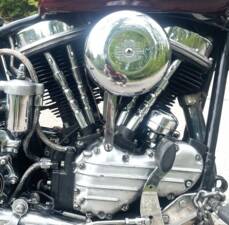
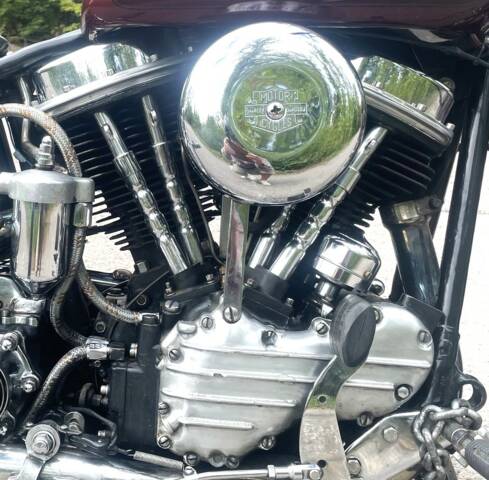
1956 | Harley-Davidson FL Panhead
56er PanHead - Eine Legende auf Rädern

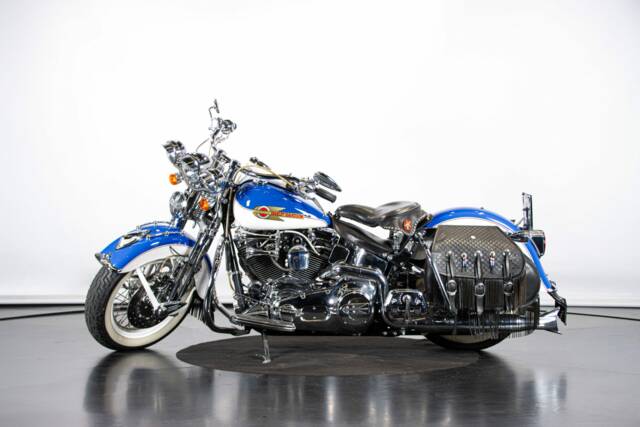
2000 | Harley-Davidson FXSTS Softail Springer
Harley Davidson SOFTAIL SPRINGER

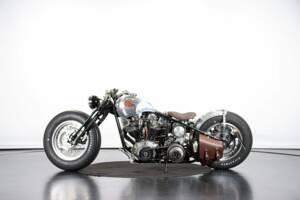
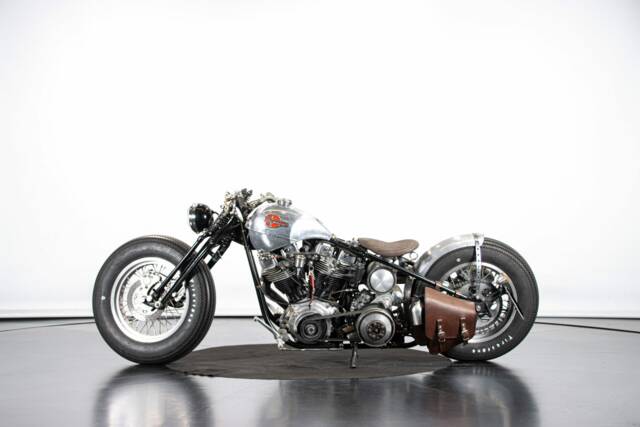
1997 | Harley-Davidson FLSTC Heritage Softail Classic
Harley Davidson BOBBER RIGIDO SHOVELHEAD
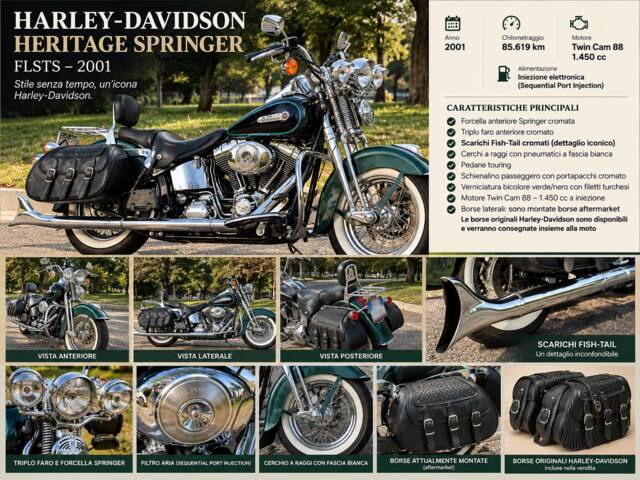
2001 | Harley-Davidson FLSTS Heritage Springer Classic
A HERITAGE SPRINGER WITH CLASSIC APPEAL
Newsletter
The best Harley-Davidson listings, straight to your inbox
Get hand-picked Harley-Davidson listings, plus the best of cars, motorbikes, and auctions on Classic Trader — all in one place.
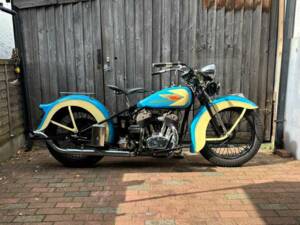
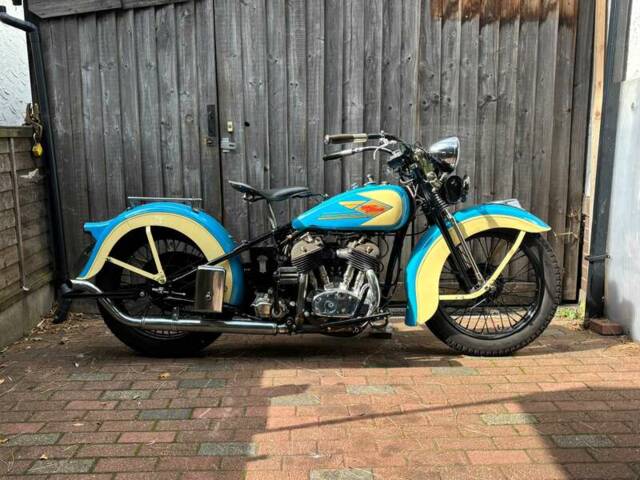
1934 | Harley-Davidson VLD "Big Twin"
1934 Harley-Davidson VLD 'Big Twin' 1,200cc

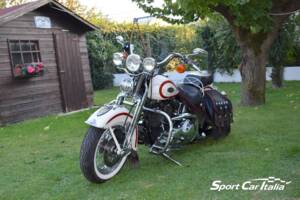
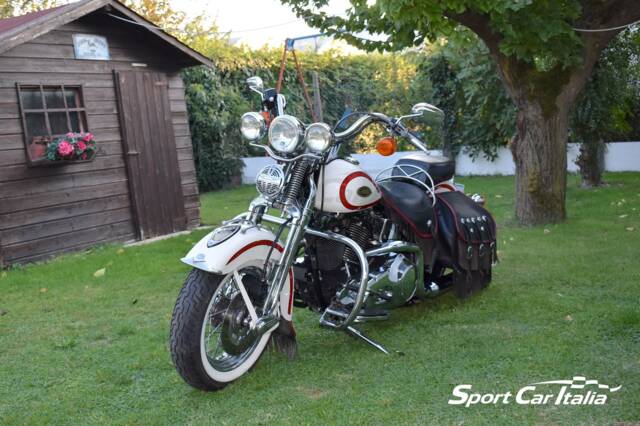
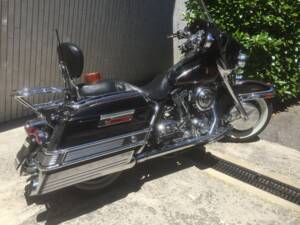
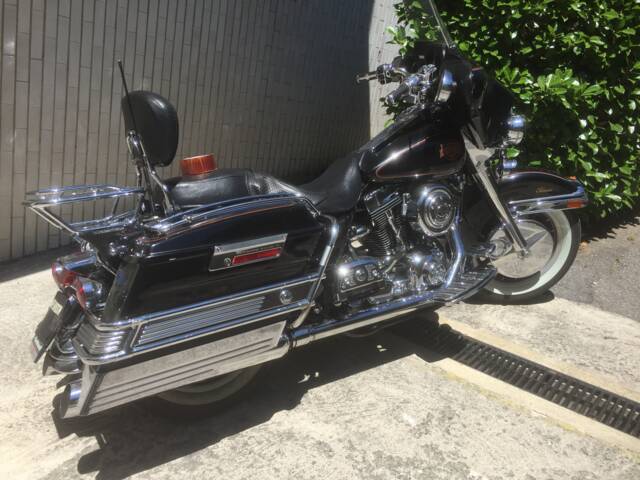
2000 | Harley-Davidson FLHTCU-SE Ultra Classic Electra Glide
Original U.S.A.
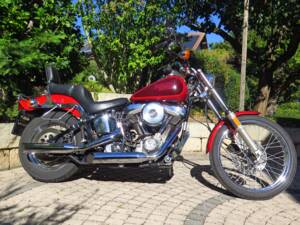
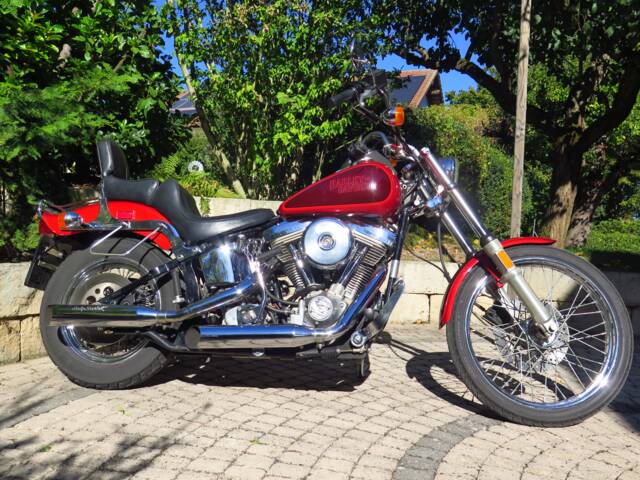
1985 | Harley-Davidson FXST 1340 Softail
weitgehend Originalzustand

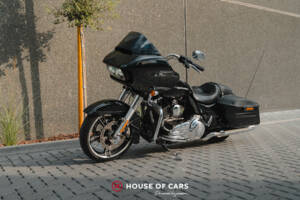
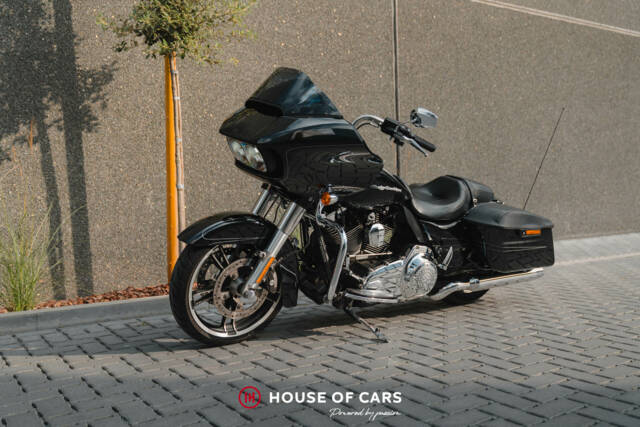
2015 | Harley-Davidson 1690 Electra Glide Ultra Limited
1690 - Vivid Black - AS NEW condition

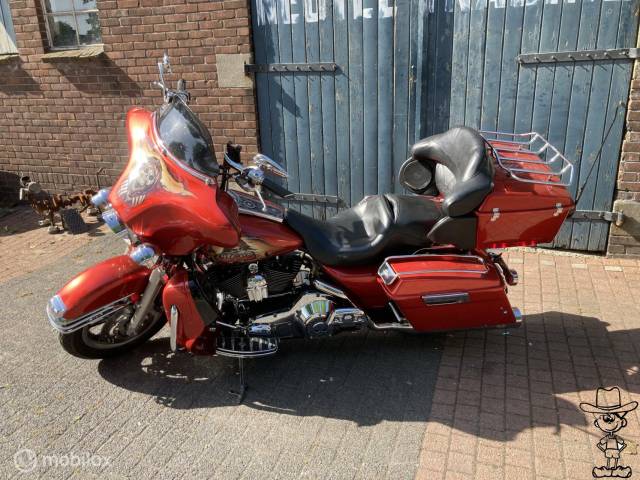

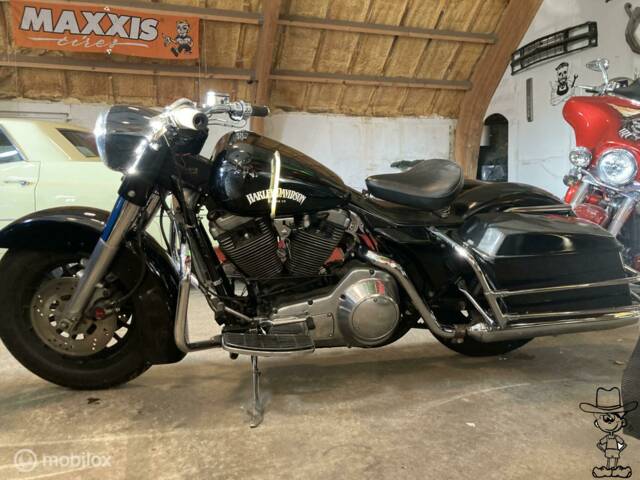
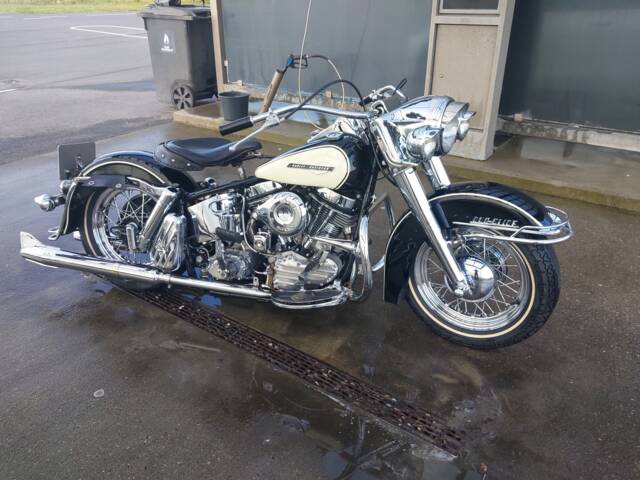
1964 | Harley-Davidson FL Panhead
Duo-Glide

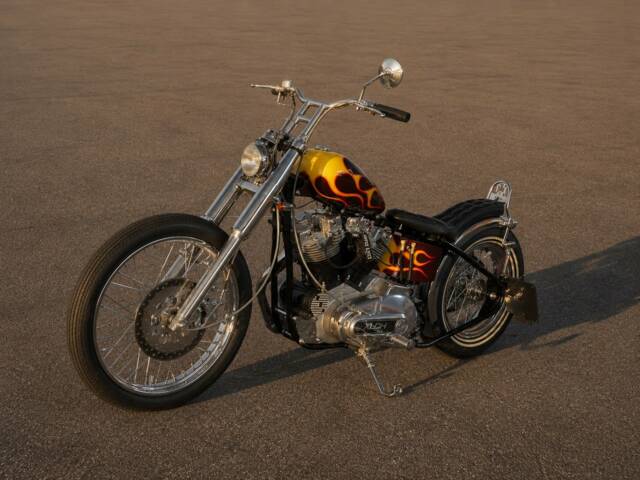
1900 | Harley-Davidson Easy Rider Billy Bike
Harley Davidson Billy Bike Recreation // authentisch // neuwertig // Straßen-Zulassung
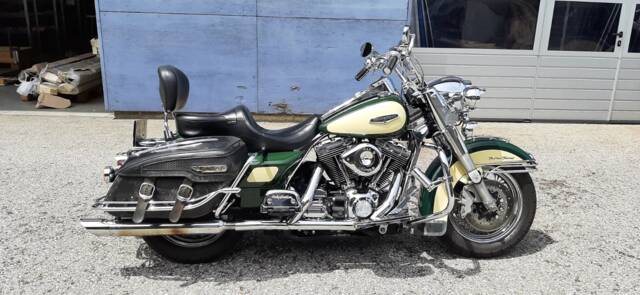
1999 | Harley-Davidson 1450 Road King FLHR
Road King "Sleeper"

1995 | Harley-Davidson Sportster XLH 883
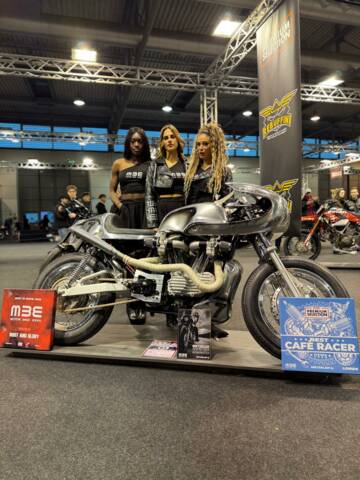
Custom Renzo Pasolini Sportster 1250 Award Best Cafe Racer MBE Verona 2026
History & Heritage
Harley-Davidson began in 1903 in a small wooden shed in Milwaukee, Wisconsin. William S. Harley and Arthur Davidson – later joined by Walter Davidson and William A. Davidson – initially built small engines for bicycles. The first motorcycle, the Silent Grey Fellow, was a grey-painted bicycle with a simple auxiliary motor. In 1907, the four partners founded the Harley-Davidson Motor Company of Milwaukee.
The breakthrough came in 1908 when Walter Davidson won a fuel economy race on a company machine – an advertisement that caused orders to skyrocket. The company soon supplied police departments, telephone companies, and eventually the US Army. In 1909, the first V-Twin model was born – the birth of the classic Harley silhouette that has remained largely unchanged since.
In 1929, Harley-Davidson revolutionised engine construction with the Flathead engine (also known as the side-valve), which remained in production until 1973. During the Second World War, the company delivered over 88,000 motorcycles to the Allied forces, including the famous WLA model, which became a symbol of American military presence across Europe and the UK.
The post-war era brought significant innovations: 1936 saw the arrival of the Knucklehead, Harley's first OHV (Overhead Valve) engine with characteristic rocker covers resembling clenched knuckles. In 1948, the Panhead followed with improved aluminium heads and better cooling. In 1966, the Shovelhead – named after the shovel-like shape of its rocker covers – took over, bringing more power and reliability.
The 1960s and 1970s were challenging as Japanese competition put Harley under pressure. In 1965, the company went public, and in 1969, it was acquired by AMF. Quality suffered during this period, but in 1981, Harley managers bought the company back. From 1986, the turnaround began: with the new Evolution engine (also known as the "Blockhead") and consistent quality management, Harley-Davidson rose to become a cult brand.
In 1999, the Twin Cam engine arrived, followed in 2016 by the Milwaukee-Eight – the ninth "Big Twin" with four valves per cylinder. Since 2021, Harley has also focused on electric motorcycles with the LiveWire series and expanded with smaller models like the X350 for new markets. In the British market, Harley-Davidson has maintained a unique position, often seen as the rebellious alternative to the traditional British twins from Triumph and Norton.
Highlights & Features
What distinguishes Harley-Davidson is more than just technology – it is sound, feel, and a way of life. The characteristic 45-degree V-Twin creates the unmistakable "potato-potato" sound due to its irregular firing interval. This sound is a trademarked acoustic signature of the brand.
Knucklehead (1936–1947): Harley's first OHV engine with 61 cui (1,000 cc) and later 74 cui (1,200 cc). The characteristic rocker covers made it an icon of the chopper scene. Early models suffered from oil leaks and valve issues – today, original Knuckleheads are absolute rarities and achieve between £35,000 and £130,000 at auction, depending on condition and originality.
Panhead (1948–1965): The Panhead solved the cooling problems of its predecessor with aluminium heads. Available in 61 cui (EL) and 74 cui (FL, FLH). The FLH variant with a more powerful engine became the basis for touring models. Panheads are currently available for £22,000 to £60,000 – restored examples with full documentation sit at the top end of the market.
Shovelhead (1966–1984): With 74 cui and later 80 cui (1,340 cc), the Shovelhead offered more torque. It defined the chopper era of the 1970s. Weak points include engine case bearings, the alternator, and the oil pump. Well-maintained Shovelheads cost between £12,000 and £30,000. Special models like the FXS Low Rider or FXEF Fat Bob are highly sought after by UK collectors.
Sportster (since 1957): The XL Sportster is the longest continuously produced motorcycle model in the USA. Originally featuring the 55 cui (883 cc) Ironhead engine, it later moved to Evolution and Twin Cam engines. The XR750, the Sportster's racing version, dominated flat-track racing for decades. Early Ironhead Sportsters (1957–1985) are traded today for £7,000 to £22,000.
Electra Glide (since 1965): The first production motorcycle with an electric starter. The Electra Glide became the epitome of the American touring bike. Shovelhead Electra Glides (1966–1984) are popular with collectors and cost between £10,000 and £25,000, depending on equipment and condition.
WLA (1940–1945): The military workhorse of WWII with a 45 cui Flathead engine. Over 88,000 units were built. Distinguishing features include the high-mounted exhaust, blackout lights, and crash bars. Restored military originals achieve £12,000 to £48,000 at auction – civilian conversions or projects start around £5,000.
Technical Data
Market Overview & Buying Tips
The Harley-Davidson market is multi-layered: from affordable Sportsters to six-figure Knucklehead rarities. Originality, condition, and documentation are decisive factors. In the UK, the market is particularly strong for well-documented imports and machines with a clear service history from recognised specialists.
Price Ranges by Model (GBP)
Entry-Level (£7,000–£13,000):
- Sportster 883 (1990s–2000s): reliable, parts readily available, ideal for beginners.
- Shovelhead projects: incomplete or heavily modified machines.
- Later Softail models (1990s): Evolution engine, low maintenance.
Mid-Range (£13,000–£30,000):
- Restored Shovelheads in good condition.
- Panhead projects or partial restorations.
- Early Sportster XLH Ironheads (1970s–1980s).
- Electra Glide FLH Shovelheads (1970s–1980s).
High-End (£30,000–£90,000+):
- Fully restored Panheads with documentation.
- Original Knuckleheads in matching-numbers condition.
- Rare special models like the XLCH Sportster or FX Super Glide.
- Military WLA in museum condition.
Typical Weak Spots
Engines:
- Knucklehead: Oil leaks (common), valve springs can break, early models have weak alternators.
- Panhead: Oil pump wear, cylinder head gaskets are vulnerable, carburettors require regular adjustment.
- Shovelhead: Alternator issues (rotor/stator), engine case bearings, primary chain seal leaks.
Transmission & Drive:
- Four-speed gearbox (up to 1970s): shifting problems, gear wear.
- Primary chain: loss of tension, chain tensioner wear.
- Belt drive (from 1980s): durable, but expensive to replace if neglected.
Electrics:
- Early models (pre-1970): 6-volt system, weak alternator, wiring harness prone to ageing.
- Ignition coils (especially on Shovelheads): failures, spark plug fouling.
Chassis:
- Telescopic forks: stanchion rust, seals becoming porous.
- Shock absorbers: oil loss, lack of damping.
- Brakes (pre-1970s): weak, pads wear quickly.
Inspection When Buying
Engine:
- Check cold start behaviour – a difficult start suggests carburettor problems or poor compression.
- Oil level and quality: metal shavings in the oil indicate engine damage.
- Exhaust smoke: blue = piston rings, white = cylinder head gasket.
- Noises: rattling at idle suggests valve clearance or tappet issues.
Frame & Chassis:
- Match the frame number with the paperwork – matching numbers significantly increase value.
- Check the frame for cracks (common at the headstock or swingarm).
- Forks: stanchion condition, seals, play in the headstock bearing.
Electrics:
- Alternator: measure charging current (should show 13.5–14.5 V with the engine running).
- Wiring: check for originality; patchwork wiring indicates potential problems.
Originality:
- Engine and frame numbers: crucial for collector pieces.
- Colour scheme: original paint increases value; Harley-Davidson colour codes are well-documented.
- Bolt-on parts: original carburettors, air filters, and exhaust systems increase collector value.
Restoration & Parts Availability
The spare parts supply for Harley-Davidson is excellent. Aftermarket manufacturers such as S&S Cycle, RevTech, and Drag Specialties offer reproductions of almost all parts – even for Knuckleheads and Panheads. Original NOS (New Old Stock) parts are more expensive but indispensable for matching-numbers restorations. In the UK, specialists like Warr's (Europe's oldest Harley dealership) provide a wealth of expertise for classic owners.
Restoration Costs (Estimated):
- Engine overhaul (Panhead/Shovelhead): £4,500–£10,000
- Full respray: £2,000–£5,000
- Carburettor overhaul: £250–£700
- Electrical refurbishment: £700–£1,800
For a complete restoration of a Panhead or Knucklehead, you should budget between £18,000 and £45,000 – depending on the starting condition and desired standard.
Market Value Trends 2024–2025
Auction results from H&H Classics, Bonhams, and Classic Trader show:
- Knuckleheads: Stably high, top examples achieve £70,000–£130,000.
- Panheads: Slight increase, £25,000–£60,000 for fully restored models.
- Shovelheads: Price stable, but special models (Low Rider, Fat Bob) are rising.
- Sportster Ironhead: Significant increase, well-preserved models rising by 15–20% annually.
- WLA: Military collectors are driving prices – £22,000–£48,000 for authentic examples.
Performance & Riding Experience
A Harley-Davidson motorcycle rides differently from European or Japanese machines. The characteristic: torque instead of revs, composure instead of haste.
The V-Twin engine delivers torque in the low to mid-rev range – ideal propulsion for cruising. The chassis is designed for comfort, not for extreme lean angles. The low seating position and forward-mounted footpegs ensure a relaxed posture on long journeys.
Knucklehead & Panhead: A challenge for the uninitiated. The kickstarter requires technique and strength. The hand shift with foot clutch (on early models) takes some getting used to. Handling is heavy – over 250 kg demands respect in tight corners. Brakes are weak by modern standards – defensive riding is a must.
Shovelhead: Somewhat more modern but still archaic. The foot shift makes riding easier. The engine vibrates noticeably – it's part of the experience. On the motorway at 70 mph, the machine feels at home; any faster and it becomes unsettled. Ideal for relaxed A-road tours and cruising.
Sportster: More manageable and lighter than the Big Twins. The Ironhead engine (up to 1985) is rougher, while the Evolution engine (from 1986) is more refined. The upright seating position is suitable for both city and country roads. The Sportster is the most versatile classic Harley – suitable for everyday use and low maintenance.
Electra Glide & Touring Models: Built for the American Interstate but surprisingly capable on British trunk roads. With panniers, a windscreen, and a comfortable seat, they are touring motorcycles for thousands of miles. The weight (over 350 kg fully laden) is noticeable when manoeuvring but provides stability on the road. The Shovelhead Electra Glide is still puristic; modern models with the Milwaukee-Eight offer ABS, cruise control, and infotainment.
The fascination lies not in acceleration or top speed, but in deceleration. The sound, the vibration, the mechanical directness – it is riding meditation. Those who ride a Harley are not looking for a racetrack, but for the road itself.
Design & Customisation
Harley-Davidson design follows a clear philosophy: form follows emotion. While other manufacturers prioritised wind tunnels and aerodynamics, Harley focused on silhouette and feel. The result is motorcycles as rolling sculptures.
The Knucklehead established the design vocabulary: exposed V-Twin engine, teardrop tank, and girder or springer forks on early models. The rocker covers were not just functional but an aesthetic statement – hence the name. The cat-eye speedometer with its characteristic shape became a design classic.
The Panhead refined the lines: slimmer forms, integrated tail lights, and more streamlined mudguards. The Hydra-Glide (1949) introduced hydraulically damped telescopic forks – a milestone for handling and aesthetics. In 1958, the Duo-Glide arrived with rear suspension – comfort increased, and the look became more rounded.
The Shovelhead defined the chopper movement of the 1960s and 1970s. Custom builders stripped Harleys to the minimum: long forks, high handlebars (ape hangers), solo seats, and painted tanks with metalflake and pinstripes. The film Easy Rider (1969) made Harley choppers a pop-culture icon. The Captain America bike with its star-spangled paint remains the most famous custom bike in the world.
The Sportster line took a sportier approach: compact tank (peanut tank), slimmer silhouette, and exposed engine elements. The XLCH (Competition Hot) came without an electric starter – pure minimalism for purists.
Factory Customs like the Low Rider (1977), Fat Bob (1979), and Wide Glide (1980) brought custom elements from the factory: two-tone paint, cast wheels, and bobbed fenders. Harley-Davidson recognised that buyers didn't want standard models – they wanted individuality.
Accessories & Customising
The Harley aftermarket is gargantuan. From handlebar grips to seats and complete frames – everything is available. Classic tuning paths include:
Engine Tuning:
- Carburettor upgrades (S&S Super E/G, Mikuni).
- Performance exhausts (drag pipes, fishtails, 2-in-1 systems).
- Ignition upgrades (electronic ignition replacing contact breakers).
- Cylinder upgrades (S&S Super Stock, Wiseco pistons).
Chassis:
- Progressive suspension springs.
- Oil-pressure shock absorbers (better damping).
- Modern braking systems (Brembo, PM, Performance Machine).
Aesthetics:
- Handlebars (ape hangers, drag bars, T-bars).
- Seats (solo seats, tuck-and-roll, springer saddles).
- Tanks (Mustang tanks, Fat Bob tanks, Frisco tanks).
- Mudguards (bobber fenders, stretched fenders).
The custom universe is endless – and Harley-Davidson encourages it. The H.O.G. (Harley Owners Group) connects over a million members worldwide. Customising is not vandalism; it is part of the brand's DNA.
Other Considerations
Harley-Davidson in British Culture
While Harley-Davidson is quintessentially American, it has a deep-rooted history in the UK. During the 1960s, the British motorcycle scene was dominated by the "Rockers" on their Triumphs and Nortons. Harleys were rare and exotic imports. However, the influence of American cinema and the burgeoning custom scene in the 1970s saw a surge in interest. Unlike the Mod culture, which favoured Italian scooters like Vespa and Lambretta, the Harley-Davidson became the ultimate statement for those seeking an alternative to the British "Cafe Racer" aesthetic.
Importing a Classic Harley to the UK
Many classic Harleys in the UK are personal imports from the US. When buying an import, ensure it has been correctly registered with the DVLA. Post-Brexit, importing from the EU has become more complex, but the US remains a primary source for Knuckleheads and Panheads. Check for NOVA (Notification of Vehicle Arrivals) documentation and ensure any modifications (like lighting) comply with UK road standards.
Harley-Davidson in Film & Pop Culture
No motorcycle is as culturally loaded as a Harley. Easy Rider (1969) made the brand a symbol of counter-culture. Terminator 2 (1991) featured Arnold Schwarzenegger on a Fat Boy – causing sales to explode. From Sons of Anarchy to Wild Hogs, Harleys are cinematic stars. The connection to motorcycle clubs is also significant; while the brand officially distances itself from outlaw clubs, the rebellious aura remains a key part of its appeal.
Summary
Harley-Davidson is more than a motorcycle manufacturer – it is a lifestyle. The models from the Knucklehead through the Panhead and Shovelhead to the Sportster represent different eras but share a common ethos: individuality, freedom, and sound.
Buying a classic Harley is not just about purchasing a mode of transport. You are buying history, craftsmanship, and emotion. The parts situation is excellent, the community is vast, and the potential for value appreciation in well-maintained models is high. Weaknesses exist – but they are documented, manageable, and part of the machine's character.
Whether it's a well-kept Sportster for a beginner, a charismatic Shovelhead for cruising, or an investment-grade Knucklehead – Harley-Davidson offers a model for every type of enthusiast. Find yours on Classic Trader.