- Car
- BMW (421 offers)
Buy BMW Classic Cars
BMW classic cars range from lithe pre-war roadsters and V8 grand tourers to compact sports saloons, elegant coupés and the M1 supercar. Find well-documented BMW classics on Classic Trader and choose condition, provenance and driving purpose with care.
Search results
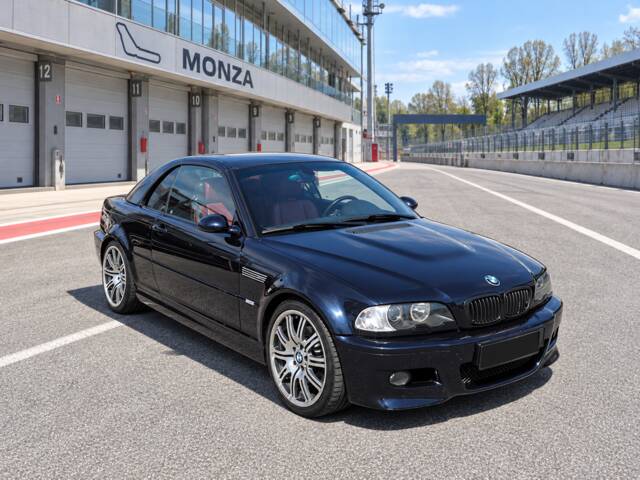
2002 | BMW M3
BMW M3 E46 Cabriolet from 2002 with 343 hp, SMG2, red leather, hardtop and 134,000 km
€40,000 - €45,000

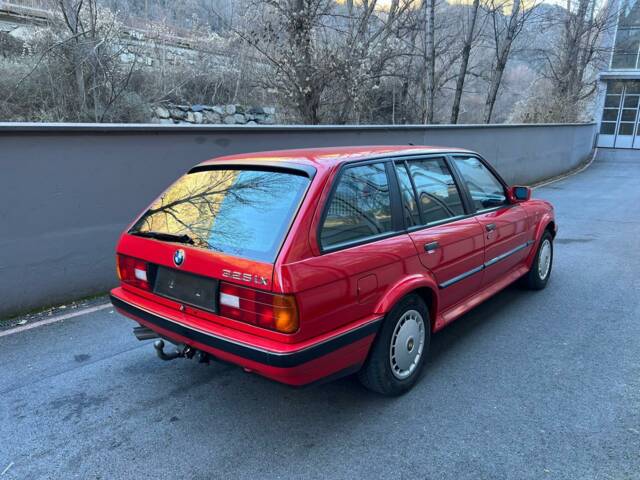
1989 | BMW 325ix
1989 BMW 325iX Touring – 122,930 km – All-wheel drive
Preview
Auctions ending soon

Loading…
Loading…
Loading…
Loading…
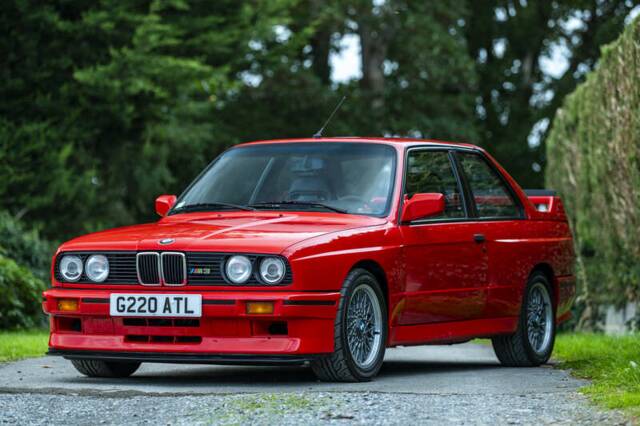
1990 | BMW M3 Sport Evo
1990 BMW M3 (E30) Sport Evolution

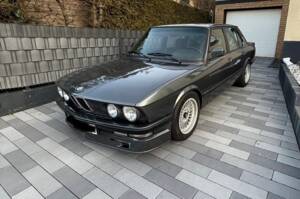
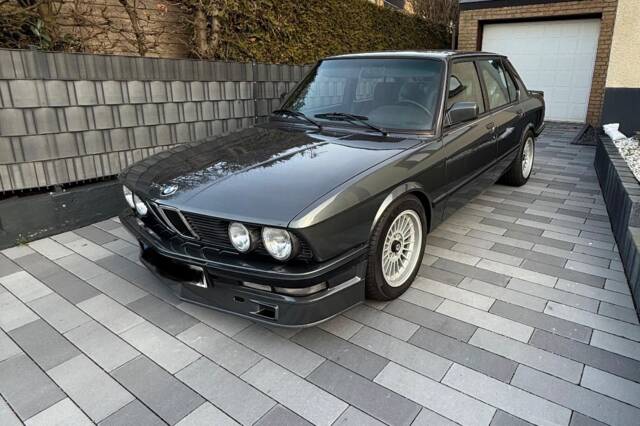
1987 | BMW 520i
BMW E28 520i | Historic vehicle registration | Alpina parts | Extensively overhauled

Newsletter
The best BMW listings, straight to your inbox
Get hand-picked BMW listings, plus the best of cars, motorbikes, and auctions on Classic Trader — all in one place.
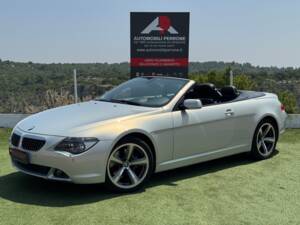
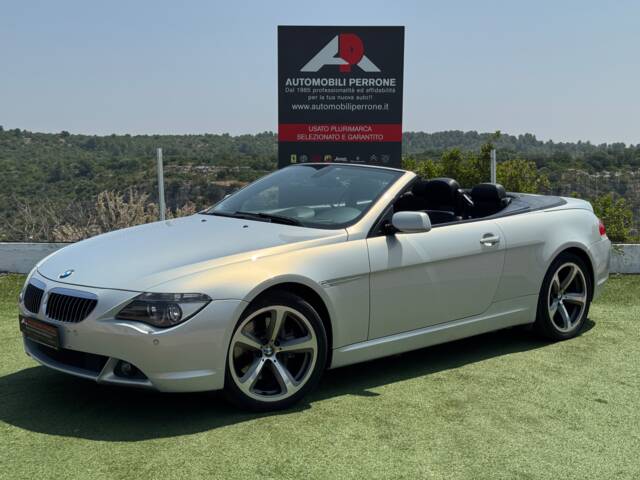
2006 | BMW 650i
4.8 V8 367cv Cabrio INDIVIDUAL
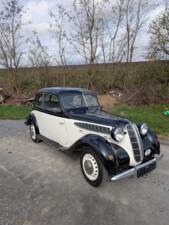
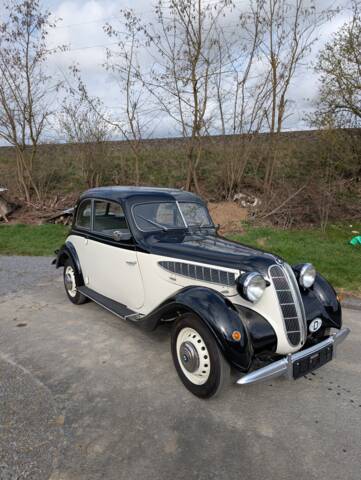
1939 | BMW 321
An icon of the pre-war era. BMW 321 Saloon
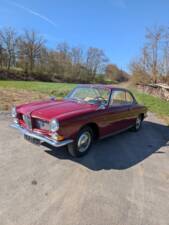
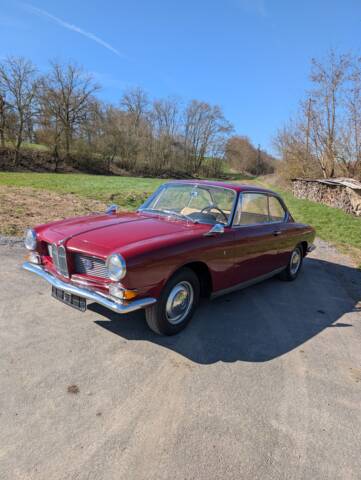
1965 | BMW 3200 CS
Bertone design | Icon of the early BMW V8 era | rare collector vehicle
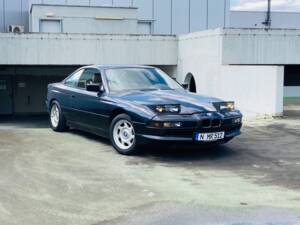
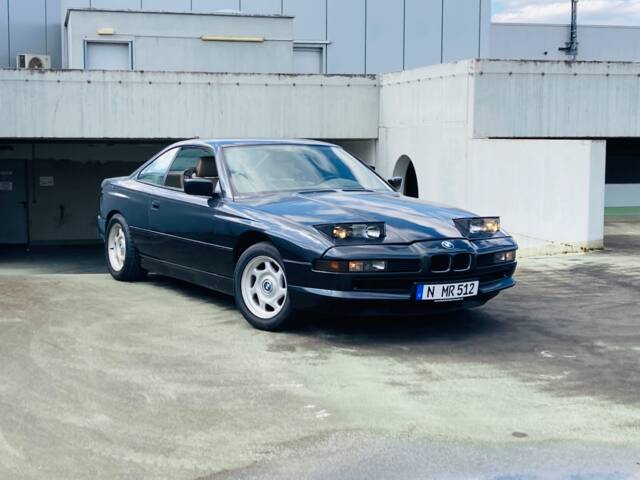
1992 | BMW 850i
*Leasing/Finanzierung*Gepflegt*H Zulassung*Motor Überholt*
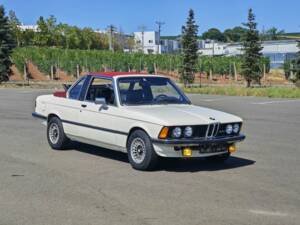
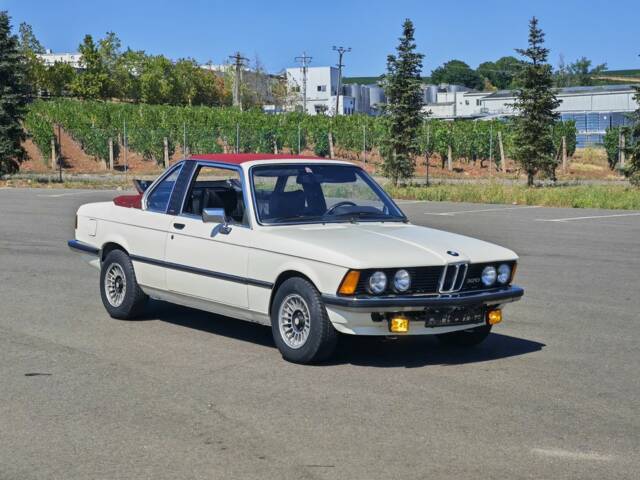
1978 | BMW 320 Baur TC
BMW 320-6 Baur | 1978 | Route 66 Auctions - For sale by auction. Estimate 10200 EUR

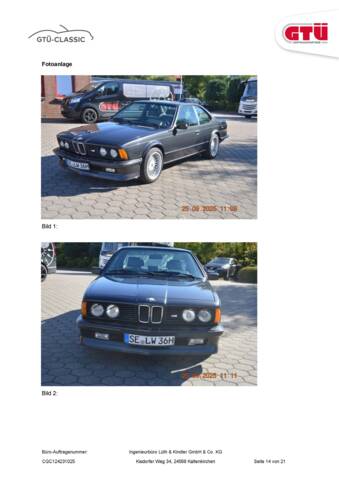
1986 | BMW M 635 CSi
Type BMW 6 CS/1
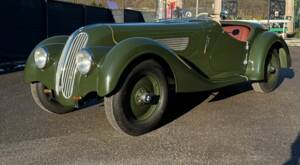
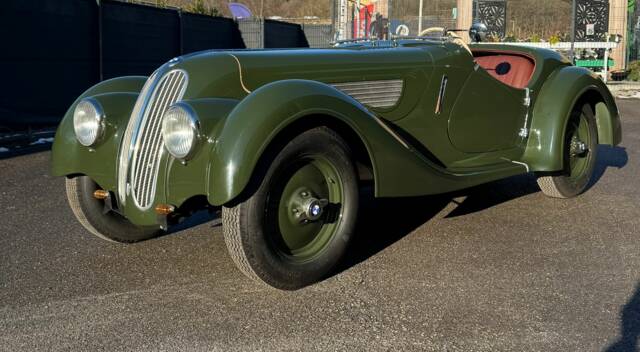
1939 | BMW 328
Completely restaured
VAT is reclaimable

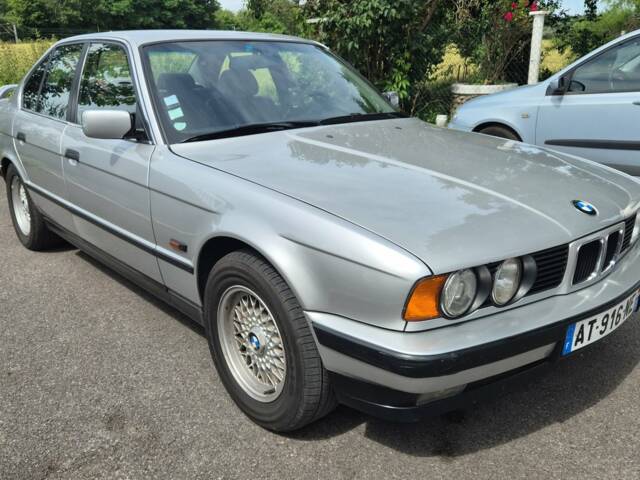
1993 | BMW 525i
BMW 525i | 1993 | Route 66 Auctions - For sale by auction. Estimate 7200 EUR
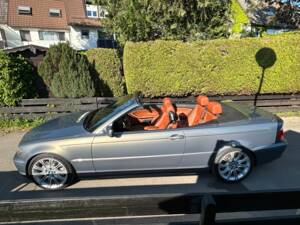
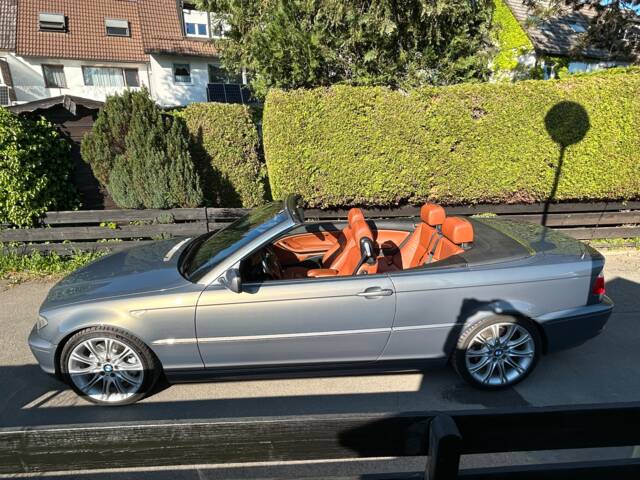
2003 | BMW 330Ci
E46 Facelift, Individual, SMG, Navi, TV, Xenon, Telefon
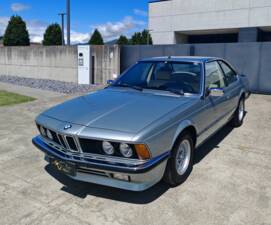
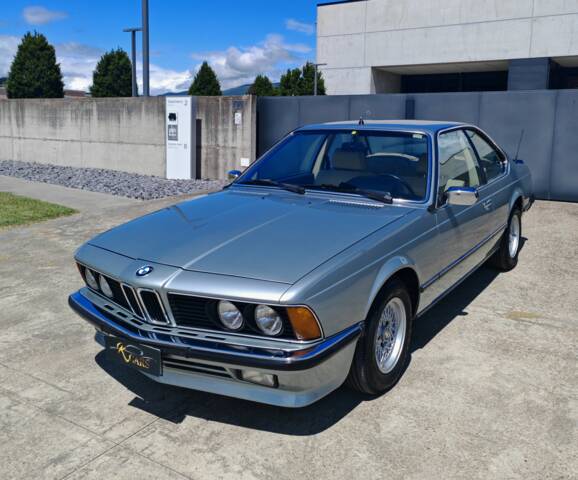
1981 | BMW 635 CSi
GETRAG 265/5
BMW classic cars: engineering with a driver at the centre
BMW’s history is not a straight line from one sporting saloon to the next. It includes aircraft-engine origins, a brilliant pre-war roadster, post-war luxury cars, the tiny Isetta and, after a precarious 1950s, the cars that established the modern company. What connects the most rewarding classics is a particular engineering temperament: compact, efficient mechanical layouts, a clear driving position and chassis development that asks the driver to take part.
The BMW 328 gave that character an early and enduring form. Introduced in 1936, the two-litre roadster combined a light chassis with a 1,971cc six-cylinder engine whose unusual valvegear allowed hemispherical combustion chambers without overhead camshafts. It won its class on its racing debut at the Nürburgring and, in 1940, a Touring-bodied 328 won the Mille Miglia outright. Surviving cars, whether factory-bodied or one of the period special-bodied derivatives, belong to a specialist part of the market. Their value rests on chassis identity, period bodywork, competition history and the quality of long-ago restorations rather than on a superficial resemblance to a racing car.
After the war, BMW resumed car production with the 501 saloon and then made a daring statement with the 507. Designed by Albrecht Graf Goertz and first shown at the 1955 Frankfurt motor show, it paired a 3.2-litre alloy V8 with a hand-built roadster body. BMW Group Classic records 251 cars completed by December 1959. The car was costly to build and never made the commercial contribution BMW had hoped for, but it fixed the marque in the imagination as a maker of beautiful sporting cars. It also demonstrates an enduring BMW lesson for collectors: rarity is attractive, but specialist knowledge, correct components and a fully understood restoration are essential.
The company’s recovery came from the Neue Klasse. The BMW 1500, unveiled in 1961 and built from 1962, introduced the formula that would define BMW for decades: a four-door sporting saloon, a modern overhead-cam four-cylinder engine, MacPherson struts at the front and semi-trailing arms at the rear. BMW Group Classic describes the New Class as the foundation of the marque’s lasting success. The two-door 1600-2 followed in 1966, and the 1,990cc BMW 2002 arrived in 1968. It was a small saloon rather than an exotic sports car, yet its compact footprint, direct controls and M10 engine made it unusually engaging. BMW Group Classic records 330,000 2002s sold through October 1975.
BMW moved upmarket at the same time. The Karmann-built E9 coupé began as the 2800 CS in 1968, then developed through the 3.0 CS and fuel-injected 3.0 CSi. The lightweight 3.0 CSL was created for competition homologation, using thinner steel, aluminium panels and, on certain cars, Perspex glazing. British deliveries give the early CSL a useful local thread: around 500 right-hand-drive 3.0-litre City Package cars reached the UK, retaining a more civilised cabin while preserving the essential lightweight specification. Later 3.2-litre aerodynamic cars made the competition connection visually unmistakable.
In 1978 BMW Motorsport launched the M1, its only series-production mid-engined car. Giorgetto Giugiaro designed the glassfibre body; the project initially involved Lamborghini before BMW reorganised production after Lamborghini’s financial difficulties. The road car used a dry-sump 3.5-litre M88 straight-six with four valves per cylinder, individual throttle bodies and 277hp. BMW Group Classic lists 399 road-going M1s delivered by 1981. It was conceived as the basis for a racing programme, yet the changing regulations and production delays redirected much of its competition life towards the Procar series. The M1 remains a distinct chapter rather than a conventional BMW derivative.
These cars are deliberately different propositions. A 328 is a pre-war competition-minded machine; a 507 is an aluminium-bodied V8 roadster; a 2002 is a practical analogue saloon; an E9 is a long-distance coupé; and an M1 is a low, left-hand-drive supercar. Together they show why it is better to begin a BMW purchase with the type of motoring intended, then investigate the individual car.
Highlights of the BMW collector range
Mechanical clarity is central to the appeal. The 328’s six-cylinder engine, the 507’s V8, the 2002’s M10 four and the M1’s M88 six make very different sounds and demand different specialists, but each rewards proper maintenance more than cosmetic shortcuts. Many BMWs were built in useful numbers and have strong enthusiast support; that does not mean every part is easy or inexpensive to obtain. Trim, coachbuilt body panels, model-specific glass and correct injection equipment can transform an apparently affordable project into a substantial commitment.
The 507 is exceptional for its construction and proportions. Its low bonnet, side vents and restrained grille are not merely styling signatures: beneath them sits an alloy V8 developed from the larger BMW saloons. A sound car should have a coherent story linking its chassis number, engine, factory colour and restoration. Matching numbers are important, but so are the quality of the work, the fit of the panels, correct brightwork and evidence that cooling, braking and driveline systems have been rebuilt for use rather than display.
The 2002 is the accessible expression of BMW’s sporting-saloon idea. The standard 100PS car is light, simple and satisfying without needing to be a high-output variant. The 2002 tii uses Kugelfischer mechanical fuel injection for 130PS and needs a workshop that understands its calibration and fuel system. The 2002 Turbo is a separate, left-hand-drive-only proposition: 1,672 were built in 1973–74, with a KKK turbocharger taking the injected M10 to 170PS. Correct Turbo body panels, trim, wheels and mechanical components matter enormously; an ordinary 2002 fitted with arches and graphics is not equivalent.
The E9 has the grace of a proper pillarless coupé and the long-legged M30 straight-six that suits a British cross-country journey. The 3.0 CSi offers much of the visual and driving experience, while the CSL carries lightweight engineering and competition significance. Neither should be bought on appearance alone. Their complex structures, Karmann coachwork and water traps mean that a glossy paint finish can conceal expensive metalwork. A careful restoration file with photographs before paint is far more useful than a vague statement that the car was “fully restored”.
The M1 brings a different kind of importance. Its chassis was built around a tubular spaceframe, its body is glassfibre and its M88 engine is costly but remarkable when correct. It needs knowledgeable inspection of the dry-sump system, fuel injection, cooling, brakes, suspension joints and period-correct wheels. It was supplied in left-hand drive, so an import history is normal rather than a defect; registration documentation, European history and matching-numbers evidence should nevertheless be checked closely.
Across the range, provenance is part of the specification. Factory build information, old registration documents, invoices, period photographs, MOT history and correspondence can establish more than a modern auction description. BMW Group Classic and the BMW Group Archive can help establish original configuration, but their records should support—not replace—a hands-on inspection by a marque specialist.
Technical data: representative BMW classics
Figures are representative period factory data. Power, weight and performance can vary by year, market and equipment; verify the details of the actual car by chassis number and original documentation.
Market overview and buying tips
The UK market rewards body condition, authenticity and evidence. Auction totals are useful markers, not valuations: they include a particular car’s condition, history, venue and often buyer’s premium. Transport, insurance, tax, registration, recommissioning and remedial work sit outside the hammer result. Use the following recent sales as evidence of the spread between distinct BMW collector cars, then commission an inspection of the example in front of you.
At the highest level, RM Sotheby’s sold a 1957 BMW 507 Series II for €1,467,500 in Munich in October 2025. That restored car had a BMW Group Classic certificate, a hard top and an extensively documented mechanical rebuild. It is a reminder that a 507 needs expert assessment of far more than its elegant exterior: chassis and body identity, engine specification, cooling, restoration workmanship and the continuity of its history should all be examined.
The 2002 range spans a much wider set of ownership costs. RM Sotheby’s sold a matching-numbers 1975 2002 Turbo for €126,500 in Munich in October 2025. Its result reflected a late specification, correct engine, documented service and careful presentation. A standard carburetted 2002 is a different purchase, but it still deserves a thorough structural inspection. Check front wings and inner wings, the bulkhead, sills and jacking points, floorpans, rear spring mounts, boot floor, rear arches, windscreen and rear-screen surrounds. Lift carpets, inspect from underneath and be wary of fresh underseal without photographic evidence of the metal beneath.
On a 2002, listen for valvetrain noise and smoke from the M10, inspect the cooling system and check for oil leaks around the engine and gearbox. Confirm the carburettor or injection specification against factory information. On a tii, poor running may be caused by an injection system in need of specialist adjustment rather than a simple tune; budget accordingly. Rust repair is often more consequential than an engine rebuild. Look for well-shaped, fully welded repairs rather than plated-over corrosion, and check that door gaps, bonnet fit and suspension pickup points remain correct.
For an E9, start with structure before admiring the dashboard wood or paint. Examine front wings, inner wings, sills, floor sections, jacking points, rear arches, the boot, scuttle and the complicated apertures around the glass. A vinyl roof, if fitted, can retain moisture; water ingress can travel into hidden sections. Check electric windows, heater operation, fuel injection, brakes and cooling. The M30 is durable when serviced, but a neglected fuel system, tired cooling circuit and missing interior or exterior trim can be expensive to make right. A 1973 3.0 CSL sold by RM Sotheby’s for €195,500 in Munich in October 2025 after a documented nut-and-bolt restoration and with a BMW Group Classic certificate. At the other end of condition, Bonhams sold a long-owned UK 1973 CSL requiring sympathetic restoration for £48,300 at Goodwood in April 2026. Both are real outcomes, but neither replaces an inspection of a prospective purchase.
The M1 market is equally sensitive to completeness and history. RM Sotheby’s sold a 1980 BMW M1 in London for £398,750 in November 2025. It was a Swiss-delivered, matching-numbers car imported to Britain in 1987, accompanied by specialist maintenance records, but it still required light commissioning. That is an instructive combination: even a respected, long-kept car can need work before regular road use. On an M1, verify the spaceframe and glassfibre body for accident repair, inspect cooling and fuel lines, assess the dry-sump lubrication system and ensure the engine starts, warms and holds pressure correctly. A specialist familiar with M88 parts and M1-specific systems is essential.
For a UK buyer, delivery history matters but condition comes first. A right-hand-drive car can be especially convenient on narrow roads and may have useful domestic paperwork; a left-hand-drive 507, 2002 Turbo, E9 or M1 can be entirely correct and rewarding. Establish when the car entered the country, check the V5C and VIN, and ask whether NOVA evidence, customs paperwork and registration history are present. For an imported car, confirm that the headlights, speedometer, insurance declaration and registration details are appropriate. Rules and fees can change, so verify current HMRC, DVLA and insurer requirements before completing a purchase.
Cars over 40 years old can qualify for historic-vehicle tax and MOT exemption in Great Britain, subject to the rules on substantial changes. Exemption does not certify a car’s safety or structural integrity. A voluntary MOT and a ramp inspection are sensible, especially after restoration, a long lay-up or import. Old MOT certificates can be valuable supporting evidence, but use them alongside invoices and physical inspection rather than as proof that hidden areas are sound.
BMW’s UK ecosystem is a practical advantage. BMW Car Club GB, marque registers, specialist workshops and established parts suppliers can help identify original options and source routine mechanical parts. Club knowledge is most useful before a sale: ask a recognised specialist to inspect a high-value car, use the chassis number to establish its original configuration and discuss the availability of any missing items. Avoid undocumented engine swaps, unfinished wiring, imitation lightweight panels and cosmetic recreations unless their price and insurance status reflect what they are. Retaining removed original parts and recording sensible upgrades protects both usability and future clarity.
Driving feel: five distinct BMW characters
The 328 feels direct in a way modern cars rarely do. Its narrow body, light weight and unassisted controls make even moderate speeds absorbing. It asks for deliberate gear selection, sympathetic braking and an appreciation of its age. A well-prepared example is a wonderful event and touring car, but it should never be treated as a modern roadster with old-fashioned bodywork.
In the 507, the experience is more theatrical but still restrained. The V8 has a deep, cultured voice and the long bonnet frames the road ahead. It is a car for flowing journeys rather than abrupt inputs. Steering, brakes and suspension should feel consistent, not vague or reluctant; a beautiful 507 that has not been properly recommissioned can quickly lose its charm.
The 2002 makes the strongest case for everyday classic use. Thin pillars, excellent sightlines and a neat footprint suit British roads. Its modest outputs encourage carrying momentum, while the rear-drive chassis responds cleanly to smooth throttle and steering inputs. A healthy standard car is often more rewarding on a damp B-road than a heavily modified one. The tii adds urgency; the Turbo adds period boost and a more demanding financial and mechanical commitment.
The E9 is a grand tourer with a lightness of line that continues into its driving manner. The straight-six pulls with an easy, smooth surge and the pillarless cabin gives a sense of occasion. It needs respect on rough roads and close attention to structural condition, yet a good CSi or CSL can cover distance with a character that no modern coupé quite reproduces.
The M1 is the outlier: low seating, a wide body, a close relationship with the engine behind the cabin and a gearbox that rewards precision. Its M88 comes alive with revs, and its stability makes it feel composed once fully warmed through. It is more demanding to park, service and use in congestion than a 2002 or E9, but a well-sorted M1 remains a proper driving machine rather than a static object.
Design, coachwork and original specification
BMW’s styling vocabulary changes with the decades while retaining familiar cues. The 328 has a narrow radiator grille and separate wings; the 507 compresses the grille into a horizontal opening between sculpted front wings; the 2002 gives the kidney grille a crisp, practical three-box setting; the E9 stretches the theme beneath a delicate roofline; and the M1 uses the roundel and kidney motif within a wedge-shaped Giugiaro design. The famous Hofmeister kink becomes relevant on later saloons and coupés, but the better way to judge any classic BMW is to understand its specific body, not apply a generic checklist.
Coachwork matters. The E9’s Karmann-built shell is beautiful but labour-intensive to repair correctly. The 507’s hand-built body demands a restorer experienced with its materials and construction. The M1’s glassfibre panels and tubular frame require different expertise again. Obtain photographs of major work, invoices that identify the craftspeople and a clear explanation of what was replaced, repaired or modified. Panel gaps should be judged in the context of the model and period manufacture, not by modern production-car expectations.
Original colours, upholstery, wheels, instruments and accessories can add to a car’s coherence when verified by factory records. They should not distract from structure and mechanics. Period modifications may be historically interesting when documented, while modern alterations can improve usability; both need to be described honestly. A buyer should be able to tell what the car left the factory with, what changed during its life and why.
Motorsport, British ownership and continuing support
BMW competition history is woven through this group. The 328 established pre-war sporting credentials; the 2002’s era fed directly into the Turbo; the CSL became a European touring-car force; and the M1 gave the marque a one-make Procar stage featuring leading Formula One drivers. Motorsport provenance deserves careful verification. Race entries, period photographs, logbooks and specialist records have far more weight than decals, roll cages or a verbal claim.
Britain has long supported BMW ownership through clubs, independent specialists, historic events and continental touring. That makes these cars sociable as well as collectable. It also provides a useful discipline: speak to owners, inspect several examples and learn which repairs are routine and which would require scarce coachwork, trim or specialist engine work. The best purchase is rarely the car with the newest paint; it is the one whose structure, identity and maintenance record withstand close scrutiny.
Summary: choose the BMW that suits the journey
BMW classics offer unusually broad choices: pre-war involvement in a 328, V8 elegance in a 507, compact usability in a 2002, long-distance grace in an E9 or mid-engined theatre in an M1. Each asks for specialist inspection, coherent documentation and a realistic allowance for maintenance.
Find a classic BMW whose condition and history match the intended use, inspect it before agreeing a price and keep its records as carefully as its mechanical systems. That approach gives a UK owner the best chance of enjoying the marque’s engineering on the road as well as preserving it for the future.