Classic Ford Mustang for sale
Launched in 1964, the Ford Mustang created the pony car class with a long bonnet, short rear deck and a choice of engines and equipment. From early six-cylinder coupés to V8-powered Shelby fastbacks, the Mustang offers several distinct routes into American car ownership.
Search results
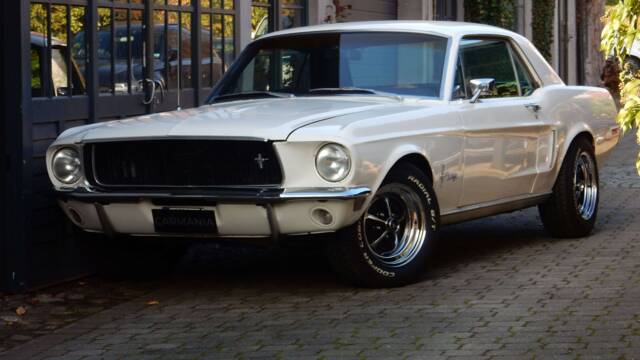
1968 | Ford Mustang 289
Ford Mustang

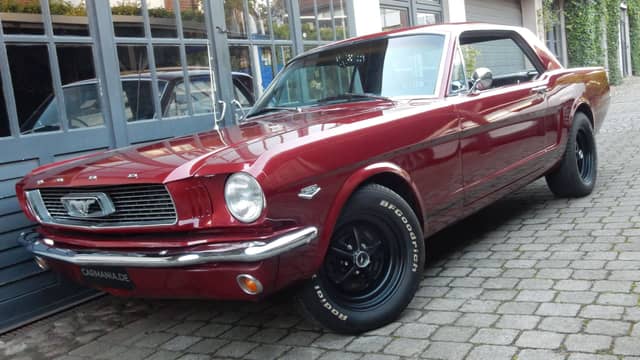
1965 | Ford Mustang 289
Ford Mustang
Auctions ending soon

Loading…
Loading…
Loading…
Loading…
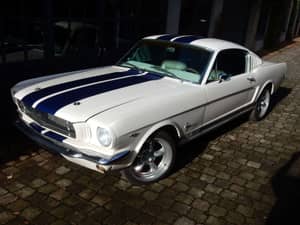
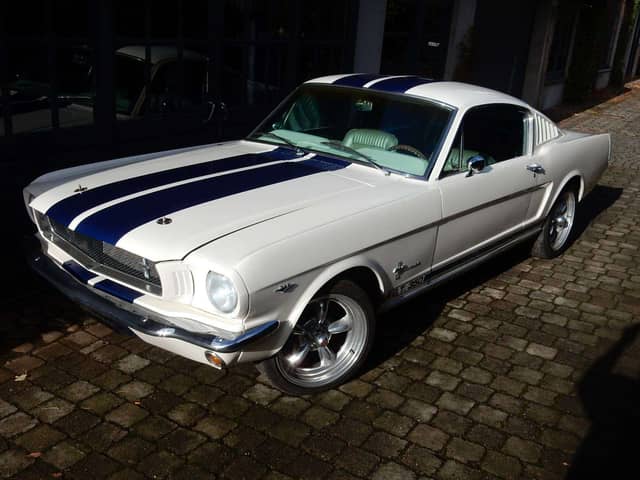
1965 | Ford Mustang 289
Ford Mustang

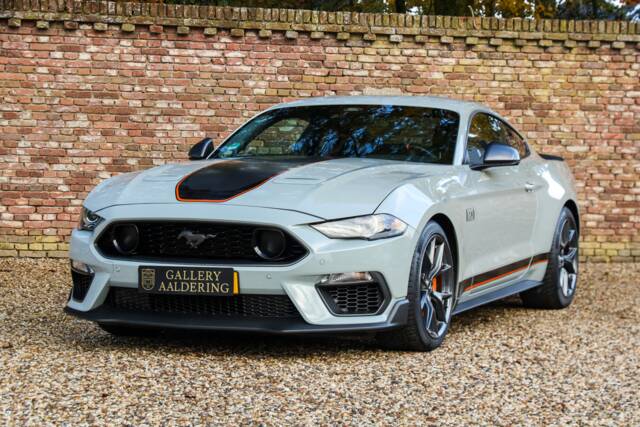
2022 | Ford Mustang Mach 1
Ford Mustang Mach 1 "Proper V8-behavior " The last owner is a serious guy—that's why the maintenance was done properly,The Mustang isn't brand new—but it's still in "like new" condition,It has a tune/remap from Hennessey-USA, "With the correct engine",For connoisseurs and novices alike: This is a European Mustang Mach 1,Best quality? - It's street legal,"Please—A Mach 1 isn't dangerous—It only takes a few skills"

Newsletter
The best Ford listings, straight to your inbox
Get hand-picked Ford listings, plus the best of cars, motorbikes, and auctions on Classic Trader — all in one place.
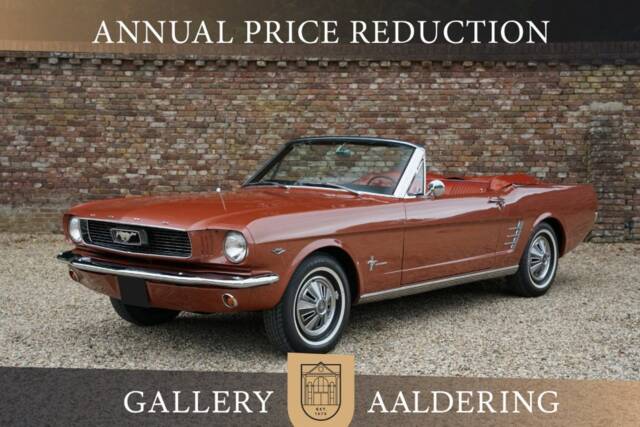
1966 | Ford Mustang 289
Ford Mustang 289 Convertible Deluxe Emberglo "One owner from new" PRICE REDUCTION One owner for nearly 60 years—Miss Alves of Taunton - Massachusetts, In original and unrestored condition, Original two-tone Emberglo and Parchment luxury Pony interior, Considering the number of Mustangs produced this color scheme is fairly rare, Accompanied by original purchase invoice and the manual,
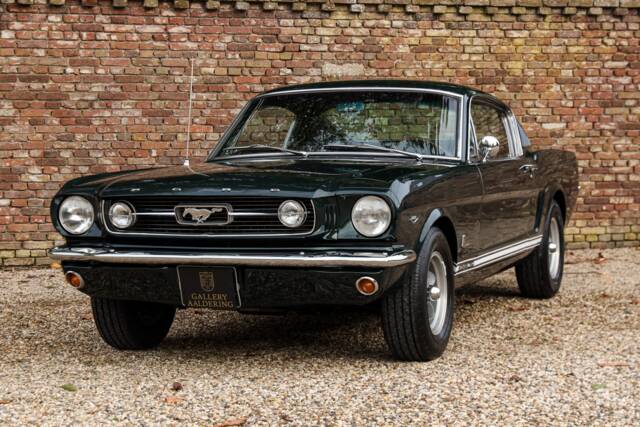
1966 | Ford Mustang 289
Ford Mustang Fastback 289 GT "A-code with BluePrint-engine" "A-code with BluePrint-engine" - Just for that little something extra so to speak,Restored in the past and mechanically rebuilt in recent years for €36.000,Ivy Green with the "Pony interior", The Mustang stands a little rebelliously on its Torq Thrust wheels - that's nice,Mechanically rebuilt by a reputable all-around classic car specialist,"There's something about a Fastback"
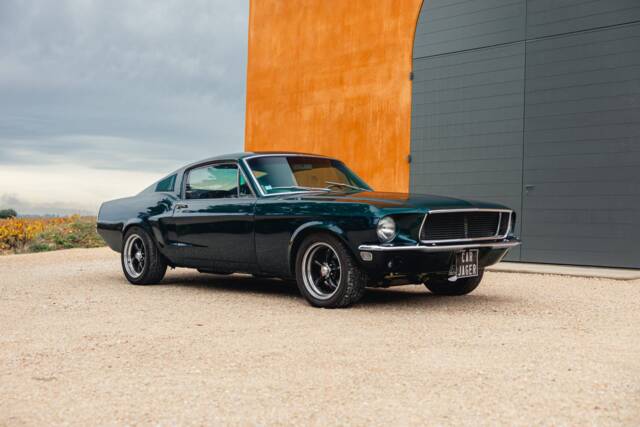
1967 | Ford Mustang 302
Bullitt - Restaurée - V8 302 - Boîte Top Loader 4 rapports - Dossier de restauration - Garantie

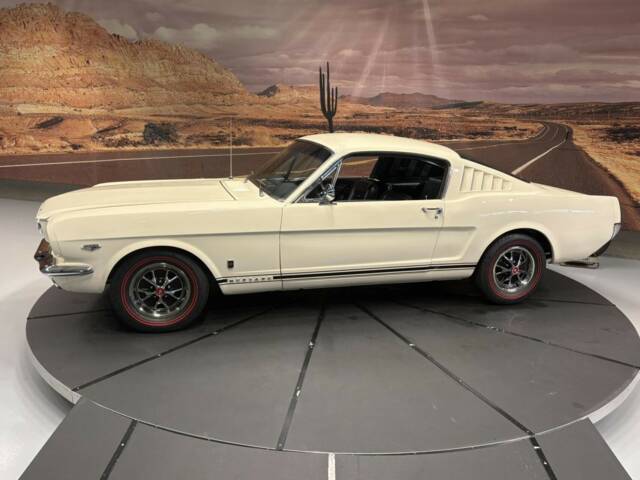
1966 | Ford Mustang GT
Ford Mustang Fastback K-Code GT
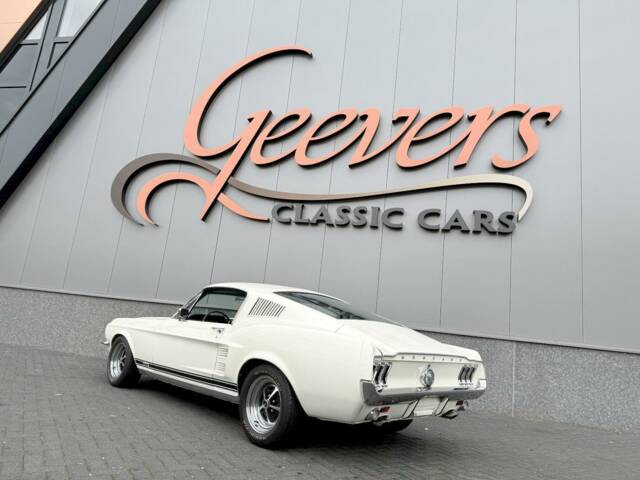
1967 | Ford Mustang 390 GTA
Ford Mustang Fastback GTA-390
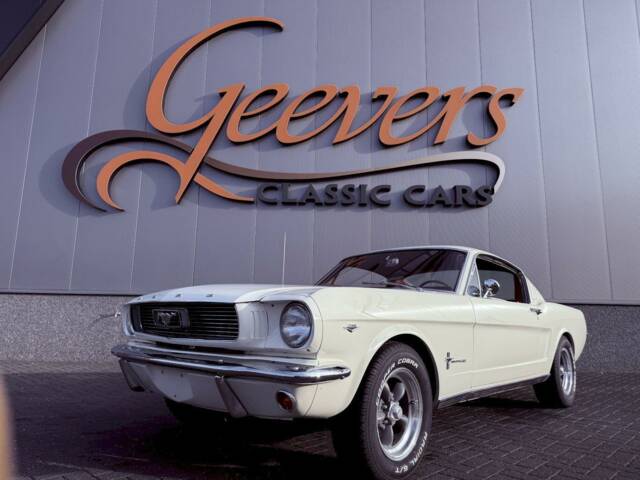
1966 | Ford Mustang 289
Ford Mustang Fastback 289 A-Code
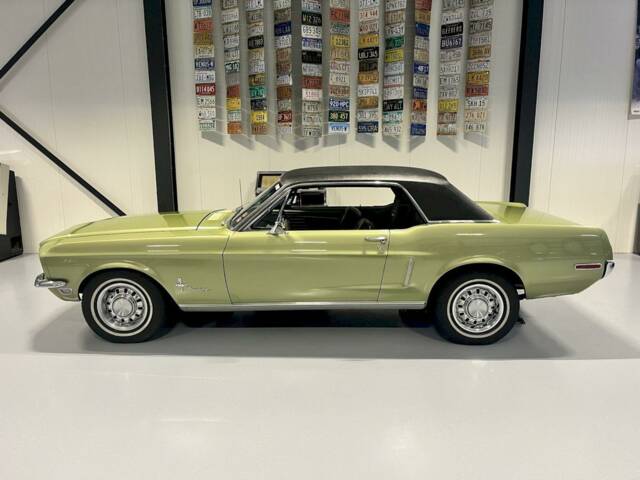
1968 | Ford Mustang 390
Ford Mustang Coupe X-code 390 long time owned
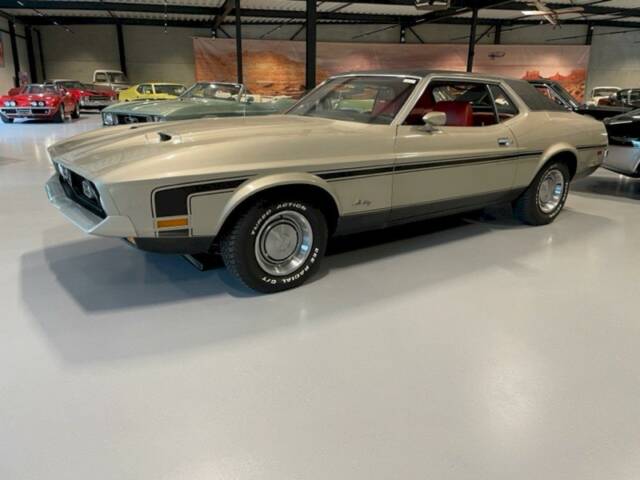
1971 | Ford Mustang Grande 351
Ford Mustang Grande 302 F-Code
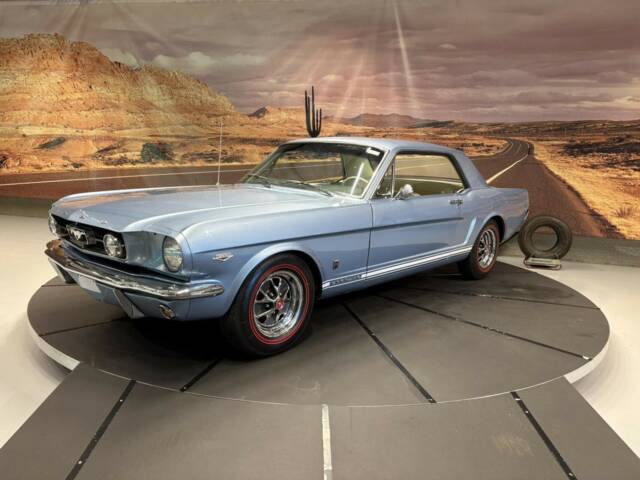
1966 | Ford Mustang 289
Ford Mustang Coupe K-Code
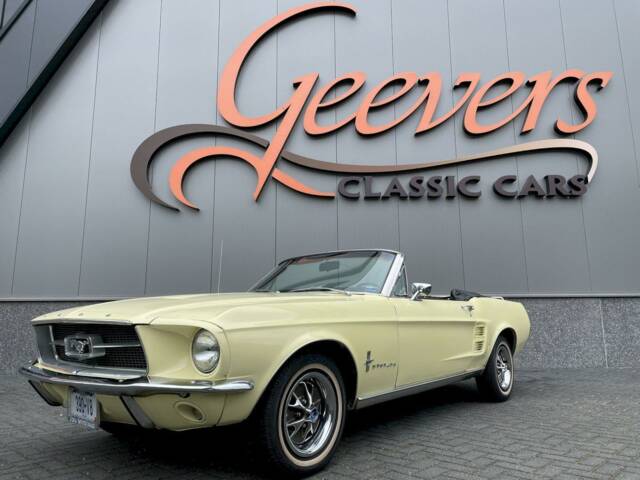
1967 | Ford Mustang 289 GTA
Ford Mustang Convertible s-code 390-320hp
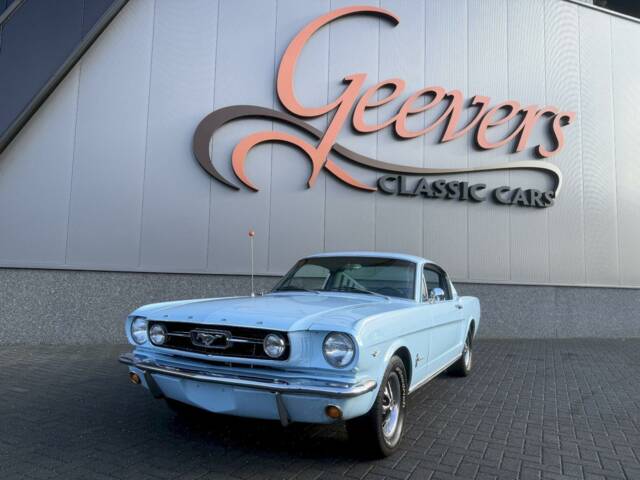
1966 | Ford Mustang 289
Ford Mustang Fastback 289 C-Code
Ford Mustang Classic Cars: Prices & Market Values
Ford Mustang history
Ford developed the Mustang using components from the Falcon and Fairlane, keeping costs down while giving the new car a distinct sporting appearance. Lee Iacocca presented it at the New York World’s Fair on 17 April 1964; Ford took 22,000 orders on the first day.
The production Mustang followed an earlier, mid-engined two-seat concept but adopted a front-engine, rear-wheel-drive layout and seating for four. Buyers could tailor the car with different engines, transmissions and comfort equipment. Coupé and convertible bodies were joined by a fastback later in 1964.
Ford Mustang generations
- First generation, 1964½–1973: The original Mustang grew in size over its production run. Engine choices ranged from a 2.8-litre straight-six to large-capacity V8s, and the range included GT, Mach 1, Boss and Shelby models.
- Mustang II, 1974–1978: A smaller redesign emphasised economy, with a 2.3-litre four-cylinder, a 2.8-litre V6 and, from 1975, a V8. Ghia trim added a luxury-oriented version.
- Third generation, 1979–1993: The longer, lighter Mustang adopted a more European-influenced look. The 5.0-litre V8 GT returned in 1982, followed by the convertible in 1983.
- Fourth generation, introduced in 1994: Launched for the Mustang’s 30th anniversary, it brought styling references to the original car and later received a substantial visual update.
- Later generations: Ford continued to offer V8 GT and Shelby models, alongside revived Mach 1 versions. The sixth-generation car, revealed in 2013, featured independent rear suspension. The Mustang is now in its seventh generation.
What makes the Ford Mustang distinctive?
The first Mustang combined Falcon-derived running gear with proportions that defined the pony car: a long bonnet, short rear deck and a low sporting profile. Its construction used a unitised body with welded box-section side rails and crossmembers.
The range extended well beyond the basic six-cylinder coupé. A buyer could specify a V8, manual or automatic transmission, a convertible body or a performance package; the 1966 GT option, for example, brought fog lamps, stripes, dual exhausts and special instruments.
Ford Mustang technical data
Ford Mustang special editions and performance models
- Shelby GT350: Introduced in 1965, this performance Mustang was developed with Carroll Shelby and featured suspension upgrades and distinctive styling.
- Shelby GT500 and GT500KR: Larger-engined Shelby versions continued the collaboration, with bespoke styling and performance equipment.
- Mach 1: Introduced for 1969, the Mach 1 combined V8 power with revised suspension and visual enhancements. Ford later revived the name.
- Boss 302 and Boss 429: Built for 1969–70, these homologation specials used dedicated engines and chassis upgrades for racing.
- SVT Mustang Cobra: Launched in 1993 by Ford’s Special Vehicle Team, the Cobra received distinctive styling; the Cobra R was its racing-oriented counterpart.
Buying and inspecting a Ford Mustang
Check the specification carefully when comparing first-generation Mustangs: straight-six and V8 engines, three- and four-speed manuals, and automatic gearboxes were all offered. On a convertible, inspect the operation of the roof, including the power mechanism where fitted. Test equipment such as power steering, air conditioning and the brakes against the car’s stated specification.
Ford Mustang engines and driving
The original Mustang’s rear-wheel-drive layout remained a defining part of the model. Early buyers could choose the 2.8-litre straight-six or a range of V8s; the 1965 K-Code 289 HiPo V8 used solid lifters and performance-oriented internal components.
The Mustang II took a different approach, with four- and six-cylinder engines before the V8 returned. In 1982, the third-generation Mustang GT brought back a 5.0-litre V8 with a four-speed manual gearbox. Later cars added technology such as selectable driving modes and, on some models, MagneRide adaptive suspension.
Ford Mustang design and equipment
The first-generation Mustang’s long bonnet and short rear deck were paired with a running-horse badge, side scoops and three-bar tail lamps. Coupé, convertible and fastback bodies gave buyers three different rooflines; bonnet scoops and stripes appeared on selected versions.
Inside, early cars seated four and could be ordered with the deluxe Pony interior. Options included air conditioning, power steering and a Rally-Pac with a rev counter and clock. The 1971–73 cars grew wider, while the smaller Mustang II marked a substantial change in proportion.
Buying a classic Ford Mustang
A classic Ford Mustang can mean a 1960s six-cylinder coupé, a V8 fastback or a smaller Mustang II. Compare the body style, engine, gearbox and equipment before choosing: the differences between a standard Mustang, a GT and a Shelby are central to the ownership experience.
FAQs
Why are Ford Mustang classic cars so popular?
Ford Mustang classic cars are celebrated for their powerful V8 engines, iconic and timeless design, rich motorsport heritage, and diverse range of models. A dedicated fan base and good availability of spare parts also contribute to the enduring popularity of these classics.
How do I find parts for a classic Ford Mustang?
Parts for classic Ford Mustangs are readily available. Specialized Mustang parts dealers, online classic car parts marketplaces, Mustang clubs, and enthusiast networks provide numerous options. Many original parts are available as reproductions, and swap meets at classic car shows are also a great source.
What should I consider when buying a Ford Mustang classic car?
When purchasing a classic Ford Mustang, pay close attention to rust damage, especially on the undercarriage and wheel arches. The originality of the engine, transmission, and interior is crucial, as well as the condition of the suspension and braking system. A complete vehicle history and documentation are essential, along with matching numbers (corresponding chassis and engine numbers), and the rarity and appreciation of the specific model.