Ford Escort classic cars for sale
The Ford Escort stands as a cornerstone in European motoring history, produced from 1968 to 2000 in numerous body styles and high-performance variants. Its motorsport legacy, technical versatility and wide range of special editions make the Escort an enduring favourite among classic car fans. From family estates to rally legends, the Escort has left its mark through generations.
Search results
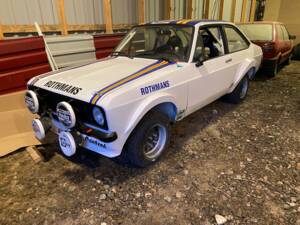
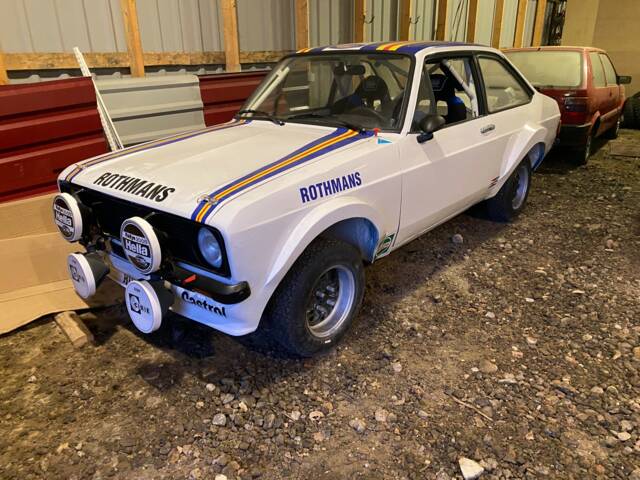
1978 | Ford Escort RS 2000
Escort RS2000 replica rally race

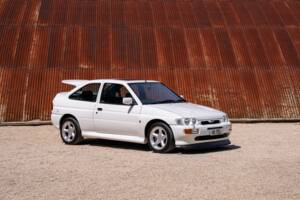
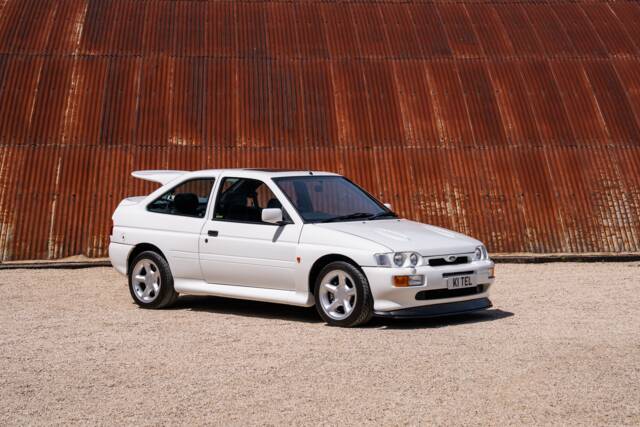

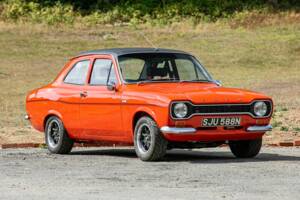
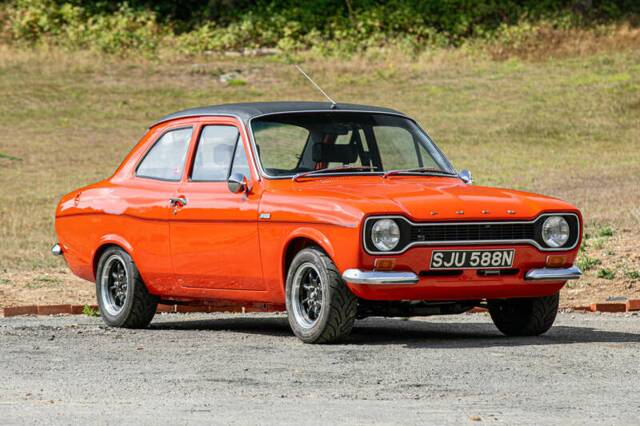
1974 | Ford Escort RS 1600
1974 Ford Escort MK1 RS1600 - Custom Pack
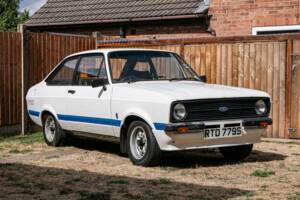
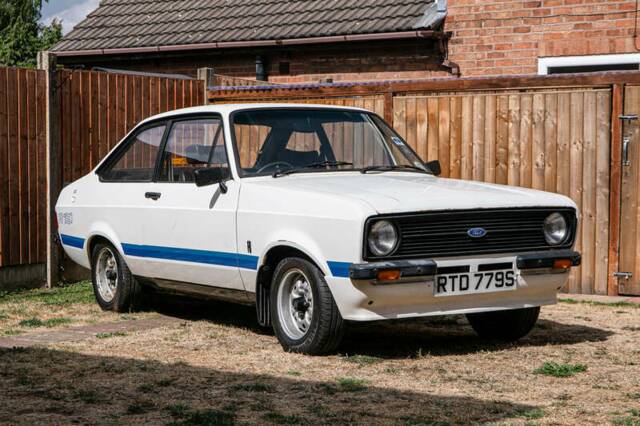
1978 | Ford Escort Mk II RS1800
1978 Ford Escort Mk2 RS1800
Newsletter
The best Ford listings, straight to your inbox
Get hand-picked Ford listings, plus the best of cars, motorbikes, and auctions on Classic Trader — all in one place.
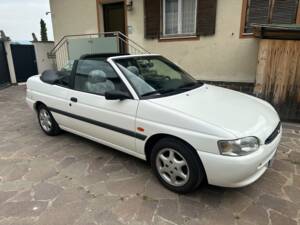
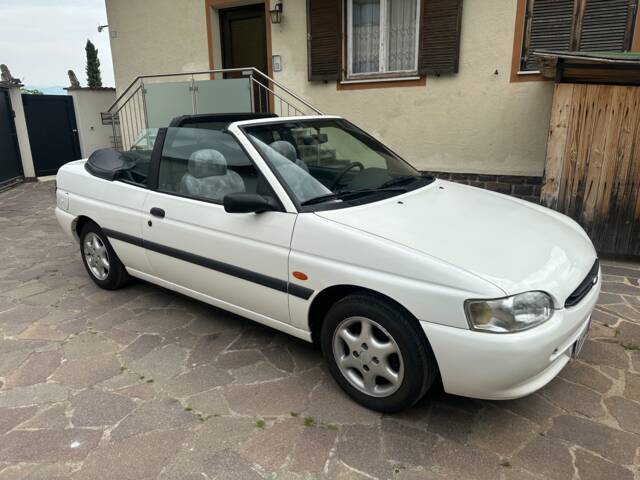
1995 | Ford Escort 1.6i
Gold ASI Cabrio

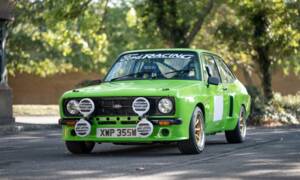
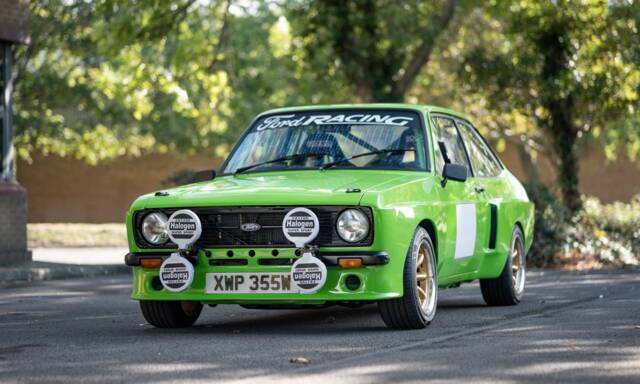
1980 | Ford Escort 1600
1980 Ford Escort 1600 Sport 'Fast Road Specification'
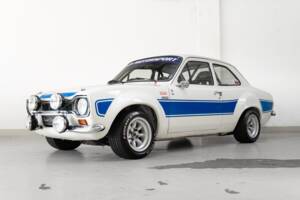
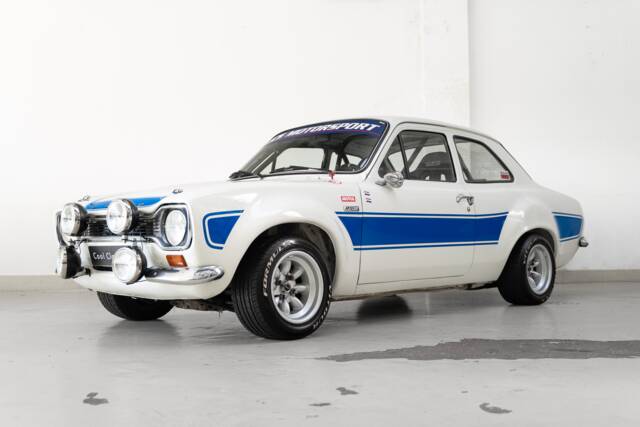
1975 | Ford Escort RS 2000
- FIA HTP Passport - 235 HP -

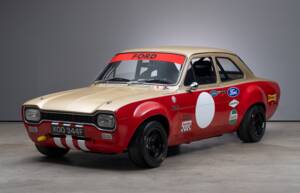
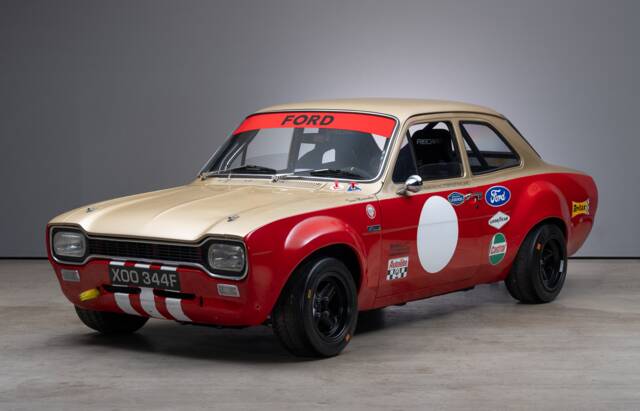
1971 | Ford Escort RS 1600
Escort 1600 RS BDA FIA Renn-/ Rallyefahrzeug

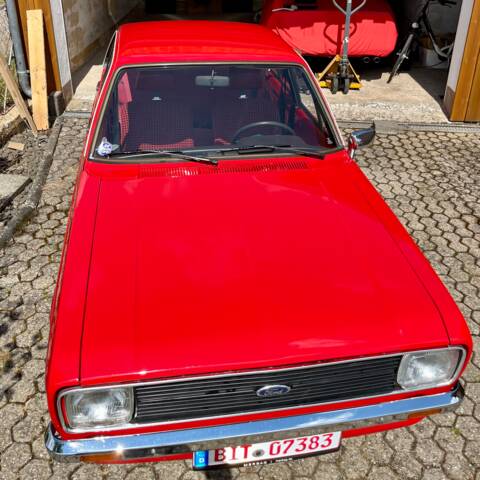
1979 | Ford Escort 1300
Escort L 1300
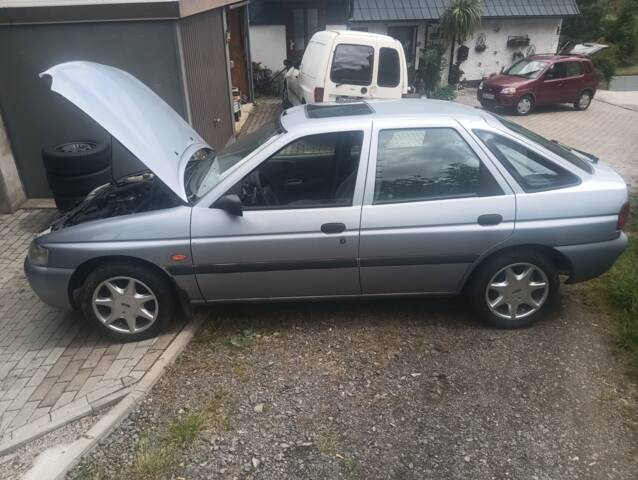
1996 | Ford Escort 1.6i
Ford Escort 1.6 16V 4 ×4
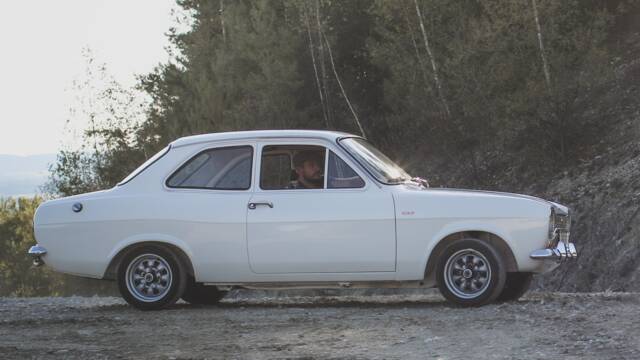
1969 | Ford Escort (1100)
Ford Escort Mk1 – Unique rarity for discerning collectors

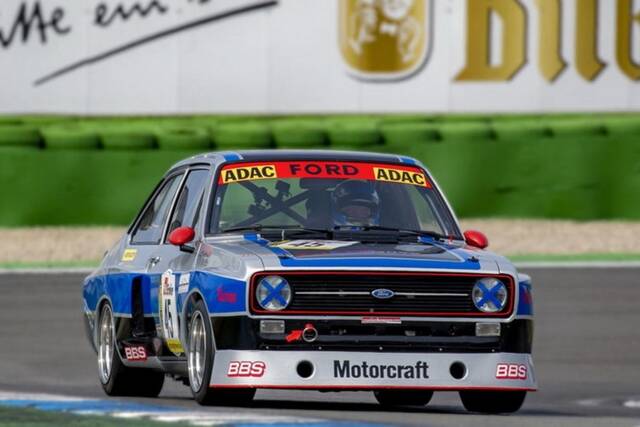
1975 | Ford Escort RS 1800
Ford Escort RS1800 Mk2 - Group 2

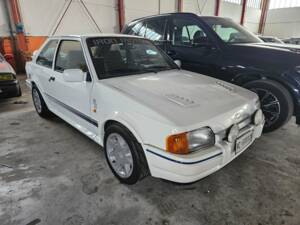
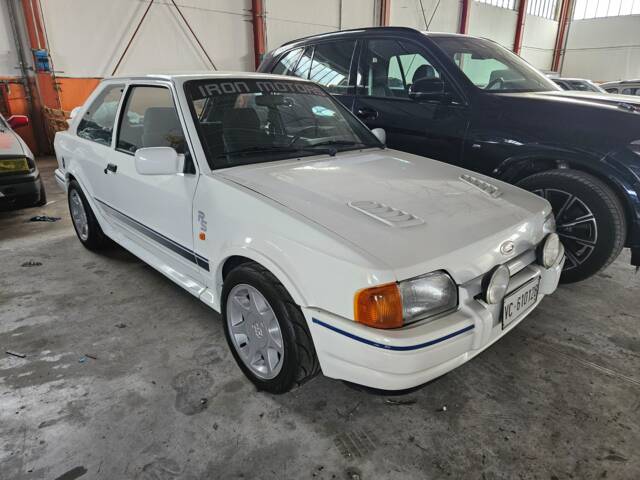
1988 | Ford Escort turbo RS
Motore revisionato
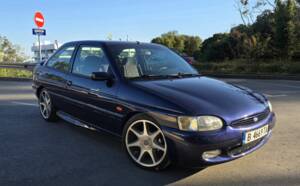
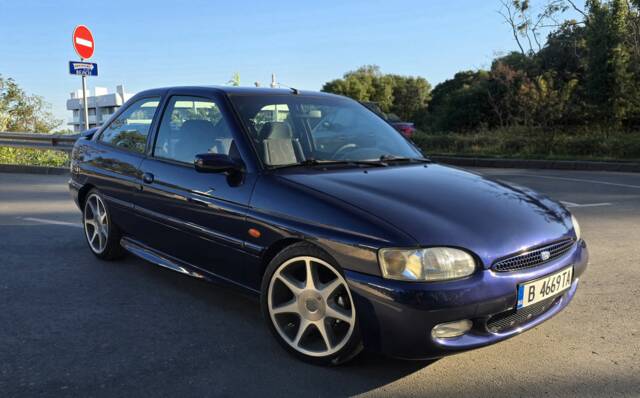
1996 | Ford Escort 2.0 16V "F1 Edition"
Ford Escort RS2000 F1 Edition | 1996 | Route 66 Auctions - For sale by auction. Estimate 9600 EUR
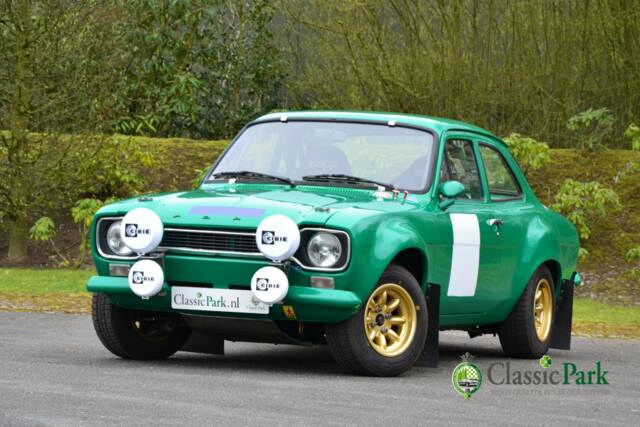
1974 | Ford Escort 1.6 Rally
Ford Escort Mk1 Rally car
Ford Escort Classic Cars: Prices & Market Values
The market value of Ford Escort classic cars is primarily determined by the specific manufacturer code and variant, as well as technical condition, originality and mileage. Additional factors include rarity, history and documentation. A well-maintained, largely original vehicle with low, verifiable mileage and complete history including appraisals and documentation typically achieves significantly higher prices than a comparable vehicle with deferred maintenance, many modifications or unclear provenance.
Ford Escort: Market Prices & Value Trends
Based on sales data from the Classic Trader marketplace, the Ford Escort classic market across Europe and the UK has remained broadly firm over the period from January 2021 to January 2026, with the clearest strength in homologation and RS-badged cars. Everyday Escorts (for example 1980s–1990s 1.3/1.4/1.6 models and 1992 1.8 16v cars) typically sit in the lower end of the market, most often around €3,000–€13,000 (or roughly £5,000–£15,000 in UK ads), heavily dependent on condition and originality. By contrast, sought-after performance variants such as the Escort Mexico (early 1970s), RS 2000 (mid/late 1970s) and RS1600i/turbo models commonly trade in the €25,000–€75,000 band, with UK asking prices frequently in the £30,000–£50,000 region. RS Cosworth examples (1992–1996) are consistently higher, typically around €55,000–€70,000, reflecting limited supply and strong collector demand. Ultra-rare rally builds appear at extreme prices, but these are outliers rather than day-to-day market reference points.
History of the Ford Escort
Launched simultaneously by Ford in Germany and the UK in 1968, the Escort was designed to take on rivals like the Opel Kadett and Vauxhall Viva. The Mk1 gained attention for its distinctive 'dogbone' grille and practical engineering. Its debut at the Brussels Motor Show set the tone for a model that combined everyday usability with affordability, quickly reaching production milestones—such as 100,000 vehicles built at Halewood in just a few months. The Escort was at the heart of family and motorsport experiences across Europe—its first two generations defined by rear-wheel drive and robust suspension, while later series introduced technical innovations and greater comfort. Over seven generations, the Escort's blend of practicality and sporty flair ensured its place among Europe’s most-produced and recognised vehicles.
Model History
The Escort's generational journey began with Mk1 (1968–1975), featuring a curvy design and rear-wheel drive. Mk2 (1975–1980) continued the formula with a boxier look, still retaining the classic drive layout. Mk3 (1980–1986) introduced front-wheel drive, a shift to hatchback form, and innovations like CVH engines. Subsequent Mk4 (1986–1990), Mk5 (1990–1995), and Mk6 (1995–2000) offered incremental updates, new engine choices, improved comfort and safety, and more body variations including cabriolets and estates. Motorsport-focused derivatives like the RS and Mexico models, as well as the infamous RS Cosworth, cemented the Escort’s cult status. In 1998 the Escort was succeeded by the new Ford Focus, marking the end of a 33-year production run.
Highlights and Unique Features
The Ford Escort is notable for its breadth of variants and motorsport achievements. Its versatility ranged from base models and everyday saloons to the high-performance RS and Mexico series from Ford’s AVO division. Motors ranging from 1.1L to turbocharged 2.0L Cosworth units, rear and later front-wheel drive, as well as the all-wheel drive RS Cosworth set the Escort apart for both enthusiasts and everyday drivers. Interior upgrades, limited editions, homologation models, and special feature-packed versions meant there was an Escort for every taste—from rally tracks to suburban streets.
Technical Data
Special Editions and Collectible Models
The Escort’s lineage is rich with special and motorsport-inspired editions. Among the most notable are the AVO-produced Mexico, RS1600, and RS2000 with uprated suspension and strengthening. The RS Turbo and RS Cosworth models offered uprated engines and performance features for homologation and road use, while packages like the Ghia and Ghia X brought more luxury. Limited production runs such as the Escort Laser, XR3i Cabriolet (assembled by Karmann), and university editions further diversify the options for collectors.
Weak Spots and Common Issues
Classic Escort ownership involves looking out for bodyshell corrosion—particularly around suspension mounts, sills, and footwells—especially on early models and high-performance derivatives. Mechanical wear on CV joints, gearboxes (notably on high-mileage FWD variants), and cooling system issues can be concerns. Interior wear on bolsters and ageing electrics also occur, especially on Ghia and RS models with higher trim complexity. Rust protection and timely mechanical checks are recommended for preserving longevity, particularly on AVO and homologation models.
Engine, Transmission and Handling
The driving character of the Escort varies greatly: early rear-wheel drive models (Mk1/Mk2) provide direct handling and nimble chassis balance—valued for historic rally capability. With the Mk3, transition to front-wheel drive increased everyday comfort and introduced more forgiving understeer characteristics. High-performance models like RS1600, RS2000, and especially the turbocharged RS Cosworth, deliver sharp acceleration, precise power delivery, and robust braking systems—attracting both track drivers and collectors. Later Ghia and GL models prioritise comfort and cruising refinement. Among enthusiasts, Mk1 Mexico and RS1600 (noted for Ford BDA engines and rally pedigree), Mk2 RS2000, and the RS Cosworth (AWD, turbocharged 220–227hp) are especially celebrated. XR variants and the rare Escort Cabriolet also attract interest for their unique combination of style and driving fun.
Interior, Comfort, Exterior, and Design
Escort interiors range from spartan base trim to luxurious Ghia wood-and-velour environments. RS and XR models featured sports steering wheels, Recaro or bespoke sport seats, additional dials (oil pressure, voltmeter, rev counter), and bespoke trim details. Exterior customisation—striking decal sets, plastic or chrome bumpers, Minilite and RS alloys, and unique RS and Mexico bodywork signatures—characterise the Escort’s visual identity. COLOURS and MATERIALS: The palette varied with exclusive metallics and rally-inspired graphics for special editions; interiors often included hard-wearing cloth or optional leather/velour. Accessories such as additional spotlights, roll bars, and period trip meters are common in motorsport derivatives.
Other Relevant Features
Escort models were offered with a wide array of optional accessories and customisation: roof-mounted spotlights, sump guards for rally use, special badges, mudflaps, and fire extinguisher fittings. Later models could be equipped with anti-lock braking systems, side impact protection, and airbag options. Upgraded sound systems, electric sunroofs, and unique paint/trim codes are also found across the series.
Summary
Across six full generations and countless variants, the Ford Escort encapsulates the evolution of European compact cars. Its catalogue of body shapes and engines, frequent appearance in motorsport, and enduring popularity among collectors are evident in ongoing market interest—particularly for early models and special editions. Whether seeking a practical daily classic or a motorsport-heritage project, the Escort remains a fundamentally important, mechanically approachable, and rewarding piece of motoring history.