Ford Model A classic cars for sale
The Ford Model A stands as a milestone in automotive history, representing Ford's transformation after the Model T era. Produced from 1927 to 1931 in over 4.8 million units, the Model A set new standards for driving comfort, engineering, and variety. This classic is renowned for its robust engineering, distinctive body variants like the Roadster and Tudor, and a surprisingly modern driving experience for its time.
Search results
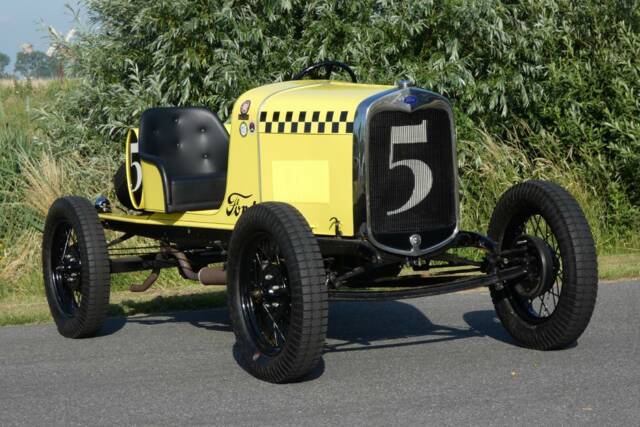
1930 | Ford Model A Speedster
Beach Racer


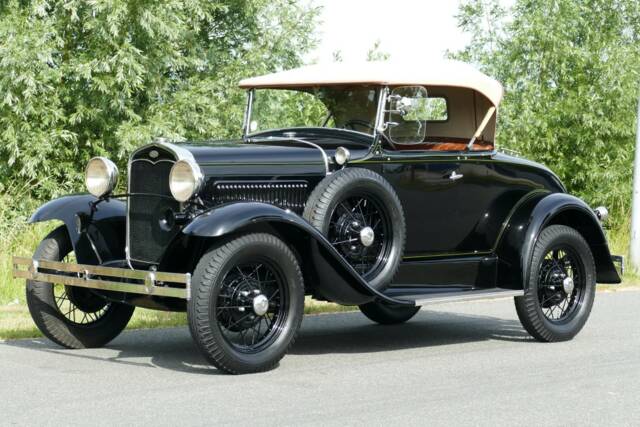
1931 | Ford Model A
Ford Model A Roadster deLuxe 1931
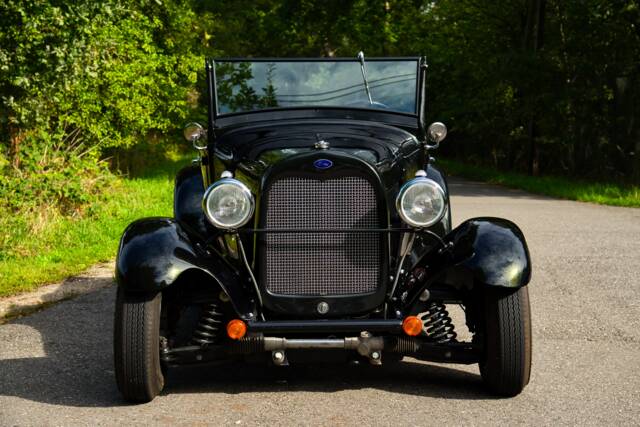
1928 | Ford Model A
Model A Roadster Pickup Hot Rod | 1 of 1 | V8

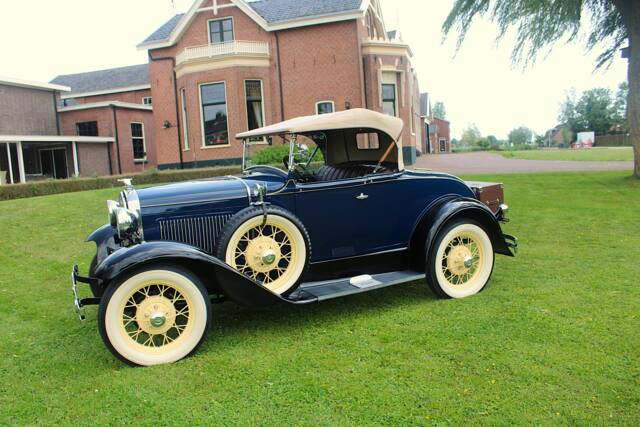
1931 | Ford Model A
Ford model a roadster deluxe
Newsletter
The best Ford listings, straight to your inbox
Get hand-picked Ford listings, plus the best of cars, motorbikes, and auctions on Classic Trader — all in one place.
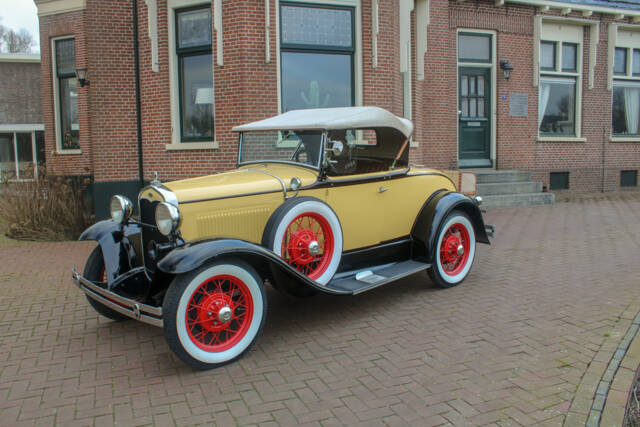
1931 | Ford Model A
Ford Model A Roadster Deluxe
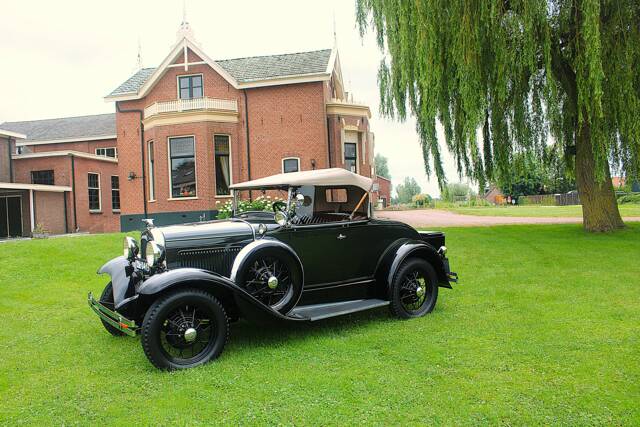
1931 | Ford Model A
Ford model a roadster deluxe
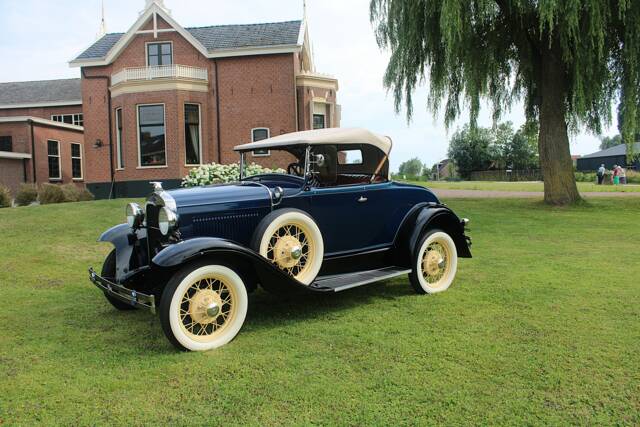
1931 | Ford Model A
Ford model a roadster deluxe


1928 | Ford Model A
Ford Pick up Roadster

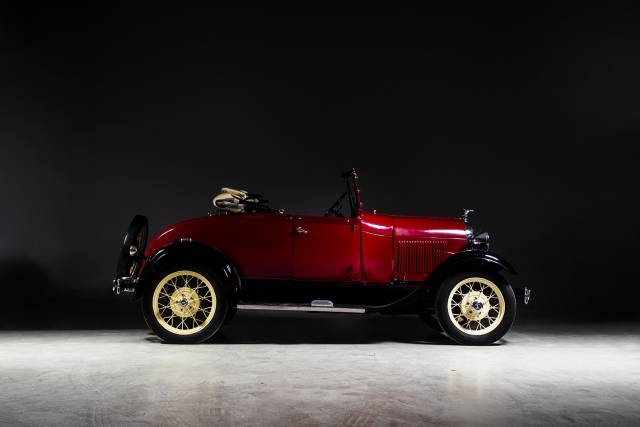
1929 | Ford Model A
Ford A Roadster 1929

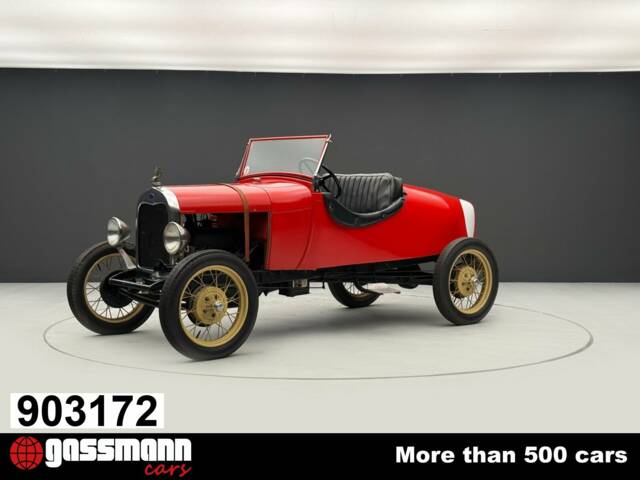
1929 | Ford Model A
Model A 2 Sitzer

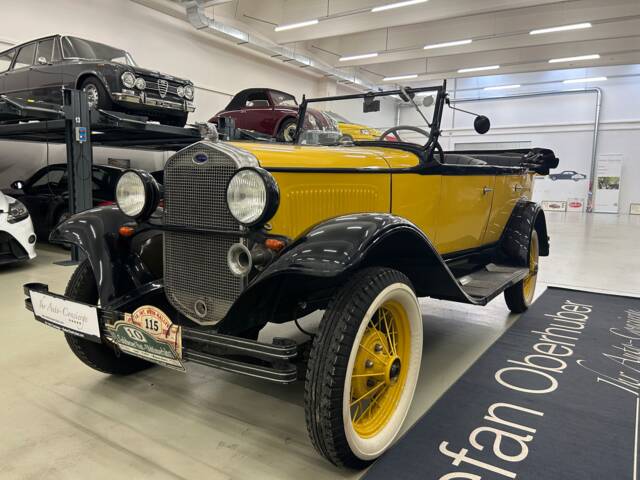

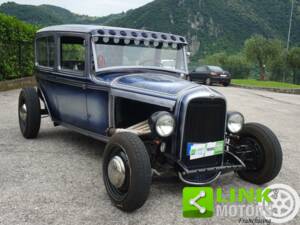
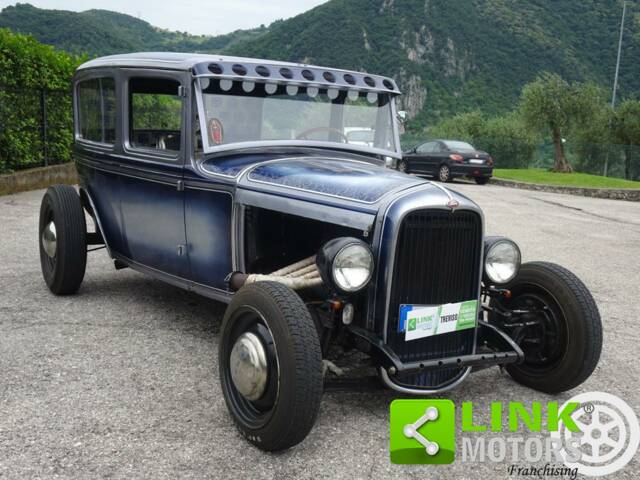
1931 | Ford Model A Hot Rod
FORD SEDAN HOTROAD

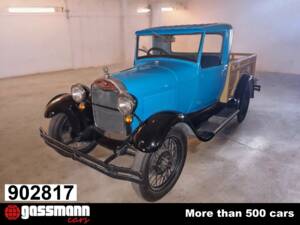
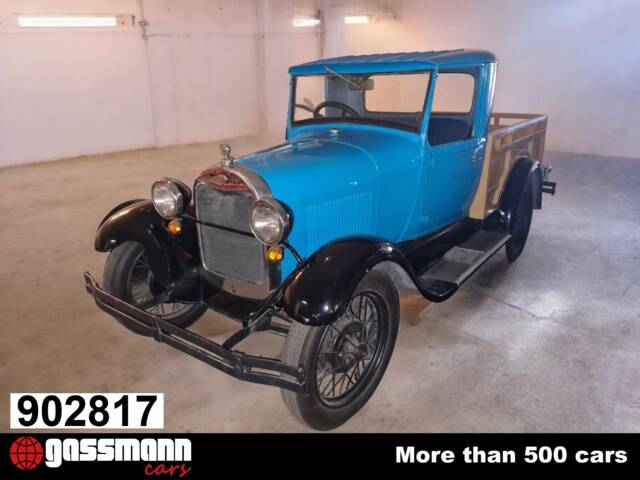
1929 | Ford Model A
Model A Pickup

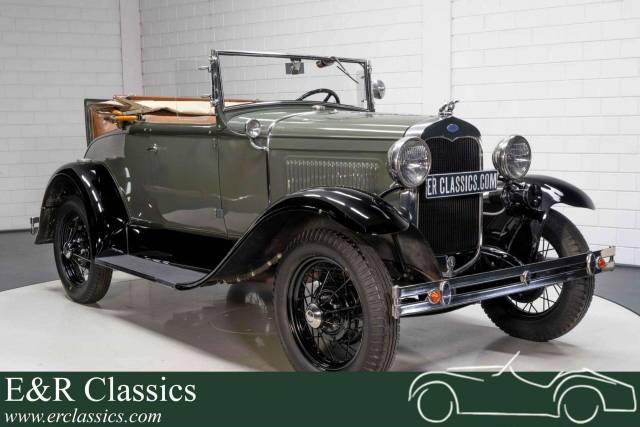
1931 | Ford Model A Speedster
Ford Model A Cabriolet | Gerestaureerd | Topstaat | 193
Ford Model A listing references from Classic Trader
Below you will find listings related to your search that are no longer available on Classic Trader. Use this information to gain insight into availability, value trends, and current pricing for a "Ford Model A" to make a more informed purchasing decision.
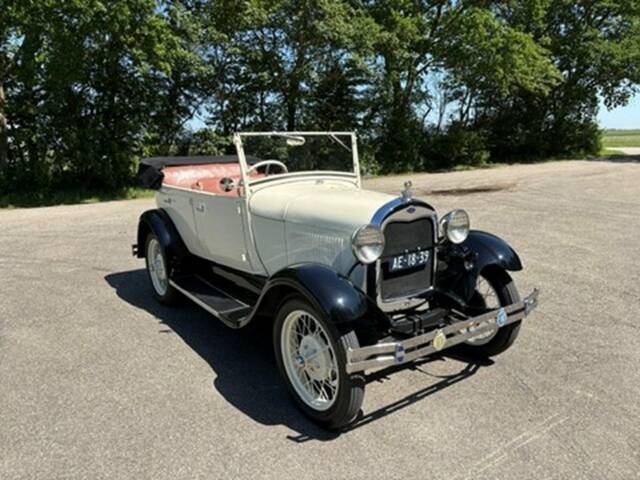
1926 | Ford Modell A Phaeton
Ford Model A Phaeton | 1926 | Route 66 Auctions - For sale by auction. Estimate 11500 EUR
Ford Model A Classic Cars: Prices & Market Values
The market value of Ford Model A classic cars is primarily determined by technical condition, originality and mileage, as well as rarity, history and documentation. A well-maintained, largely original vehicle with low, verifiable mileage and complete history including appraisals and documentation typically achieves significantly higher prices than a comparable vehicle with deferred maintenance, many modifications or unclear provenance.
Ford Model A: Market Prices & Value Trends
Based on sales data from the Classic Trader marketplace, the Ford Model A market in Europe has remained broadly stable over the period from early 2021 to January 2026, with a consistent “core” price band despite a few high-priced specials. Most standard 1928–1931 Model A examples (typically around 40 hp, including Tudor Sedan and Phaeton variants) cluster in the mid-market, suggesting a realistic current range of roughly €18,000 to €40,000 depending on body style, restoration quality and originality. Lower asking prices around €10,000–€15,000 do appear, but they are not representative and usually indicate projects or less desirable specifications, while occasional extremes (such as very highly priced Speedsters, Hot Rods or non-euro Swiss/UK listings) should be treated as outliers rather than the norm. For buyers, this points to a steady, liquid segment where well-presented cars hold value; for sellers, strong documentation and period-correct restorations help justify prices at the upper end as demand focuses on usable, well-sorted pre-war classics.
History of the Ford Model A
The Ford Model A marks two important phases in automotive history: the very first Ford from 1903–1904, and its better-known successor from 1927 to 1931. Henry Ford launched the original Model A as his company's first car, laying the foundation for a new manufacturing philosophy. The second Model A followed the end of the legendary Model T, signifying a leap in automobile development. The Model A ‘second generation’ saw rapid global expansion, with assembly in the USA, Germany, Argentina, and under licence as the GAZ-A in the Soviet Union. Its tremendous success in both private and commercial sectors—spanning family sedans to delivery vans—made the Model A inseparable from the rise of mass production and the global reputation of the Ford brand.
Model Series Evolution
After the initial Model A in 1903, the series truly revolutionised Ford's range in 1927 as the successor to the influential Model T. Marketed until 1931, the Model A was available as Roadster, Phaeton, Tudor and Fordor sedans, Coupé (also with a rumble seat), Cabriolet, Pickup, and Delivery Van. Special utility models, taxis, and custom speedsters were also produced. Its successor, the Model B, introduced a more advanced four-cylinder engine, while the Model 18 brought the V8 engine to Ford’s mainstream in 1932. Variants like the sporty Roadster and practical Pickup shaped the global classic car scene, and some Model A chassis remains the foundation for countless hot rods and motorsport conversions to this day.
Highlights of the Ford Model A
The Model A broke ground as the first Ford to have a modern pedal layout (clutch, brake, accelerator), a three-speed gearbox, and safety glass for the windshield. Across four standard colour options, buyers could configure the car in up to nine different body styles. Distinctive features included the 'mother-in-law seat' (rumble seat), striking chrome details, mechanical brakes on all four wheels, and a diverse accessory program. Certain rare variants—especially early utility types and some European models—are highly prized among collectors today.
Technical Data
Special Editions and Collectible Models
The Model A range featured special models including the Deluxe Roadster and Cabriolet for increased comfort and styling, speedster versions for motorsport, coaching Brougham with exclusive features, and Delivery Vans or Pickups for commercial usage. Some unique conversions include one-off taxis, police cars, and advertising vehicles. Limited editions and rare variants such as certain convertibles, aluminium-bodied versions, and speedsters fetch higher values in today’s market. Notable examples in popular culture include the Ramblin' Wreck (Georgia Tech’s mascot car) and record-setting rally and endurance conversions.
Weak Spots and Common Issues
The Model A is known for its mechanical simplicity and robust construction, but prospective owners should check for oil leaks, signs of worn bearings, tired original wiring (especially if still 6V), worn clutch or brake linkages, and misaligned doors/bodywork due to frame twisting. Brake systems, originally mechanical, should be checked for even pull and upgraded to hydraulics if regular use is planned. Many cars have been retrofitted with modern electrics or improved ignition systems, but non-original modifications may affect authenticity. Good parts availability simplifies maintenance, but hand-crafted coachwork and rare body elements may be harder to replace.
Engine, Transmission and Driving Experience
With 40 hp and a reasonably light chassis, the Model A provides brisk performance for vehicles of its era—achieving typical speeds of 60-70 km/h with a maximum of around 100 km/h, making it usable for rallies and short trips today. The unsynchronised three-speed transmission rewards drivers with mechanical finesse, and the unassisted steering requires deliberate input at low speeds. Braking relies on well-adjusted mechanical drums. The ride is firm but compliant thanks to leaf springs, while open-body versions allow for a raw, mechanical motoring feel. Motorsport-converted Speedsters, aluminium-bodied specials, and cars with tuned engines were built for competition and are even more lively to drive. Popular variants include:
- Tudor and Fordor sedans for family comfort (4 seats)
- Roadster and Cabriolet for open-air driving
- Pickup and Delivery Van for historic commercial use
- Motorsport speedsters and custom hot rods for historic racing
Interior, Comfort, Exterior and Design
Model A interiors are utilitarian yet period-authentic, usually with simple upholstery—either cloth or imitation leather—basic instrumentation (speedometer, fuel gauge, sometimes clock-in-mirror). The dashboard is minimal but functional. Signature features include the split windscreen (using safety glass on later models), chrome-plated radiator shell, and visible external hinges and roof bows (especially on Cabriolets and Phaetons). Special accessories include luggage racks, wind wings, spotlights, and either wire or disc wheels. Colour options in period varied, with black notably absent early on—a sharp contrast to the Model T. The body is often steel, but rare aluminium specials exist. Most convertibles feature folding roofs (often fabric with wood bows), while closed models prioritise practicality. Distinct design cues, such as side-mounted spares or the famous 'mother-in-law seat,' add to the individuality of each body style.
Other Features and Details
Model A is noted for excellent spare parts supply, which remains strong for both technical and body components—even major mechanicals are typically available as new or exchange units. Many examples are eligible for historic registration plates, offering tax and insurance benefits depending on national regulations. The Model A is common at historic driving events, rallies, and shows. Some vehicles still maintain rare patina; others are meticulously restored or tastefully modified for greater reliability or period-correct motorsport. Model A’s global reach included assembly in several countries, with minor adaptations for local markets.
Summary
Ford’s Model A bridged the gap between pre-war simplicity and the modern car. It remains the most widely represented Ford classic, dominating listings and search volume for the marque. The blend of reliable mechanics, varied model choices, and a unique driving experience maintain its appeal for enthusiasts and collectors alike. With strong club support, robust spare-part availability, and usage in everything from leisurely outings to motorsport, the Model A occupies a lasting place within the world of classic vehicles.