Ford Thunderbird classic cars for sale
The Ford Thunderbird shaped the segment of American personal luxury cars from 1955 to 2005, oscillating between sporty two-seaters and spacious four-seaters through eleven distinct generations. Known for its stylistic diversity and V8 engines, it's a fixture in American car history and culture with a huge fanbase and a deep parts and knowledge network. Explore the broad variety of Thunderbirds from early Baby Birds to bold Square Birds and retro-modern 2000s models.
Search results
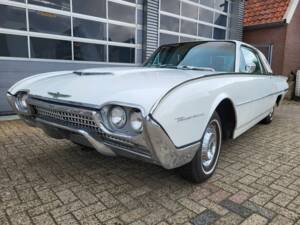
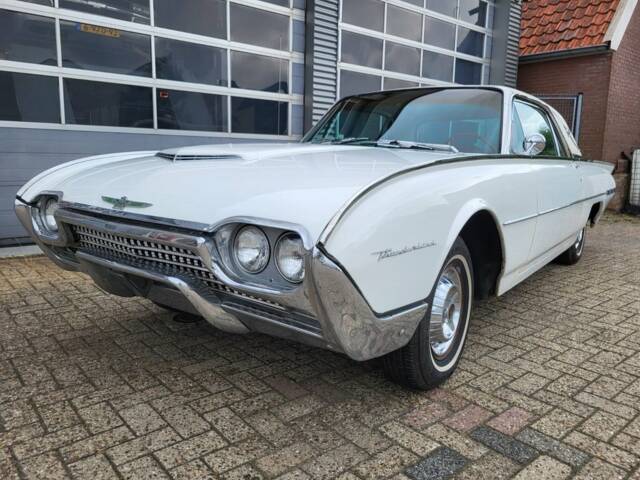
1962 | Ford Thunderbird
Ford Thunderbird Landau | 1962 | Route 66 Auctions - For sale by auction. Estimate 7800 EUR

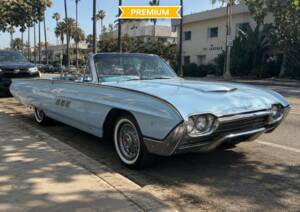
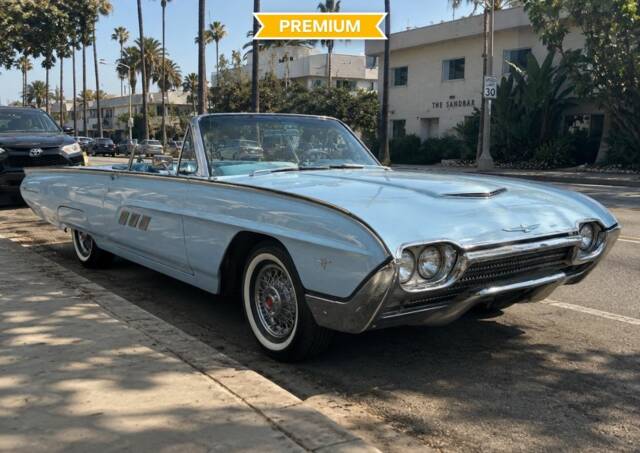
1963 | Ford Thunderbird
Ford Thunderbird | 1963 | Route 66 Auctions - For sale by auction. Estimate 18000 EUR
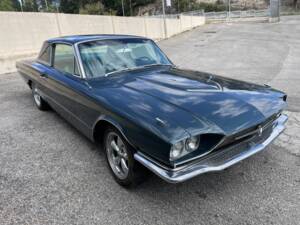
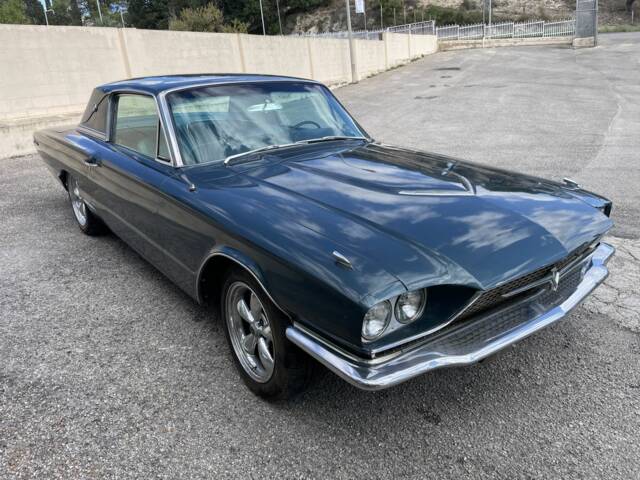
1966 | Ford Thunderbird
Ford Thunderbird | 1966 | Route 66 Auctions - For sale by auction. Estimate 13200 EUR
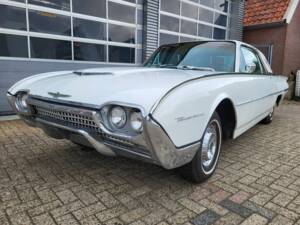
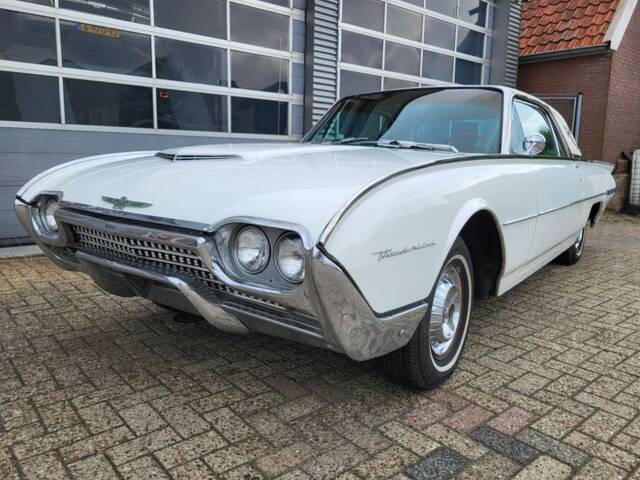
1962 | Ford Thunderbird Landau Coupe
Ford Thunderbird Landau | 1962 | Route 66 Auctions - For sale by auction. Estimate 7800 EUR
Newsletter
The best Ford listings, straight to your inbox
Get hand-picked Ford listings, plus the best of cars, motorbikes, and auctions on Classic Trader — all in one place.
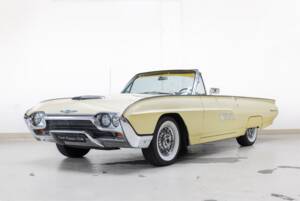
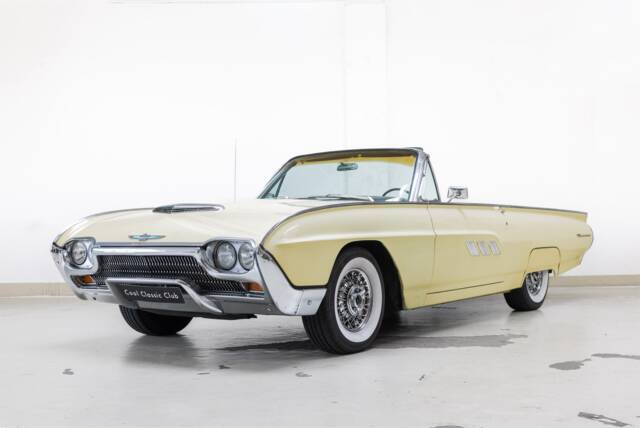
1962 | Ford Thunderbird
Sports roadster - M code 390 - Tucson Yellow
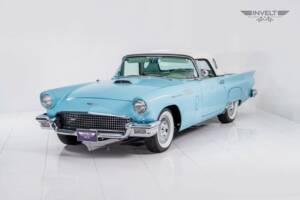
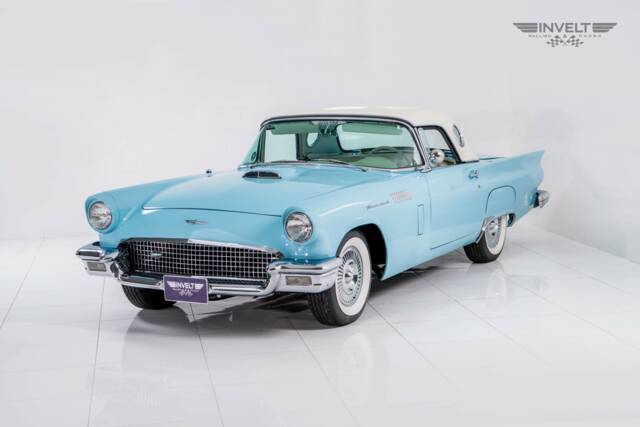
VAT is reclaimable

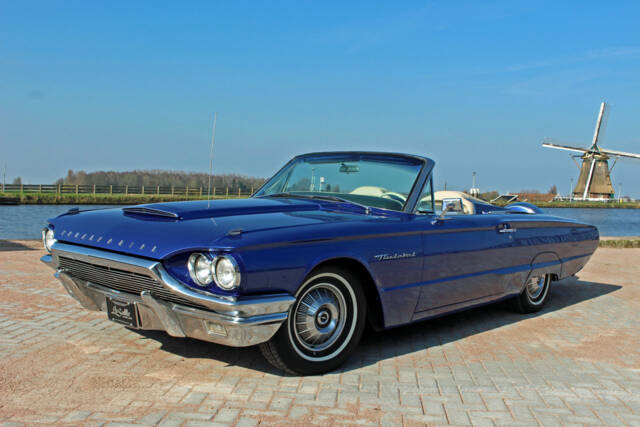
1964 | Ford Thunderbird
Excellent condition
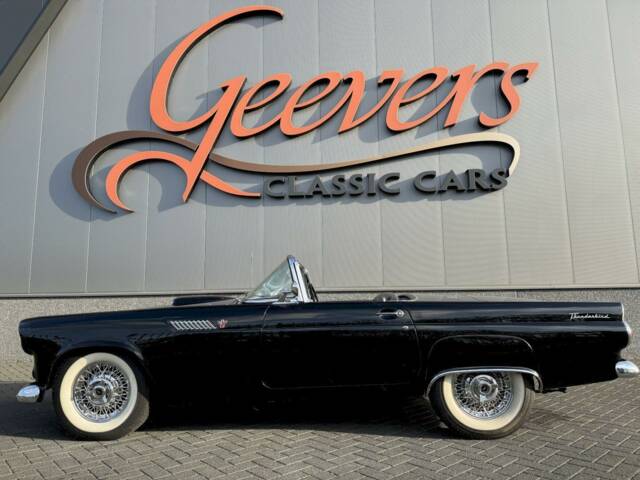
1955 | Ford Thunderbird
Ford Thunderbird Convertible
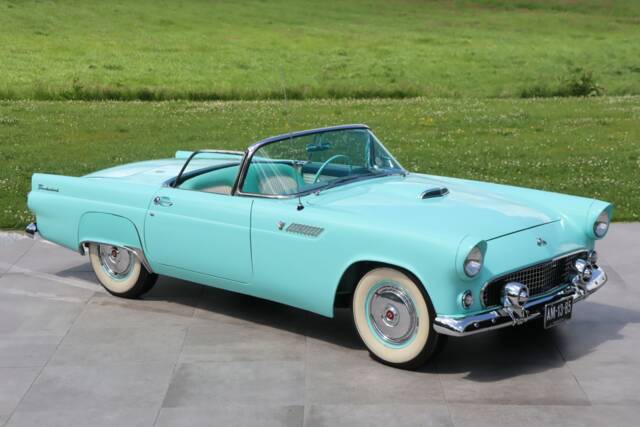
1955 | Ford Thunderbird
Ford Thunderbird Overdrive - Ex Film Car
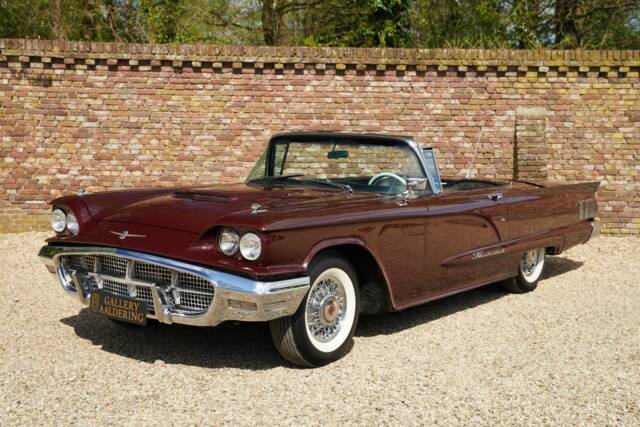
1960 | Ford Thunderbird
Ford Thunderbird Convertible V8 352 ci PRICE REDUCTION! Presented in the factory colour combination Royal Burgundy Metallic with black leather, 2nd generation “T-Bird” - 4-seater for the whole family , Equipped with the desirable air conditioning, Lovely driver-quality and carefully maintained, Luxuriously executed including power windows - steering,
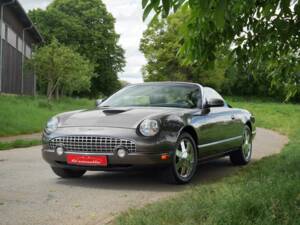
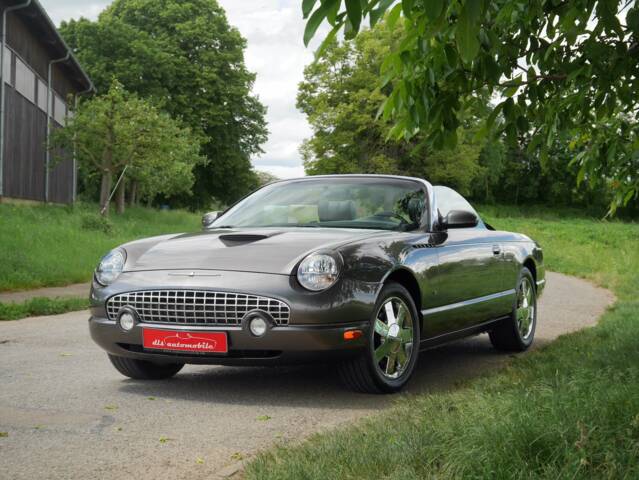
2003 | Ford Thunderbird
Ford Thunderbird "Retro-Bird" Cabriolet // Neo-Klassiker // V8-4.0 Jaguar - Technik!

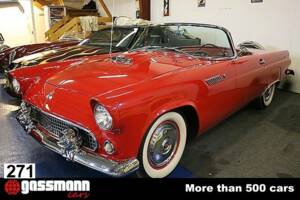
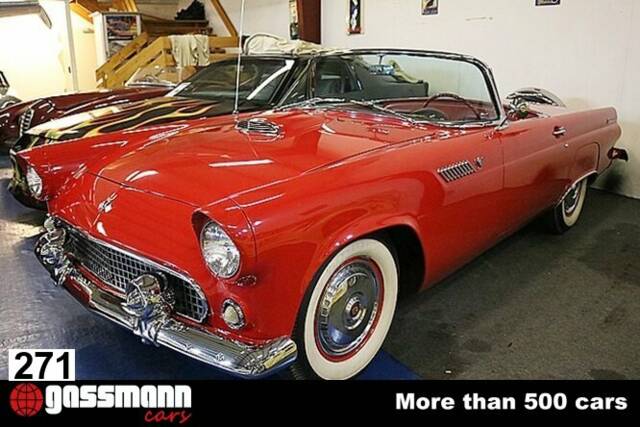
1956 | Ford Thunderbird
Thunderbird Cabriolet mit Hardtop
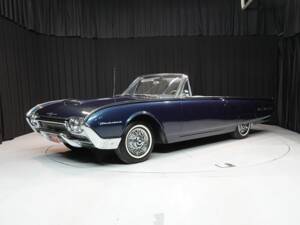
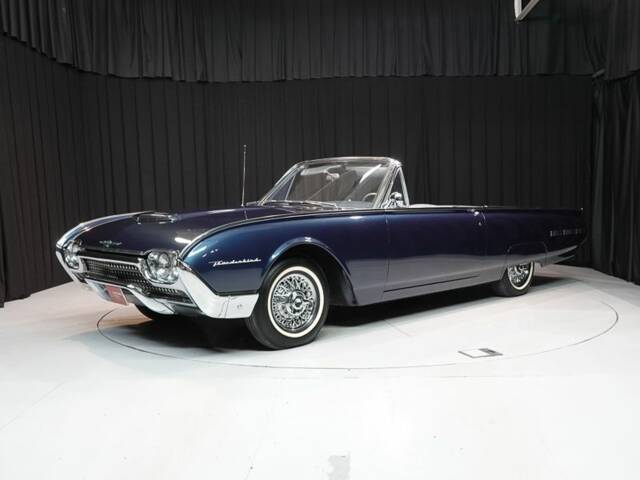
1962 | Ford Thunderbird
1962 Ford Thunderbird Convertible Third Generation '62

Ford Thunderbird listing references from Classic Trader
Below you will find listings related to your search that are no longer available on Classic Trader. Use this information to gain insight into availability, value trends, and current pricing for a "Ford Thunderbird" to make a more informed purchasing decision.
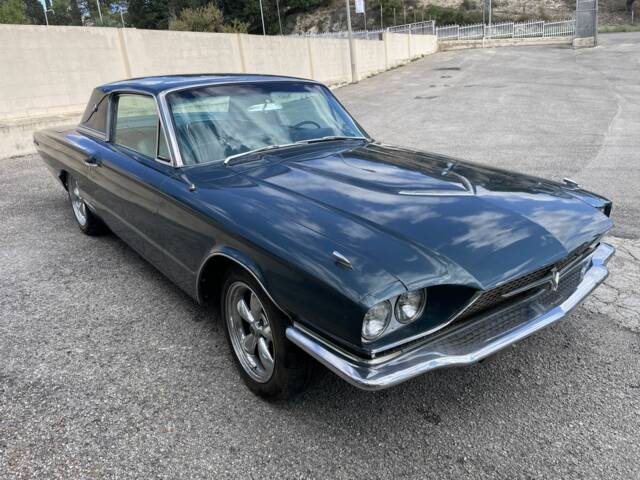
1966 | Ford Thunderbird
Ford Thunderbird | 1966 | Route 66 Auctions - For sale by auction. Estimate 13200 EUR
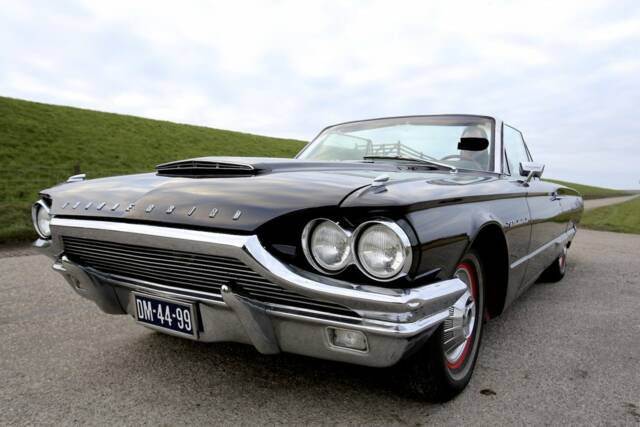
1964 | Ford Thunderbird
Ford Thunderbird | 1964 | Route 66 Auctions - For sale by auction. Estimate 18000 EUR
Ford Thunderbird Classic Cars: Prices & Market Values
The market value of Ford Thunderbird classic cars is primarily determined by the specific manufacturer code and variant, as well as technical condition, originality and mileage. Additional factors include rarity, history and documentation. A well-maintained, largely original vehicle with low, verifiable mileage and complete history including appraisals and documentation typically achieves significantly higher prices than a comparable vehicle with deferred maintenance, many modifications or unclear provenance.
Ford Thunderbird: Market Prices & Value Trends
Based on sales data from the Classic Trader marketplace, the Ford Thunderbird market in Europe has remained broadly stable with a slight firming at the top end over the period from early 2021 to January 2026. Prices are strongly split by generation: the sought-after first-generation “Baby Birds” (1955–1957, such as 1955 and 1956 cars in Germany, Belgium and the Netherlands) consistently sit at the higher end, while later cars like the 1979 Thunderbird/Heritage Edition tend to trade much lower. Excluding obvious outliers and one-off special entries (for example prototype mentions and unusually low project-level adverts), a realistic current market range for most well-presented Thunderbirds on Classic Trader is roughly €25,000 to €50,000, with the best 1955–1957 examples often advertised closer to €55,000–€65,000 depending on provenance and specification. For buyers, this points to a mature, liquid market where condition, originality and documentation drive value; for sellers, strong demand for mid-1950s cars supports resilient asking prices.
Introduction and History of the Ford Thunderbird
The Ford Thunderbird made its debut at the end of 1954 for the 1955 model year as Ford’s answer to the Chevrolet Corvette, but it targeted a more luxury-oriented clientele. Instead of competing as a pure sports car, the Thunderbird was established as the forerunner of the new 'personal luxury car' category. The first generation was noteworthy for its rounded 'porthole' hardtop windows and the option of a V8 engine. Over the decades, the Thunderbird evolved through eleven distinct generations, mirroring shifts in American automotive tastes. It started as a sporty two-seater convertible and, by 1958, adopted a larger, four-seat layout to meet market demand. In the 1960s and 1970s, the Thunderbird continued to grow in both size and luxury, with features such as unique swing-away steering wheels and extensive chrome trim. The model even achieved motorsport success in NASCAR from the late 1970s onwards. The nameplate was briefly retired in the late 1990s before returning with a retro-inspired two-seater from 2002–2005, featuring modern technology and a Jaguar-sourced V8.
Model History
Originally a two-seater roadster in 1955, the Thunderbird transformed rapidly as Ford responded to market demand. The switch to a four-seater in 1958, commonly known as the 'Square Bird,' more than doubled sales. Subsequent generations introduced further innovations and body styles, with the 1961–1963 'Bullet Bird' adopting futuristic design cues and luxury features, while the 1967 model introduced four doors with rear-hinged 'suicide doors.' Downsizing in the 1980s mirrored the general automotive industry shift. The final, eleventh generation (2002–2005) paid homage to early Thunderbirds, returning to a convertible two-seat format with a host of modern comforts, powered by a 3.9-litre V8.
Highlights of the Ford Thunderbird
Notable characteristics include a variety of powertrains from 4.8-litre up to 7.0-litre V8 engines, a broad palette of colours—including pastel shades in the retro models—and design features like chrome accents, pronounced tailfins on early models, and signature porthole windows in hardtops. The Thunderbird offered a high level of factory options, such as Kelsey Hayes wire wheels, 'Swing-Away' steering wheels (1961–66), and sports roadster tonneau covers. Instrument dashboards were often richly styled with round gauges and aluminium inlays. The share of first-series Thunderbirds in current supply listings is 29.3%, with high demand observed in viewing statistics—first-series Thunderbirds alone account for 39.7% of searches among available Fords, indicating a clear preference among enthusiasts for the original versions.
Technical Data
Special Editions and Collectible Models
Special Thunderbirds include the 1957 F-Code (factory supercharged 312 V8), rare Sports Roadsters with fibreglass tonneau covers, and the early 'Baby Bird' two-seaters (1955–57). Collector interest is also high for 'Bullet Bird' (1961–63) and 'Flair Bird' (1964–66) variants, particularly models featuring unique factory options such as the Swing-Away steering wheel, Kelsey Hayes wire wheels, and rare limited-run paint or trim packages. Special concepts like the 'Italien' show car add further interest for dedicated collectors.
Weak Spots and Common Issues
As with many American classics from the 1950s to the 1970s, buyers should check for rust in sills, floors, and chassis rails—especially on convertibles and cars stored outside. Mechanical spares are generally available, but plastic interior trim, electrical accessories, and some unique Thunderbird features (Swing-Away steering columns, power seat motors, dash trim) can be challenging to source or costly to refurbish. Later models, particularly those with advanced electronics (ABS, AC controls), may suffer from flaky wiring and ageing sensors. Always verify thorough documentation and history, as original Thunderbirds with matching numbers and proper certificates are more desirable and easier to maintain.
Engine and Performance, Transmission and Handling
Performance varied widely over the Thunderbird’s life. Early two-seater models offered spirited acceleration from their V8s and a surprisingly agile ride for an American car of the period, aided by relatively low curb weight. Later four-seater models emphasised comfort over outright speed, with longer wheelbases, plush suspensions, and extensive sound insulation. 1960s muscle versions, particularly those with big-block 390 and 428 engines, provided authentic American torque. The 1980s saw turbocharged and supercharged V6 options alongside the traditional V8. The final 2002–2005 model returned to a sporty setup, with the Jaguar-derived 3.9-litre V8 and rear-wheel drive, paired with a refined 5-speed automatic. Braking and handling were always tuned for cruising, but later models, particularly those in motorsport trims (as proven in NASCAR), could handle much higher speeds.
- 1957 Thunderbird F-Code: Supercharged V8, collectible status.
- 1961–1963 Bullet Bird: Jet-age design, Swing-Away steering.
- 2002–2005 Thunderbird: Jaguar V8, modern interpretation, electric folding roof, ABS, airbags.
Interior, Comfort, Exterior and Design
Thunderbirds were always noted for their comfort, with innovations such as electrically-adjustable seats, power steering, and climate systems introduced long before they became standard on other cars. Design highlights include dash inserts of machine-turned aluminium, three-spoke steering wheels, plush leather or high-quality vinyl interiors, and unique trim options per model year. Porthole hardtops, wraparound windshields, extensive chrome details, and pronounced rear fins (on earlier cars) are integral. Later models featured vinyl Landau roofs, special paintwork, whitewall tyres, and both wire and steel wheel options. Accessories like fender skirts and continental kits (external spare wheel) were especially popular. The cabin was oriented towards the driver, including features such as optional tachometers, console shifters, and later digital dashboards.
Other relevant features
The Thunderbird maintained a significant presence in US pop culture through appearances with celebrities like Marilyn Monroe, Frank Sinatra, and John F. Kennedy. The extensive documentation, provenance papers, and club support help maintain values and ensure repairability. Many surviving Thunderbirds benefit from prior restorations with available period accessories, making them suitable for display at classic events or long-distance cruising.
Summary
The Ford Thunderbird is a representative of American automotive evolution, spanning sporty two-seaters, grand touring four-seaters, and modern retro convertibles. Its diversified model history, rich equipment, and distinctive design elements make it a popular choice for enthusiasts seeking comfort, style, and a genuine American driving experience. Demand data confirm that early models in particular maintain a strong presence and collector following, reflected in market listings and search figures. Few classic American cars offer such varied ownership experiences across decades and generations as the Thunderbird.