Ford Cortina Classic Cars for Sale
The Ford Cortina shaped Britain’s family car landscape from 1962 to 1982 with five distinctive generations, ranging from the minimalist Mk1 to the upscale Ghia editions and high-performance Lotus variants. Well-regarded for its mechanical simplicity, abundant parts supply, rear-wheel-drive dynamics, and breadth of model options, the Cortina stands as one of the UK’s landmark saloons and estates of the 20th century. Read more
Search results
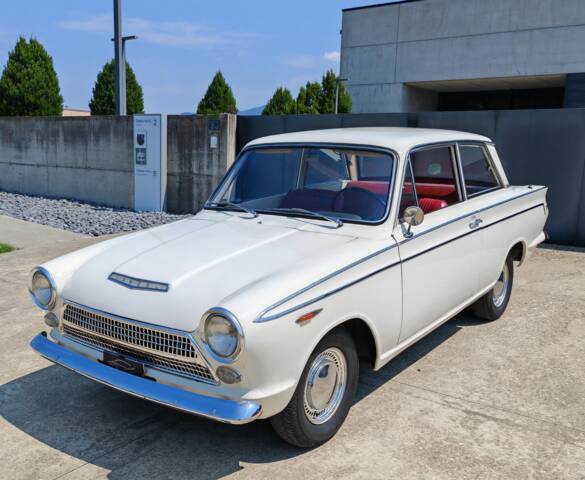
1963 | Ford Cortina 1500 Deluxe
CORTINA SUPER TUDOR !!

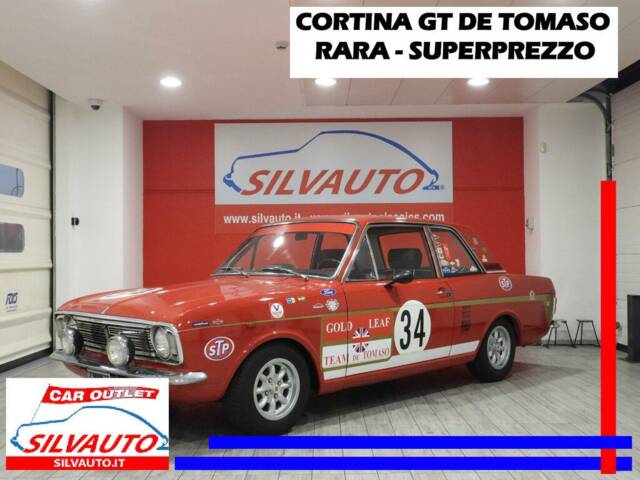
1967 | Ford Cortina GT
FORD CORTINA GT 1.5 DE TOMASO (1967) RARA – SUPERPREZZO
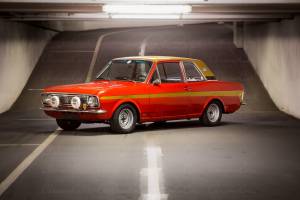
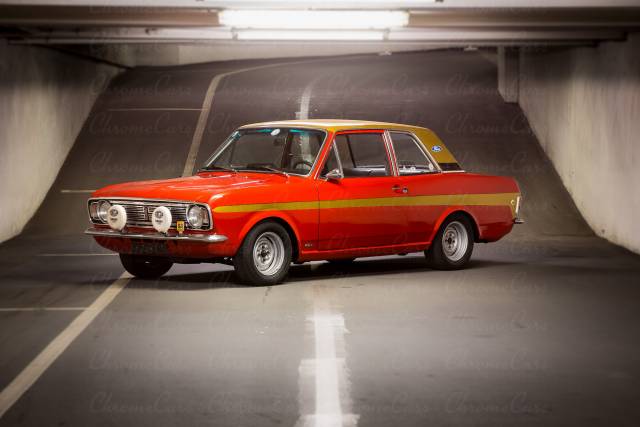
1968 | Ford Lotus Cortina
Der seltenste unter den MK2 Lotus Cortinas

Ford Cortina listing references from Classic Trader
Below you will find listings related to your search that are no longer available on Classic Trader. Use this information to gain insight into availability, value trends, and current pricing for a "Ford Cortina" to make a more informed purchasing decision.
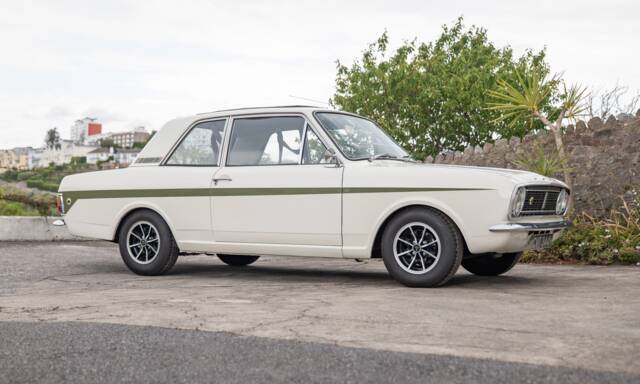
1970 | Ford Lotus Cortina
1970 Ford Lotus Cortina Mk. II

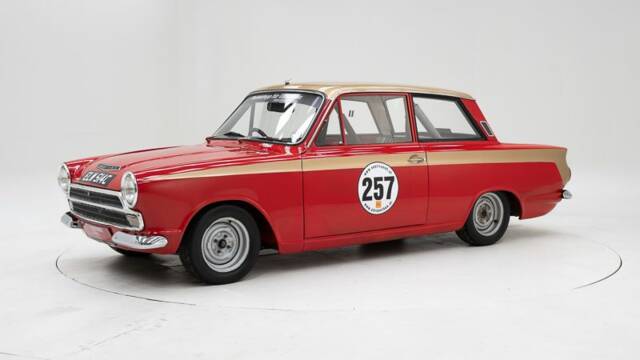
1965 | Ford Lotus Cortina
1965 Ford Cortina MK1 '65

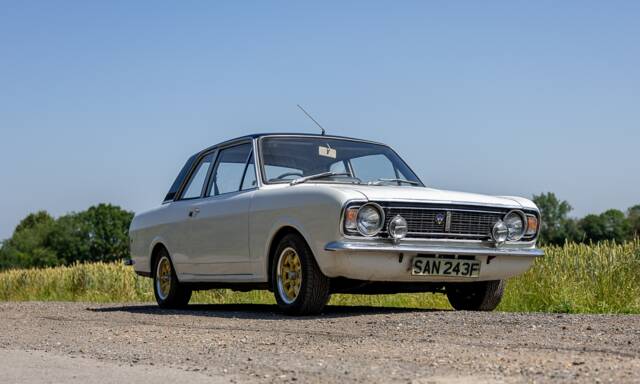
1967 | Ford Lotus Cortina
1967 Ford Lotus Cortina Mk. II Twin Cam
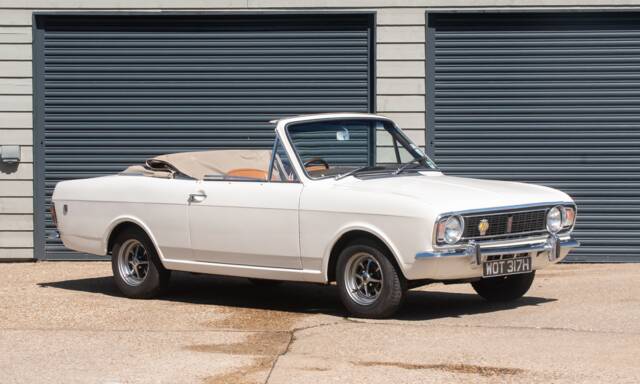
1970 | Ford Cortina 1600
1970 Ford Cortina Crayford 1600GT Mk. II
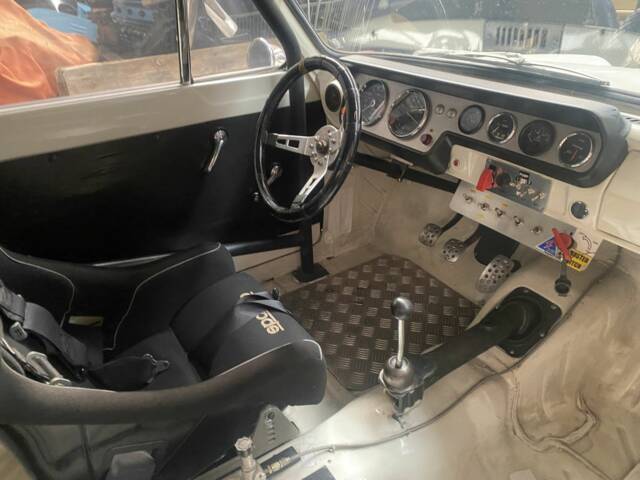
1965 | Ford Lotus Cortina
Ford Lotus Cortina | 1965 | Route 66 Auctions - For sale by auction. Estimate 16500 EUR

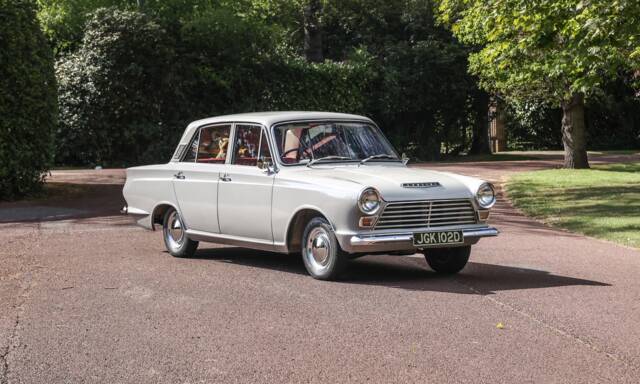
1962 | Ford Cortina 1200
1962 Ford Cortina Mk. I (1200cc)
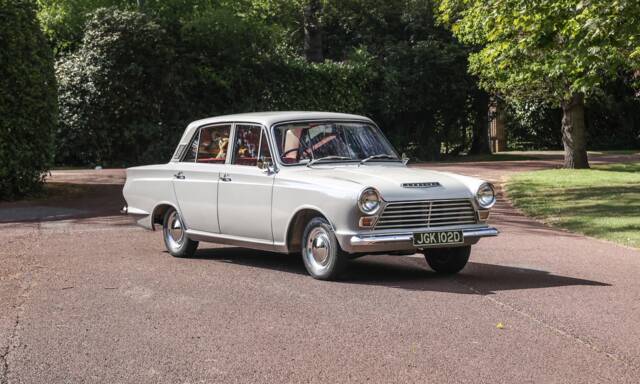
1962 | Ford Cortina 1200
1962 Ford Cortina Mk. I (1200cc)
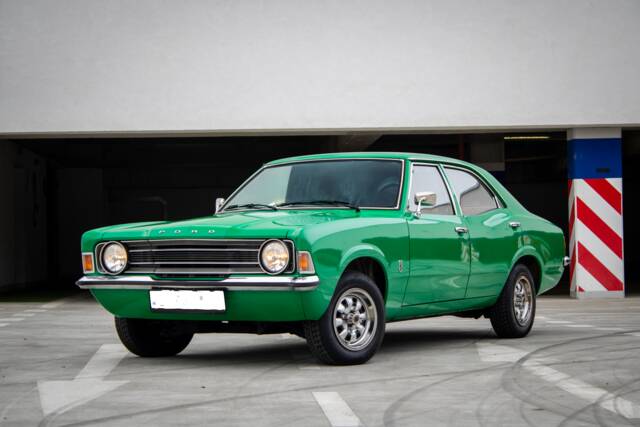
1975 | Ford Cortina 1600
Ford Cortina Mk3
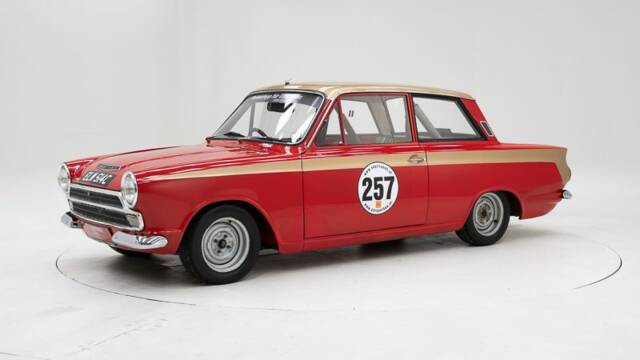
1965 | Ford Lotus Cortina
1965 Ford Cortina MK1 '65
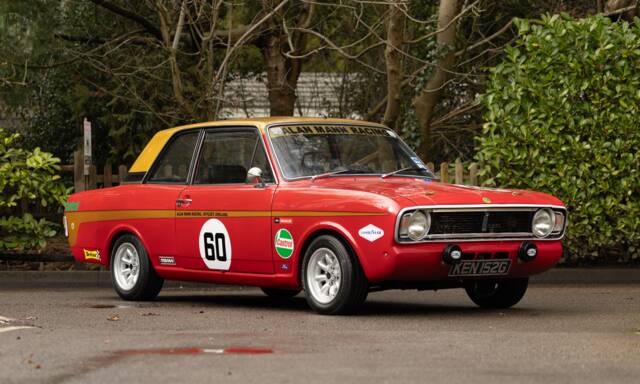
1969 | Ford Lotus Cortina
1969 Ford Cortina Mk. II (Alan Mann Tribute)
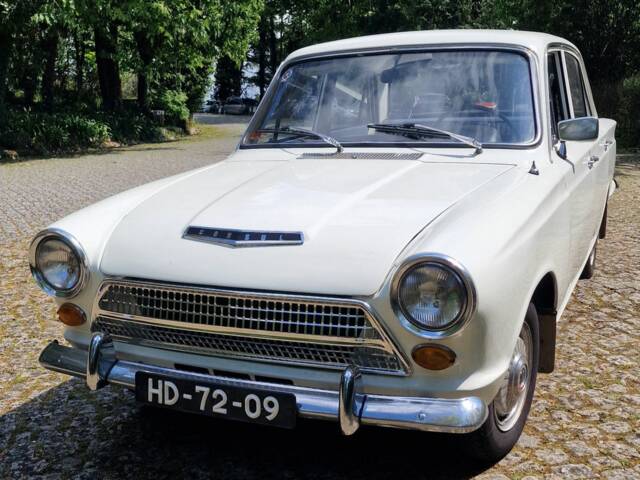
1964 | Ford Cortina 1200
Ford Consul Cortina Mk1 | 1964 | Route 66 Auctions - For sale by auction. Estimate 3500 EUR
Ford Cortina Classic Cars: Prices & Market Values
The market value of Ford Cortina classic cars is primarily determined by the specific manufacturer code and variant, as well as technical condition, originality and mileage. Additional factors include rarity, history and documentation. A well-maintained, largely original vehicle with low, verifiable mileage and complete history including appraisals and documentation typically achieves significantly higher prices than a comparable vehicle with deferred maintenance, many modifications or unclear provenance.
Ford Cortina: Market Prices & Value Trends
Based on sales data from the Classic Trader marketplace, the Ford Cortina market in Europe and the UK shows a broadly stable to gently rising trend over the period from February 2021 to November 2025, with values increasingly concentrated around well-specified, correctly presented cars. In today’s market, “standard” Cortinas such as 1200/1300/1500 Deluxe models from the mid-1960s and later everyday variants (including 1970s estates) typically sit in the accessible end of the spectrum, while performance-led derivatives command a clear premium. Excluding obvious outliers, a realistic current price band for most Ford Cortina listings is roughly €8,000–€30,000 (or about £11,000–£30,000 in UK adverts), largely depending on condition, originality and documented history. At the top end, Lotus Cortina examples (1963–1970) consistently appear far higher, commonly around €45,000–€60,000 and often above £40,000 in the UK, reflecting their motorsport heritage and scarcity. For buyers, this points to a two-tier market: strong, steady demand for GT/1600E-style cars and sustained collector interest in genuine Lotus models.
History of the Ford Cortina
The Ford Cortina debuted in 1962 as Ford of Britain’s answer to mass-market family transport. Drawing its name from the Italian ski resort Cortina d’Ampezzo, it was designed to fill the gap between the Anglia and the Consul Classic, offering a practical saloon that could accommodate five adults. It adopted much of its engineering from Ford’s existing models but improved with a fully synchronised four-speed gearbox and robust Kent OHV engines. The Cortina found favour quickly, partly for its affordability and straightforward maintenance, but also due to the broad range of body styles—two- and four-door saloons and estate cars. With five distinct generations between 1962 and 1982, the Cortina evolved constantly: the Mk2 in 1966 brought increased interior space and revised styling, while the 1970 Mk3 introduced the ‘coke bottle’ design and new engines. Later Mk4 and Mk5 versions leaned further into practicality and executive options, leading up to its replacement by the Ford Sierra in 1982. The Cortina’s connection with British motor racing, especially in Lotus-tuned forms, further entrenched its reputation as more than just a family car.
Model History
The Cortina story begins with the Mk1 (1962–1966), known for its light weight, minimalist cockpit, and easily recognised ‘Y’ shape rear lights. The Lotus Cortina—a factory collaboration with Lotus—took the Mk1 into high-performance territory with alloy panels and a twin-cam engine. The Mk2 (1966–1970) widened the chassis and upgraded the cabin’s comfort, adding trims like DeLuxe, Super, GT, and 1600E with walnut veneer and sports steering wheels. The Mk3 (1970–1976) introduced the American-influenced coke-bottle shape and new OHC engines. Mk4 (1976–1979) streamlined the look and platform in line with the Taunus, with more glass area and improved practicality; the range-topping Ghia emerged here. The Mk5 (1979–1982) was a major facelift for improved aerodynamics, safety, and comfort. Estates (wagons), Lotus versions, ‘2000E’ and Ghia editions, and export models (including left-hand drive) highlight the diverse Cortina line-up, which only ended with the arrival of the Ford Sierra. In South Africa, the model lived on as the P100 pickup, using Cortina/Granada drivetrains.
Highlights and Key Features of the Ford Cortina
A standout feature of the Cortina is the sheer range of factory and dealer options: vinyl roofs, overdrive gearboxes, sports seats, armrests, top-spec Ghia or 2000E trim with walnut dash, special colours, and more. Notably, the Lotus Cortina (Mk1/Mk2) is famous for its twin-cam engine, lightweight build with alloy panels, and unique suspension setup. High-performance GT models and competition-prepared specials such as Superspeed conversions underline the platform’s versatility. For family drivers, cabin comfort, a spacious boot, and cost-effective running costs stood out. Dashboard layouts, upholstery materials and optional extras were tweaked across models; for example, 2000E and Ghia featured reclinable seats, wood veneer, and advanced instrumentation. Saloons and estates were available throughout, with rare cabriolet conversions by specialist firms.
Technical Data
Special Editions and Collectible Models
The Lotus Cortina stands foremost among collector editions, built in cooperation with Lotus using special twin-cam engines, alloy body panels, distinctive white-and-green livery, and modified rear suspension for competitive driving. Mk2 versions continued this legacy. The 1600E, GT, Superspeed, and 2000E models each brought unique sport or luxury touches—ranging from wood trim and exclusive colour schemes to performance-oriented modifications and badges. Ghia trim (from Mk4 onwards) represented the height of luxury in the Cortina range, featuring deeper carpets, full instrumentation, higher-grade seat fabrics, and more chrome. Some dealer and independent conversions, including rare convertible builds and special racing homologations, also exist.
Weak Spots and Common Issues
While robust by 1960s-1980s standards, typical Ford Cortina issues today centre on rust in sills, arches, and chassis sections, especially for early models with less advanced rust-proofing. Worn suspension bushes, tired dampers, and slack steering can affect handling, particularly on GT and Lotus variants. Older Kent and Pinto engines require regular timing chain inspection, carburettor tuning, and head gasket checks. Electrical gremlins (especially with aftermarket wiring modifications) and corrosion around windscreen surrounds are noted maintenance points. Most parts remain available due to the Cortina’s popularity, but unique Lotus mechanicals and trim pieces may pose challenges.
Engine, Transmission and Handling
Cortina driving character stems from its rear-wheel-drive layout, light kerb weight, and simple suspension. Early models feature lively Kent pushrod engines, while GT and Lotus versions take performance up a notch with dual-carb setups or Lotus twin-cam power. Manual gearboxes feel direct, and handling is predictable thanks to MacPherson struts up front and a live rear axle. Mk3 onwards introduced OHC petrol engines, improved ride comfort, and more stable high-speed manners. Lotus Cortinas feel the most agile, with quick turn-in and outstanding brakes for their era. Estates retain good ride quality with added practicality. The availability of dealer and factory performance upgrades (e.g., 1600E, GT, Superspeed V6) allows for bespoke driving experiences without straying from Ford’s mechanical basics. 1. Cortina Mk1 Lotus – 1558cc twin-cam, alloy body panels, unique suspension setup, Ermine white with green flash. 2. Cortina 1600E (Mk2) – Luxury features, walnut dash, sports interior, uprated 1600cc crossflow engine. 3. Cortina 2000E/Ghia – Top-trim models with upmarket interior, higher-spec suspension/steering and Pinto OHC engines. 4. Cortina Estate – Extended cargo space, offered in most engine/transmission combos for families and touring applications.
Interior, Comfort, Exterior and Design
The Cortina’s design story is marked by constant evolution: from the crisp lines and distinctive grille of the Mk1 through to the softer, more American-influenced coke-bottle profile of the Mk3, and finally to the broader, blockier Mk4/5 aesthetics. Notable style elements include chromed bumpers, distinct rotation of taillights by series, and (in Mk1) lever-operated vent windows. Interior finishes vary with generation and trim: early cars favour painted metal dashes, later cars switch to wood veneer and deep carpets. Accessory highlights include radio, clock, heated rear window, and in upmarket trims, reclining front seats, auxiliary gauges and Ghia/2000E embellishments. Externally, buyers could specify vinyl roofs, metallic paints, fog lamps, discrete badging, and on some export models, left-hand drive configurations.
Other Information
A notable footnote: the Cortina’s life continued after its UK demise, especially in South Africa where utility-focused pickups (P100) carried the name and mechanicals well into the 1980s. Motorsport enthusiasts value the wide range of racing and rally successes, especially those by Jim Clark and Sir John Whitmore. Factory and aftermarket rally preparation is well-supported through historic motorsport homologation registers.
Summary
The Ford Cortina’s strength lies in its range: economical saloons, practical estates and wagons, upmarket Ghia editions, and thoroughbred Lotus or Superspeed performance specials. Its lasting popularity—seen most keenly in ongoing demand for early Mk1 and Mk2 models—rests on simple engineering, retro-styled British design, and vast scope for restoration or modification. Whether as a period-correct survivor or reimagined for historic racing, the Cortina continues to inspire across generations of enthusiasts.