Modern classics take shape
The 1990s brought safer, more refined cars without losing driver-focused variants. Australian showrooms carried local favourites alongside Japanese, European and American imports, giving collectors a broad choice. It was a decade of transition rather than a single style. Boxy shapes softened, computer-controlled engines became more capable, and manufacturers learned to combine air conditioning, airbags and dependable everyday manners with genuine performance.
Australia’s market was never simply a copy of another country’s market. Holden and Ford continued to build large family cars and performance derivatives locally, while Toyota, Mazda, Nissan, Mitsubishi, Subaru, Honda and Suzuki supplied important Japanese choices. European marques added different engines, interiors and suspension philosophies. Some cars arrived through official distributors; others entered privately or through specialist import channels. That distinction affects documentation, parts, safety equipment and registration, so the advertised badge is only the beginning of research.
Mazda MX-5, Subaru Impreza WRX, Toyota Supra, Honda NSX and BMW M3 illustrate the decade’s range. A buyer should verify the exact generation, engine code, transmission, trim and market specification rather than assuming that a familiar name means the same car everywhere. Limited editions can be valuable, but a standard model with honest history is often a more satisfying purchase than a poorly converted replica.
Local examples deserve equal attention. Falcon and Commodore variants developed a strong Australian performance identity, while Toyota Supra, Nissan Skyline GT-R, Mitsubishi Lancer Evolution and Subaru Impreza became associated with touring-car and rally culture. A vehicle that has spent years modified for competition may have an interesting story and a tired shell. Look for roll-cage mounts, cut wiring, removed sound deadening, non-standard fuel systems and repairs around suspension pick-up points. Ask what was changed, who did the work and whether the original components remain.
The decade also produced excellent ordinary transport. A Corolla, Camry, Civic, Accord or Pulsar may be less dramatic than a homologation special, but low-complexity maintenance, a complete interior and a clean body can make one a better long-term classic. Trim, correct wheels, factory decals and an uncut dashboard matter to future originality. Low kilometres alone prove little: seals, belts, hoses, tyres and plastics can deteriorate through age, heat and storage.
Motorcycles with electronic confidence
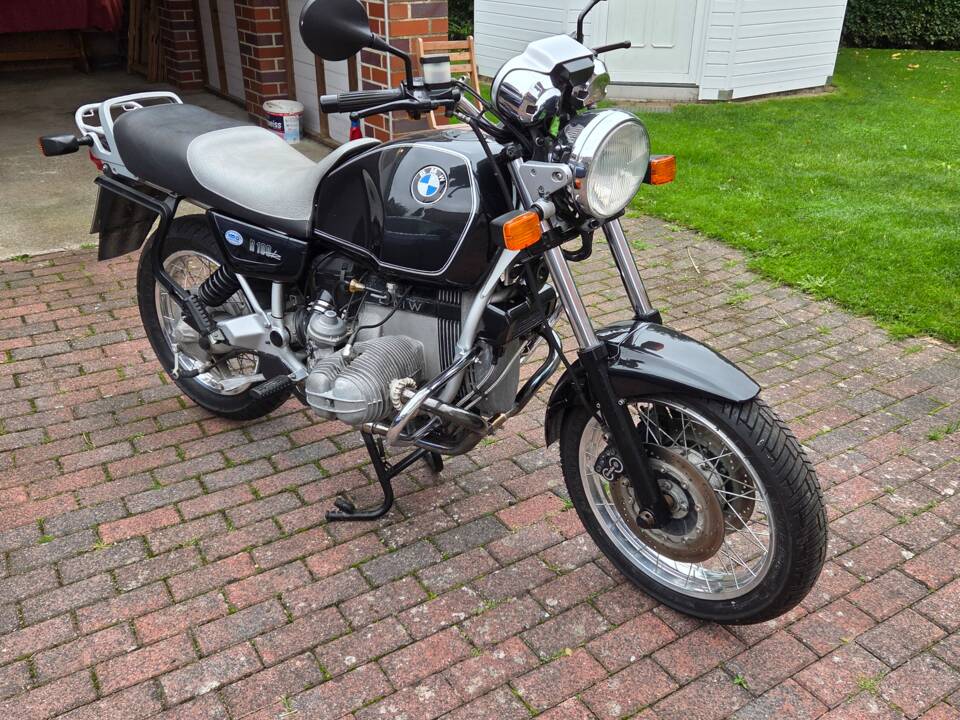
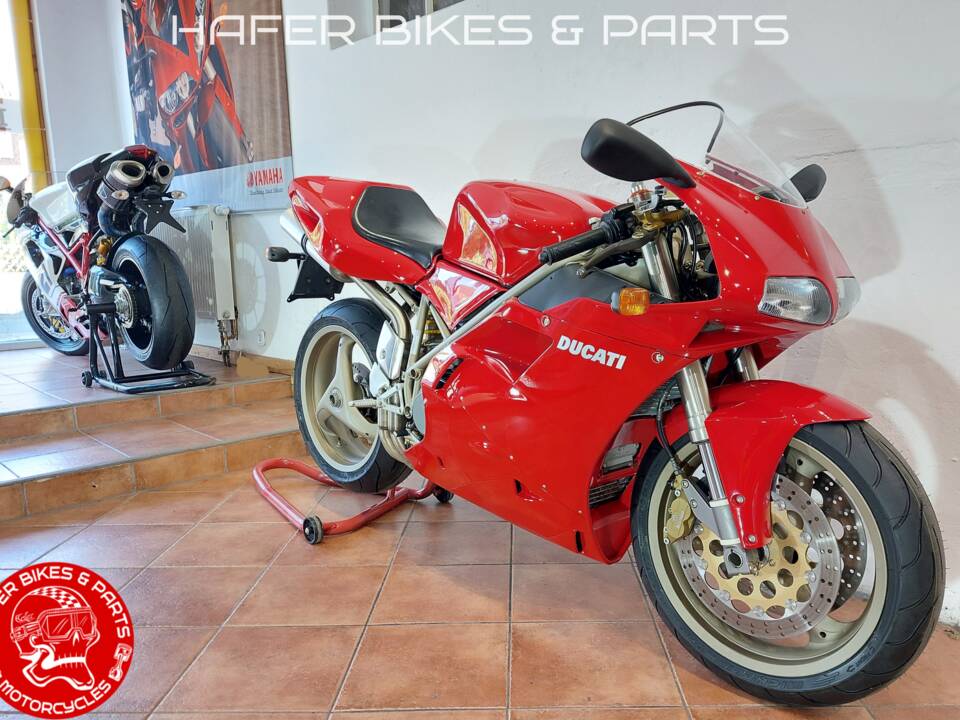
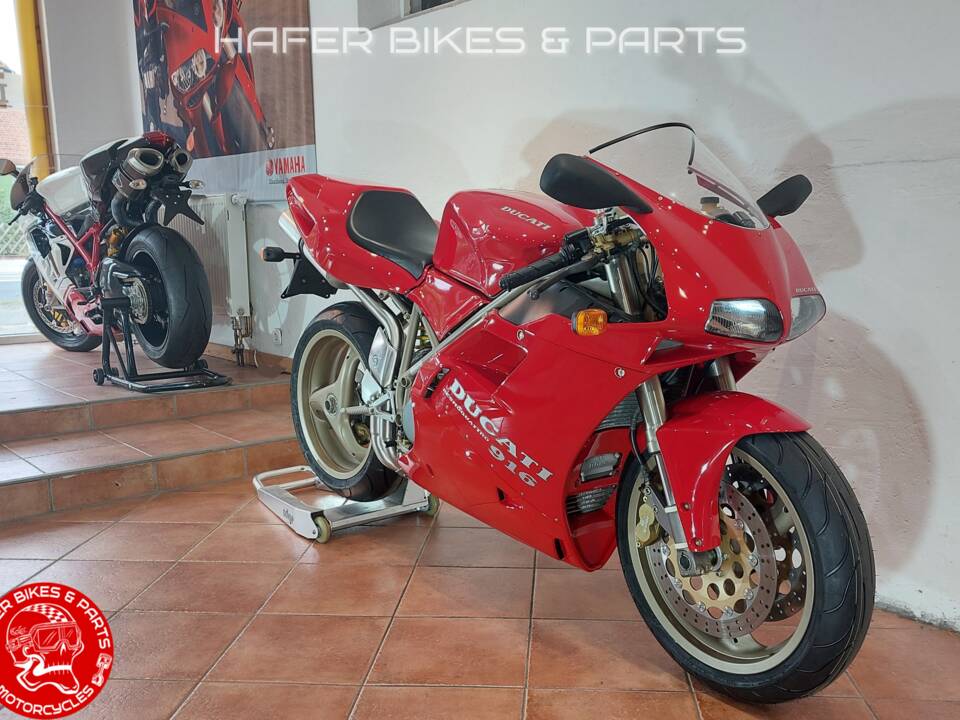
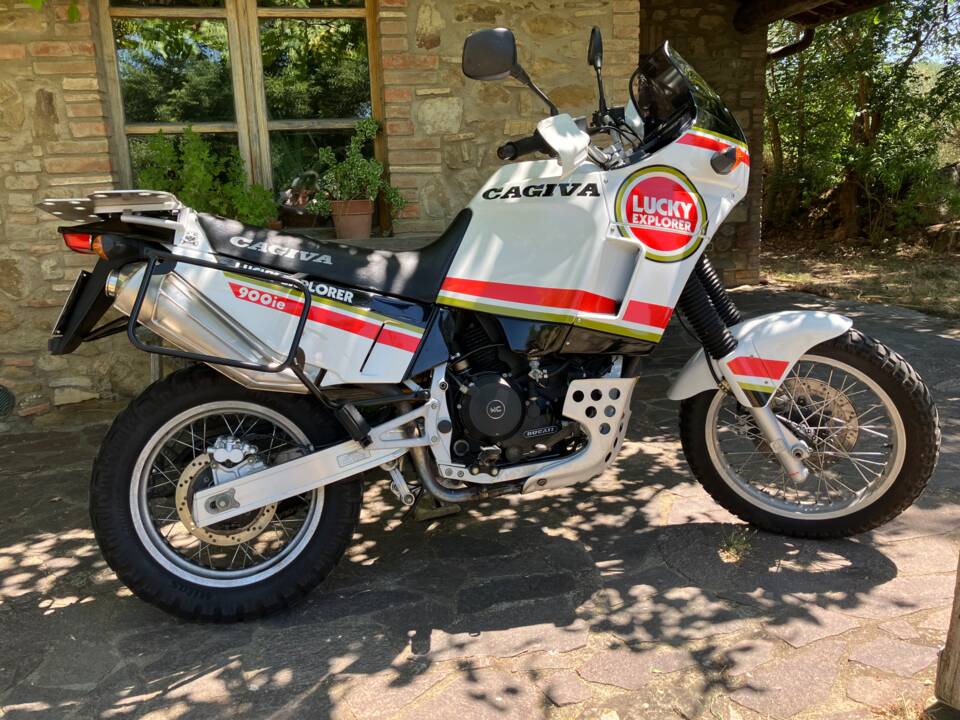
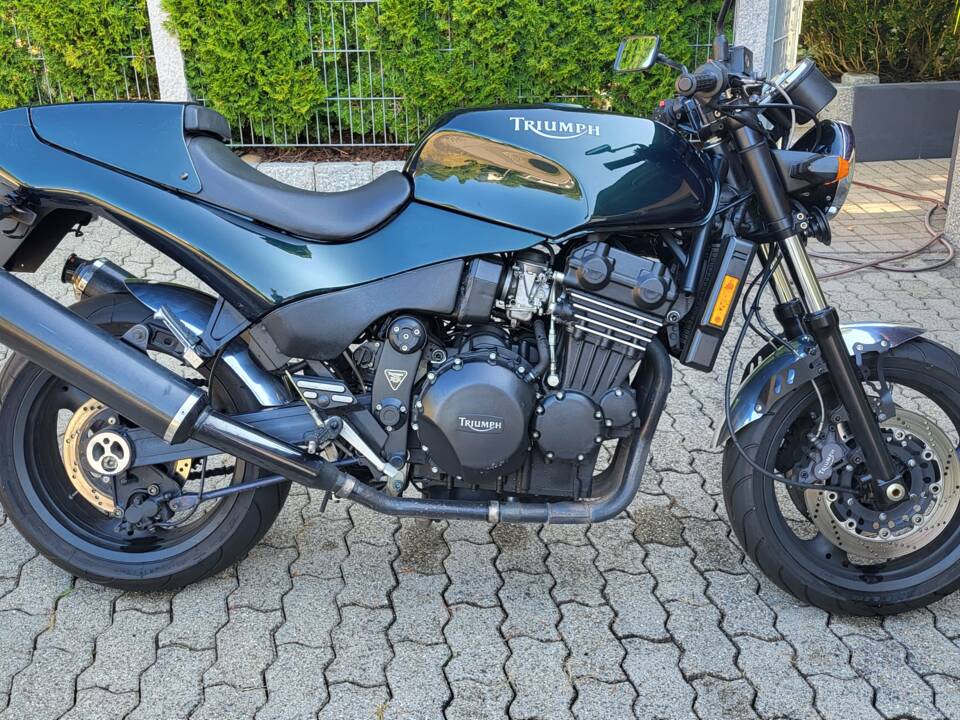
Honda Fireblade, Ducati 916, Yamaha YZF-R1 and BMW R 1100 GS represent sport and adventure trends. They sit beside dependable commuter machines, touring motorcycles and Australian-market cruisers. Check frame and fork alignment, brakes, electrics, fuel system, cooling and the condition of fairings and fasteners. A sports bike can look immaculate after a crash repair, so inspect the steering stops, bar ends, engine covers, wheel rims and fasteners for witness marks.
Fuel injection arrived on more motorcycles during the decade, but carburettors remained common. Identify the system before budgeting for work. Clean carburettors, diaphragms, fuel taps and tank interiors may be needed after storage; an injected machine may instead need a sound battery, pump, sensors or connectors. Test the charging system at idle and at running speed, check that the cooling fan operates, and look for oil or coolant around the cases. A cold start is more informative than a warm engine prepared for inspection.
Australian use adds its own questions. Touring equipment, luggage racks, different gearing, screens and local lighting may be sensible period adaptations, but check mounting quality and keep removed parts. A motorcycle that has seen track days may have excellent maintenance or hidden crash damage; ask for race records and inspect the subframe, rearsets, exhaust and steering head. Correct instruments, air boxes, exhausts, mudguards and tank badges are often harder to find than cosmetic replacements.
Australian roads, imports and new technology
Airbags, anti-lock braking, traction systems and computer-controlled injection became important through the decade, but adoption varied by model, year and market. Do not describe a feature as original until the build plate, handbook, factory literature or a specialist confirms it. Early and late versions of the same model can have different wiring, control units, brake systems and parts catalogues. A scan tool can help with a fault, but it cannot assess a cracked loom, corroded connector or previous water damage.
Imported cars and motorcycles require careful paper research. Confirm how the vehicle entered Australia, whether import approval and compliance records are present, and whether the identification numbers match every document. Privately imported Japanese performance cars may have a valuable specification, but their parts, instrument markings, rust protection and workshop history can differ from an Australian-delivered example. A replacement engine or gearbox may be mechanically sound yet alter the vehicle’s recorded identity and collector appeal.
The climate is part of the inspection. Coastal air can corrode fasteners, brake lines and body seams; inland dust can enter bearings and electrical connectors; hot storage can shrink trim and crack dashboards. Examine the underside, boot wells, battery tray, door bottoms, windscreen surrounds and suspension mounts. Ask where the vehicle lived, whether it was stored under cover and how often it was driven. A thick underbody coating can hide repairs, so distinguish factory protection from later material.
Cars: identity, condition and collector appeal
Compare cars by construction, not just badge. A monocoque shell, separate chassis, aluminium panel, turbocharger, mechanical differential or computer-managed engine creates different inspection risks. Photograph chassis and body numbers, compare them with factory literature, and ask whether the plate, engine and gearbox have been moved from another vehicle. Inspect floors, sills, suspension pick-up points, seams and windscreen surrounds. Check panel gaps in natural light, measure paint where appropriate and look for overspray, ripples and different shades inside apertures.
Run a cold-start test. Watch oil pressure and temperature, listen for rattles and bearing noise, and look for smoke, coolant contamination or a clutch that drags. Test every window, lock, gauge, fan speed and air-conditioning setting. Timing-belt intervals are particularly important on many 1990s engines; obtain an invoice rather than accepting a verbal assurance. Automatic transmissions, turbochargers, differentials and four-wheel-drive systems can each turn a seemingly affordable car into an expensive restoration.
Factory wheels, gauges, brakes, seats, badges and induction parts can be costly. Plausible-looking replicas may reduce historic interest and insurance confidence. Originality does not forbid a documented exhaust, suspension change or safety improvement, but the work should be disclosed and reversible where practical. Prioritise a complete, uncorroded car with evidence of care over a shiny project missing trim, keys, modules or brackets. Parts availability should be checked before purchase, including local suppliers, specialist dismantlers and realistic freight from overseas.
Buying, restoring and owning in Australia
Set a budget in three columns: purchase, immediate safety work and sympathetic restoration. Leave room for freight, storage, machining, paint, trim, tyres and unexpected corrosion. A non-running project can be rewarding only after counting missing parts and locating a mechanic, panel beater or motorcycle specialist. Ask for a written inspection and never rely on photographs alone; a cold engine, underside and damp storage areas often reveal more than polished paint.
Preserve evidence as work progresses. Photograph labels and fasteners before dismantling, retain removed parts, record part numbers and keep receipts. Use suitable fluids, hoses, tyres and wiring rather than modern substitutes selected only by appearance. After recommissioning, test brakes, steering, lights, cooling and charging in a controlled setting. A maintenance log supports safe ownership and helps the next buyer understand what is original, repaired or upgraded.
Ask the seller for clear title, import documents where relevant, receipts and any inspection report. Contact the registration authority in the relevant Australian state or territory before purchase about historic registration, engineering approval, roadworthiness, number plates and permitted modifications; rules differ and can change. These are cautions, not a guarantee that a vehicle qualifies. Arrange appropriate insurance, secure storage and a roadside plan. Clubs and marque specialists can help locate manuals and parts, but their advice should complement a qualified inspection.
A well-chosen 1990s vehicle rewards patient use. Assess it as a machine with a particular Australian history, not as a generic decade object. Matching the car or motorcycle to your skills, garage, travel distance and access to parts is the most reliable way to enjoy it while protecting its originality.