- Motorcycle
- Moto Guzzi (40 offers)
Buy Moto Guzzi Motorcycle
For over a century, motorcycles have rolled out of the Mandello del Lario factory – each bearing the signature of a brand that defies trends. The distinctive transverse V-twin engine and Italian temperament define every kilometre on Australian roads.
Search results

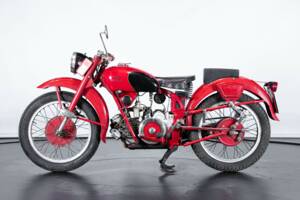
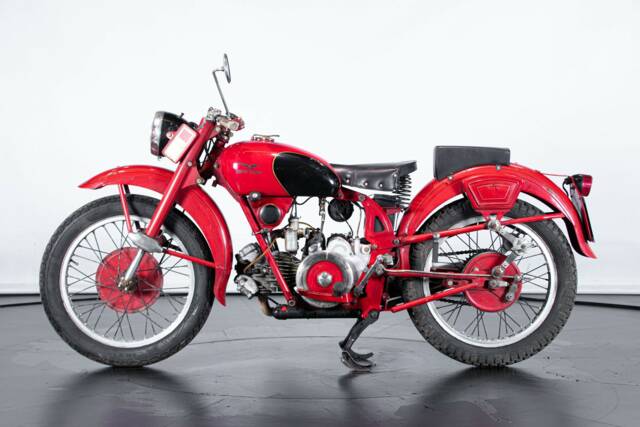
1950 | Moto Guzzi 250 SS
Moto Guzzi AIRONE SPORT 250
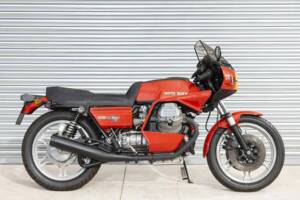
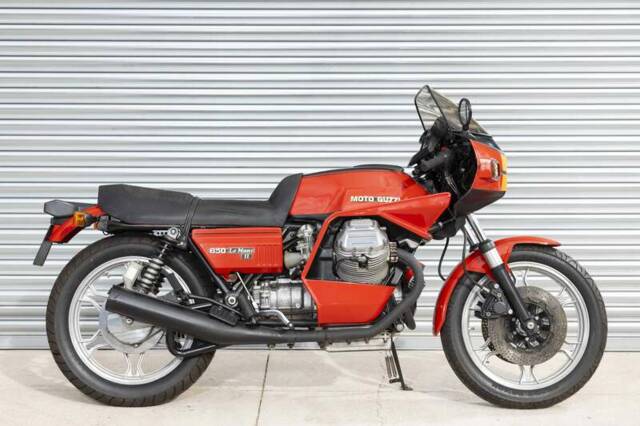
1980 | Moto Guzzi 850 LeMans II
1980 Moto Guzzi Le Mans II 844cc

Newsletter
The best Moto Guzzi listings, straight to your inbox
Get hand-picked Moto Guzzi listings, plus the best of cars, motorbikes, and auctions on Classic Trader — all in one place.
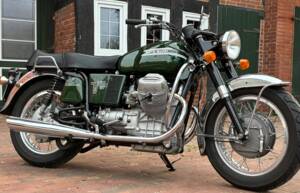
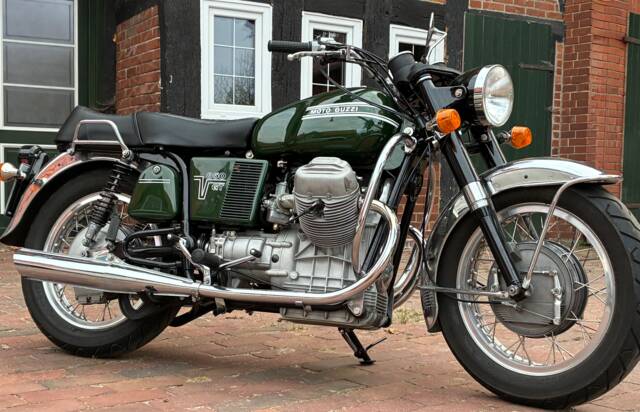
1974 | Moto Guzzi 850 GT
rebuilt

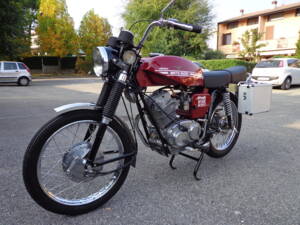
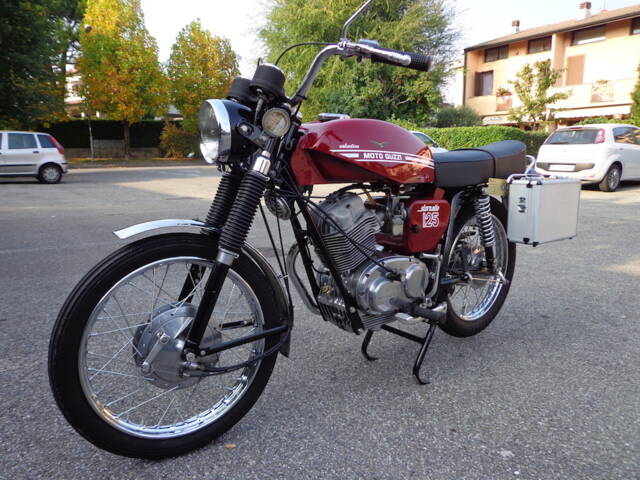
1961 | Moto Guzzi Stornello 125
RESTORED LIKE NEW !!
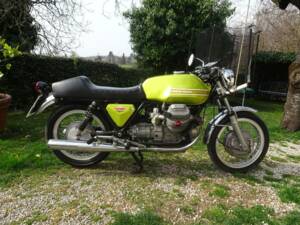
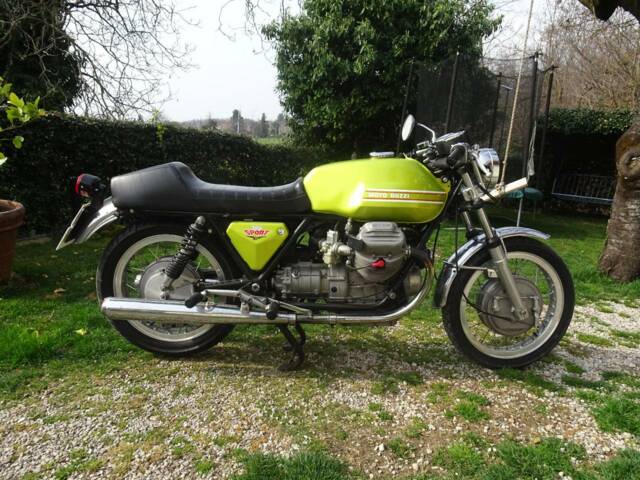
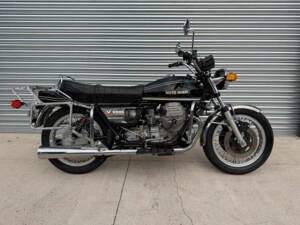
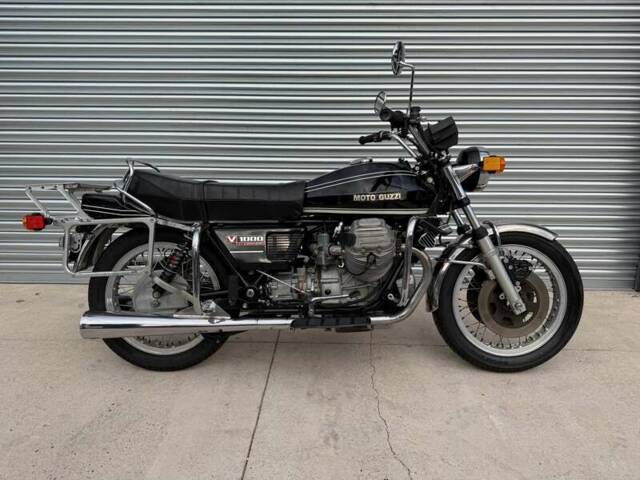
1979 | Moto Guzzi V 1000 I-Convert
1979 Moto Guzzi V 1000 I-Convert 949cc ♢
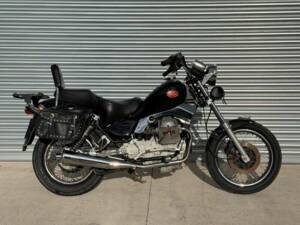
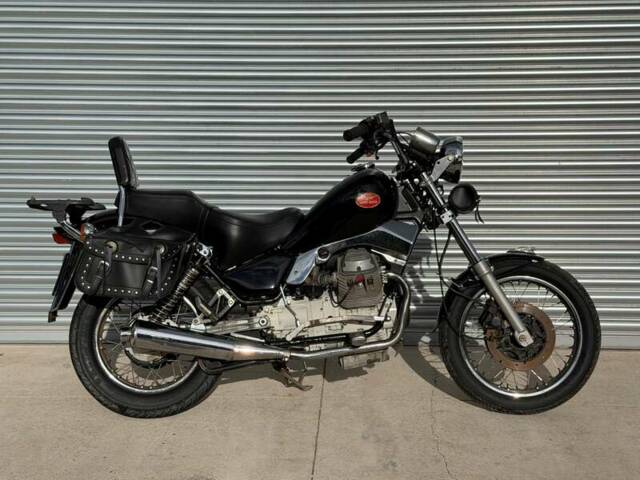
1992 | Moto Guzzi Nevada 350
1992 Moto Guzzi Nevada 350 346cc ♢
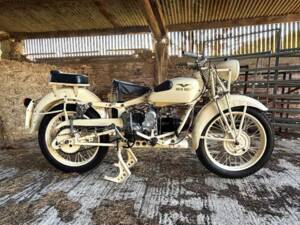
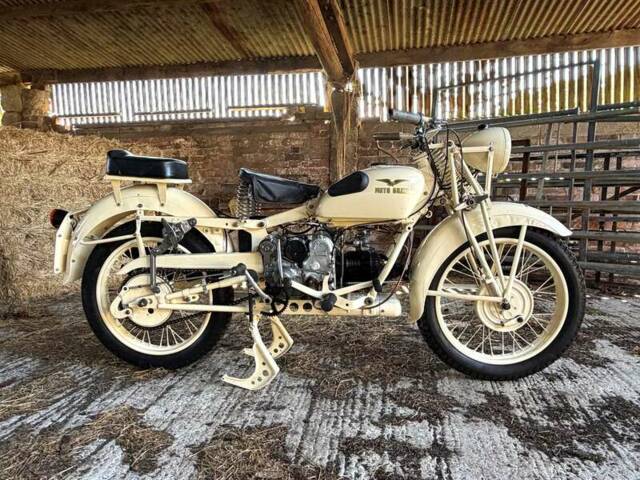
1945 | Moto Guzzi Alce
1945 Moto Guzzi Alce 500cc
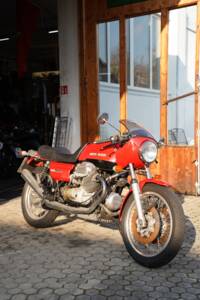
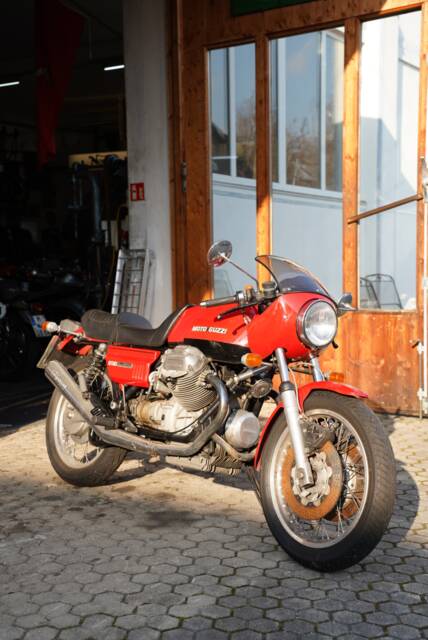
1978 | Moto Guzzi 850 LeMans
Series 2
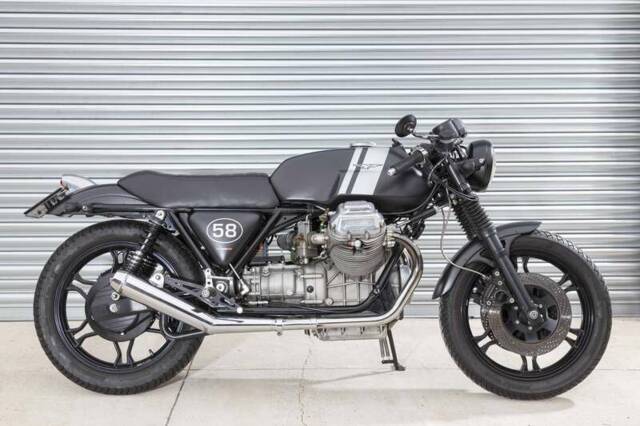
1981 | Moto Guzzi 1000 SP
1982 Moto Guzzi Spada Café Racer 949cc
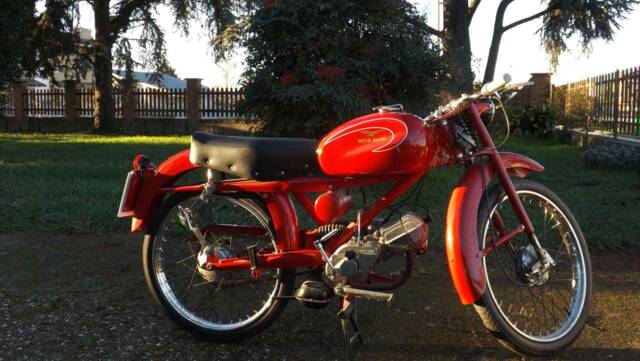
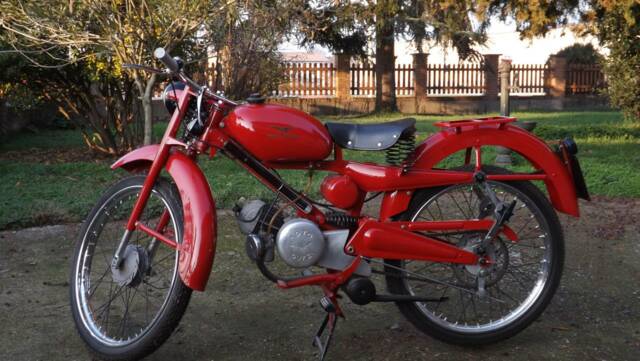
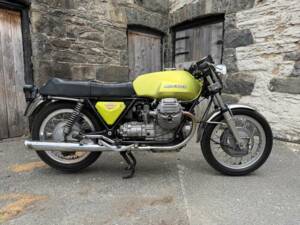
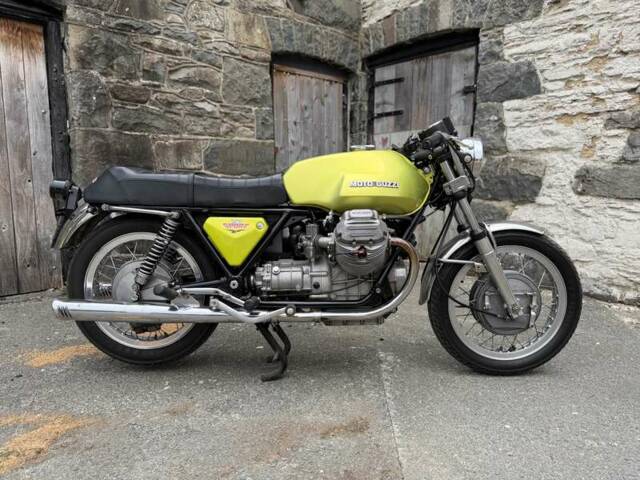
1973 | Moto Guzzi V7 Sport
1973 Moto Guzzi V7 Sport 749cc
History & Heritage
The story of Moto Guzzi began in 1921 in Mandello del Lario on the shores of Lake Como, where Carlo Guzzi and Giorgio Parodi realised their dream after the First World War. The third member of their group, pilot Giovanni Ravelli, had died in a test flight in 1919 – the eagle in the brand's logo remains a tribute to him. The first Normale, featuring a 500cc single-cylinder engine, went into production in 1921. By 1924, Moto Guzzi had already won the European Championship in the 500cc class, setting the stage for a century of engineering excellence.
In the 1930s, Moto Guzzi rose to become Italy's largest motorcycle manufacturer. The G.T. Norge of 1928 proved its reliability with a groundbreaking rear suspension system on a journey to the Arctic Circle. Following the Second World War, the brand dominated racing: between 1935 and 1957, Moto Guzzi secured 14 World Championship titles and over 3,300 race wins – a record that stands to this day.
In Australia, the post-war era saw a growing interest in European machinery. While British bikes dominated the market, the arrival of the Guzzino (1946) and Cardellino offered a lightweight, stylish alternative for urban mobility. The Falcone 500 (1950-1967), famous as a police motorcycle in Italy, also found its way to Australian shores, where its robust single-cylinder design was appreciated for its longevity and ease of maintenance in remote areas.
The year 1967 marked a turning point with the introduction of the V7, featuring the now-iconic 90-degree transverse V-twin engine. This architecture – with a longitudinal crankshaft – became the DNA of all future large models. For the Australian market, this meant a motorcycle that could handle long-distance touring with ease, thanks to its stable chassis and reliable shaft drive, which eliminated the need for chain maintenance on dusty outback roads.
The 1970s brought sport icons like the V7 Sport (1971) with 750cc and the 850 Le Mans (1976), named after the 24-hour race. These models cemented Moto Guzzi's reputation in Australia as a premium, high-performance brand. Despite economic turbulence and ownership changes – from De Tomaso in 1973 to Aprilia in 2000 and finally the Piaggio Group – Moto Guzzi has maintained its unique character. Today, models like the V7 III and V85 TT continue this legacy, blending traditional soul with modern technology for a new generation of Australian riders.
The Australian connection to Moto Guzzi is deeply rooted in a community of enthusiasts who value the brand's mechanical honesty. From the early imports by dedicated distributors to the thriving club scene today, the "Guzzisti" in Australia have overcome the challenges of distance and parts availability through a strong network of specialist workshops and a shared passion for the "Eagle of Mandello."
Highlights & Features
What makes a Moto Guzzi unmistakable is the 90-degree V-twin with its longitudinal arrangement. Unlike most V-twin engines, the crankshaft lies in the direction of travel, with the cylinders protruding sideways – a design that is not only visually striking but also practical for roadside valve adjustments, a feature much appreciated by Australian DIY mechanics. The shaft drive system avoids the mess and maintenance of a chain, though it does produce the characteristic "Guzzi torque reaction" (the bike leaning slightly to the right when the throttle is blipped).
The V7 Sport (1971-1974) is widely regarded as the first Italian superbike. With 750cc, 52 hp, and a top speed of 200 km/h, it set new standards for handling and performance. Its café racer design, often finished in the iconic "Verde Legnano" green with a red frame (the famous "Telaio Rosso" models), remains a holy grail for collectors in Australia. Only a handful of original V7 Sports made it to Australia in the early 70s, making them exceptionally rare and highly sought after today.
The 850 Le Mans series set the benchmark for sports touring in the late 70s and early 80s. It featured an integrated braking system (a precursor to modern linked brakes), triple Brembo discs, and a distinctive bikini fairing. The first series (Mk I, 1976-1978) is the most coveted, with only 6,245 units produced globally. In the Australian market, the Le Mans became a symbol of sophisticated speed, often seen at club meets and classic racing events.
The California series (from 1972) defined the Italian cruiser. With its relaxed seating position, full fairing, and police-spec equipment, it was Moto Guzzi's answer to the American touring market. Interestingly, the California was so successful that it was used by the LAPD, and many of these "police-spec" bikes eventually found their way to Australia as private imports, prized for their ruggedness and "cool factor."
Recent classics like the Daytona 1000 (1992-1997) with its high-cam engine and the MGS-01 Corsa (2005) showcase Guzzi's racing DNA. For the Australian enthusiast, these models represent the pinnacle of Guzzi performance, offering a unique alternative to the more common Japanese and German superbikes of the era. The characteristic V-twin sound, the mechanical clatter of the valves, and the exposed cylinders create a sensory experience that is uniquely Moto Guzzi.
Technical Data
An overview of the most important Moto Guzzi models:
Legend: OHV = Over Head Valve (pushrod), DOHC = Double Over Head Camshaft.
All V2 models from 1967 onwards utilise dry sump lubrication, a twin-plate dry clutch, and shaft drive. The rocker arm valve clearance can be adjusted without special tools – a rarity for motorcycles in this performance class and a major advantage for Australian owners who may live far from a specialist dealer.
Market Overview & Buying Tips
Price segments by model and condition (as of 2024-2025 in AUD):
Falcone / Airone (1950s-1960s): Restored entry-level models start from A$12,000, with pristine examples reaching A$25,000 - A$30,000. These are rare in Australia, often appearing as private imports from Italy. Value appreciation has been steady at 15-20% over the last five years.
V7 Special / Ambassador / Eldorado (1967-1975): Rideable condition from A$8,000, top-restored examples A$15,000 - A$22,000. The Eldorado 850 is particularly popular in Australia for its touring capabilities.
V7 Sport (1971-1974): Ready to ride from A$20,000, Concours condition A$40,000 - A$60,000+. In 2023, a "Telaio Rosso" (red frame) model in the US fetched nearly US$96,000, and while Australian prices are slightly more conservative, the trend is sharply upwards. Expect to pay a significant premium for Australian-delivered bikes with local history.
850 Le Mans Mk I (1976-1978): Projects from A$10,000, excellent condition A$25,000 - A$35,000. The Mk II and Mk III are more affordable (A$8,000 - A$18,000) but lack the investment potential of the original round-headlight Mk I.
California Series (1972-present): Early California II/III models range from A$6,000 - A$14,000. Ex-police bikes with documented history can command a 20% premium. Modern classics like the California 1100 (1990s) are often available for under A$8,000.
Small-block models (V35, V50, V65): Restored examples A$5,000 - A$10,000. These are excellent entry points for the Australian collector, offering the Guzzi experience in a more manageable package.
Buyer Profiles in Australia:
- The Newcomer: Modern V7 models (2012+) or the V85 TT offer contemporary reliability with classic aesthetics. Parts are readily available through the Piaggio dealer network in major cities like Sydney, Melbourne, and Brisbane.
- The Purist: Seeks a Falcone or early V7. These owners are often members of the Moto Guzzi Club of Victoria or NSW, relying on a tight-knit community for technical support and rare parts.
- The Sport Rider: Drawn to the Le Mans or V11 Sport. These bikes offer a visceral riding experience that rewards mechanical sympathy. Suspension upgrades (Ohlins or Bitubo) are common and recommended for Australian B-roads.
- The Long-Distance Tourer: The California or modern V100 Mandello. These riders value the shaft drive and the relaxed torque of the big-block V-twin for crossing the vast distances of the Australian continent.
What to look for when buying in Australia:
- Engine: Is the valve clearance documented? Look for oil leaks at the cylinder base – a common Guzzi "feature" that is easily fixed but can indicate neglect. In the Australian heat, cooling is vital; ensure the cooling fins are clean and undamaged.
- Shaft Drive: Check for play in the rear drive. Lift the rear wheel and check for movement; more than 5mm of play can indicate expensive bearing wear. Shaft oil changes every 20,000km are crucial but often overlooked.
- Electrical System: Pre-1980 models often have weak alternators. If the battery is constantly flat, the regulator (approx. A$250) may be faulty. Check the fuse box for corrosion, especially in coastal areas like the Gold Coast or Perth.
- Frame & Compliance: Check for rust at the steering head and swingarm pivot. For imported bikes, ensure they have the correct Australian Compliance Plate or a valid import approval. Be wary of bikes imported before the 2018 asbestos ban changes – strict testing is now required for all imports.
- Documentation: "Matching Numbers" (engine number matching the frame number) can increase the value by 20-30%. Original sales receipts, service logs from known Australian specialists (like Motociclo or Eurobrit), and club registration papers are highly valuable.
Parts Availability & Shipping Challenges:
For models from 1970 onwards, parts availability is generally good. Local specialists like Eurobrit (Melbourne) and Motociclo (Sydney) stock a wide range of service items. However, for major components or rare trim pieces, you may need to look to Teo Lamers (Netherlands), Stein-Dinse (Germany), or MG Cycle (USA).
Shipping to Australia presents unique challenges:
- Costs: Expect to pay A$80 - A$150 for shipping small parts from Europe or the US. Large items like exhausts or fuel tanks can cost A$400+ in freight alone.
- Time: Air freight typically takes 10-14 days, while sea freight for larger orders can take 8-12 weeks.
- Customs: Orders over A$1,000 are subject to GST (10%) and potential customs processing fees.
- Asbestos: Australia has a zero-tolerance policy for asbestos. Older Guzzis may have asbestos in gaskets, brake pads, or clutch plates. If importing a bike, it must be certified asbestos-free before shipping, or it will be seized and cleaned at the owner's expense (often costing A$2,000 - A$5,000).
Market Trends: The V7 Sport and Le Mans Mk I are seeing the strongest growth (10-15% p.a.). Unrestored "barn finds" with original patina are increasingly prized in Australia, sometimes fetching more than over-restored examples. The "Cafe Racer" scene remains strong, but there is a growing trend towards returning modified bikes to their original factory specifications.
Performance & Riding Experience
Riding a Moto Guzzi is a physical encounter with motorcycle history. The transverse V-twin creates a unique dynamic: as you lean into a corner, the gyroscopic effect of the longitudinal crank makes the bike feel remarkably stable. Blip the throttle, and the bike sways to the right – the famous "Guzzi nudge." For the uninitiated, it can be startling; for the enthusiast, it is the heartbeat of the machine, a reminder that you are riding something with a soul.
The V7 Sport (1971) defined the café racer experience. With its low clip-on handlebars and rear-set footpegs, it demands an aggressive riding position. On a winding road like the Great Ocean Road or the Oxley Highway, the V7 Sport comes alive. The engine wakes up at 5,000 rpm, and by 6,500 rpm, it delivers a surge of torque that belies its age. The sound is a deep, rhythmic thrum that echoes off the canyon walls – a soundtrack that no modern inline-four can replicate.
The 850 Le Mans is a different beast altogether. It was designed for high-speed stability on the Autostrada, which translates perfectly to the long, sweeping curves of Australian highways. The linked braking system, while controversial to some, provides immense stopping power for a vintage machine. At 215 kg, it requires a firm hand, but once settled into a line, it is unshakable. The shaft drive pushes the rear up under acceleration, a characteristic that riders learn to use to their advantage when powering out of corners.
California models offer a contrast in philosophy. Here, the focus is on "Grandezza" – a relaxed, dignified pace. The seating is upright, the floorboards are wide, and the torque is abundant. At 3,500 rpm, the big-block V-twin lopes along effortlessly, making it the ideal companion for a multi-day trip across the Nullarbor or through the Snowy Mountains. While it lacks the agility of its sportier siblings, its stability and comfort are unmatched in the classic world.
Smaller models like the Falcone or the V7 Special (700cc) provide a more intimate, mechanical experience. The Falcone's horizontal single-cylinder engine vibrates with a friendly character, each power stroke felt through the seat. It is a bike for slow-speed exploration, perfect for Sunday morning rides to a country bakery. Modern V7s (from 2012 onwards) have refined this concept, adding ABS and fuel injection, but they still retain that essential Guzzi feel – the mechanical engagement that makes every ride an event.
Across all models, a Moto Guzzi rewards a deliberate approach. The gearbox is precise but requires a steady foot. The clutch is heavy but communicative. The brakes require a strong squeeze. It is the antithesis of the "appliance" motorcycle; it requires your full attention and rewards you with a riding experience that is honest, visceral, and deeply satisfying.
Design & Aesthetics
Moto Guzzi design is born from engineering logic rather than fleeting fashion, which is why it remains timeless. The exposed V-twin is the centerpiece – a mechanical sculpture of polished alloy and cooling fins. It is a statement of intent: the engine is not hidden behind plastic fairings; it is celebrated.
The V7 Sport (1971) is a masterpiece of minimalism. Designed by the legendary Lino Tonti, it features a frame so compact that the engine barely fits within its rails. The fuel tank is long and low, creating a silhouette that has been imitated by countless custom builders. The "Verde Legnano" paint scheme, paired with the red frame, is one of the most iconic color combinations in motorcycling history, representing the peak of 1970s Italian style.
The Le Mans series embraced a more brutal, functional aesthetic. The Mk I's small bikini fairing and orange-faced Veglia instruments scream "racing." As the series evolved into the Mk II and III, the lines became more angular and integrated, reflecting the design trends of the 1980s. While some collectors prefer the purity of the Mk I, the later models have a "techno-cool" appeal that is gaining popularity among younger enthusiasts in Australia.
California models draw inspiration from American cruisers but execute the concept with Italian elegance. Instead of excessive chrome, you find flowing lines and integrated luggage. The Eldorado and Ambassador models of the early 70s, with their white-wall tires and large chrome fuel tank panels, are the epitome of "La Dolce Vita" on two wheels.
Designers like Giulio Cesare Carcano and Lino Tonti established a visual language that is still evident in Moto Guzzi's modern lineup. The new V7 Stone and V85 TT use LED lighting and digital displays, but they house them in shapes that pay homage to their ancestors. For the Australian owner, this means a bike that looks just as good parked outside a cafe in Surry Hills as it does in a shed in the Adelaide Hills.
Accessories & Customisation in Australia:
The Australian Guzzi scene is famous for its "individualists." Cafe Racer conversions are the most popular, often featuring:
- Lafranconi "Competizione" exhausts: Known for their distinctive "slash-cut" tips and thunderous sound.
- Tarozzi rear-sets: To improve the riding position for spirited use.
- Dell'Orto carburettor upgrades: Often replacing the original units with larger 36mm or 40mm "pumper" carbs for better throttle response.
For touring enthusiasts, accessories from Hepco & Becker or Agostini Mandello are the gold standard. In Australia, many owners also fit discreet modern upgrades like electronic ignition (from Sachse or Dyna) to improve reliability in the harsh local climate. Whether it's a full "nut and bolt" restoration to factory original or a personalized custom build, the Moto Guzzi provides a perfect canvas for expression.
Other: Racing, Export & Culture
Racing Heritage in Australia:
While Moto Guzzi's factory racing efforts peaked in the 1950s, the brand has a rich history in Australian production and classic racing. In the 1970s and 80s, Le Mans models were a common sight at tracks like Mount Panorama (Bathurst) and Amaroo Park. Privateers appreciated the Guzzi's reliability and stable handling, which were major advantages in endurance events.
Today, the Post-Classic racing scene in Australia is thriving, with Moto Guzzis frequently competing in Period 4 and Period 5 classes. Events like the International Island Classic at Phillip Island see beautifully prepared Guzzis going head-to-head with Japanese and British machinery. The sight and sound of a full-race 850 Le Mans thundering down the Gardner Straight is a highlight for many Australian fans.
Export Markets & Police History:
Australia has always been an important export market for Moto Guzzi. In the 1970s, the brand was seen as a sophisticated alternative to the dominant Japanese "Universal Japanese Motorcycles" (UJMs). The California and Ambassador models were particularly successful, appealing to riders who wanted a touring bike with European flair and a shaft drive.
The brand's connection to law enforcement is also well-known in Australia. While the Australian police forces primarily used British and later Japanese and German bikes, many ex-Italian and ex-US police Guzzis have been imported by collectors. These bikes, often still in their original livery with sirens and radio boxes, are popular at shows and club events, representing a unique slice of international motorcycling history.
Pop Culture & Community:
In Australia, Moto Guzzi enjoys a "cult" status. It may not have the mainstream Hollywood recognition of Harley-Davidson or Triumph, but it has a dedicated following among those who appreciate engineering and individuality. The Moto Guzzi Owners Association of Australia (MGOAA) and various state-based clubs provide a vibrant community for owners, organizing regular rallies, technical days, and social rides.
The brand has also made appearances in Australian media and literature, often portrayed as the choice of the discerning, slightly eccentric enthusiast. Whether it's a feature in a classic bike magazine or a cameo in a local film, the Moto Guzzi always brings a touch of Italian class to the screen.
Curiosities:
Did you know that Moto Guzzi also produced three-wheeled transporters called Motocarri? While rare in Australia, a few of these fascinating vehicles have been imported by collectors. They represent a time when Moto Guzzi was instrumental in mobilizing post-war Italy, and they are a testament to the brand's engineering versatility.
Summary
Moto Guzzi represents the very best of Italian motorcycle engineering: technically unique, visually stunning, and emotionally engaging. The transverse V-twin is more than just an engine; it is the soul of the brand, a design that has remained constant for over half a century while evolving to meet modern standards. For the Australian rider, a Guzzi offers a connection to a rich heritage and a community of like-minded enthusiasts who value character over clinical perfection.
For collectors, the V7 Sport, 850 Le Mans Mk I, and the Falcone are the ultimate prizes – rare, valuable, and steeped in history. Prices for these models in Australia are on a steady upward trajectory, making them not only a joy to own but also a sound investment. For newcomers, the modern V7 and V85 TT provide an accessible entry point into the world of Guzzi, offering classic style with the peace of mind of modern reliability and a local dealer network.
Challenges such as the distance from Europe and the cost of shipping parts are real, but they are easily outweighed by the rewards of ownership. The mechanical simplicity of the older models makes them ideal for those who enjoy working on their own machines, and the thriving Australian club scene ensures that help and advice are never far away.
If you are looking for a motorcycle that stands out from the crowd, a machine that rewards you with every mile and every mechanical click, then look no further than the Eagle of Mandello. With over 40 Moto Guzzi offers on Classic Trader, your journey into the world of Italian excellence starts here. Find your dream Guzzi today and discover why this legendary brand continues to capture hearts across Australia.