- Motorcycle
- Harley-Davidson (23 offers)
Buy Harley-Davidson Motorcycles
Since 1903, motorcycles have rolled out of the Milwaukee factory – each machine bearing the hallmark of a brand that doesn't just build vehicles, but writes American culture on two wheels. From the rumble of a Knucklehead to the sleek lines of a modern Breakout, find your piece of freedom on Classic Trader.
Search results
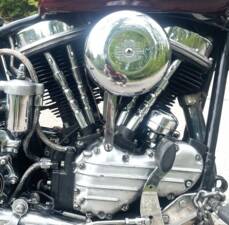
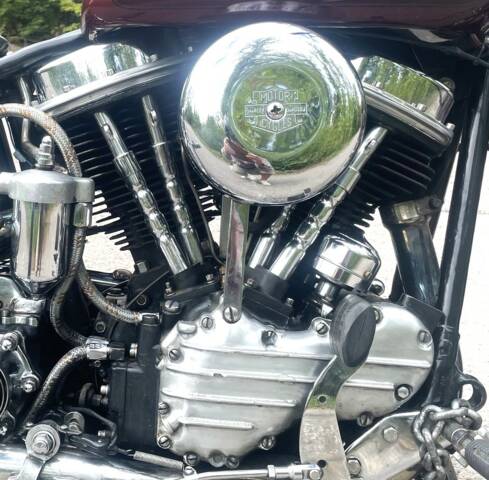
1956 | Harley-Davidson FL Panhead
56er PanHead - Eine Legende auf Rädern

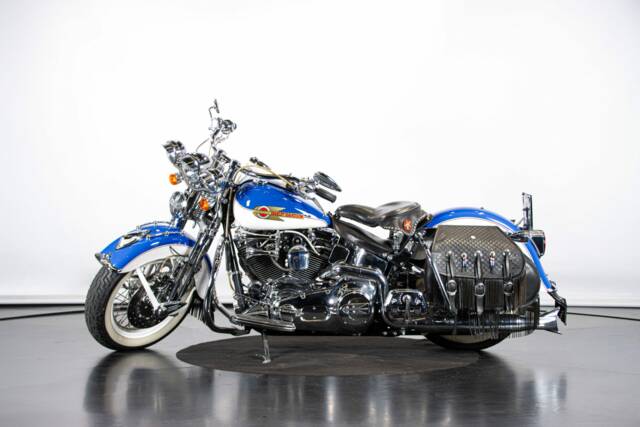
2000 | Harley-Davidson FXSTS Softail Springer
Harley Davidson SOFTAIL SPRINGER

1997 | Harley-Davidson FLSTC Heritage Softail Classic
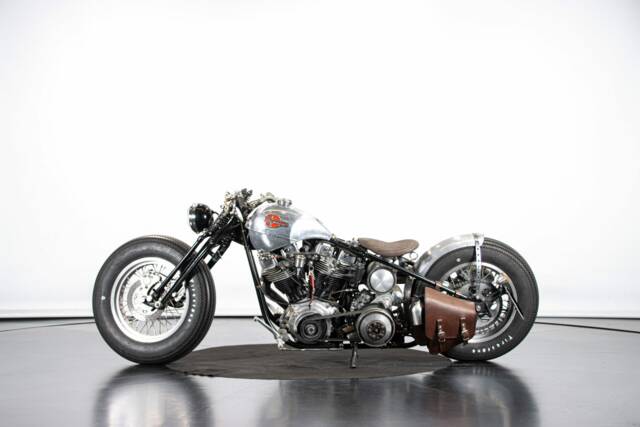
Harley Davidson BOBBER RIGIDO SHOVELHEAD
2001 | Harley-Davidson FLSTS Heritage Springer Classic
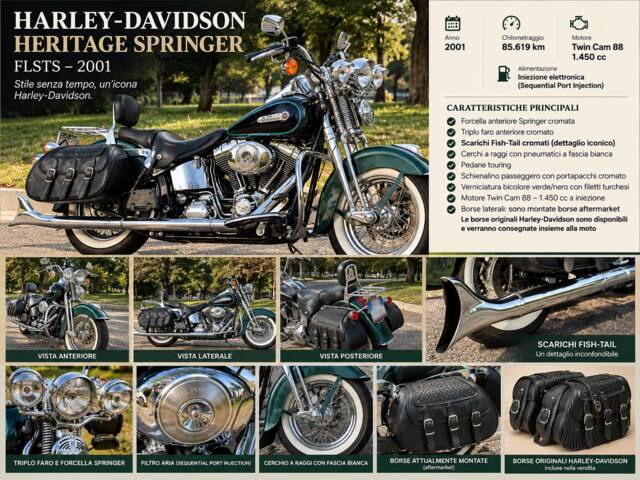
A HERITAGE SPRINGER WITH CLASSIC APPEAL
Newsletter
The best Harley-Davidson listings, straight to your inbox
Get hand-picked Harley-Davidson listings, plus the best of cars, motorbikes, and auctions on Classic Trader — all in one place.
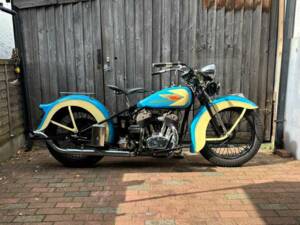
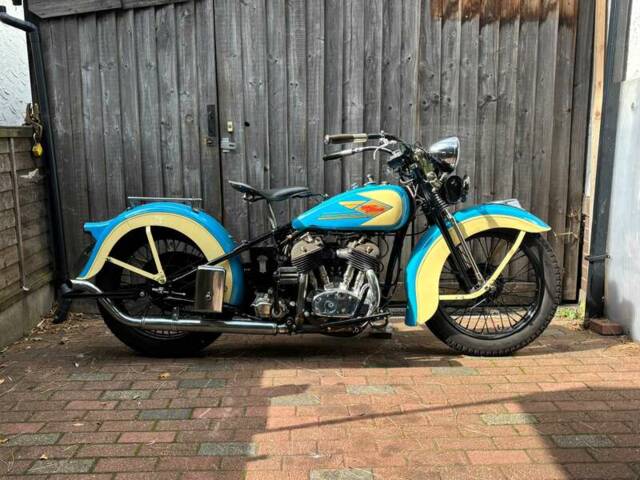
1934 | Harley-Davidson VLD "Big Twin"
1934 Harley-Davidson VLD 'Big Twin' 1,200cc

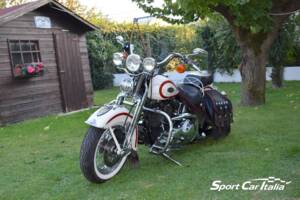
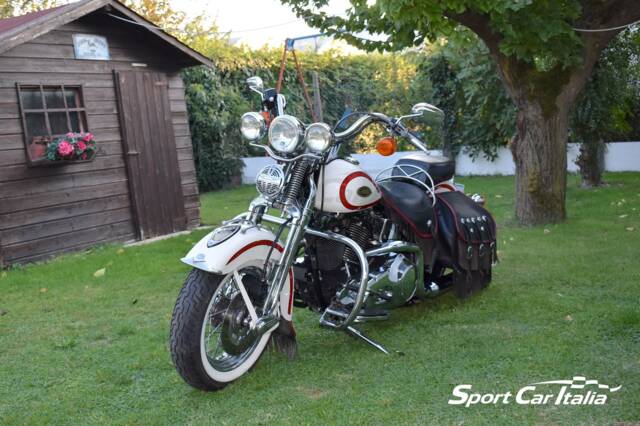
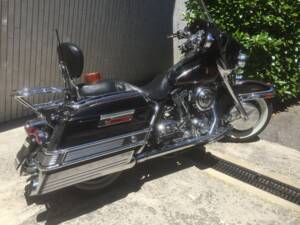
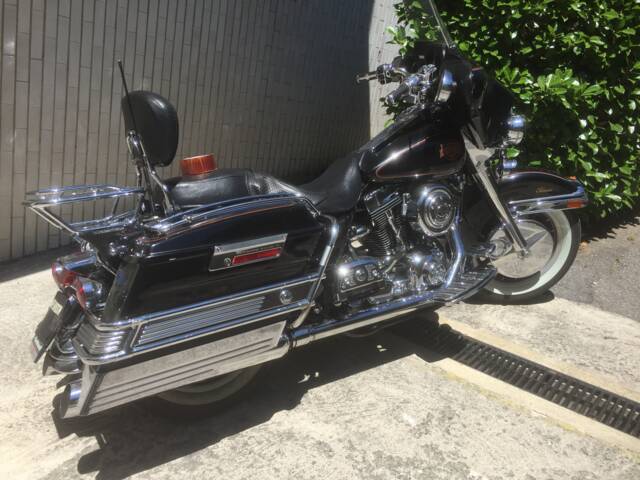
2000 | Harley-Davidson FLHTCU-SE Ultra Classic Electra Glide
Original U.S.A.
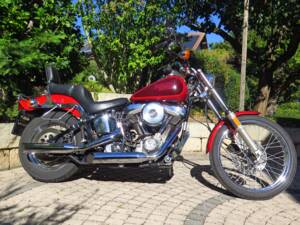
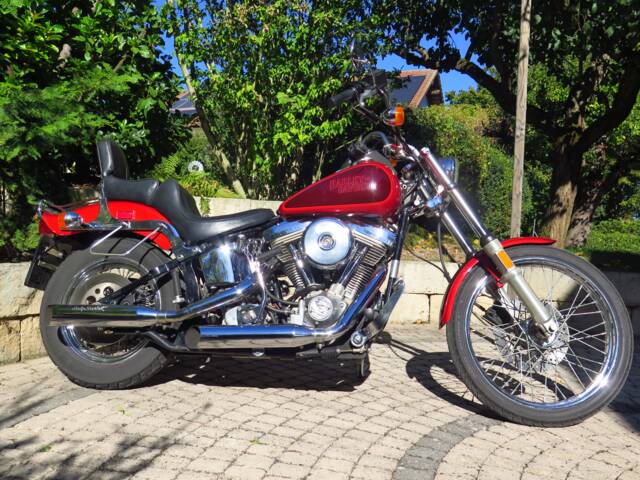
1985 | Harley-Davidson FXST 1340 Softail
weitgehend Originalzustand

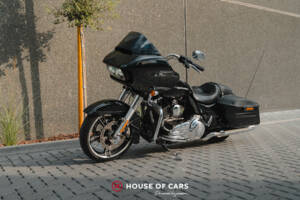
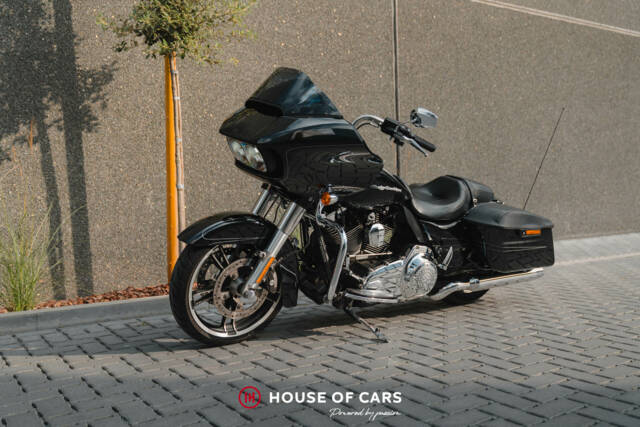
2015 | Harley-Davidson 1690 Electra Glide Ultra Limited
1690 - Vivid Black - AS NEW condition

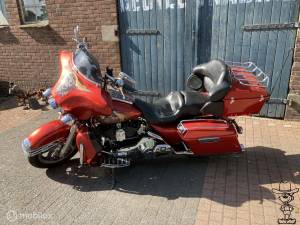
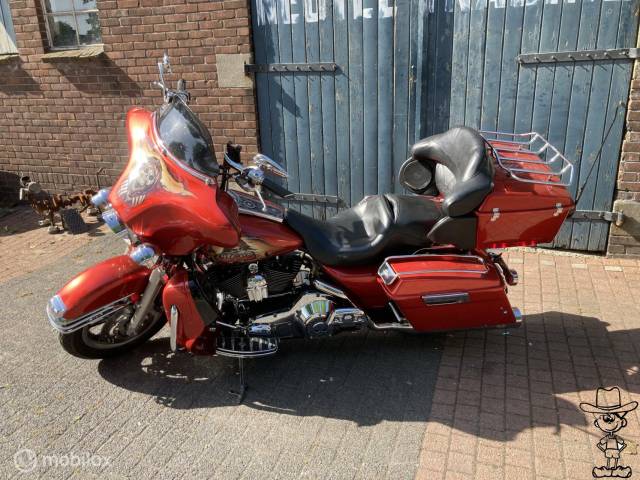

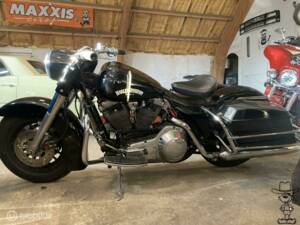
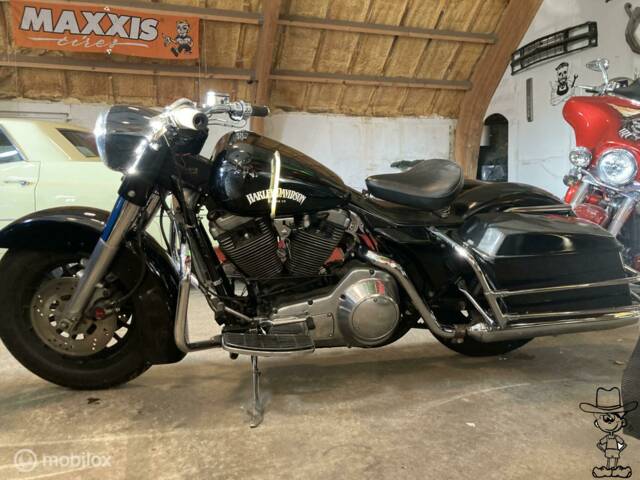
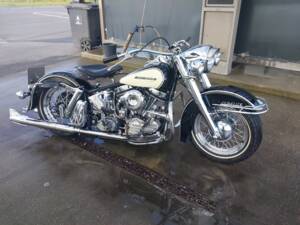
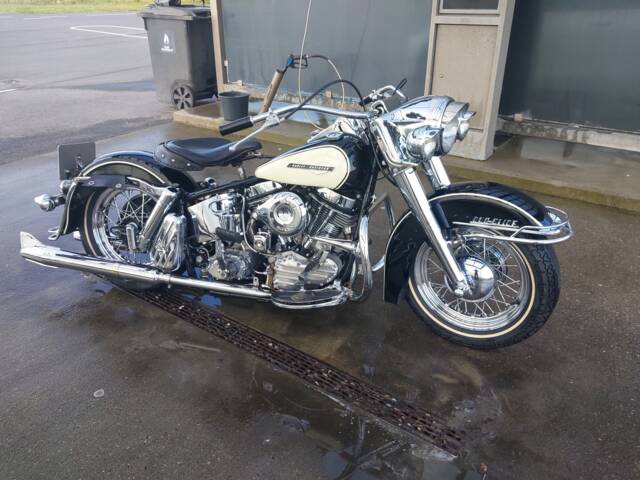
1964 | Harley-Davidson FL Panhead
Duo-Glide

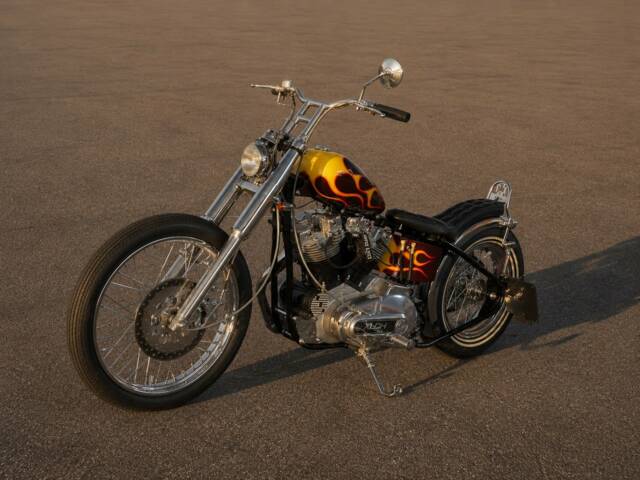
1900 | Harley-Davidson Easy Rider Billy Bike
Harley Davidson Billy Bike Recreation // authentisch // neuwertig // Straßen-Zulassung
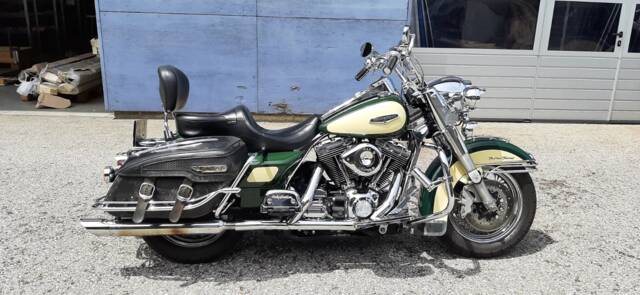
1999 | Harley-Davidson 1450 Road King FLHR
Road King "Sleeper"

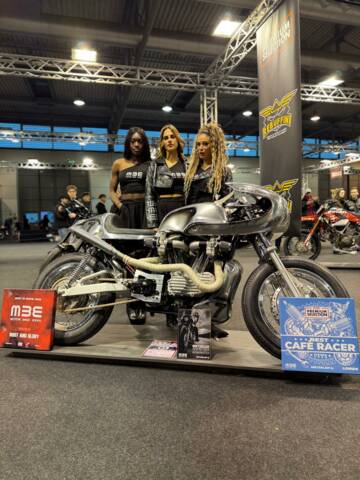
1995 | Harley-Davidson Sportster XLH 883
Custom Renzo Pasolini Sportster 1250 Award Best Cafe Racer MBE Verona 2026
History & Heritage
The story of Harley-Davidson is the story of the American Dream, exported to every corner of the globe, including the vast highways of Australia. It began in 1903 in a small wooden shed in Milwaukee, Wisconsin. William S. Harley and Arthur Davidson – later joined by Walter and William A. Davidson – initially built small engines for bicycles. Their first motorcycle, the Silent Grey Fellow, was a grey-painted bicycle with a simple auxiliary motor. In 1907, the four partners officially incorporated the Harley-Davidson Motor Company of Milwaukee.
The breakthrough came in 1908 when Walter Davidson won a reliability and fuel economy race on a company machine – a feat of endurance that immediately boosted the order books. The company soon supplied motorcycles to police departments, telephone companies, and eventually the US Army. In 1909, the first V-Twin model was born – the birth of the classic Harley silhouette that has remained largely unchanged for over a century.
In 1929, Harley-Davidson revolutionised engine design with the Flathead engine (also known as the sidevalve), which remained in production in various forms until 1973. During World War II, the company delivered over 88,000 motorcycles to the Allied forces, including the famous WLA model. Many of these machines found their way to Australia after the war, becoming the foundation of the local Harley culture. The WLA, with its rugged 45 cubic inch engine, became a symbol of military presence and later, the preferred mount for returning soldiers looking for adventure on the open road.
The post-war era brought a wave of innovation. In 1936, the Knucklehead arrived – Harley's first OHV (Overhead Valve) engine with its characteristic rocker covers that resembled clenched knuckles. In 1948, the Panhead followed, featuring improved aluminium heads and better cooling. By 1966, the Shovelhead – named for the shovel-like shape of its rocker covers – took over, bringing more power and reliability to the growing touring market.
The 1960s and 1970s were challenging years. Japanese competition put immense pressure on Harley-Davidson. The company went public in 1965 and was acquired by AMF in 1969. Quality suffered during the AMF years, but in 1981, a group of Harley managers led a buy-back of the company. The turnaround began in 1984 with the introduction of the Evolution engine (also known as the "Blockhead") and a renewed focus on quality control. This era saw Harley-Davidson rise to become a global cult brand, synonymous with the cruiser lifestyle.
In 1999, the Twin Cam engine was introduced, followed in 2016 by the Milwaukee-Eight – the ninth "Big Twin" featuring four valves per cylinder. Since 2021, Harley has also embraced the future with the LiveWire series of electric motorcycles and expanded into new segments with models like the Pan America adventure tourer and smaller displacement bikes for emerging markets. In Australia, the brand remains the undisputed king of the heavyweight cruiser market, supported by a passionate community and a network of dedicated dealerships from Perth to Sydney.
Highlights & Features
What sets a Harley-Davidson apart is more than just engineering – it is the sound, the feel, and the lifestyle. The characteristic 45-degree V-Twin produces the unmistakable "potato-potato" rhythm due to its irregular firing order. This sound is so central to the brand's identity that it was once the subject of a trademark application, becoming the acoustic signature of a global movement.
Knucklehead (1936–1947): As Harley's first OHV engine, the Knucklehead is the holy grail for many collectors. Originally 61 cui (1,000 cc) and later 74 cui (1,200 cc), its distinctive rocker covers made it an icon of the early chopper scene. Early models were prone to oil leaks and valve issues, but today, original Knuckleheads are absolute rarities. In the Australian market, a well-documented Knucklehead can fetch anywhere from A$60,000 to over A$220,000, depending on its provenance and originality.
Panhead (1948–1965): The Panhead addressed the cooling issues of its predecessor with aluminium heads. Available in 61 cui (EL) and 74 cui (FL, FLH) versions, the FLH variant with its more powerful engine became the basis for the legendary touring models. Panheads are highly sought after in Australia for their classic lines and improved rideability. Expect to pay between A$40,000 and A$100,000 for a good example, with fully restored, documented bikes sitting at the top of that range.
Shovelhead (1966–1984): With 74 cui and later 80 cui (1,340 cc) displacements, the Shovelhead offered more torque and defined the chopper era of the 1970s. While it had its share of weak spots – including alternator and oil pump issues – it remains a favourite for those who want a classic look with slightly more modern performance. In Australia, a well-maintained Shovelhead typically costs between A$20,000 and A$50,000. Special models like the FXS Low Rider or FXEF Fat Bob are particularly prized by local enthusiasts.
Sportster (since 1957): The XL Sportster is the longest-running continuous production motorcycle model in the US. Originally featuring the 55 cui (883 cc) Ironhead engine, it later evolved to use Evolution and Twin Cam powerplants. The XR750, the racing version of the Sportster, dominated flat-track racing for decades. Early Ironhead Sportsters (1957–1985) are becoming increasingly popular in Australia as entry-level classics, with prices ranging from A$12,000 to A$35,000.
Electra Glide (since 1965): The first production motorcycle with an electric starter, the Electra Glide became the epitome of the American touring bike. Shovelhead-era Electra Glides (1966–1984) are highly collectible, offering a pure touring experience. In the Australian market, these machines are valued between A$18,000 and A$45,000, depending on their condition and original equipment.
WLA (1940–1945): The military workhorse of WWII, the WLA features a 45 cui Flathead engine. Over 88,000 were built, and many served in the Pacific theatre, eventually finding homes in Australia. Recognisable by its high-mounted exhaust, blackout lights, and heavy-duty luggage racks, a restored military original is a piece of history. Prices in Australia range from A$25,000 to A$80,000 for authentic examples, while civilian conversions or projects can be found for less.
Technical Data
Market Overview & Buying Tips
The Harley-Davidson market in Australia is diverse and vibrant, ranging from affordable modern Sportsters to six-figure vintage rarities. Whether you are looking for a weekend cruiser or a long-term investment, originality, condition, and documentation are the three pillars of a successful purchase.
Price Ranges by Model (AUD)
Entry-Level (A$12,000 – A$22,000):
- Sportster 883/1200 (1990s–2000s): Reliable, plenty of parts available, and an ideal entry point into the brand.
- Shovelhead Projects: Bikes that are incomplete or heavily modified, requiring significant work.
- Late Evolution Softails (1990s): Known for their reliability and classic looks, these are great "daily" classics.
Mid-Range (A$22,000 – A$55,000):
- Restored Shovelheads: Clean, well-maintained examples with good service history.
- Panhead Projects: Partially restored bikes or those needing mechanical attention.
- Early Ironhead Sportsters (1970s–1980s): Gaining value as collectors look for more "raw" experiences.
- Modern Touring Models: Low-mileage Road Kings, Street Glides, or Ultra Limiteds from the last decade.
High-End (A$55,000 – A$200,000+):
- Fully Restored Panheads: Documented restorations with matching numbers.
- Original Knuckleheads: The pinnacle of Harley collecting, especially in "survivor" or concours condition.
- Rare Special Editions: Models like the XLCH Sportster or early FX Super Glides.
- Military WLA: Authentic, museum-quality machines with correct period accessories.
Typical Weak Spots
Engines:
- Knucklehead: Oil leaks are common; valve springs can break, and early models have relatively weak charging systems.
- Panhead: Oil pump wear is a known issue; cylinder head gaskets can be temperamental, and carburettors require regular adjustment.
- Shovelhead: Alternator issues (rotor/stator) are frequent; watch for leaks at the primary chain drive and wear in the engine case bearings.
Transmission & Drive:
- Four-speed Gearboxes (pre-1980s): Can suffer from shifting issues and gear wear if abused.
- Primary Chain: Requires regular tensioning; check for wear on the tensioner shoes.
- Belt Drive (post-1980s): Generally very durable, but expensive to replace if neglected or damaged by road debris.
Electrics:
- Early Models (pre-1970): Often use 6-volt systems with weak generators; wiring harnesses can become brittle with age.
- Ignition Coils: Particularly on Shovelheads, these can fail, leading to fouled spark plugs and poor running.
Chassis & Suspension:
- Telescopic Forks: Check for rust on the stanchions and perished seals.
- Shock Absorbers: Look for oil leaks and a lack of damping.
- Brakes (pre-1970s): Generally weak by modern standards; pads and shoes wear quickly under heavy use.
Inspection Checklist
Engine:
- Cold Start: Check how the bike starts from cold. Difficulty starting can indicate carburettor issues or low compression.
- Oil Quality: Check for metallic particles in the oil, which can signal internal engine damage.
- Exhaust Smoke: Blue smoke indicates worn piston rings; white smoke can point to head gasket issues.
- Noises: Excessive rattling at idle may indicate valve train or lifter problems.
Frame & Chassis:
- Matching Numbers: Verify that the engine and frame numbers match the registration papers. In Australia, "Matching Numbers" significantly increases the value of a classic Harley.
- Frame Integrity: Inspect the frame for cracks, especially around the steering head and swingarm pivot.
- Forks: Check the condition of the stanchions, seals, and for any play in the steering head bearings.
Electrics:
- Charging System: Measure the voltage at the battery with the engine running; it should be between 13.5V and 14.5V.
- Wiring: Look for "backyard" repairs or non-original wiring, which can be a source of future headaches.
Originality:
- Paintwork: Original paint is highly prized. Harley-Davidson colour codes are well-documented for those looking to verify authenticity.
- Components: Original carburettors, air cleaners, and exhaust systems add significant value to collector-grade machines.
Importing to Australia
Many Australian collectors look to the US market for rare models. While the 2025 import regulations allow for easier entry of vehicles over 25 years old, there are several critical factors to consider:
- Asbestos: Australia has a zero-tolerance policy. Older Harleys often contain asbestos in gaskets, brake pads, and clutch plates. Professional testing and removal are mandatory before shipping.
- Shipping Costs: Expect to pay between A$2,500 and A$4,000 for shipping and handling from the US to a major Australian port like Sydney or Melbourne.
- Taxes: You will need to pay 10% GST on the combined value of the bike and the shipping costs.
- Compliance: While vintage bikes have concessions, they still need to meet basic safety standards for Australian road registration.
Restoration & Parts Availability
The parts situation for Harley-Davidson is arguably the best in the vintage motorcycle world. Aftermarket manufacturers like S&S Cycle, Drag Specialties, and Rollies Speed Shop in Australia provide high-quality reproductions for almost every component, even for Knuckleheads and Panheads. Original "New Old Stock" (NOS) parts are more expensive but essential for high-end restorations.
Estimated Restoration Costs (AUD):
- Engine Overhaul (Panhead/Shovelhead): A$8,000 – A$18,000
- Full Respray: A$4,000 – A$9,000
- Carburettor Rebuild: A$500 – A$1,200
- Electrical Overhaul: A$1,200 – A$3,000
For a complete restoration of a Panhead or Knucklehead, you should budget between A$30,000 and A$75,000, depending on the starting condition and the level of detail required.
Performance & Riding Experience
Riding a Harley-Davidson is a fundamentally different experience from riding a European or Japanese machine. The philosophy is simple: torque over revs, soul over statistics.
The V-Twin engine is designed to deliver its power in the low to mid-range, providing effortless grunt for cruising. The chassis is typically set up for comfort rather than aggressive cornering. The low seat height and often forward-mounted footpegs encourage a relaxed posture, perfect for the long, straight stretches of the Great Ocean Road or the vast expanses of the Nullarbor.
Knucklehead & Panhead: These are machines for the dedicated enthusiast. The kickstarter requires a specific technique and a fair amount of leg strength. Early models with hand-shift and foot-clutch (the "suicide clutch") present a steep learning curve. Handling is heavy – with weights exceeding 250 kg, these bikes demand respect in tight corners. The brakes are archaic by modern standards, making "anticipatory riding" a necessity rather than a suggestion.
Shovelhead: A bit more modern but still wonderfully raw. The introduction of foot-shifting made these bikes more accessible. The engine vibrates noticeably – a characteristic fans call "the heartbeat." On the highway, a Shovelhead is in its element at around 100–110 km/h; any faster and the vibrations can become tiring. It is the quintessential cruiser for relaxed Sunday rides through the hinterland.
Sportster: Lighter and more agile than the Big Twins. The Ironhead engine (up to 1985) is rough and ready, while the Evolution engine (from 1986) is more refined and reliable. The upright riding position makes the Sportster surprisingly capable in city traffic and on twisty coastal roads. It is the most versatile classic Harley – easy to live with and relatively simple to maintain.
Electra Glide & Touring Models: Built for the vastness of the Australian continent. With hard panniers, a large windscreen, and a plush seat, these are true mile-munchers. The weight (often over 350 kg fully loaded) is noticeable when manoeuvring at low speeds, but on the open road, it provides a sense of rock-solid stability. While a Shovelhead Electra Glide is a purist's dream, modern versions with the Milwaukee-Eight engine offer ABS, cruise control, and sophisticated infotainment for those who want to cross the country in total comfort.
The fascination of a Harley doesn't lie in its 0–100 km/h time or its top speed. It lies in the sensory experience. The sound, the vibration, the mechanical directness – it is a form of rolling meditation. When you ride a Harley, you aren't just travelling; you are part of the landscape.
Design & Custom Culture
Harley-Davidson design follows a clear principle: form follows emotion. While other manufacturers focused on wind tunnels and aerodynamics, Harley prioritised silhouette and tactile quality. The result is a line of motorcycles that look like rolling sculptures.
The Knucklehead established the brand's design vocabulary: the exposed V-Twin engine, the teardrop fuel tank, and the Springer fork on early models. The rocker covers weren't just functional; they were an aesthetic statement. The Cat-Eye speedometer housing became a design classic in its own right, a detail still referenced in modern "Heritage" models.
The Panhead refined these lines, introducing more streamlined fenders and integrated lighting. The Hydra-Glide (1949) introduced hydraulically damped telescopic forks – a milestone for both handling and aesthetics. In 1958, the Duo-Glide added rear suspension, increasing comfort while rounding out the bike's visual profile.
The Shovelhead era coincided with the birth of the chopper movement in the 1960s and 70s. Custom builders stripped Harleys to their bare essentials: long forks, ape-hanger handlebars, solo seats, and elaborate "metalflake" paint jobs with pinstriping. The film Easy Rider (1969) turned the Harley chopper into a global pop-culture icon. The "Captain America" bike, with its stars-and-stripes tank, remains perhaps the most famous custom motorcycle in history.
The Sportster line took a sportier, more minimalist approach. The Peanut Tank, narrow silhouette, and exposed mechanicals made it a favourite for those who wanted a leaner look. The XLCH (Competition Hot) model, which lacked an electric starter, was the ultimate expression of this "less is more" philosophy.
Factory Customs like the Low Rider (1977), Fat Bob (1979), and Wide Glide (1980) brought custom elements to the showroom floor. Harley-Davidson recognised early on that their customers didn't want a standard bike – they wanted a machine that reflected their individuality.
Customising in Australia
The Australian custom scene is one of the most active in the world. From the "Bobber" look to high-performance "Club Style" builds, Aussie Harley owners love to make their bikes their own.
Common Custom Paths:
- Engine Tuning: Upgrading to S&S or Mikuni carburettors, performance exhausts (Drag Pipes, Fishtails, or 2-in-1 systems), and electronic ignition systems to replace old points.
- Chassis Upgrades: Progressive suspension springs, high-performance shocks, and modern braking systems from brands like Brembo or Performance Machine.
- Aesthetics: Handlebars (Ape Hangers, Drag Bars, T-Bars), seats (Solo, Tuck-and-Roll), and custom tanks (Mustang or Fat Bob styles).
The custom universe is endless, and Harley-Davidson actively encourages it. The H.O.G. (Harley Owners Group) connects over a million members worldwide, including thousands in Australia. For a Harley owner, customising isn't about changing the bike; it's about completing it.
Other Considerations
Harley-Davidson in Motorsport
While often associated with cruising, Harley-Davidson has a rich racing heritage, particularly in Flat Track and Hill Climb. The WR and later the XR750 won countless AMA championships. The XR750 is arguably the most successful racing motorcycle in history, securing more wins over its 50-year career than any other machine.
In the 1970s, Harley even competed in the Grand Prix world championships with modified RR250 and RR350 two-stroke machines – designs inherited from the Italian brand Aermacchi. They secured 28 Grand Prix wins before the company decided to refocus its efforts on the US market and its traditional V-Twin strengths.
Pop Culture & The Australian Connection
No motorcycle brand is as culturally loaded as Harley-Davidson. From Terminator 2, where Arnold Schwarzenegger famously rode a Fat Boy, to the gritty realism of Sons of Anarchy, Harleys are the stars of the screen. In Australia, the brand has a deep-seated connection to the "outlaw" image of the 1970s and 80s, though today the typical owner is just as likely to be a professional looking for a weekend escape.
The National H.O.G. Rally and events like the Iron Run draw thousands of riders from across the country, showcasing the incredible diversity of the local scene. Whether it's a pristine vintage restoration or a hard-ridden touring bike, every Harley in Australia has a story to tell.
Summary
Harley-Davidson is more than just a motorcycle manufacturer; it is a way of life. The models spanning from the Knucklehead and Panhead to the Shovelhead and Sportster represent different eras of engineering, but they all share a common DNA: individuality, freedom, and that unmistakable sound.
When you buy a classic Harley, you aren't just buying a mode of transport. You are buying a piece of history, a mechanical companion, and an entry ticket into a global community. The parts availability is excellent, the local Australian support is strong, and the potential for capital growth on well-maintained models is significant.
Whether you are looking for a clean Sportster as your first classic, a charismatic Shovelhead for coastal cruising, or an investment-grade Knucklehead to anchor your collection, Harley-Davidson offers a model for every type of rider. Find your next piece of American iron on Classic Trader and start your own chapter of the legend.