
1963
Mercedes-Benz 220 SE b
The most beautiful and best convertible of its time
The 1960s delivered compact runabouts, grand tourers, muscle cars and exciting motorcycles. Read the era overview and buying guide.
The most beautiful and best convertible of its time

Originalfahrzeug; umfangreiche Rennhistorie; 3 x Goodwood Revival Teilnehmer


Ford Mustang Cabrio| Gerestaureerd | Zeer goede staat | 1967
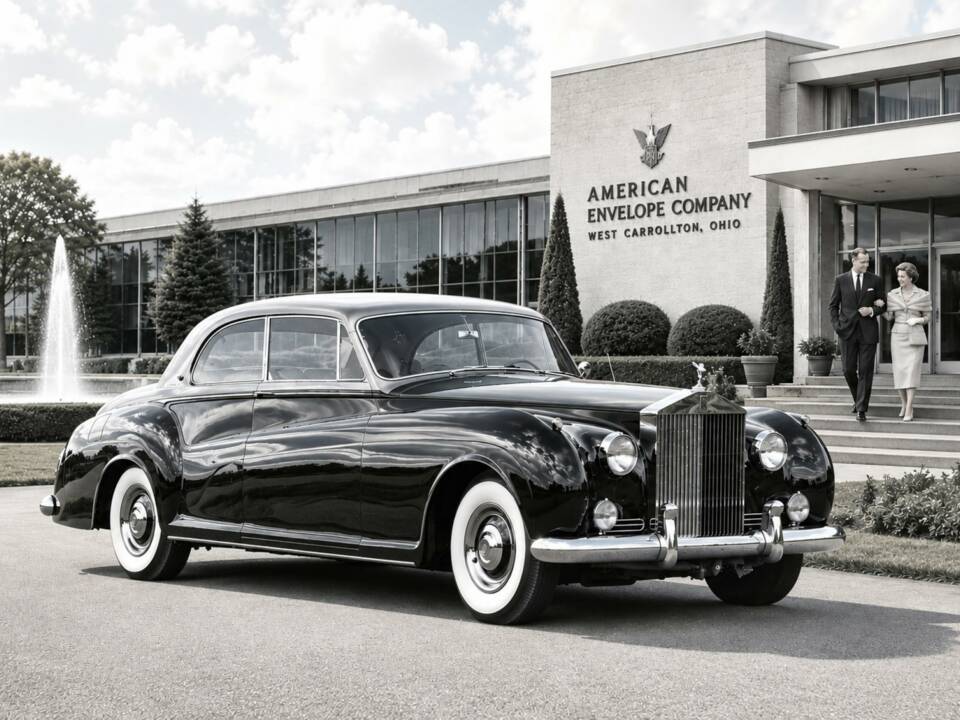

...very rare...
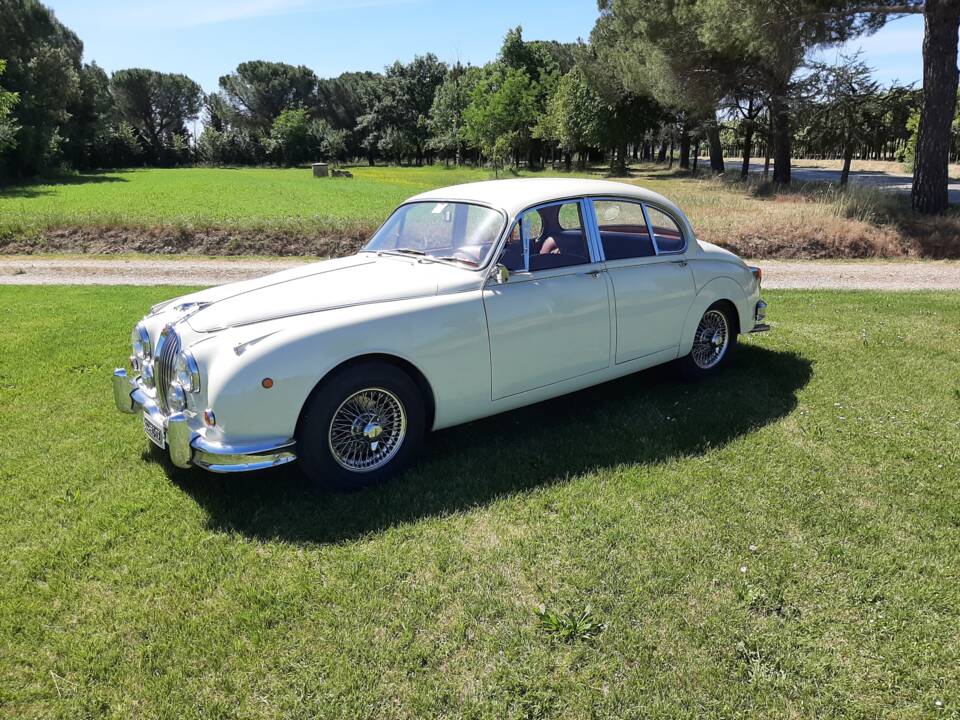
1960 Jaguar Mk II 3.4 – extensively restored British sports saloon with 210 hp, long-term ownership and comprehensive history

DHC by H.J. Mulline

Camaro 350 SS convertible 1968


Pristine

VERY RARE !!!

Simson KR 51 Schwalbe Kr 51 / 1


Moto Guzzi 499cc Falcone Police Motorcycle

R 60 mit Beiwagen - Restauriert


Corsa UNICO ESEMPLARE !!! OMOLOGATA !!

Heinkel Tourist 103A-1 .

ZZ ULTRA SPECIAL !!! Very rare !!!

R 27 - Restauriert

Velocette thruton 1963
The 1960s turned performance into popular culture. Australia had its own manufacturing and competition story: locally built Holdens and Falcons became family transport and weekend racers, while imported British, European, American and Japanese vehicles broadened the market. The word “muscle” should not erase those distinctions. A Holden Monaro, an Australian Falcon GT, an American Mustang and a Japanese sports car may share a collector audience while having entirely different build records and parts supply.
Road conditions still rewarded robust cooling, sensible ground clearance and straightforward servicing. City buyers wanted small cars such as the Mini, while country owners valued range and repairability. Compare the vehicle's original use with its present condition. A car restored for show may have little evidence of the hard touring, rallying or competition history claimed in an advertisement.
The Holden EH, HD, HR, HK, HT and HG show the progression of Australian family cars; the HK Monaro, introduced in 1968, gave that range a significant performance identity. Ford Australia's Falcon evolved through locally built XK to XW generations, and the 1969 Falcon GT-HO Phase I is a specific Australian performance model, not a generic V8 Falcon. Confirm the plate, body, drivetrain and surviving factory evidence before paying for a GT claim.
The Ford Mustang was imported into Australia and also assembled locally from completely knocked-down kits by Ford Australia in the 1960s; the year, plant and local specification affect its identity. It is not the same as a Falcon, despite shared Ford branding. The Mini was assembled in Australia by BMC Australia and later British Leyland Australia, with local details and production changes. A Jaguar E-type, Porsche 911, Alfa Romeo Giulia or Volvo P1800 was normally an imported car, so an Australian delivery file can be particularly valuable.
The Chevrolet Camaro and Pontiac GTO are usually imported examples in the Australian context, often subject to later conversions. A claimed factory disc-brake, engine or trim specification should be supported by parts, codes and period documentation. Inspect floors, sills, rails, firewall, boot well and suspension pick-up points first. Fresh paint, flared guards and a loud exhaust can conceal structural or identity problems.
Honda, Yamaha, Suzuki and Kawasaki expanded the choices available to Australian riders, alongside established Triumph, BSA, Norton, Velocette, Ducati and BMW models. The Honda CB77 Super Hawk, introduced internationally before the decade's end, used a carburetted parallel twin and period electrical system; it was not an early fuel-injected motorcycle. Triumph Bonneville variants likewise require year-specific research. Names such as “Bonneville”, “CB” or “Scrambler” are not enough to establish exact equipment.
Inspect the steering head, frame tubes, swingarm, fork stanchions and engine plates for cracks, distortion or amateur welding. Check wheel bearings, rim condition, spokes, tyres and drum or disc brakes. Look for pitted fork tubes, leaking seals, worn control cables and damaged exhaust threads. Cold starting can reveal carburettor, ignition and compression faults; check oil pressure where applicable and charging output at running speed. Keep battery, points, coils and wiring safe before cosmetic work.
Bathurst and touring-car rivalry helped make the Falcon, Monaro and other Australian sedans cultural icons. It did not make every V8 sedan a race car. A genuine competition history needs period photographs, race programmes, logbooks, build sheets or credible ownership records. A road car with later wheels, stripes, seats and a replacement engine may be enjoyable, but it should be described honestly and valued accordingly.
Local assembly is equally important. Holden EH through HG cars were Australian production, as were Australian Falcons of the period; the HK Monaro was built locally. The Mini had Australian assembly and local specification. A Mustang can be Australian CKD assembly or a fully imported car, while a Camaro, E-type, 911, Honda CB77 or Ducati may have arrived through an importer. Check the compliance or build plate, stamped numbers, original sales paperwork and parts book for the exact vehicle. “Available in Australia” is not the same as “made in Australia”.
Disc brakes, alternators, improved heating and safer interior details spread through the decade, but introduction dates varied by model and market. Do not fit a later component and describe it as factory equipment. Record whether the car has a generator or alternator, drum or disc brakes, a replacement steering box, electronic ignition or an added oil cooler. Period modifications can be part of its story, yet they still require inspection and disclosure.
Representative cars include Holden Monaro, Ford Falcon GT, Australian-assembled or imported Ford Mustang, Australian-assembled Mini Cooper, Jaguar E-type and Porsche 911. Their construction and repair risks differ. Inspect separate chassis rails where fitted, but remember that many sedans and sports cars use unitary shells whose sills, floors, pillars and suspension mounts carry structural loads. A six-cylinder Holden with a later V8, a Falcon with a competition-style conversion or a Mini with a replacement shell must be identified as modified rather than assumed to be factory.
Start with provenance. Photograph the build plate, chassis or body number, engine number and major casting or component codes. Compare them with factory manuals, period brochures and marque registers. Ask for invoices, restoration photographs, registration history, import documents and evidence of a claimed GT, GTS, Cooper S, E-type or competition specification. Inspect for accident alignment, corrosion around glass and seams, poorly joined panels, cracked subframes and non-standard wiring. Test cold starting, oil pressure, temperature, clutch, gearbox, differential, steering and brake balance safely.
Performance parts are expensive because they are both mechanical and historical evidence. Correct carburettors, air cleaners, manifolds, gauges, seats, wheels, trim and brakes may be scarce. Reproduction parts can be excellent, but keep receipts and disclose them. A professional inspection should include a hoist, compression or leak-down testing where useful, cooling-system assessment and a road test by someone familiar with the model. Do not let a dyno number substitute for identity or structural integrity.
For a motorcycle, completeness often beats glossy paint. Correct tank badges, instruments, air boxes, mudguards, controls, silencers and wiring are difficult to source, and chroming can change a profile. Check that the frame and engine numbers are legible and consistent with the claimed year. A replacement frame may be legal and safe, but it changes the provenance and can create registration complications.
Australian touring conversions may include racks, panniers, sidecars, different gearing, extra lights or a larger charging system. They can document how a rider used the machine, but inspect every mount and weld. A 1960s motorcycle may use points, a dynamo, a six-volt battery and carburettors; later electronic ignition or a twelve-volt conversion can improve reliability while reducing untouched originality. Label removed wiring, retain original parts and use a specialist for frame, brake and wheel work.
Budget in three columns: purchase, immediate safety work and sympathetic restoration. Include freight, storage, machining, paint, trim, glass, tyres, brake hydraulics, cooling work and missing model-specific parts. Count the cost of a non-running project before buying it. Ask for an underside inspection and a cold start; photographs rarely show rust inside sills, subframes, guards or fuel tanks. Clubs are useful for manuals and part numbers, but their advice should complement an independent inspection.
Originality is not the same as unreliability. Safe period-correct improvements are reasonable when documented: electronic ignition, an upgraded fuse box, radial tyres or discreet cooling improvements may help touring. Make sure modifications are engineered where required, do not overload old suspension, and retain reversible original parts. Recommission brakes, steering, lights, fuel lines, cooling and charging before performance tuning. Keep a maintenance record with dates, kilometres, suppliers and photographs.
Before purchase, establish clear title, seller identity, finance status, chassis identity and import or local-assembly records. Contact the current registration authority in the state or territory where the vehicle will be used. Historic-registration eligibility, inspections, engineering approval, emissions, lighting, seat belts, number plates, engine swaps, suspension changes, left- or right-hand drive and motorcycle sidecars are governed differently and can change. Arrange agreed-value insurance and confirm that a club or conditional registration scheme permits the intended use.
Was every Mustang in Australia imported fully built? No. Ford Australia assembled some Mustangs from CKD kits, while others were imported complete. The car's build plate, date, records and specification establish which story applies.
Is every V8 Falcon a GT or every Monaro a high-performance model? No. Engine swaps, trim changes and replicas are common. Verify body identification, factory codes, drivetrain and historical evidence before accepting a performance claim.
Can I register a modified 1960s car or motorcycle anywhere in Australia? Usually there is a pathway, but requirements differ by state and territory. Obtain current advice before purchase, particularly for engine, brake, suspension, lighting, chassis and sidecar changes.
The best 1960s purchase is not necessarily the rarest badge. It is the vehicle whose Australian provenance, mechanical condition, specification and parts path are clear. Choose a car or motorcycle that suits your workshop, storage, travel plans and tolerance for specialist work, then preserve both original evidence and honest modification records.
National Museum of Australia, Holden and Australian motoring collections; Ford Australia heritage and Falcon/Mustang model literature; GM-Holden model and Monaro literature; British Motor Industry Heritage Trust records for BMC and Mini; FIVA, FIVA World Motoring Heritage Policy. Use current state and territory road-authority guidance for registration, historic schemes and modifications. Verify each vehicle against its build plate, numbers and records rather than relying on a model name.
They combine relatively accessible mechanicals with bold styling and a wide choice of family, sports, luxury and performance models. The decade also brought important changes in brakes, charging, safety and everyday usability.
The Holden EH, HD, HR and locally developed HK–HG range, including the Monaro, were Australian-built. Ford Australia built the Falcon and its derivatives, while an imported or locally assembled Mustang is a different provenance question. Verify the actual build plate and model.
Look for structural rust, accident repairs, tired suspension, cooling problems and unsafe wiring. For performance variants, identification, build records and documented specification matter as much as a matching engine.
Inspect frame alignment, fork operation, brakes, wheel bearings, carburettors, exhausts and charging. Confirm that upgrades are safe, documented and acceptable to the relevant Australian registration authority.
Join 100,000+ subscribers getting hand-picked listings
Receive hand-picked collections of the most interesting cars, motorbikes, and auction listings on Classic Trader — straight to your inbox.