The modern classic era
The 2000s sit close to the present but mark a clear transition. Cars gained more electronic control, stronger safety structures and increasingly efficient engines, while motorcycles combined fuel injection with sophisticated suspension and braking. Digital displays, keyless features, navigation and early phone integration began changing the relationship between owner and machine. These vehicles can still be practical, yet their age now makes service history and parts planning as important as styling.
Australia had a distinctive version of the decade. Ford and Holden continued local production, Toyota maintained a substantial manufacturing and sales presence, and Japanese, European and American imports broadened the choice. The end of local production was approaching, but it was not a single event for every maker or model. Confirm whether a vehicle was built locally, delivered by an Australian distributor or imported privately. Build plates, compliance labels, option codes and service books may tell a different story from an advertisement.
Cars worth researching
Audi TT, Ford Falcon XR8, Porsche 911, Nissan Skyline GT-R and Volkswagen Golf GTI show the decade’s different personalities. Holden Monaro, HSV performance cars, Subaru Impreza WRX, Mitsubishi Lancer Evolution and Toyota LandCruiser also have strong Australian followings. Confirm the exact engine, gearbox, body, drive system and factory options, because later upgrades and cosmetic conversions are common.
The last locally produced performance sedans and coupes deserve careful documentation. A Falcon BA or later variant, Monaro or HSV may have been used as a daily car, modified for drag or circuit work, or repaired after a crash. Look for non-standard wiring, drilled panels, altered cooling, fuel-system changes and evidence that original exhaust, brakes or seats were removed. A factory build record and period brochures can establish whether an expensive option is genuine. Do not value a badge or a claimed special edition without matching its numbers and equipment.
The decade also produced sensible, technically interesting cars. Toyota Prius introduced hybrid ownership to more Australian buyers, while small hatchbacks and diesel models brought improved economy. Battery condition, cooling, high-voltage warnings and specialist support matter on a hybrid; a diagnostic scan is not a substitute for a qualified inspection. Conventional cars still need checks for timing belts, dual-mass flywheels, turbochargers, automatic transmissions and air-conditioning compressors.
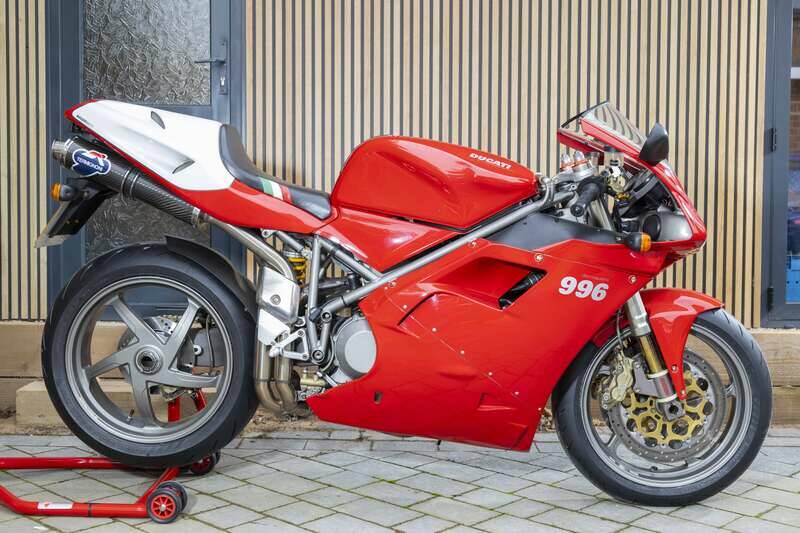
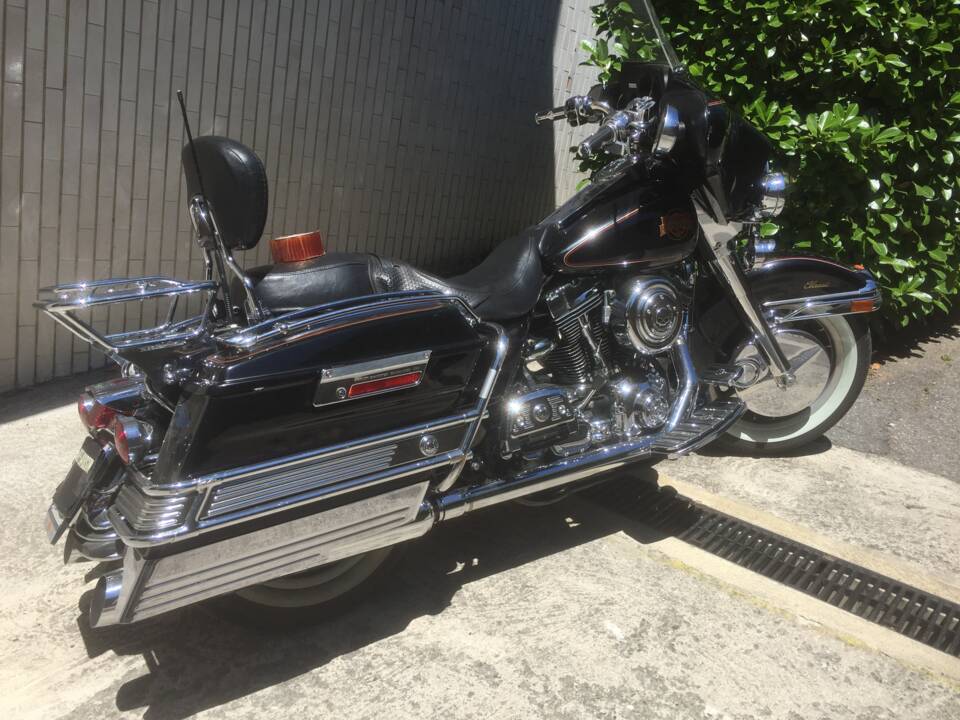
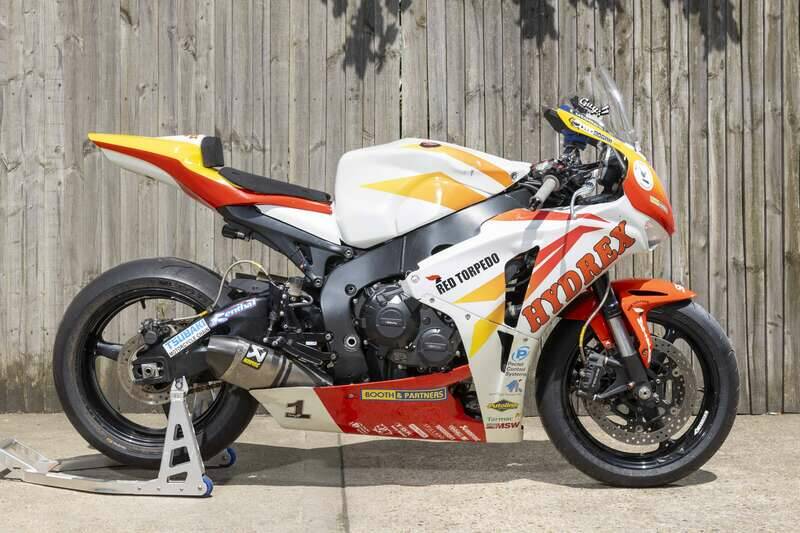
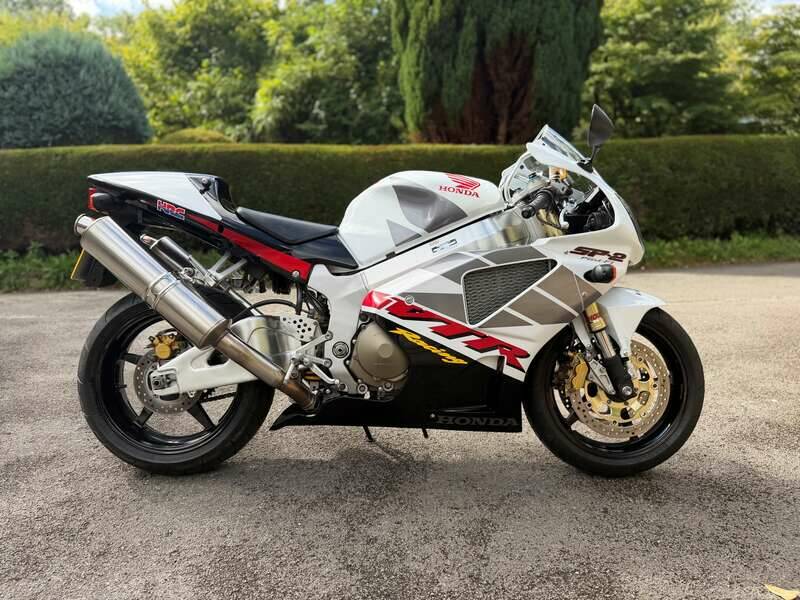
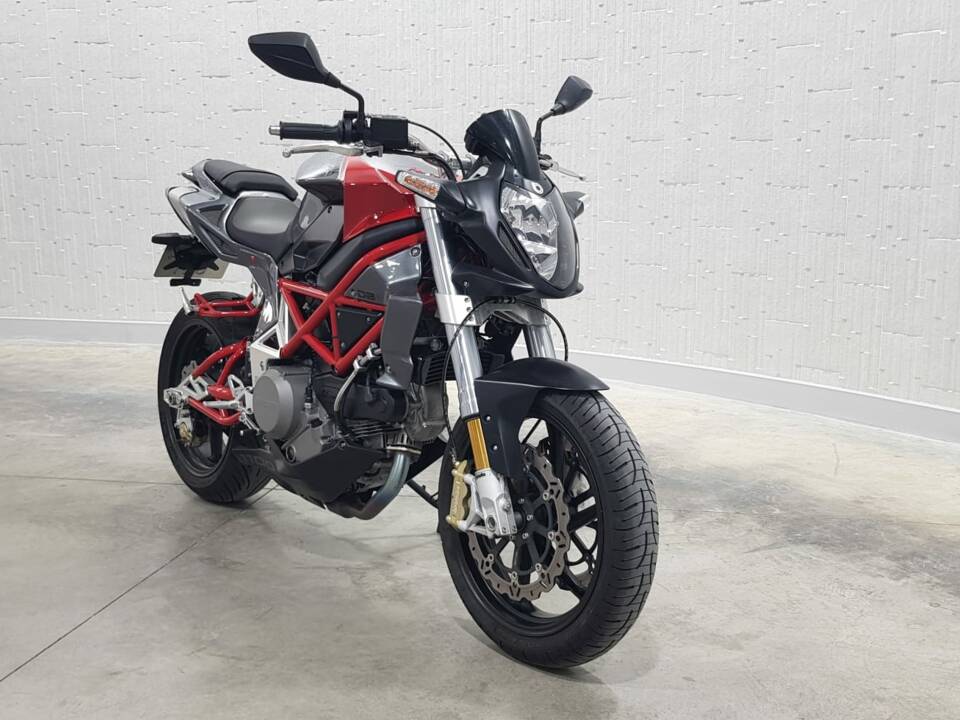
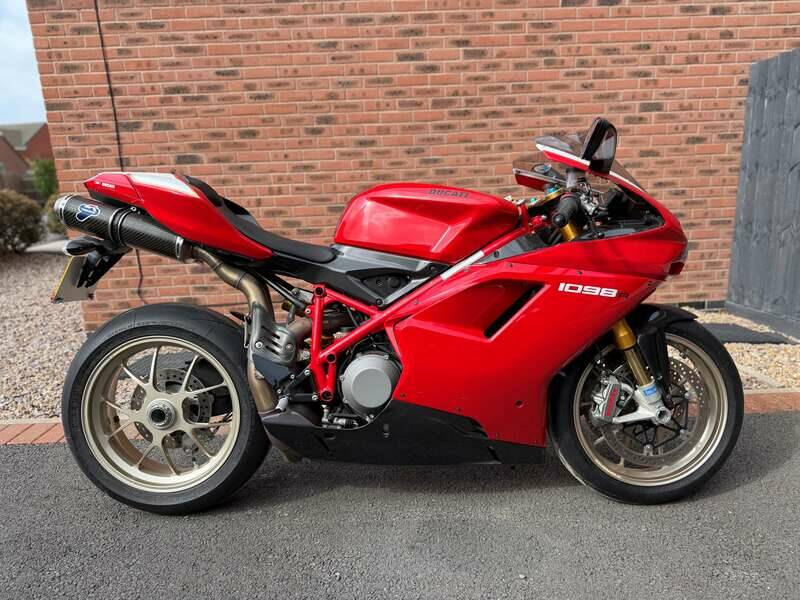
Honda CBR, Yamaha R1, Ducati 999, BMW S 1000 RR and Harley-Davidson models reflect the range from superbike to cruiser, although the S 1000 RR belongs at the decade’s edge and its exact year must be confirmed. Fuel injection became normal on many motorcycles, and electronic immobilisers, ABS, linked brakes and adjustable suspension appeared more often. Equipment varies considerably, so identify the model year before ordering parts or judging originality.
Inspect service records, steering stops, forks, brakes, electronics, exhausts and evidence of track or accident use. Check the frame number, head bearings, swingarm, wheel alignment and fork tubes. Look for rash on engine covers, bar ends, levers and rearsets, as well as cracks in fairings hidden by decals. Start from cold if possible; check oil pressure indications, cooling-fan operation, charging output and idle stability. A tired battery can disguise a broader electrical fault.
ABS and fuel injection add capability but also add components to diagnose. Check warning lamps during the start-up sequence, inspect sensors and tone rings, and confirm that wiring has not been stretched by aftermarket bars or accessories. Touring conversions can be useful in Australia, but examine racks, luggage mounts, screens, auxiliary lights and their fuses. Keep original parts and record reversible changes. Correct exhausts, air boxes, instruments, mirrors and fairings may be expensive or unavailable.
Australian imports, technology and adoption
CAN-bus systems, stability control, curtain airbags and navigation were adopted progressively, not simultaneously. Some cars have simple audio and conventional keys; others depend on multiple control modules, coded keys and a functioning display. Hybrid technology entered the Australian market through models such as the Prius, while turbocharging and direct injection spread through performance and economy cars. Confirm the production year, Australian equipment list and software history before describing a feature as original.
Privately imported Japanese cars and motorcycles may offer an unusual specification, but parts catalogues, instrument markings, corrosion protection and workshop knowledge can differ from Australian-delivered examples. Check import approval, compliance evidence, identification numbers and ownership history. A replacement ECU, altered immobiliser or substituted instrument cluster can affect reliability, originality, insurance and registration. Keep invoices for such work and ask whether the original unit is available.
Technology should be tested as well as scanned. Cycle every window, lock, display, camera, climate-control setting and warning lamp. Inspect battery age, alternator output, grounds, connectors and water drains. A scan report can identify stored faults but cannot prove that a repaired crash structure, airbag system or battery pack is safe. On a hybrid, ask for evidence of correct servicing and use an appropriately qualified technician. On a turbocharged car, inspect intercooler plumbing, oil feed lines and cooling after a road test.
Cars: engineering, originality and collector appeal
Compare cars by construction, not just badge. A separate chassis, aluminium panel, monocoque shell, turbocharger, direct-injection system or computer-managed differential creates different inspection risks. Photograph chassis and body numbers, compare them with factory literature, and ask whether the plate, engine and gearbox have been moved from another vehicle. Inspect floors, sills, suspension pick-up points, seams and windscreen surrounds; on a four-wheel-drive vehicle add the transfer case, propeller shafts and differentials.
Run a cold-start test and a proper road test. Check oil pressure and temperature, listen for chain or bearing noise, and look for smoke, coolant contamination, clutch slip and automatic shift shock. Test stability-control and ABS lamps, air conditioning, audio, parking sensors and all gauges. Review timing-chain or belt work, cooling-system service, software updates and recall evidence where available. A clean scan with no warning lamp is useful, but a straight car with neglected fluids and bushes is not a sound purchase.
Originality is especially valuable in limited performance variants. Factory wheels, brakes, seats, gauges, spoilers, badges and induction parts can cost more than expected. A plausible replica may be enjoyable, but it should not be represented as a factory edition. Compare photographs with period catalogues, ask for build documentation and retain removed components from reversible upgrades. Prioritise completeness and a sound shell over fresh paint. Check local suppliers, dismantlers, specialist workshops and overseas freight before committing to a rare project.
Buying, restoring and owning in Australia
Set a budget in three columns: purchase, immediate safety work and sympathetic restoration. Allow for diagnostic time, coded keys, modules, batteries, tyres, freight, storage, machining, paint and trim. A non-running project can be rewarding only after counting missing electronic and body parts. Ask for a written inspection and never rely on photographs alone; water in a boot, blocked drains or heat-damaged wiring may be more significant than a scratch.
Preserve the vehicle’s evidence. Photograph labels, connectors and fasteners before dismantling, retain original wheels and exhausts, and keep receipts and software reports. Use correct fluids, hoses, tyres and wiring. Do not remove safety systems casually. After recommissioning, test brakes, steering, lights, cooling, charging and all warning systems in a controlled setting. Keep a log of dates, kilometres, part numbers, battery tests and modifications so future owners can separate factory equipment from later work.
Ask the seller for clear title, import documents where relevant, receipts and inspection reports. Contact the registration authority in the relevant Australian state or territory before purchase about historic registration, engineering approval, roadworthiness, number plates and permitted modifications; rules differ and can change. These are cautions rather than a promise that a vehicle qualifies. Arrange suitable insurance, secure storage and roadside assistance. Clubs and marque specialists can help with manuals and parts, but their advice should complement a qualified inspection.
A good 2000s car or motorcycle offers usable performance with a recognisable place in Australian motoring history. Judge it as a particular machine with a particular specification, not as a generic decade object. Honest condition, supported electronics, available parts and documented changes matter more than an optimistic description or a freshly polished exterior.